 Peaks in Feb
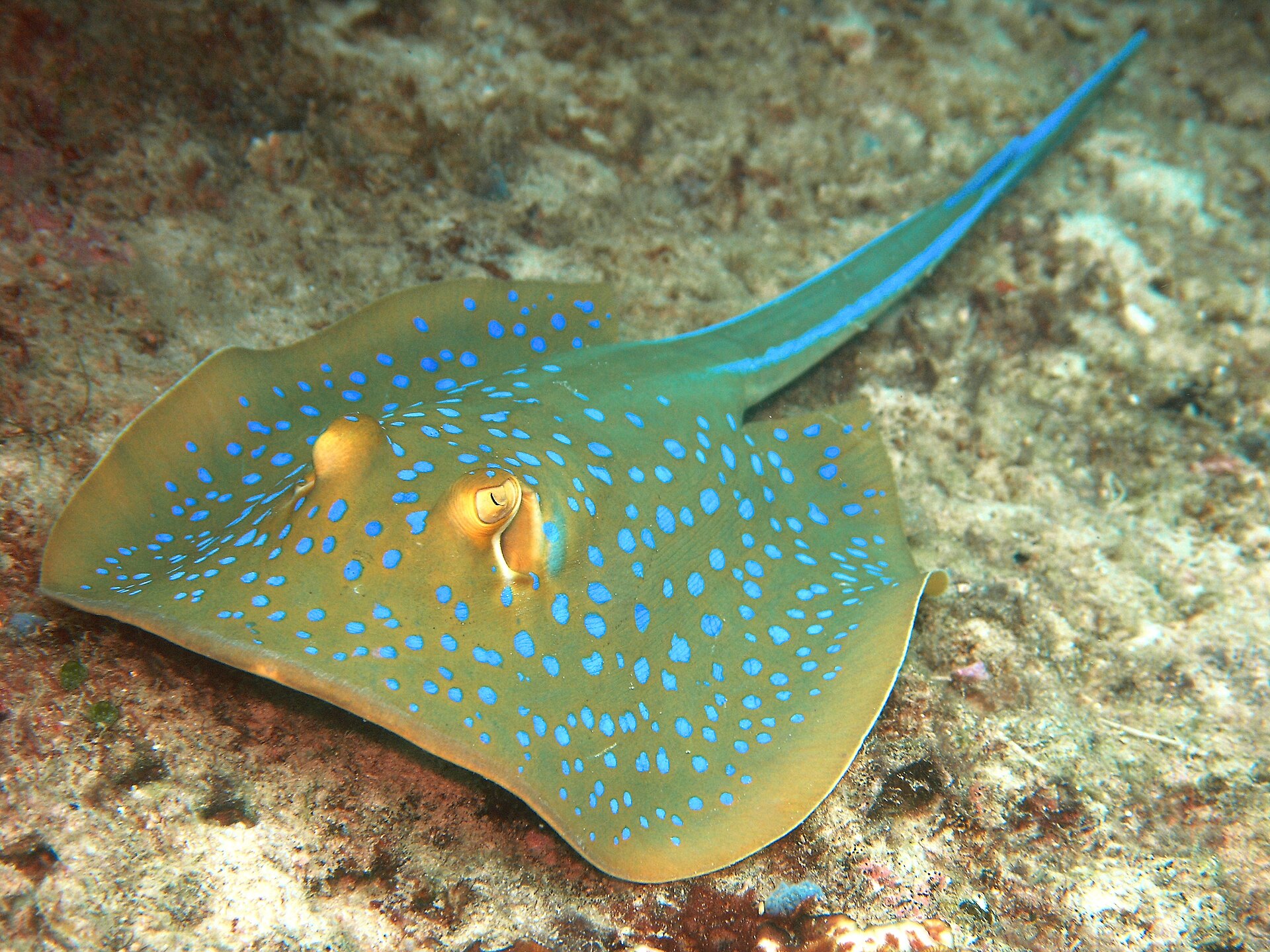
Ribbontailed StingrayTaeniura lymmaSeen here
4%of dives
Elasmobranchii
Photo: Jens Petersen, via Wikimedia Commons · CC BY 2.5 · taken elsewhere
Boat dive · Coral
Japanese Gardens (Aow Sam) is a sheltered coral bay off Koh Nang Yuan's east coast, in the shallow channel that separates it from Koh Tao, and it holds some of the biggest coral heads in the area.
Also called Aow Sam, Japanese Garden
Japanese Gardens (Aow Sam) is a sheltered coral bay off Koh Nang Yuan's east coast, in the shallow channel that separates it from Koh Tao, and it holds some of the biggest coral heads in the area. The reef runs from about 2 m down to 18 m, broken up by sand and a set of concrete blocks that groups use for buoyancy practice.
Hawksbill turtles, blue-spotted stingrays, pufferfish, clownfish and batfish turn up here, and staghorn corals are recorded nearby. The easy conditions make it a common pick for first dives, newly certified divers and snorkellers, so expect other groups in the water.
Interactive map loads here. Every site on it is also listed on this page.
November scores 7.3, against 7.5 in its best months. Live sea readings from NOAA Coral Reef Watch and NOAA WaveWatch III as of 10 Nov 2026.
Every month gets its own Divegrade score from that month's marine life, visibility, reef and reviews. Across Koh Tao as a whole, the best months are Mar-May.
Mostly from years of satellite readings of how clear the water is around this site. Each bar runs from a bad day, which about 1 day in 10 is worse than, to a great day, which about 1 day in 10 beats; the line marks a typical day. Satellites can't see through cloud, so stormy days are underrepresented and the real bad days can be murkier. For 12 months here, local dive centers report worse days than the satellites see, so the bar starts at their figure. Logged dives will sharpen it over time.
| Species | Jan | Feb | Mar | Apr | May | Jun | Jul | Aug | Sep | Oct | Nov | Dec |
|---|---|---|---|---|---|---|---|---|---|---|---|---|
| Ribbontailed Stingray | 4 | 7 | 6 | 3 | 1 | 3 | 5 | 3 | 2 | 3 | 5 | 3 |
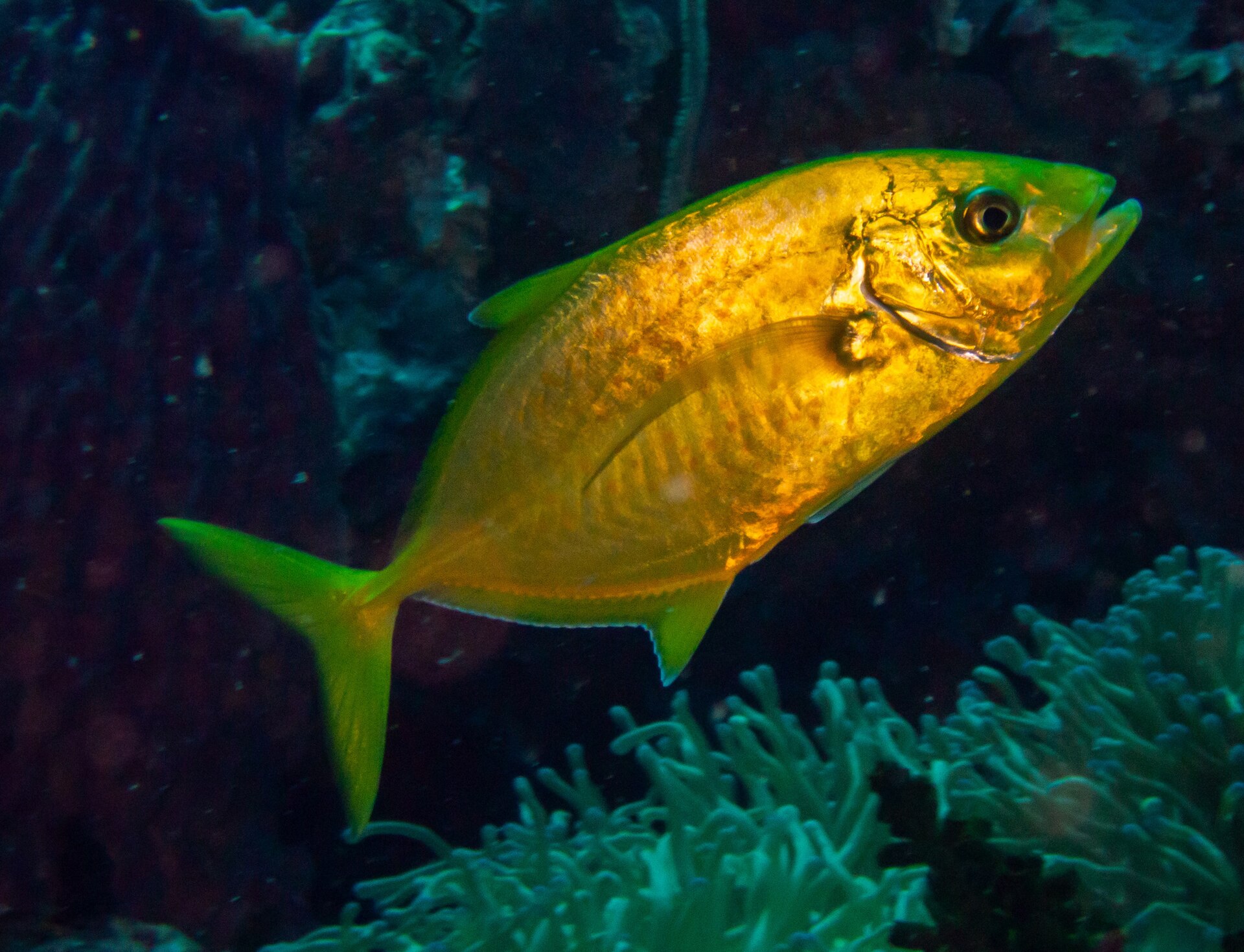 Orange-spotted Trevally | 2 | 1 | 1 | 1 | 1 | 2 | 3 | 4 | 11 | 4 | 2 | 2 |
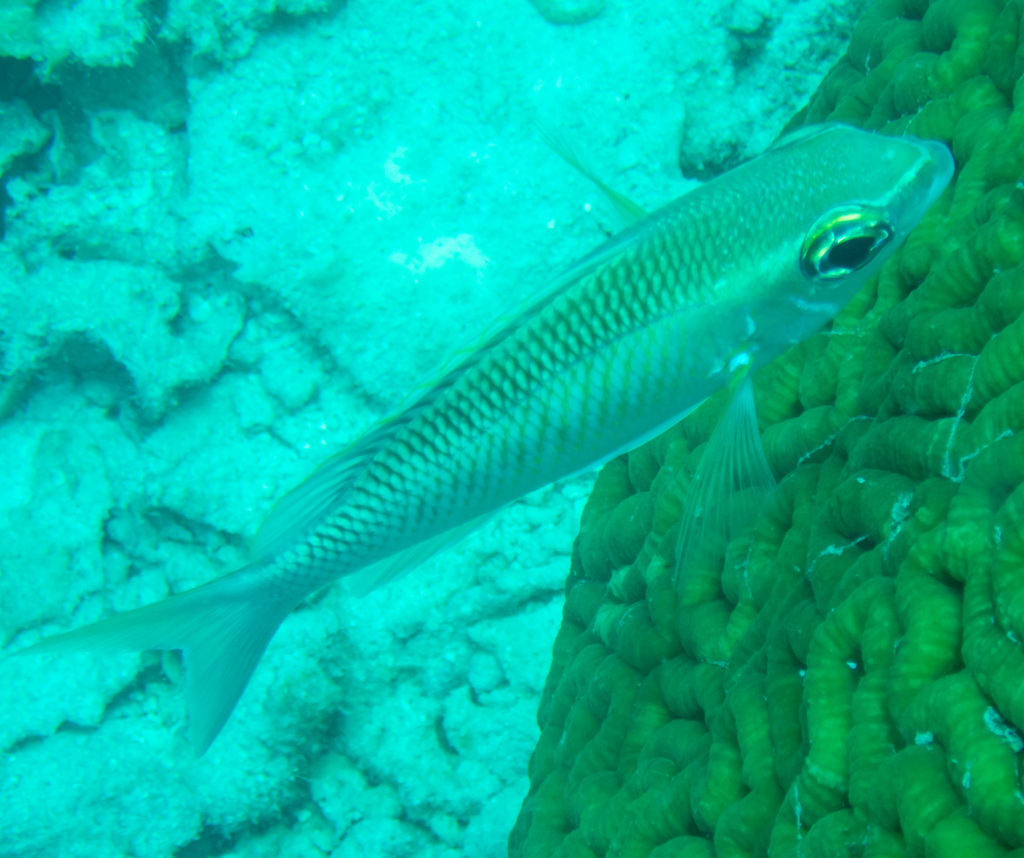
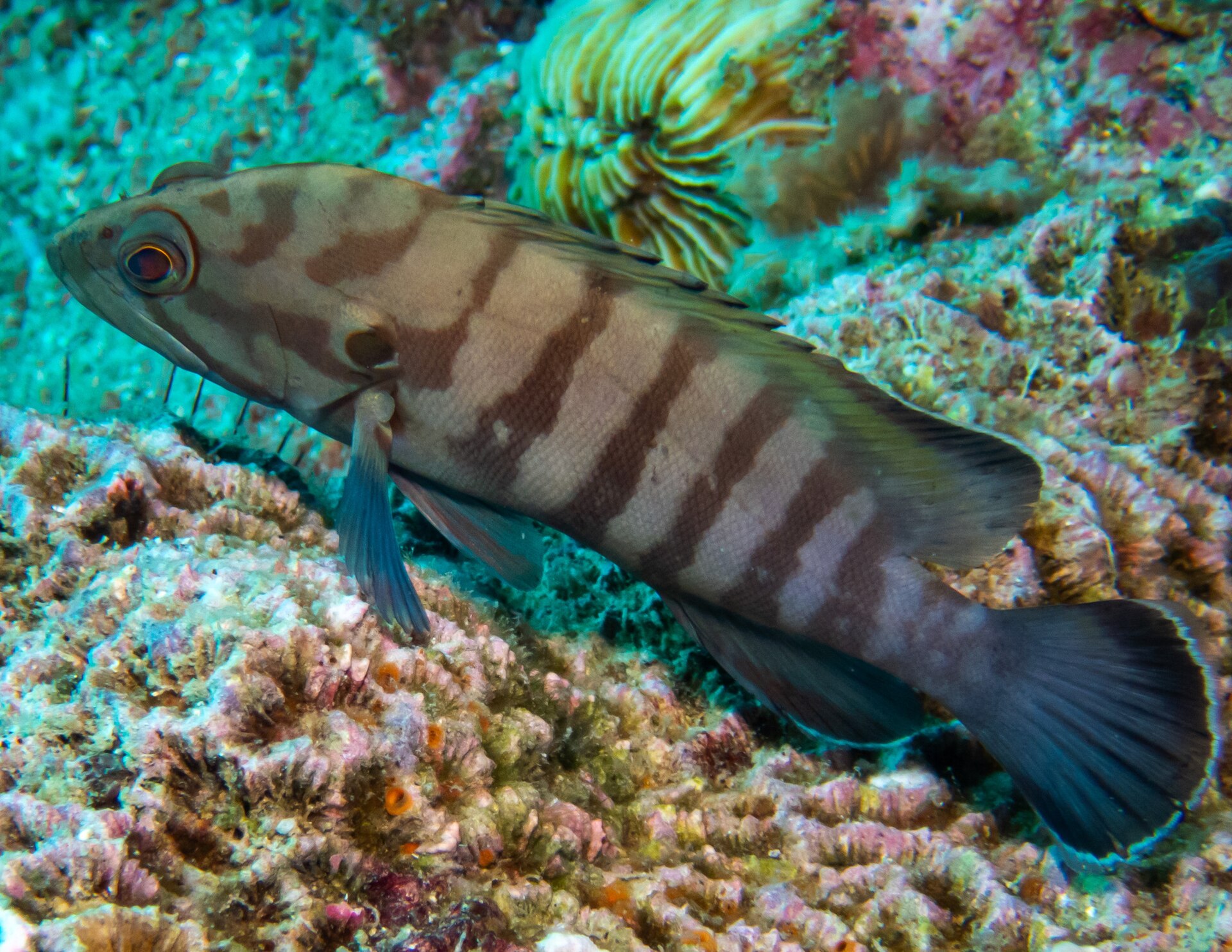 Vielle Chocolat | 6 | 4 | 3 | 4 | 8 | 9 | 11 | 16 | 27 | 16 | 9 | 7 |
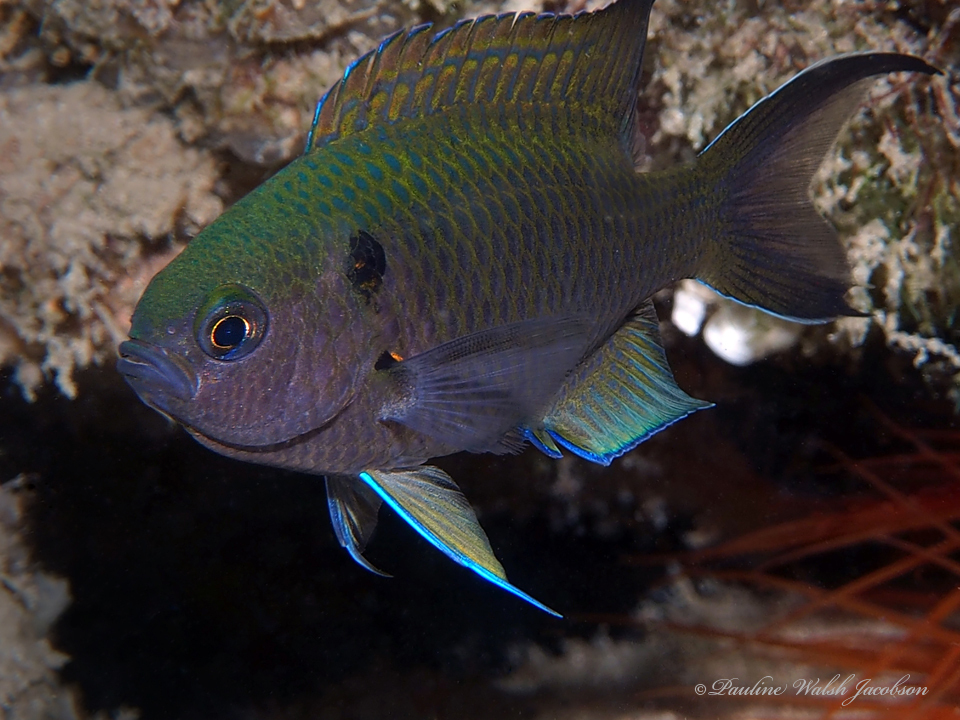 Regal Demoiselle | 4 | 2 | 2 | 2 | 2 | 4 | 5 | 8 | 24 | 11 | 4 | 4 |
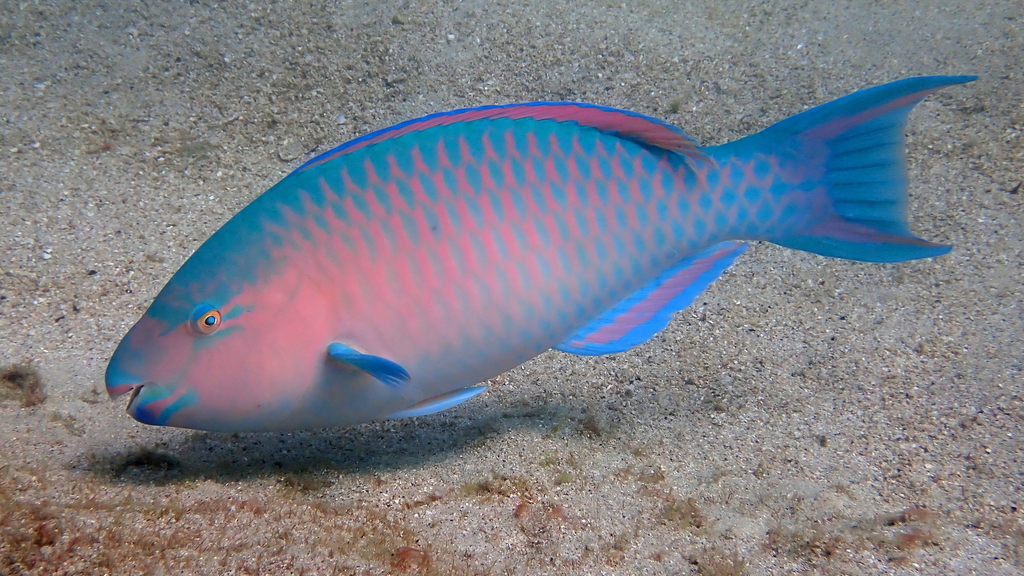 Yellow Scale Parrotfish | 6 | 4 | 4 | 3 | 3 | 6 | 9 | 11 | 20 | 17 | 13 | 9 |
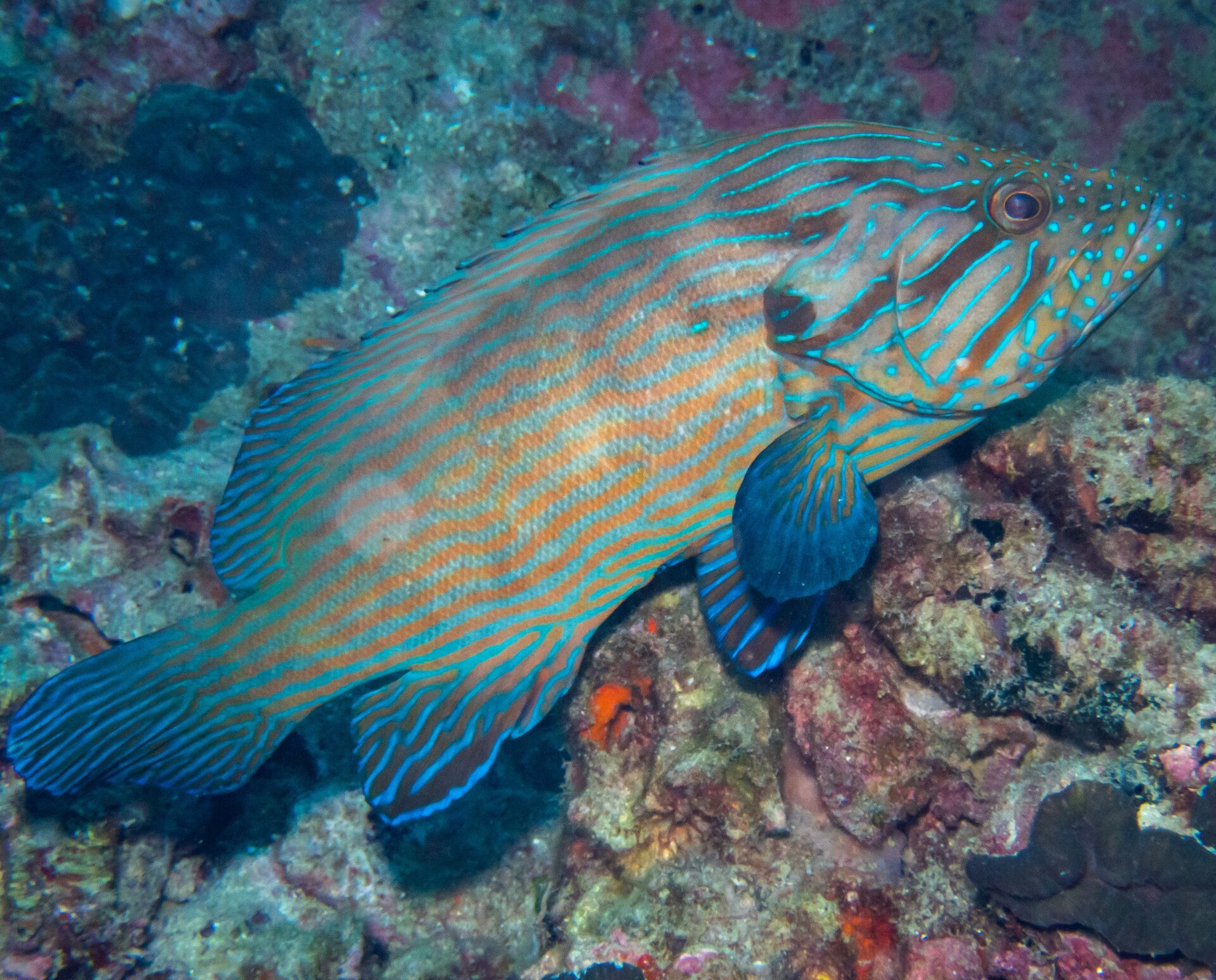 Chocolate Hind | 4 | 3 | 2 | 2 | 2 | 6 | 11 | 10 | 20 | 11 | 7 | 5 |
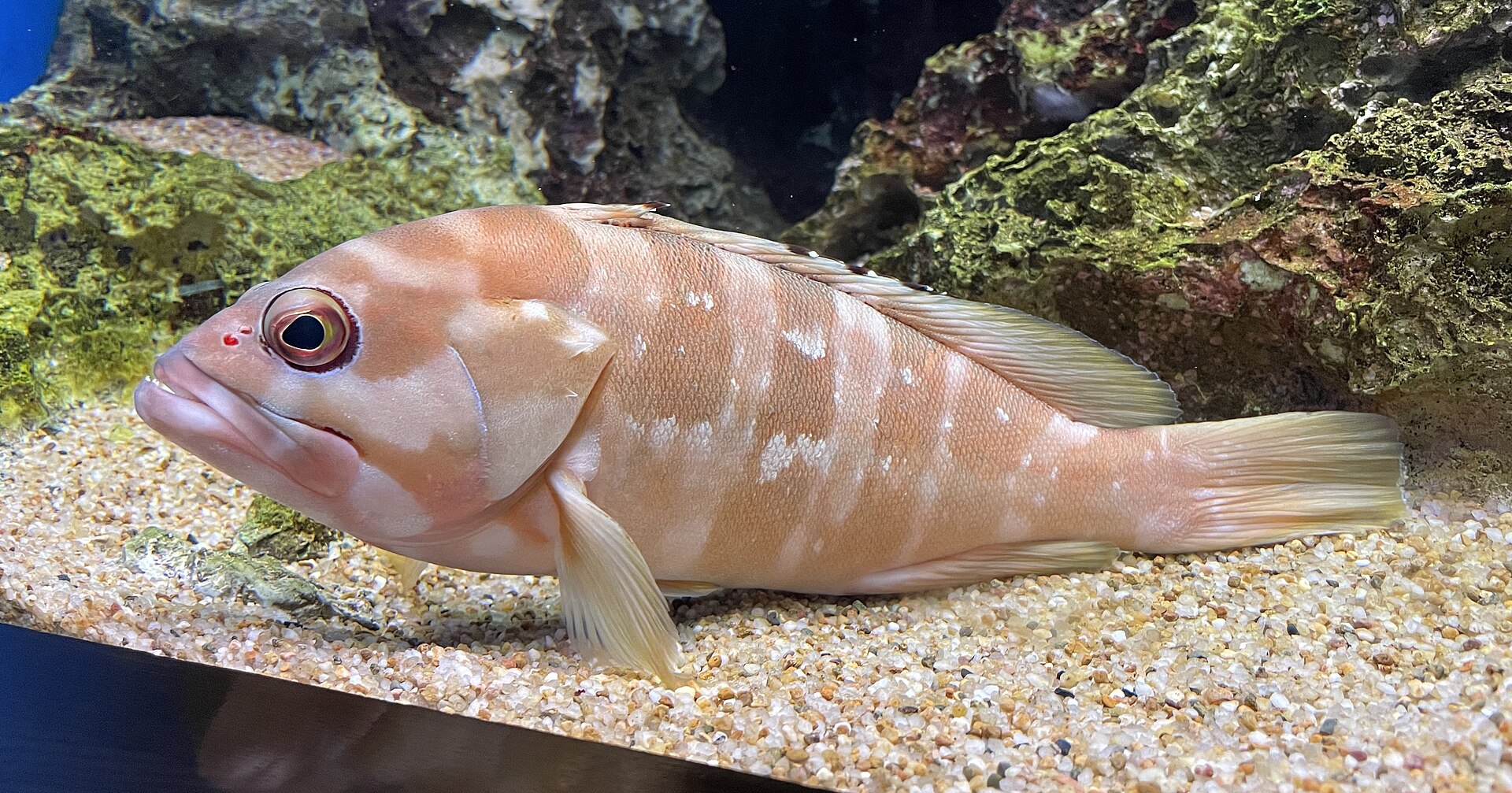 Redbarred Roccod | 7 | 5 | 6 | 4 | 3 | 7 | 11 | 10 | 14 | 19 | 16 | 10 |
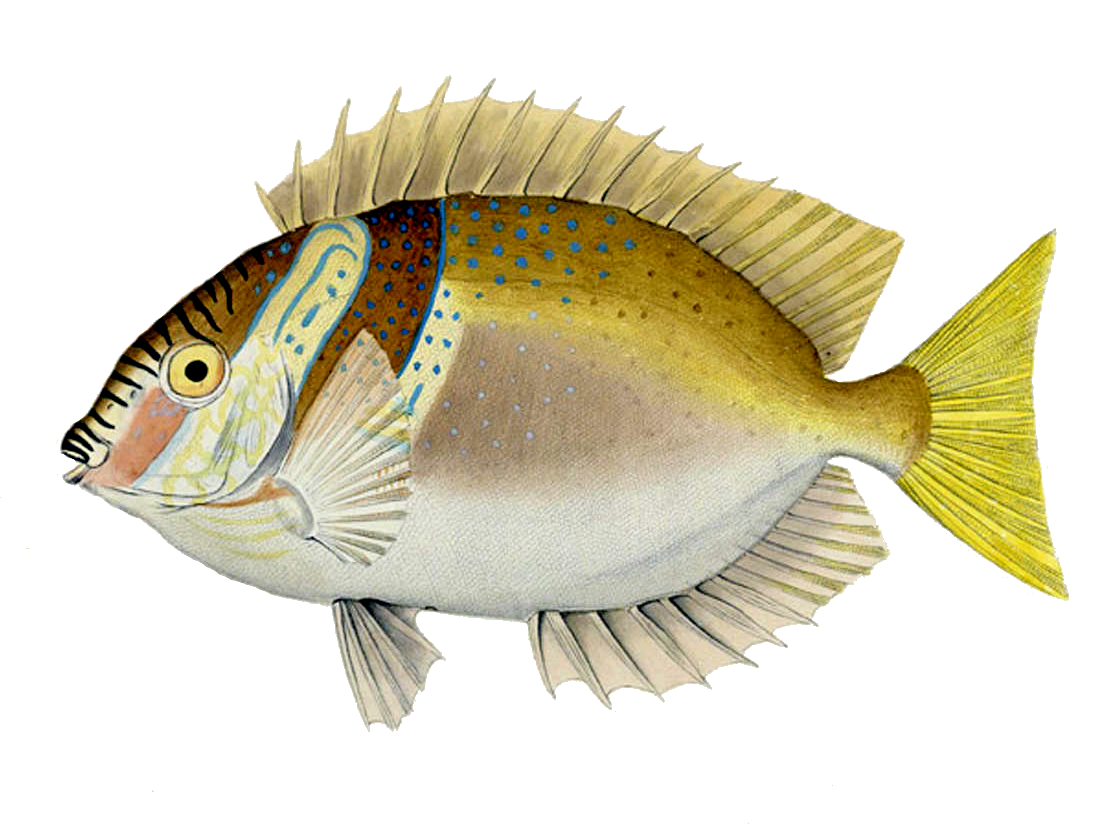 Doublebar Rabbitfish | 11 | 10 | 4 | 3 | 4 | 8 | 14 | 16 | 19 | 14 | 10 | 13 |
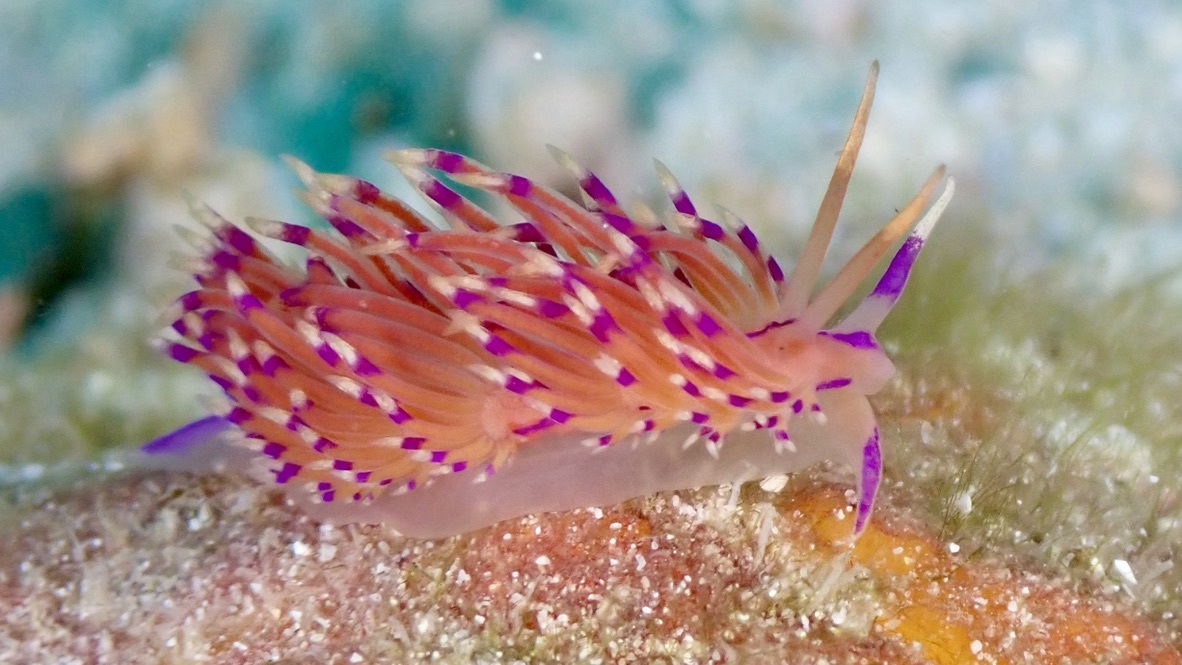 Unidentia aliciae | 4 | 10 | 19 | 9 | 7 | 6 | 3 | 2 | 2 | 2 | 3 | 4 |
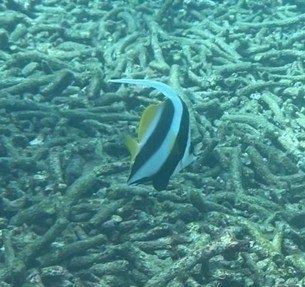 Wimple Fish | 6 | 6 | 7 | 4 | 4 | 10 | 19 | 17 | 19 | 11 | 7 | 7 |
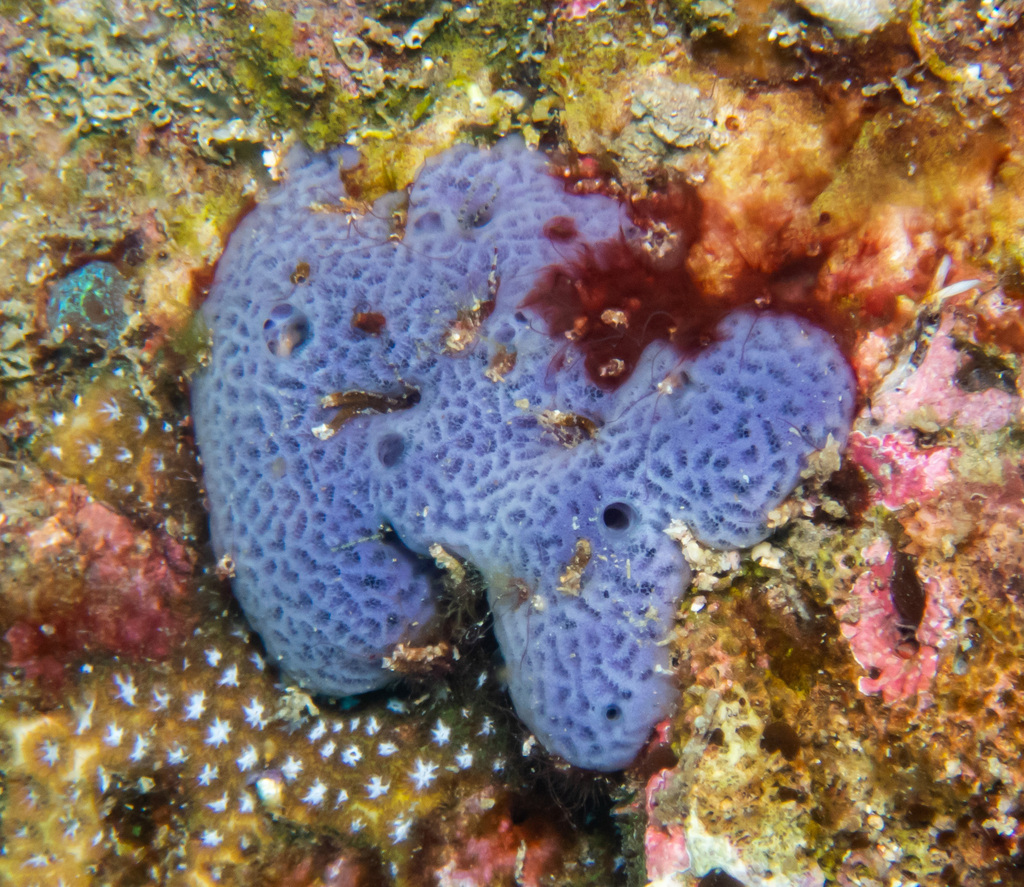 Amphimedon sulcata | 3 | 2 | 1 | 1 | 2 | 4 | 7 | 8 | 17 | 6 | 2 | 3 |
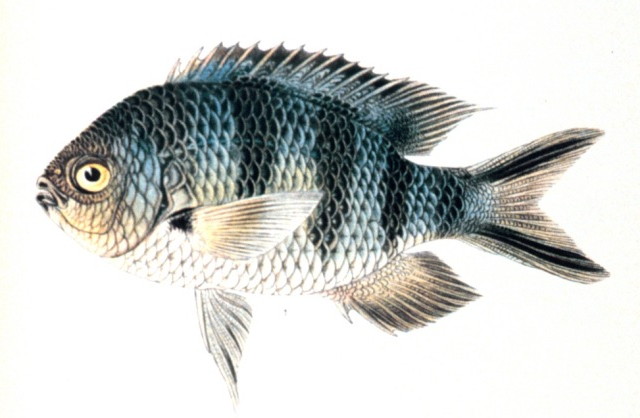 Scissortail sergeant | 16 | 5 | 2 | 3 | 5 | 5 | 8 | 13 | 10 | 12 | 10 | 15 |
The big draws first (sharks, rays, turtles, octopus and the like) when they turn up on at least 1 dive in 20 in their best month, then the regulars, ranked by how often divers record them across the year. Each percentage is the share of sampled dive days that recorded the species. Where this site has few records of its own, sightings from similar nearby sites (same side of the island, similar depth and exposure) are added at a lower weight and marked "seen nearby".
Peaks in FebElasmobranchii
Photo: Jens Petersen, via Wikimedia Commons · CC BY 2.5 · taken elsewhere
Peaks in SepPhoto: portioid, via Wikimedia Commons · CC BY 4.0 · taken elsewhere
Peaks in SepPhoto: H. Schlegel, via Wikimedia Commons · PD · taken elsewhere
Peaks in SepPhoto: portioid, via Wikimedia Commons · CC BY SA 4.0 · taken elsewhere
Peaks in JulPhoto: (c) Gonzalo Ganda Álvarez, some rights reserved (CC BY) · CC BY · taken elsewhere
Peaks in OctPhoto: Totti, via Wikimedia Commons · CC BY SA 4.0 · taken elsewhere
Divers pick the cover photo. Open any photo and vote for it; the one with the most votes leads this page.
Reviews linked to a logged dive, and reviews from experienced divers, carry more weight in the score.
Nobody has reviewed Japanese Gardens yet. Be the first: reviews from divers with a logged dive here count most.
Confirmed: each lists this site on its own website. Listed alphabetically.
| DIVE CENTER | AGENCIES | NITROX | CONTACT | Action |
|---|---|---|---|---|
Big Blue DivingKoh Tao | SSI | Not known | Website+66 77 456 123 | View |
Crystal DiveKoh Tao | SSI | Yes | Website | View |
Dive Center "Scuba Birds"Koh Tao | PADI | Not known | Website+66990307571info@scubabirds.comOSM | View |
Dive Poin Koh TaoKoh Tao | SSI | Yes | Website+66 77456231OSM | View |
Goodtime AdventuresKoh Tao | SSI | Yes | Website+66872753604OSM | View |
Hydronauts Diving ResortKoh Tao | RAID | Not known | Website+ 66 080 065 8782OSMinfo@hydronautsdiving.comOSM | View |
Nava Scuba DivingKoh Tao | PADI | Yes | Website+66 77 601198OSMinfo@navascuba.comOSM | View |
New Heaven Dive SchoolKoh Tao | SSI | Not known | Website+66 77 457 045info@newheavendiveschool.com | View |
Siam Scuba Dive CenterKoh Tao | BSAC, CMAS, NAUI, PADI, RAID, SSI | Not known | Websitesiamscubadivep@gmail.comOSM | View |
The Dearly Dive Koh TaoKoh Tao | PADI, RAID, SSI | Not known | Website+66-(0)77-332-494info@thedearlykohtaohostel.com | View |
These centers run trips to sites near Japanese Gardens or are based within 10 km, but their own websites don't name Japanese Gardens. Ask them before you book. Run trips here? Claim your listing and add it.
| DIVE CENTER · WHY LISTED | AGENCIES | NITROX | CONTACT | Action |
|---|---|---|---|---|
French Kiss Divers - ChalokNot confirmed Runs trips to Twins, 550 m away | SSI | Yes | Website+66641276082frenchkissdivers@gmail.com | View |
KTD - Koh Tao DiversNot confirmed Runs trips to No Name, 1.1 km away | SSI, TDI | Not known | Website | View |
Nang Yuan Easy DiversNot confirmed Based 350 m awayOSM | Not listed | Not known | Website | View |
New Way DivingNot confirmed Based 2.3 km awayOSM | Not listed | Not known | Website+66 77 456 527OSMinfo@newwaydiving.comOSM | View |
Apnea TotalNot confirmed Based 2.6 km awayOSM | Not listed | Not known | Website | View |
Rainbow Fish DiversNot confirmed Based 2.9 km awayOSM | Not listed | Not known | Website+66 89-521-7738OSMstefan@rainbowfishdivers.comOSM | View |
Flow DiversNot confirmed Based 3.0 km awayOSM | PADI | Yes | Website+66 82 679 2382OSMinfo@flowdivers.comOSM | View |
Freedive Koh TaoNot confirmed Based 3.0 km awayOSM | Not listed | Not known | Websiteinfo@freedivekohtao.comOSM | View |
OSM From OpenStreetMap (© OpenStreetMap contributors, ODbL), not from the center's own website.
Depth, current and certification are safety calls. This isn't a dive briefing: your guide gives that on the boat or at the entry.
July, September, October score highest for Japanese Gardens.
Beginner. No certification needed: try dives and guided discover-scuba sessions. Depth 2-18 m.
Site facts: Dive center websites, derived, geoparse, NOAA Coral Reef Watch and NOAA WaveWatch III. Occurrence data from GBIF.org; sea conditions from NOAA Coral Reef Watch and Copernicus Marine. Score computed 12 Nov 2026 from 75 logged dives and 0 reviews: medium confidence.
Water temperature: average surface temperature by month from NOAA OISST climatology; at a typical dive depth here from the E.U. Copernicus Marine Service ocean reanalysis. Visibility: NASA satellite water-clarity data, local dive center reports and logged dives.
Pearly Monocle Bream near Japanese Gardens: (c) portioid, some rights reserved (CC BY), via iNaturalist (CC BY). Neon Damselfish near Japanese Gardens: (c) portioid, some rights reserved (CC BY), via iNaturalist (CC BY). Bluering Angelfish near Japanese Gardens: (c) portioid, some rights reserved (CC BY), via iNaturalist (CC BY). Commercial Top Shell near Japanese Gardens: (c) portioid, some rights reserved (CC BY), via iNaturalist (CC BY).


