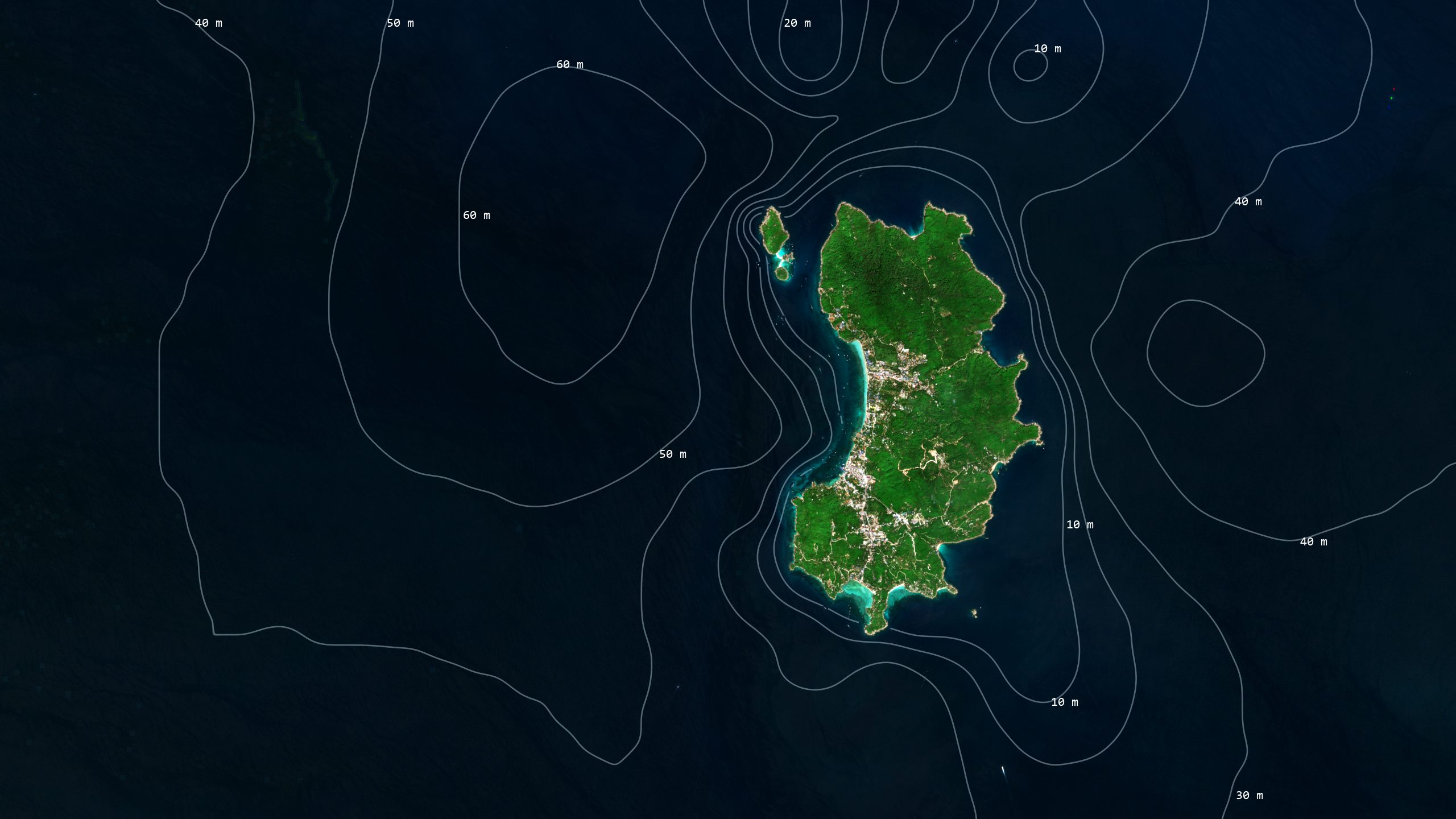
Koh Tao in March
March is peak season in Koh Tao. Expect water around 29 °C at the surface and 29 °C at depth, with about 23 m of visibility.
- Season
- Peak season
- Water
- 29 °C
- Visibility
- 23 m
- Waves
- 0.5 m
- Species likely
- 366
What March is like in Koh Tao.
Month grade from logged dives across 23 sites: visibility, sea state and sightings. Tap a month to compare.
Surface 29 °C, at depth 29 °C, visibility 23 m, waves about 0.5 m.
Compare Koh Tao in April or see the whole year on the Koh Tao page.
Best dive sites in Koh Tao in March.
Ranked by Divegrade score for March. Each line shows the site's March conditions where divers have logged them.
Interactive map loads here. Every site on it is also listed on this page.
- 01Chumpon Pinnacle24 m viz · 29 °C · Advanced · 12-45 m8.1
- 02HTMS Sattakut23 m viz · 29 °C · Advanced · 18-31 m7.5
- 03Southwest Pinnacle22 m viz · 29 °C · Advanced · 4-40 m7.5
- 04Aow Tanote23 m viz · 29 °C · Beginner · 2-20 m7.3
- 05Sail Rock20 m viz · 29 °C · Open Water · 0-40 m7.3
- 06Hin Ngam22 m viz · 29 °C · Beginner · 3-16 m7.2
- 07HTMS Hanhak Sattru Wreck23 m viz · 29 °C · Open Water · 16-28 m7.1
- 08King Kong Rock23 m viz · 29 °C · Open Water · 5-18 m7.1
- 09White Rock23 m viz · 29 °C · Open Water · 2-26 m7.1
- 10Aow Leuk22 m viz · 29 °C · Beginner · 3-20 m6.9
- 11No Name23 m viz · 29 °C · Advanced · 11-30 m6.9
- 12Green Rock24 m viz · 29 °C · Open Water · 4-32 m6.8
- 13Twins23 m viz · 29 °C · Beginner · 5-25 m6.8
- 14Buddha Point22 m viz · 29 °C · Open Water · 3-12 m6.7
- 15Lighthouse Pinnacle23 m viz · 29 °C · Beginner · 5-18 m6.7
- 16Chalok Bay22 m viz · 29 °C · Open Water · 3-12 m6.6
- 17Laem Thien Bay23 m viz · 29 °C · Open Water · 4-14 m6.6
- 18Shark Island22 m viz · 29 °C · Open Water · 3-30 m6.6
- 19Japanese Gardens23 m viz · 29 °C · Beginner · 2-18 m6.5
- 20Junkyard Reef23 m viz · 29 °C · Beginner · 7-12 m6.5
- 21Koh Nang Yuan23 m viz · 29 °C6.5
- 22Mango Bay23 m viz · 29 °C · Beginner · 2-20 m6.5
- 23Tao Tong22 m viz · 29 °C · Open Water · 5-18 m6.5
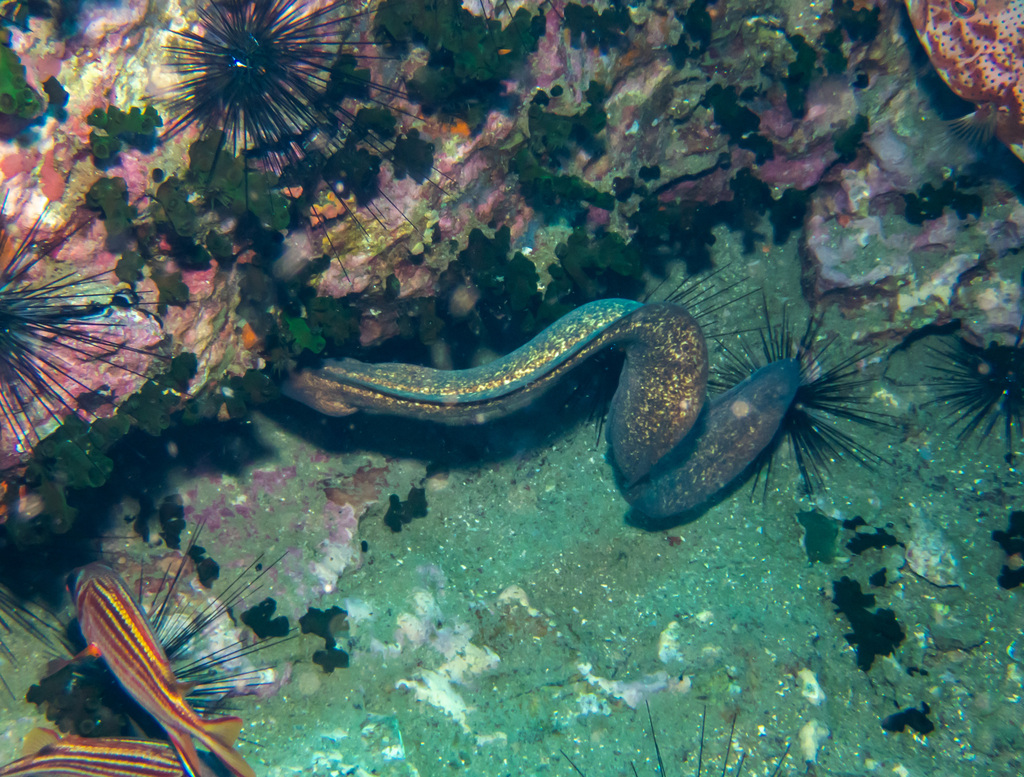
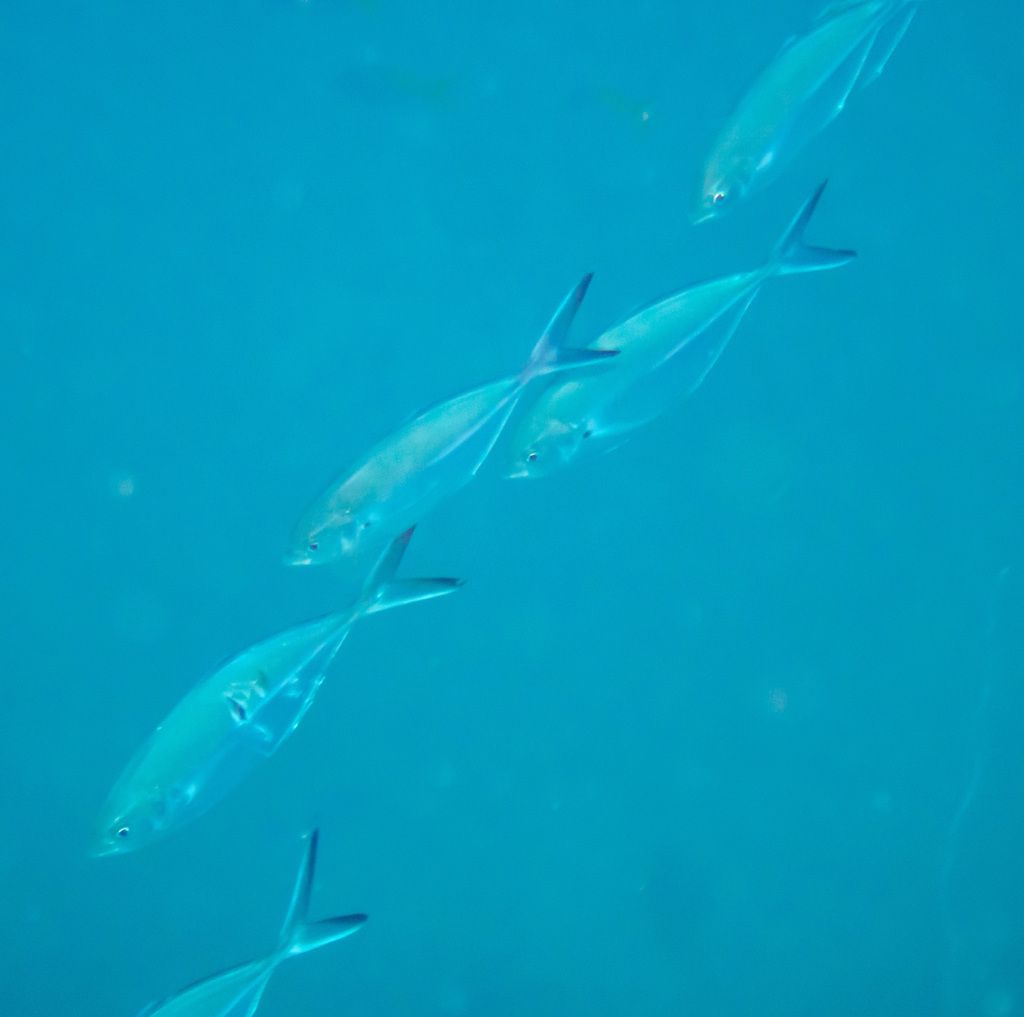
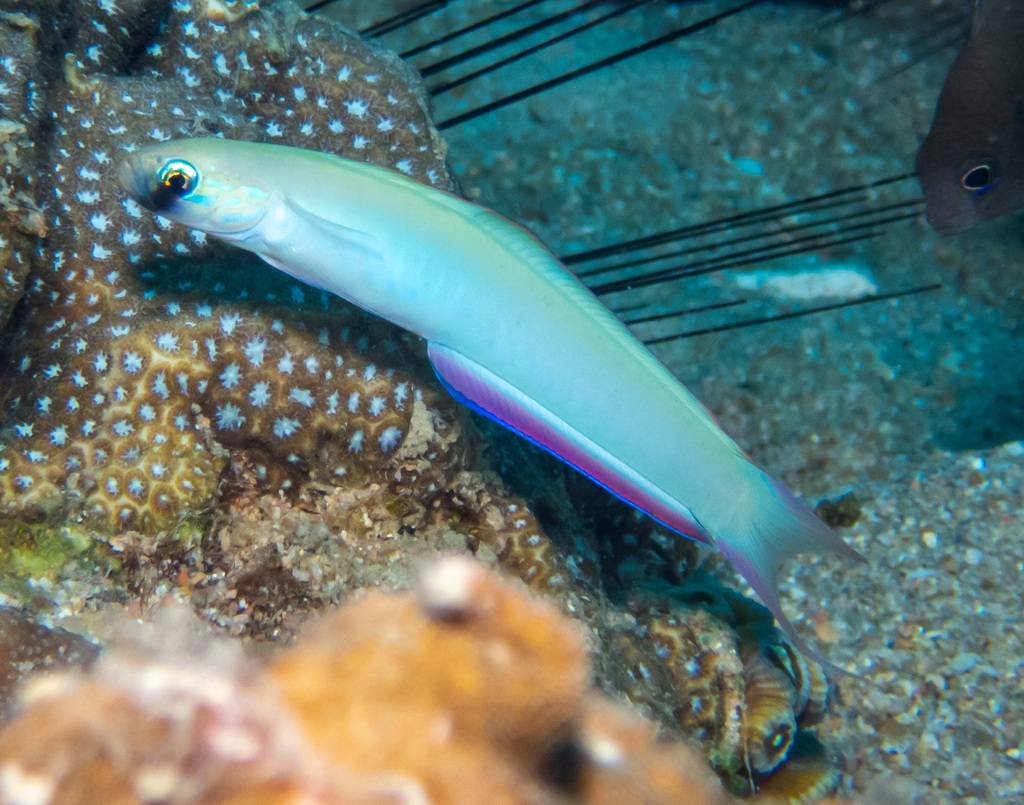
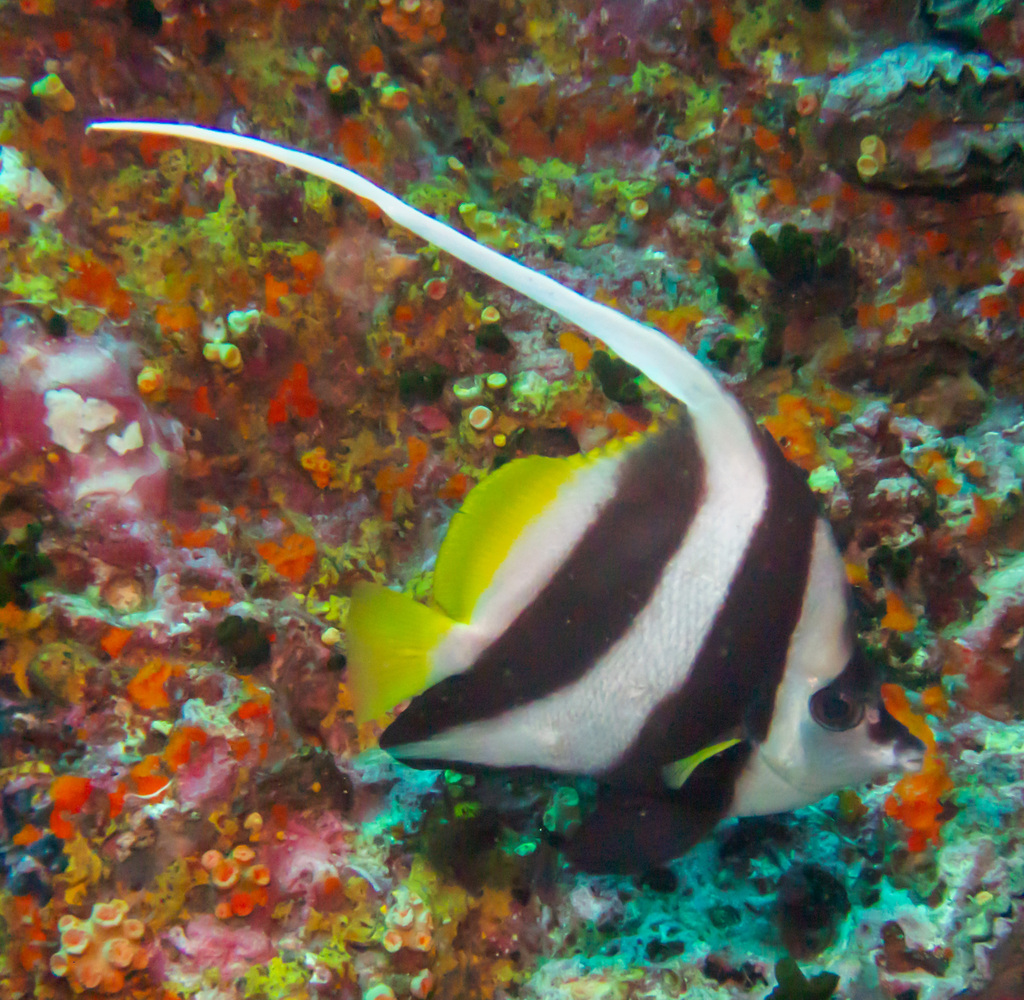
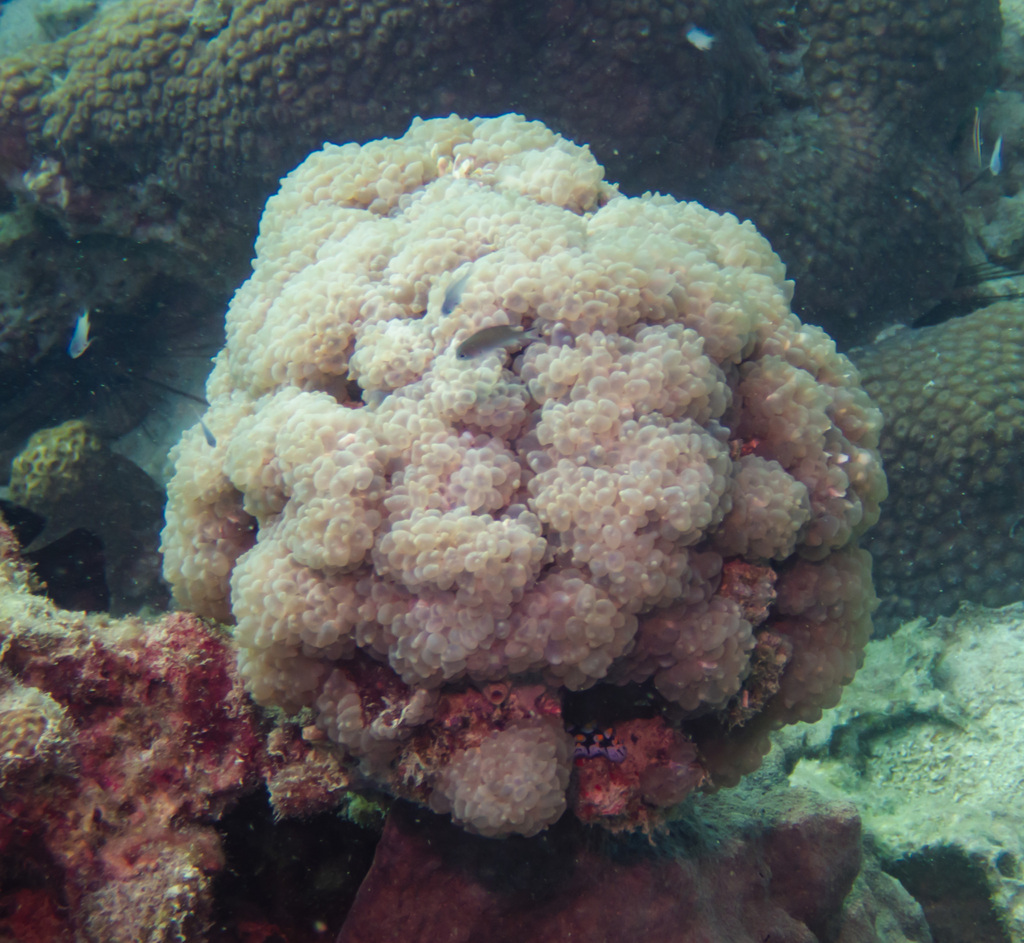
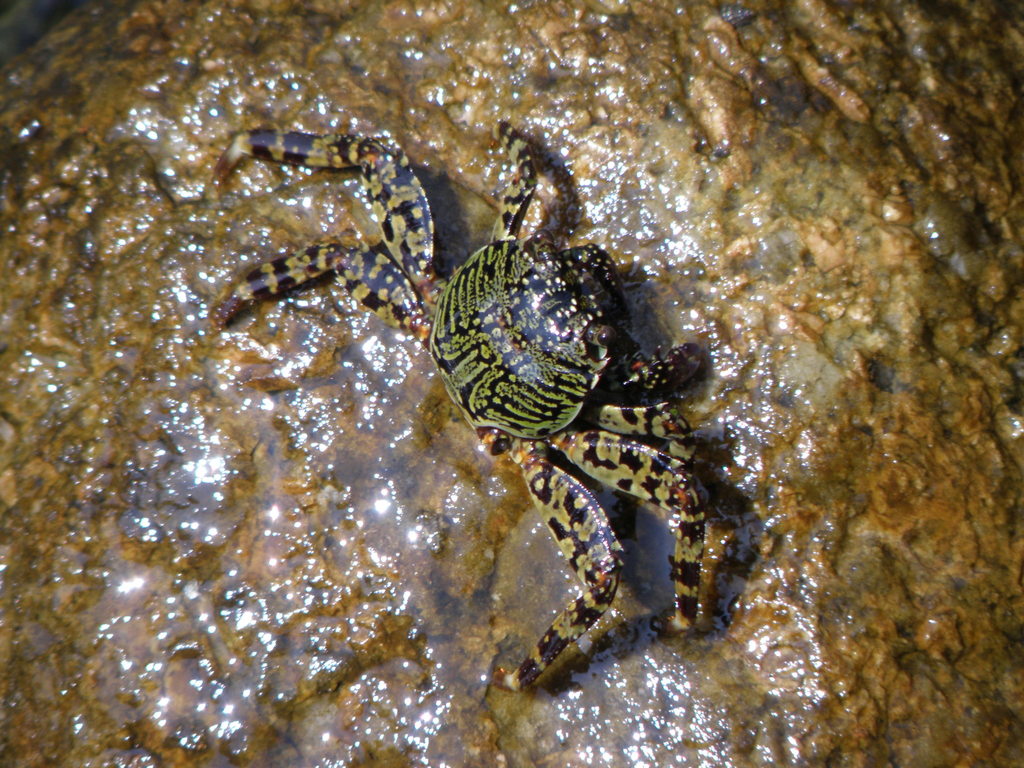
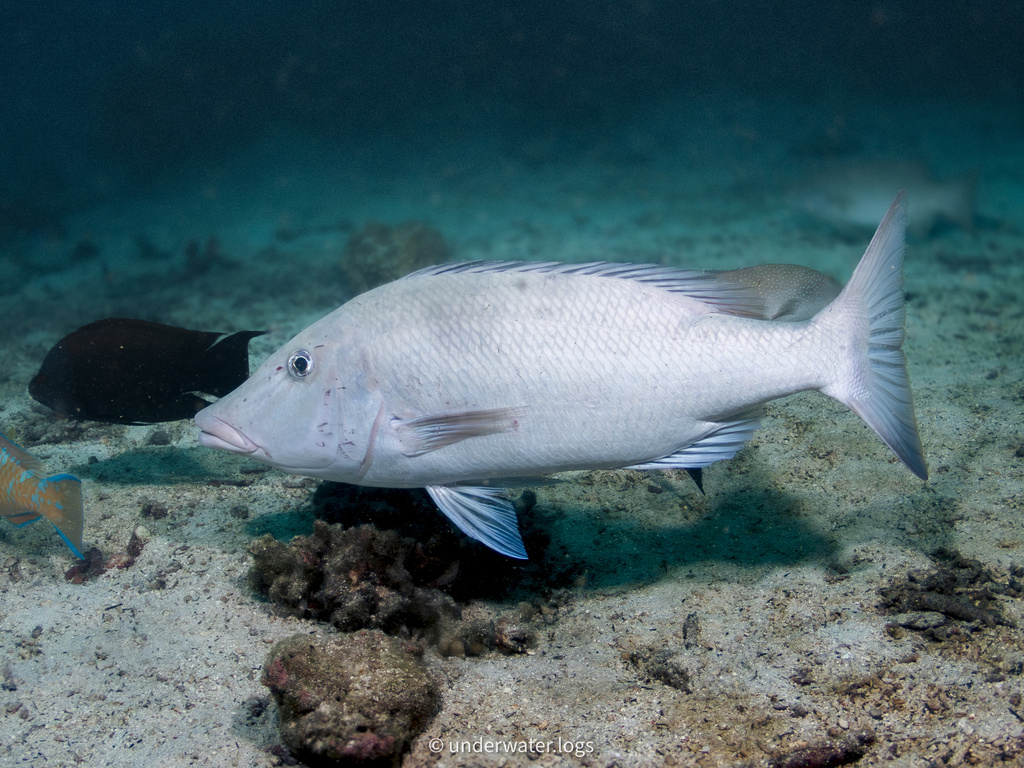
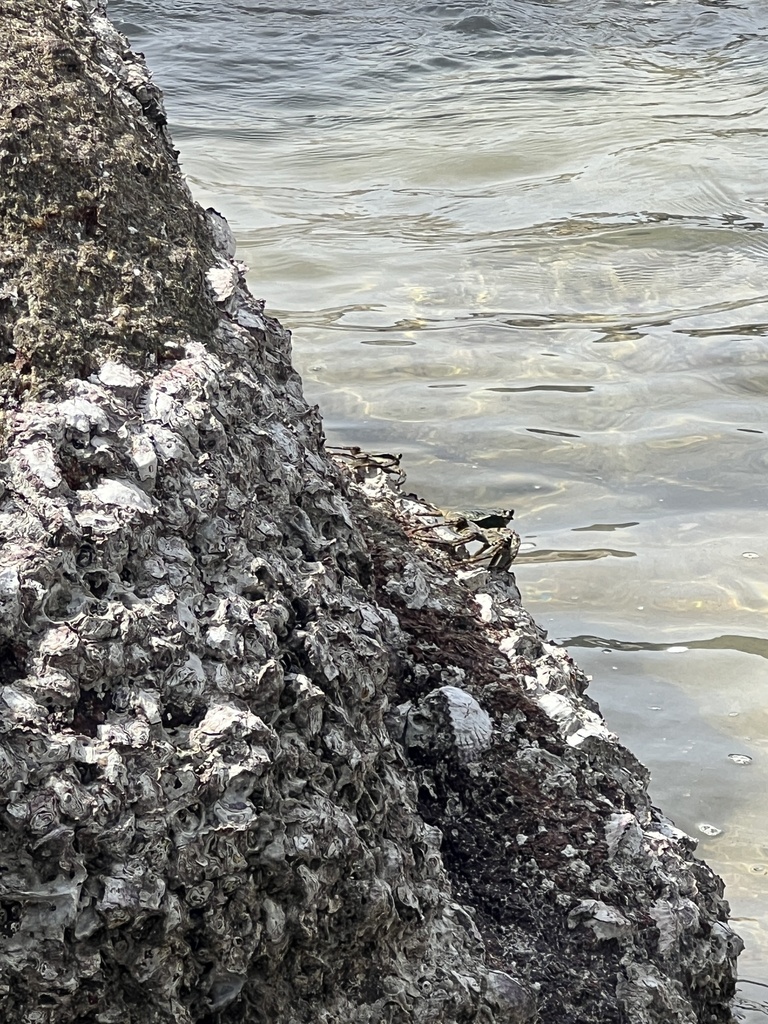
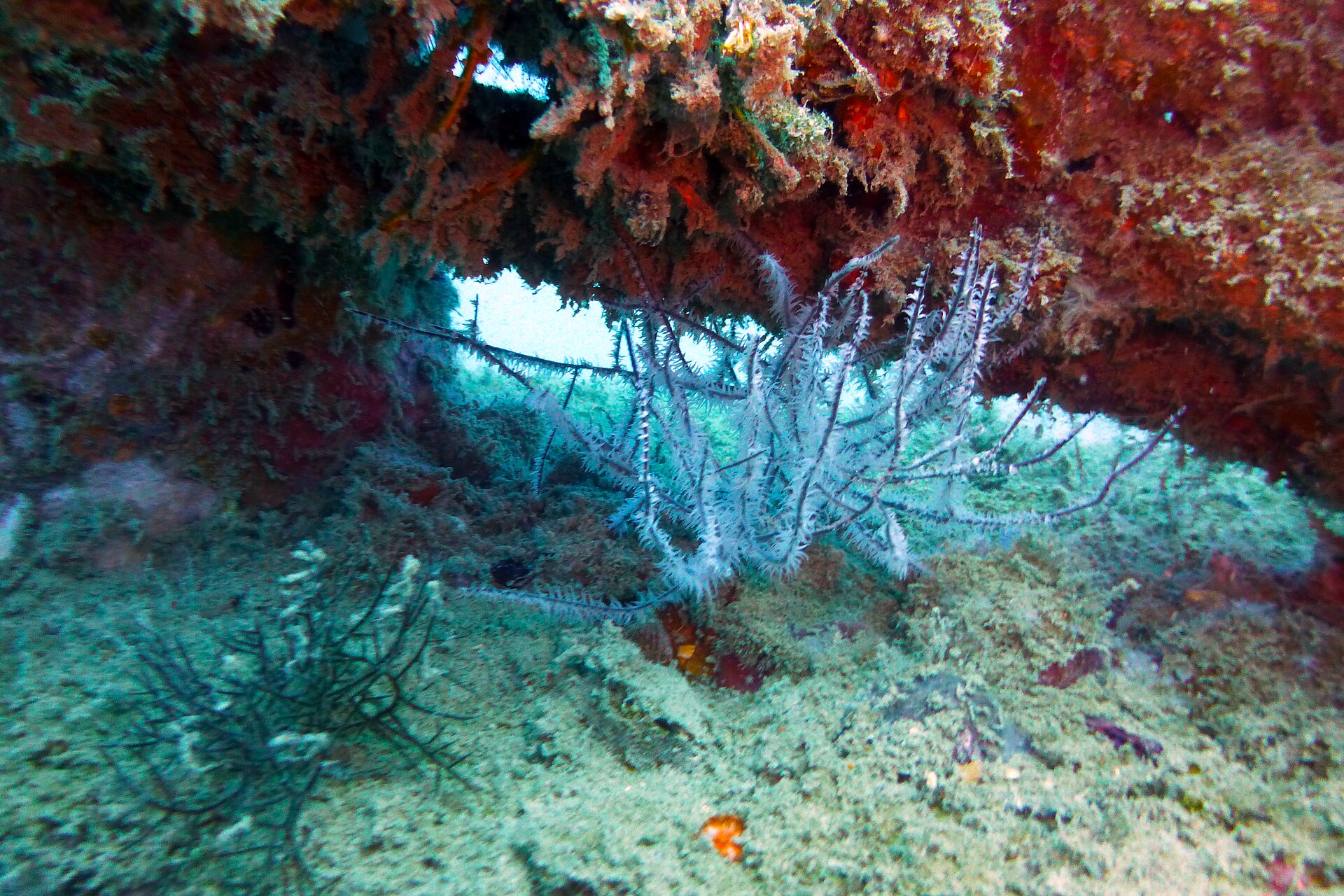
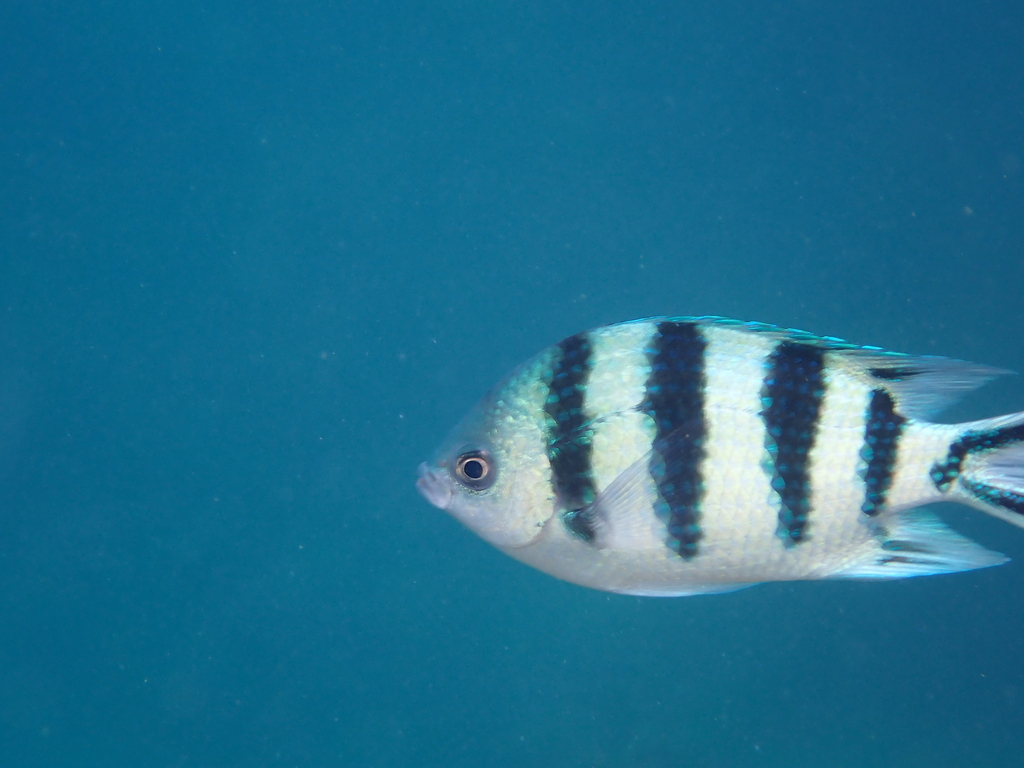
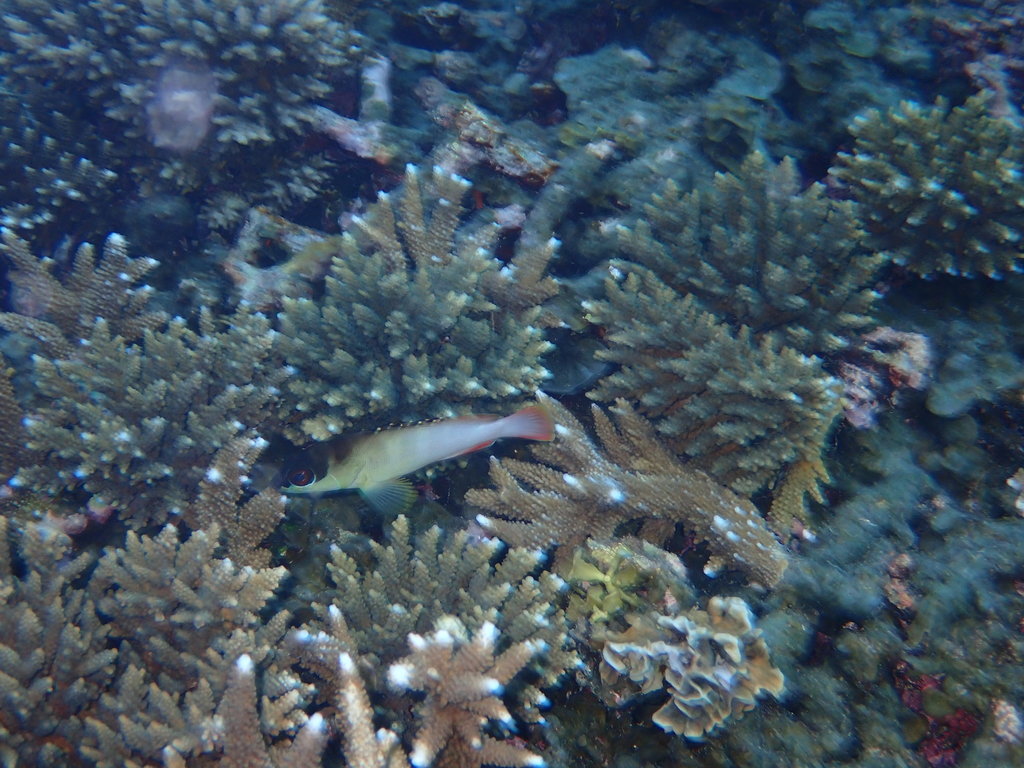
Site list photos: (c) portioid, some rights reserved (CC BY), via iNaturalist (CC BY) · Leonard Low from Australia, via Wikimedia Commons (CC BY 2.0), Moon wrasse, taken elsewhere · (c) Jan Ebr & Ivana Ebrová, some rights reserved (CC BY), via Wikimedia Commons (CC BY 4.0) · (c) Jean Jacques Godon, some rights reserved (CC BY), via iNaturalist (CC BY) · (c) Jan Ebr & Ivana Ebrová, some rights reserved (CC BY), via iNaturalist (CC BY) · (c) ig: underwater.logs, some rights reserved (CC BY), via iNaturalist (CC BY) · (c) Dan Schofield, some rights reserved (CC BY), via Wikimedia Commons (CC BY 4.0) · (c) Gonzalo Ganda Álvarez, some rights reserved (CC BY), via iNaturalist (CC BY) · H. Schlegel, via Wikimedia Commons (PD), Doublebar Rabbitfish, taken elsewhere · (c) Kat Lim, some rights reserved (CC BY), via iNaturalist (CC BY) · Amada44, via Wikimedia Commons (CC BY SA 3.0) · (c) Shane Austin, some rights reserved (CC BY), via iNaturalist (CC BY) · (c) luluchouette, some rights reserved (CC BY), via iNaturalist (CC BY).
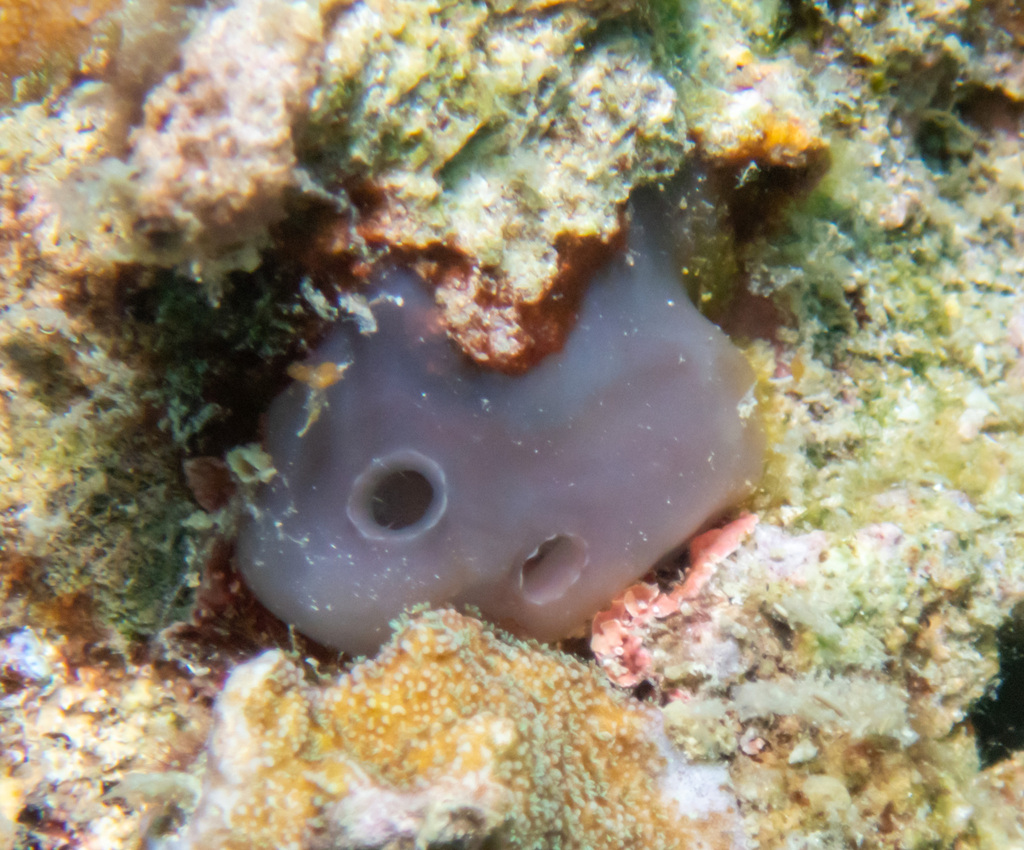
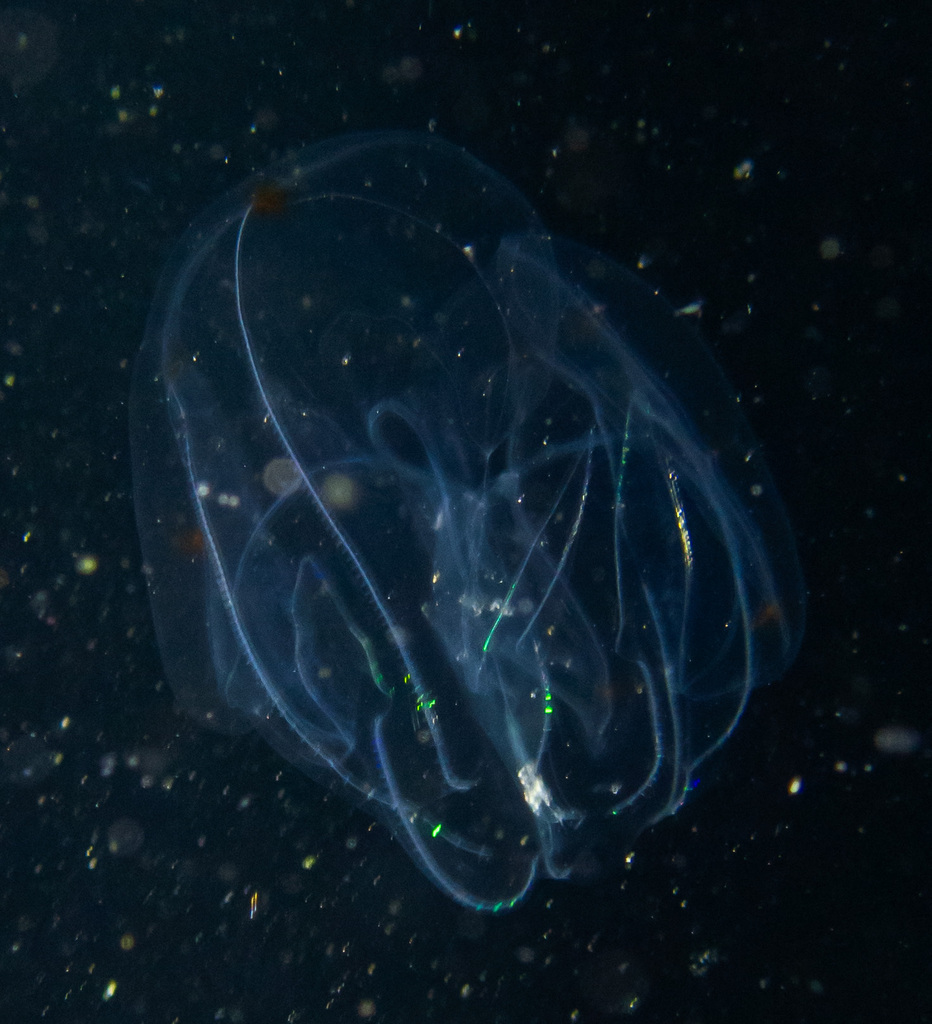
Unidentia aliciae on 6% of dives.
Chance per dive in March across all sites here, from sightings in logged dives.
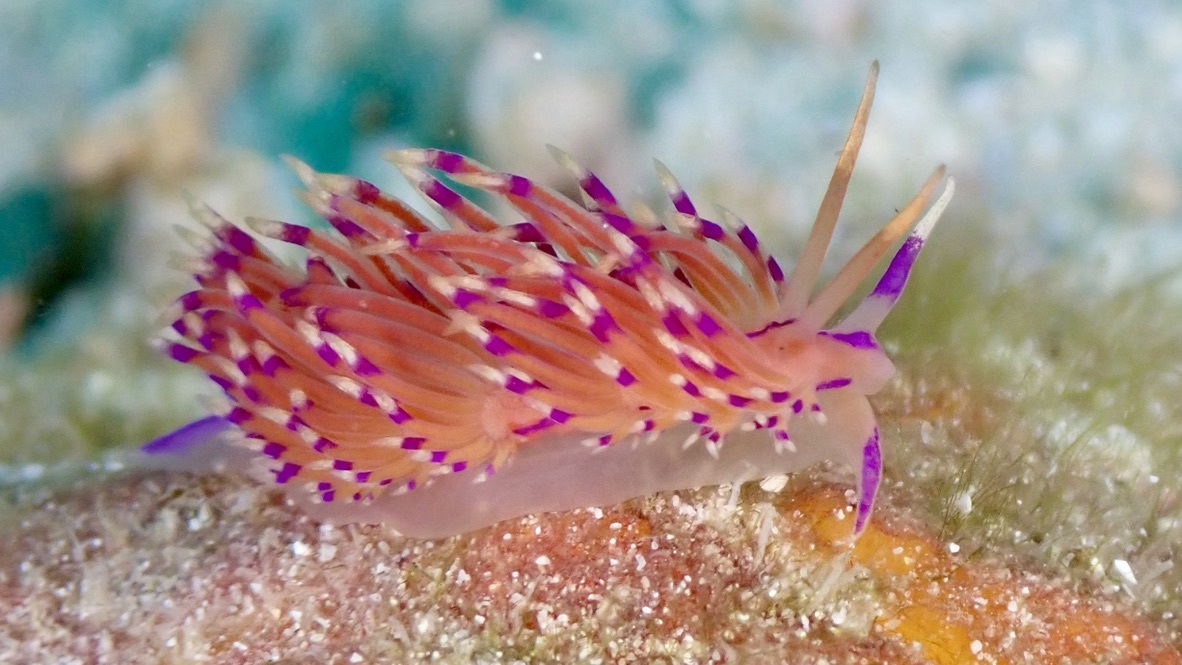 RARE · LUCKY DAYUnidentia aliciaeUnidentia aliciae6%
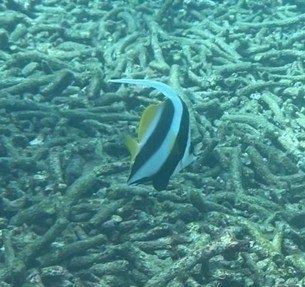 RARE · LUCKY DAYWimple FishHeniochus acuminatus6%
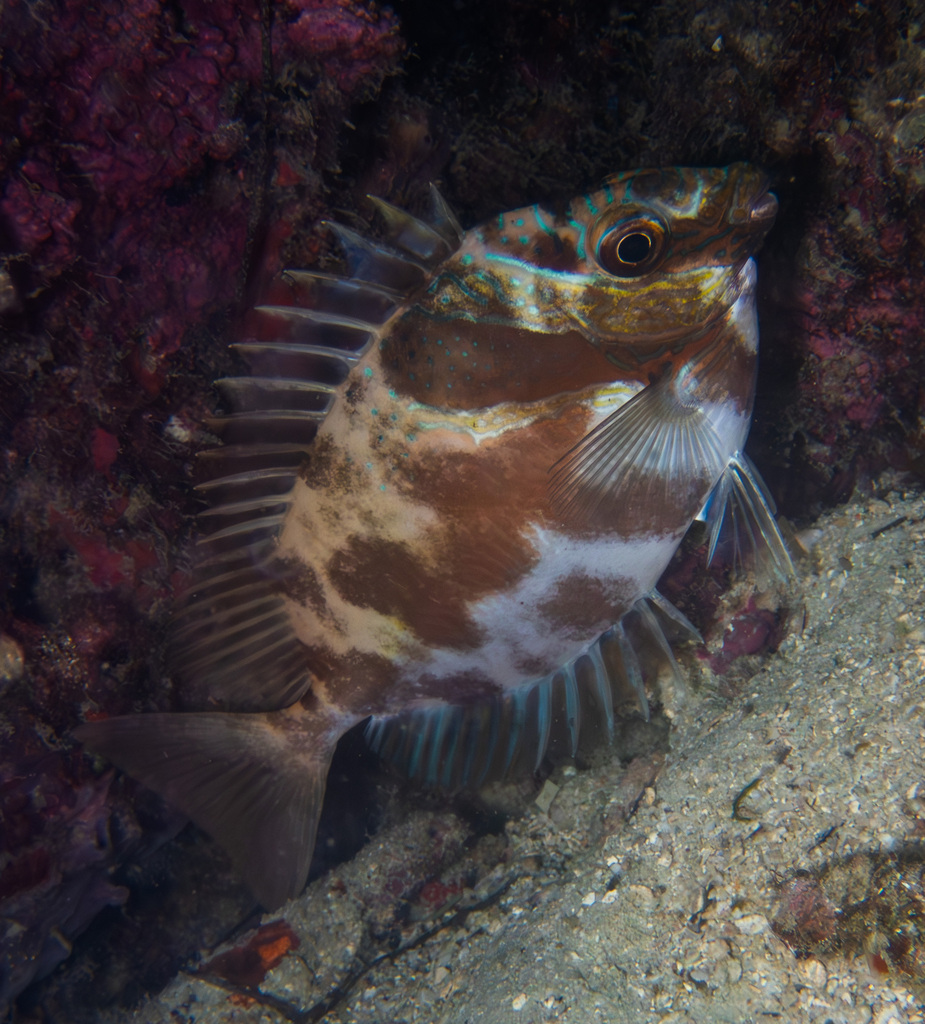
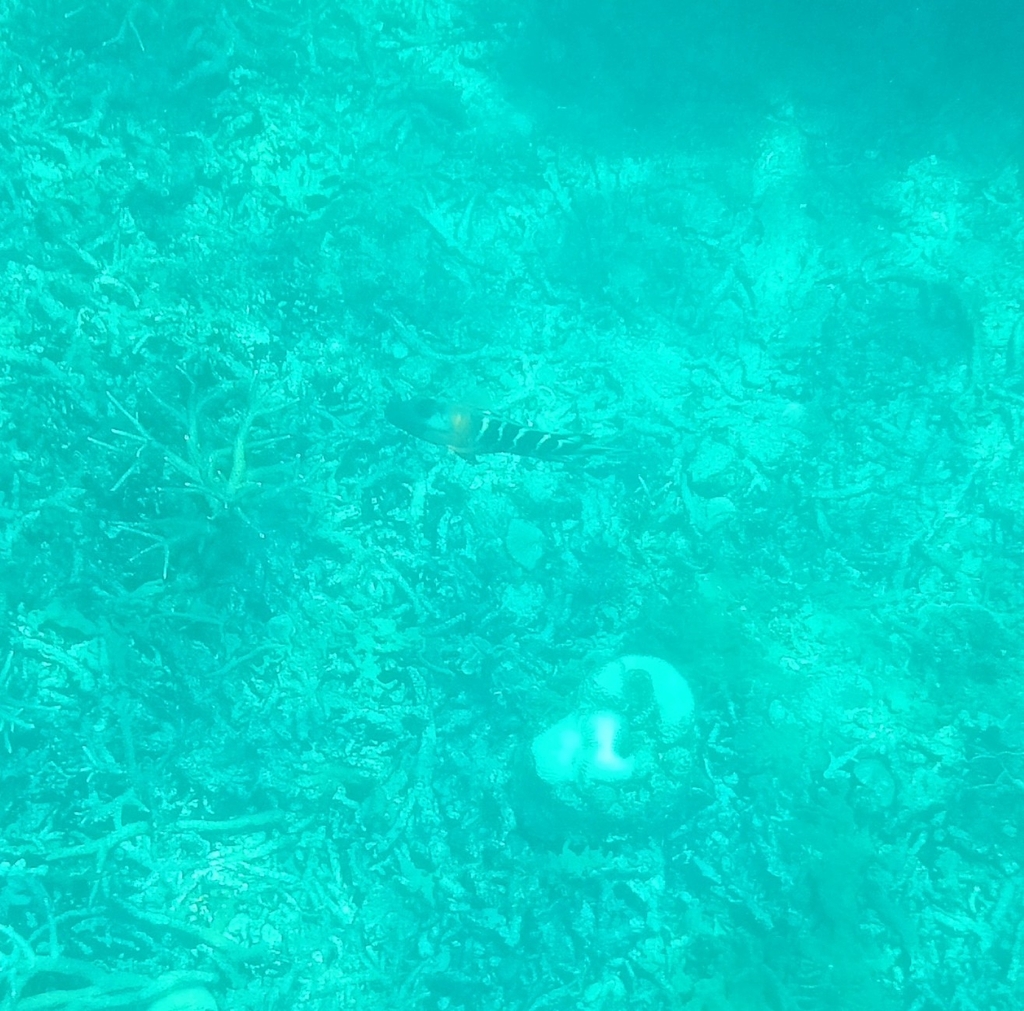
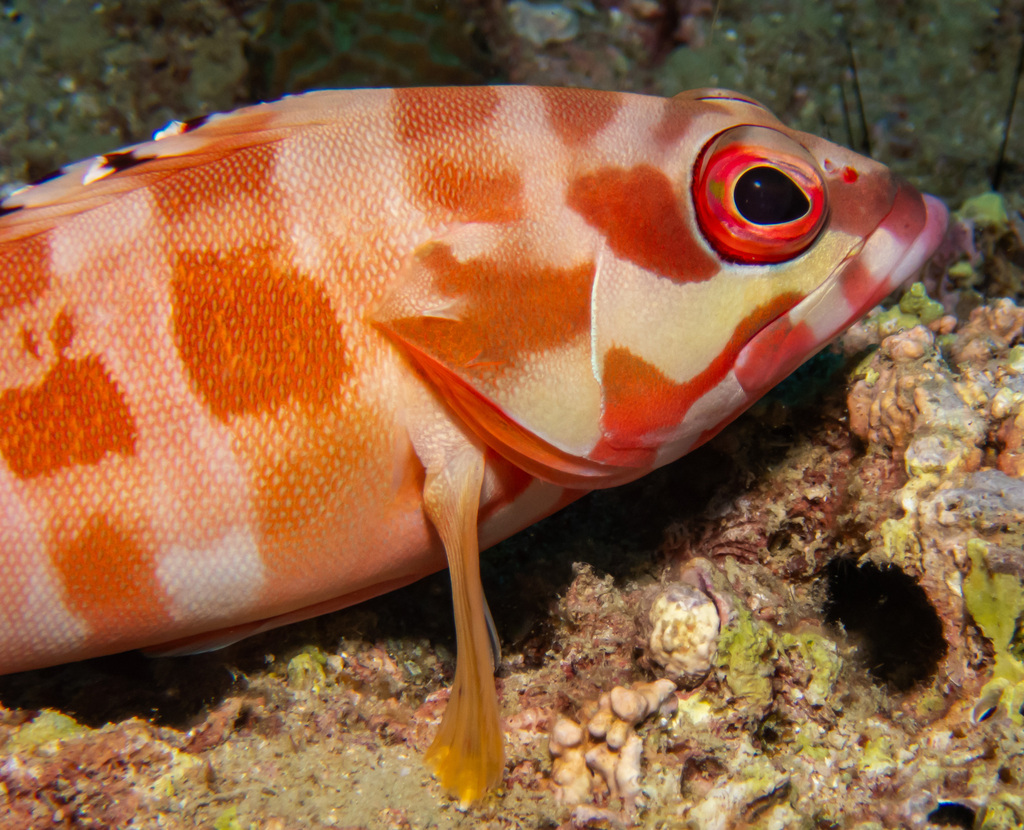 RARE · LUCKY DAYRedbarred RoccodEpinephelus fasciatus6%
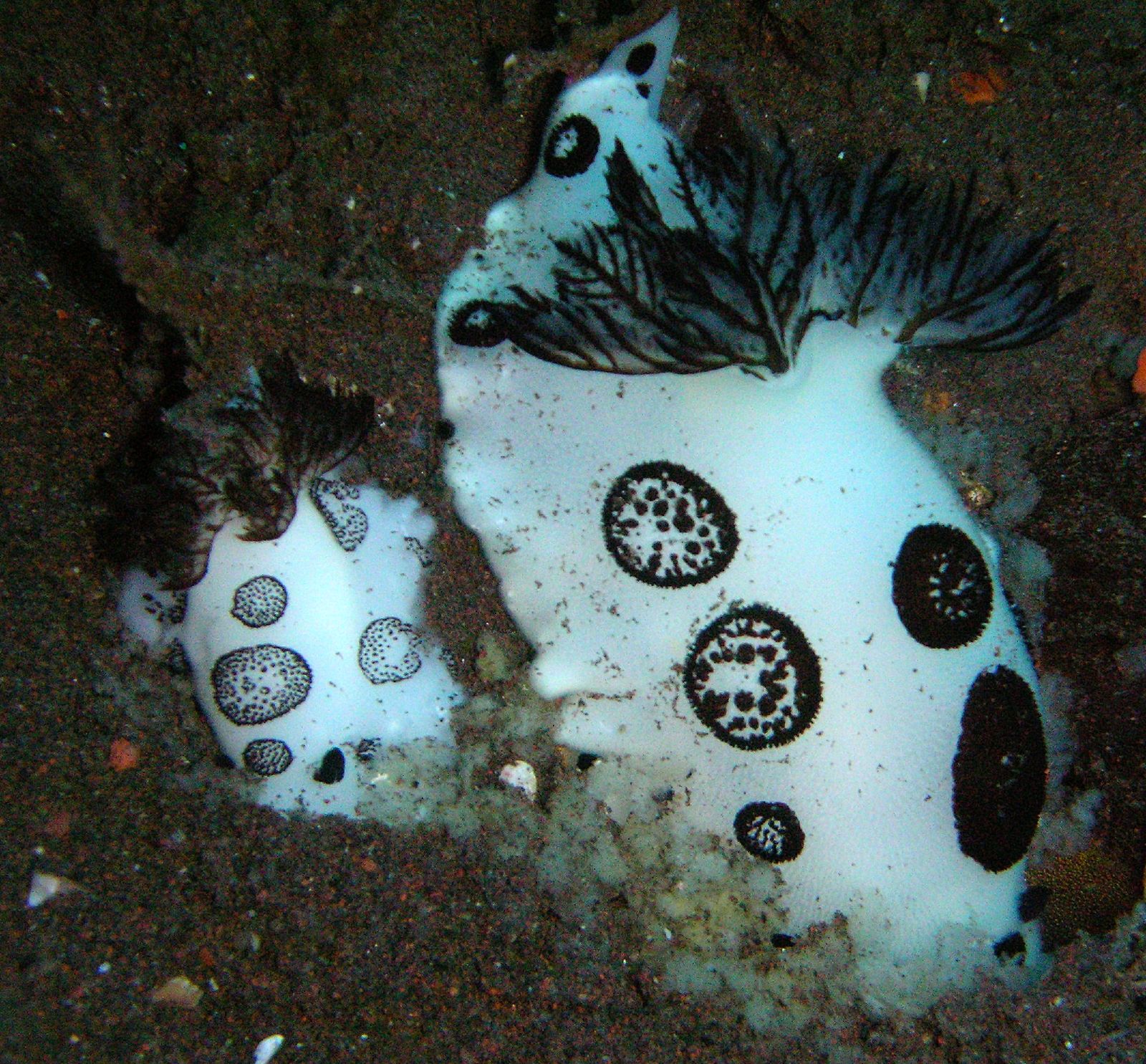 RARE · LUCKY DAYMourning DoridJorunna funebris6%
Also likely in March 362 species · chance per dive
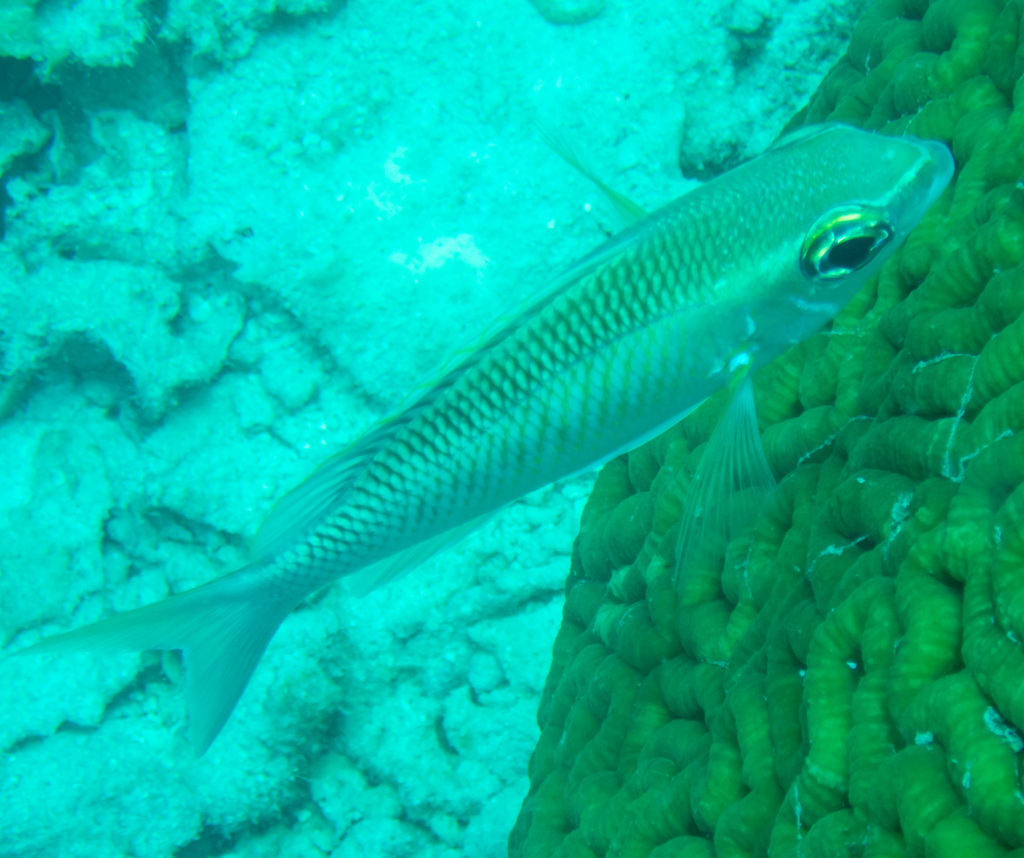
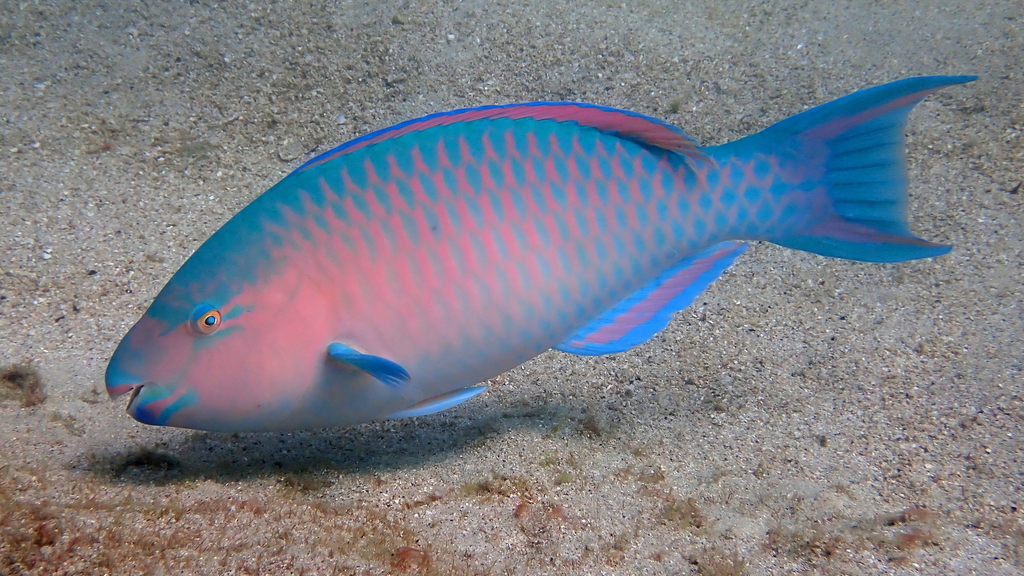 Yellow Scale Parrotfish6%
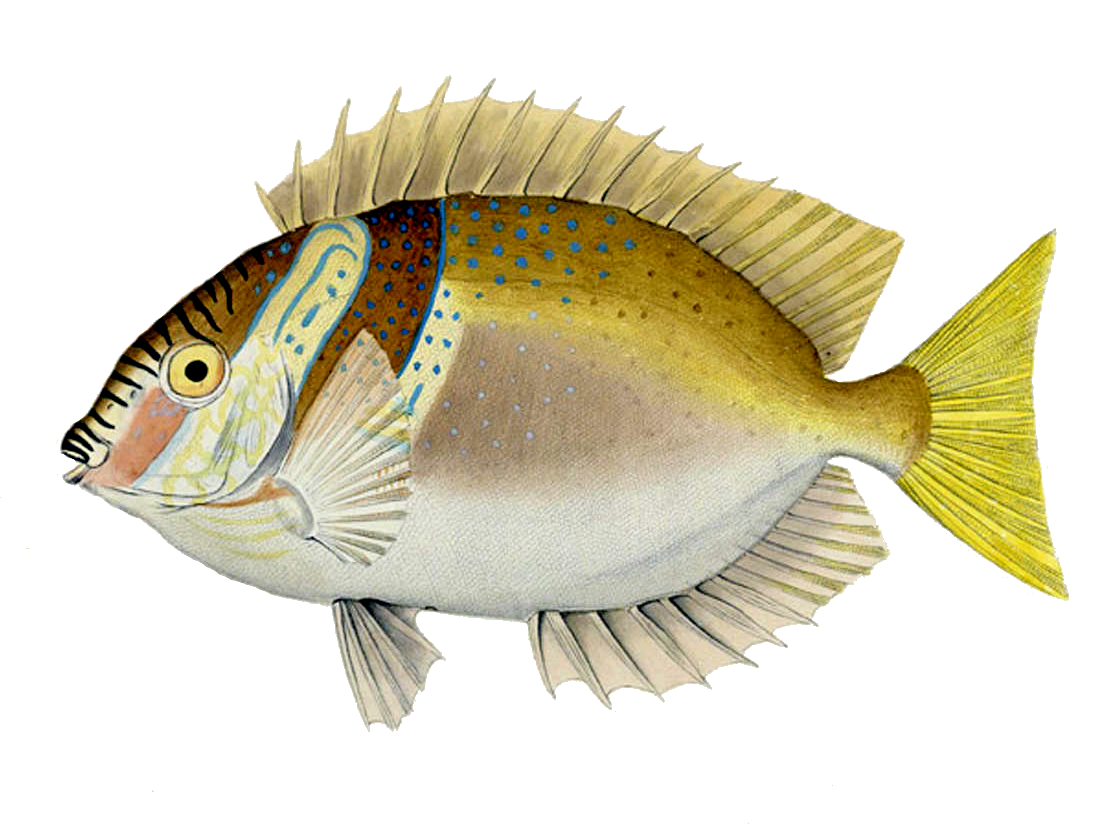 Doublebar Rabbitfish6%
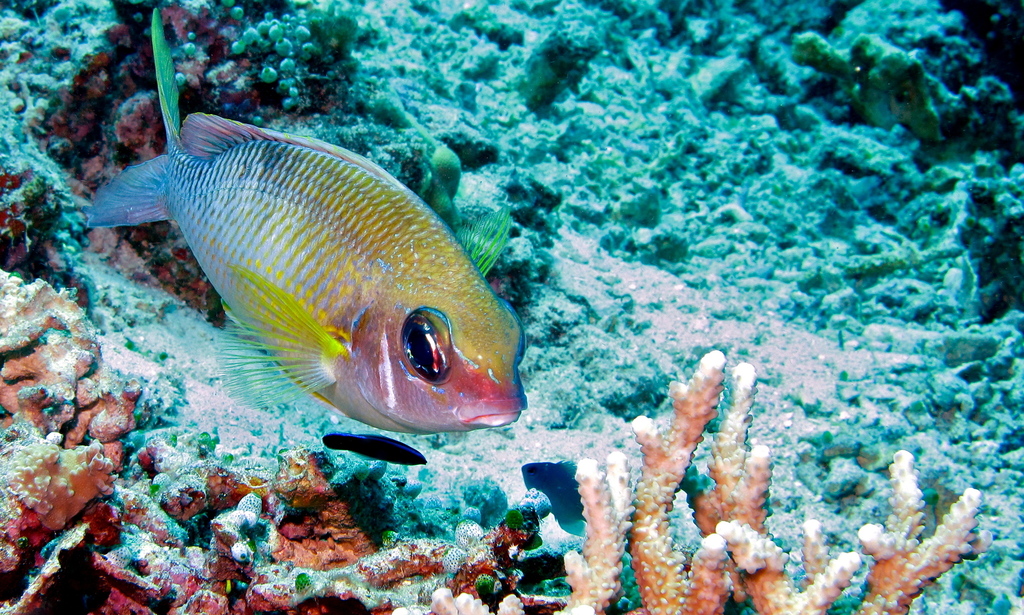 Pearly Monocle Bream5%
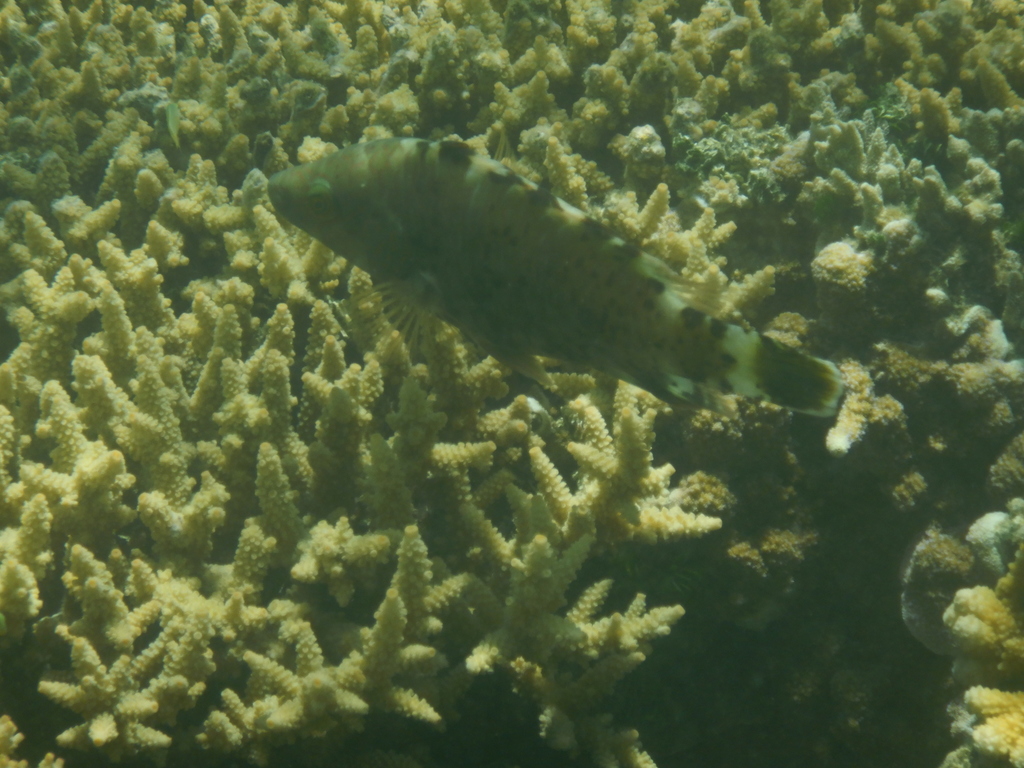 White-dotted maori wrasse5%
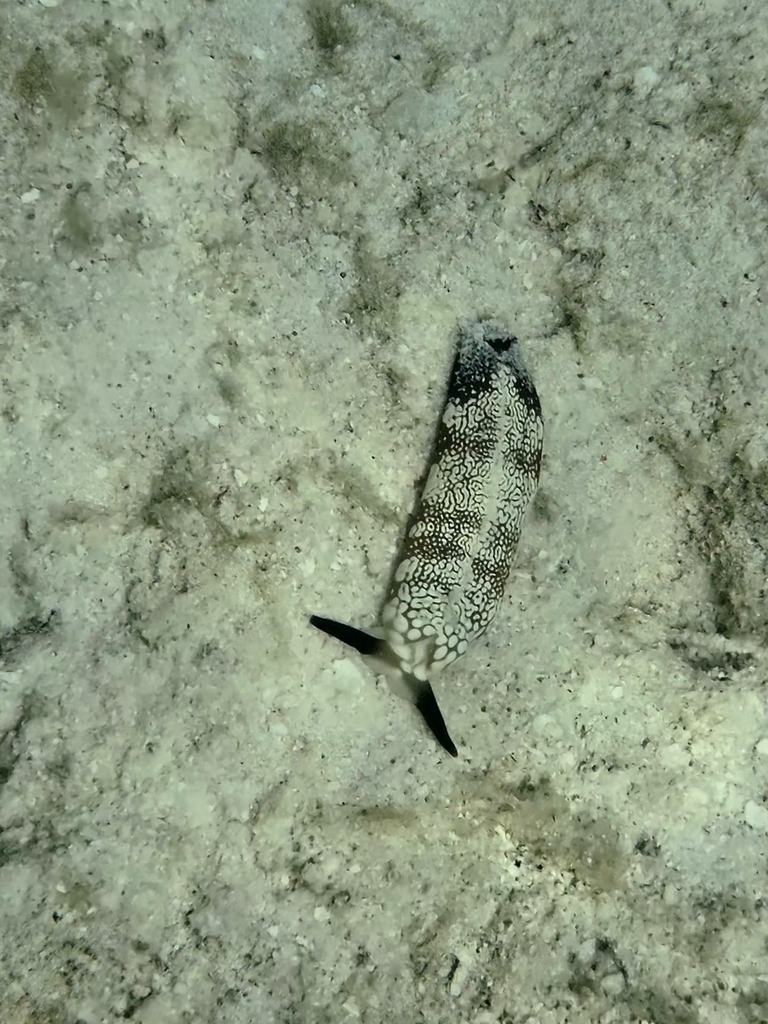 Plakobranchus papua5%
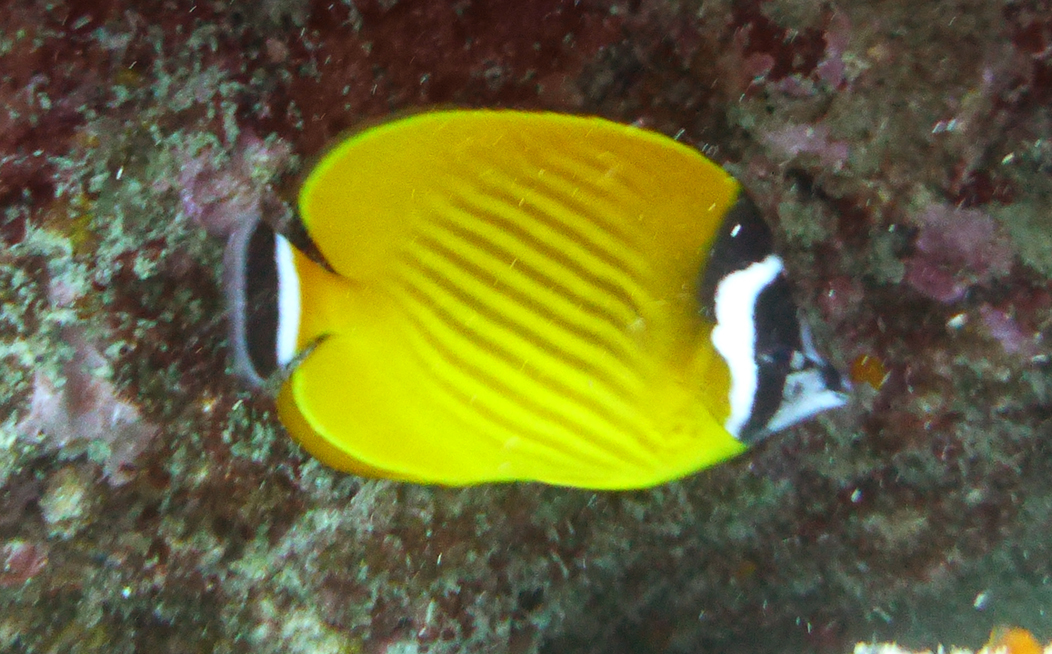 Hongkong Butterflyfish5%
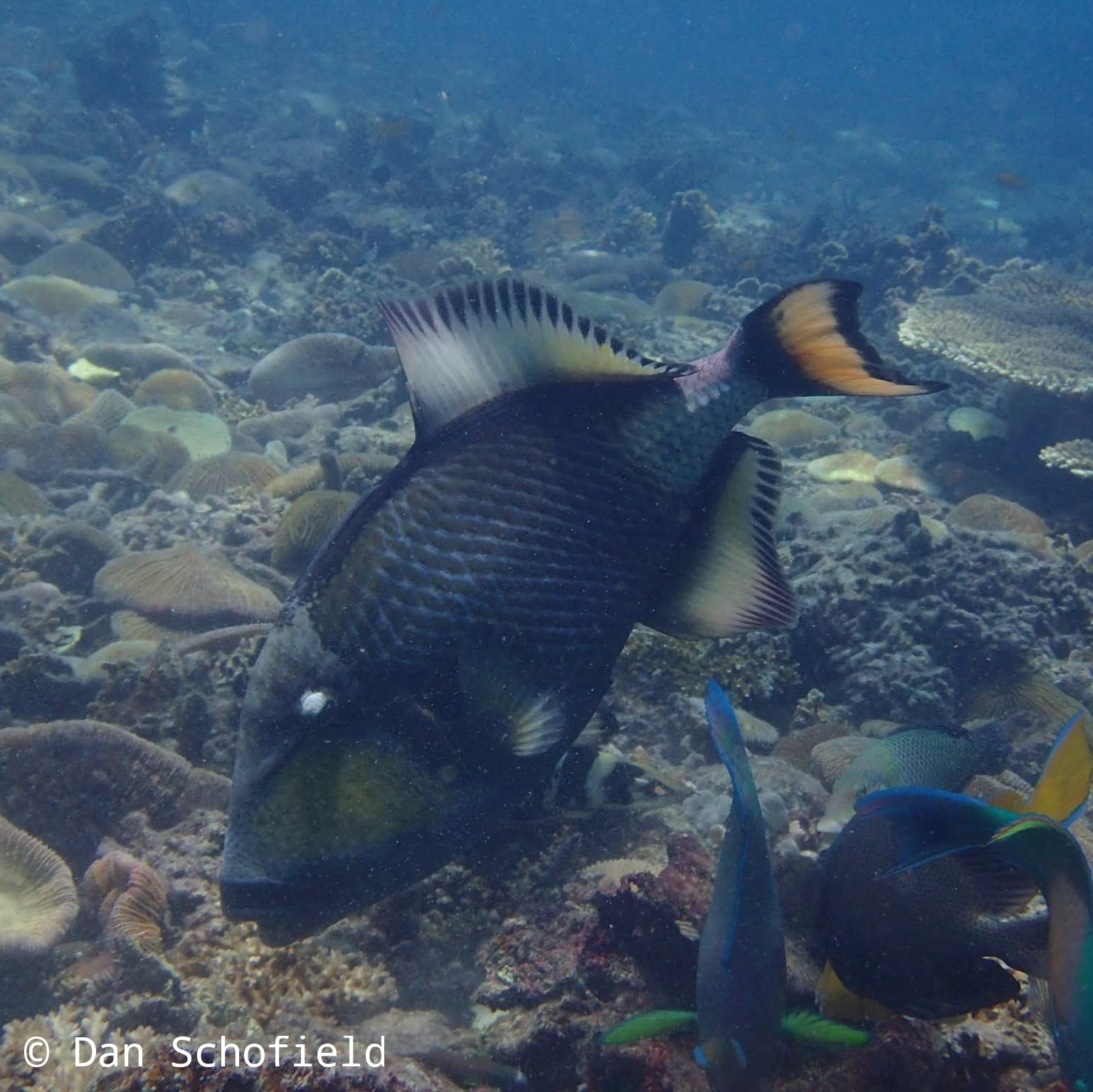
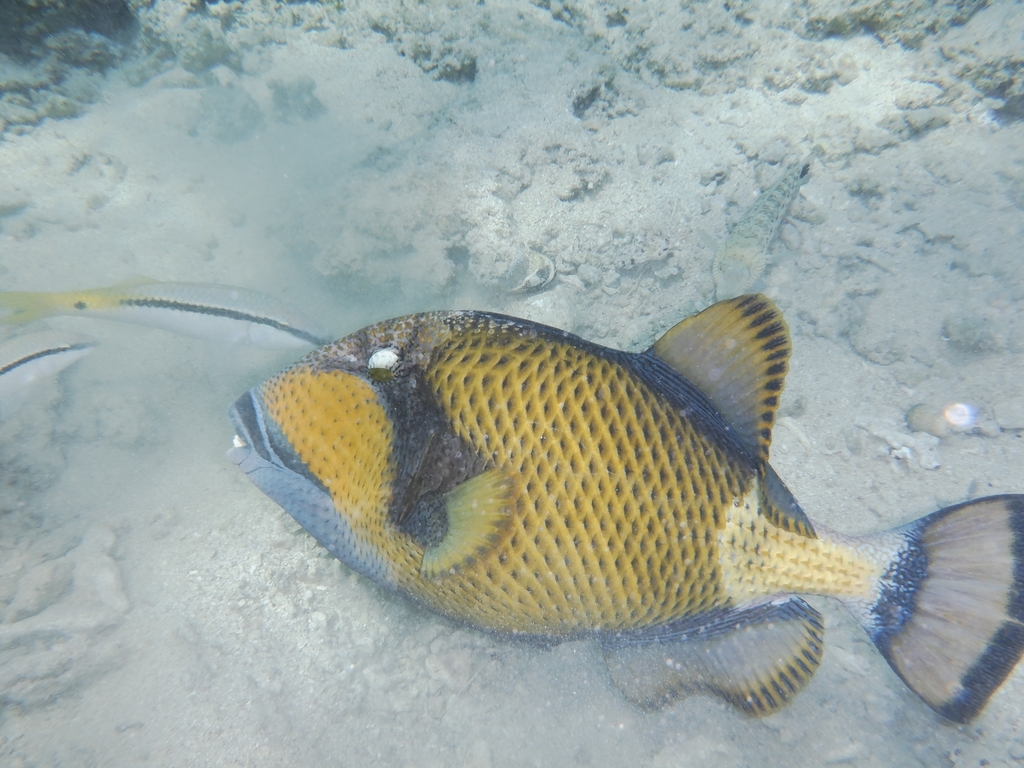 Titan triggerfish5%
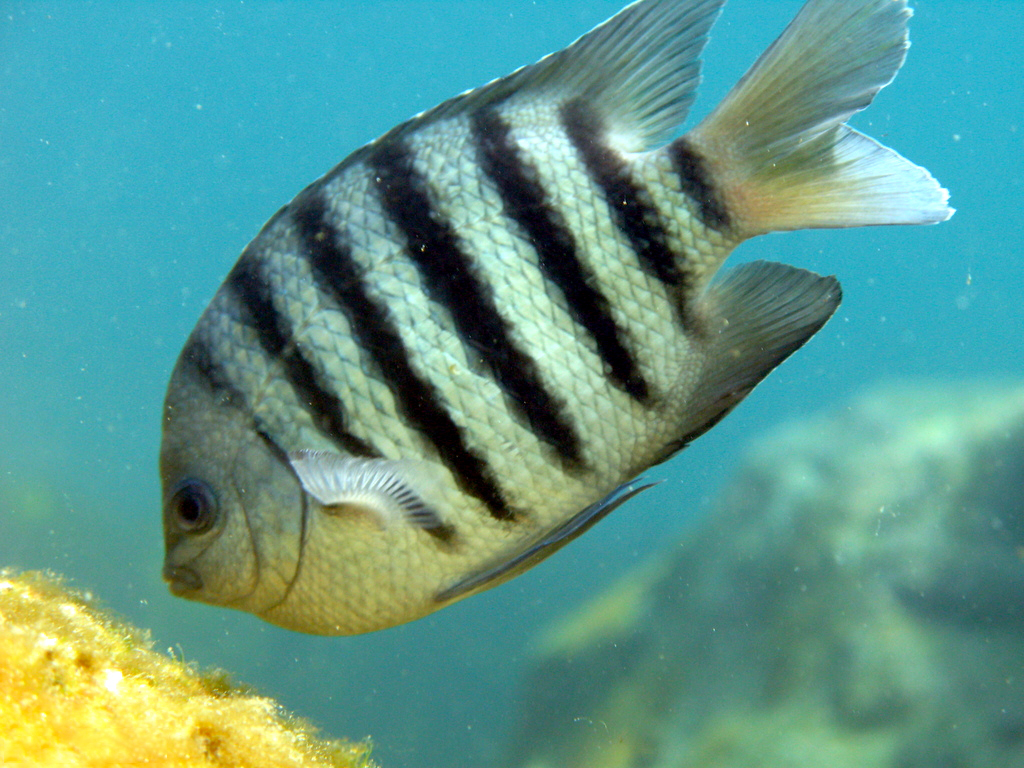 Bengal Sergeant4%
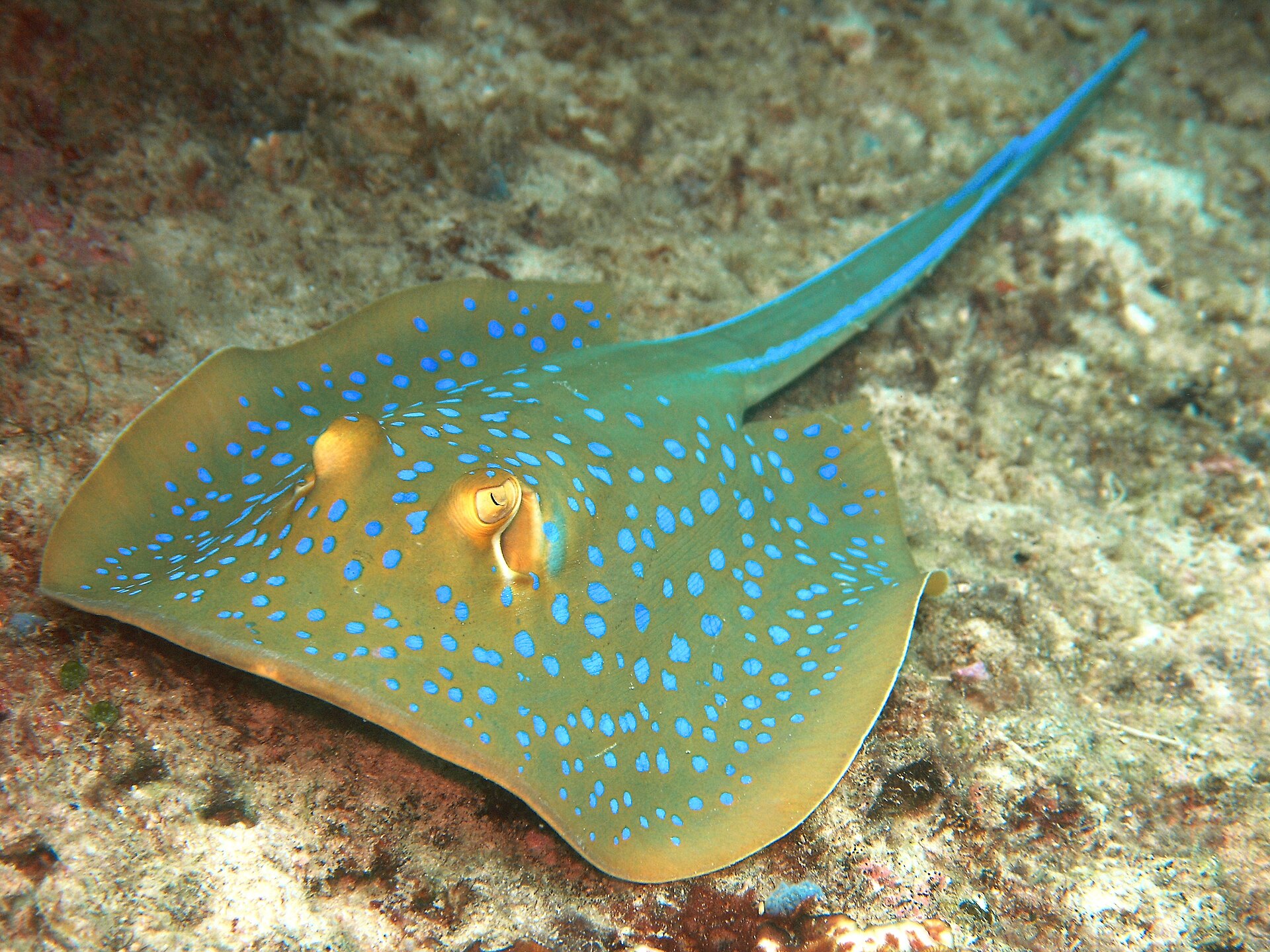 Ribbontailed Stingray4%
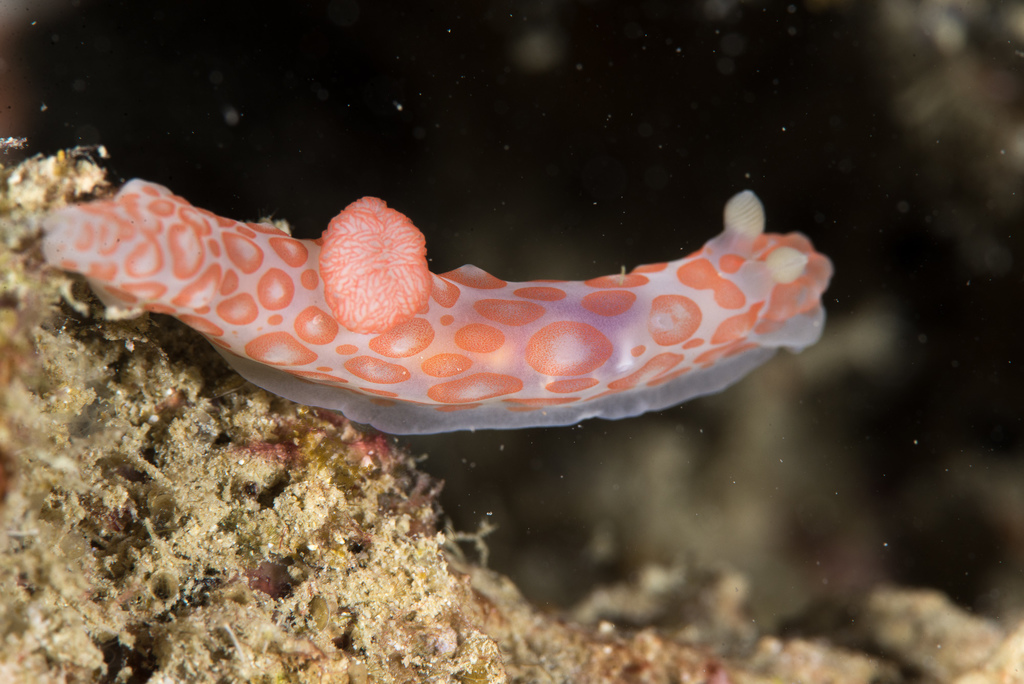 Gymnodoris impudica4%
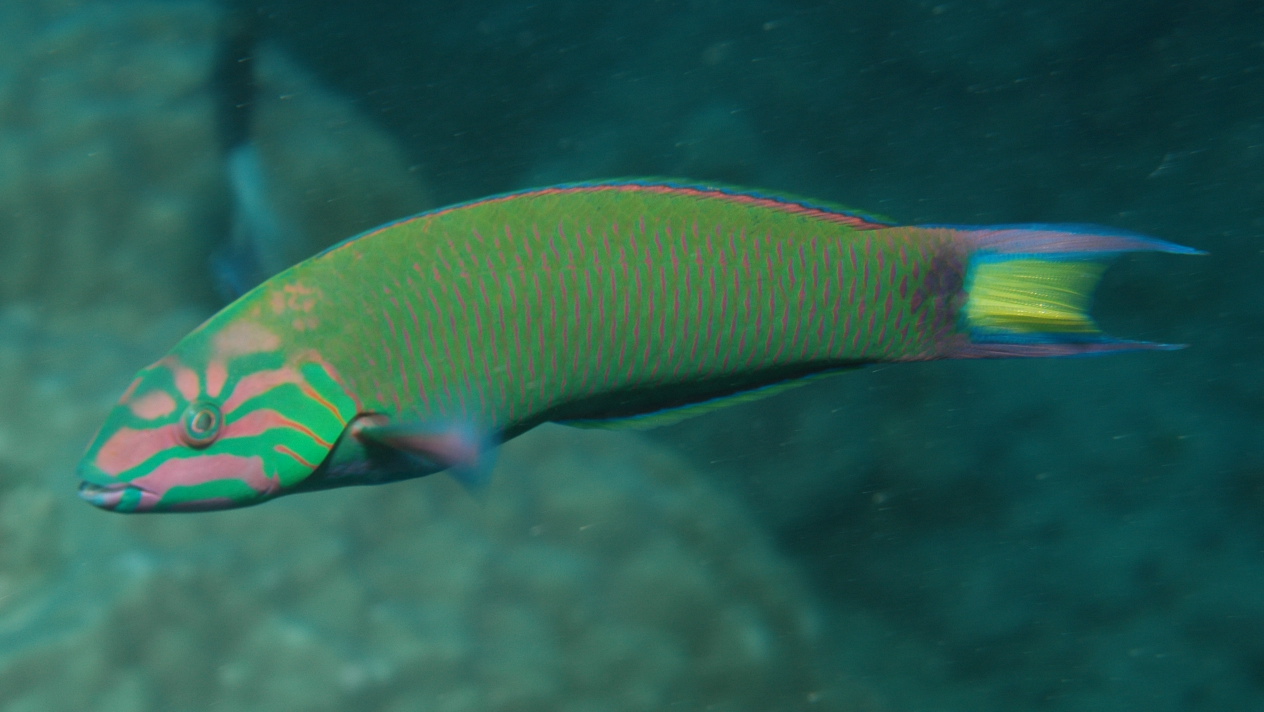 Moon wrasse4%
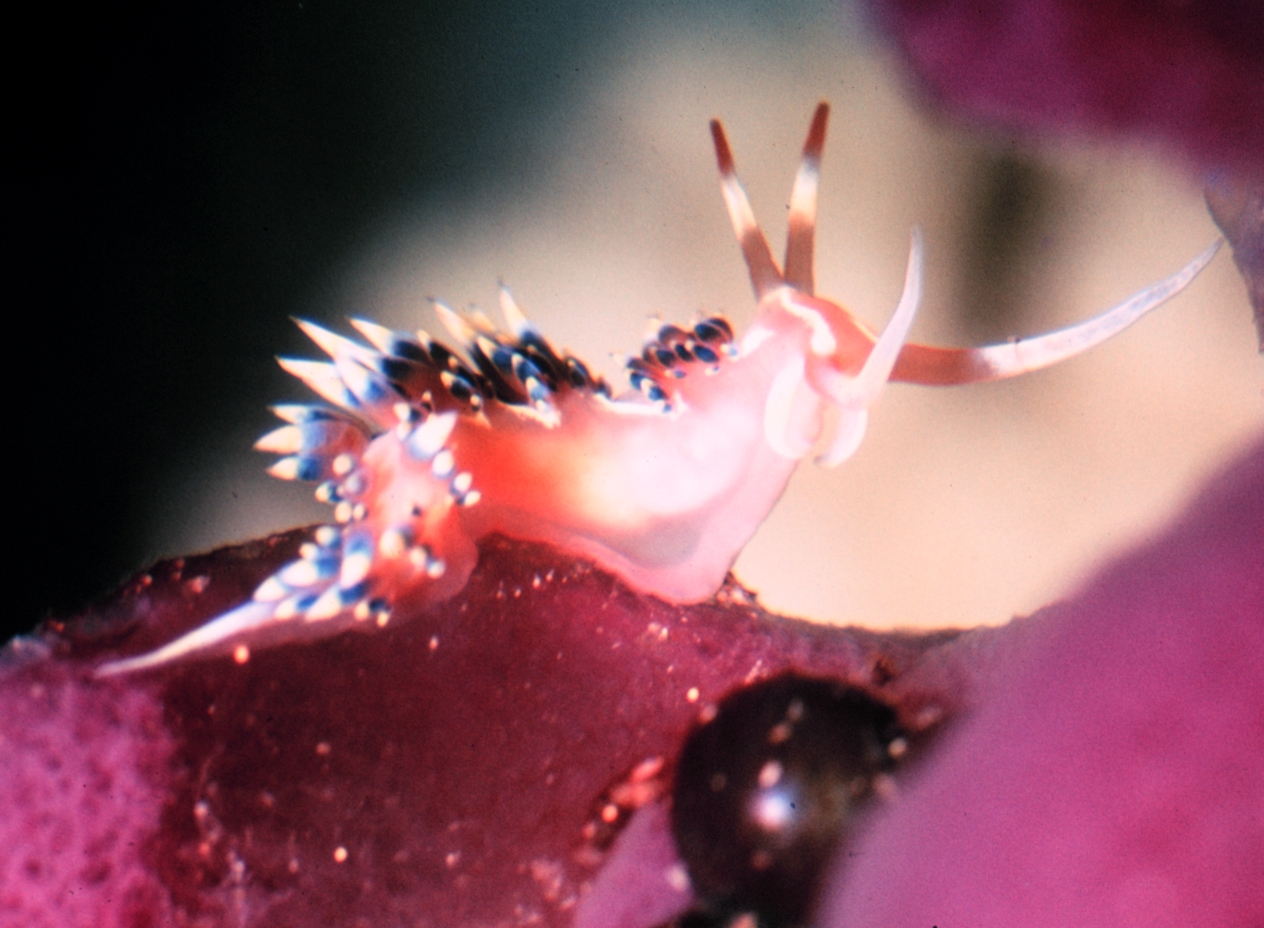 Sunrise Tentacle Aeolid4%
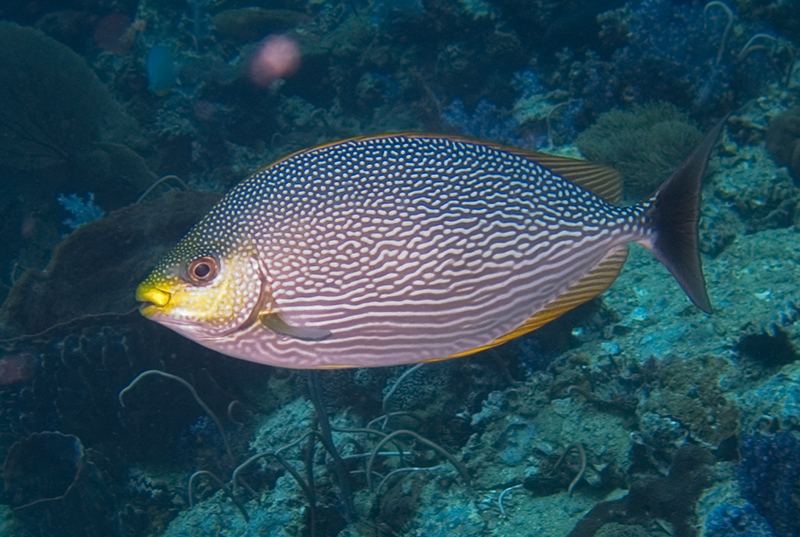 Java Rabbitfish4%
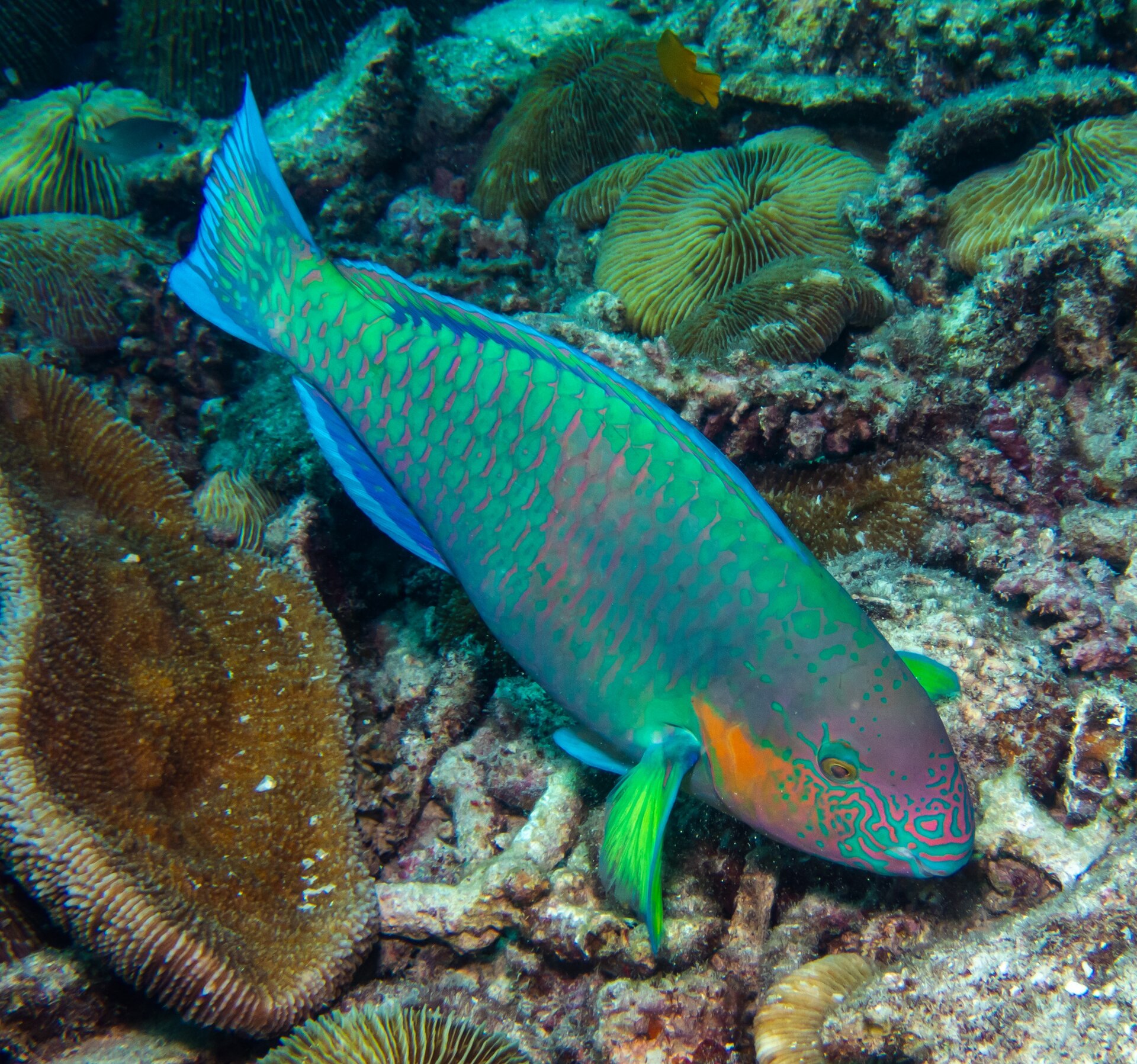 Tattooed Parrotfish4%
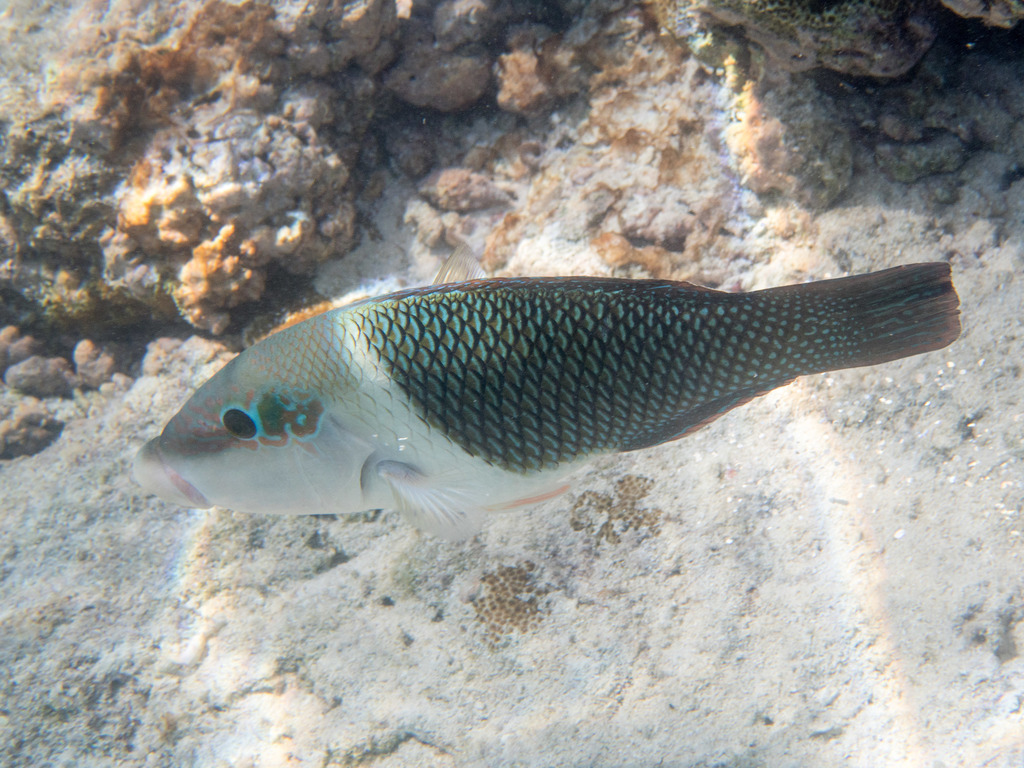 Thicklip wrasse4%
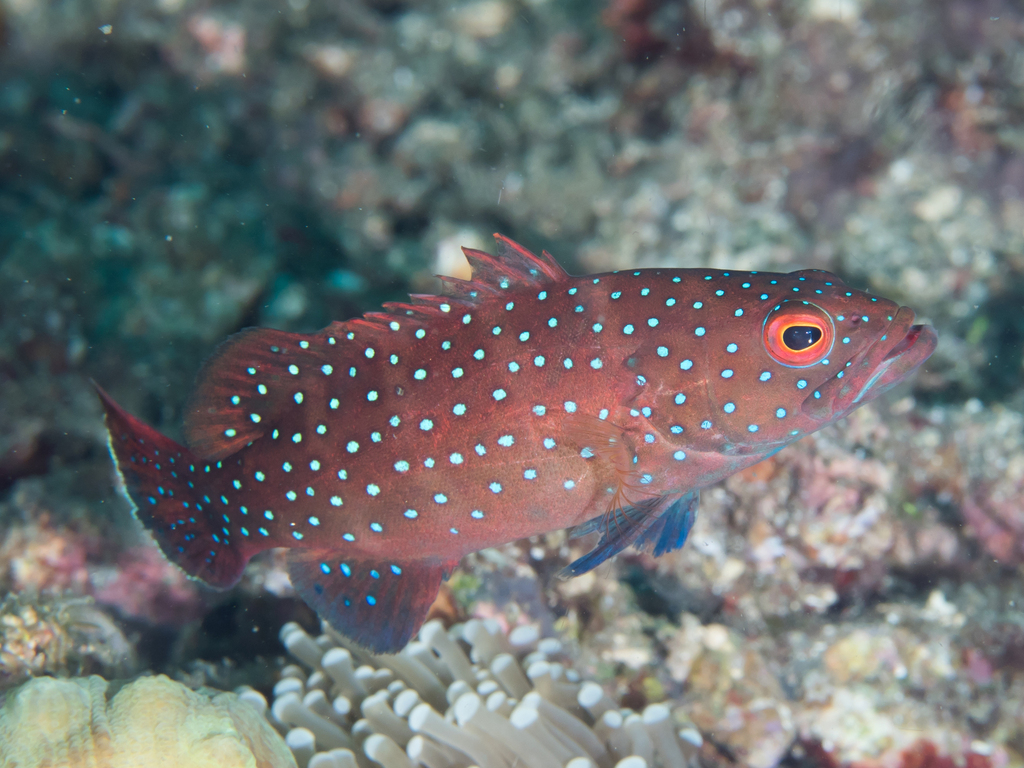 Spotted Coralgrouper3%
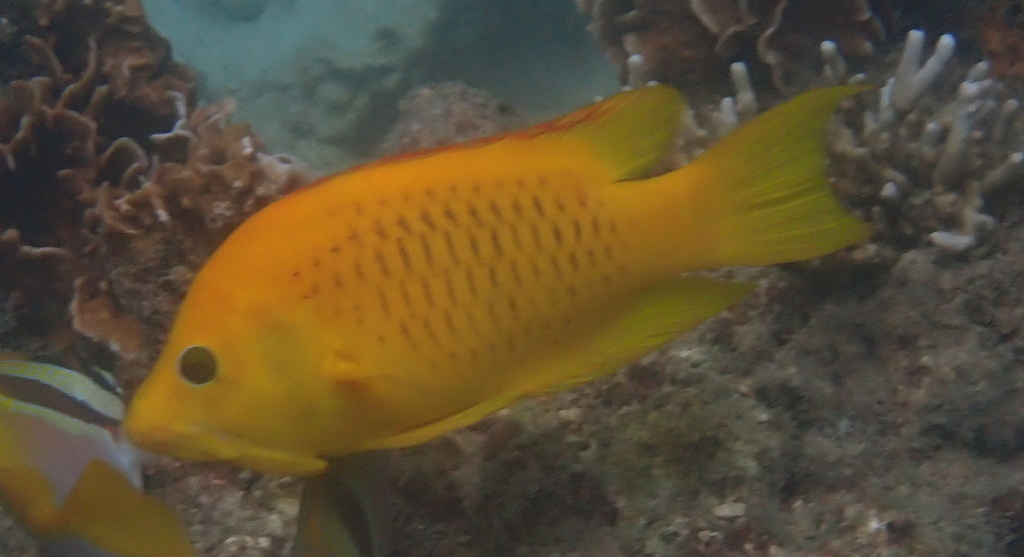 Sling-jaw wrasse3%
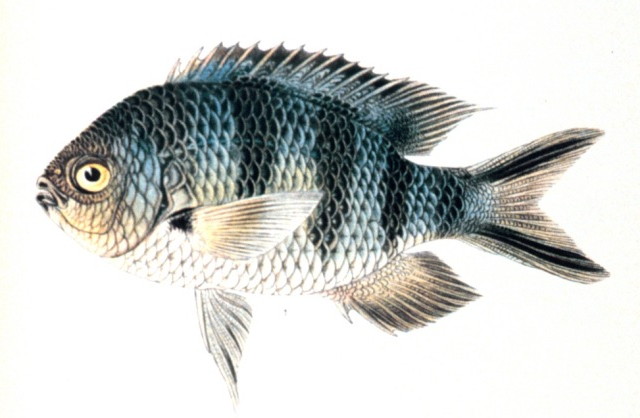 Scissortail sergeant3%
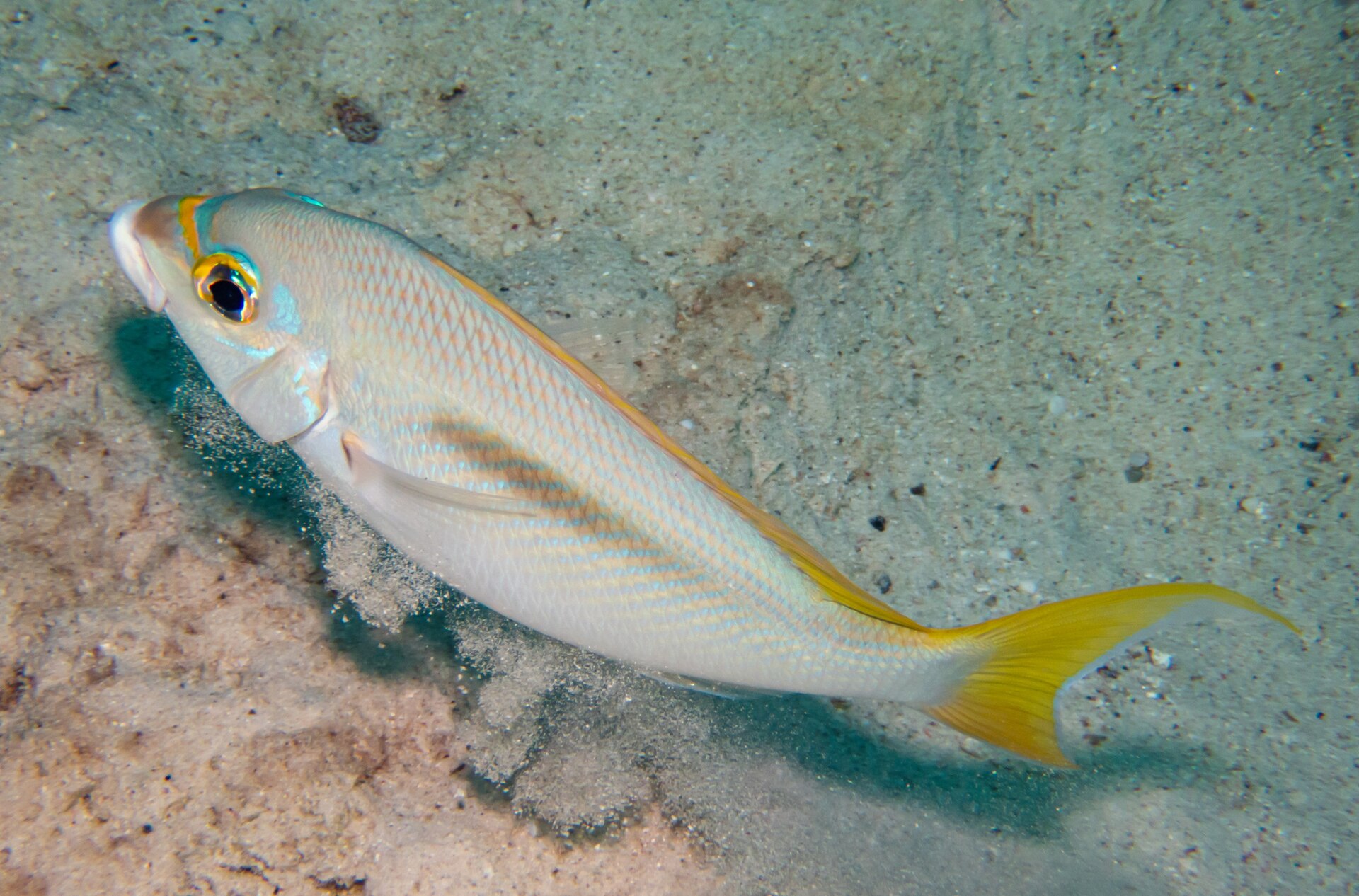 Rainbow Monocle Bream3%
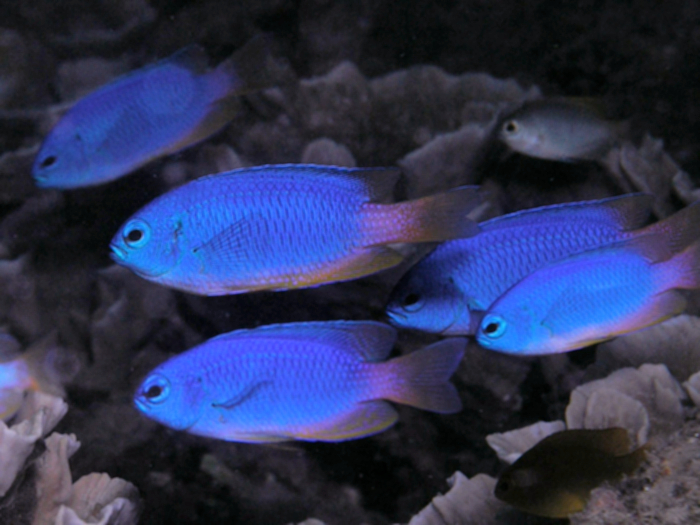 Neon Damselfish3%
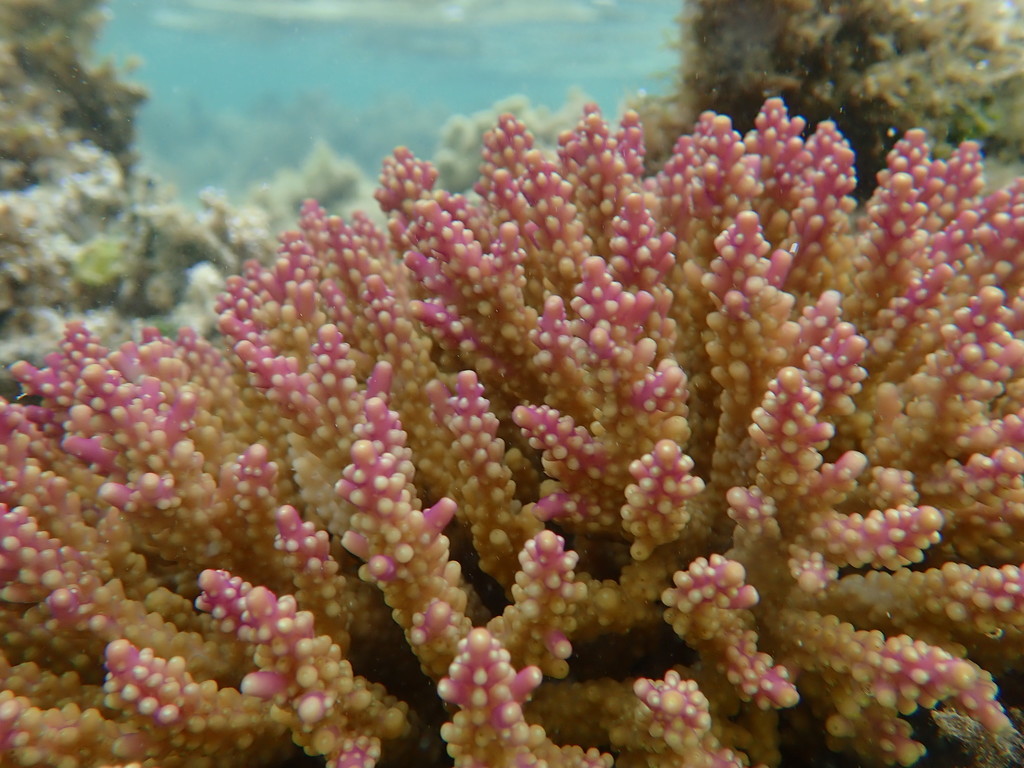 Staghorn coral3%
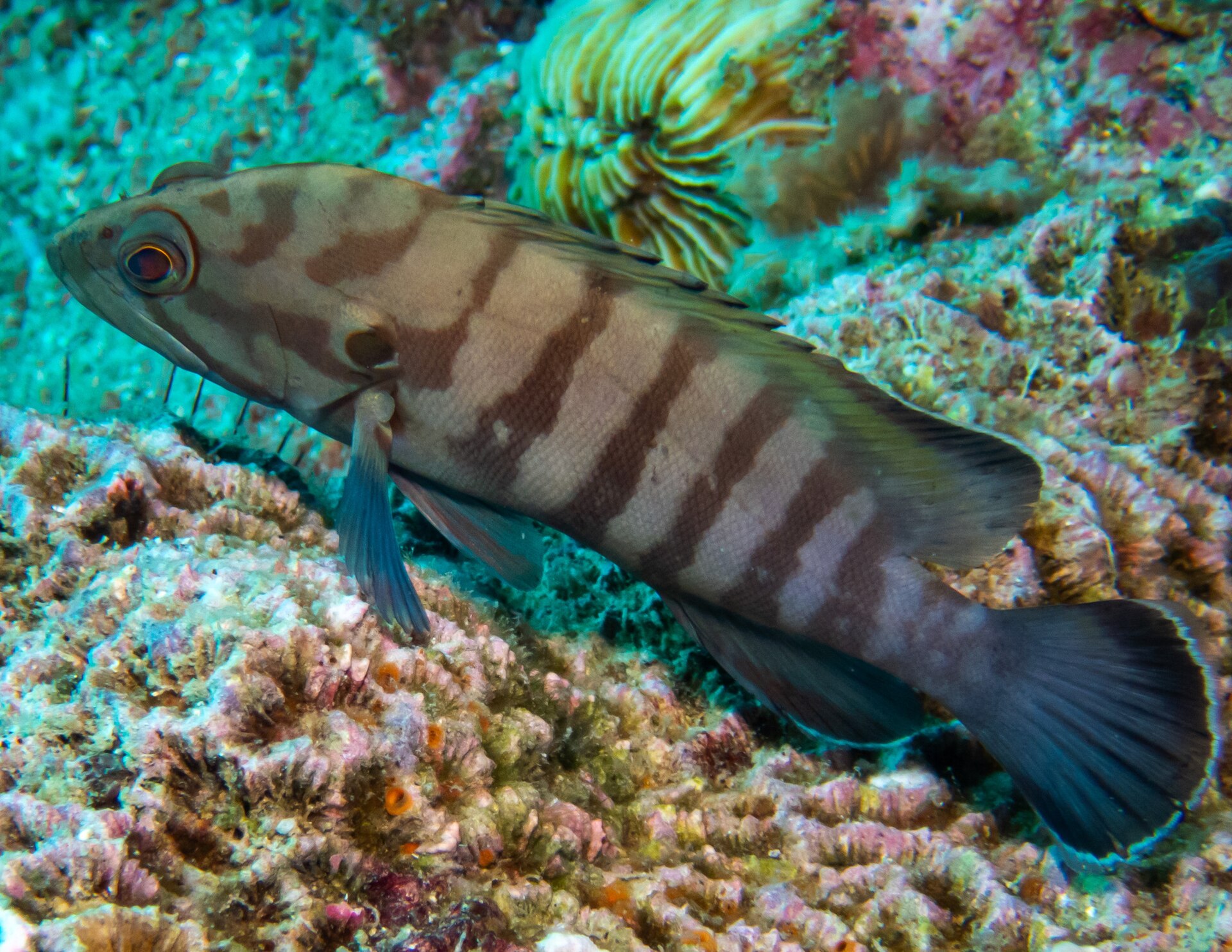 Vielle Chocolat3%
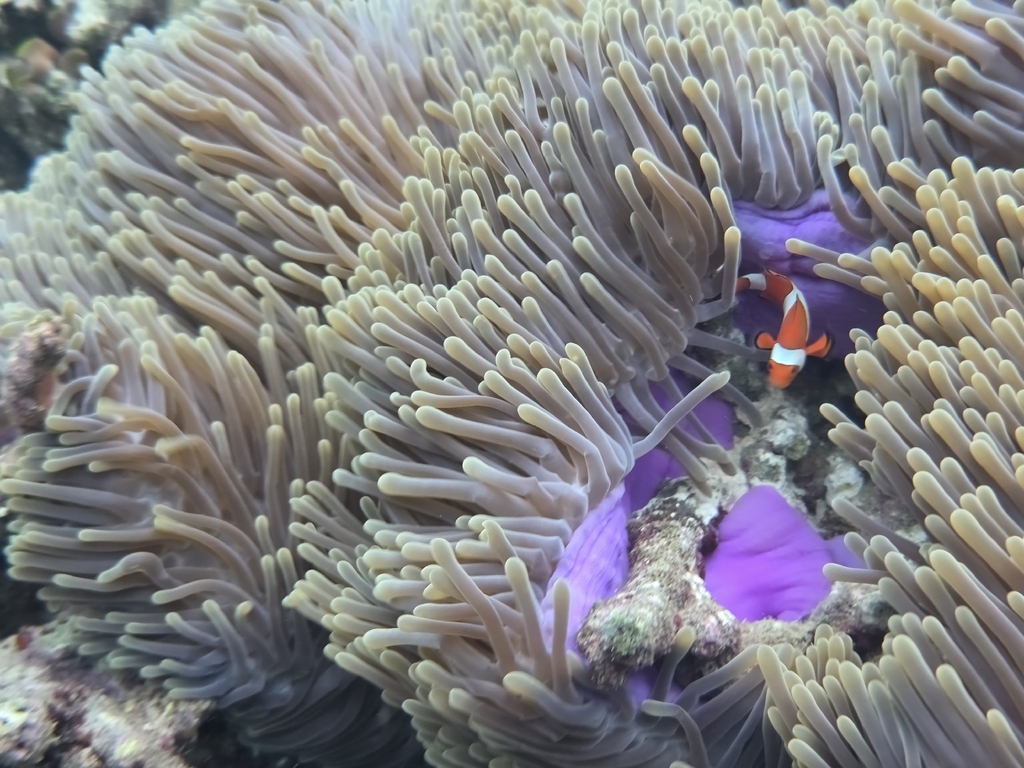 Magnificent Sea Anemone3%
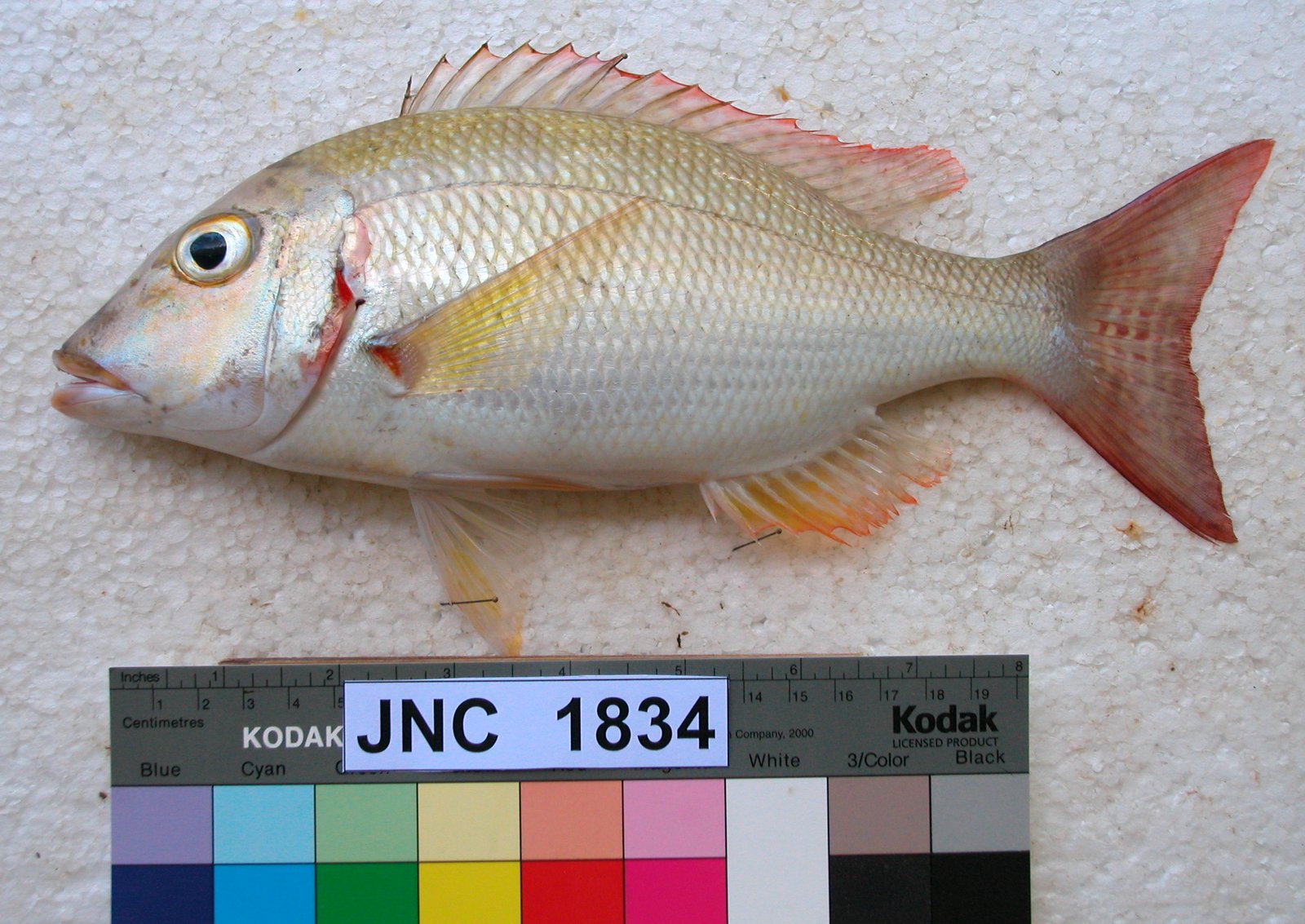 Redspot Emperor3%
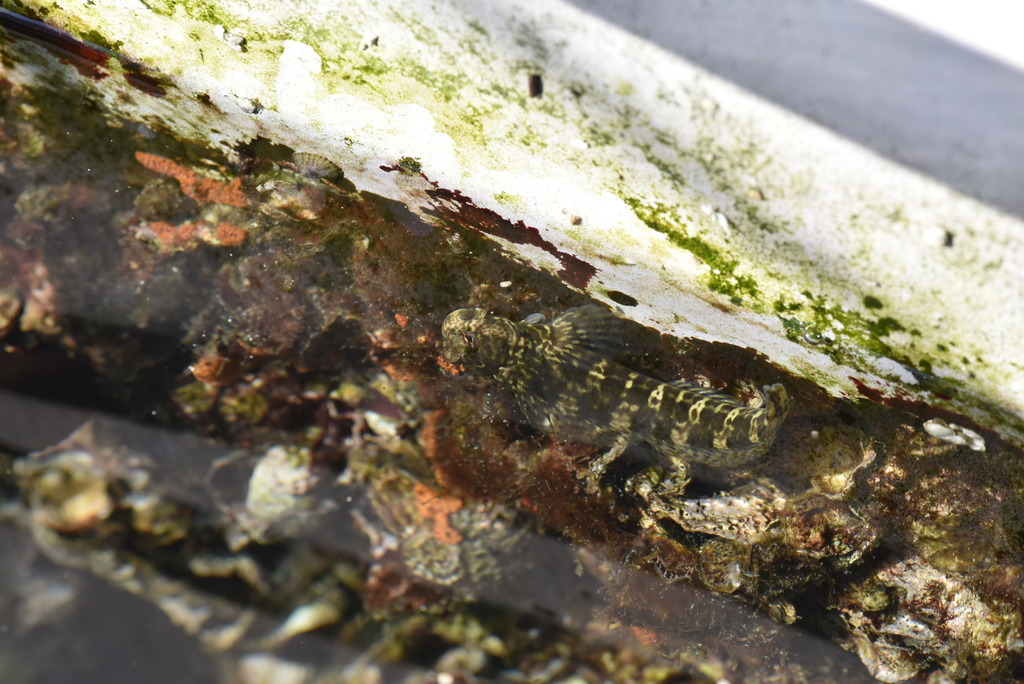 Dussumier's Rockskipper3%
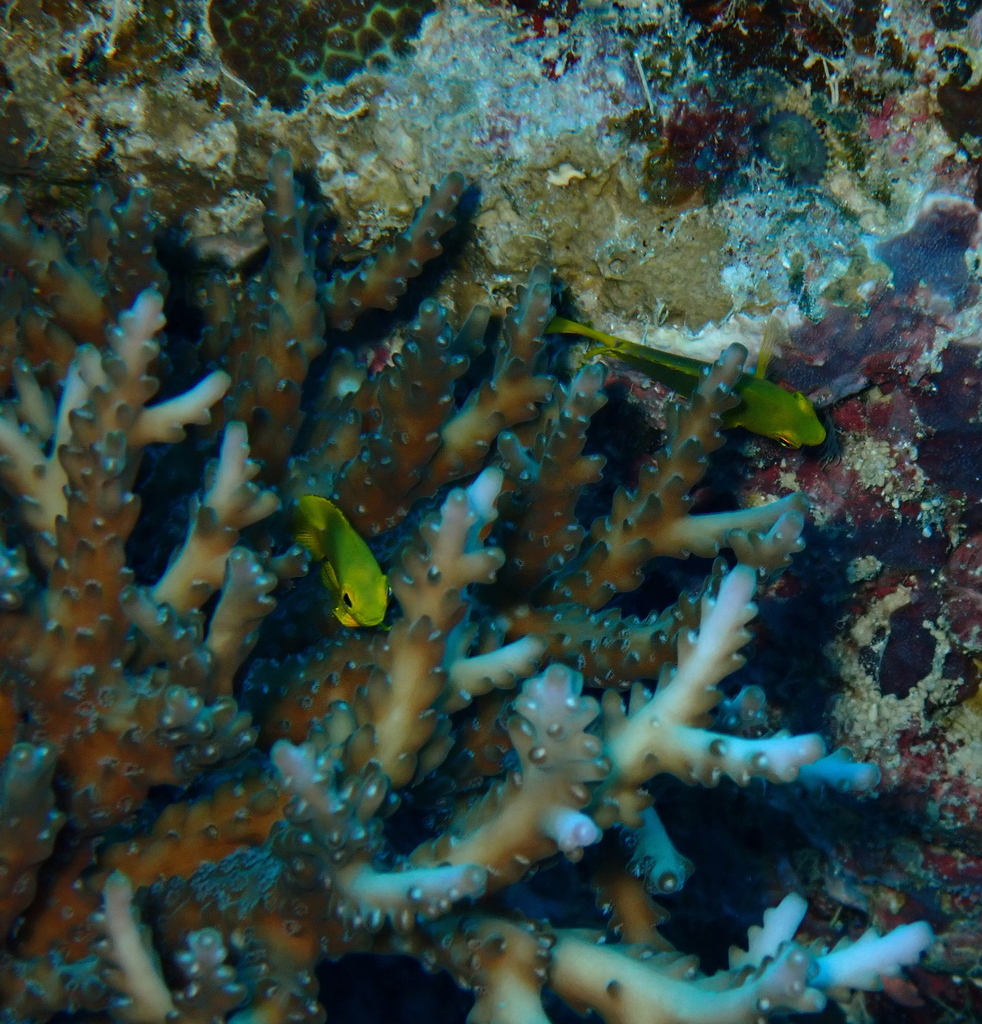 Acropora divaricata3%
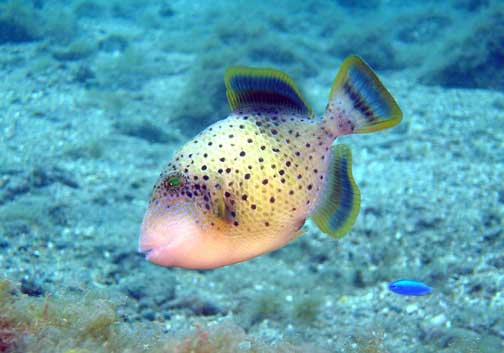 Yellowmargin triggerfish3%
 Pastel-green wrasse3%
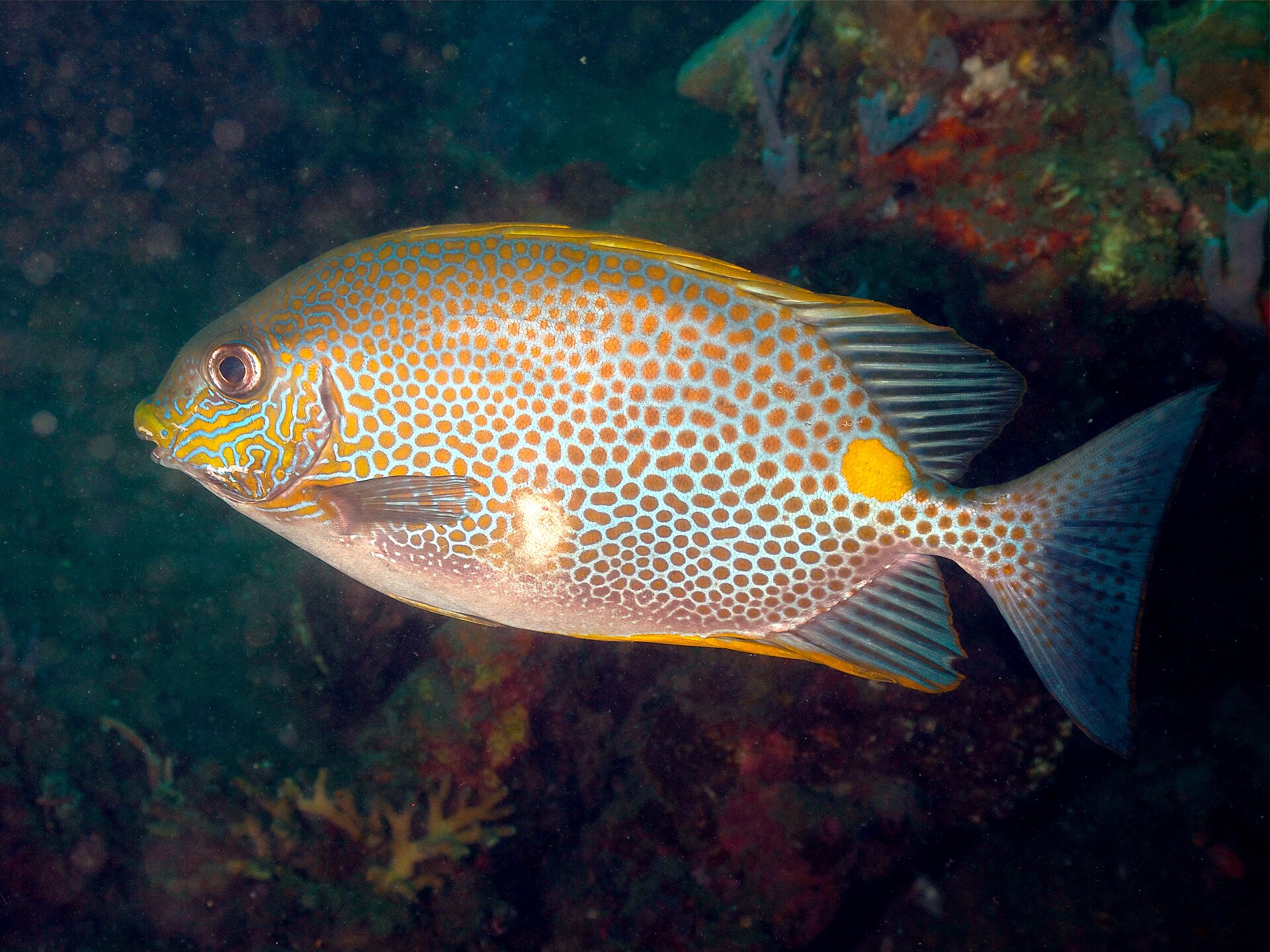 Golden rabbitfish3%
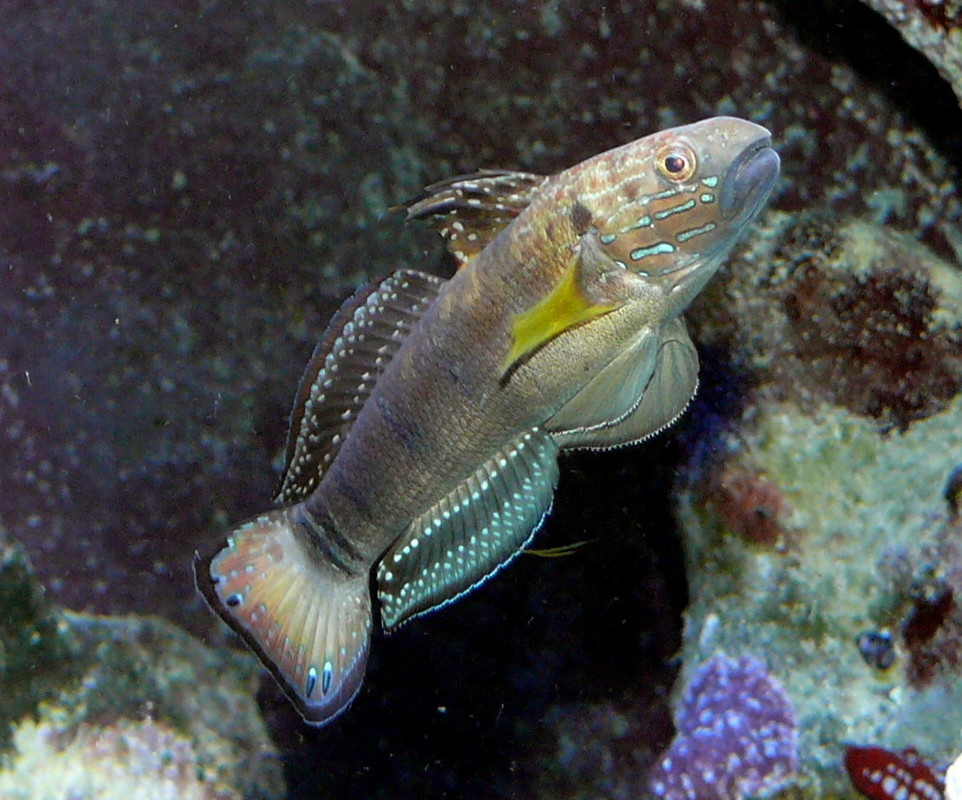 Whitebarred Goby3%
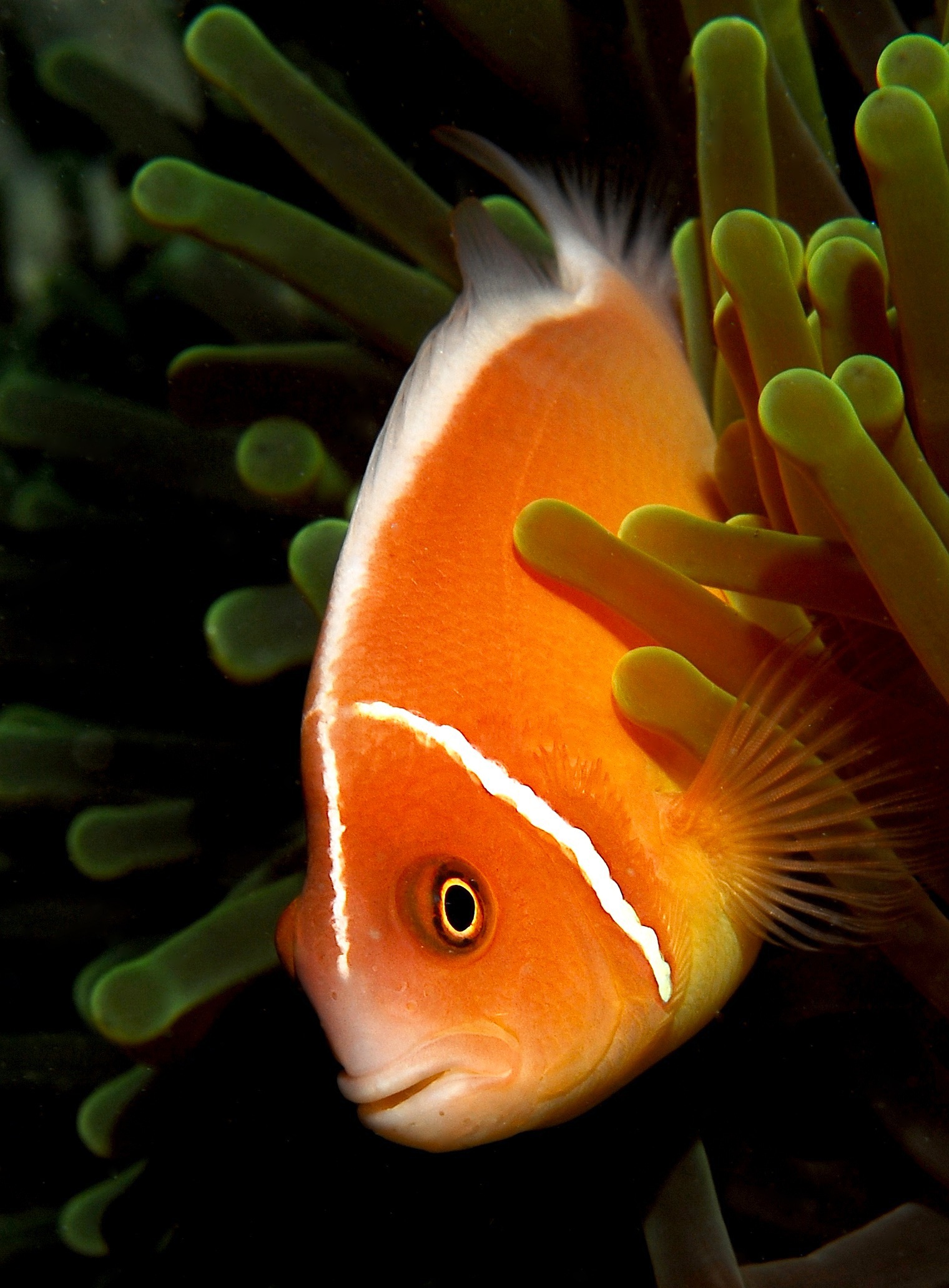 Pink anemonefish3%
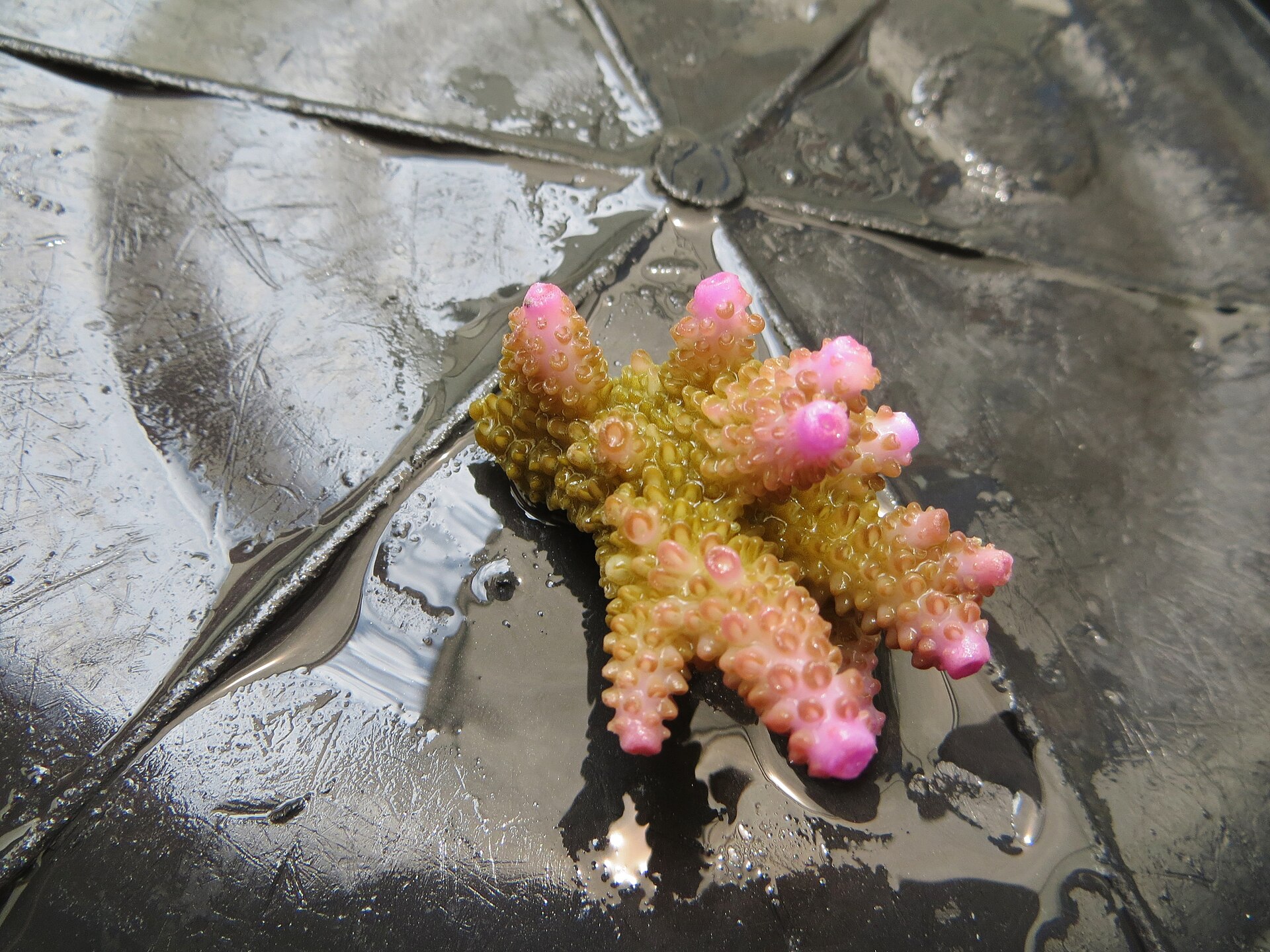 Staghorn coral3%
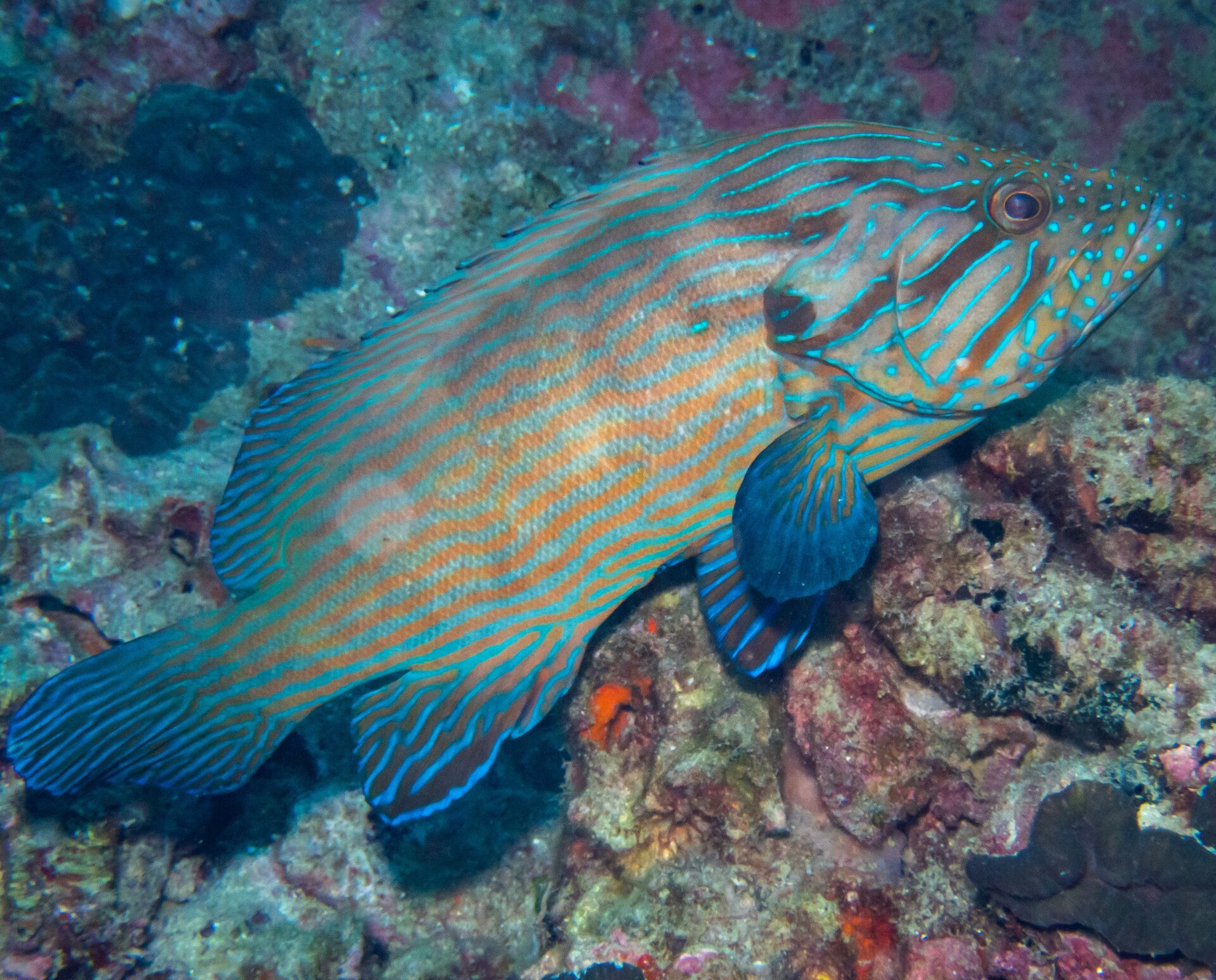 Chocolate Hind3%
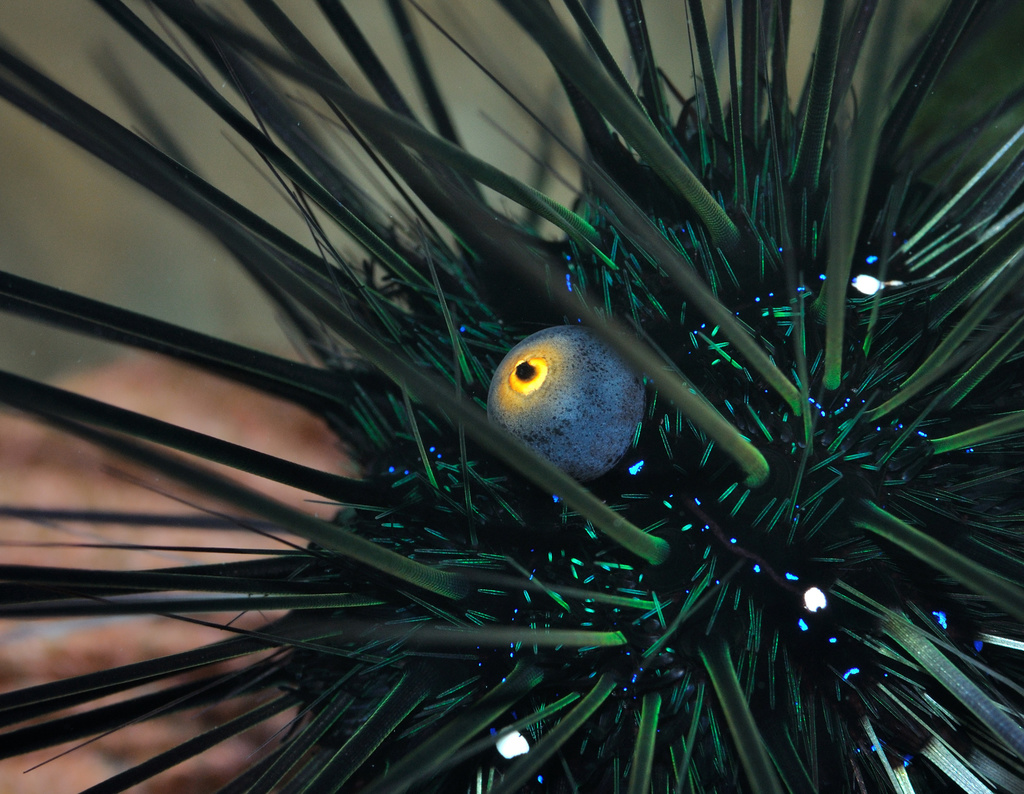 Long-spined sea urchin3%
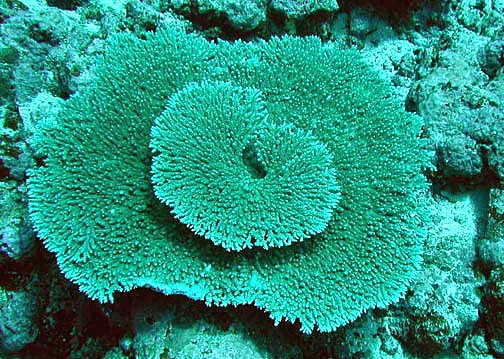 Acropora glauca2%
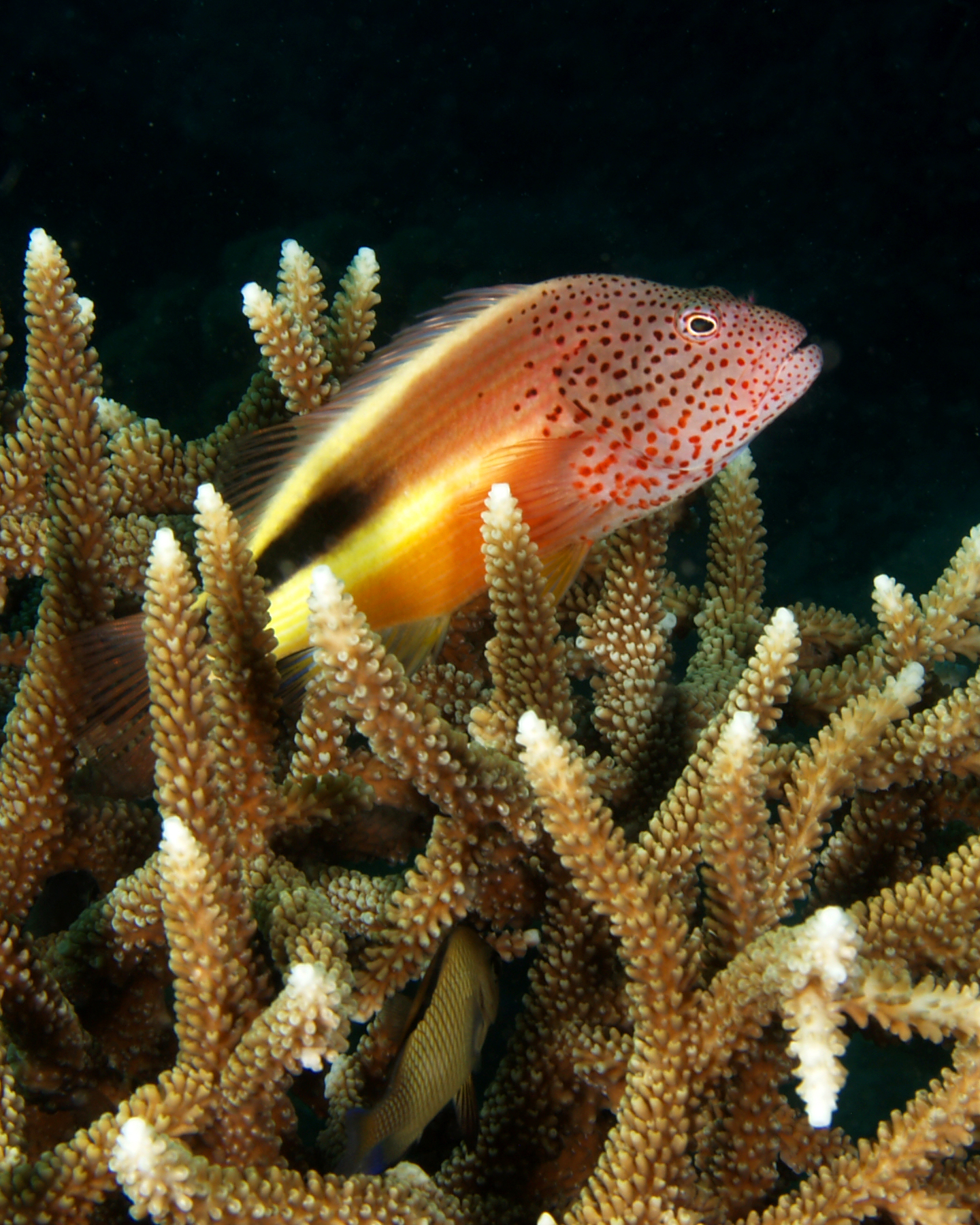 Acropora grandis2%
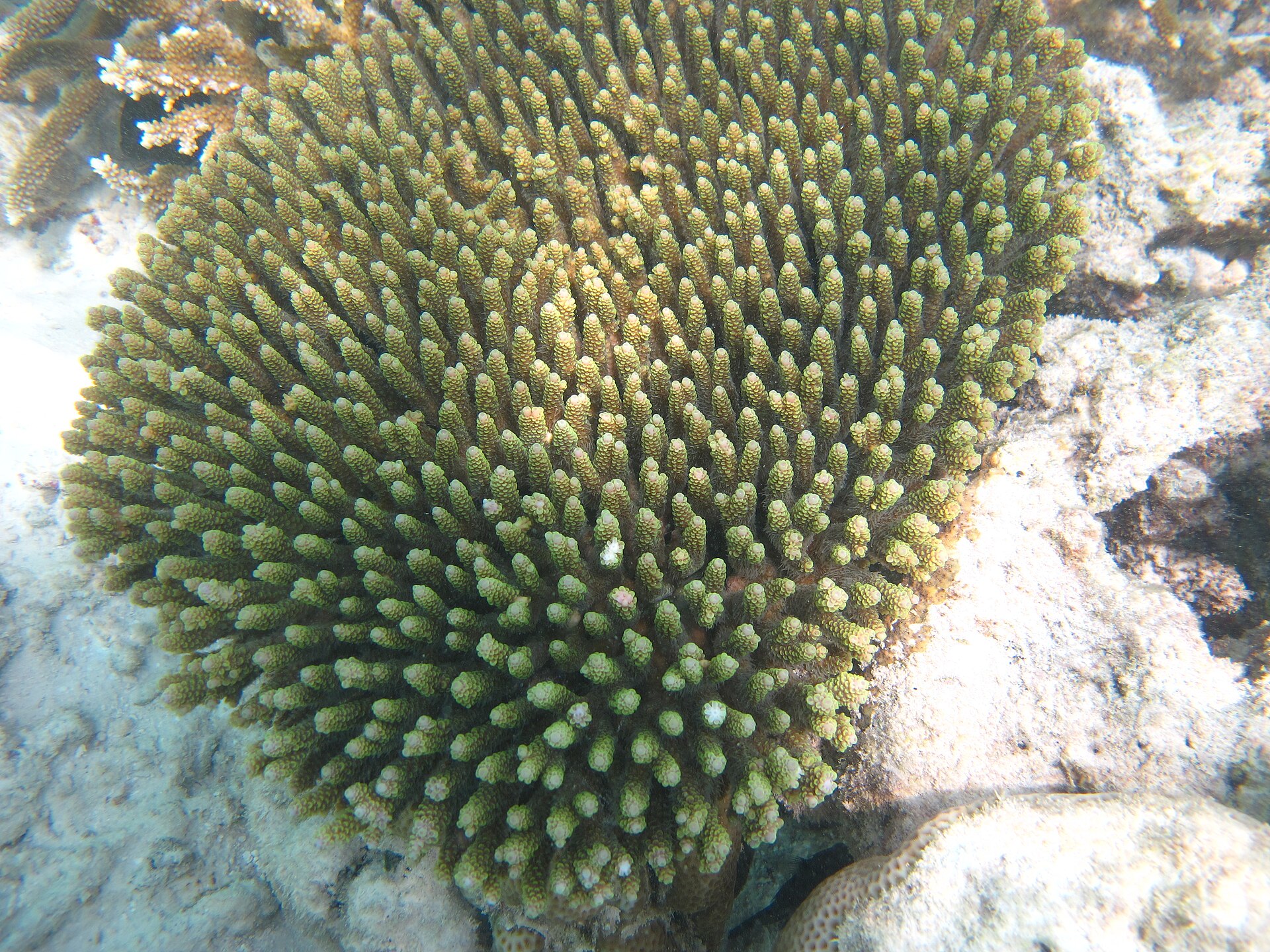 Staghorn coral2%
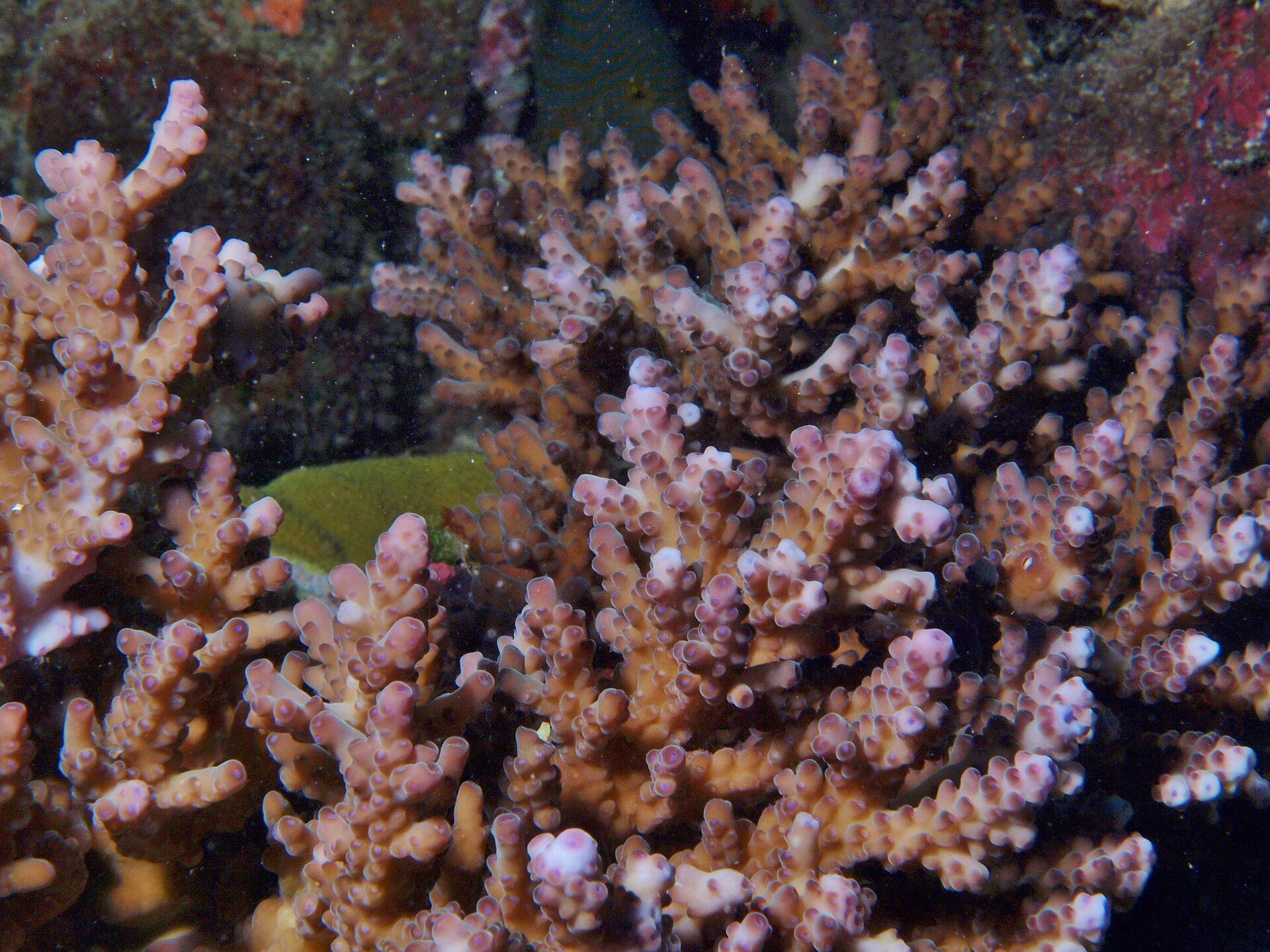 Staghorn coral2%
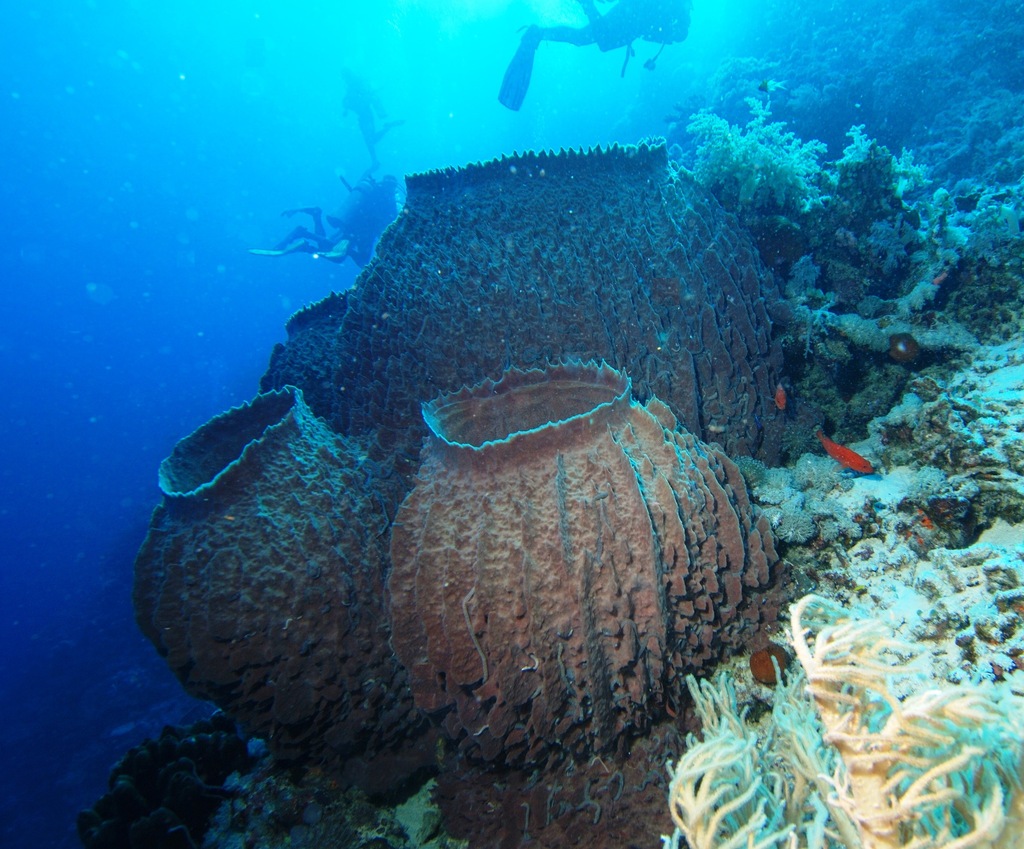 Indo-Pacific Giant Barrel Sponge2%
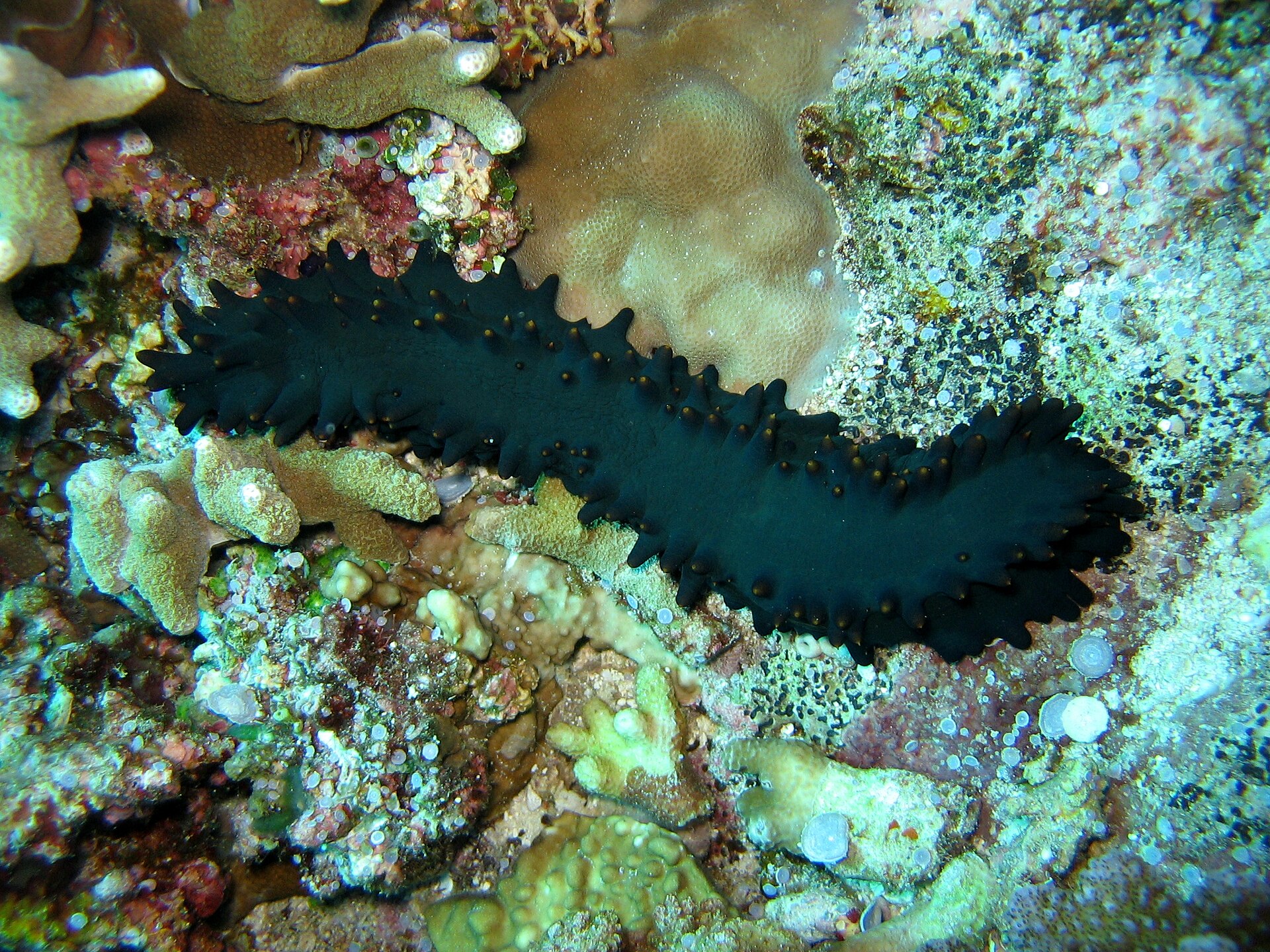 Greenfish2%
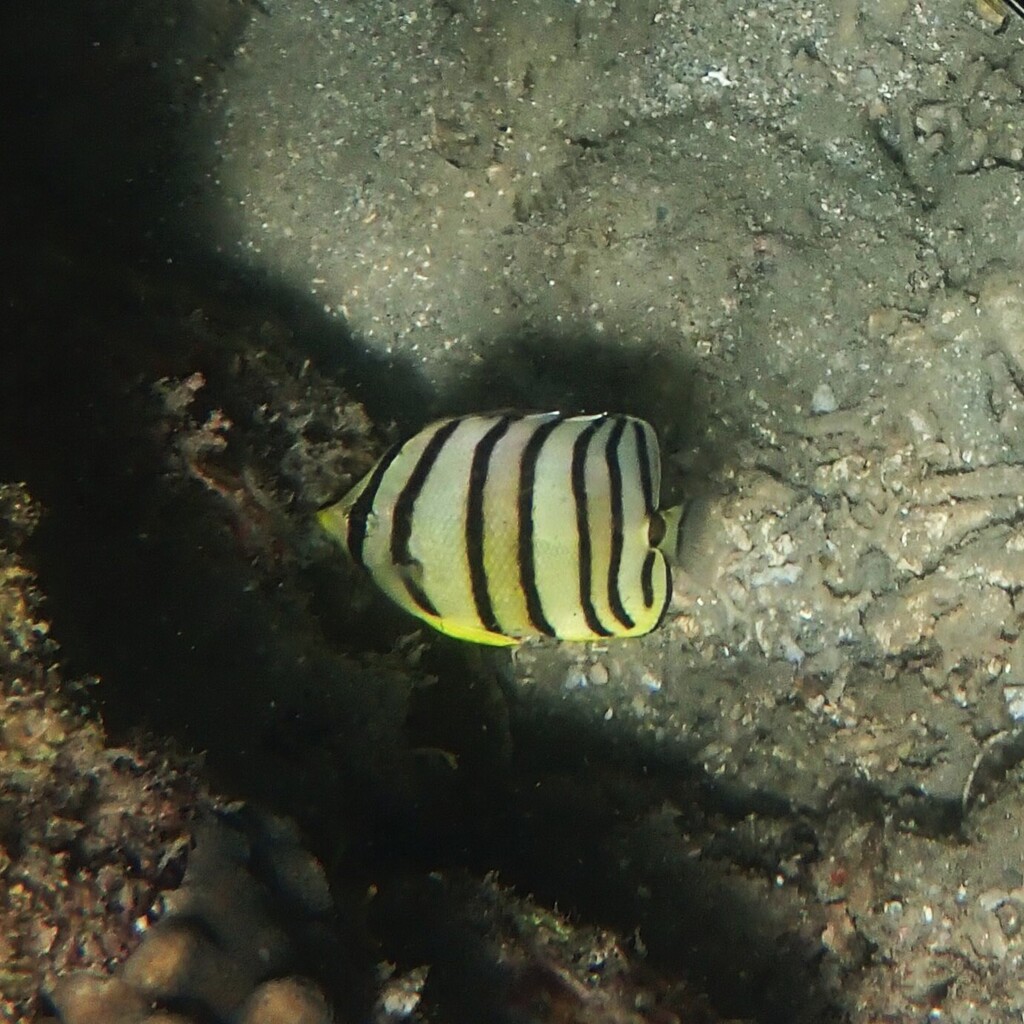 Eightband Butterflyfish2%
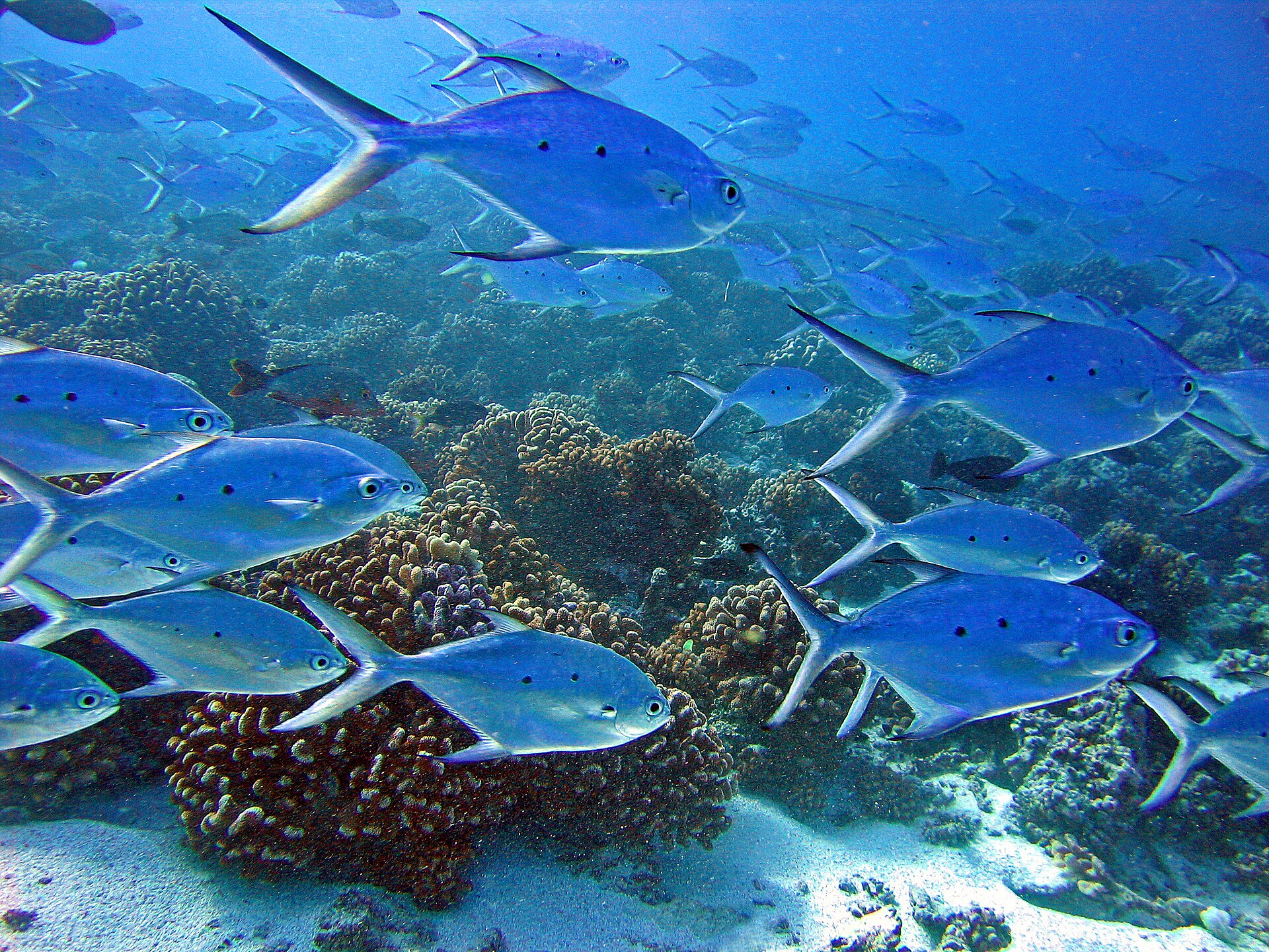 Smallspotted Dart2%
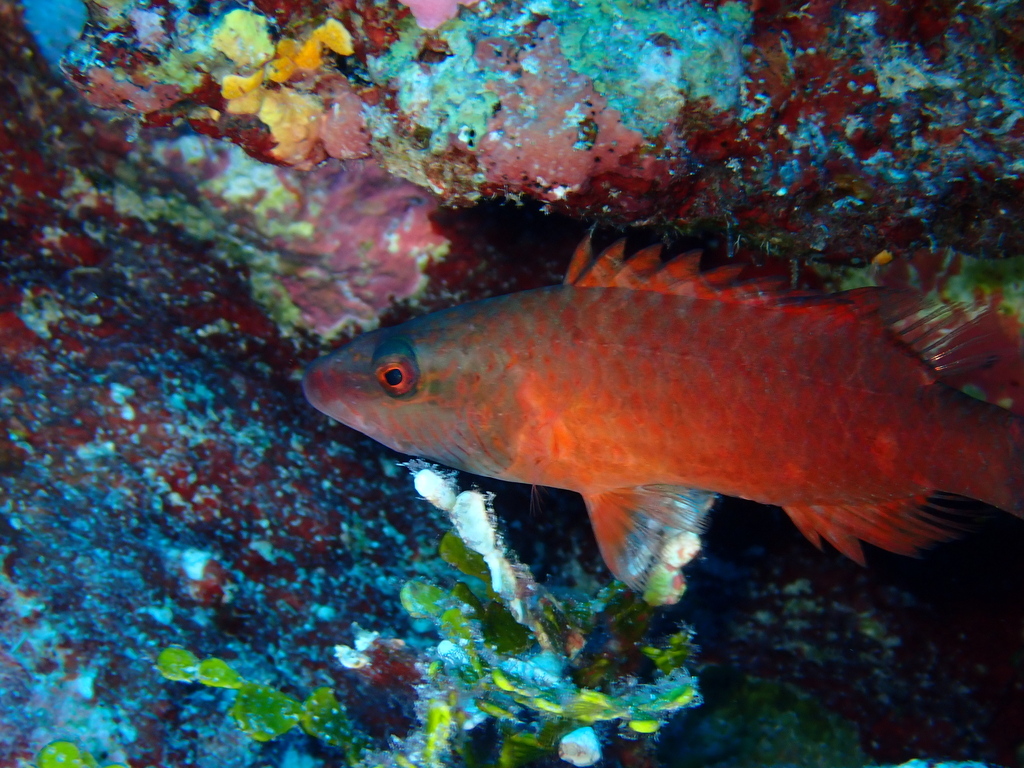 Cheeklined wrasse2%
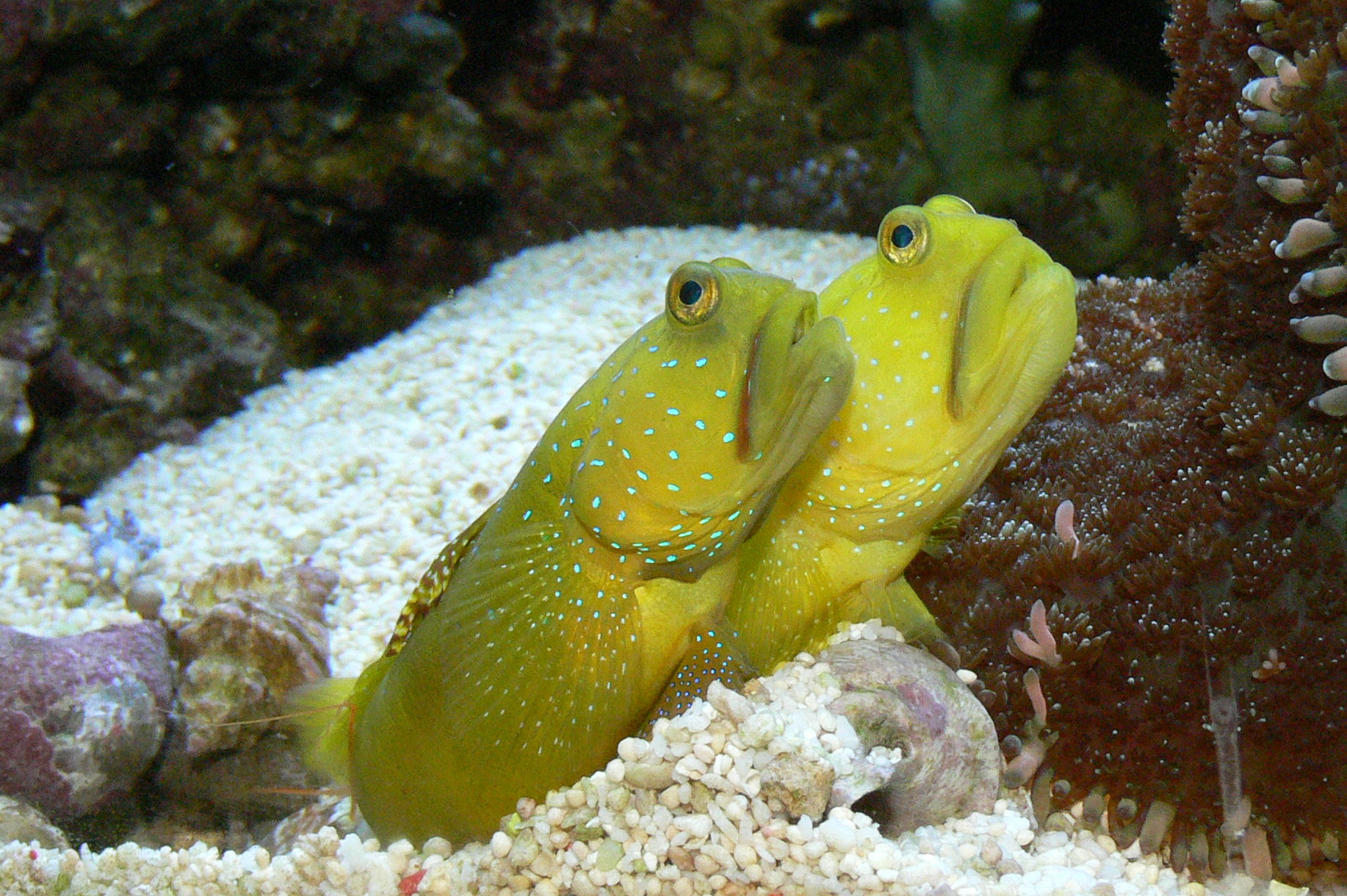 Yellow Shrimpgoby2%
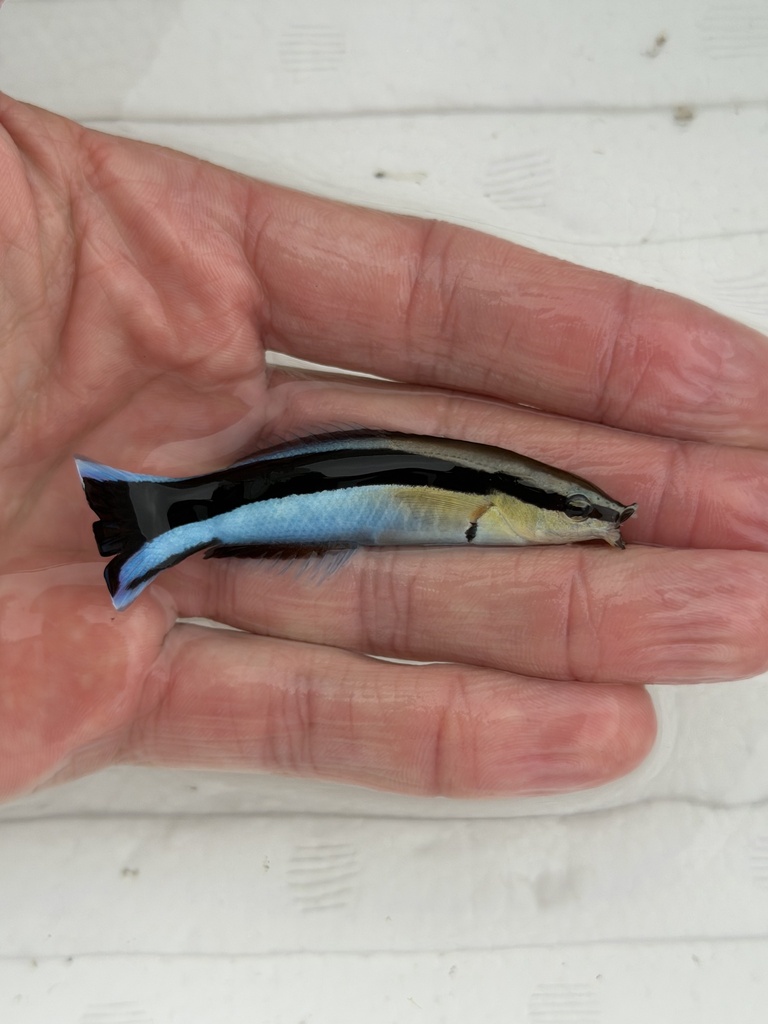 Bridled beauty2%
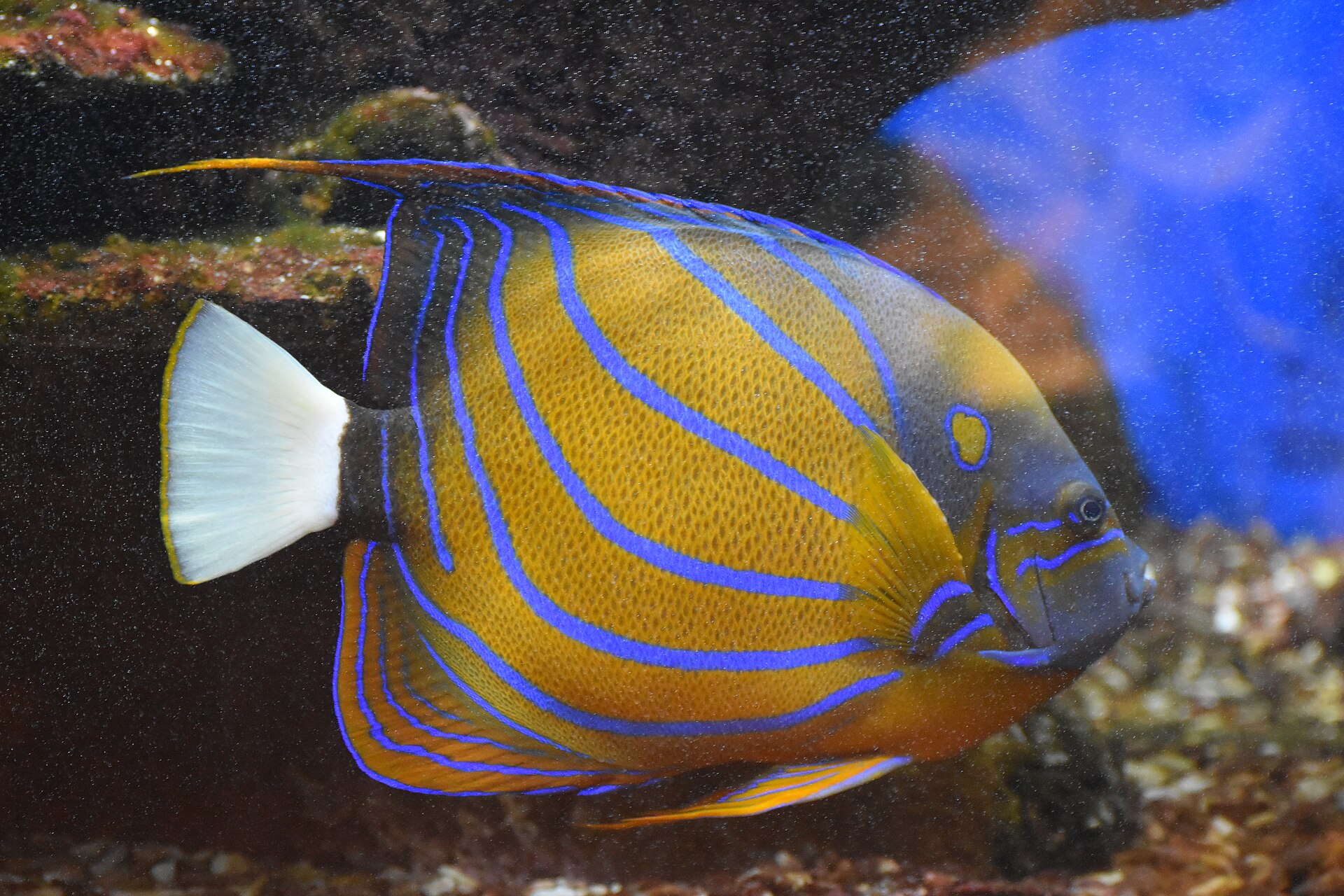 Ringed Angle fish2%
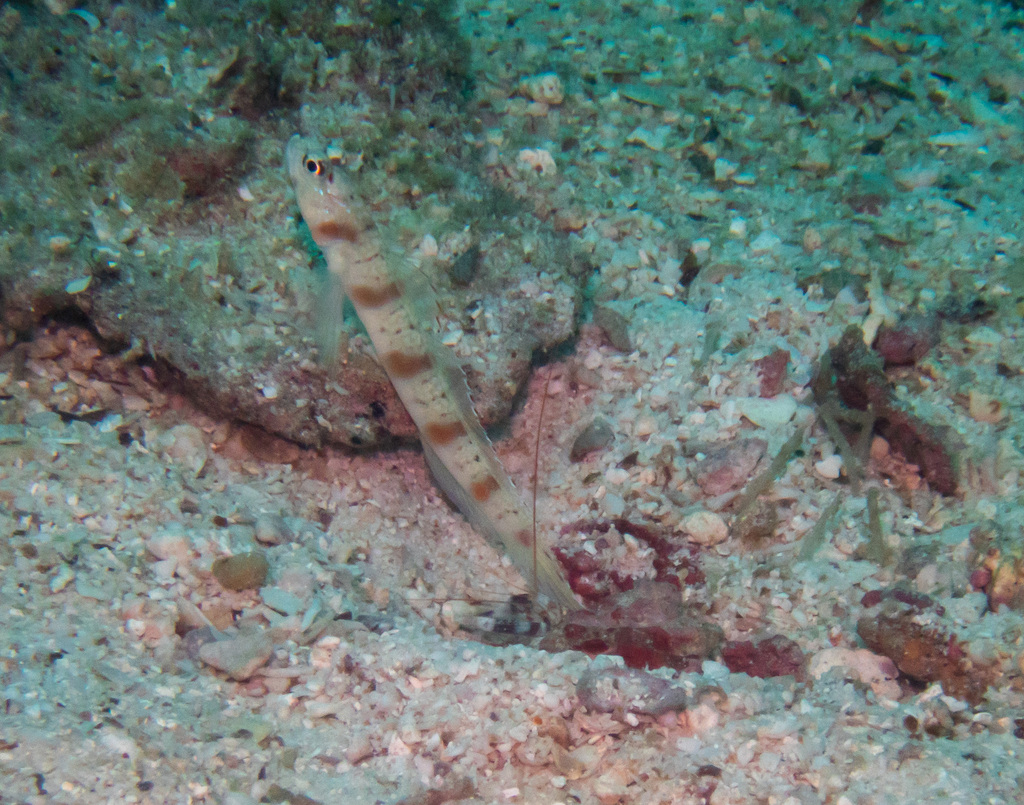 Redmargin shrimpgoby2%
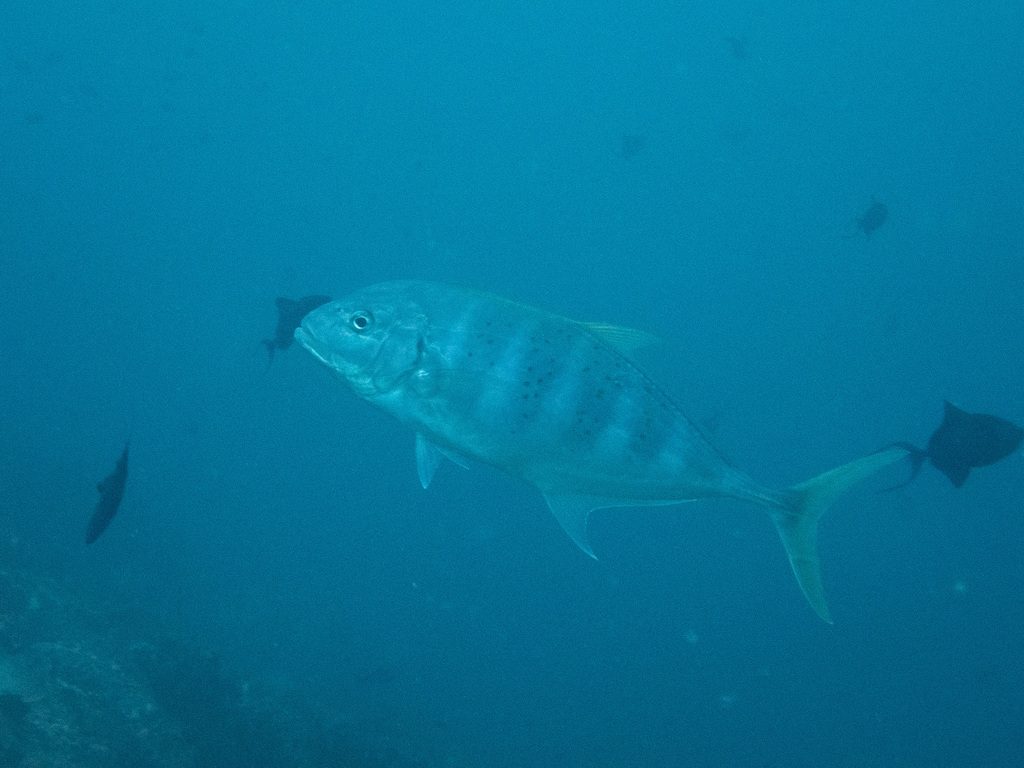 Yellow Spotted Trevally2%
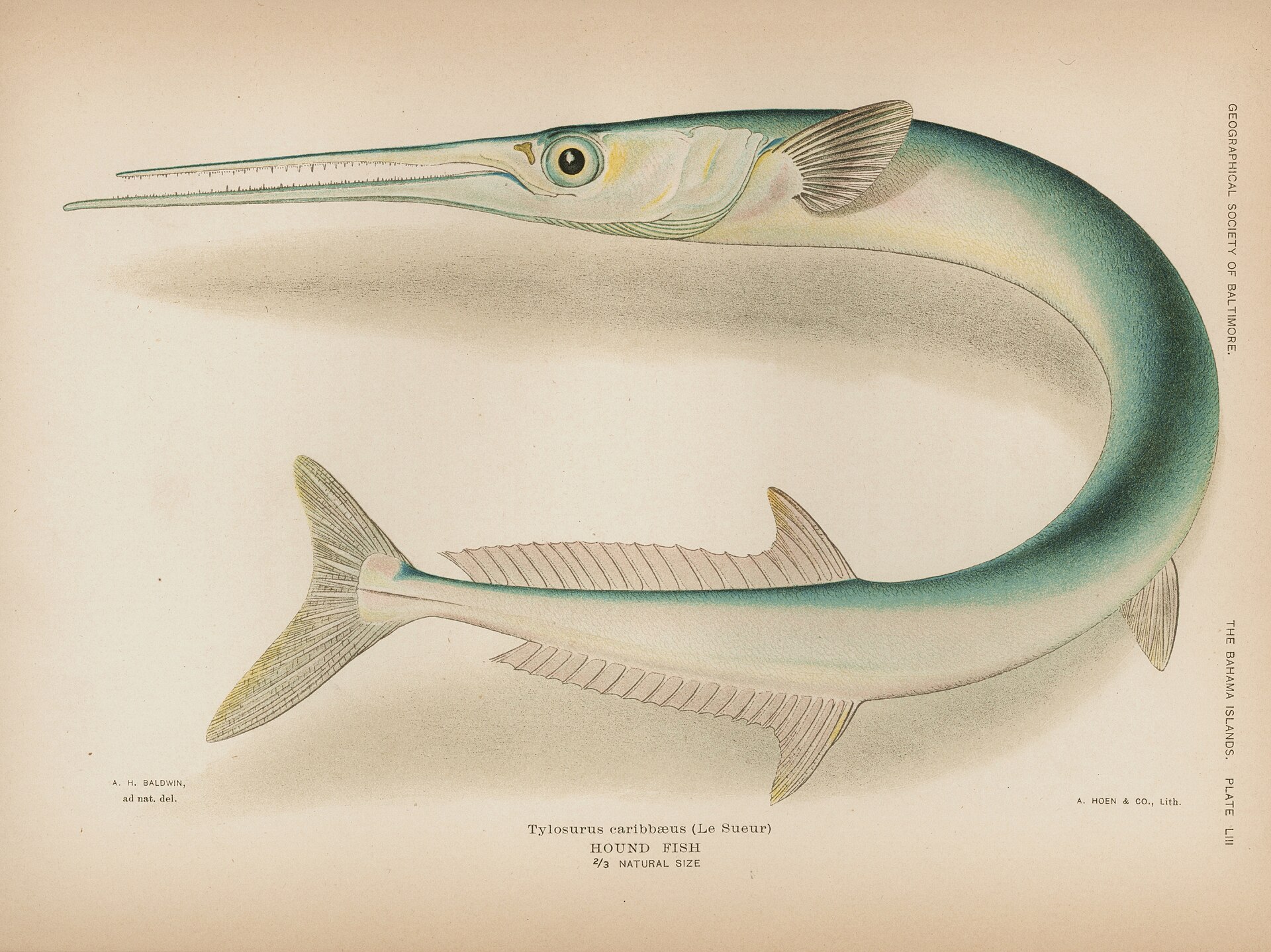 Hound Needlefish2%
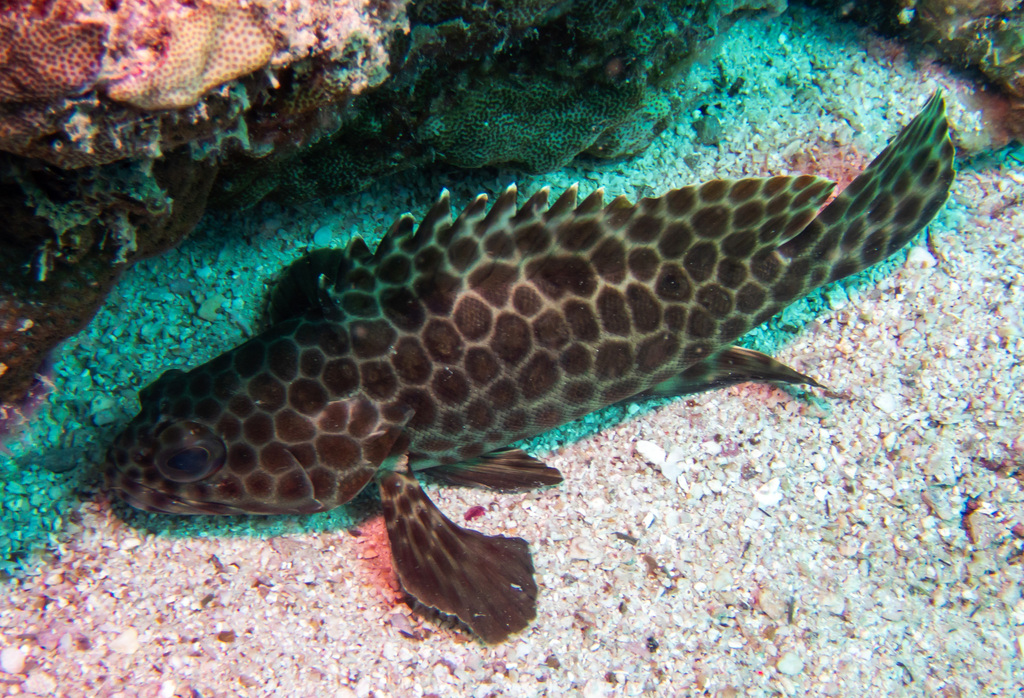 Rockfish Grouper2%
 Shore crab2%
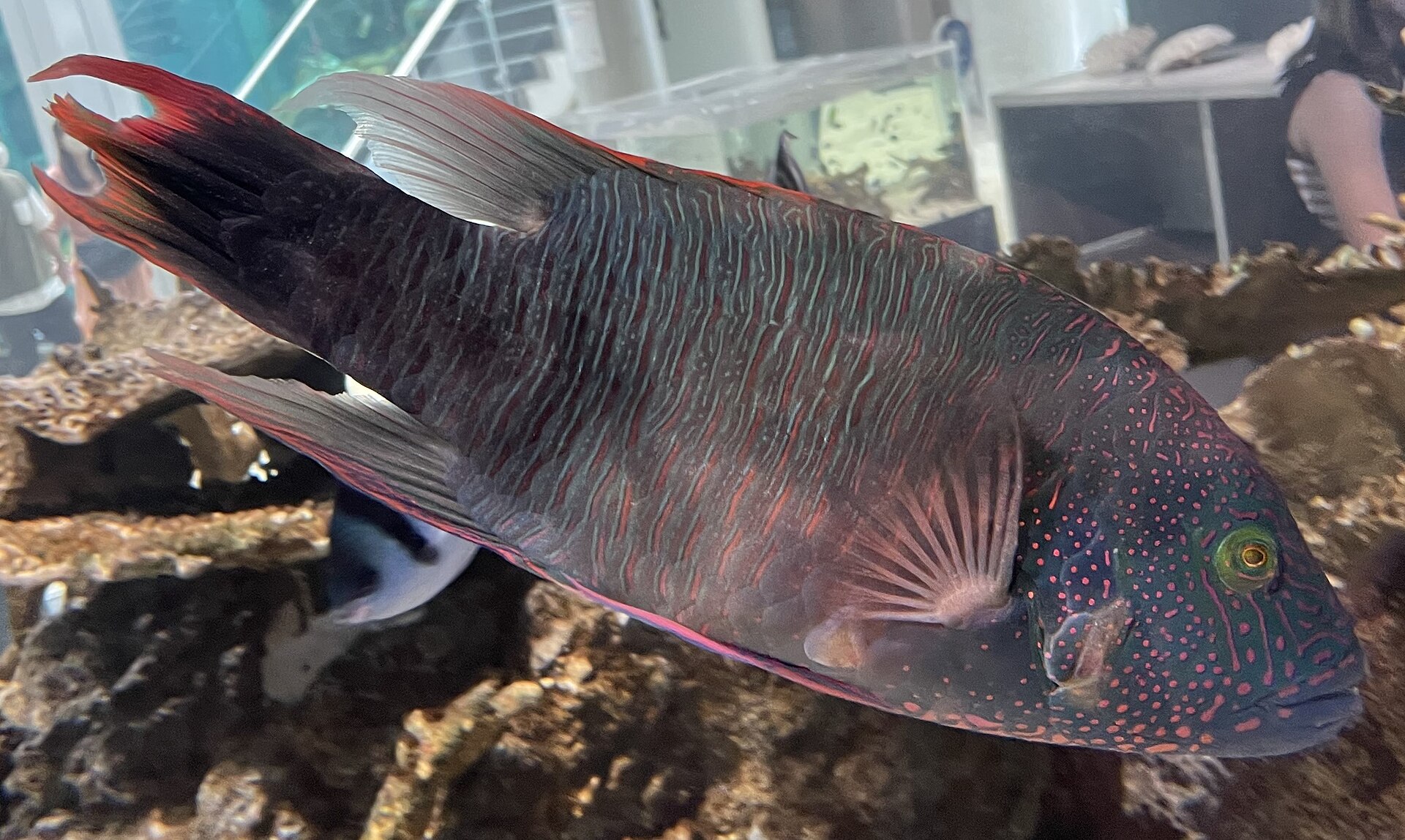 Tripletail Wrasse2%
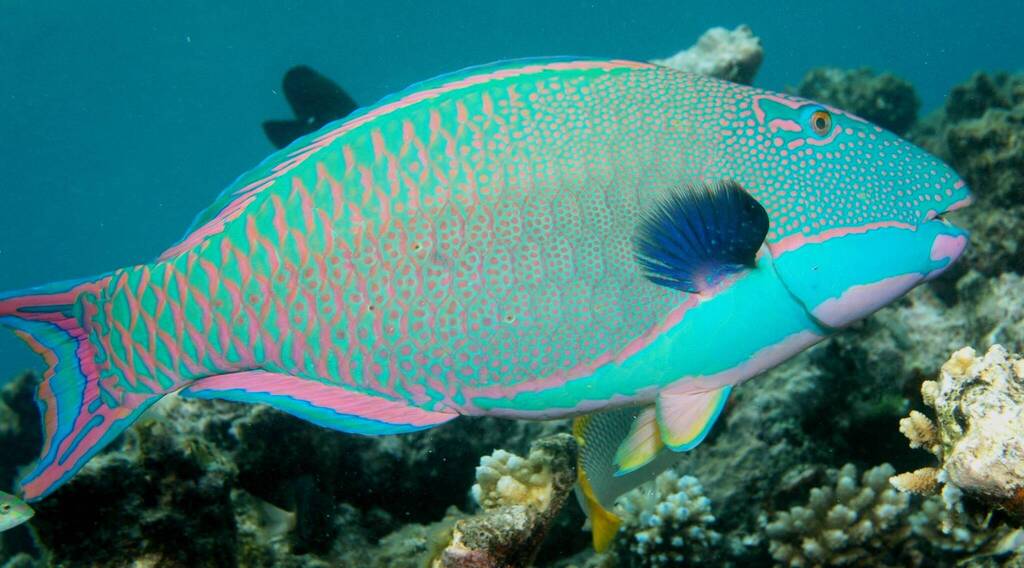 Bicolor Parrotfish2%
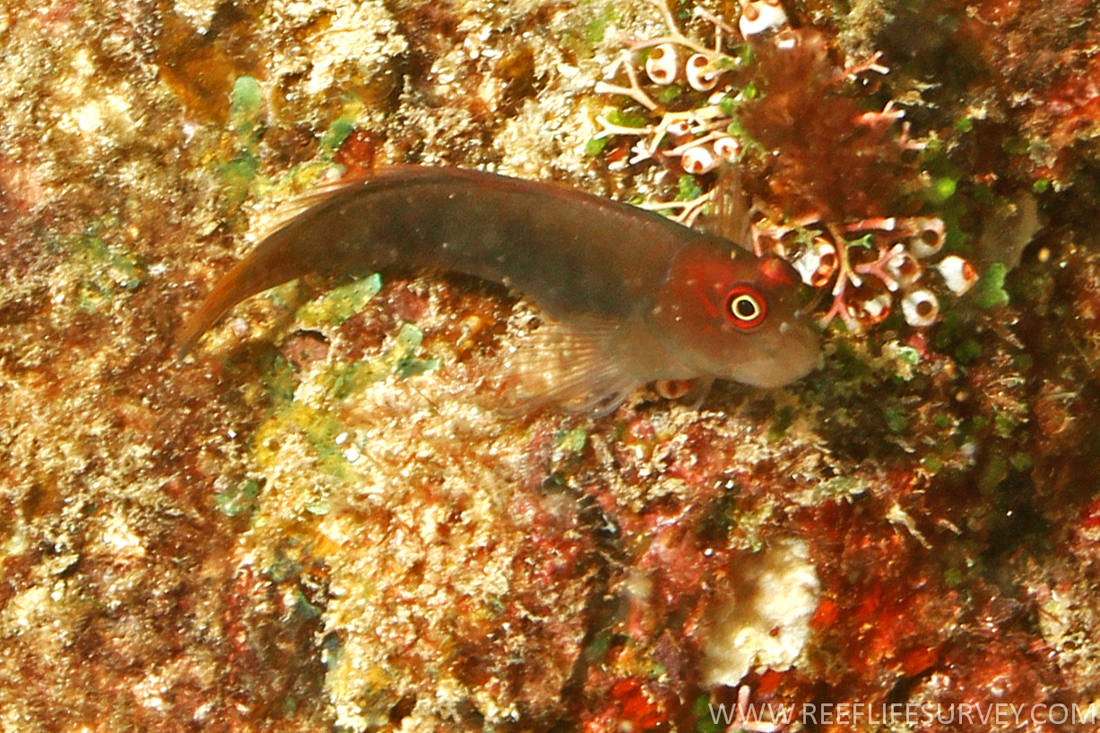 Filamentous Blenny2%
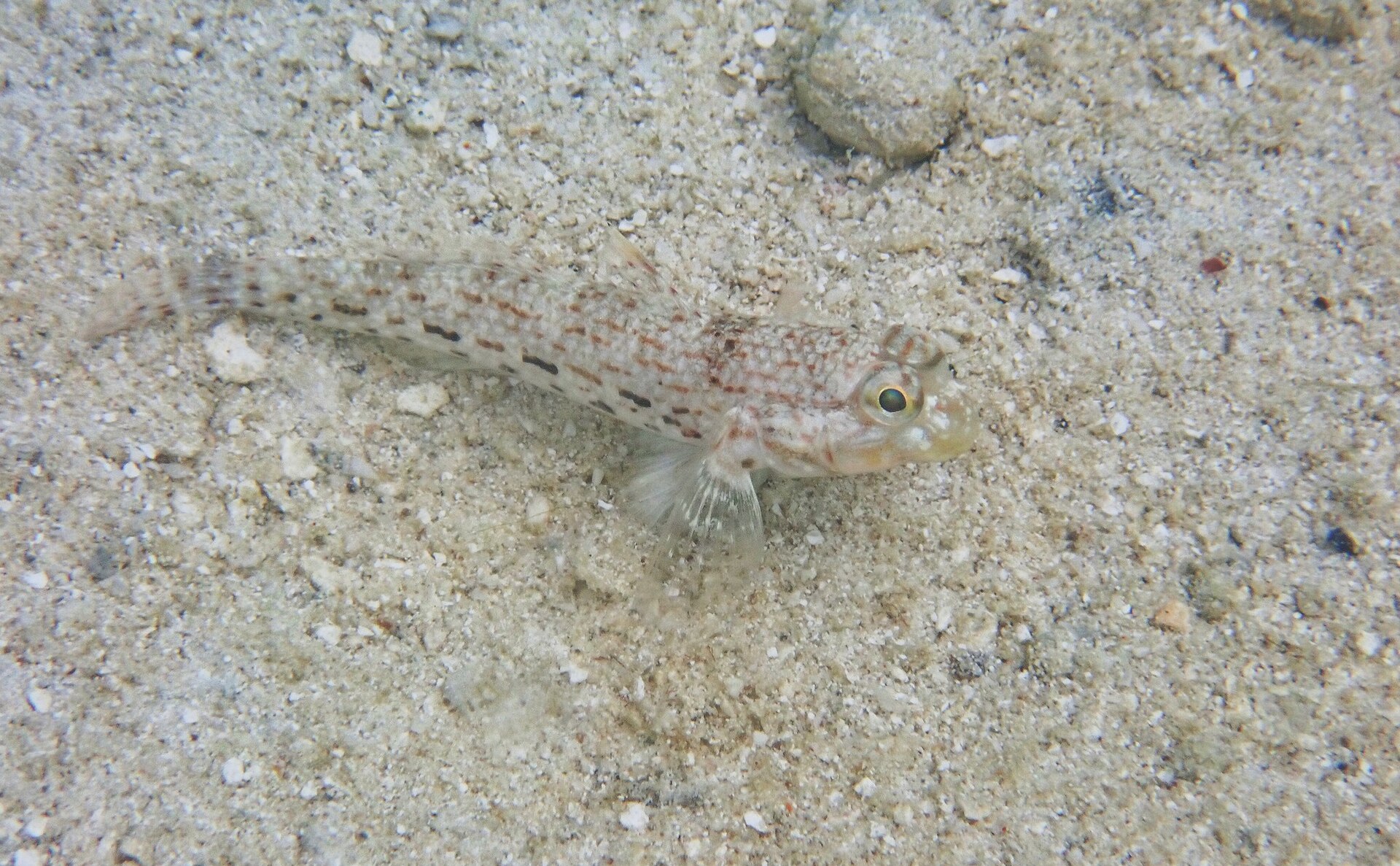 Ornate Sandgoby2%
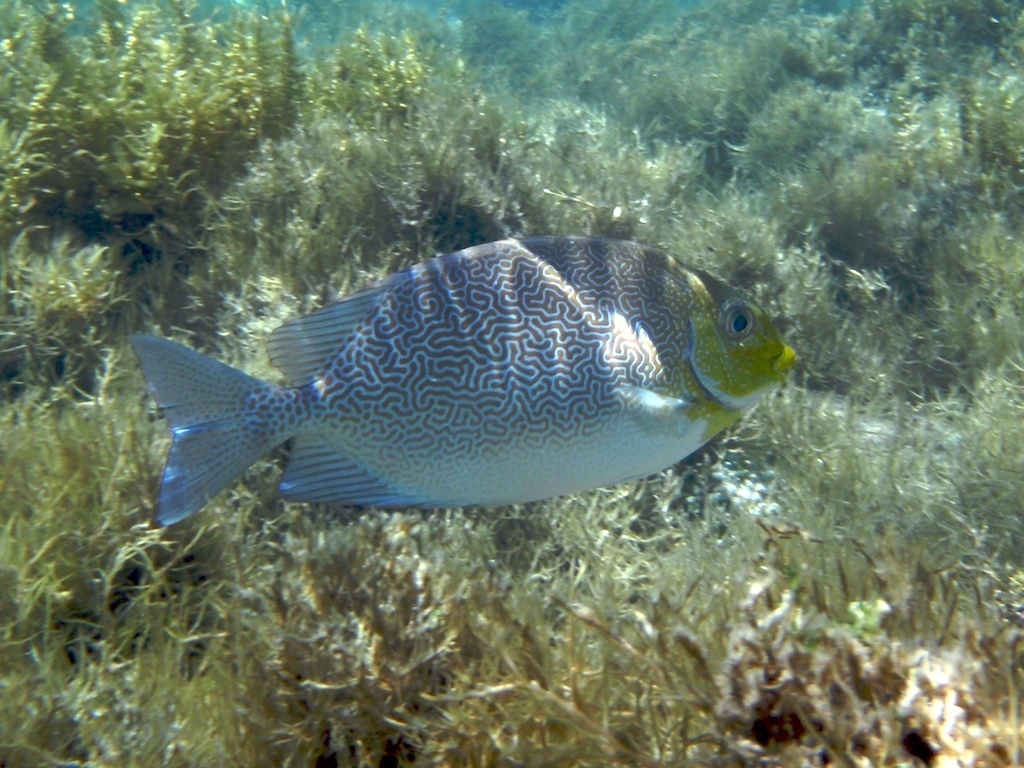 Vermiculate Rabbitfish2%
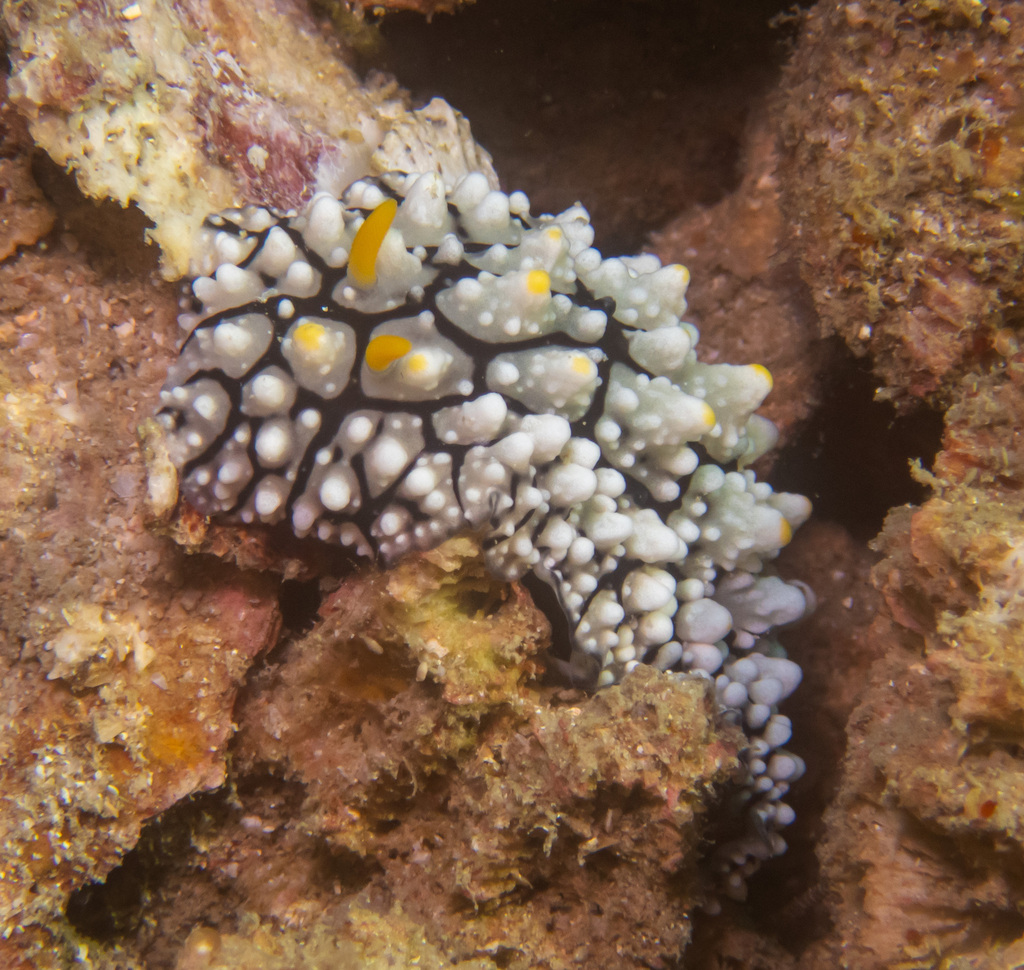 Elegant Phyllidia2%
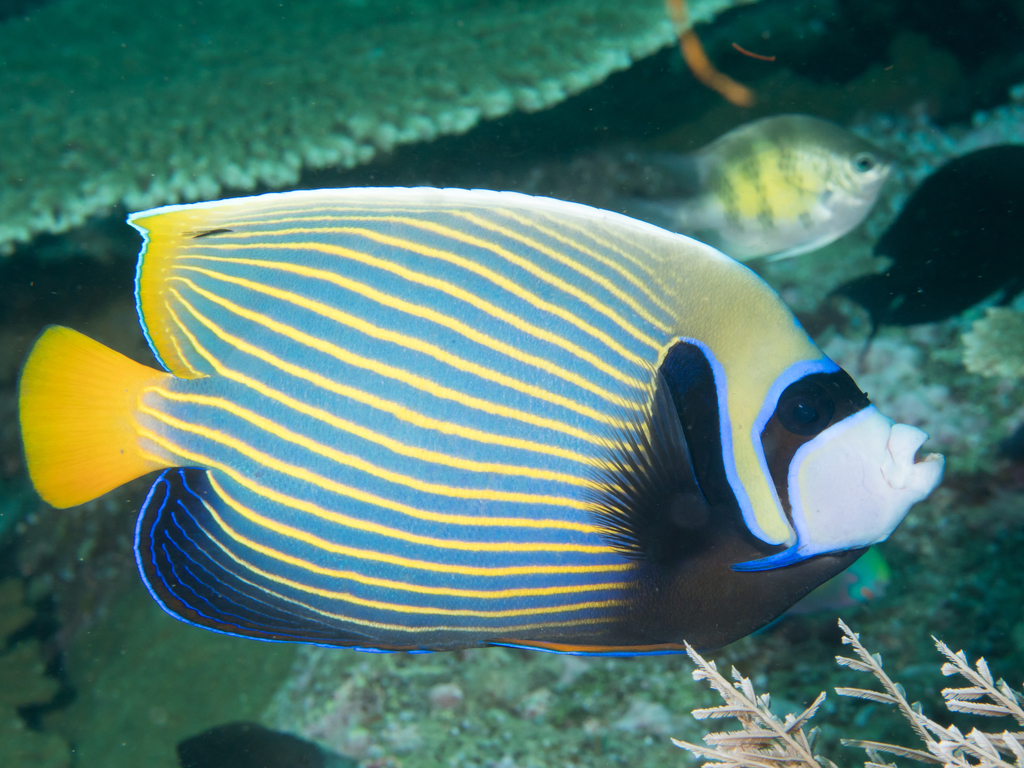 Imperial Angelfish2%
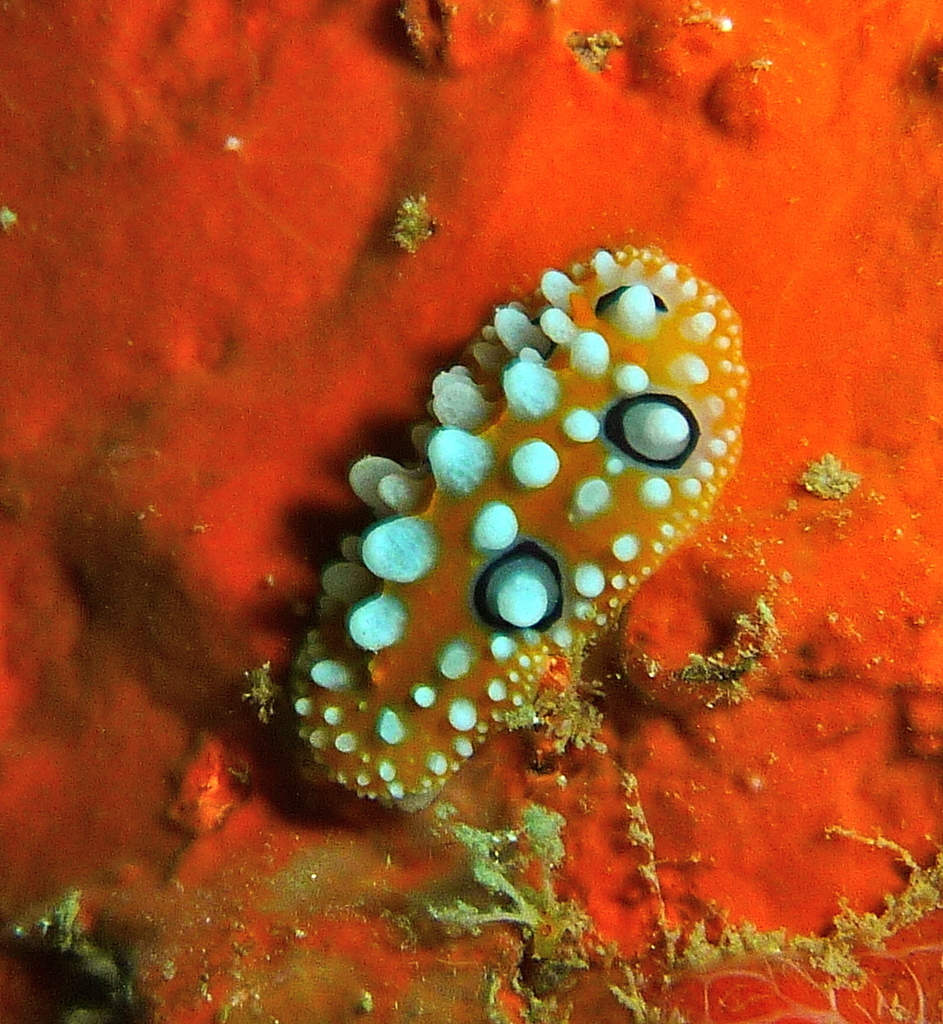 Ocellate Phyllidia2%
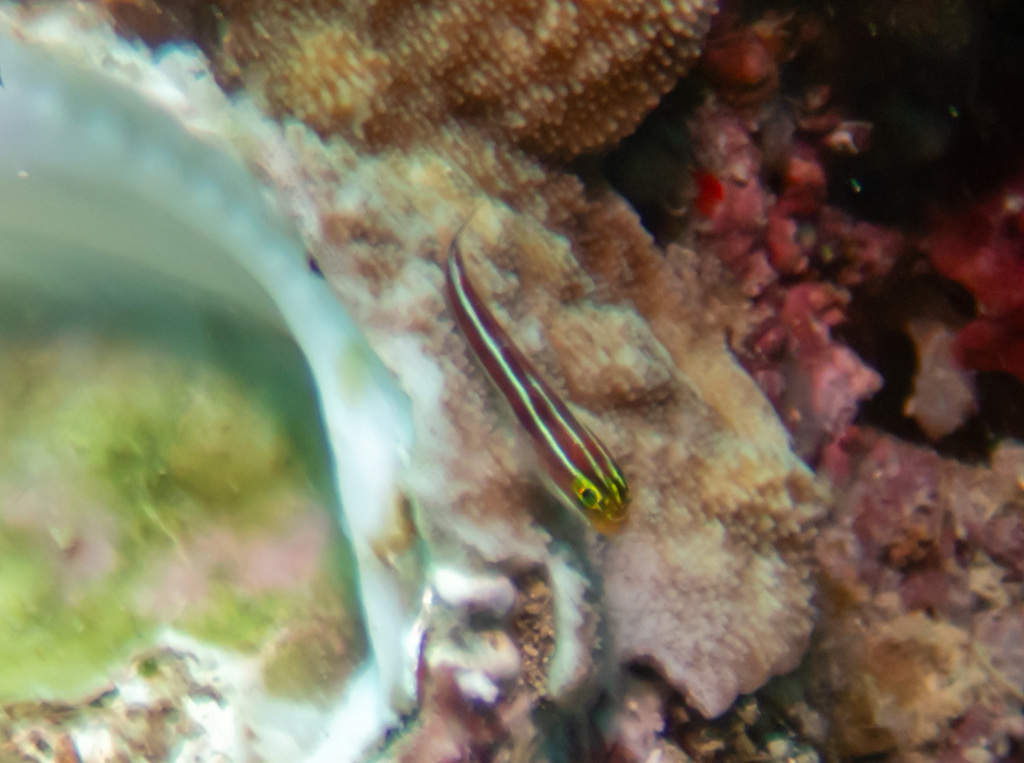 Tropical Striped Triplefin2%
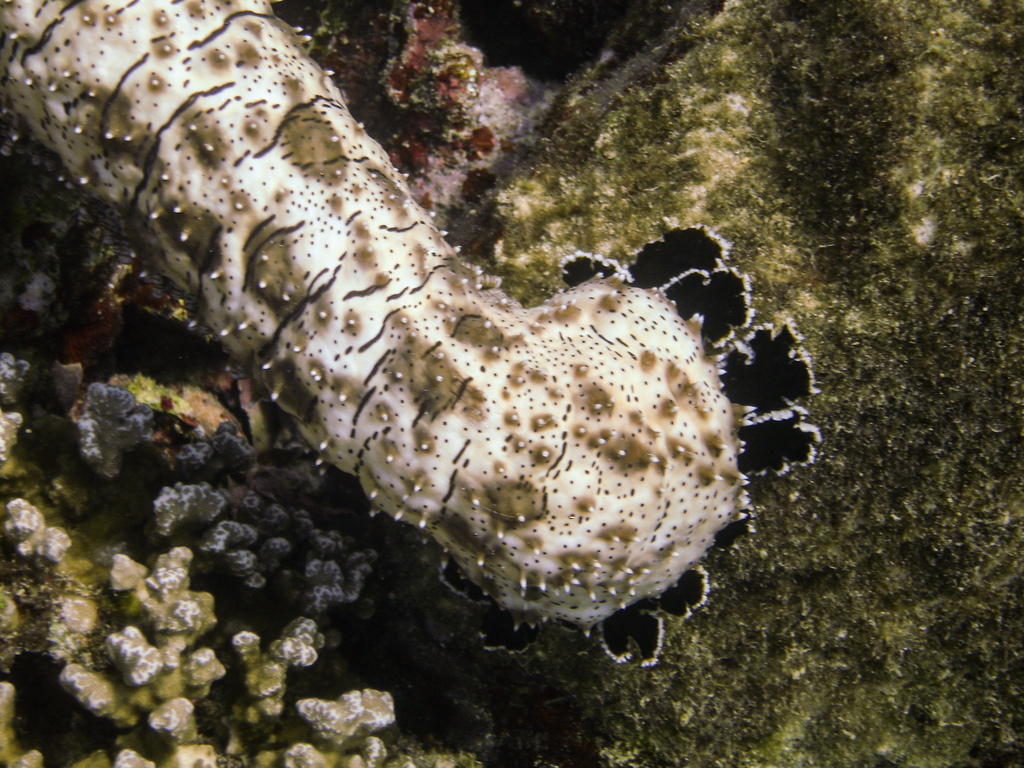 Flowerfish2%
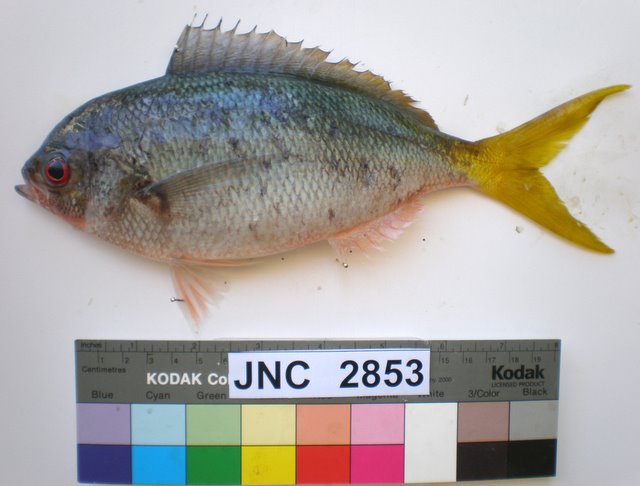 Yellowtail Fusilier2%
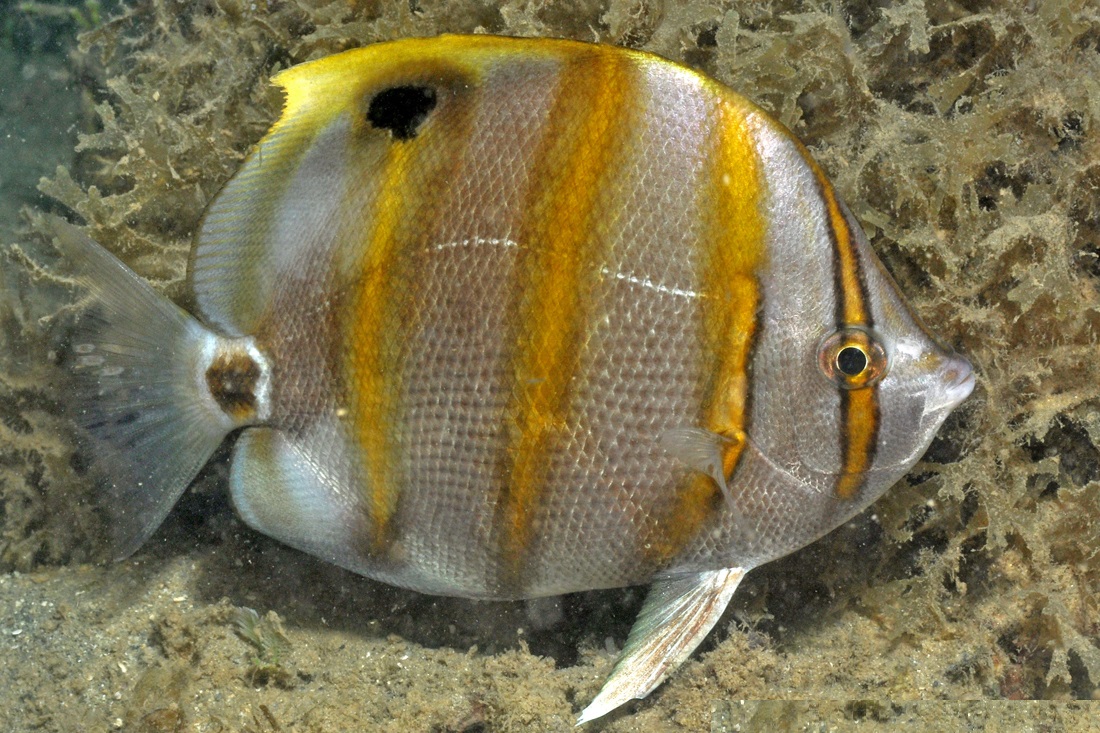 Sixspine Butterflyfish2%
 Bigeye Trevally2%
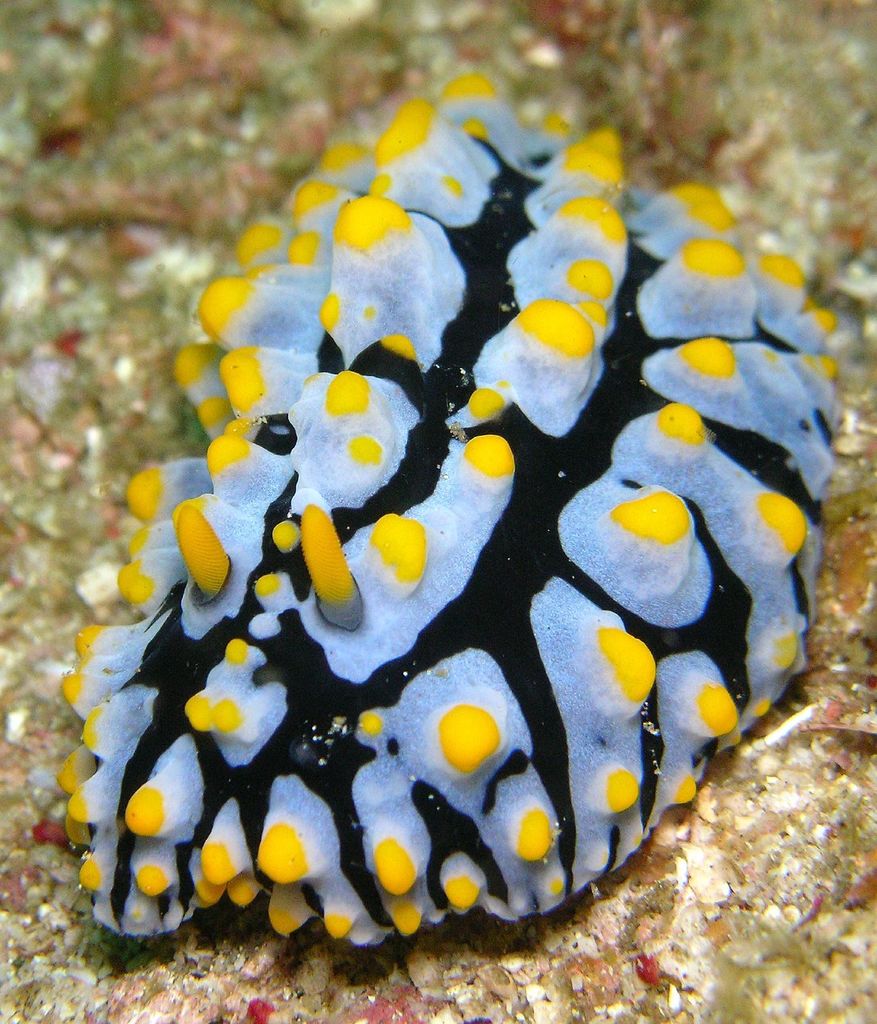 Varicose Wart Slug2%
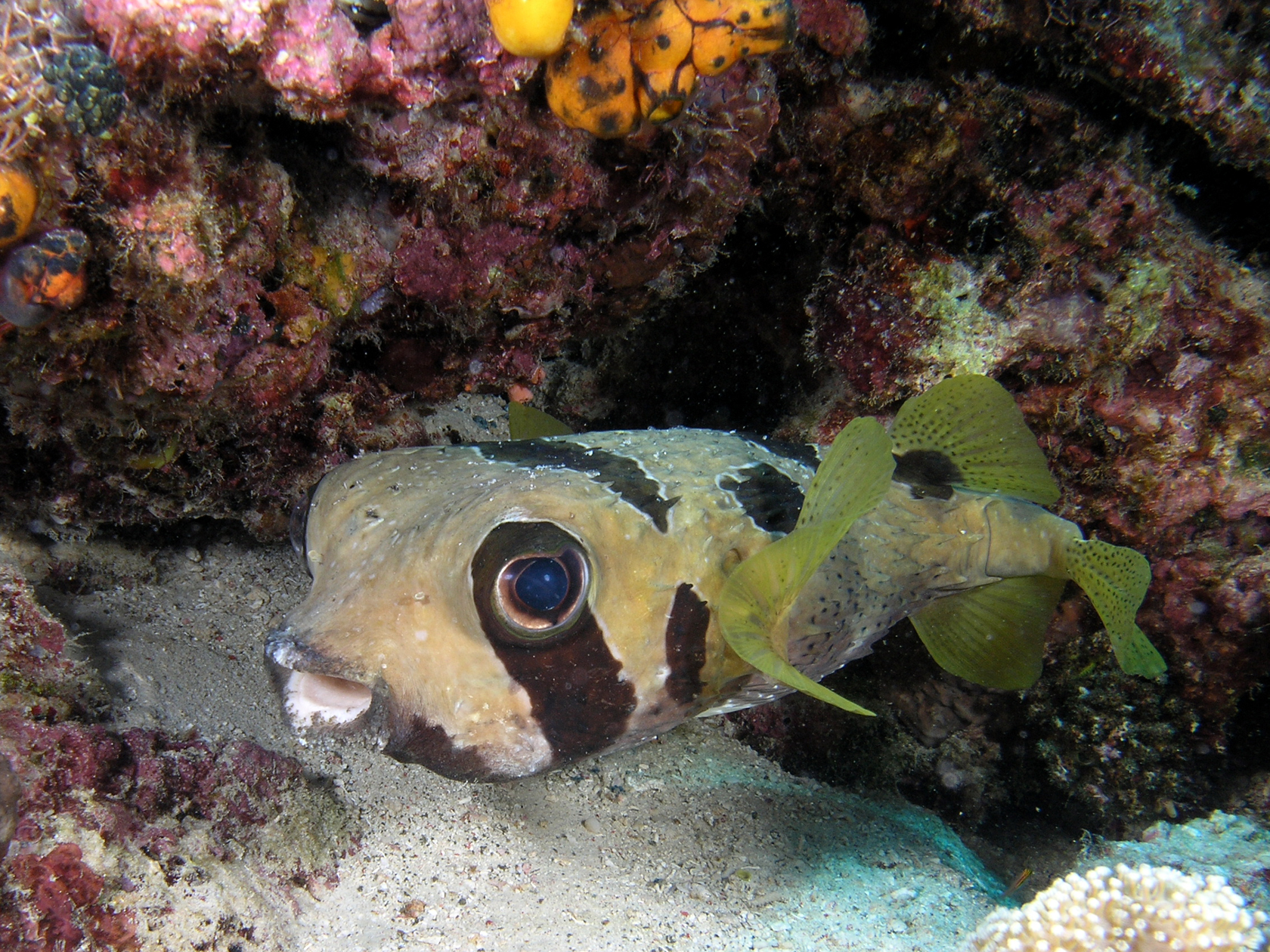 Blackblotched Porcupinefish2%
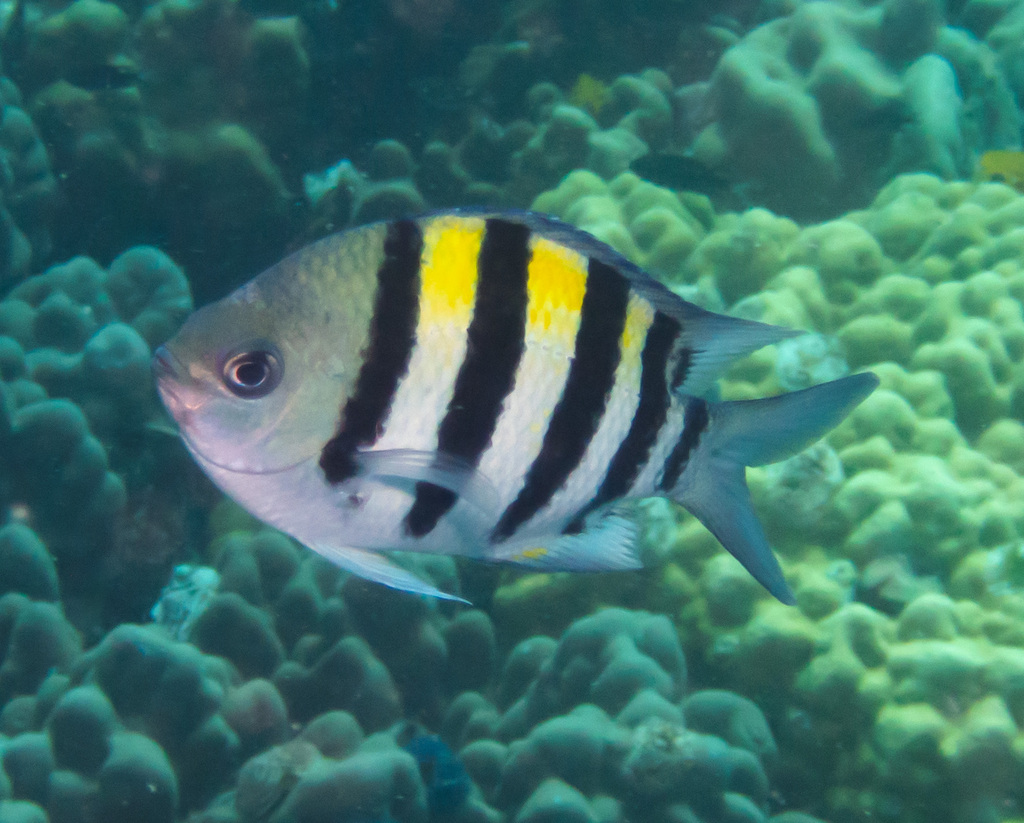 Indo-Pacific sergeant2%
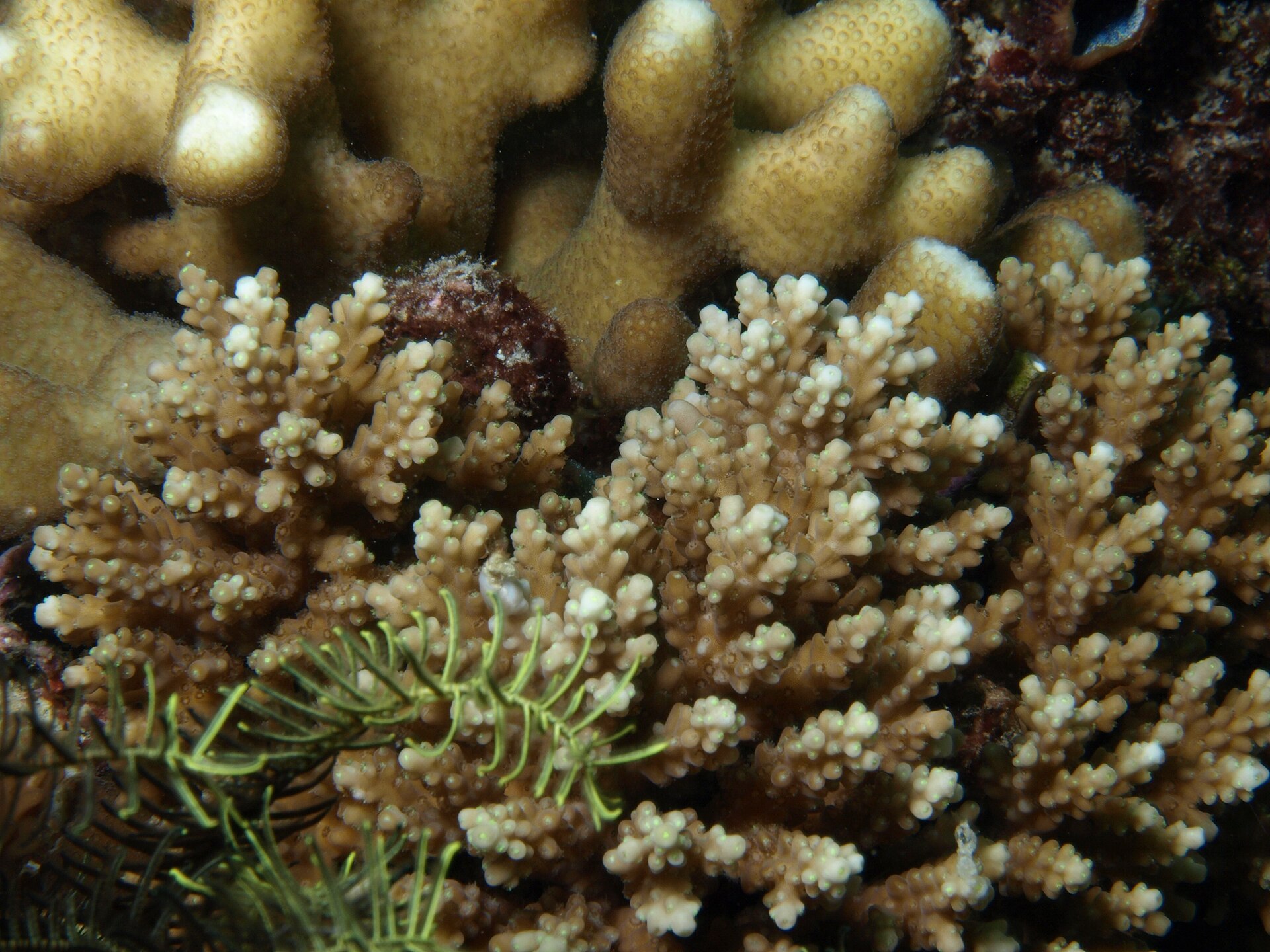 Acropora elseyi2%
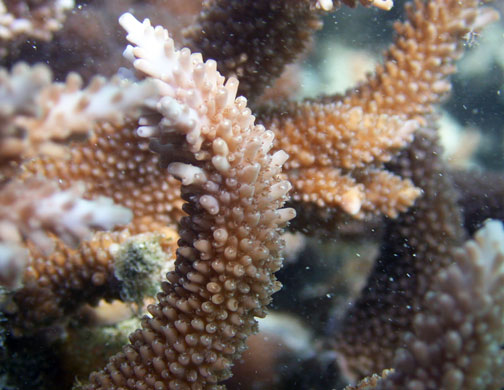 Staghorn coral2%
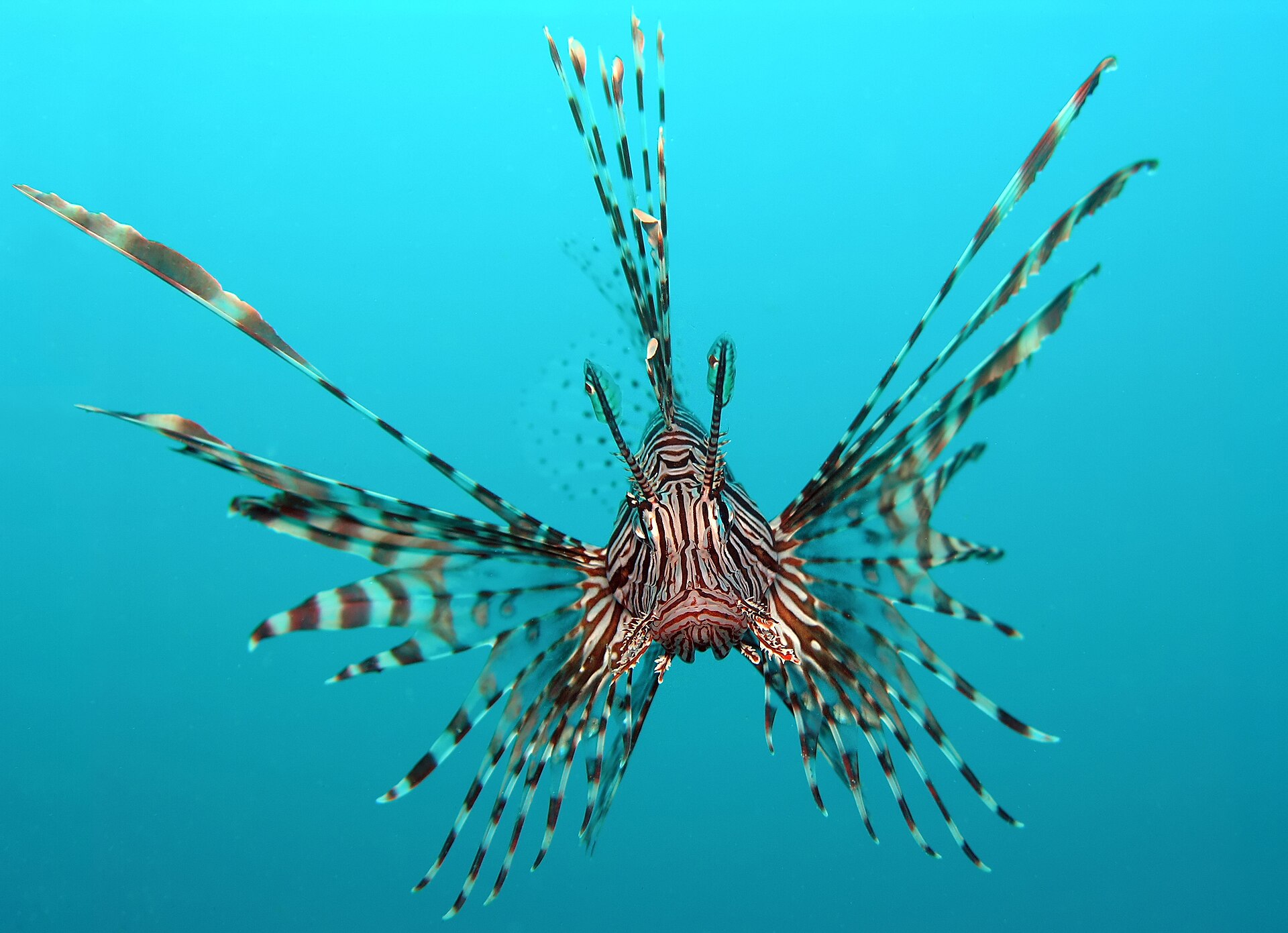 Common lionfish2%
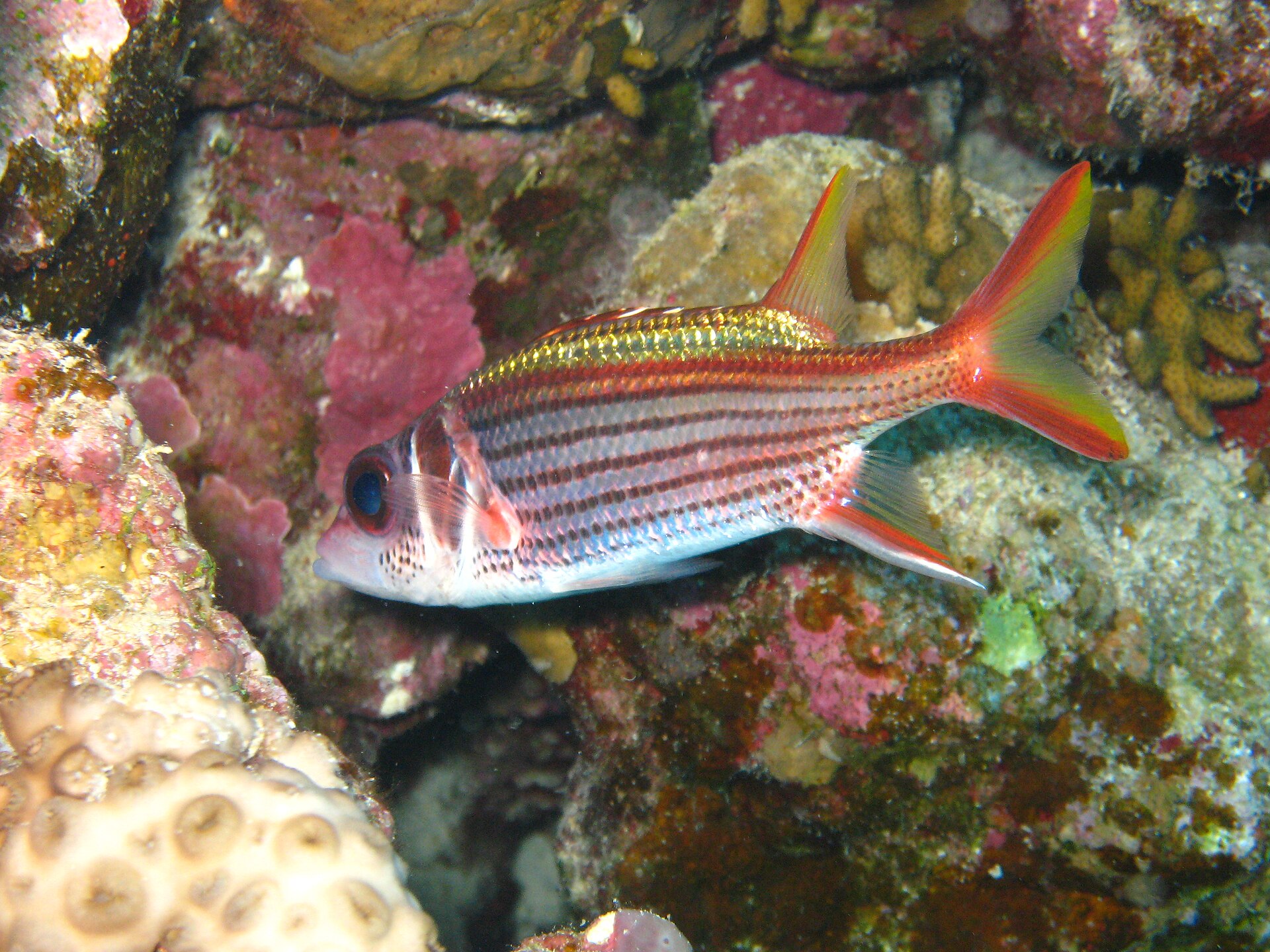 Scarlet-tailed Squirrel-fish2%
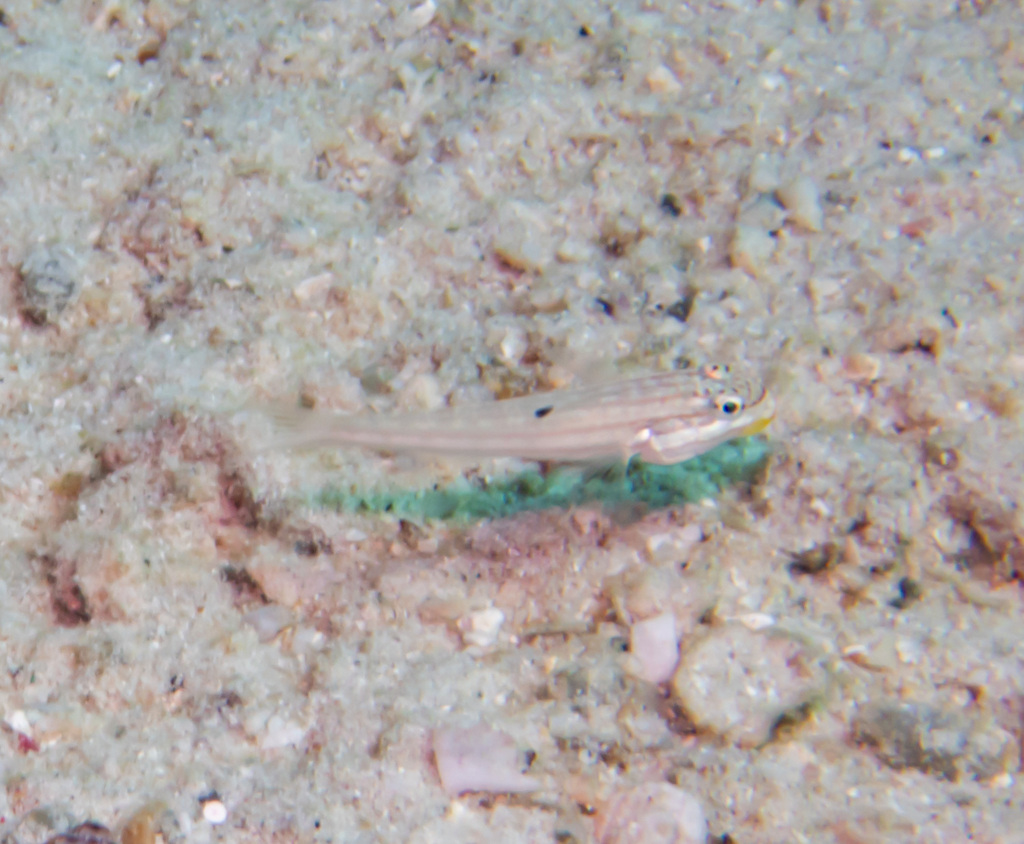 Mural Glidergoby2%
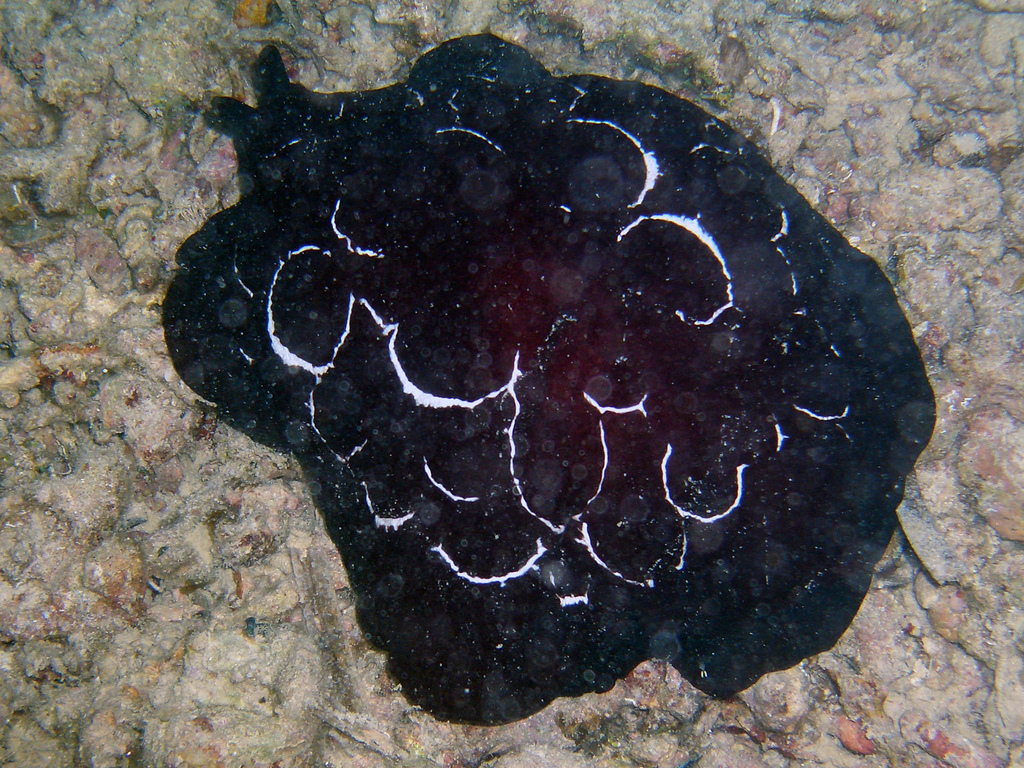 Forsskål's Pleurobranch2%
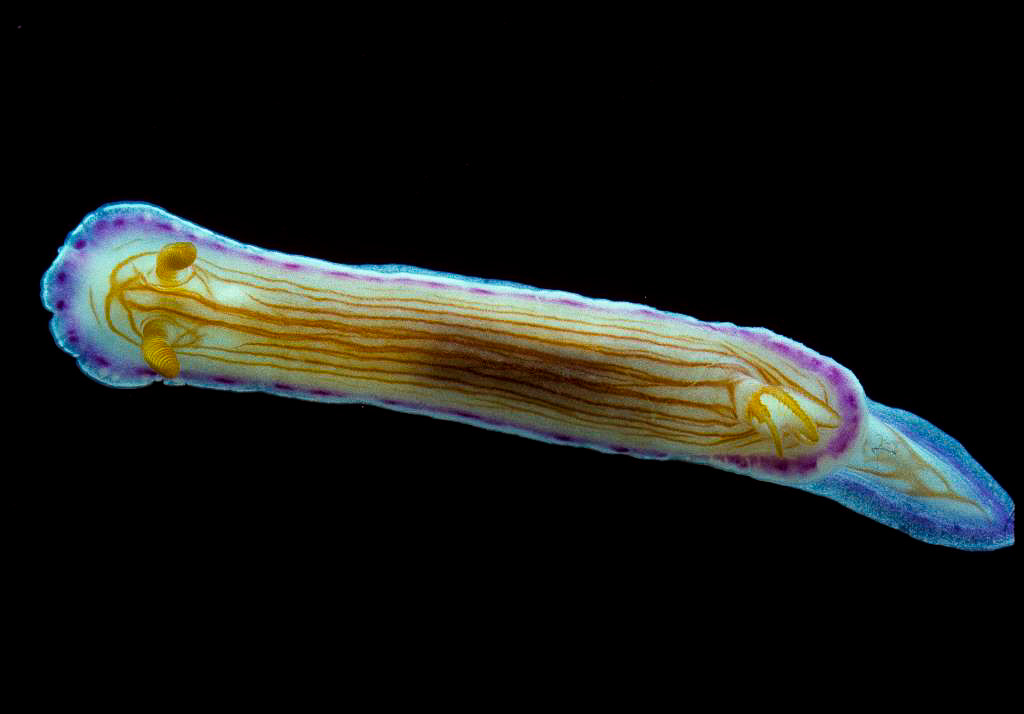 Hypselodoris katherinae1%
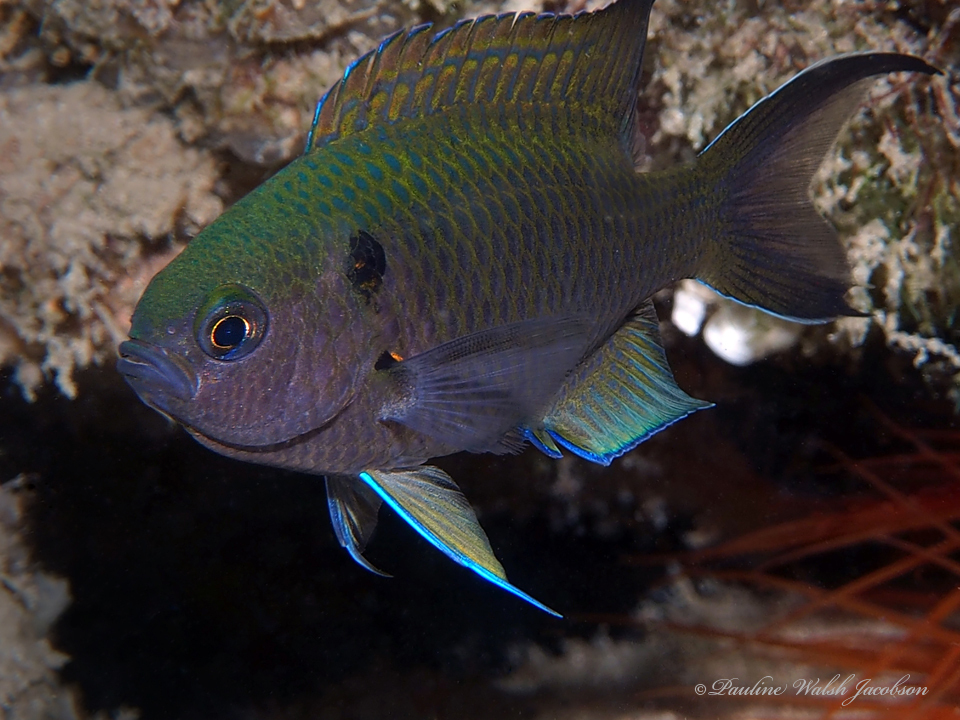 Regal Demoiselle1%
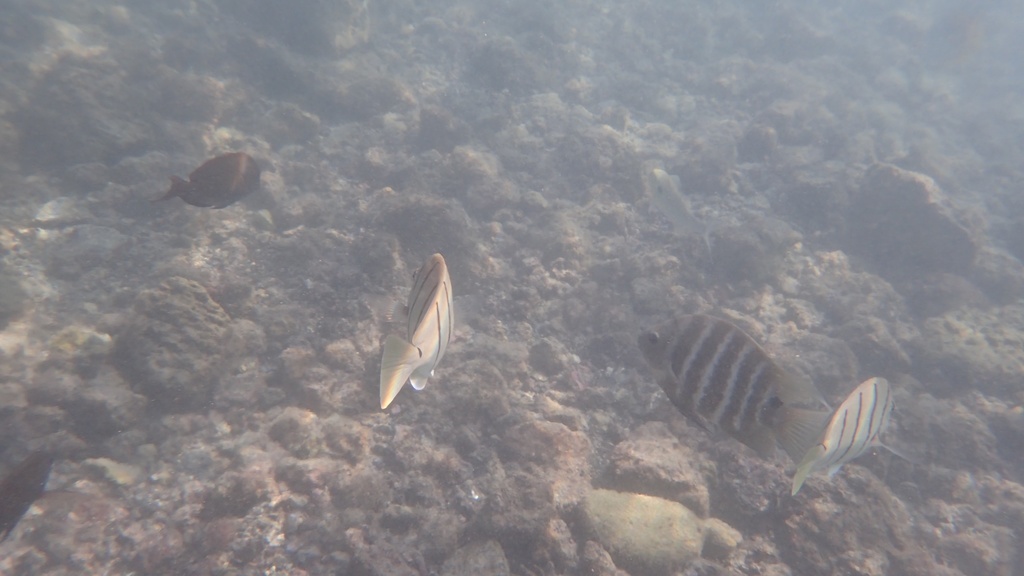 Blackspot Sergeant1%
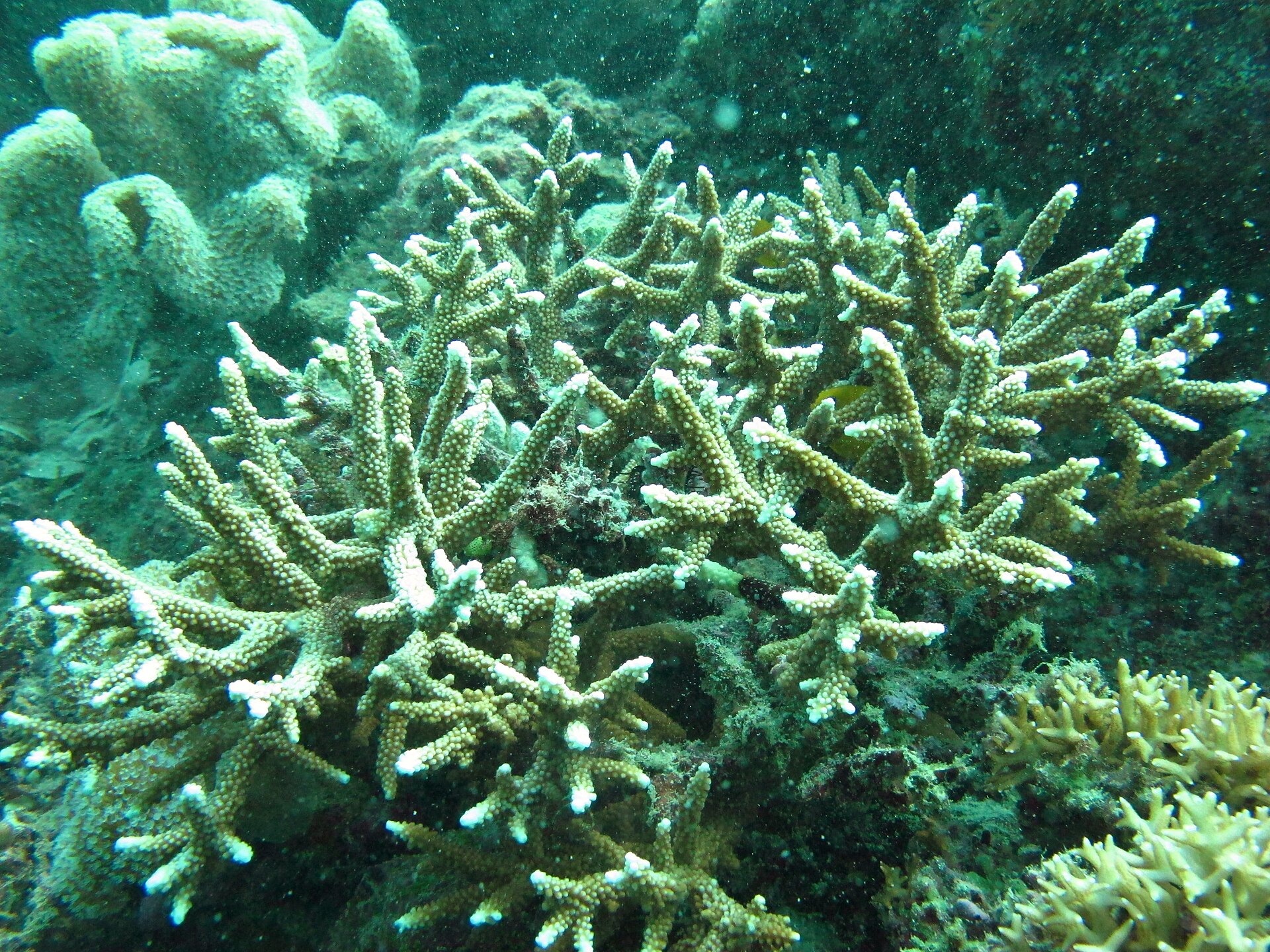 Acropora microphthalma1%
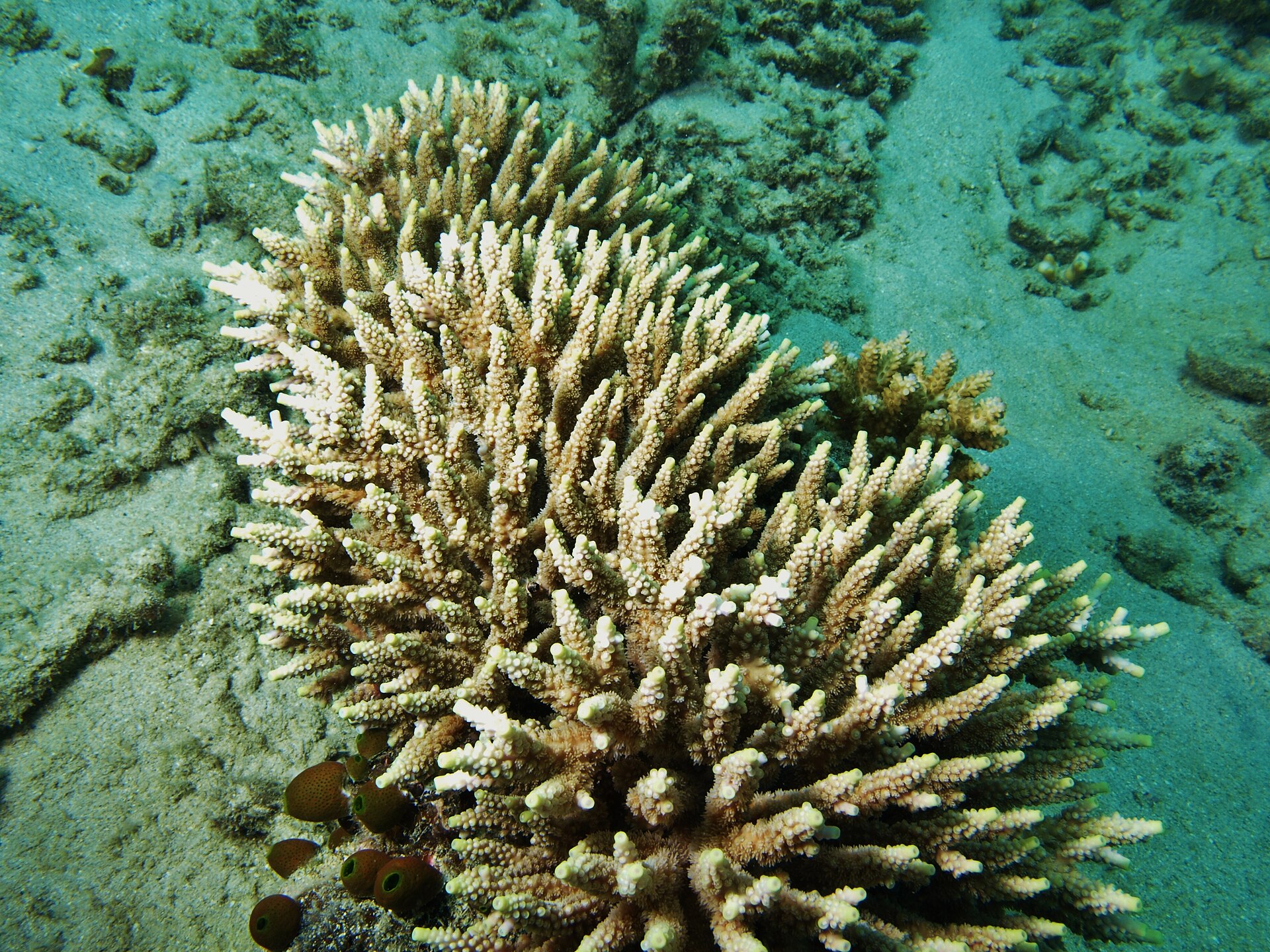 Acropora subulata1%
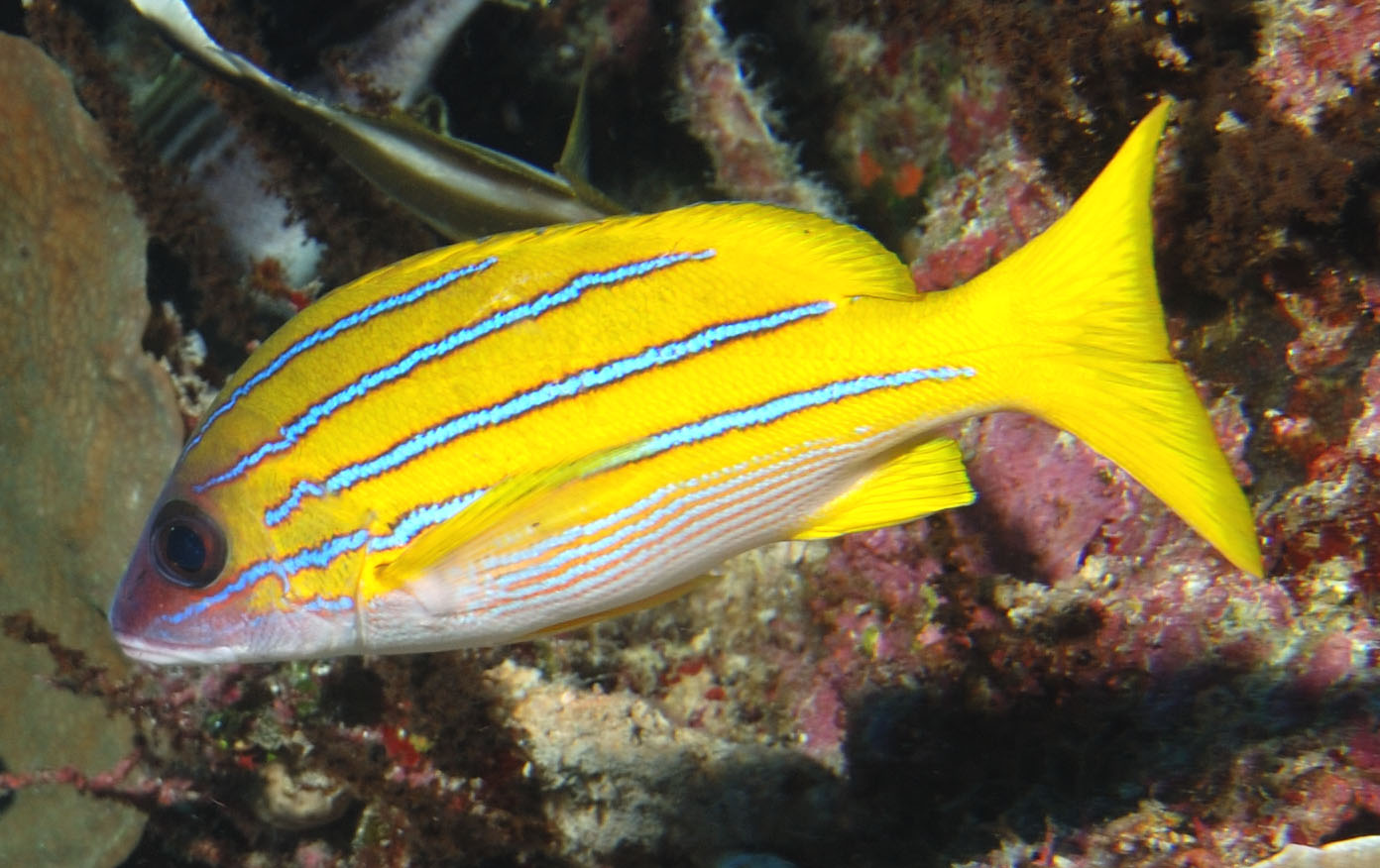 Bluestriped Snapper1%
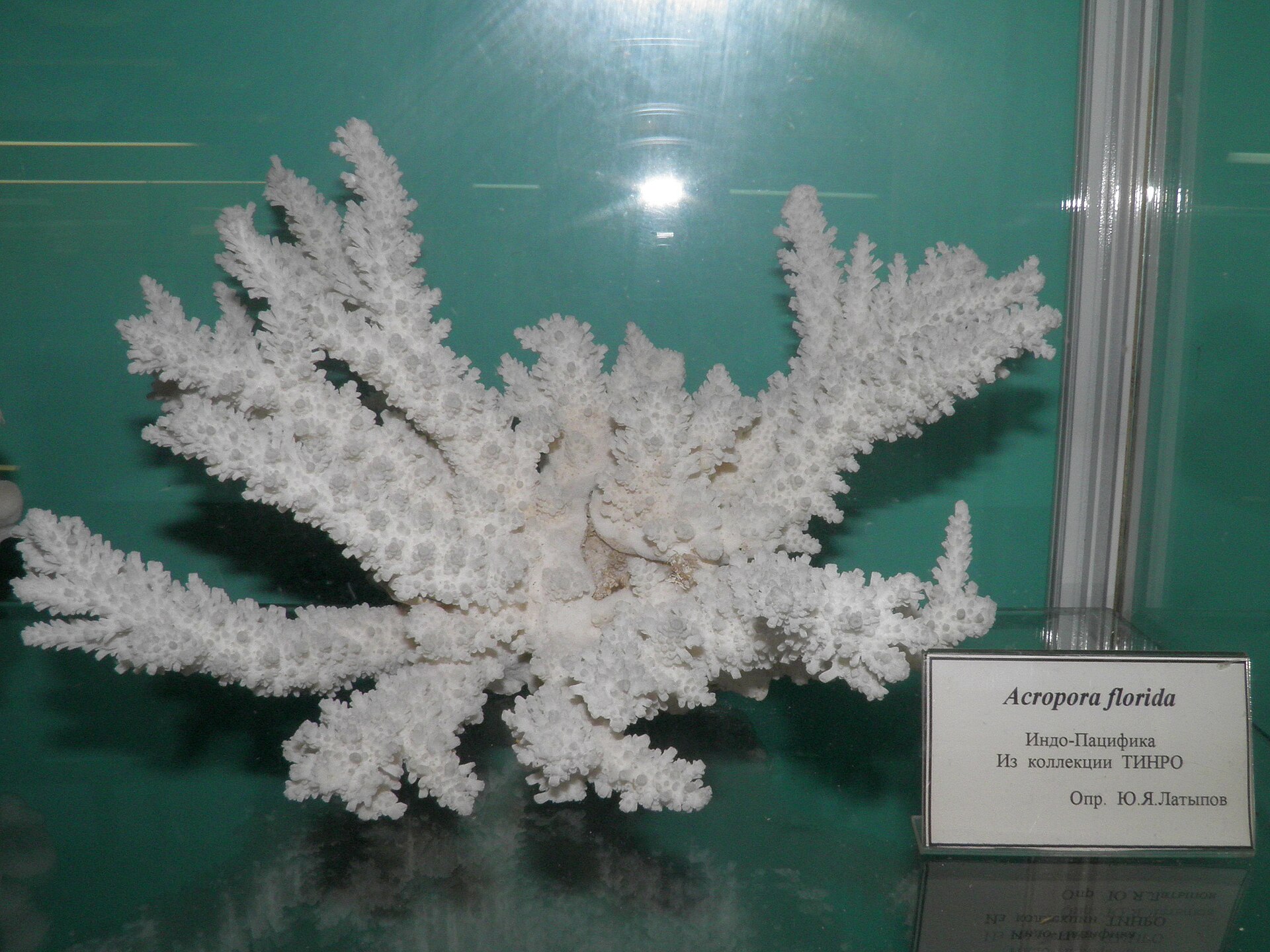 Branch Coral1%
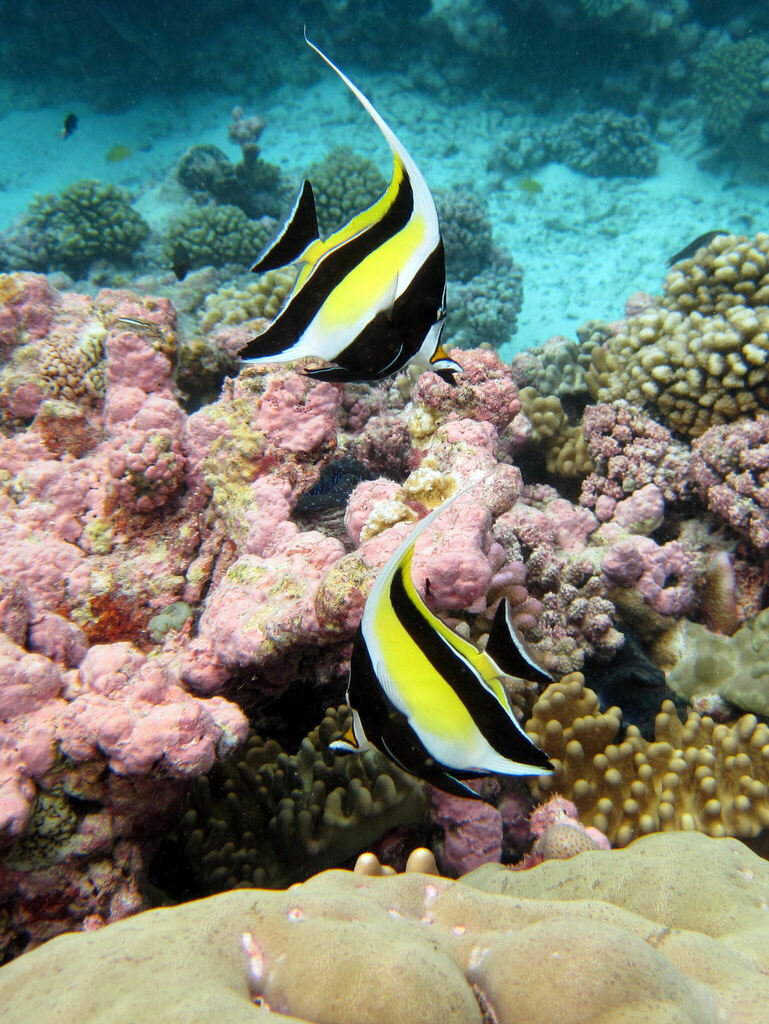 Kihikihi1%
- Staghorn coral1%
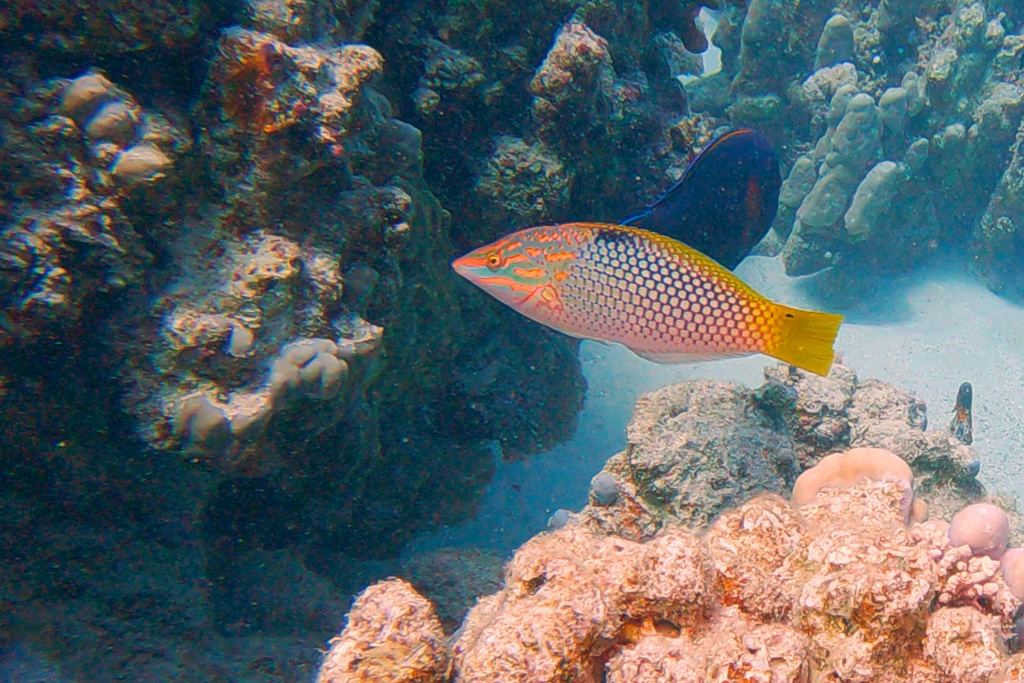 Wall wrasse1%
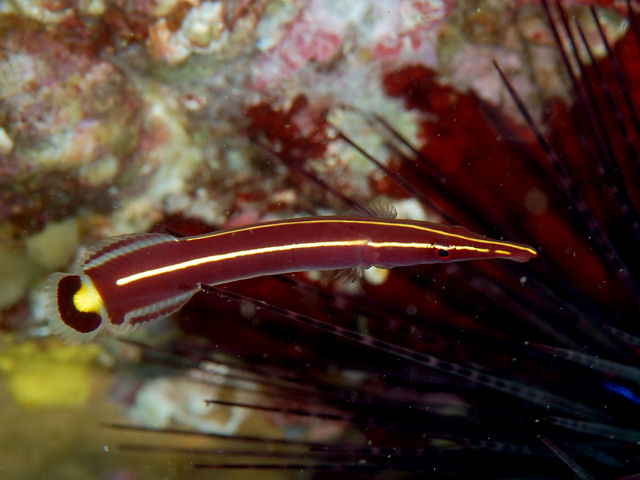 Striped Clingfish1%
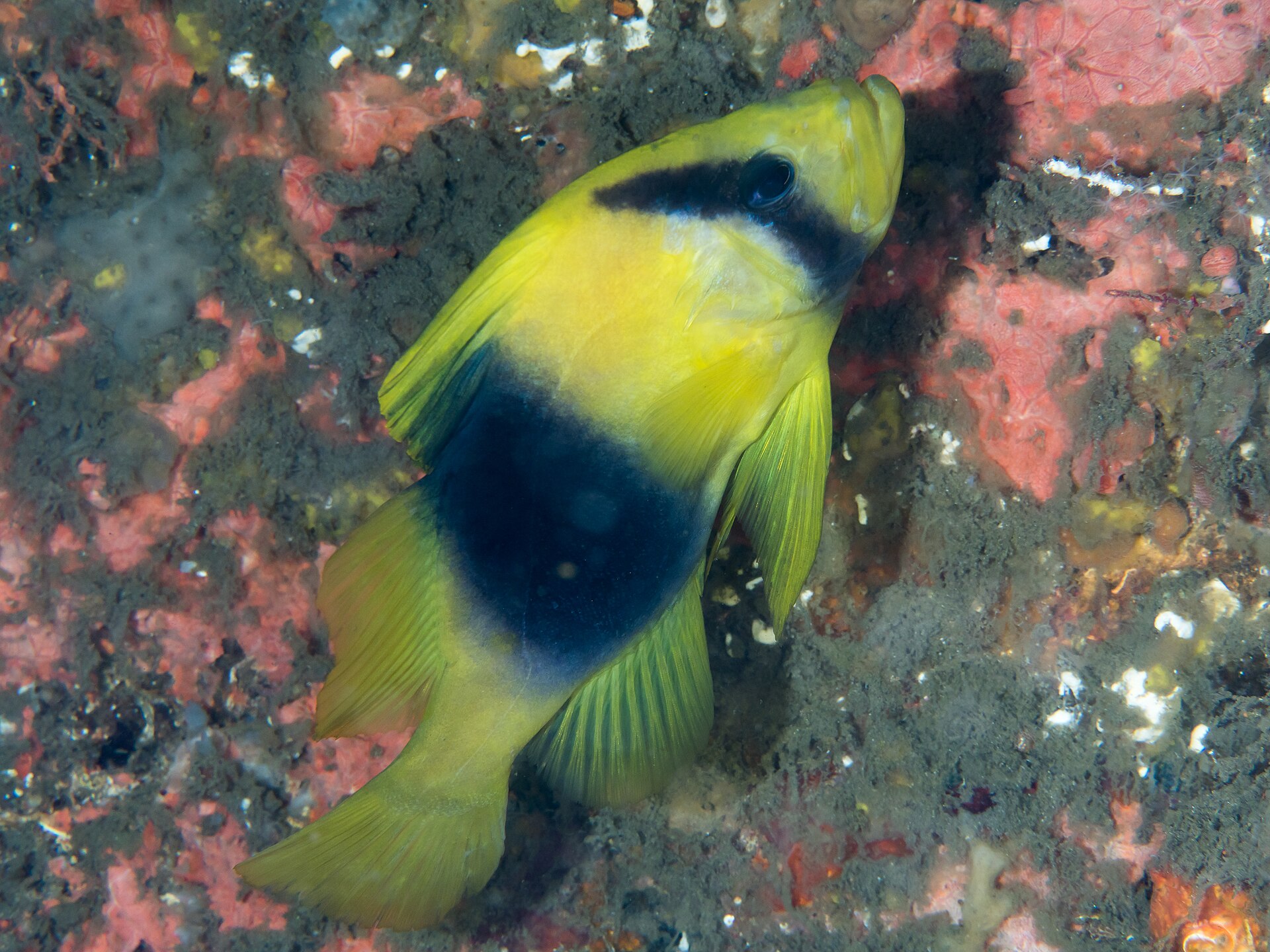 Diploprion bifasciatum1%
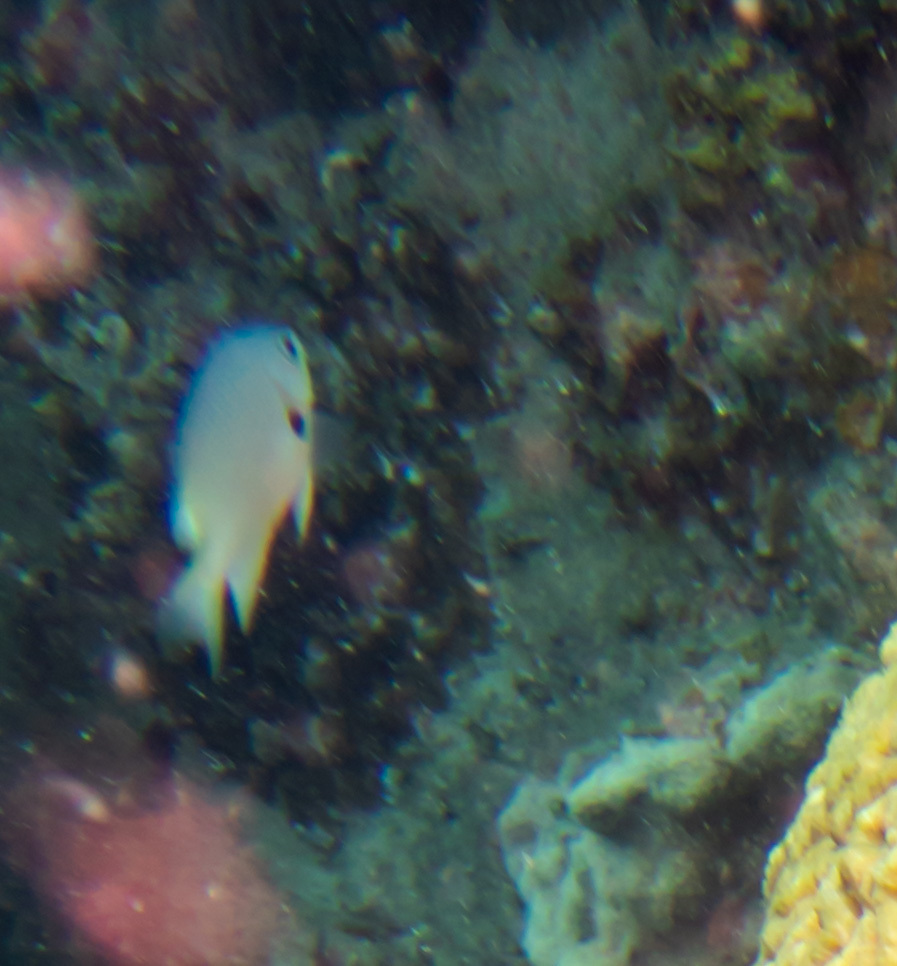 Alexander's Damsel1%
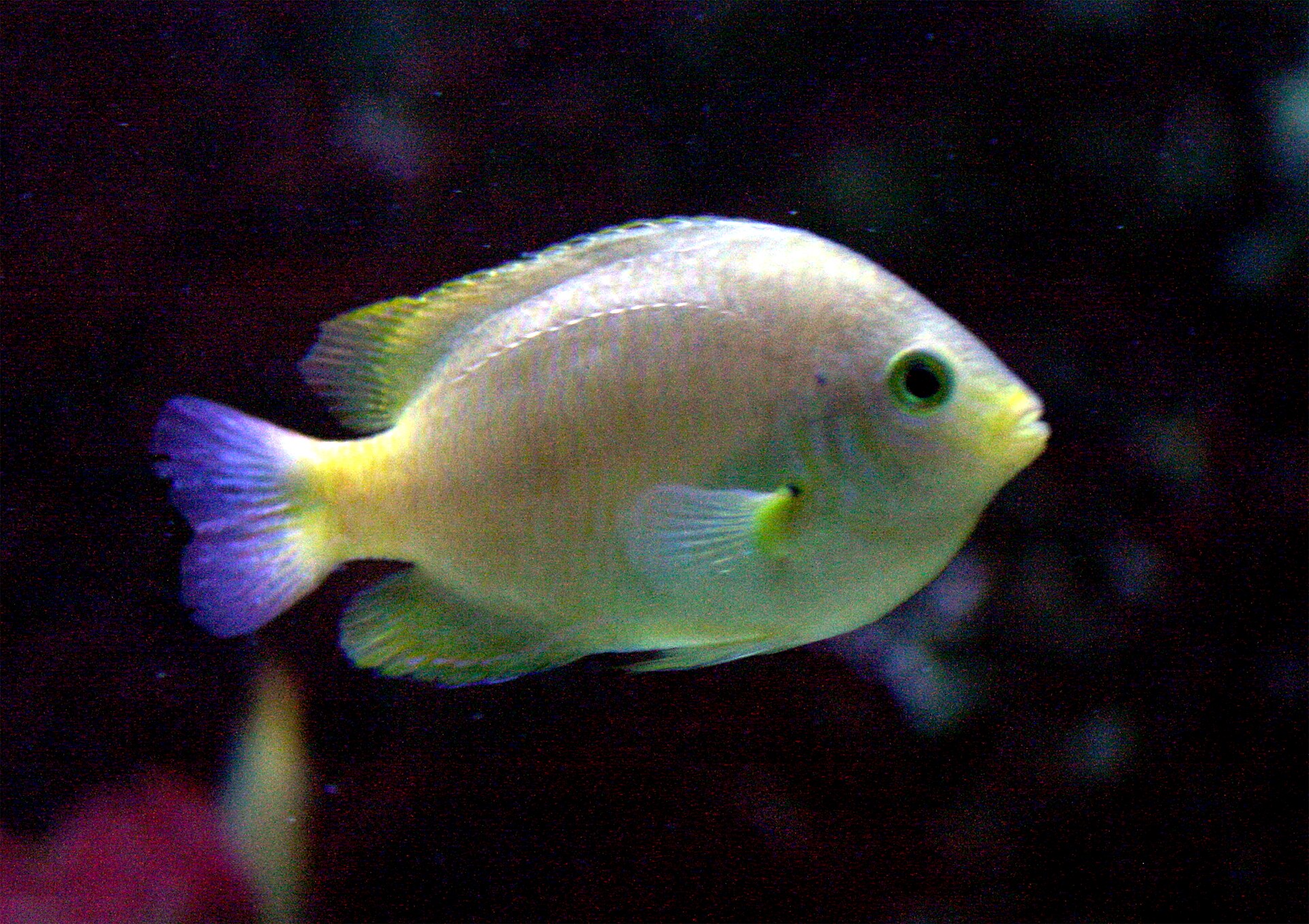 Lemon Damsel1%
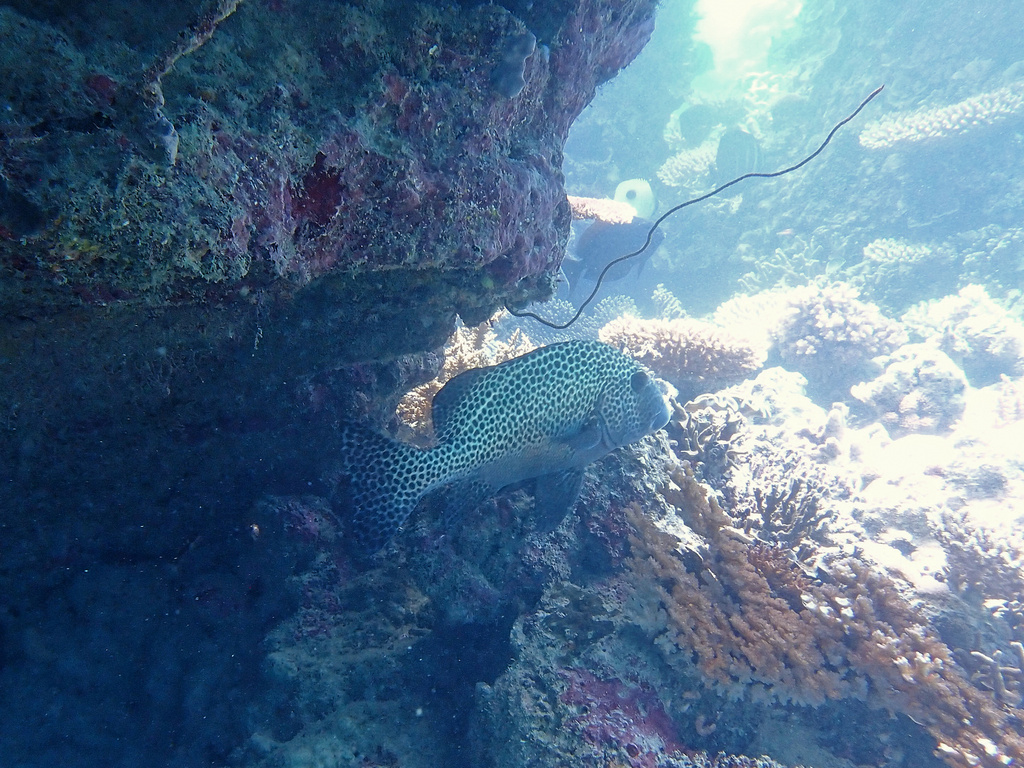 Harlequin Sweetlips1%
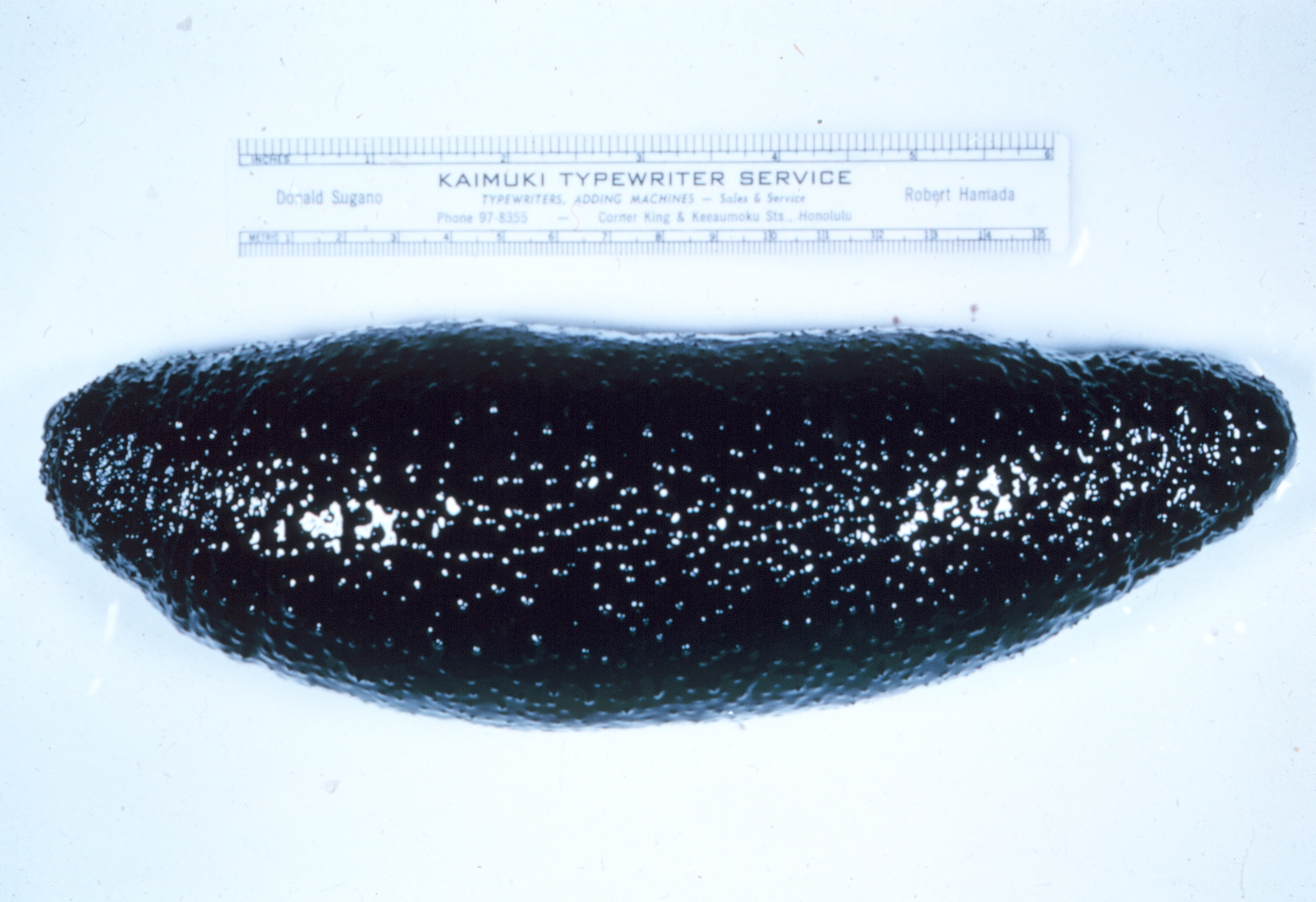 Lollyfish1%
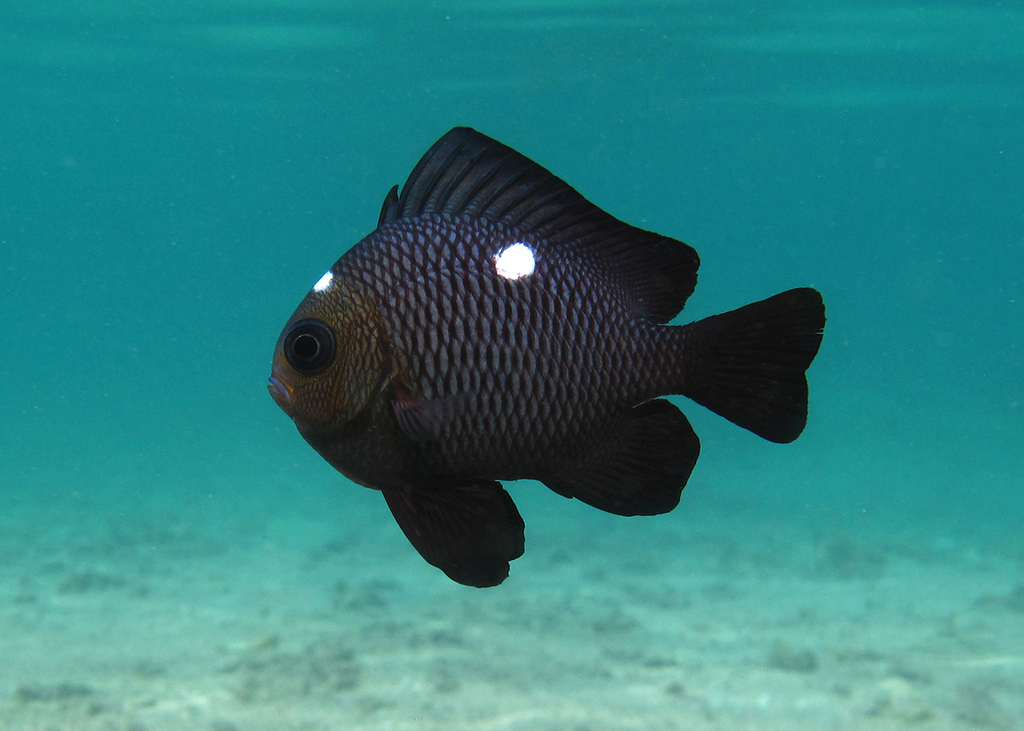 Three-spot Dascyllus1%
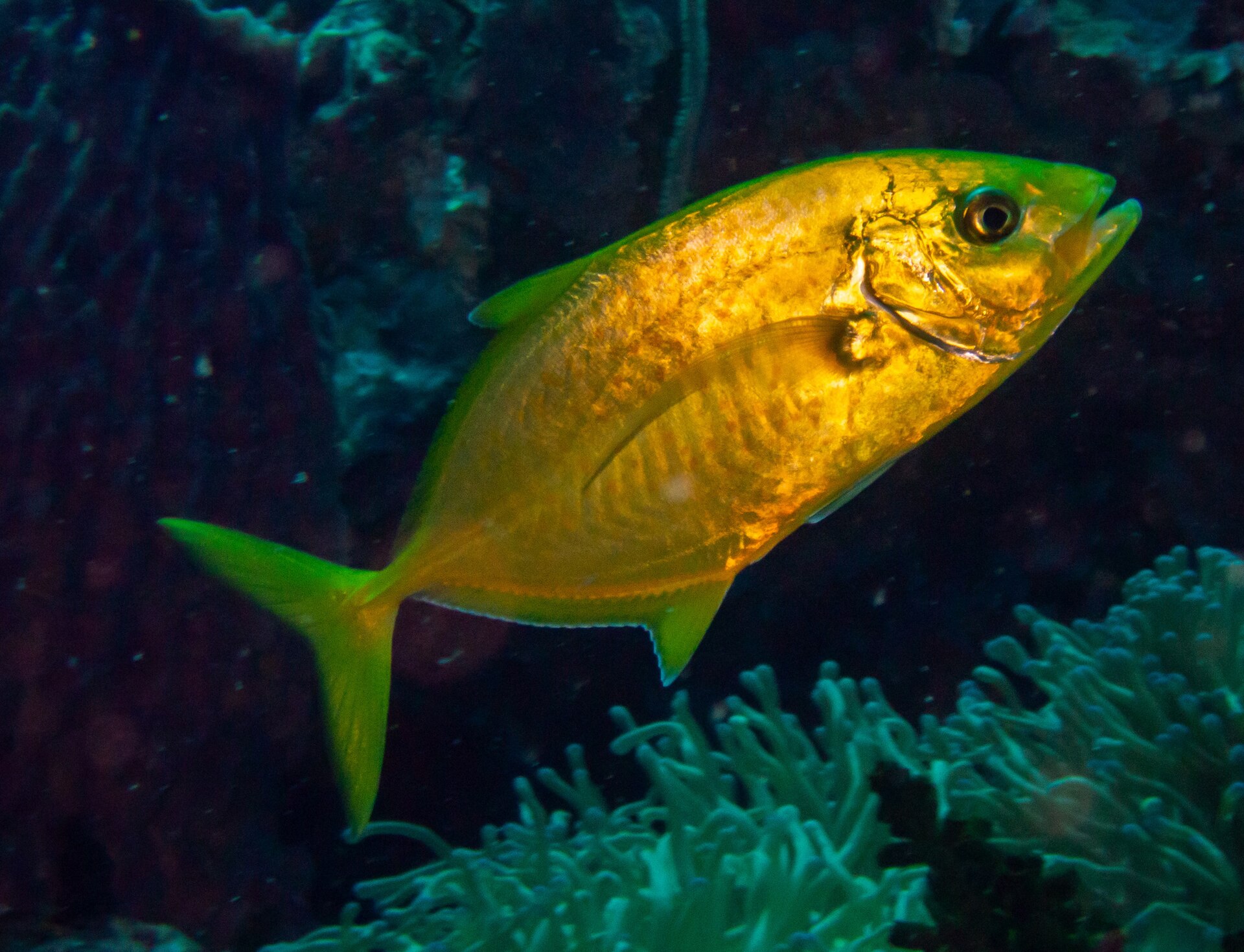 Orange-spotted Trevally1%
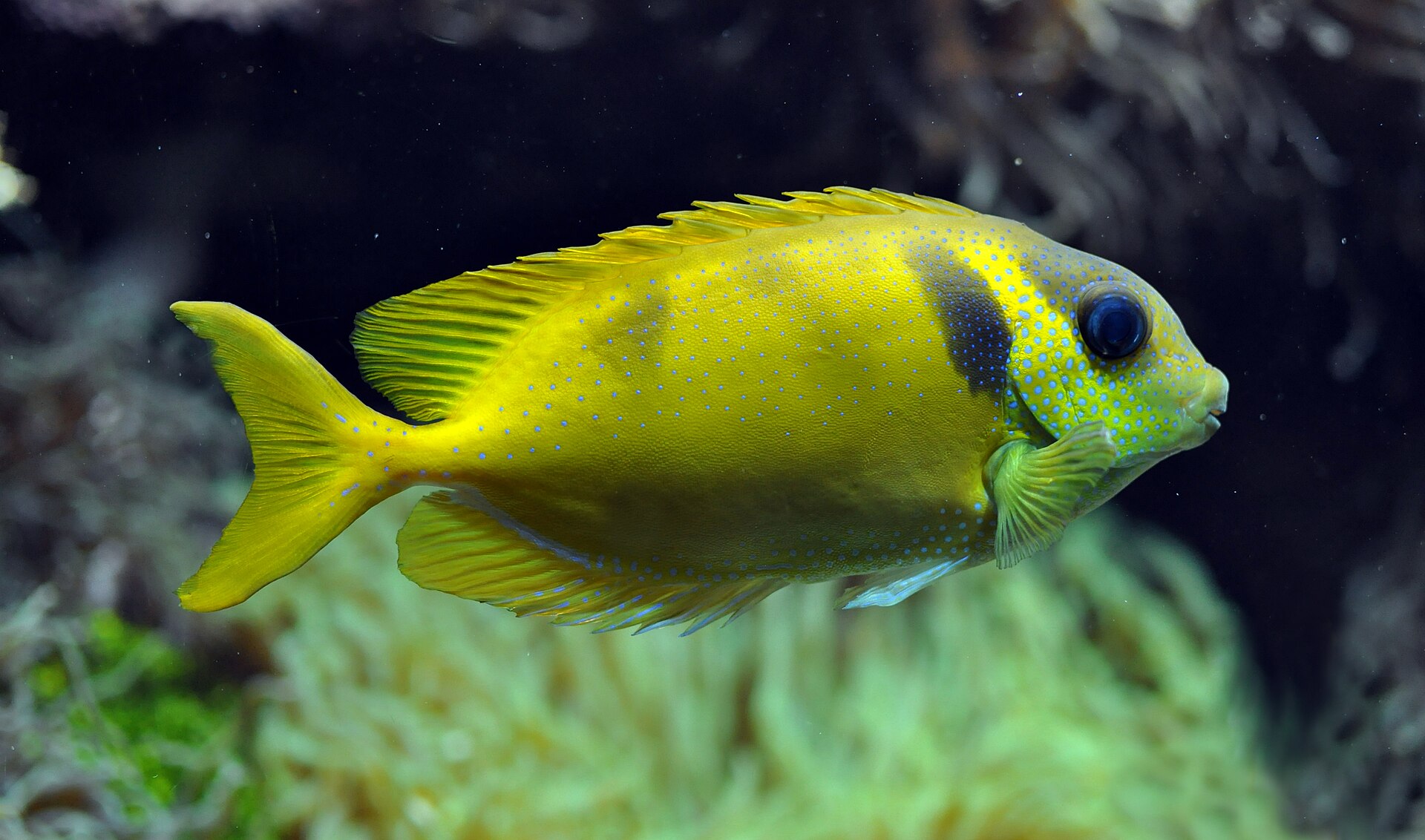 Coral Rabbitfish1%
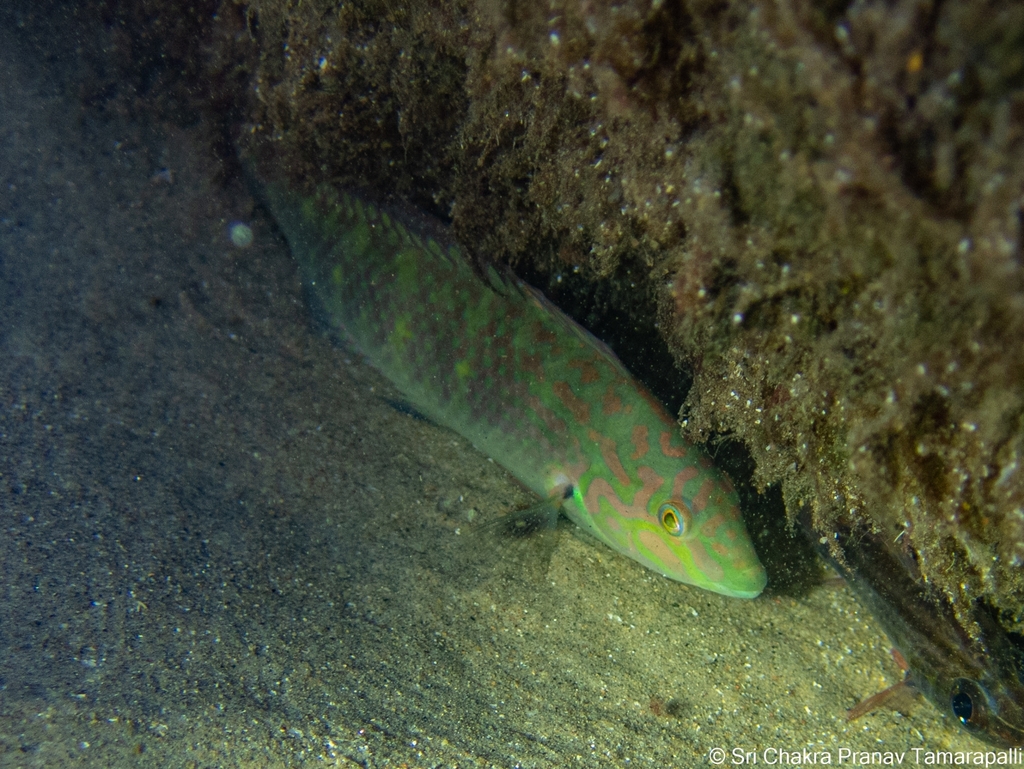 White-button wrasse1%
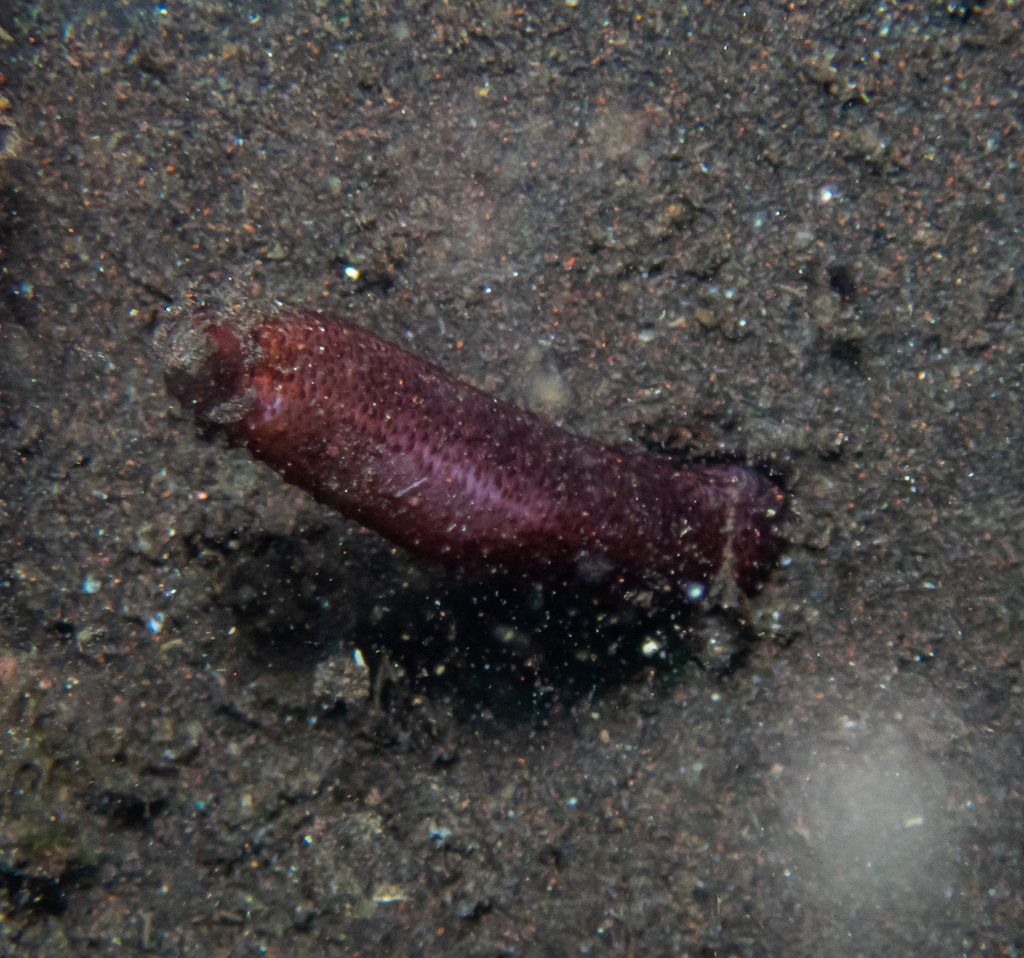 Luzon Sea Star1%
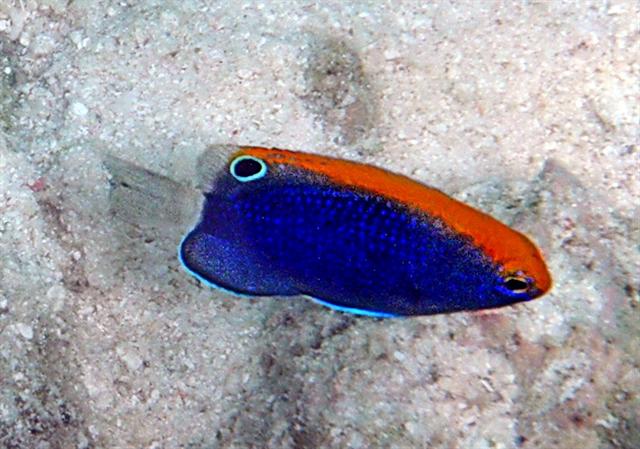 Whitetail Damsel1%
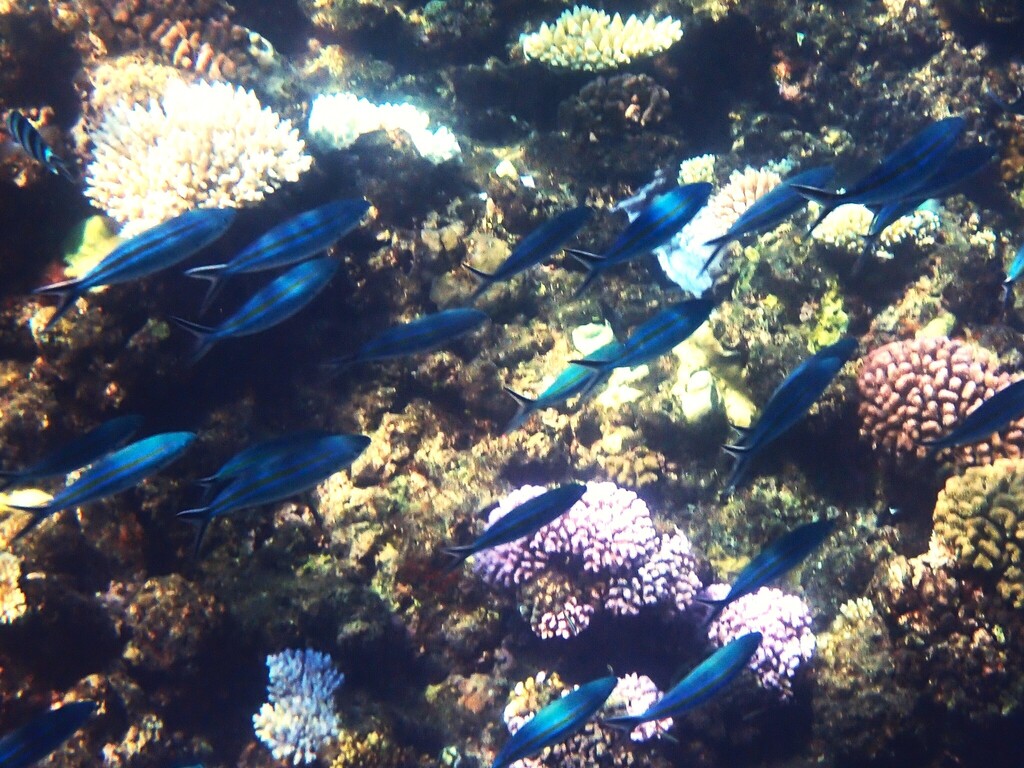 Scissor Tailed Fusilier1%
- Staghorn coral1%
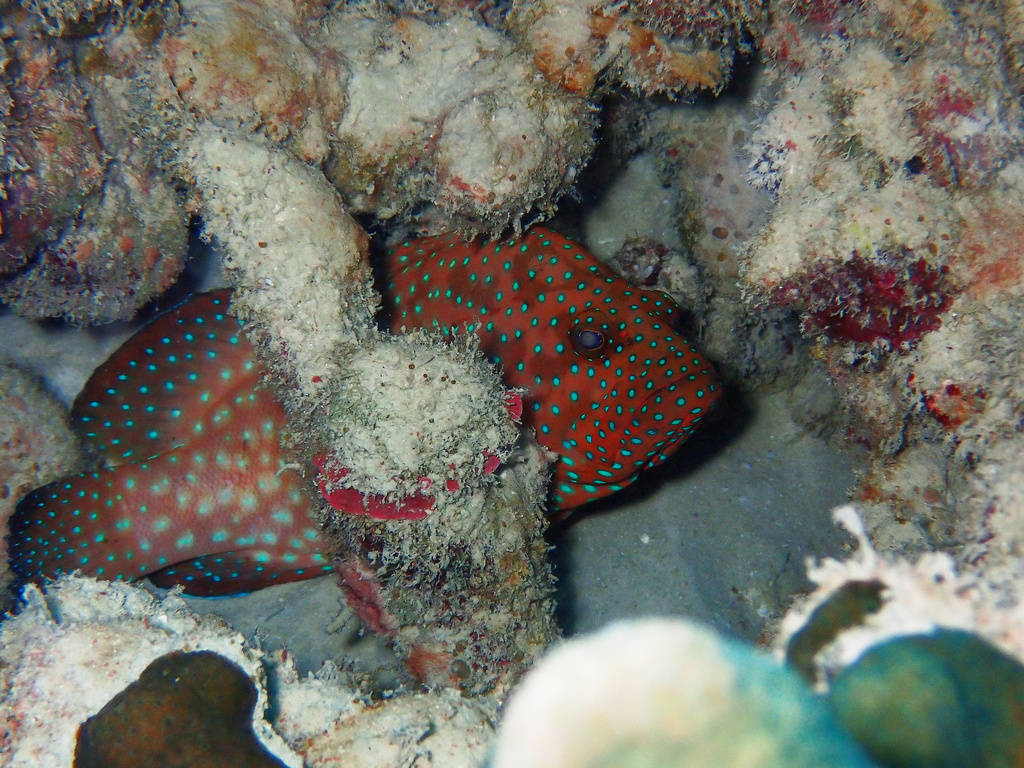 Coral Cod1%
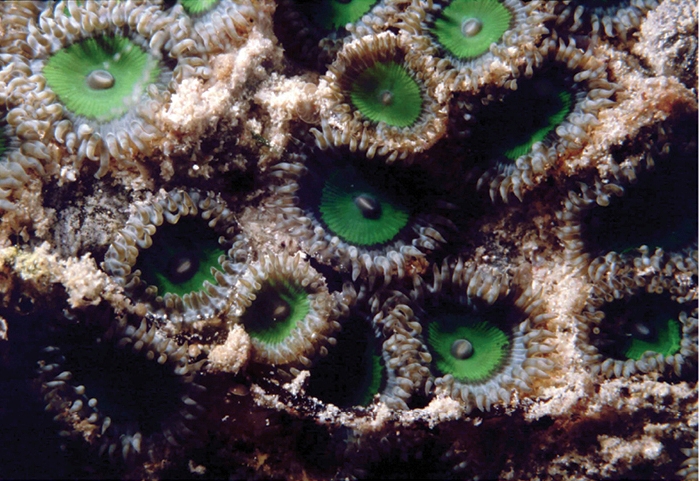 Violet Zoanthids1%
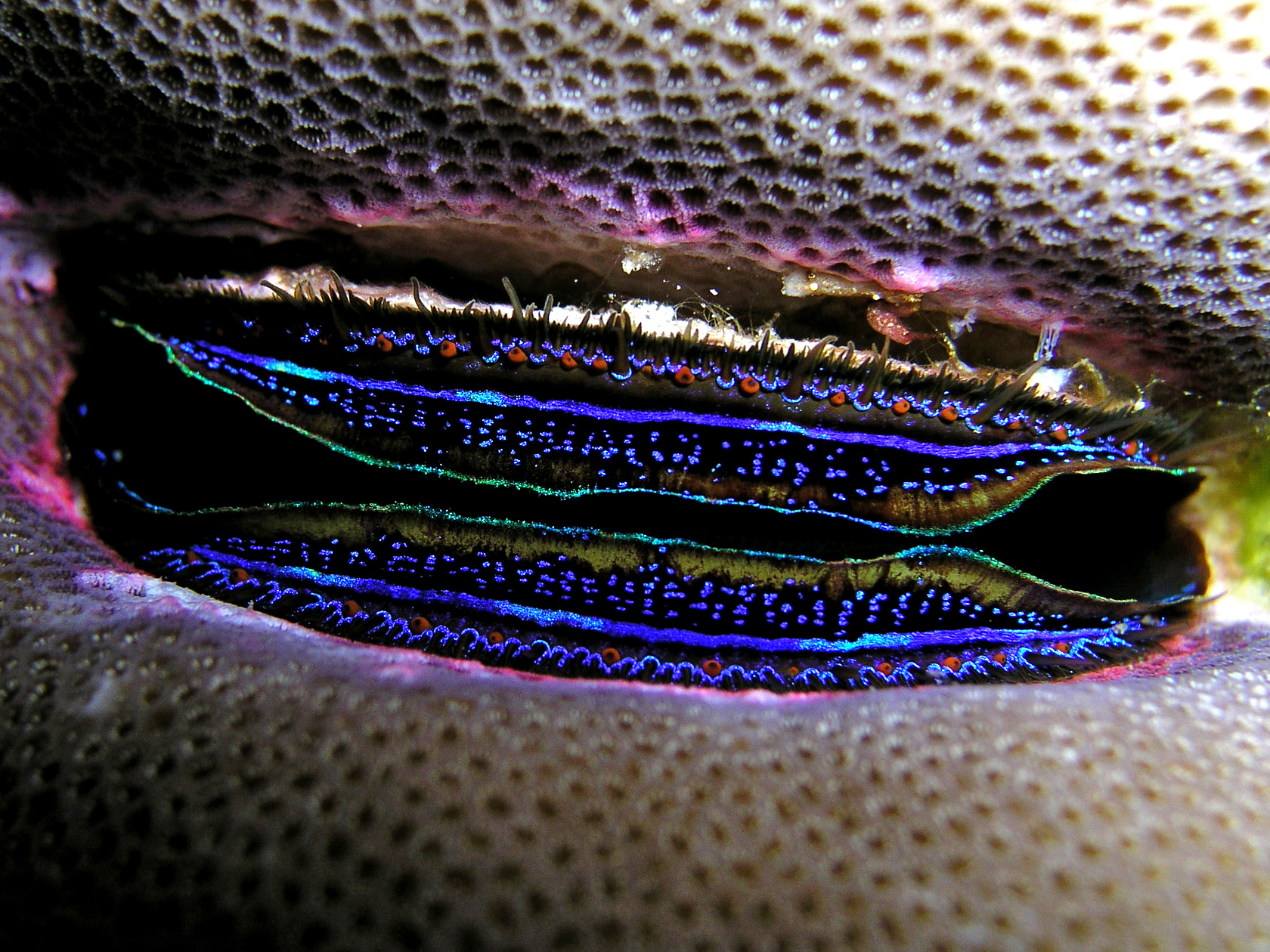 Iridescent Scallop1%
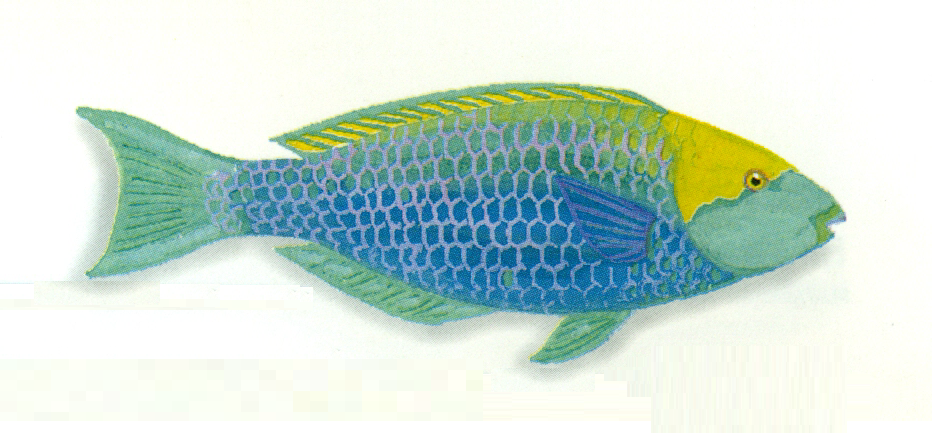 Singapore Parrotfish1%
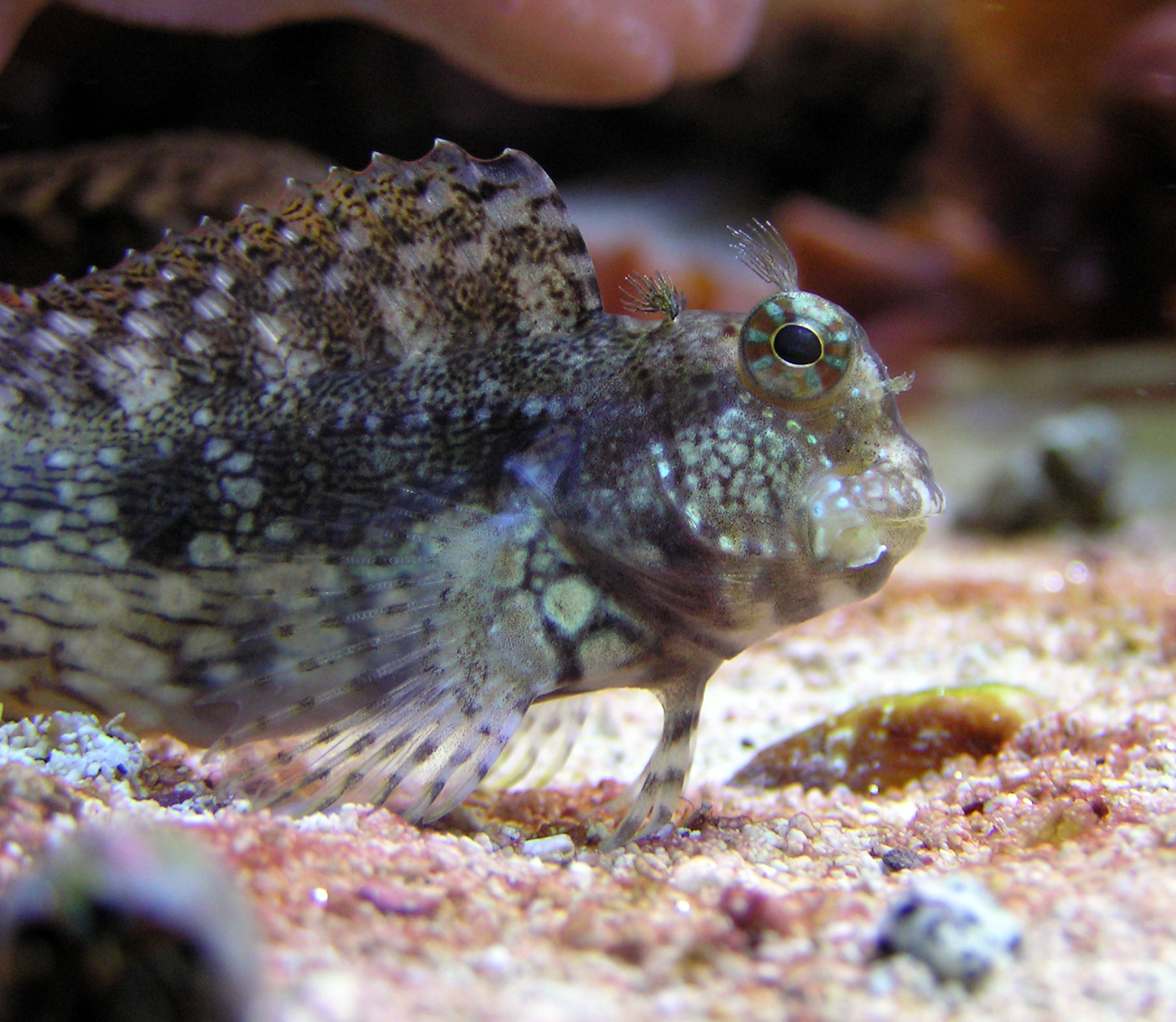 Jewelled Rockskipper1%
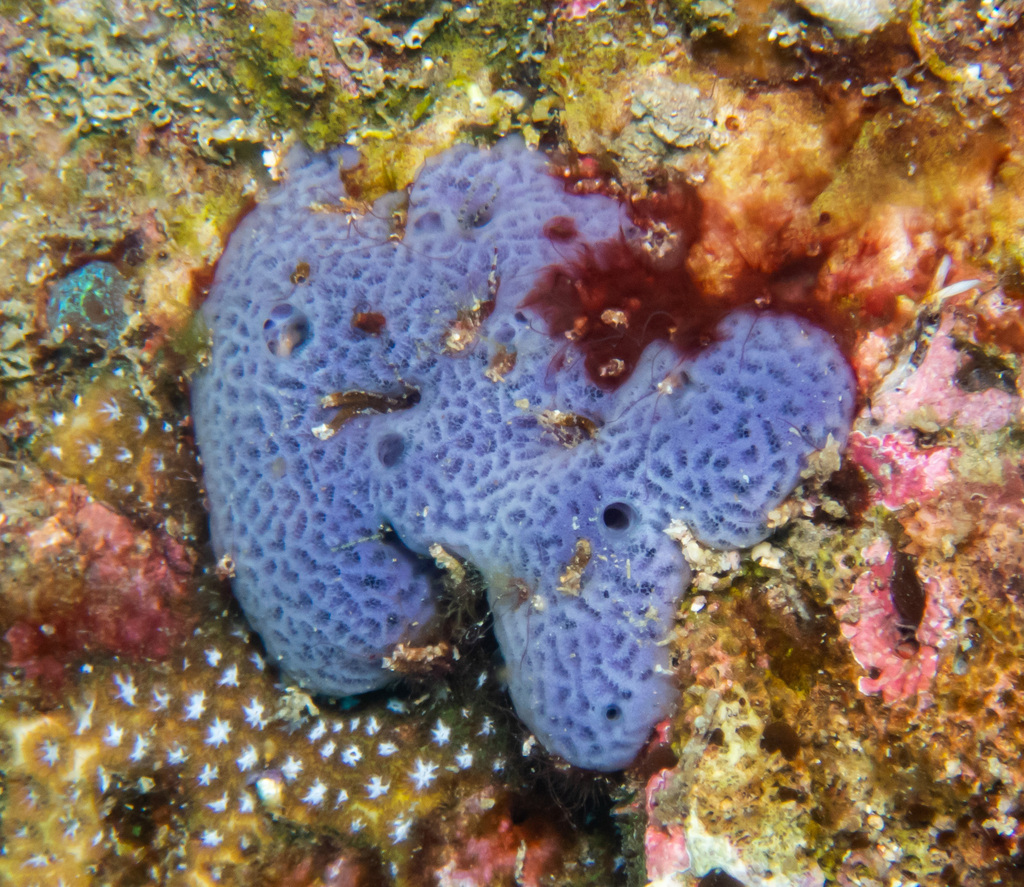 Amphimedon sulcata1%
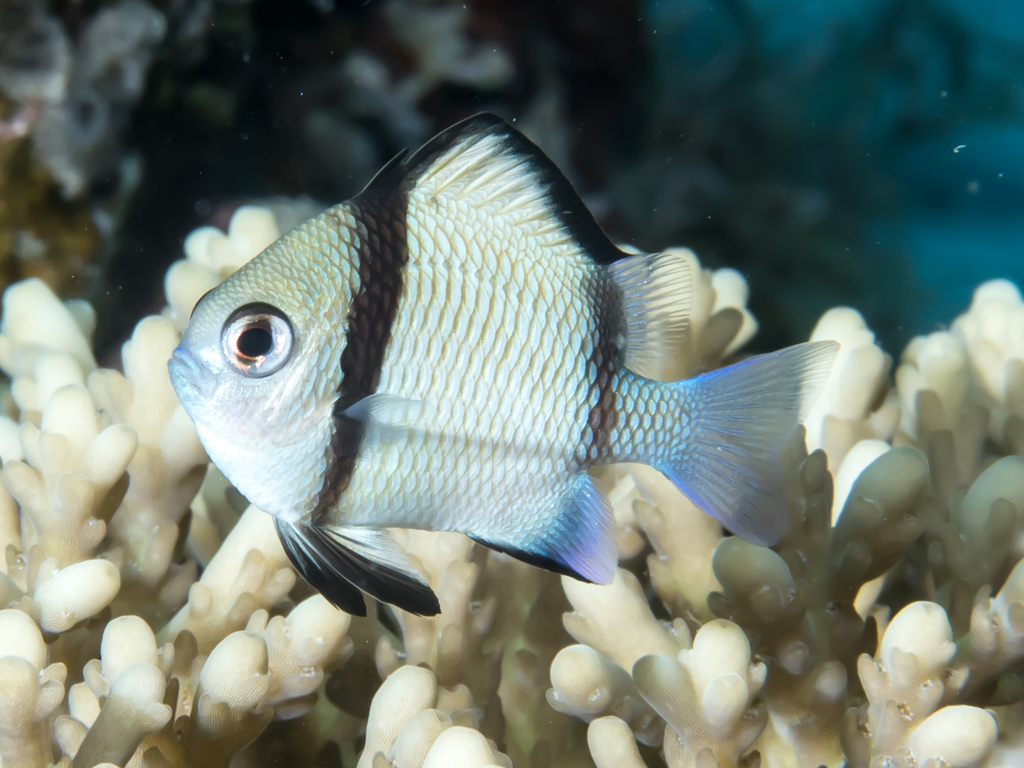 Reticulated Damselfish1%
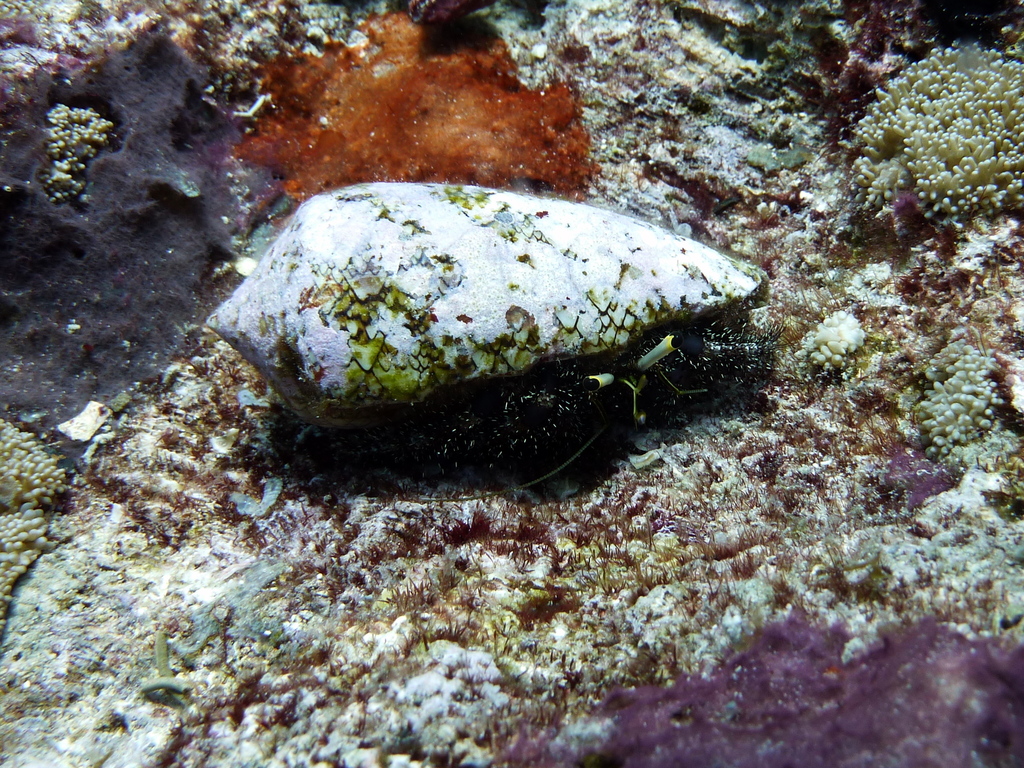 Hairy Red Hermit Crab1%
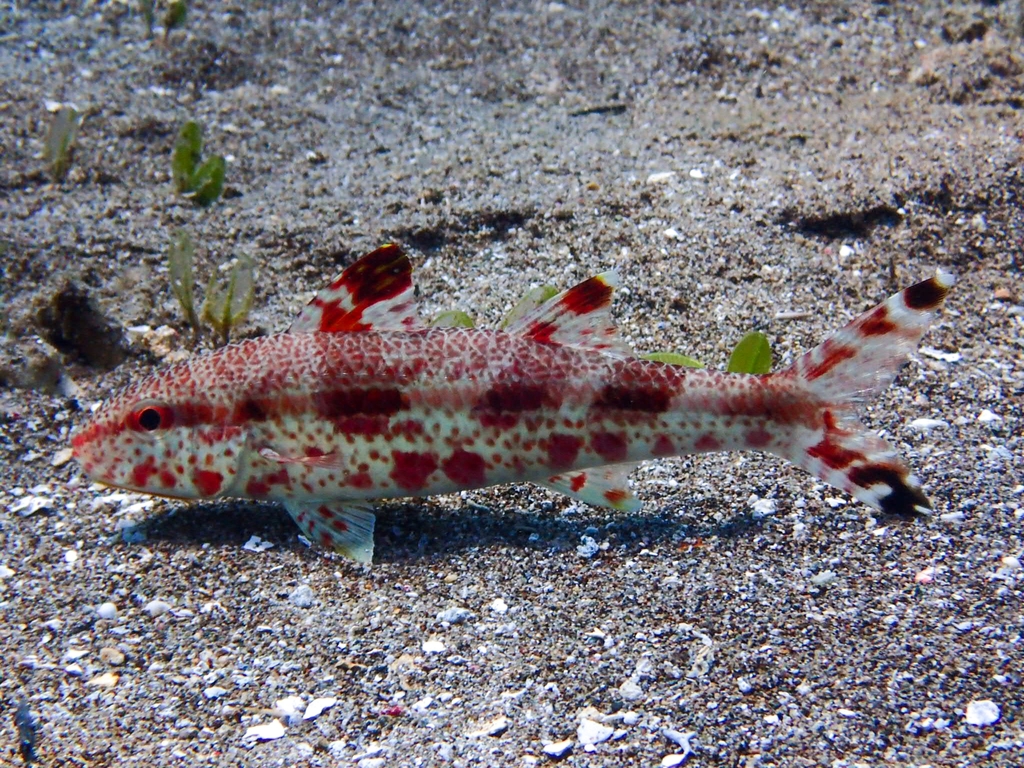 Freckled Goatfish1%
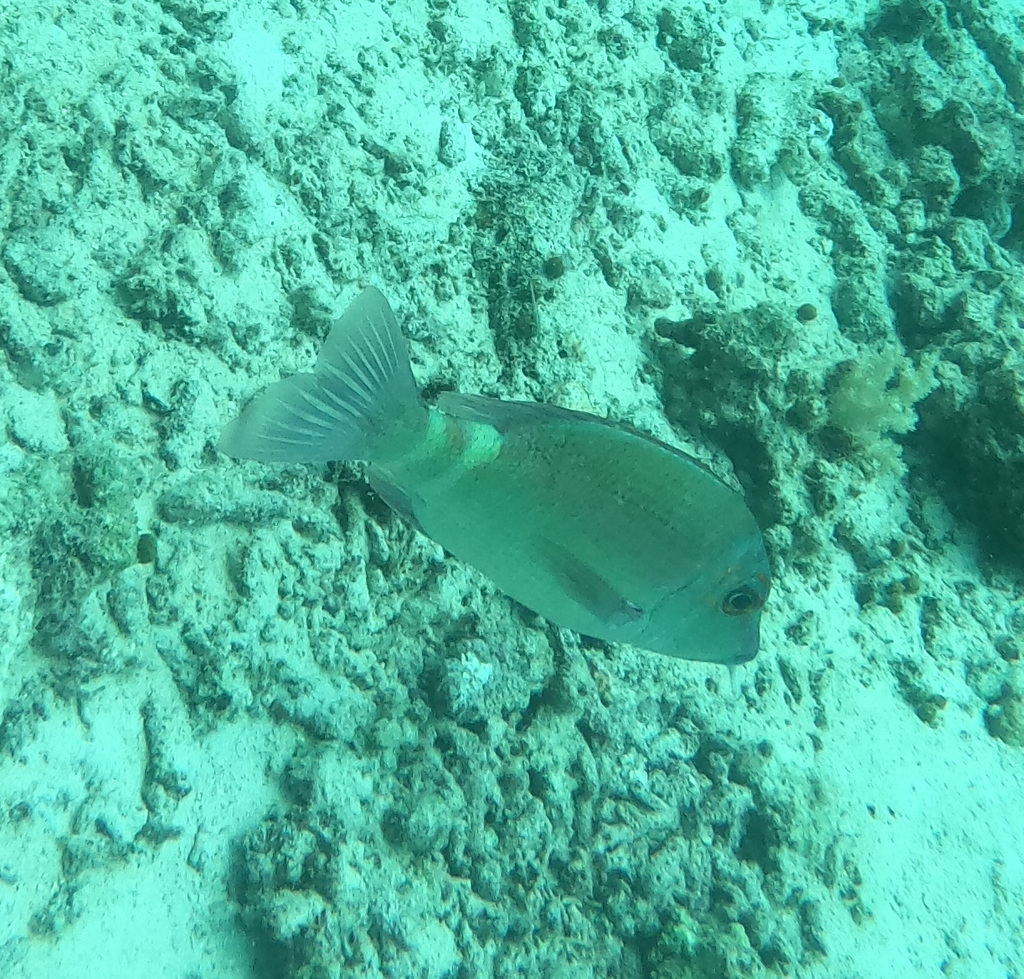 Longfin Emperor1%
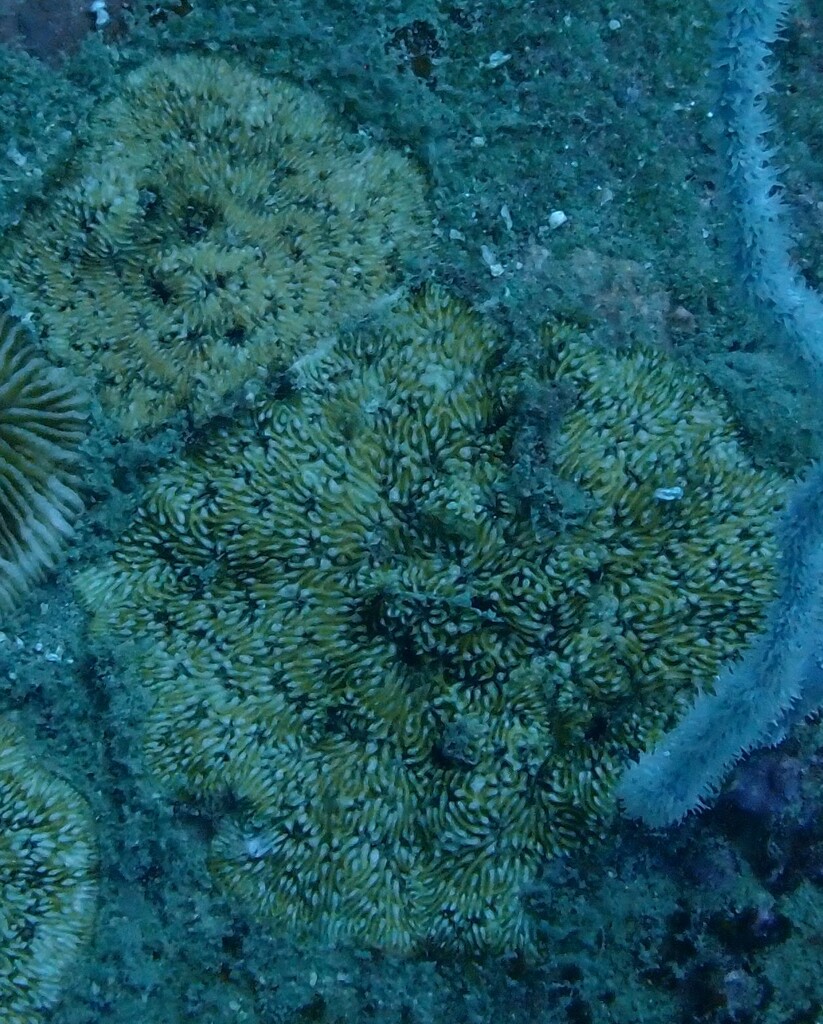 Cycloseris mokai1%
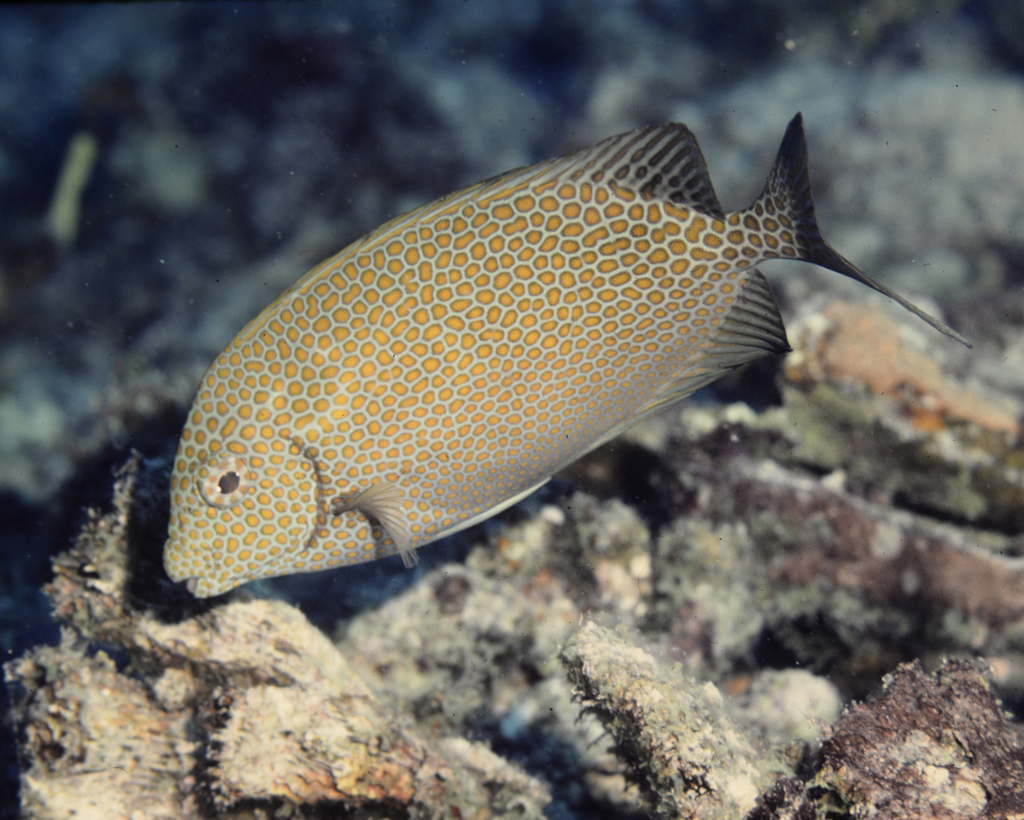 Spotted Rabbitfish1%
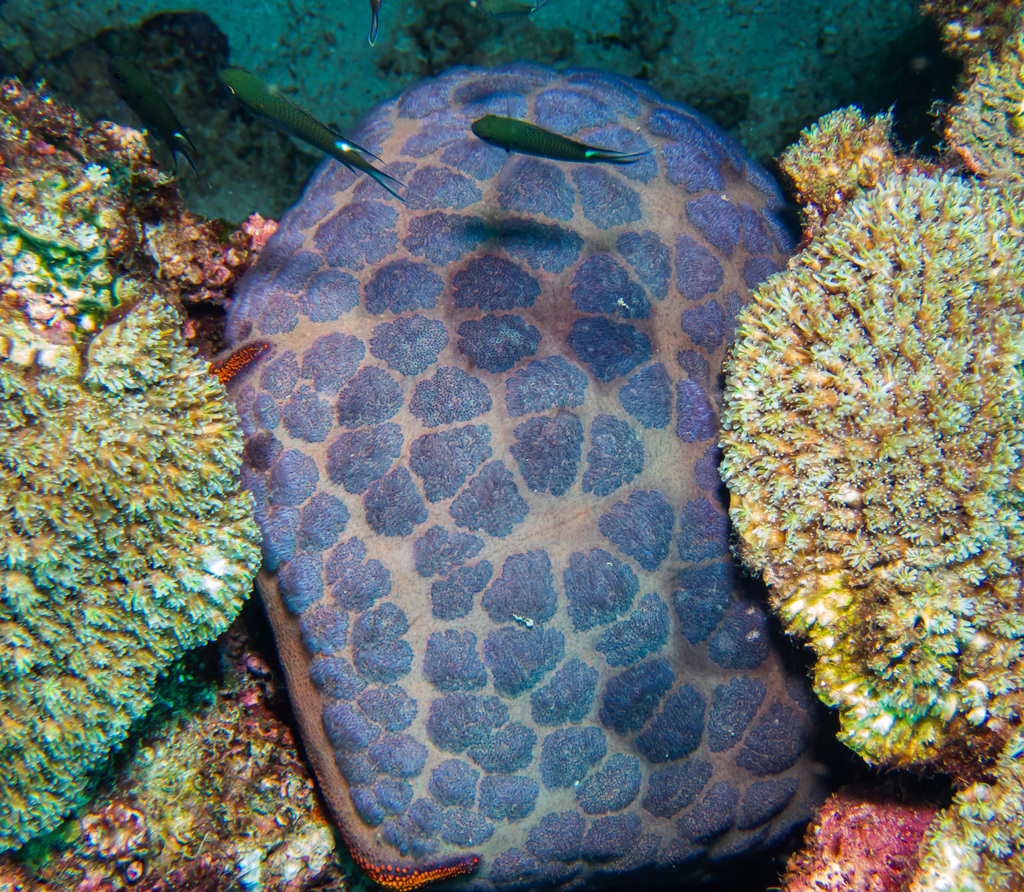
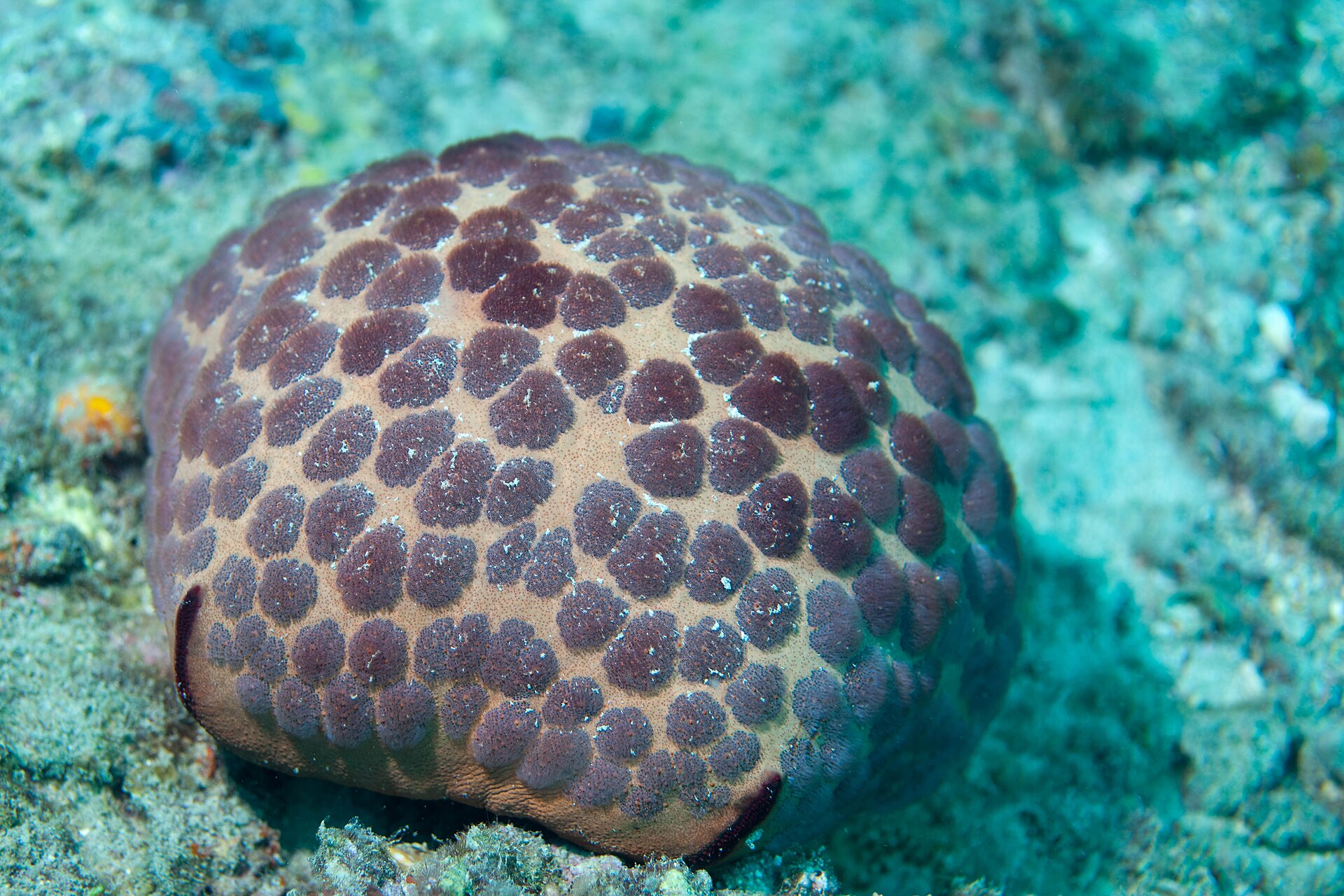 Pillow Cushion Star1%
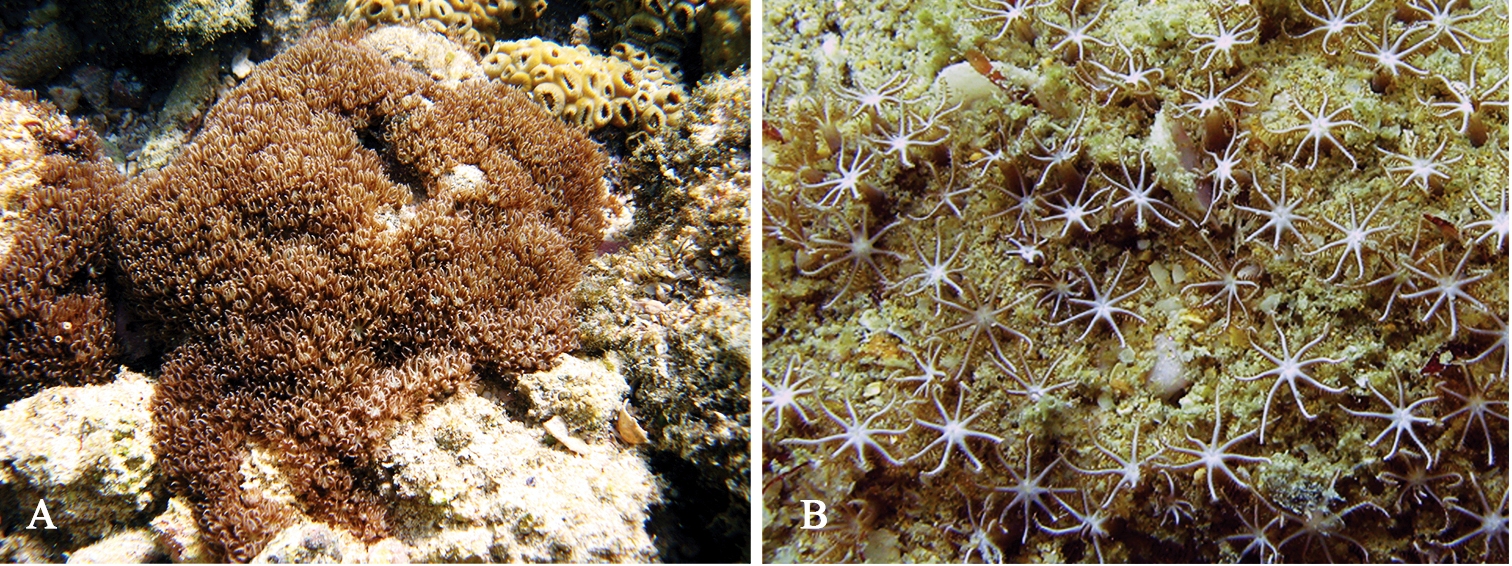 Briareum hamrum1%
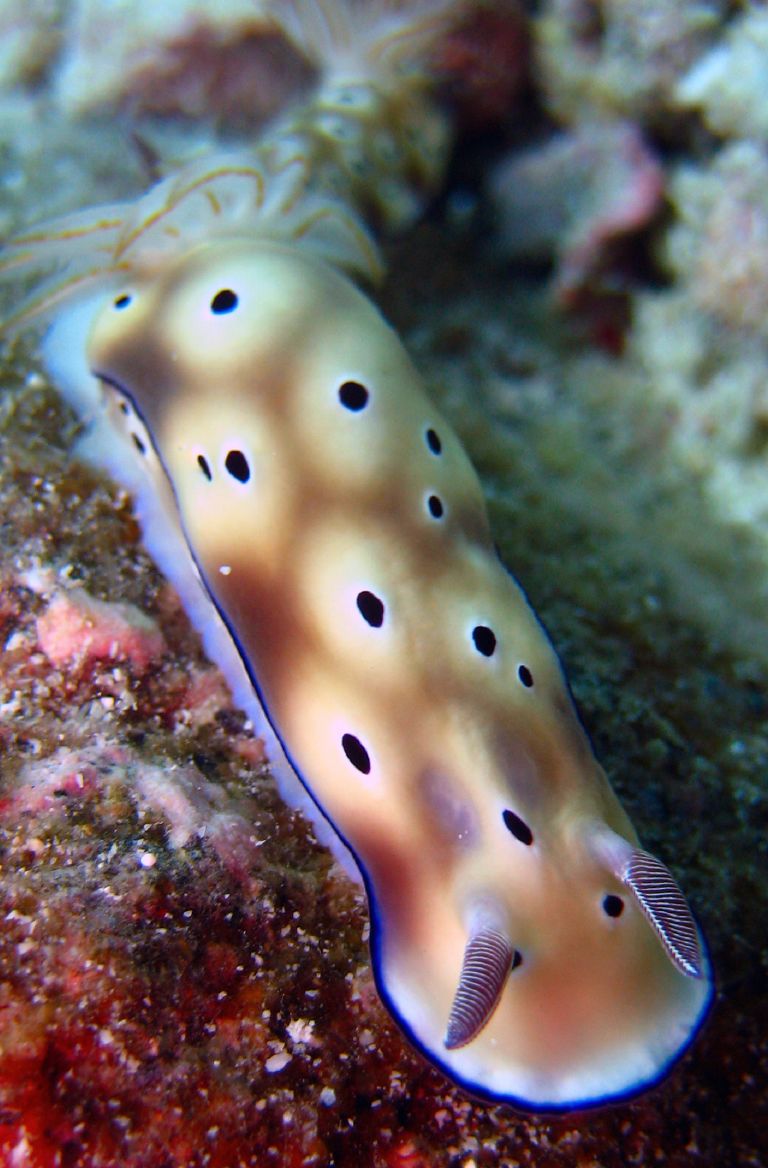 Tryon's Hypselodoris1%
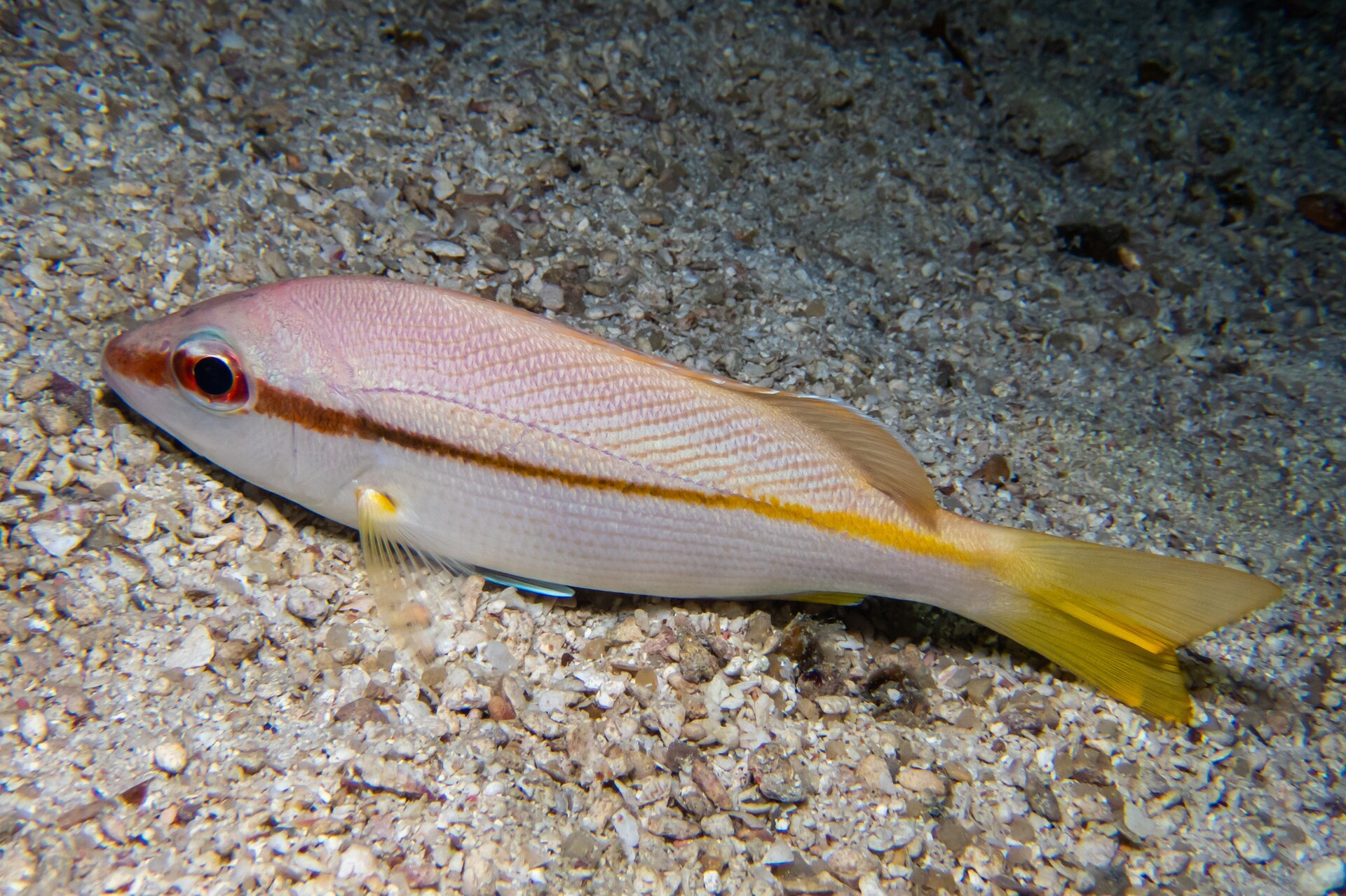 Brownstripe Snapper1%
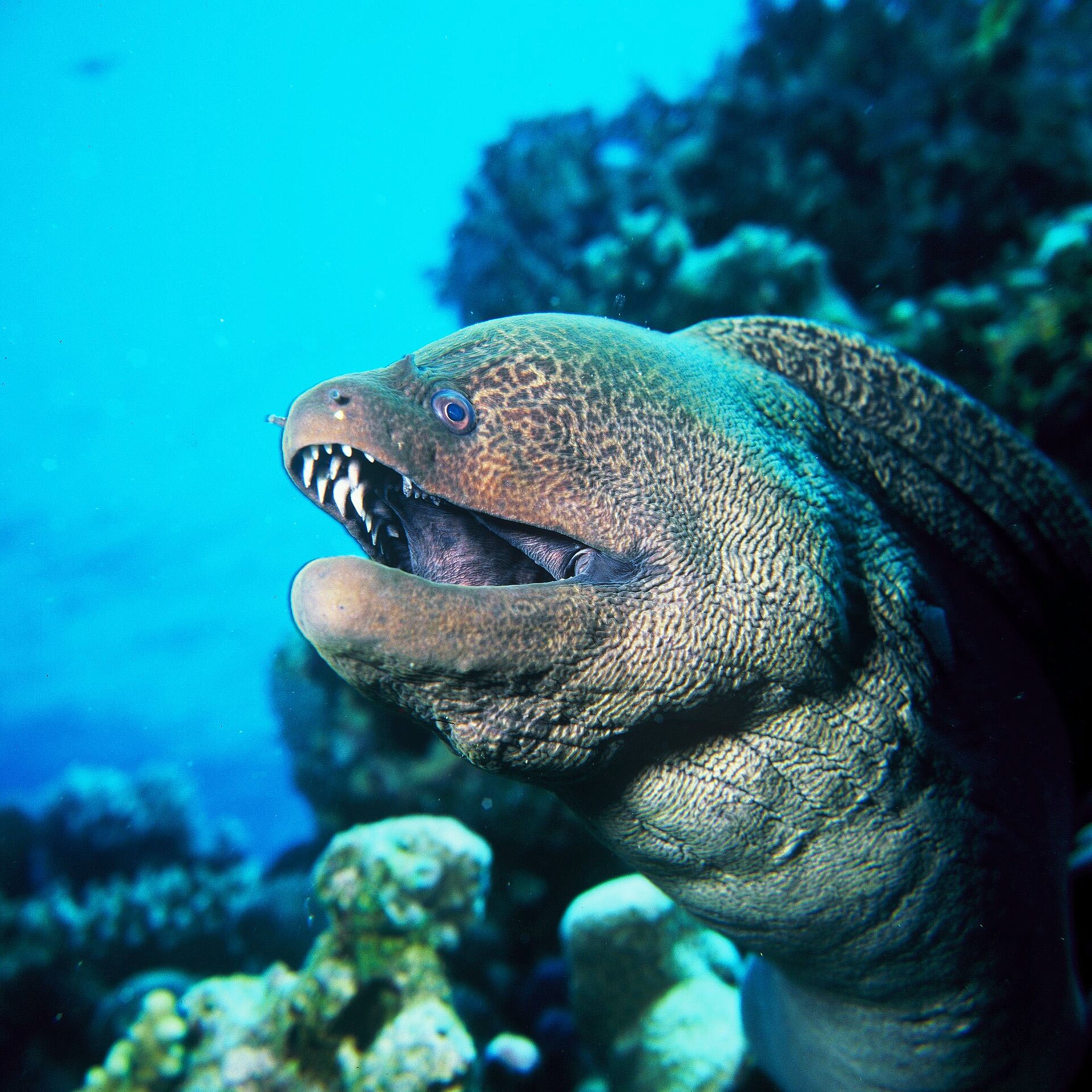 Giant moray1%
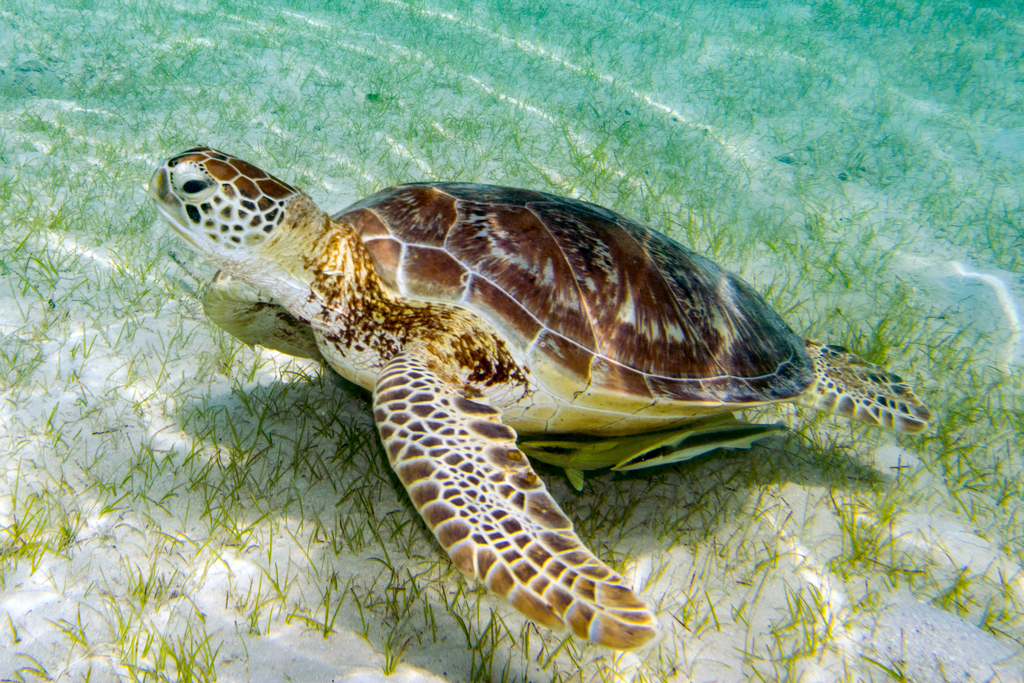 Green turtle1%
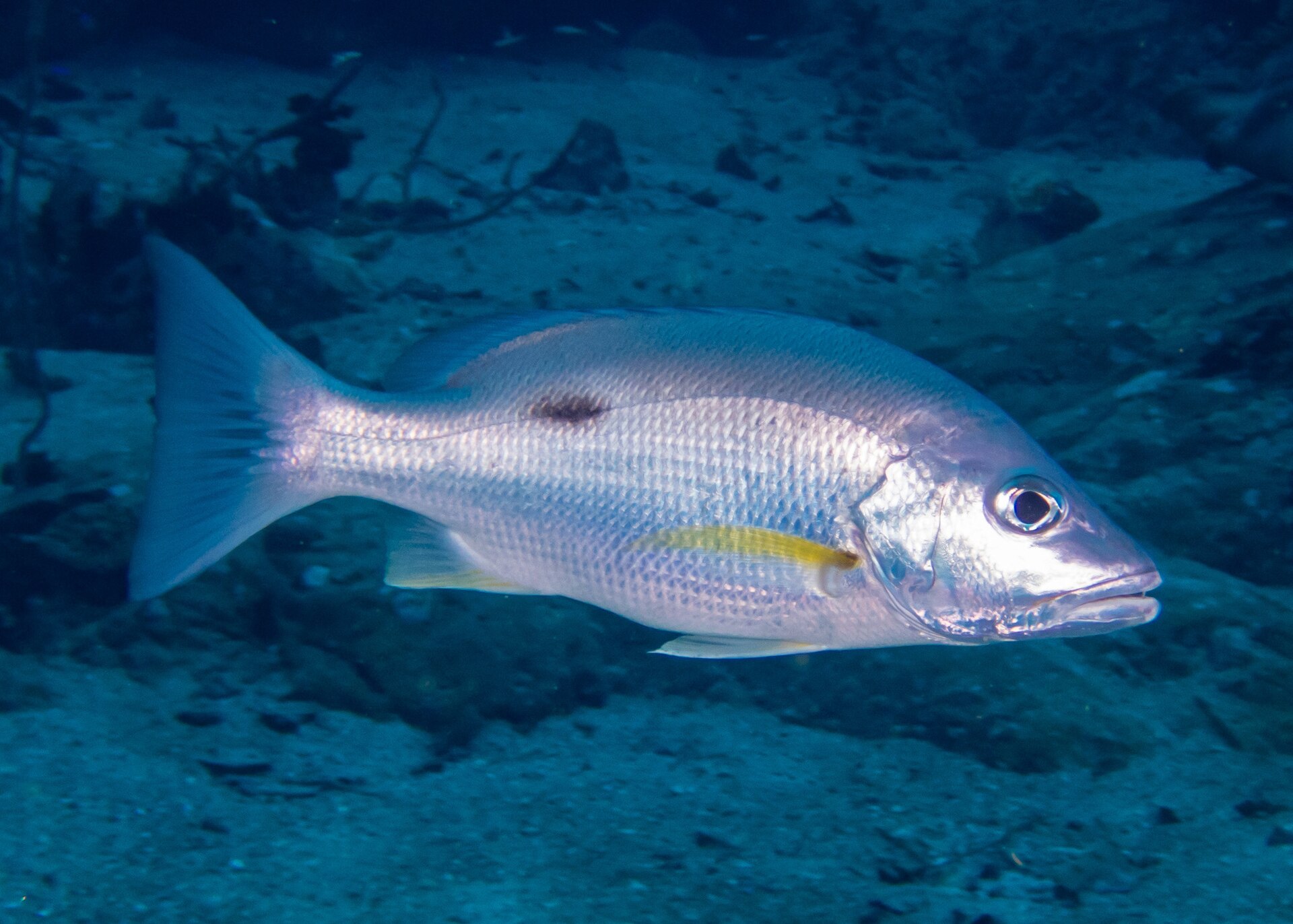 Moses' Snapper1%
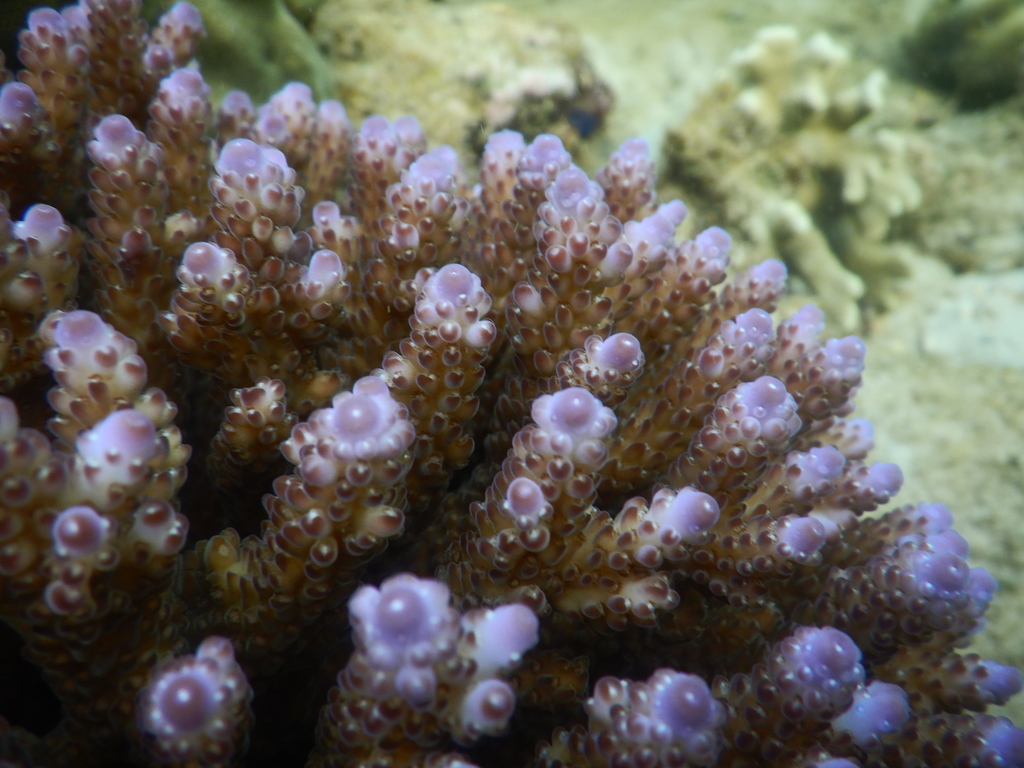 Acropora loripes1%
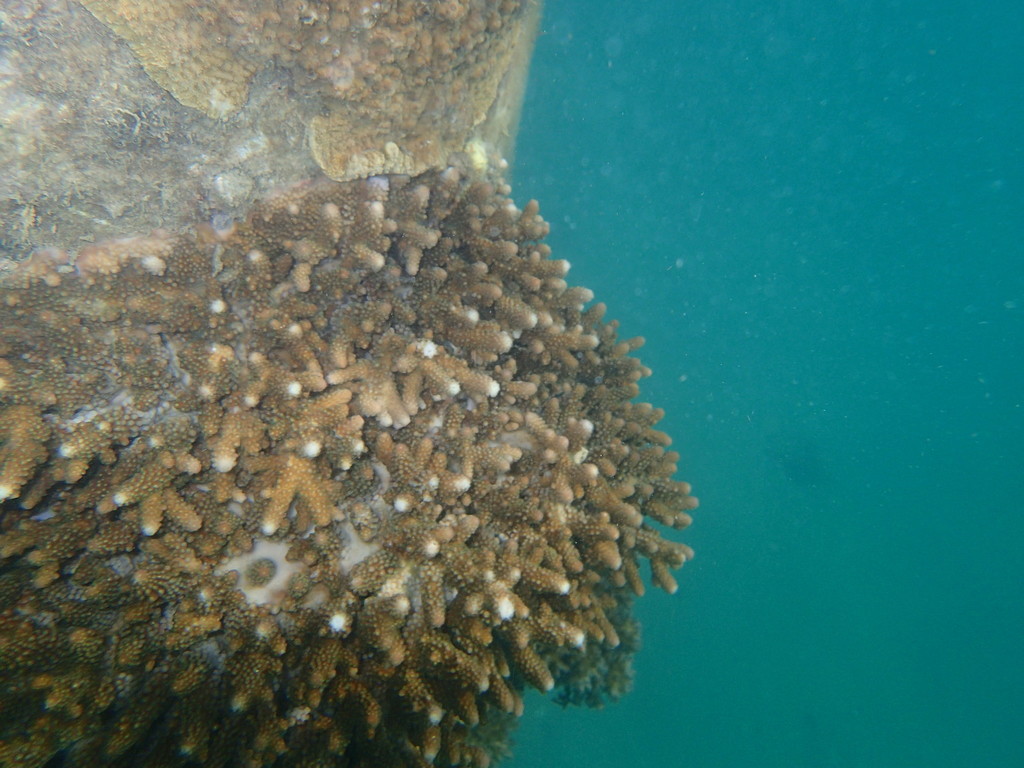 Acropora samoensis1%
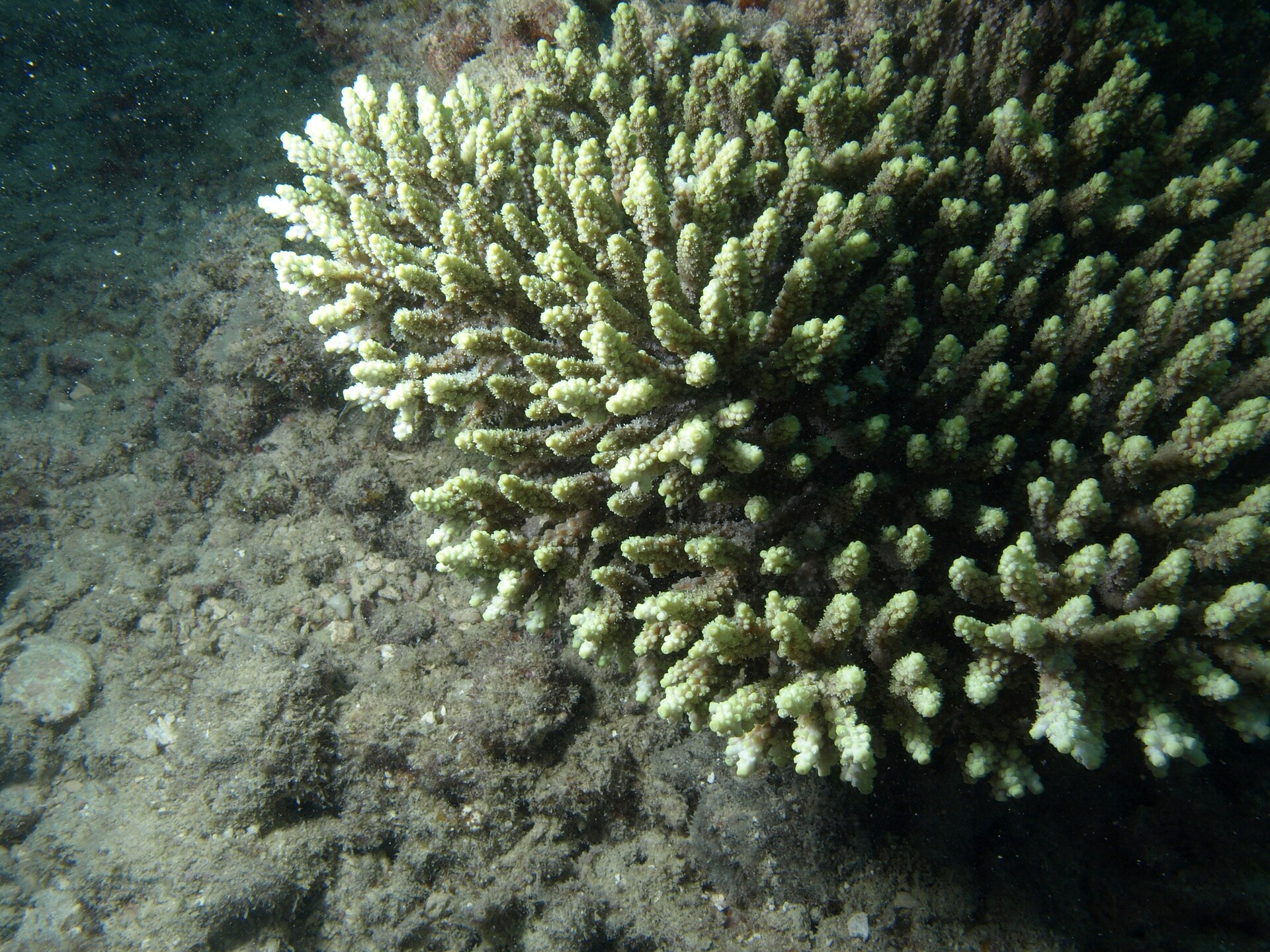 Staghorn coral1%
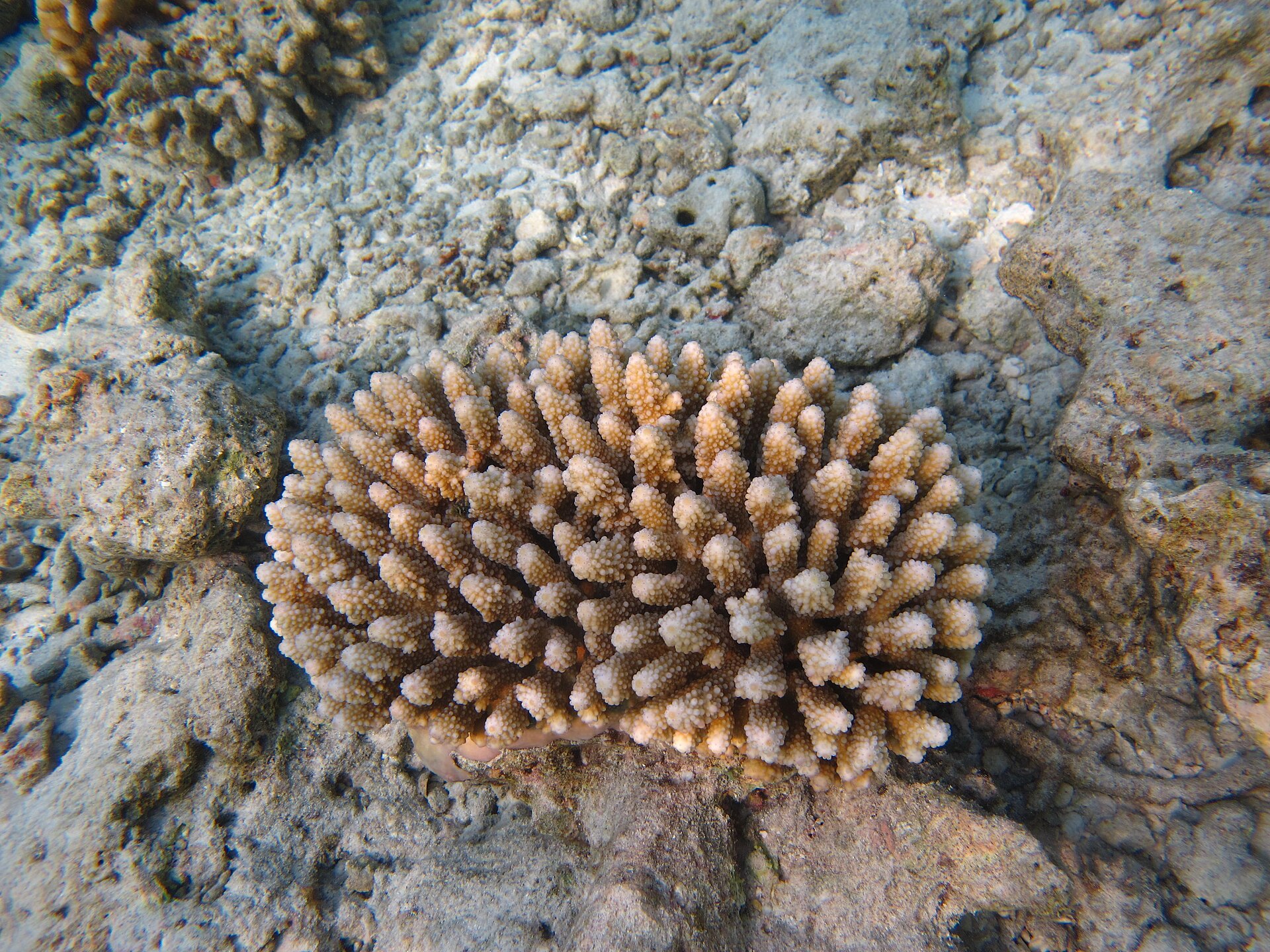 Staghorn coral1%
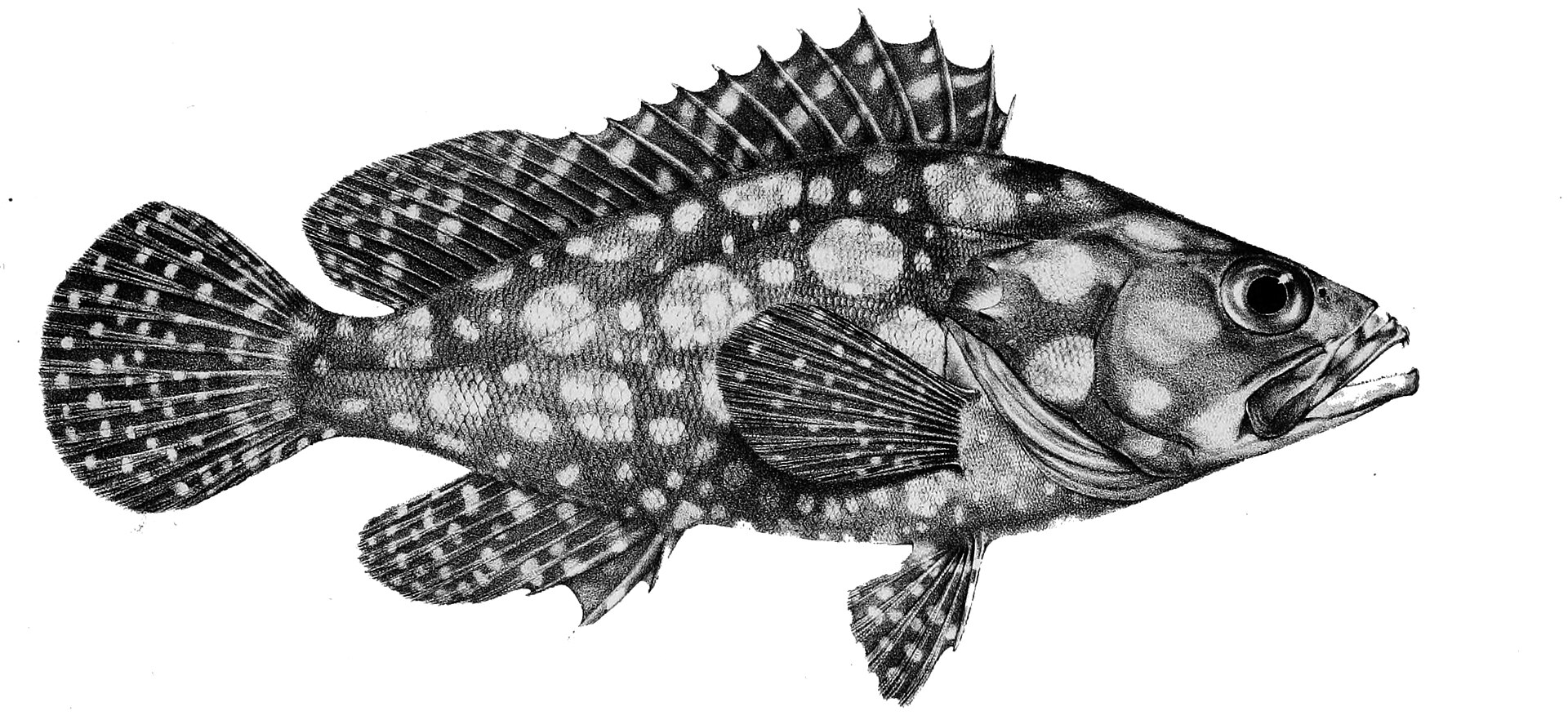 White-streaked Rockcod1%
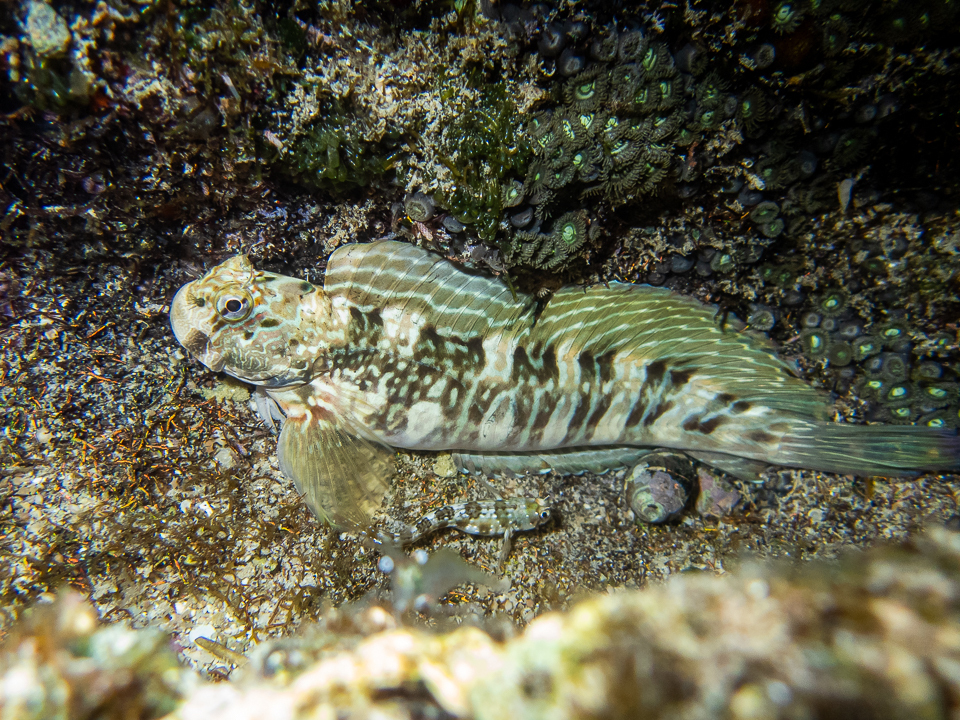 Toothless Blenny1%
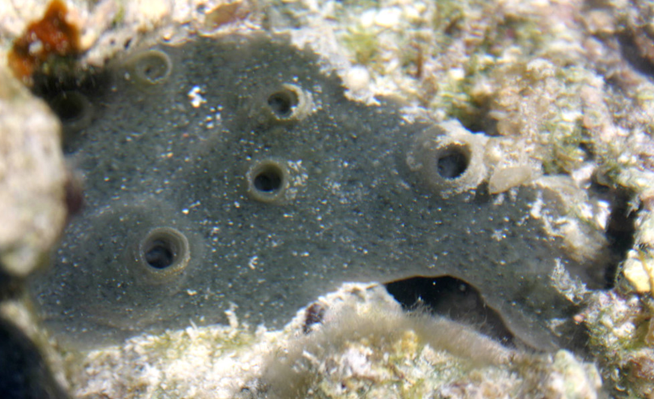 Amphimedon queenslandica1%
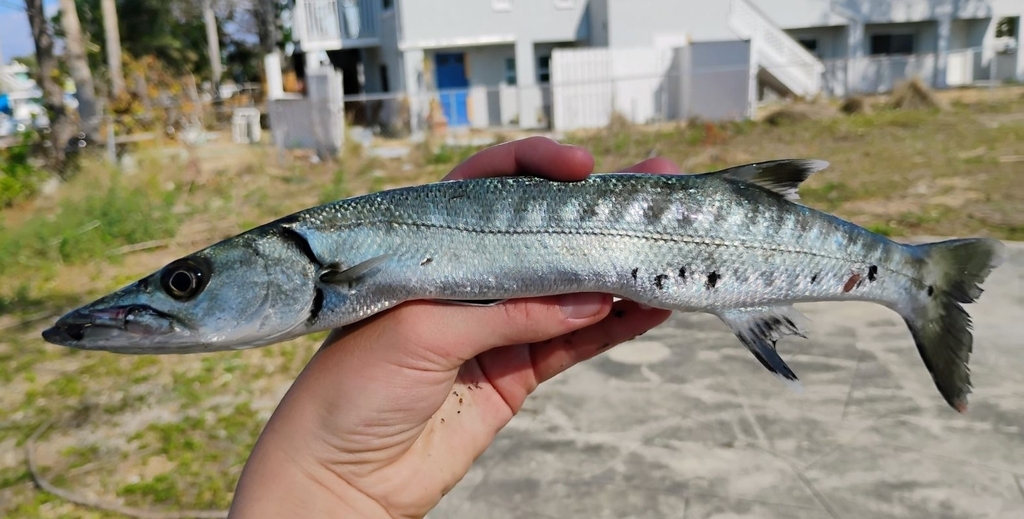 Striped Seapike1%
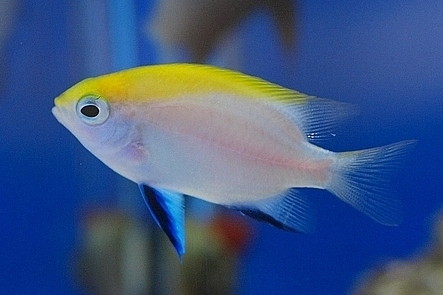 Black Damsel1%
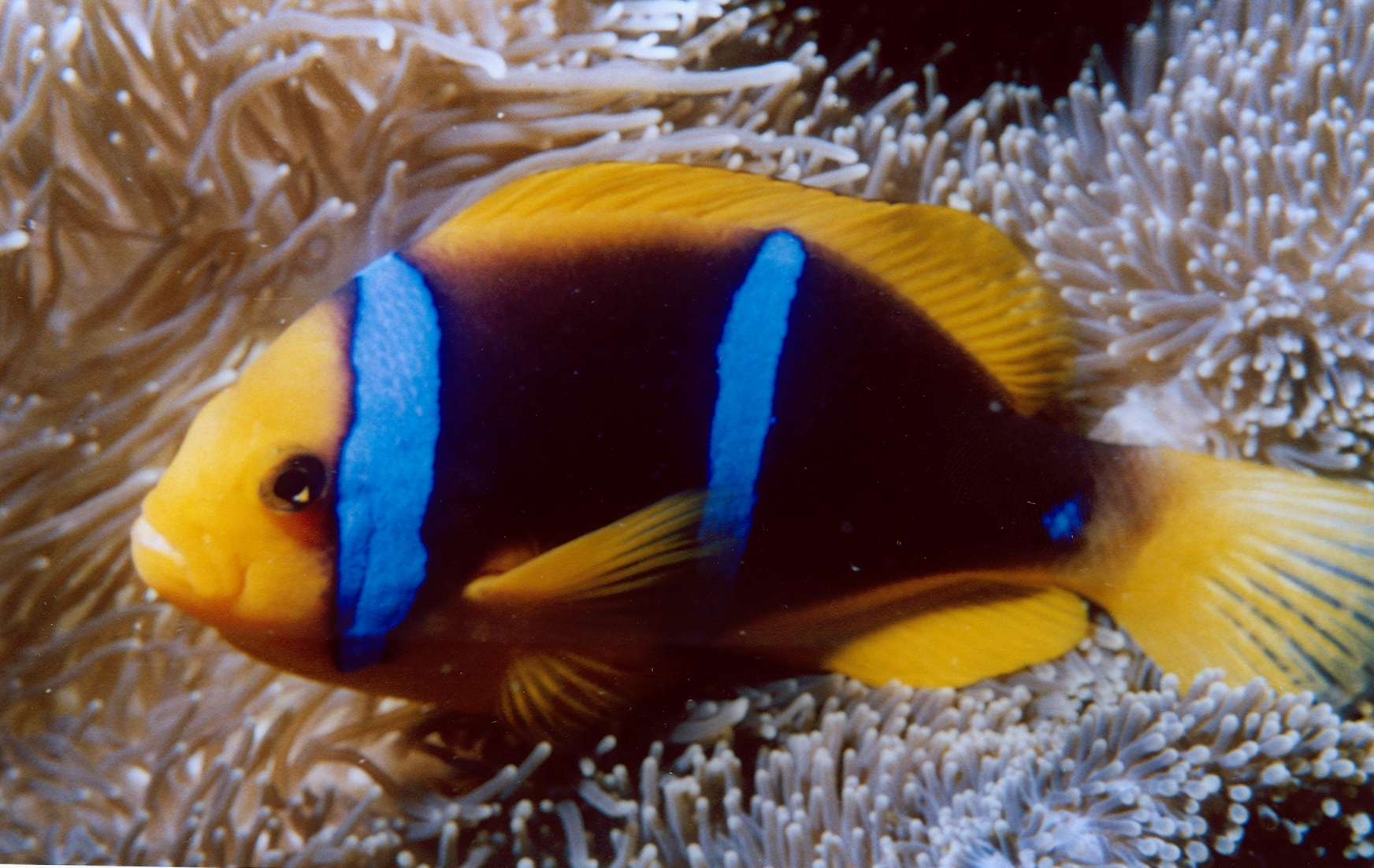 Orangefin Anemonefish1%
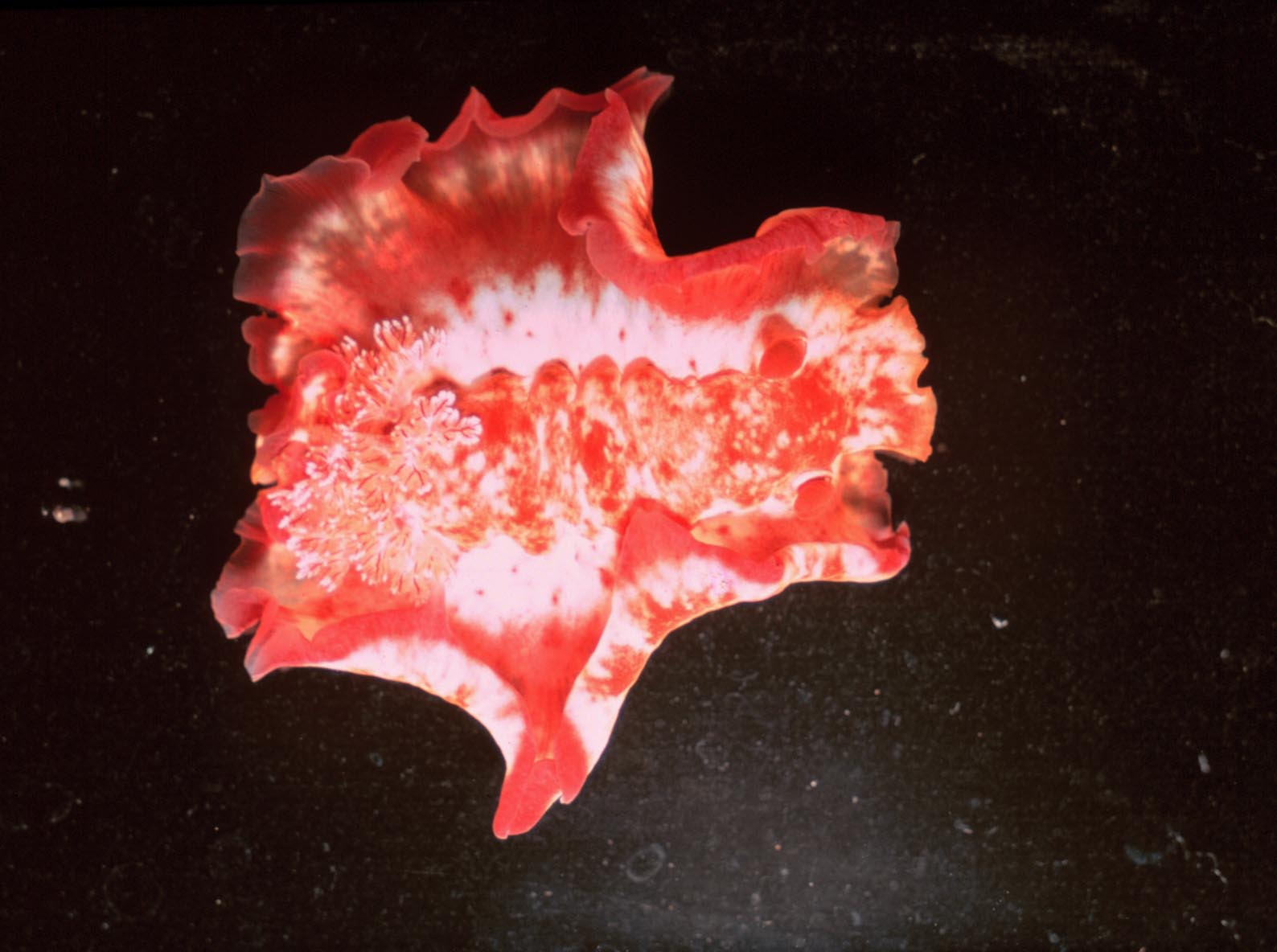 Spanish dancer1%
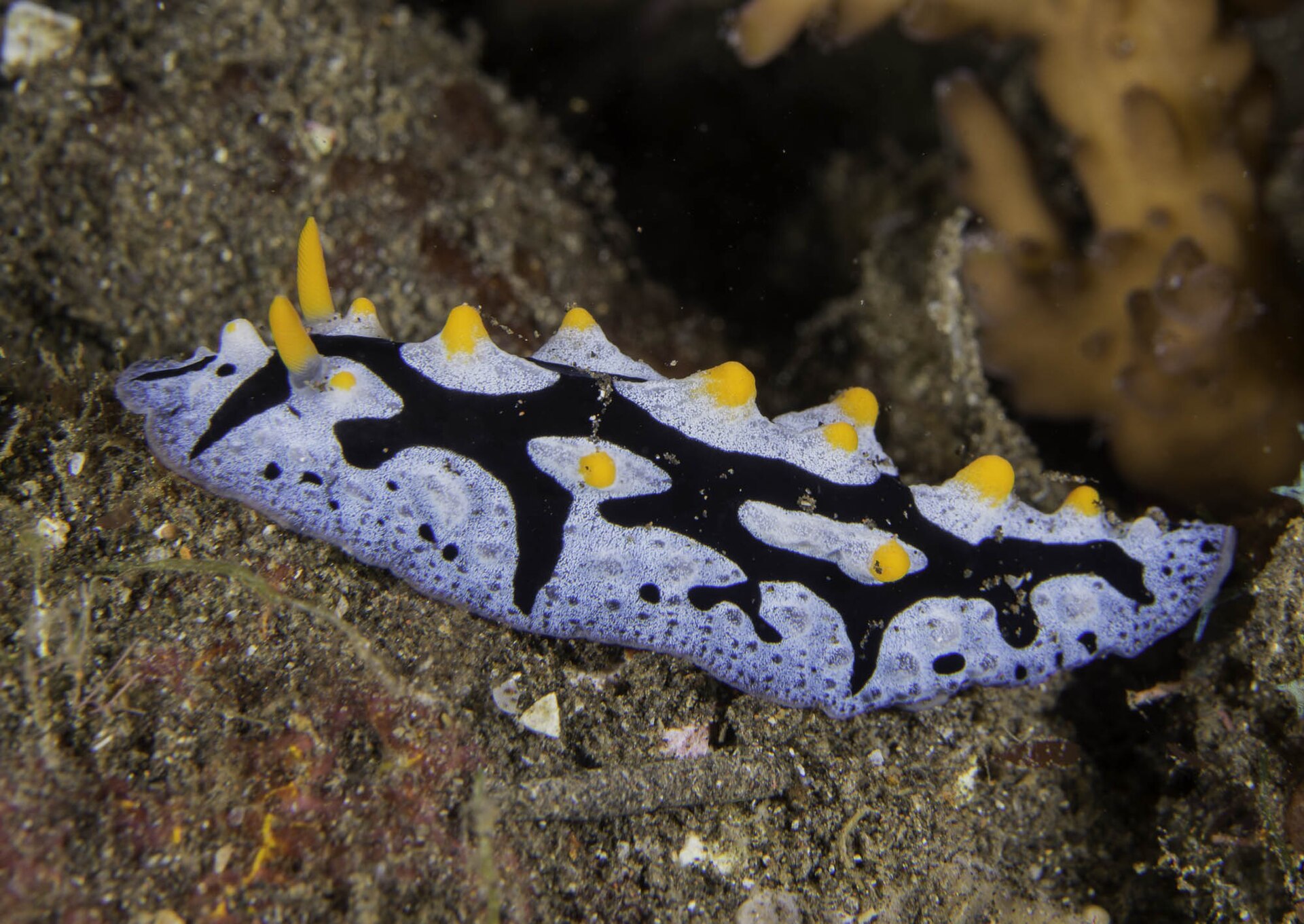 Painted Phyllidia1%
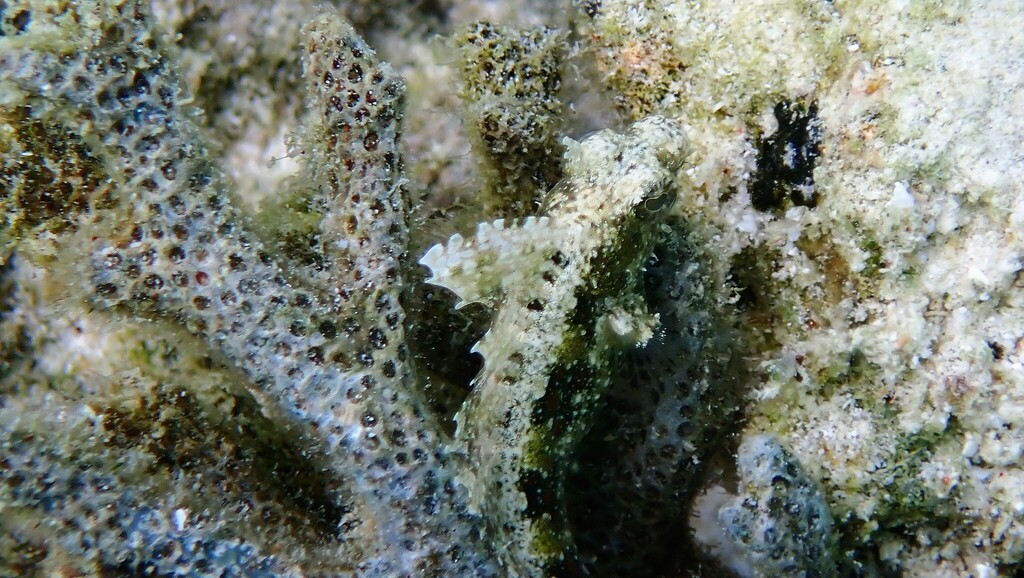 Highfinned Blenny1%
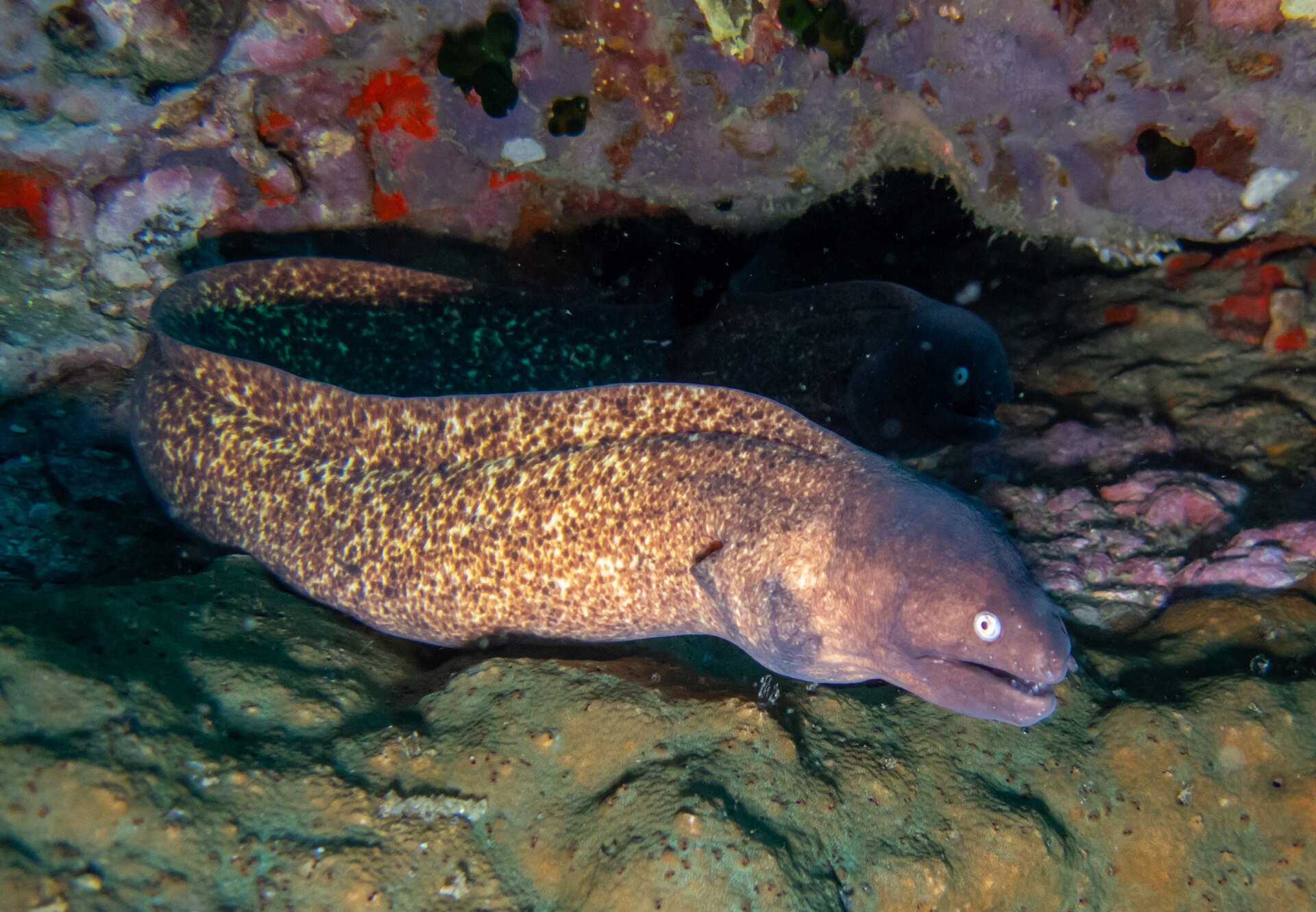 White-eyed Moray1%
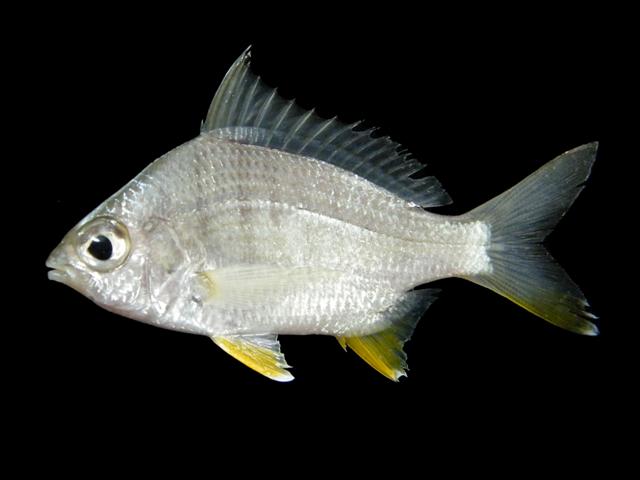 Deep-bodied Mojarra1%
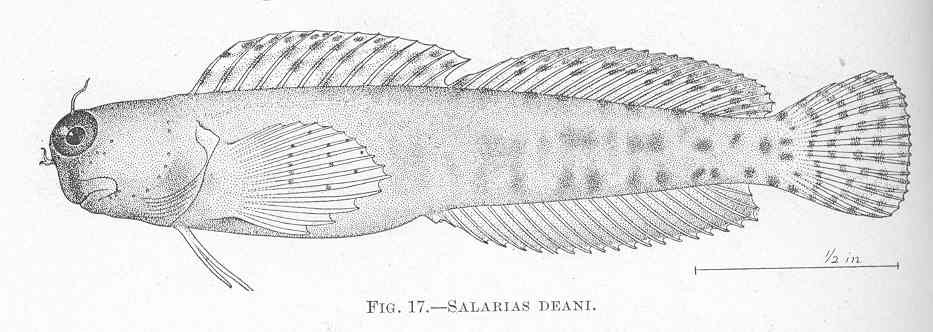 Lined Rockskipper1%
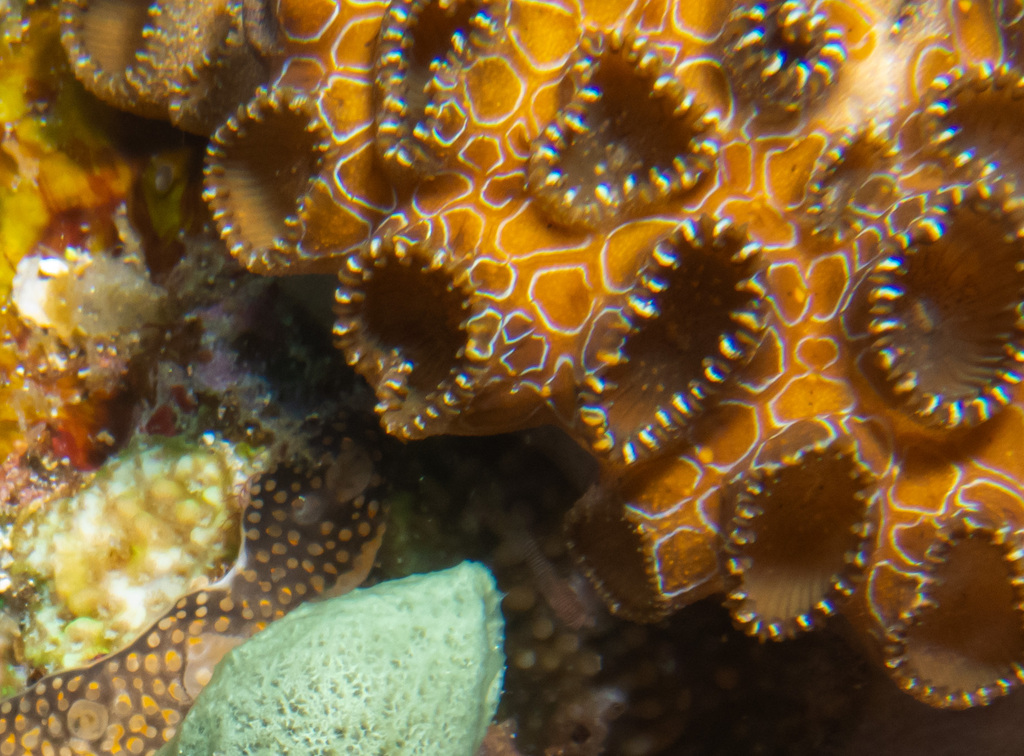 Sea Mat1%
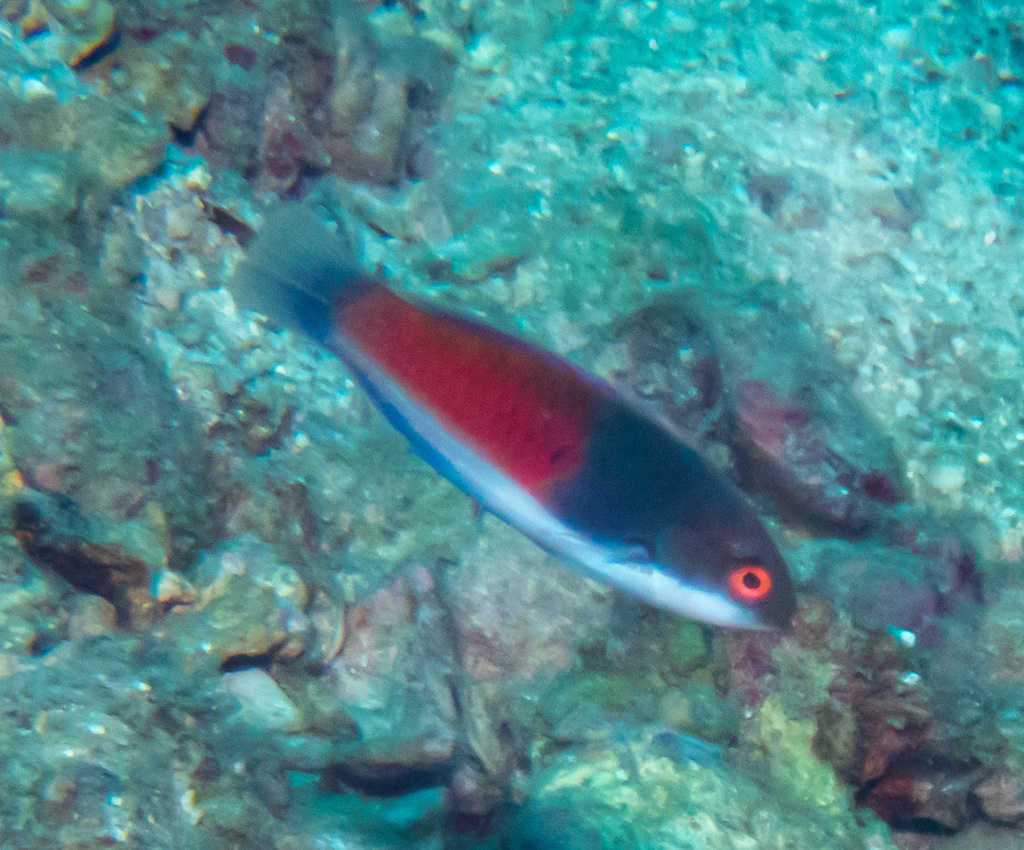 Blueside wrasse1%
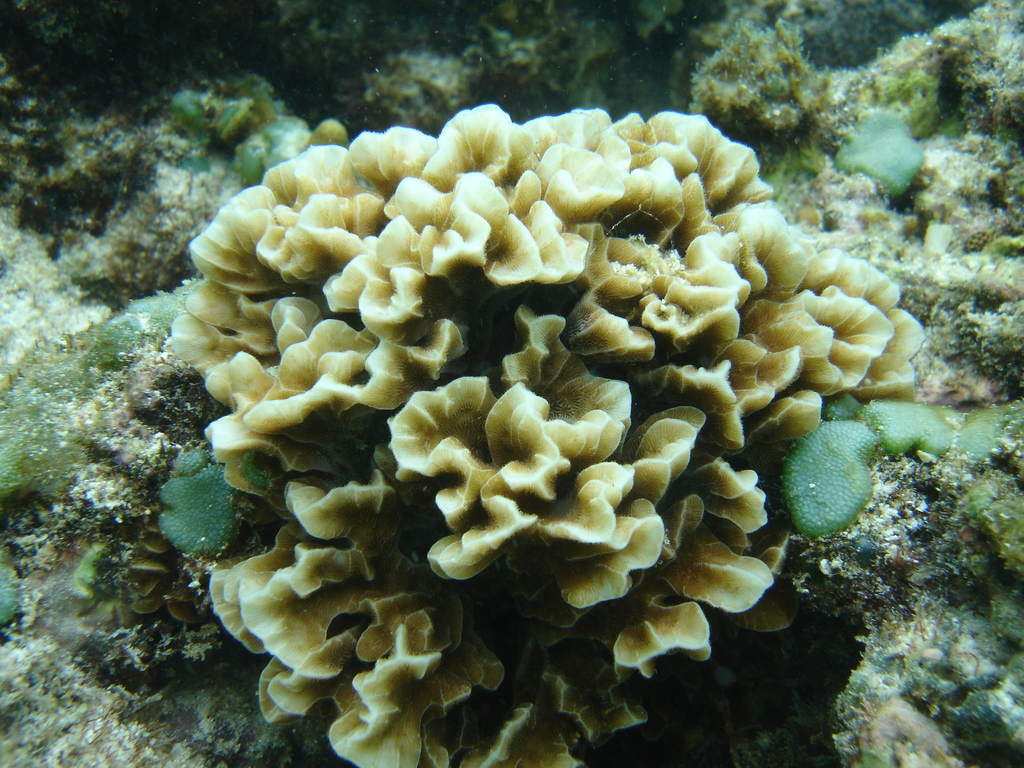 Leaf coral1%
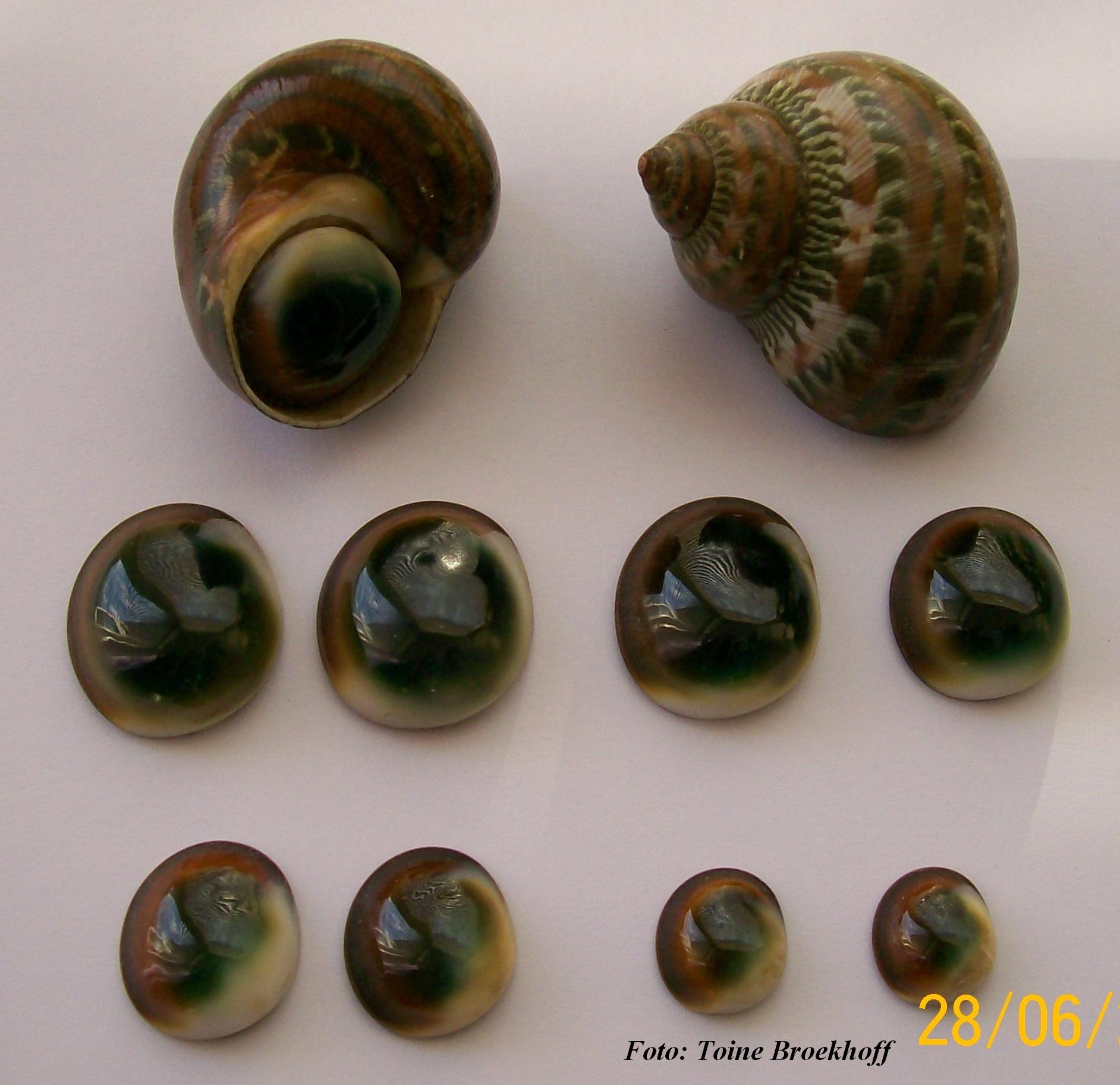 Cat's eye turban1%
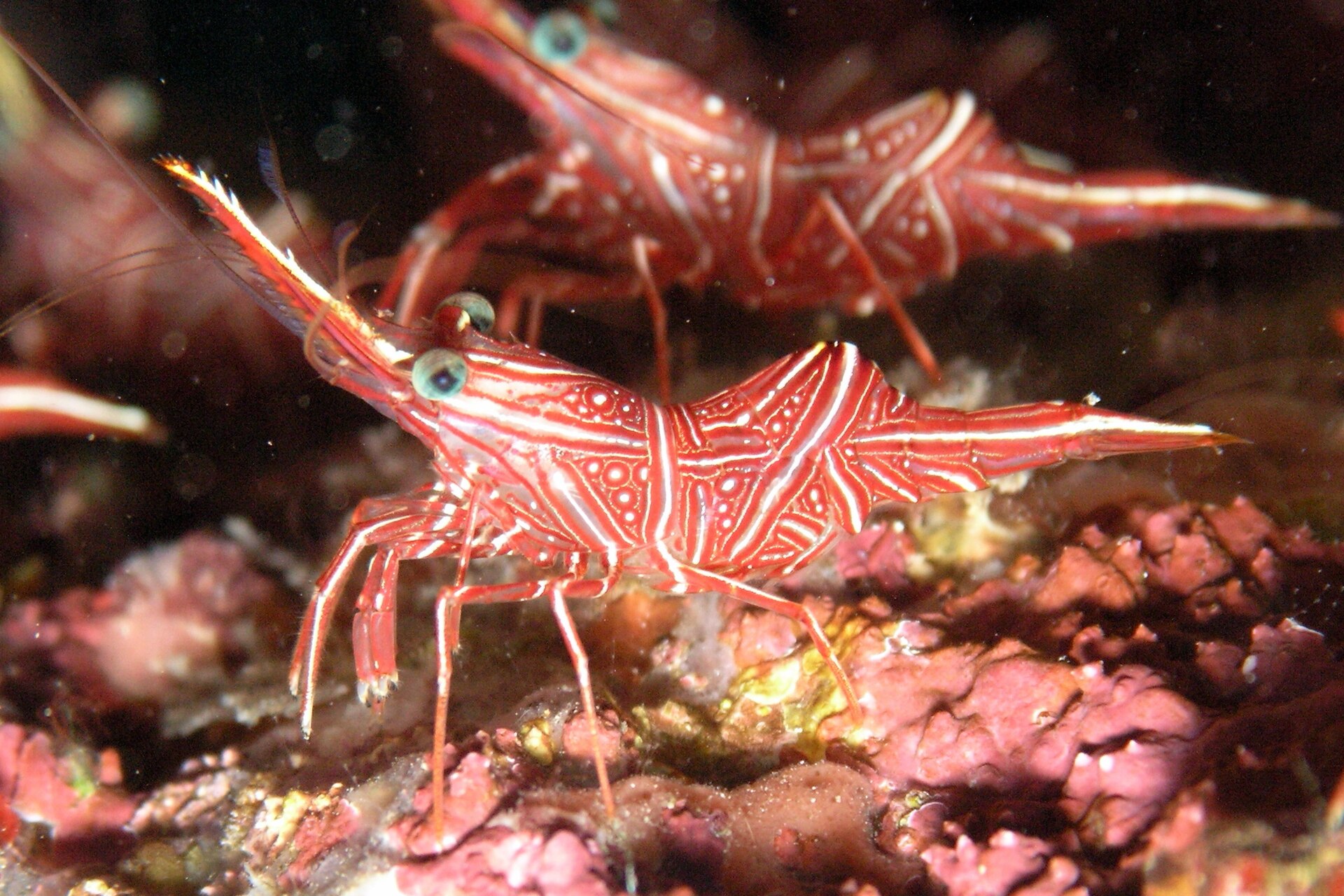 Durban dancing shrimp1%
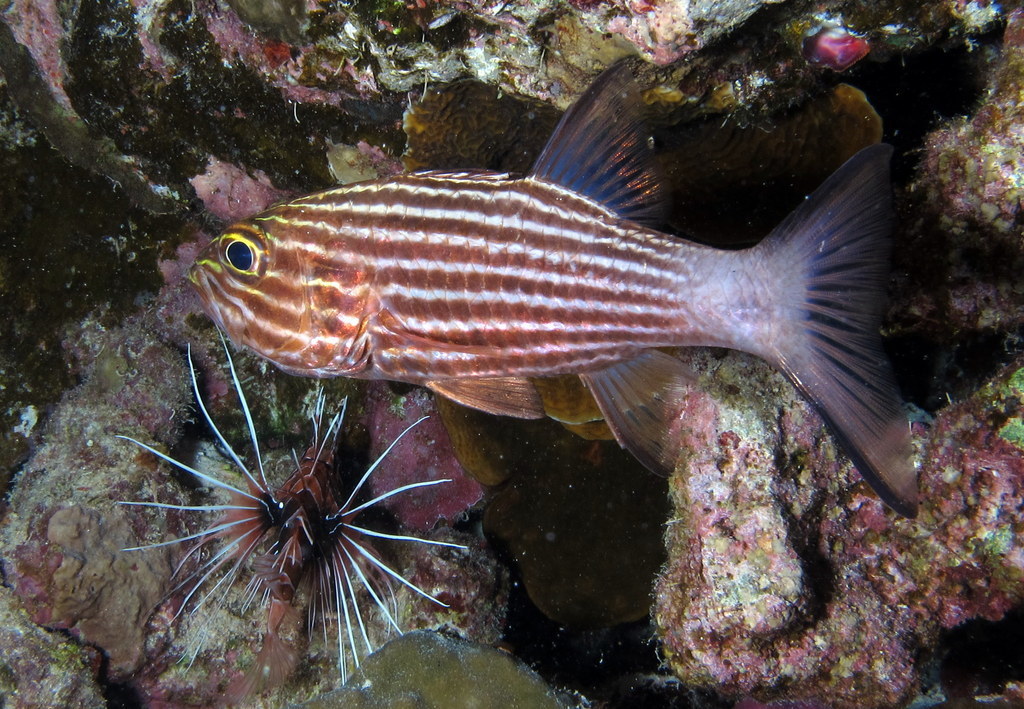 Tiger Cardinalfish1%
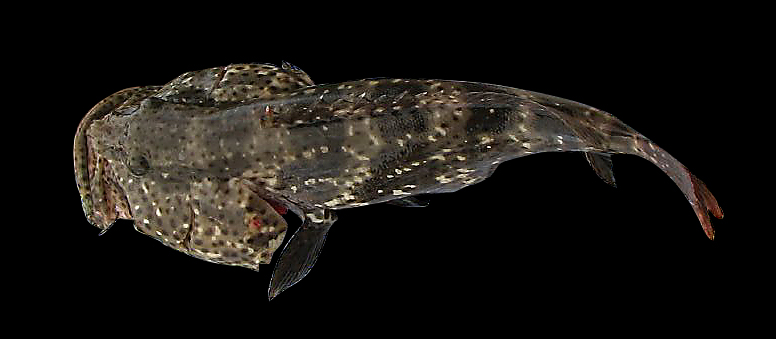 Orange-spotted Grouper1%
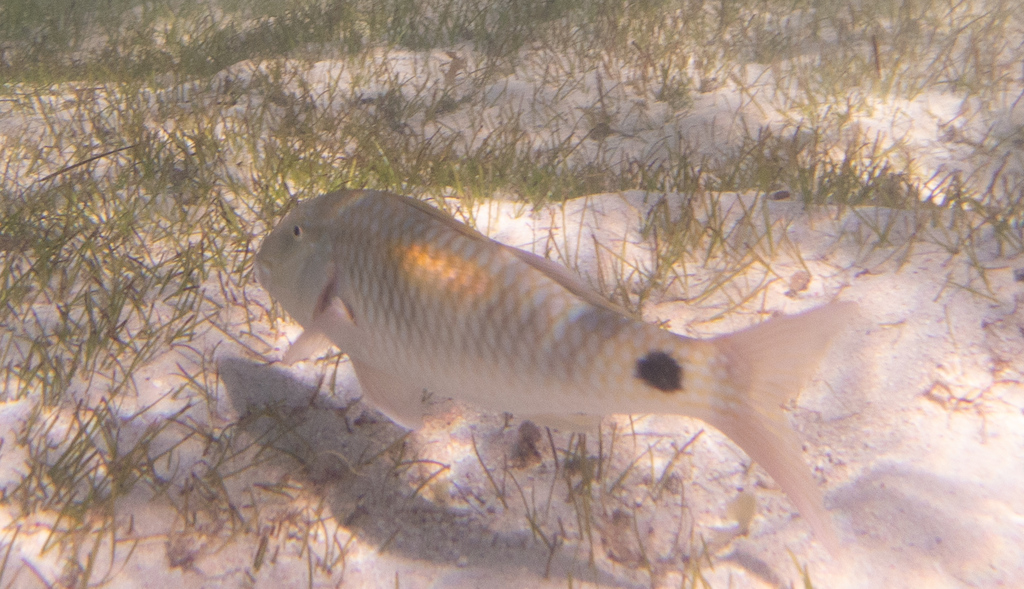 Yellowspot Goatfish1%
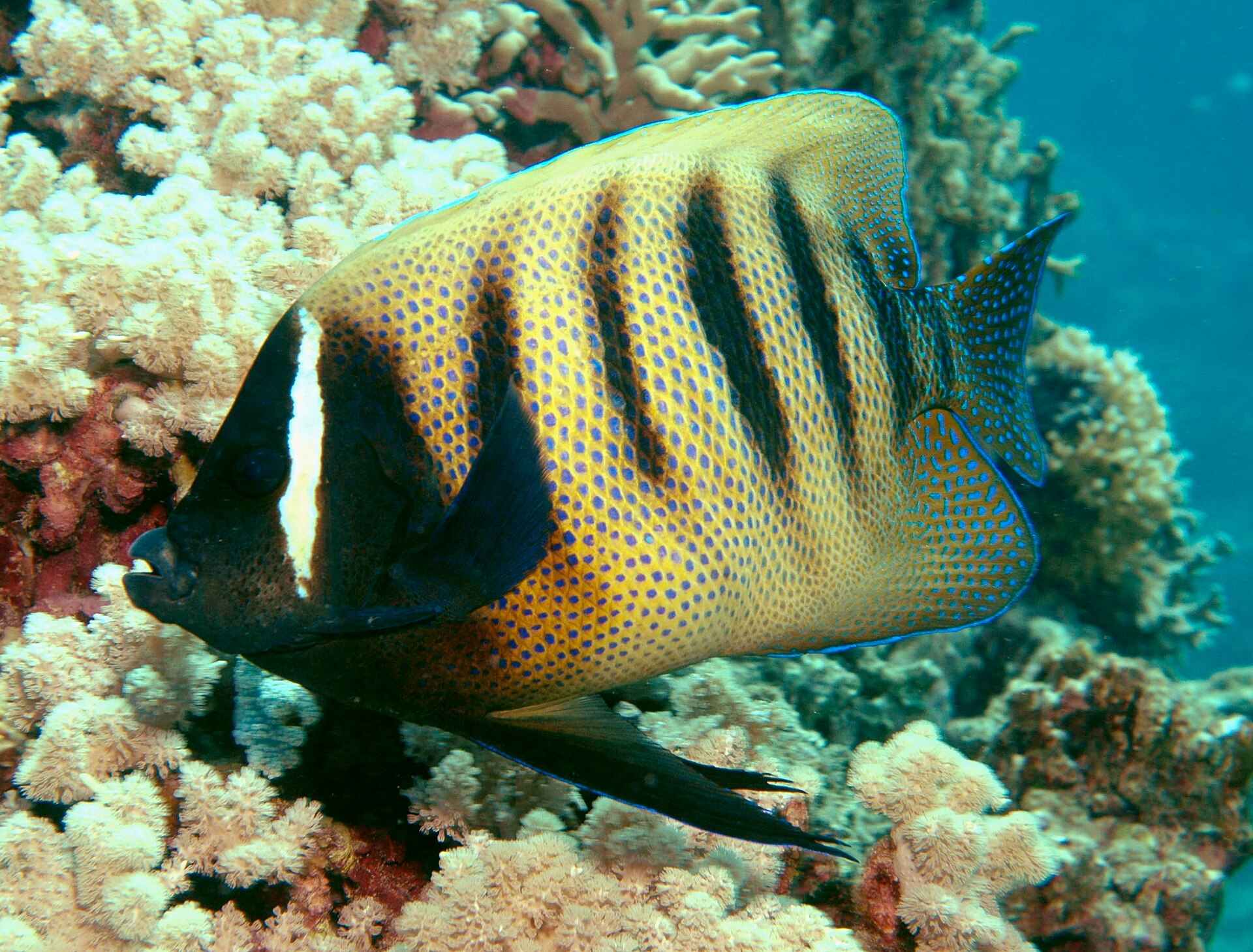 Sixbar Angelfish1%
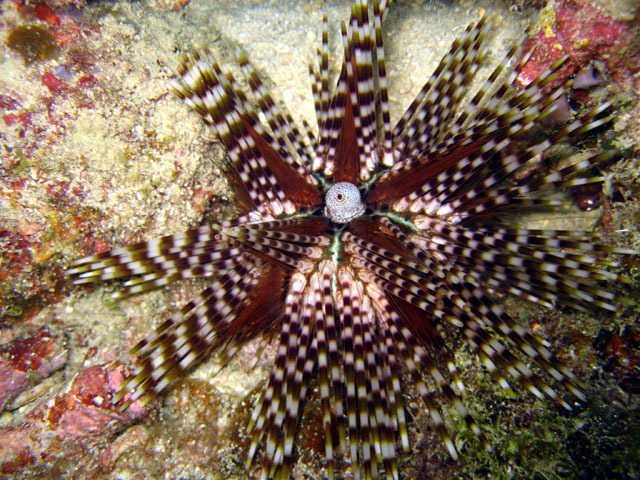 Banded Sea Urchin1%
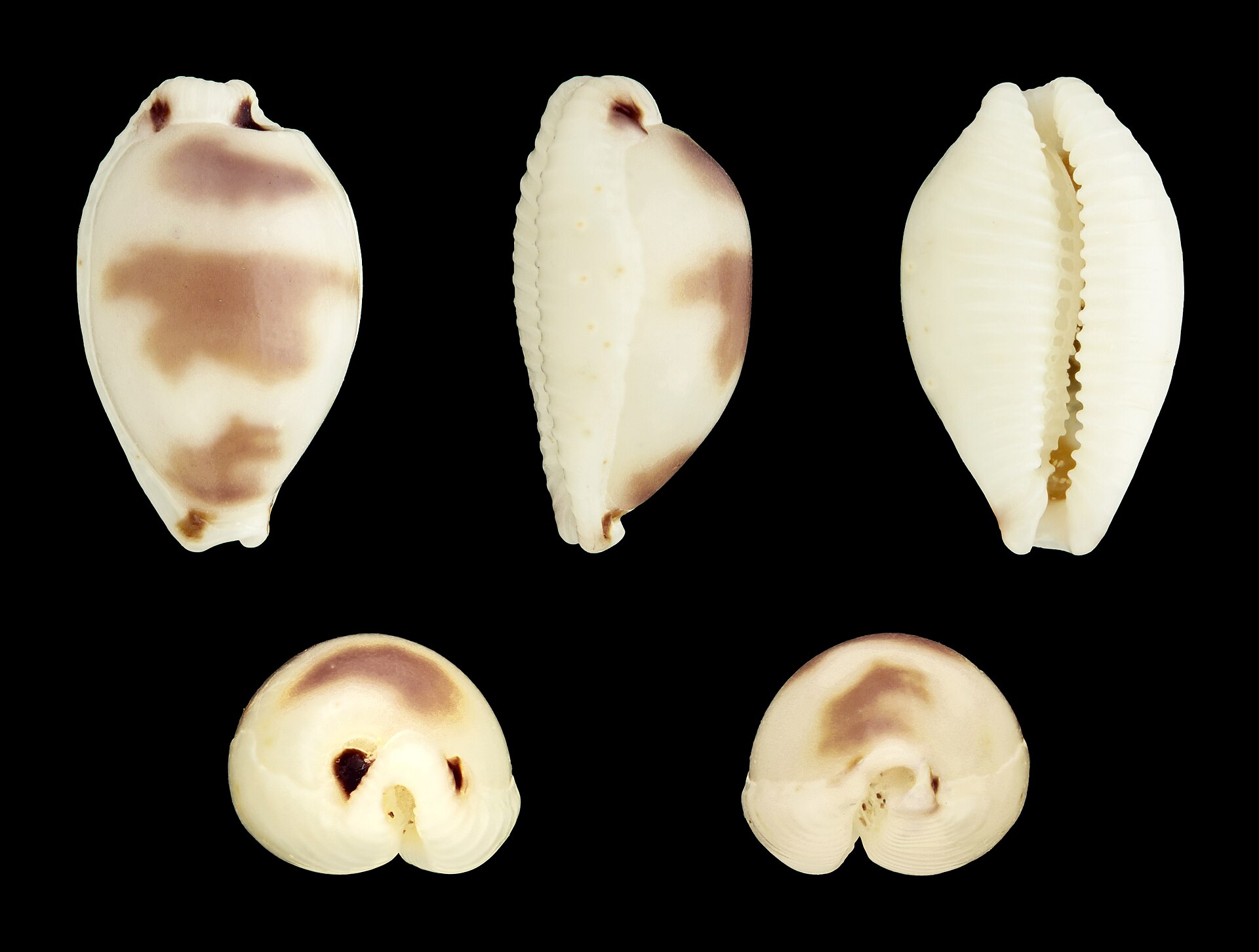 Little bear cowrie1%
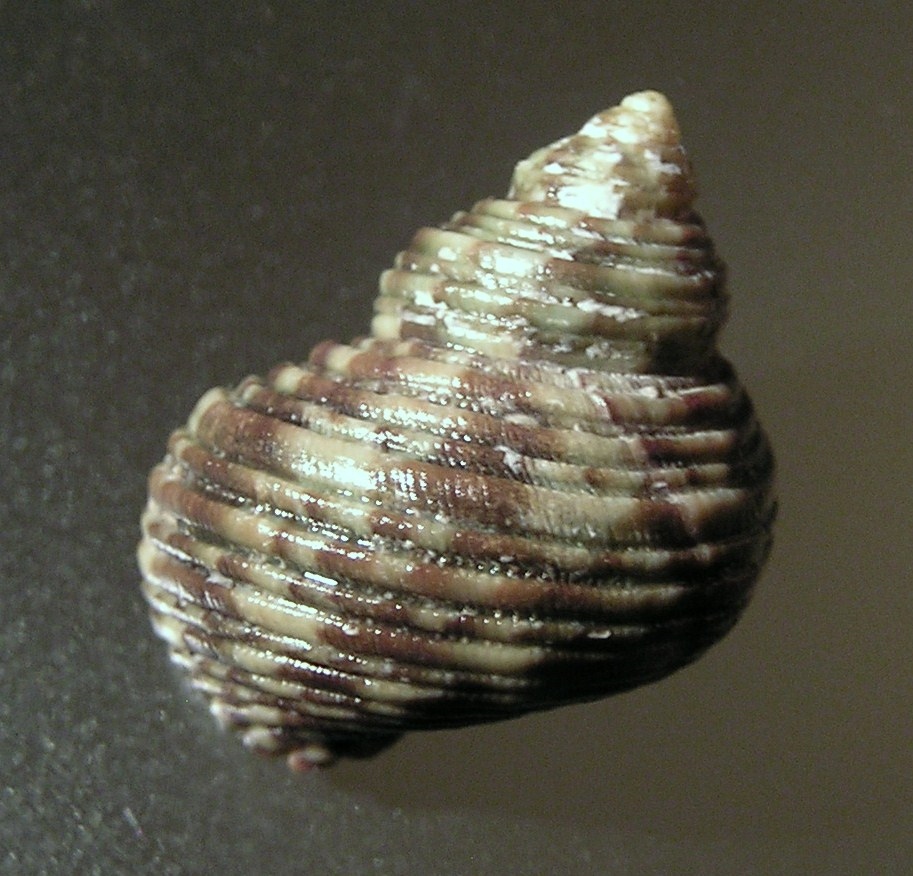 Ribbed turban1%
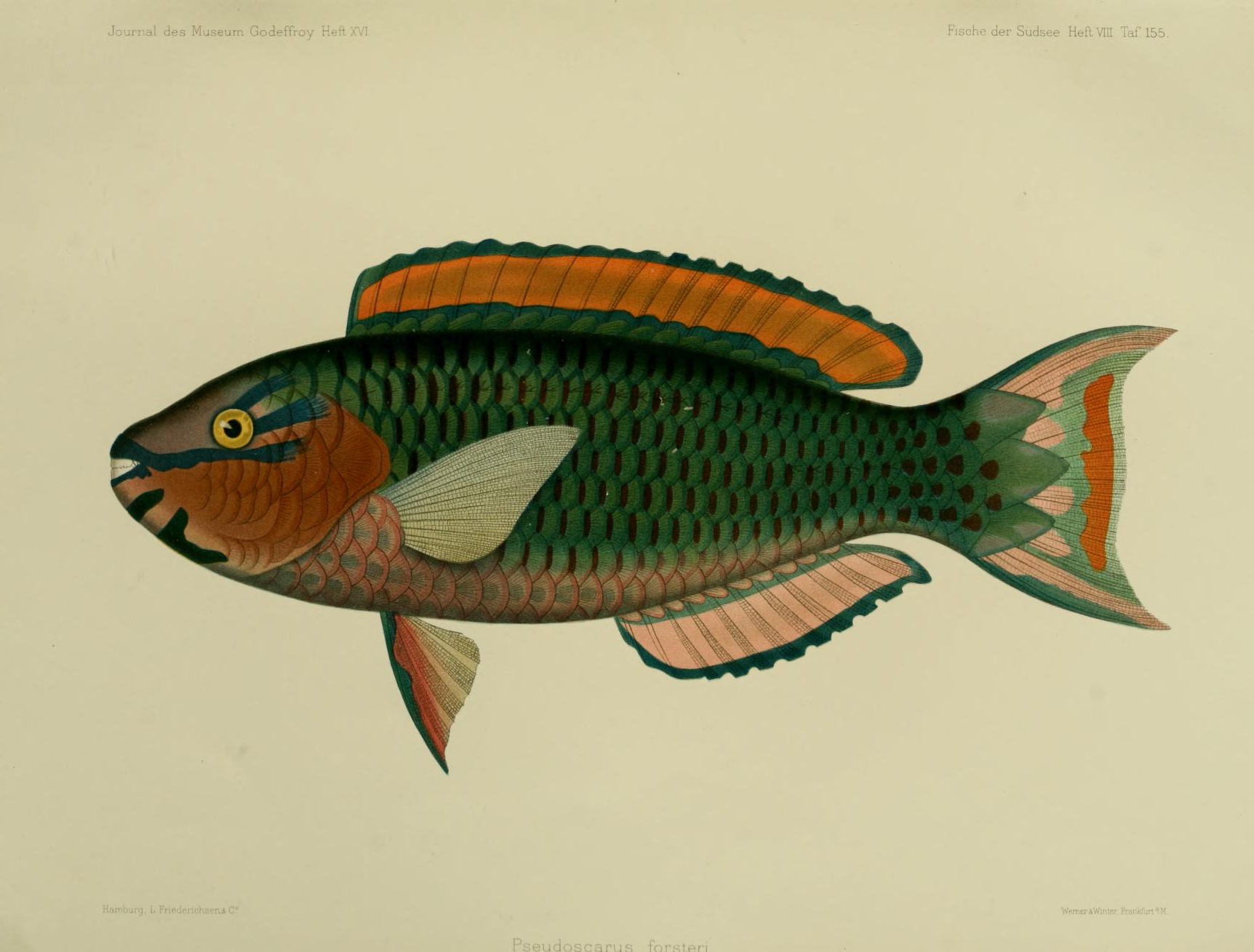 Rosy-cheek Parrotfish1%
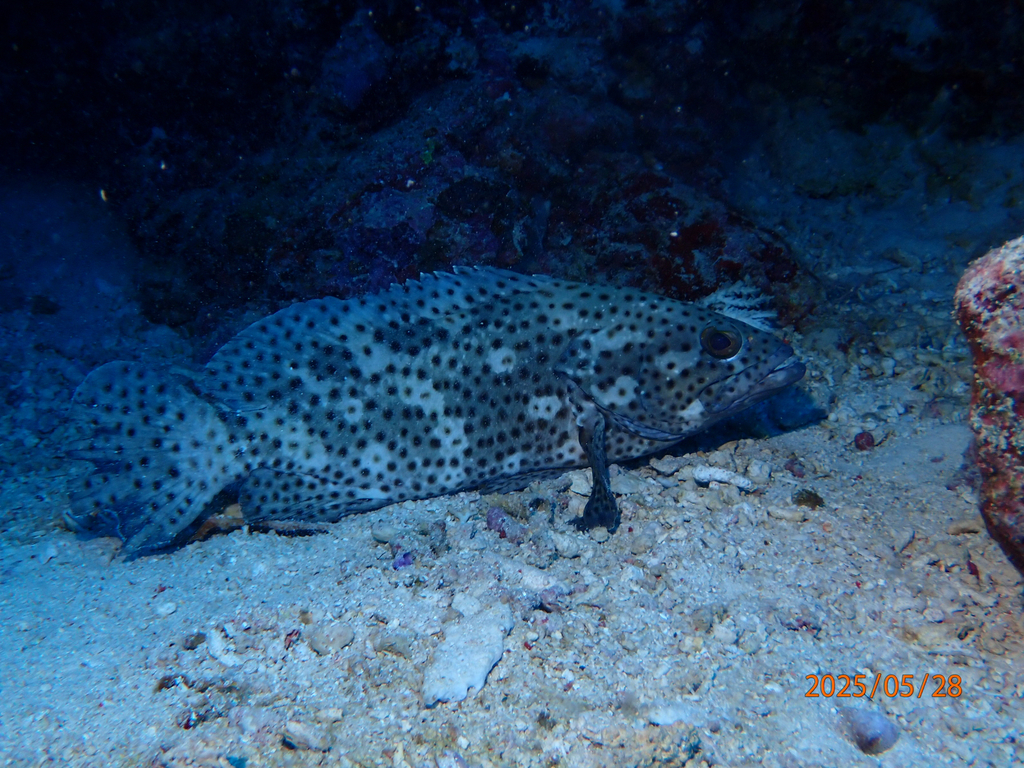 Duskyfin Grouper1%
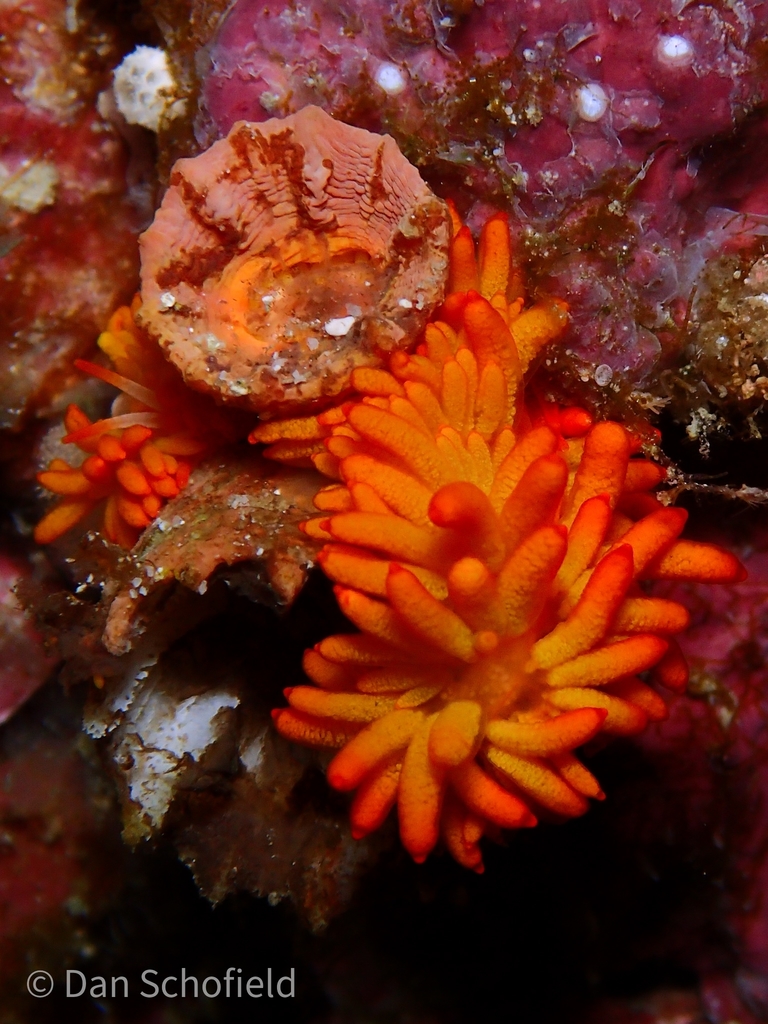 Cup Coral Nudibranch1%
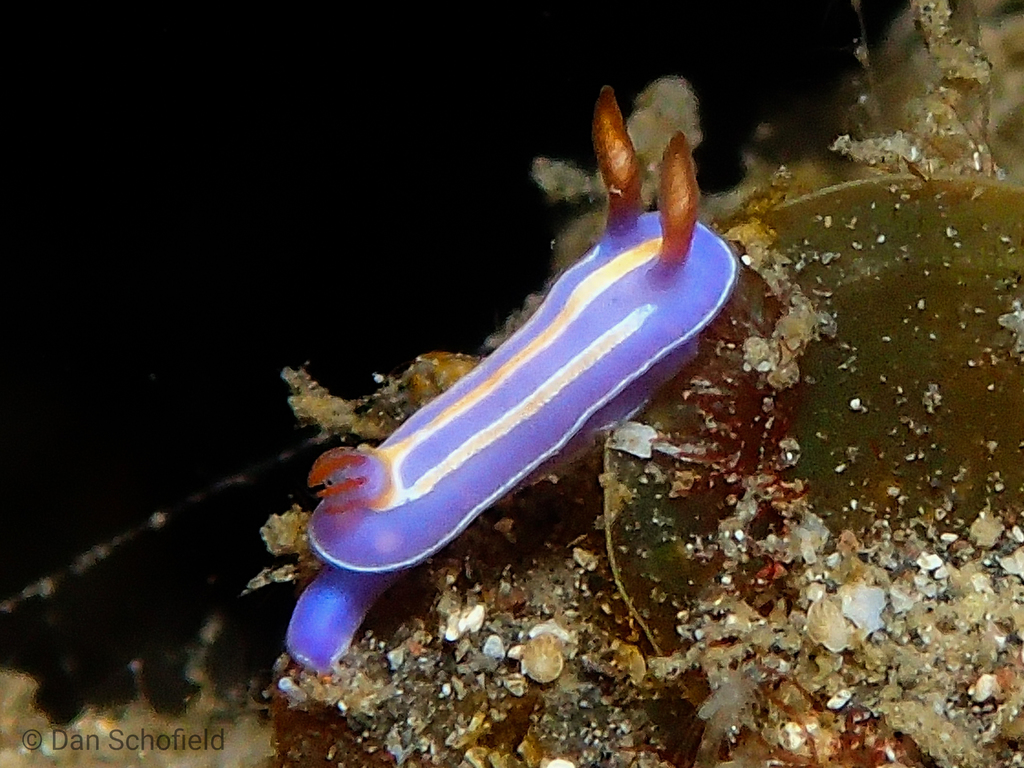 Three-lines Purple Doris1%
 Pearly Dartfish0%
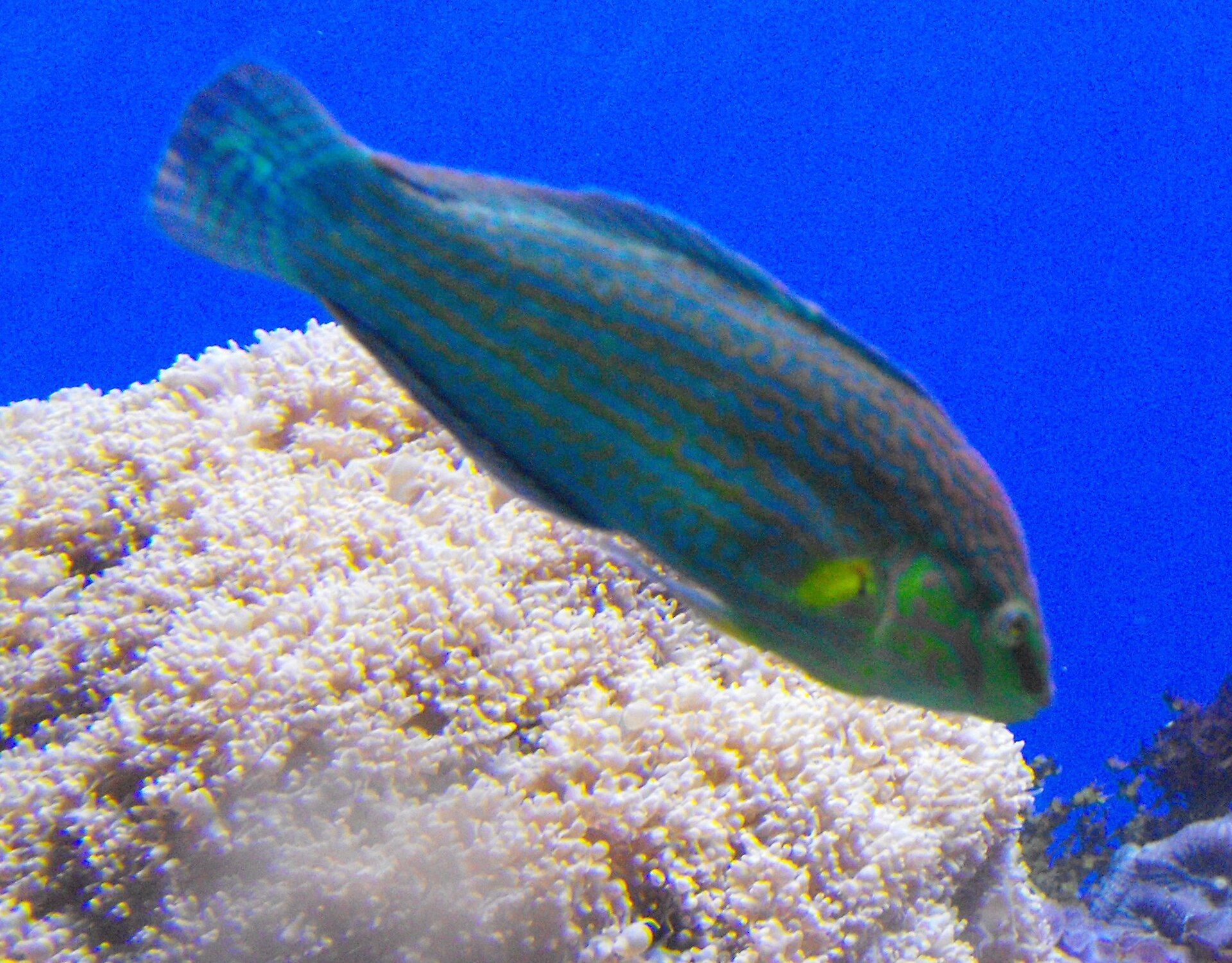 Indian pinstriped wrasse0%
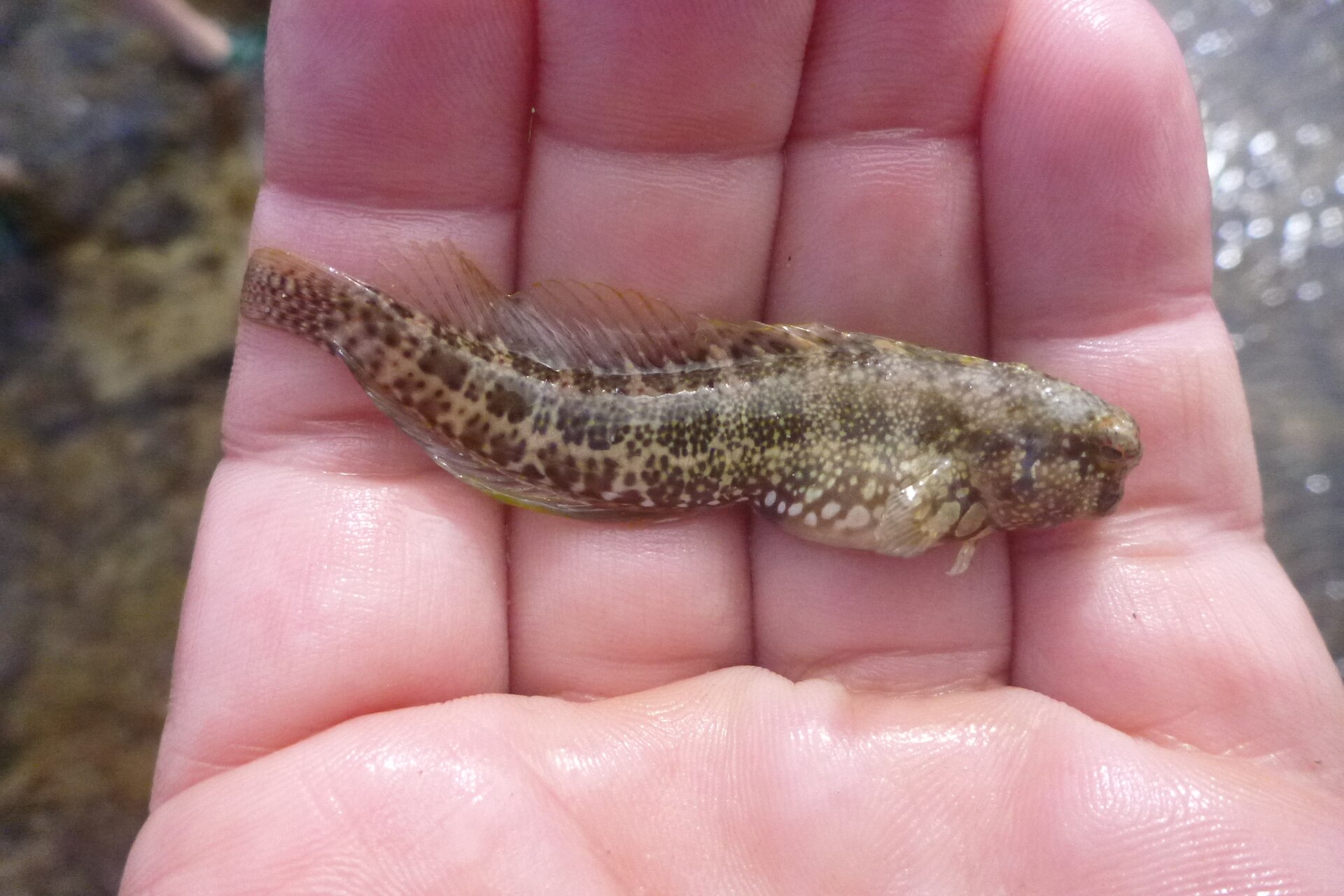 Breast-spot Blenny0%
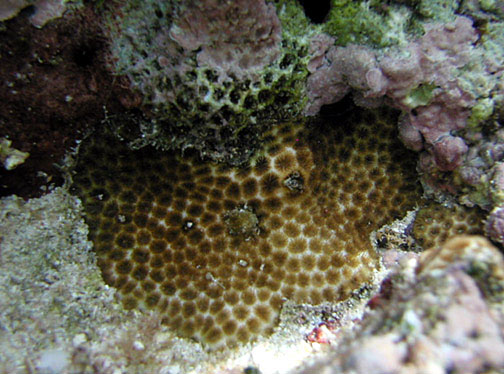 Leptastrea purpurea0%
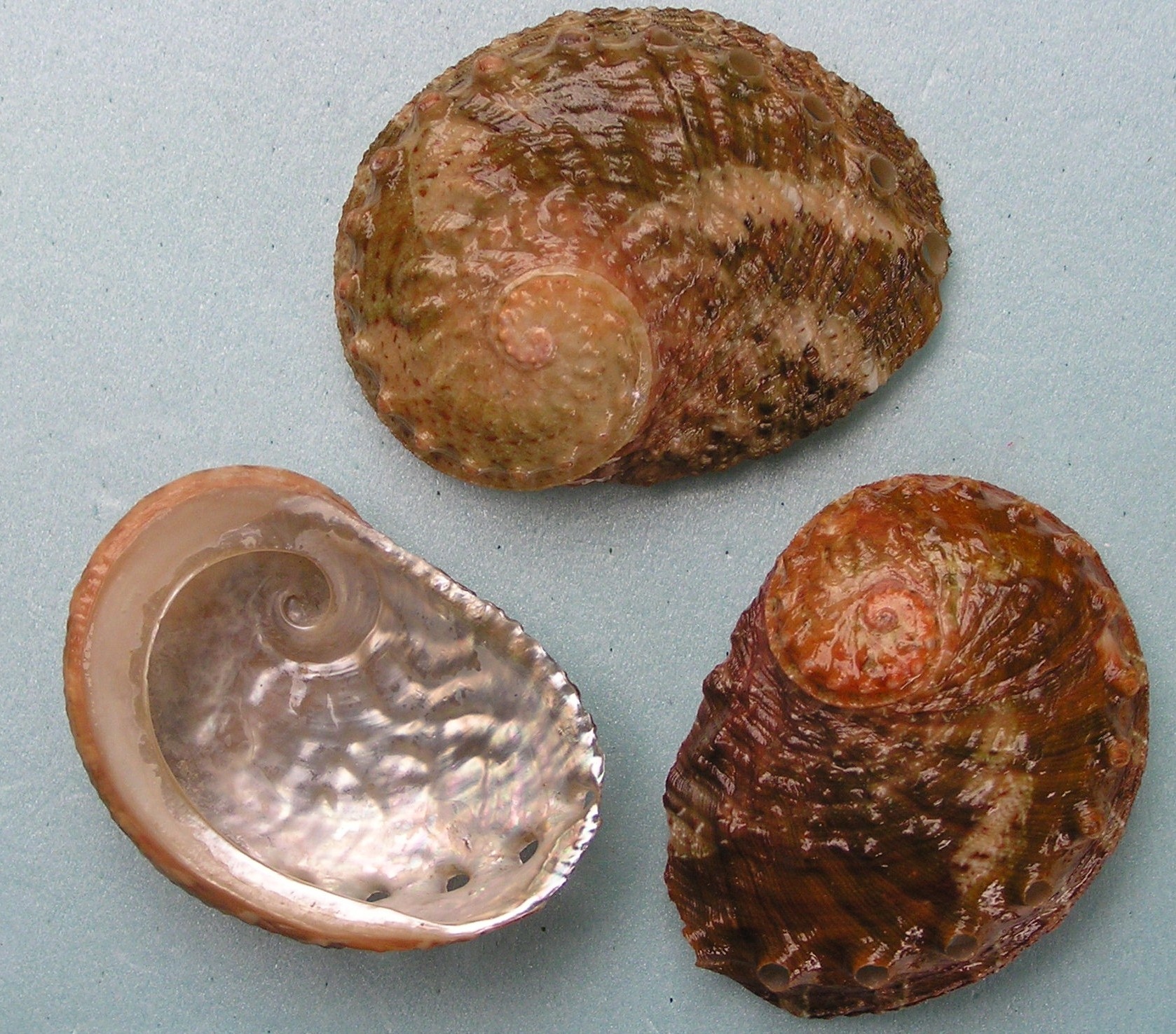 Sheep's ear abalone0%
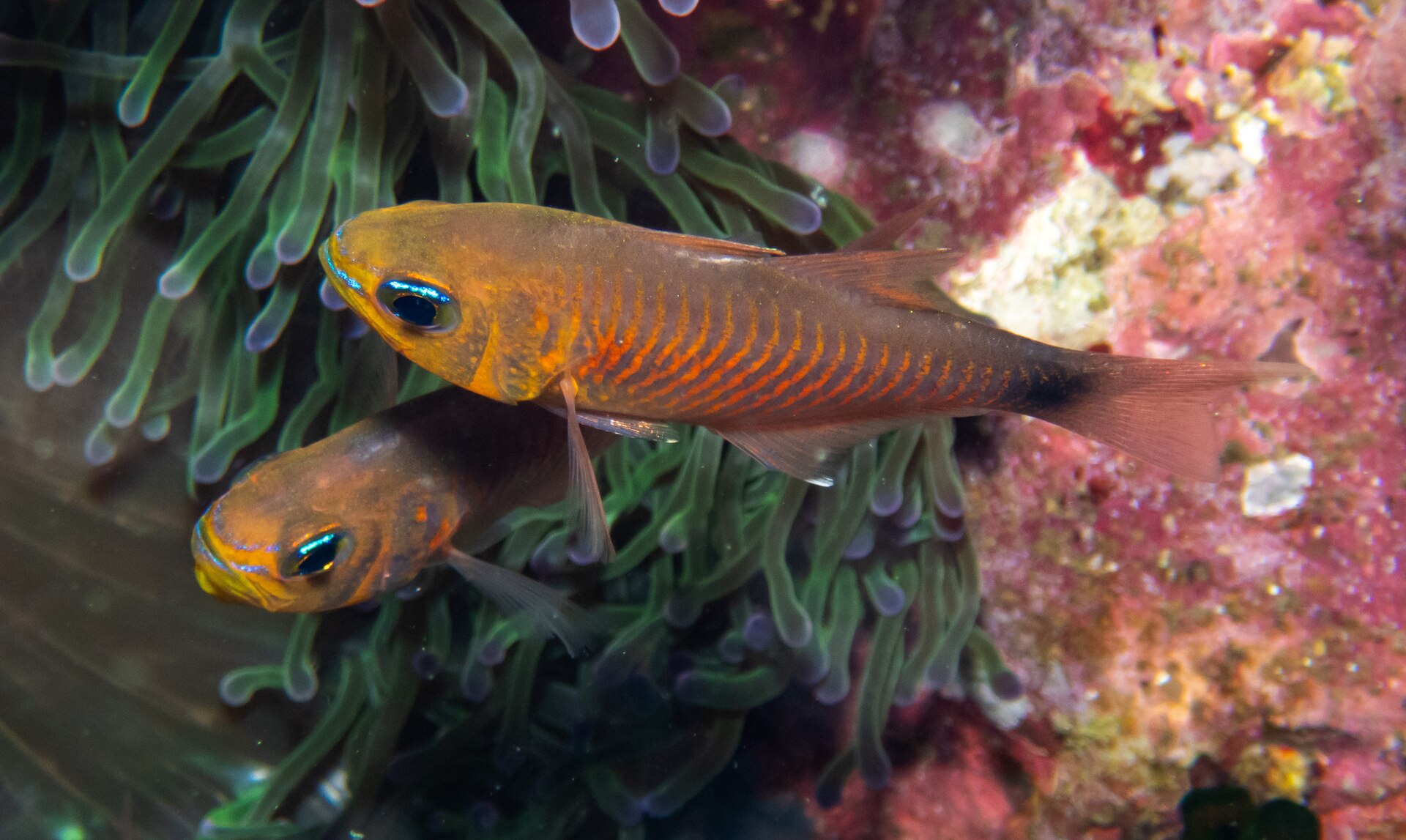 Orangelined cardinalfish0%
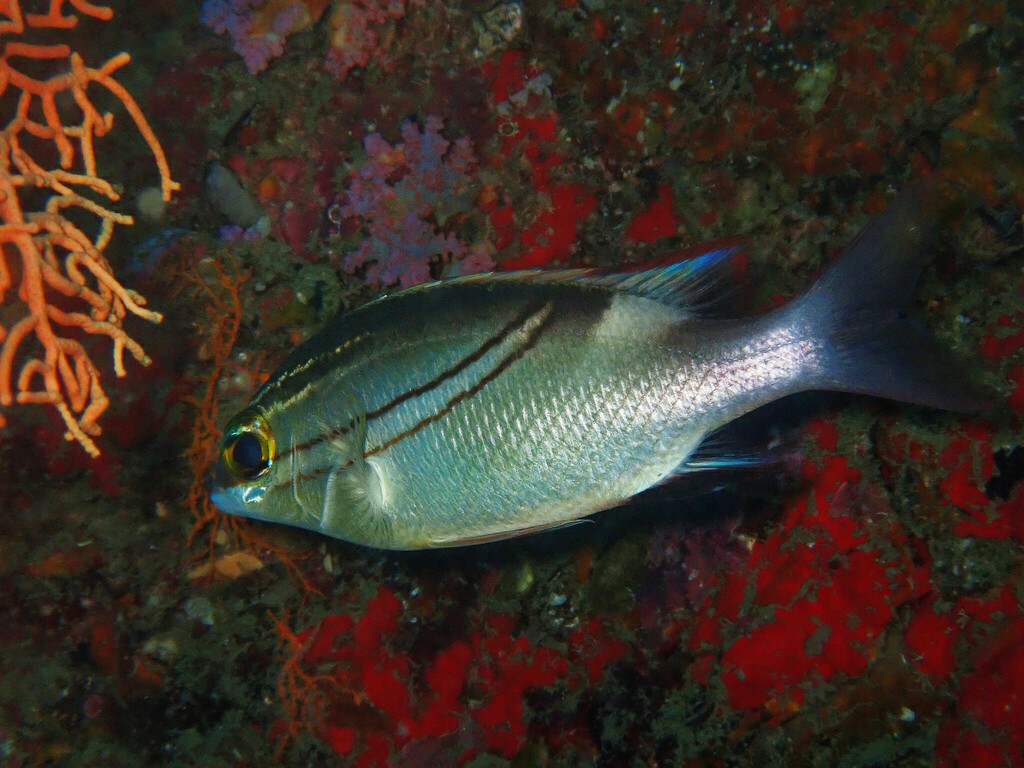 Bridled Monocle Bream0%
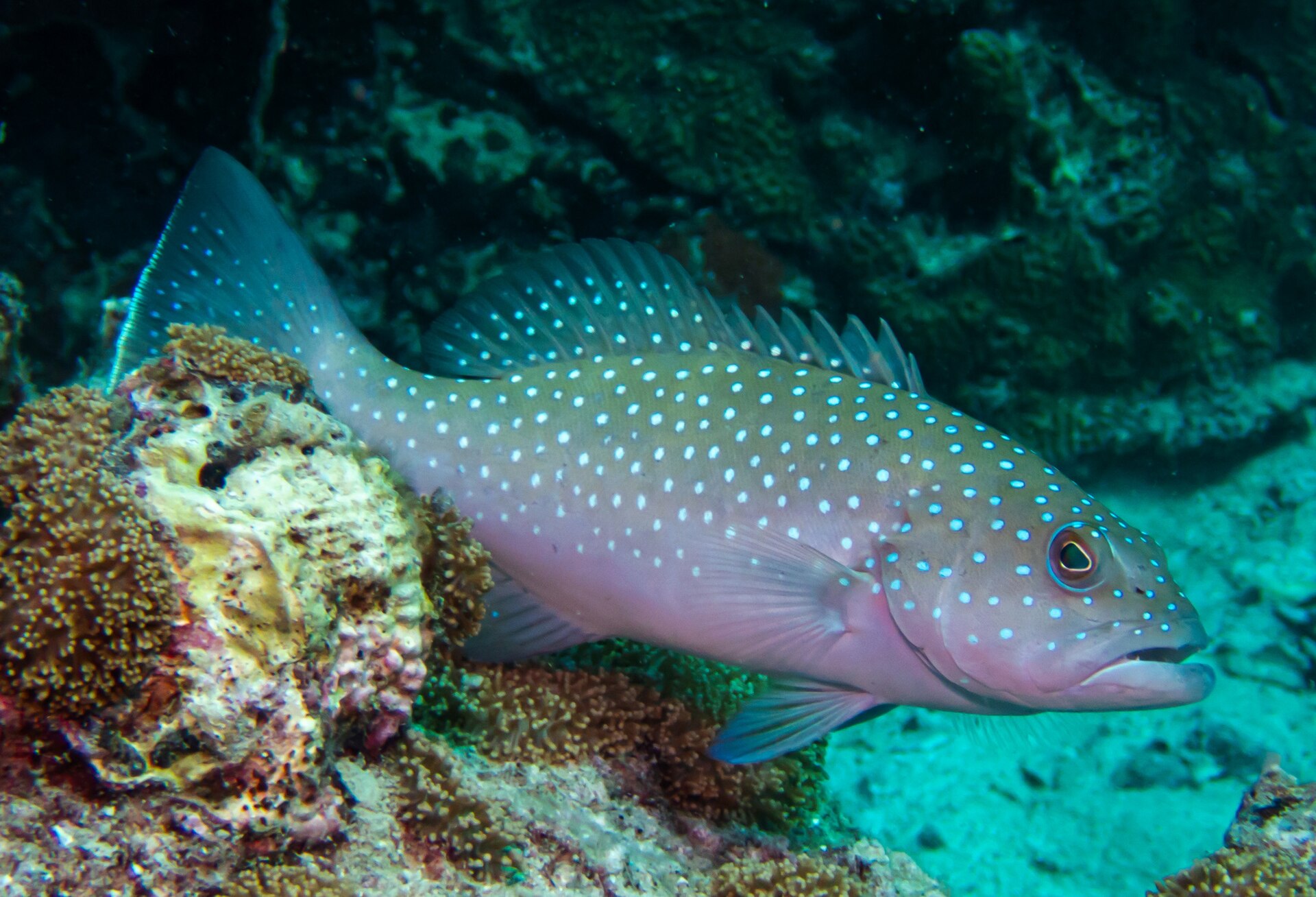 Leopard Coralgrouper0%
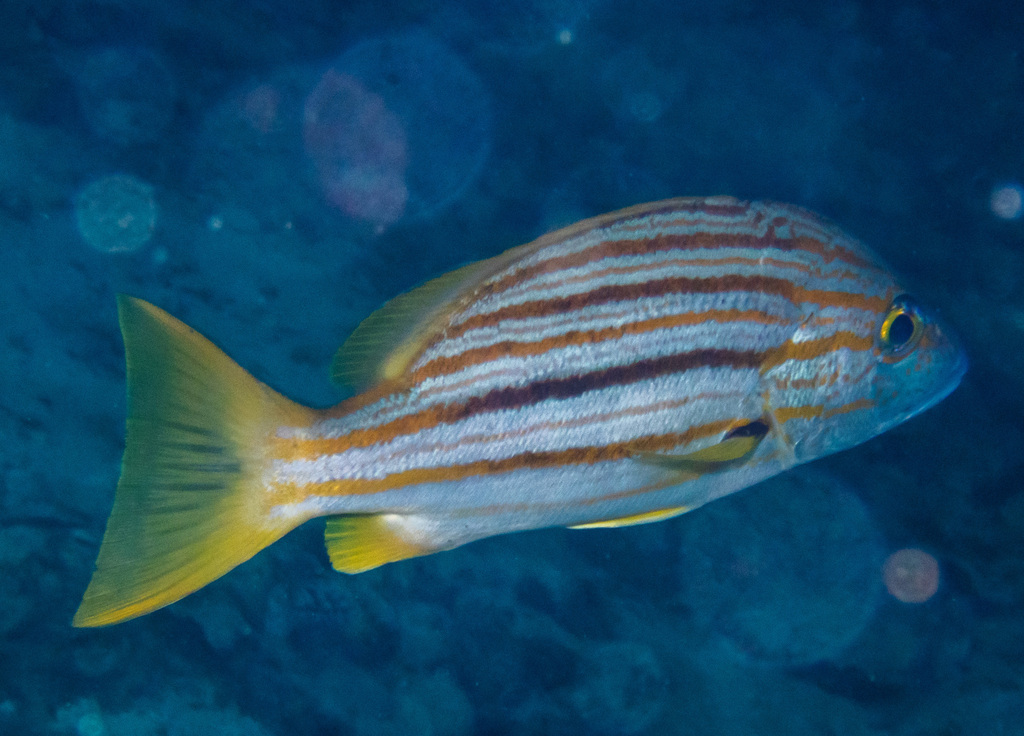 Spanish Flag Snapper0%
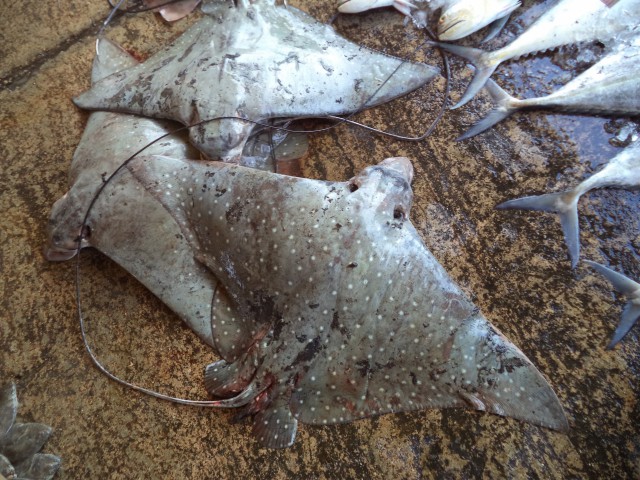 Ocellated Eagle Ray0%
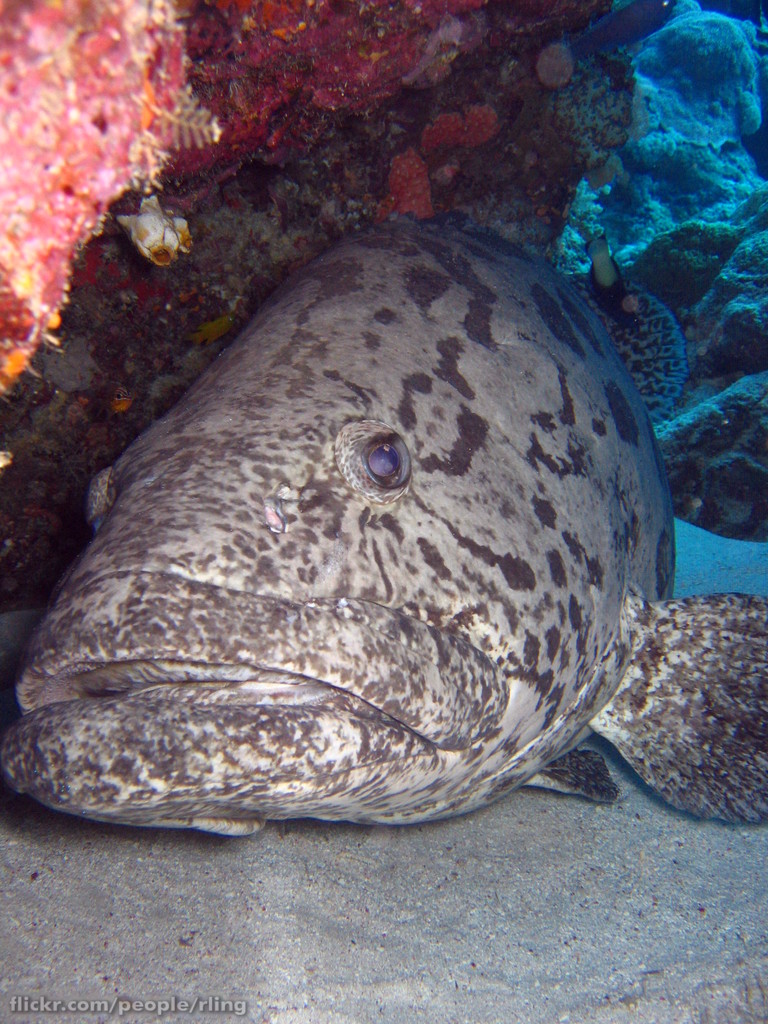 Potato Grouper0%
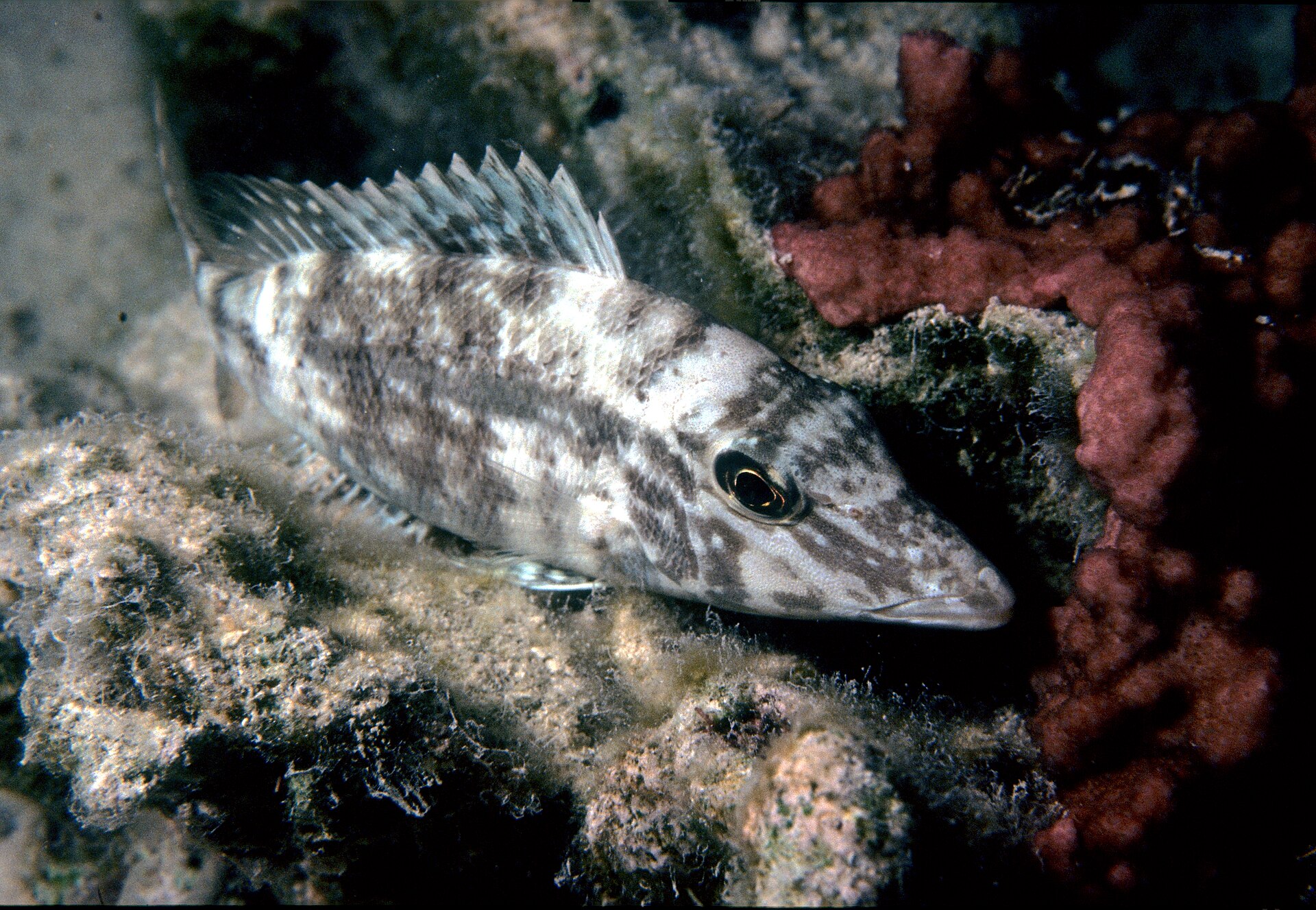 Smalltooth emperor0%
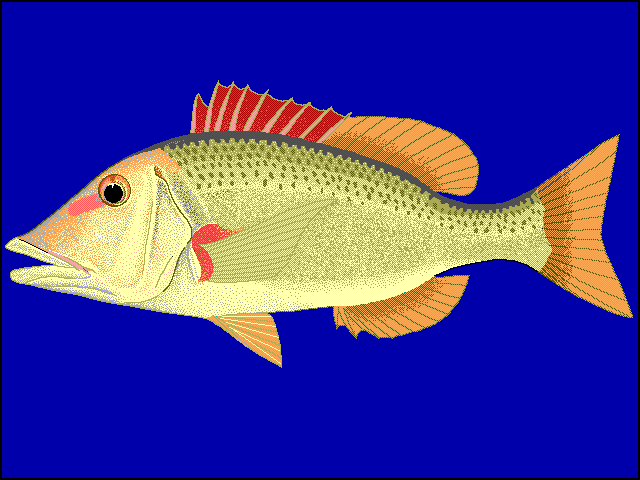 Longnose Emperor0%
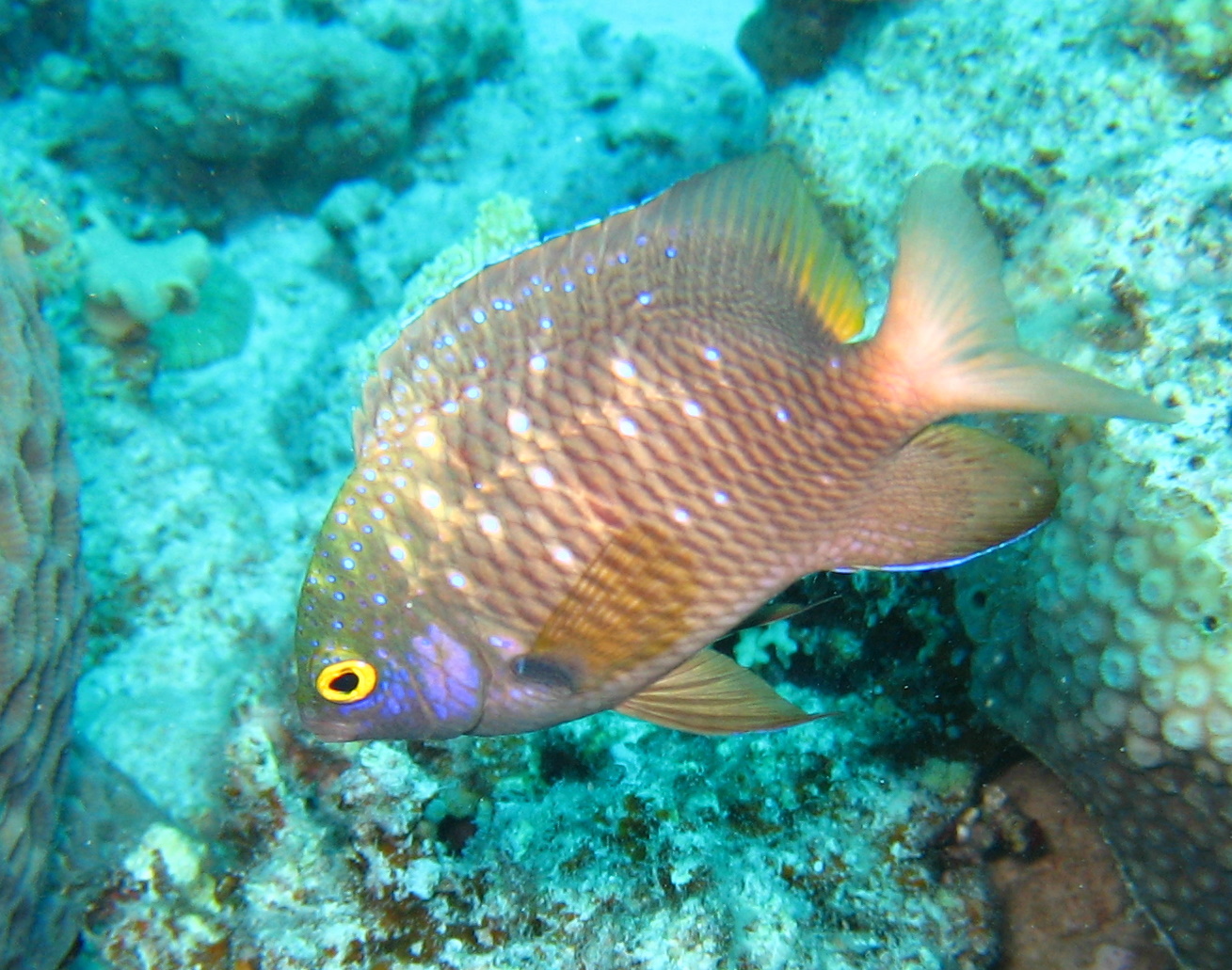 Plectroglyphidodon lacrymatus0%
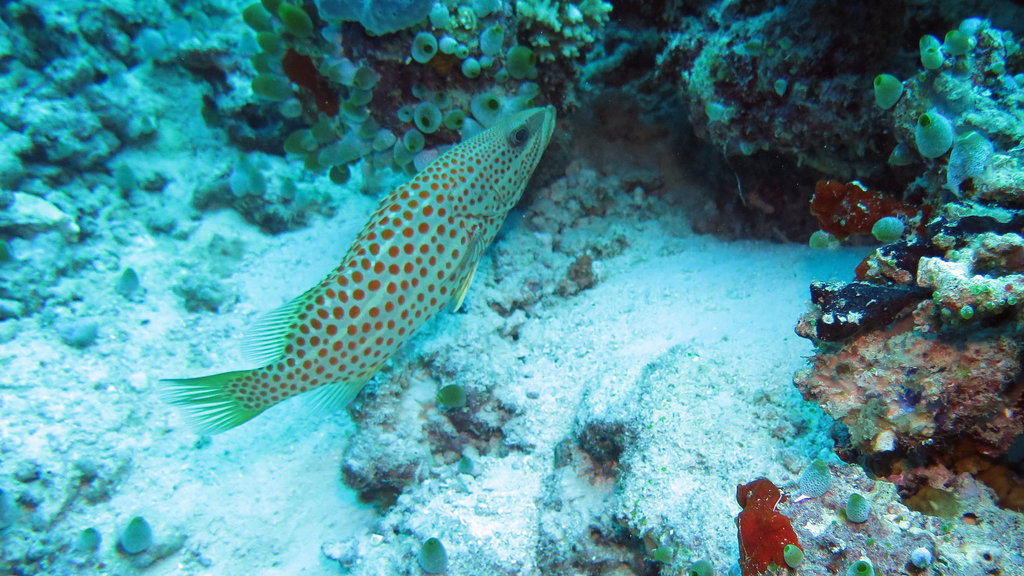 Whitelined Cod0%
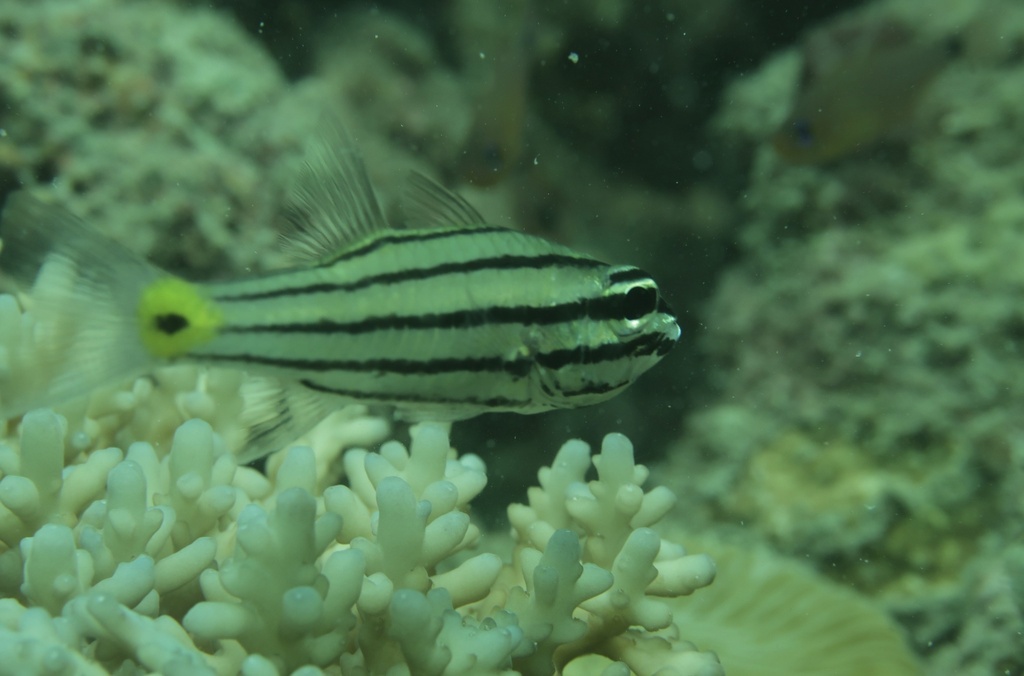 Fiveline Cardinalfish0%
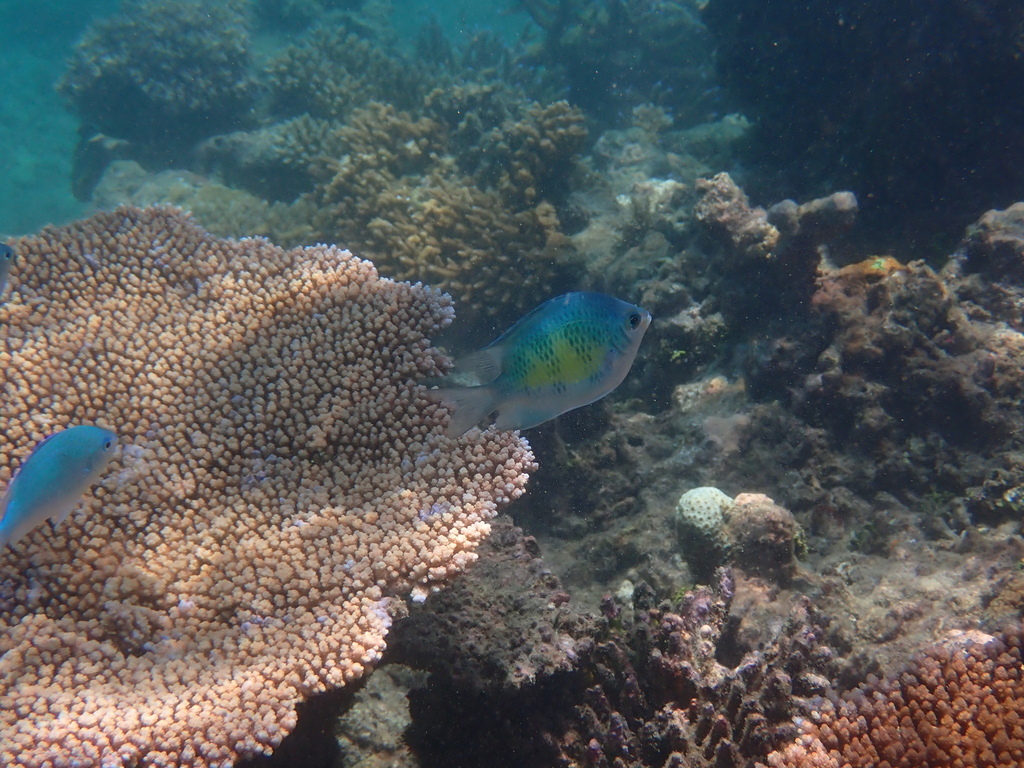 Staghorn Damsel0%
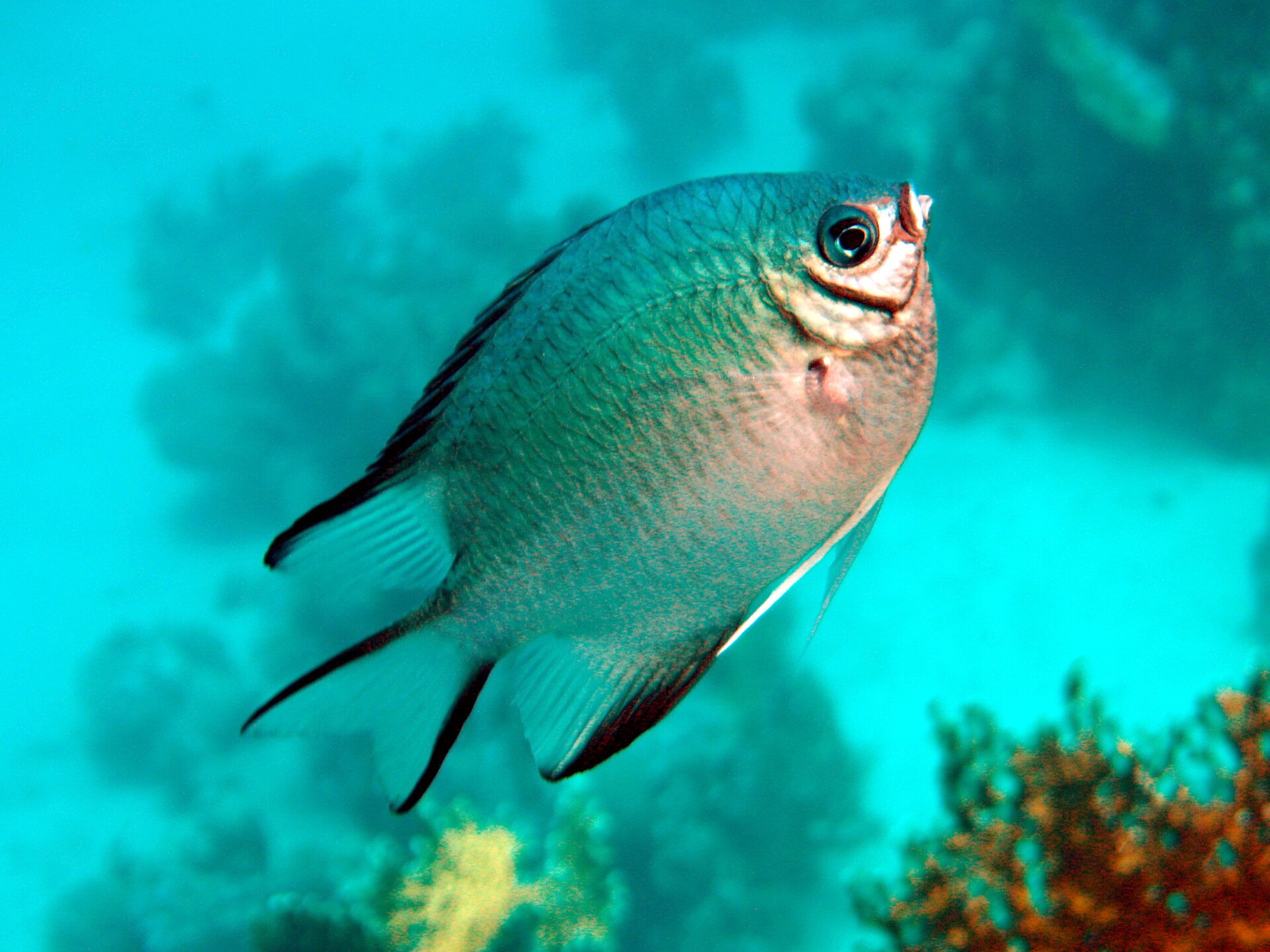 Whitebelly damsel0%
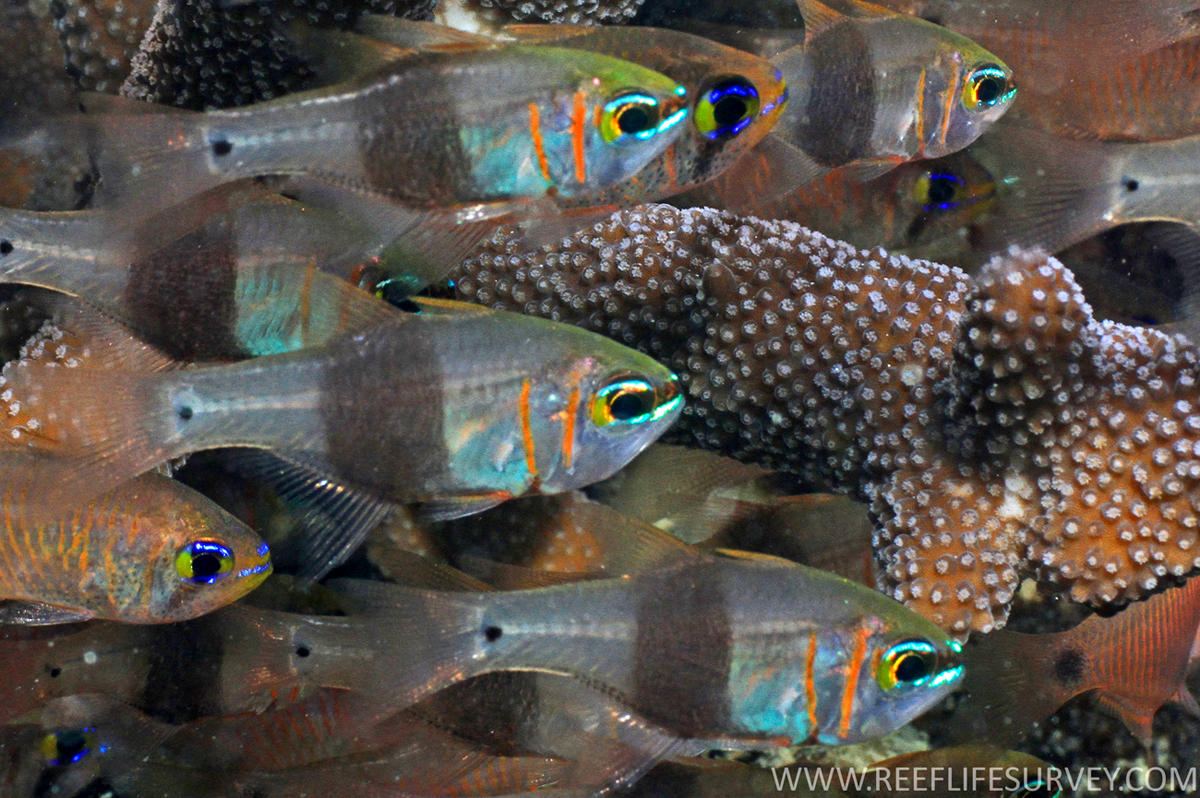 Girdled cardinalfish0%
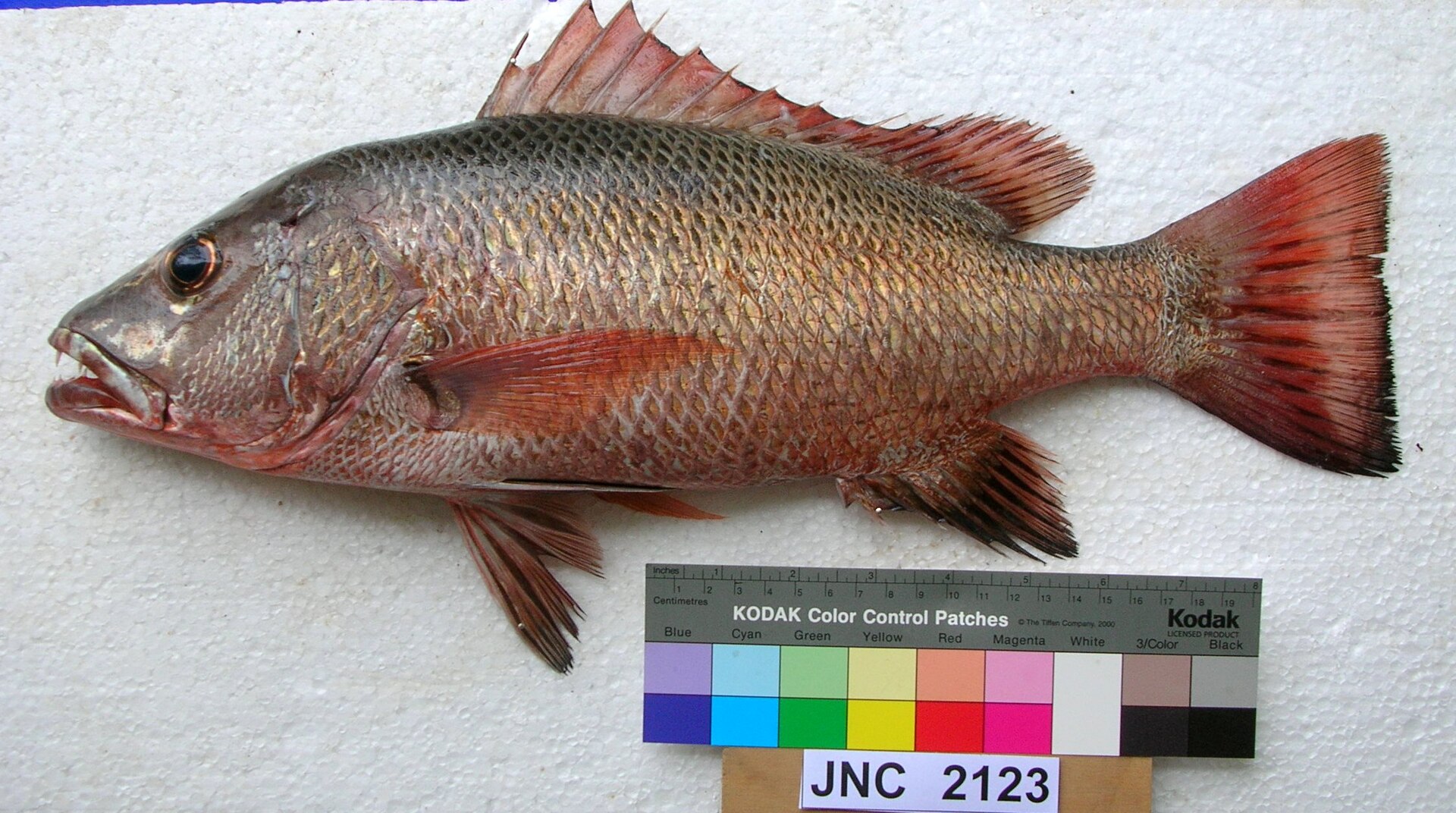 Mangrove red snapper0%
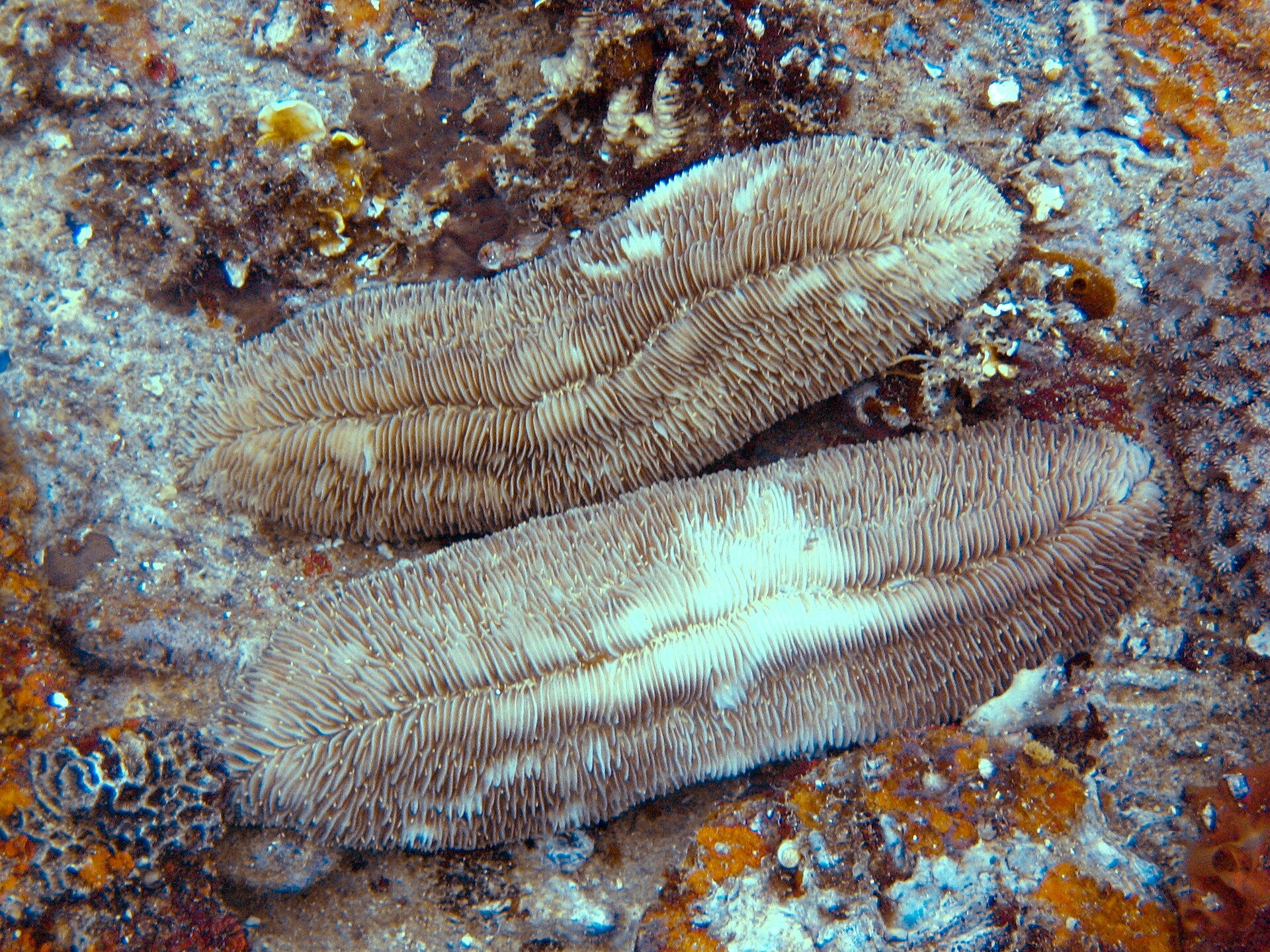 Tongue Coral0%
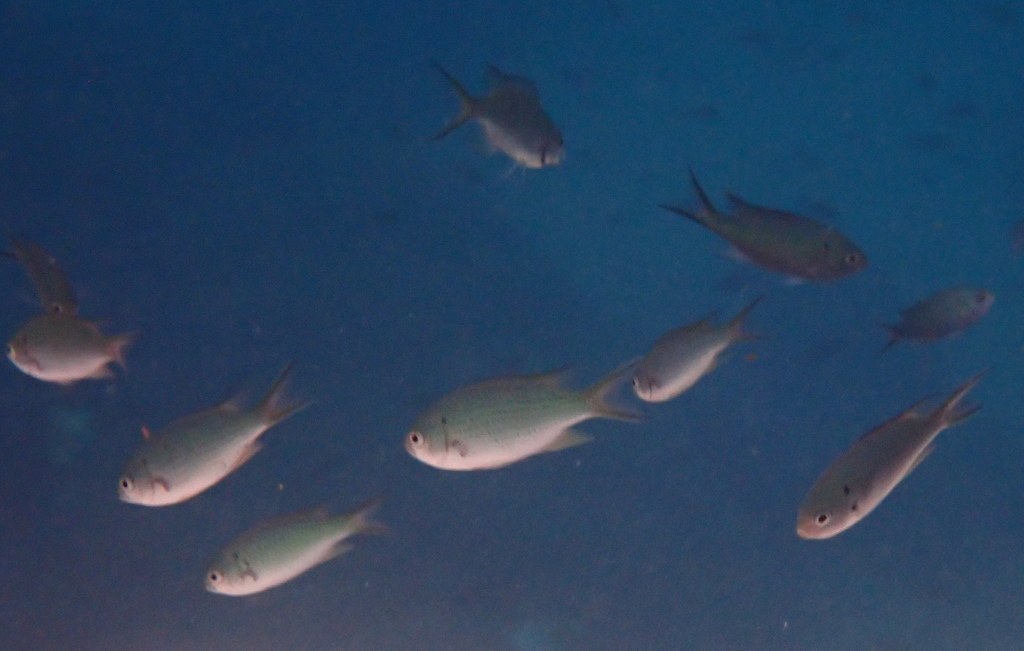 Silver Demoiselle0%
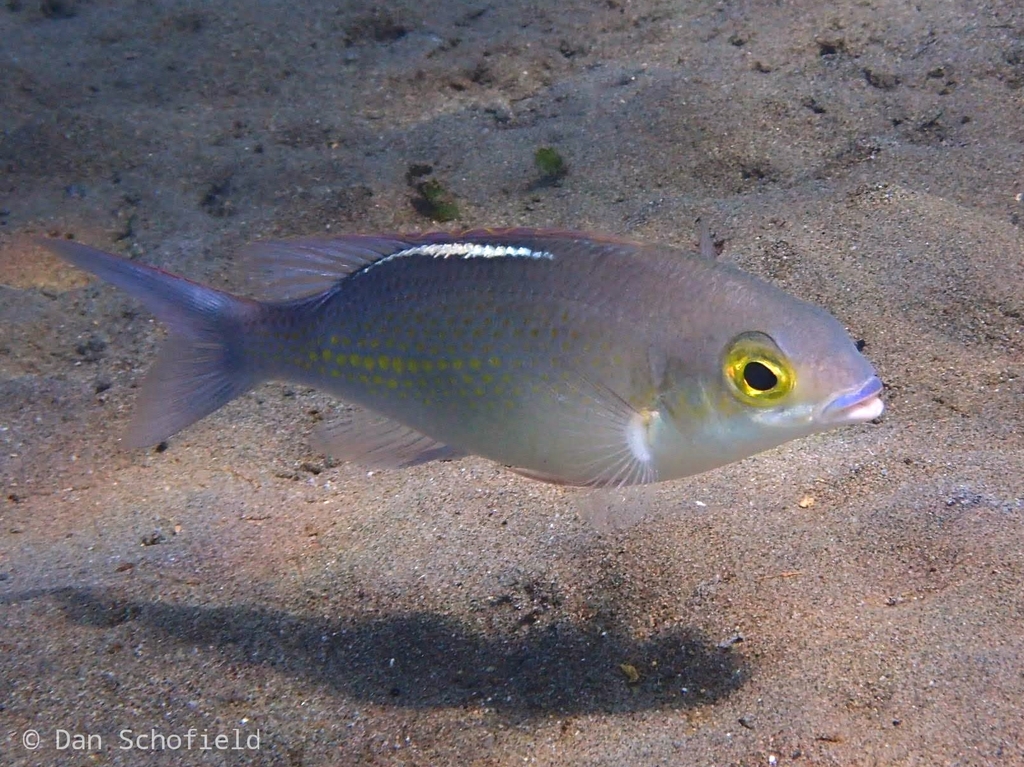 Whitestreak Monocle Bream0%
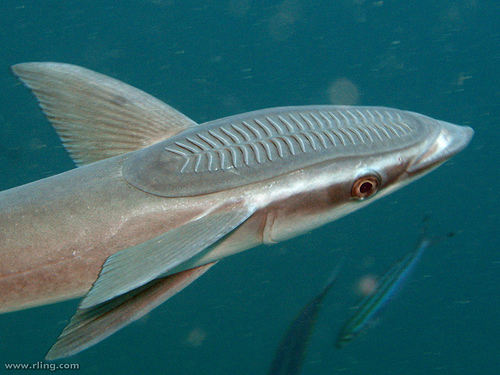 Shark Remora0%
 Topsail drummer0%
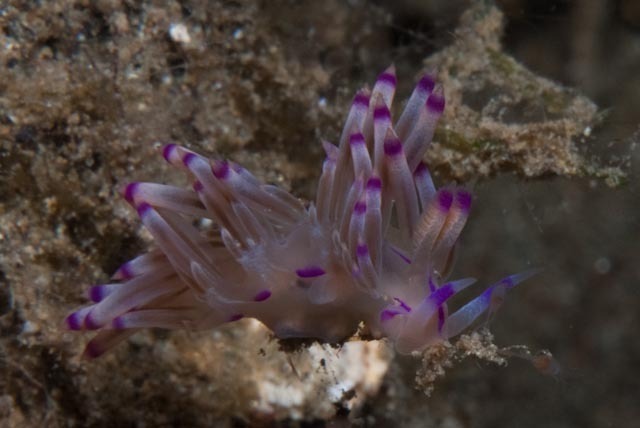 Coryphellina lotos0%
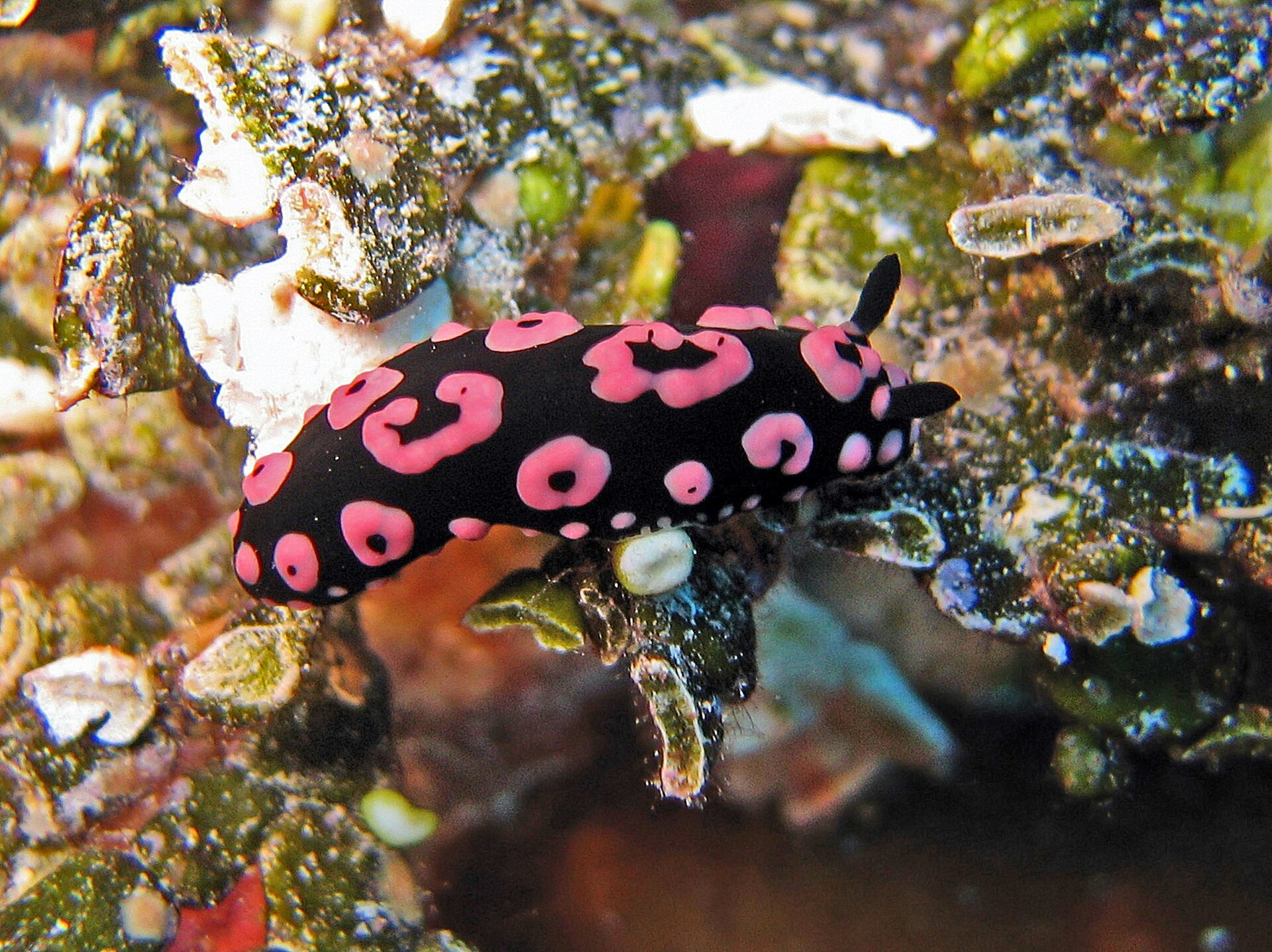 Phyllidiella annulata0%
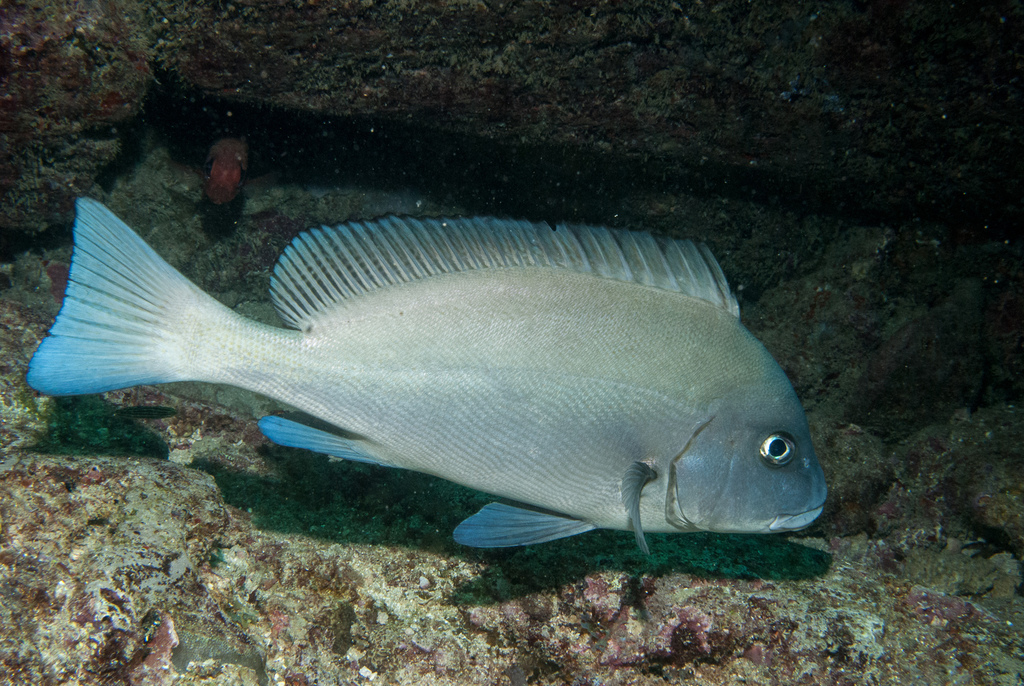 Painted sweetlips0%
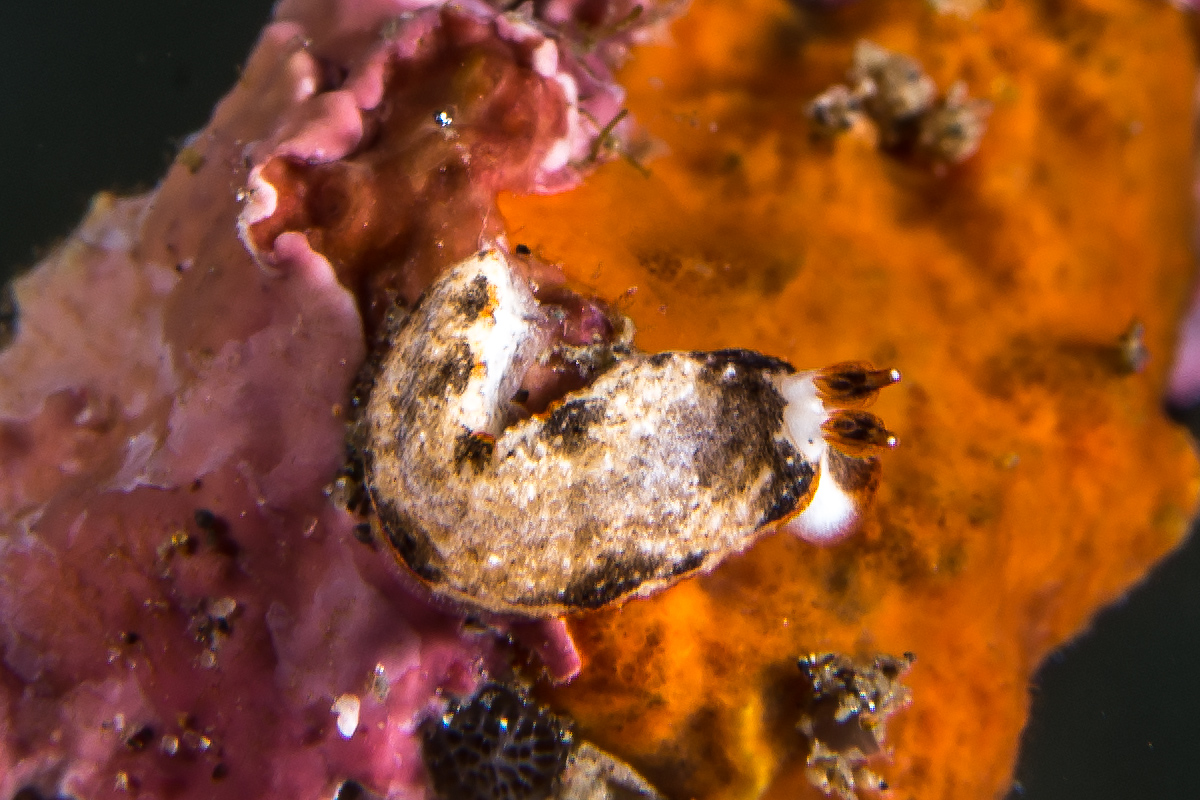 Dermatobranchus fortunatus0%
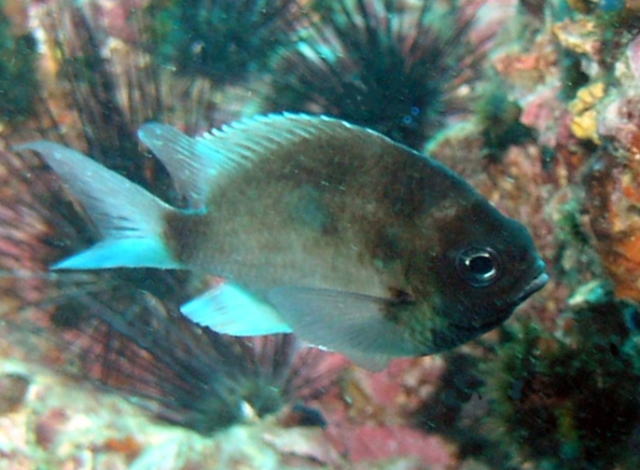 Green Chromis0%
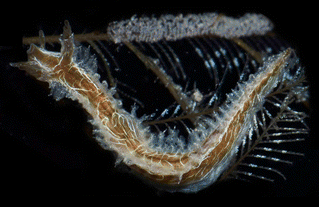 Hydroid Lomanotus0%
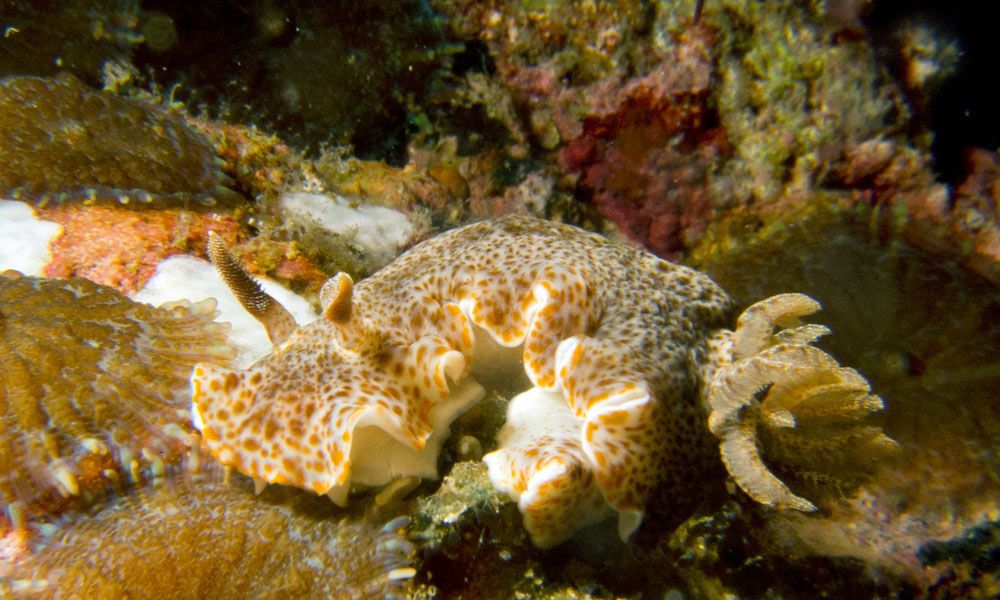 Chromodoris mandapamensis0%
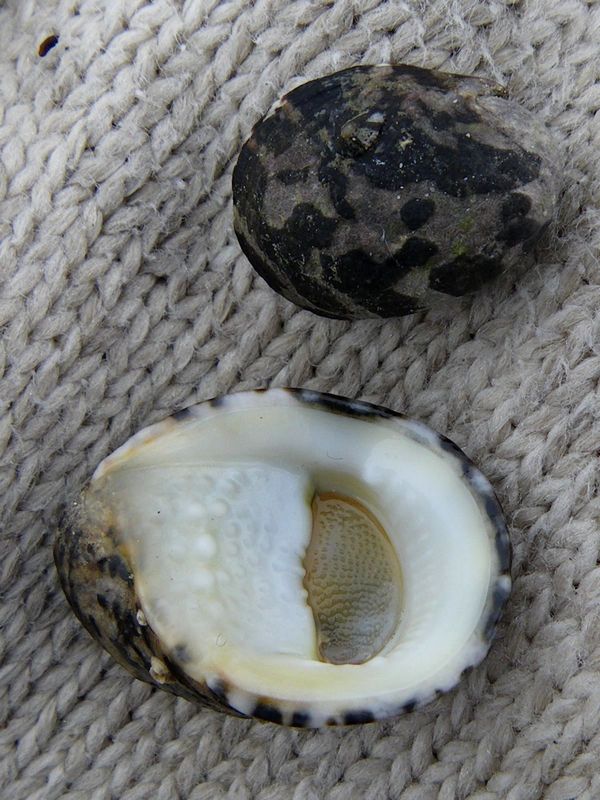 Blotched Nerite0%
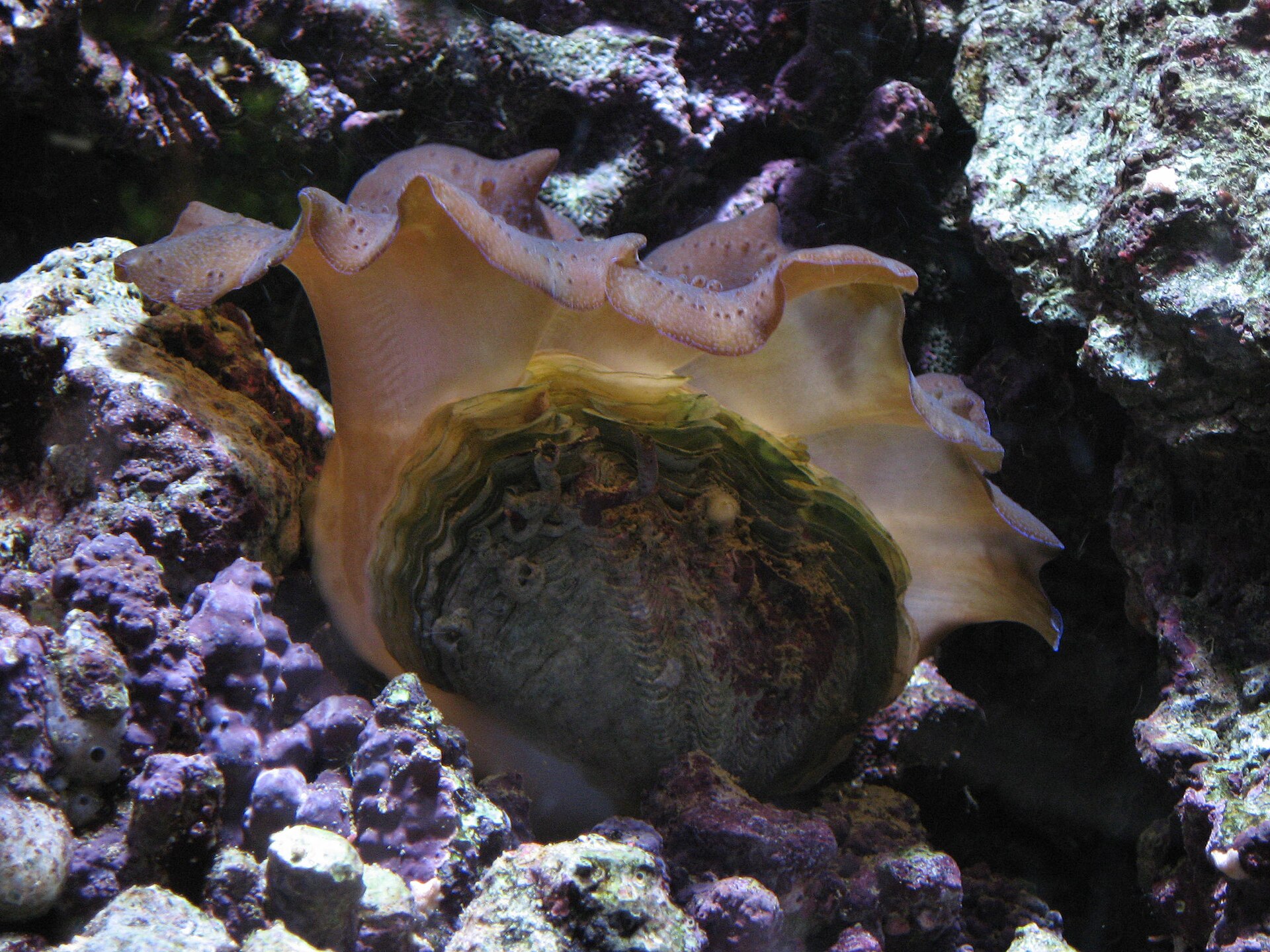 Saffron-coloured Clam0%
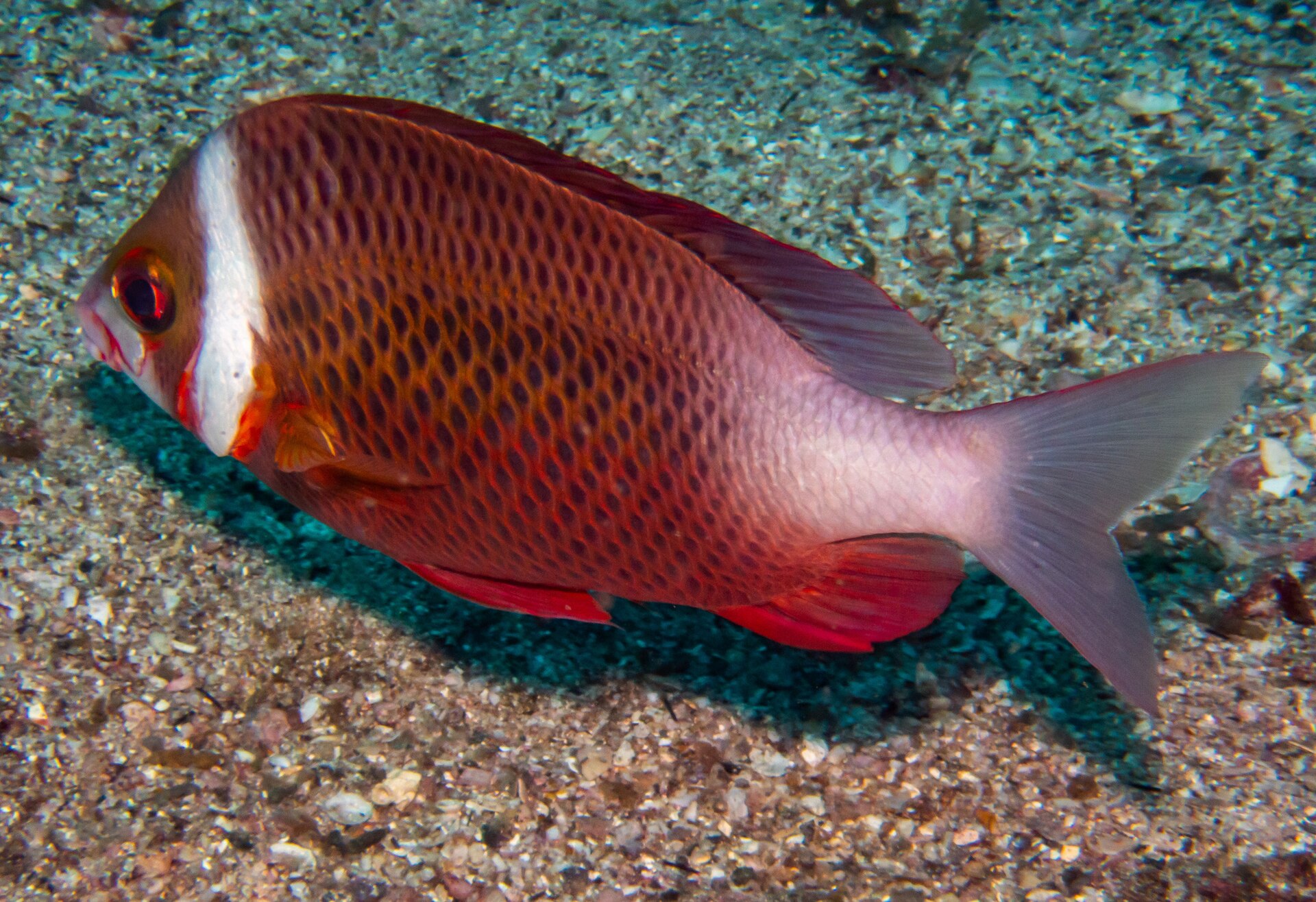 Whitecheek Monocle Bream0%
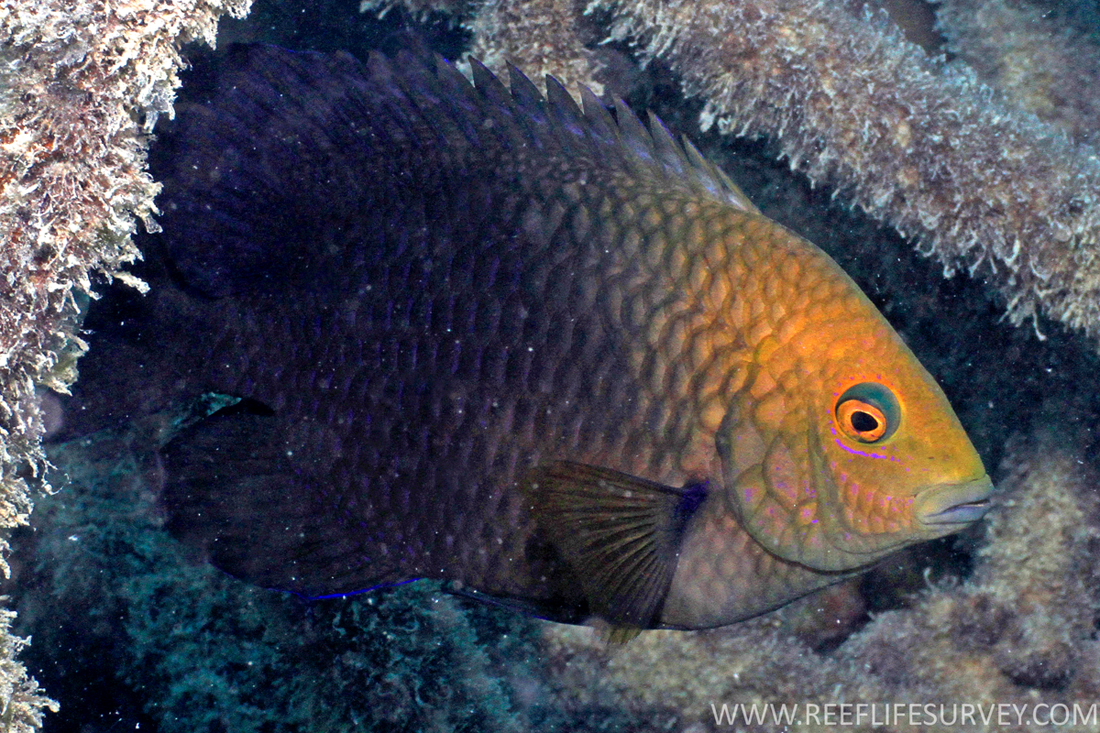 Lagoon Damsel0%
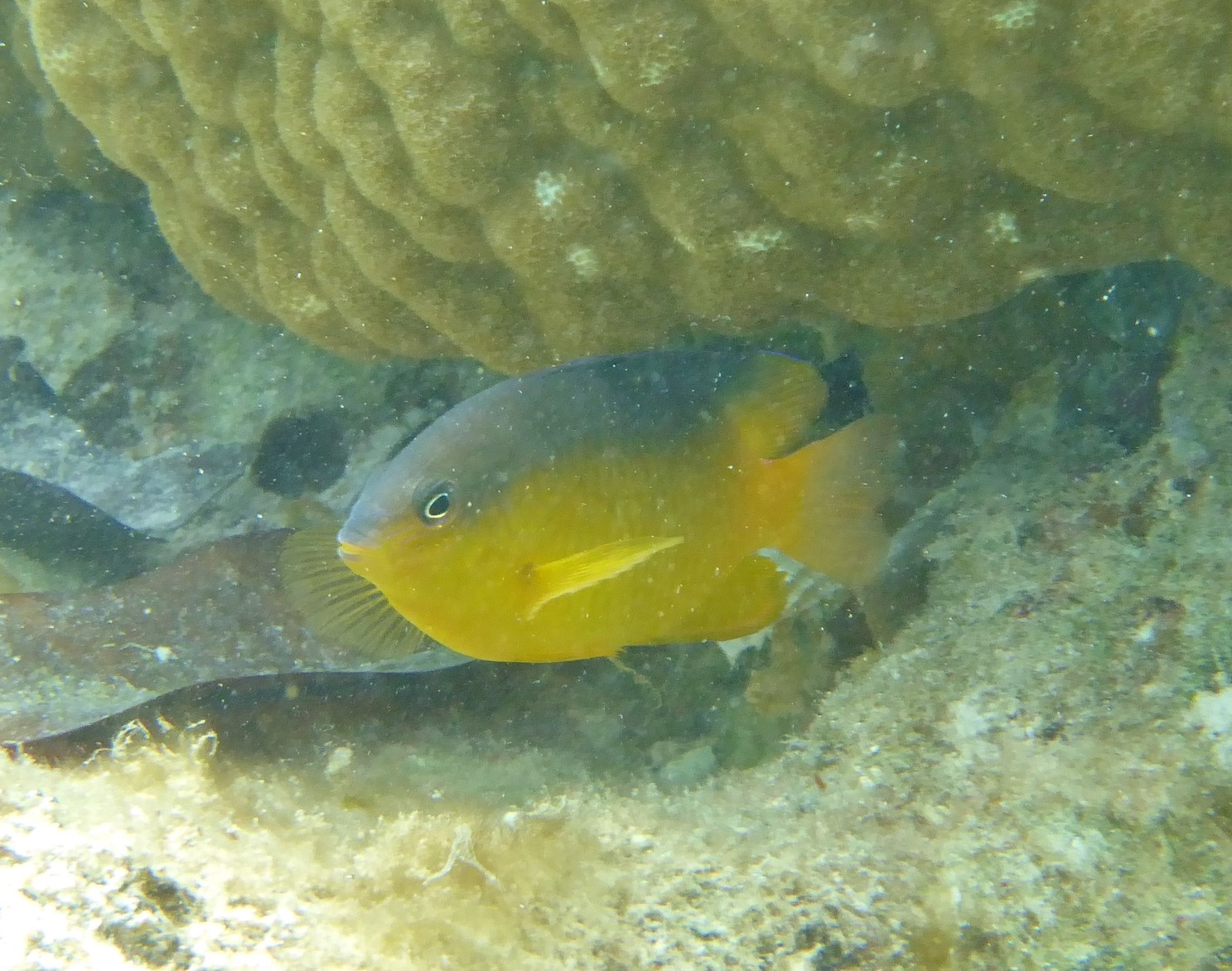 Blueback Damselfish0%
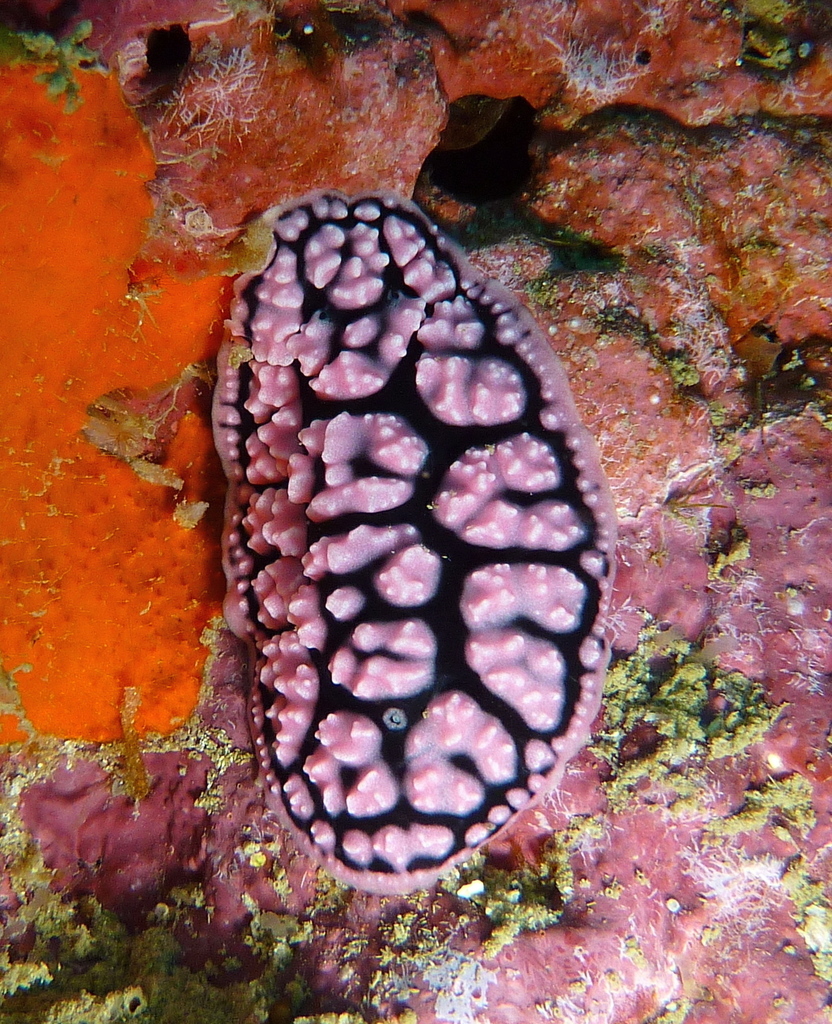 Pustulose Wart Slug0%
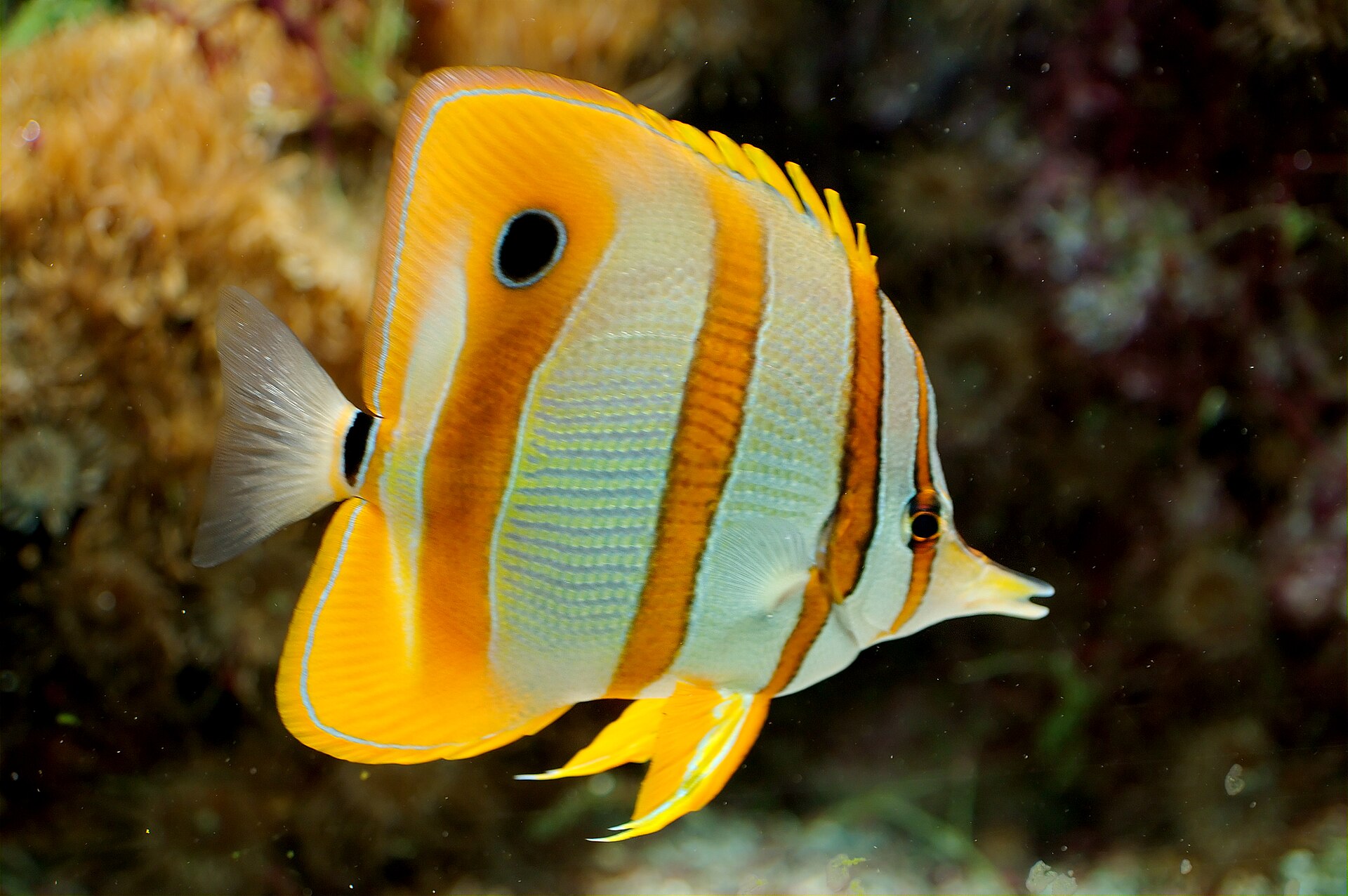 Copperband Butterflyfish0%
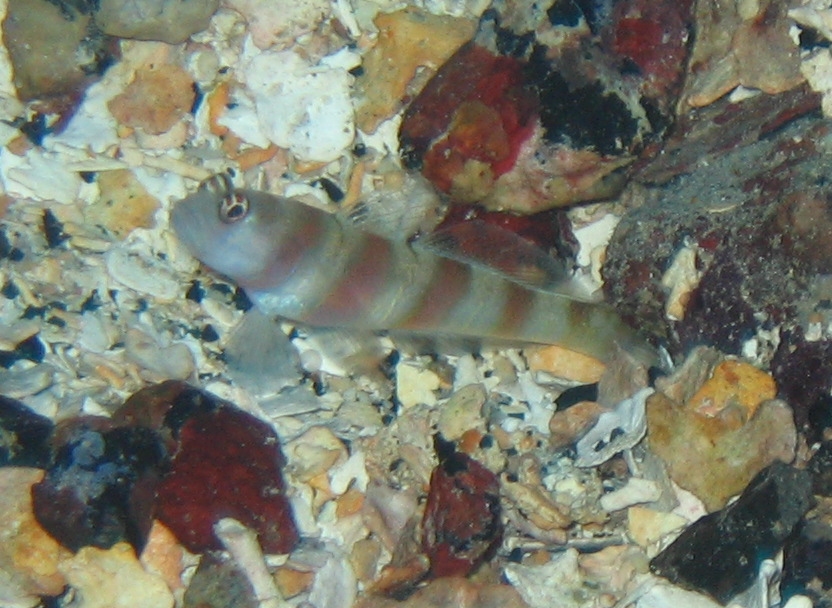 Steinitz's Shrimpgoby0%
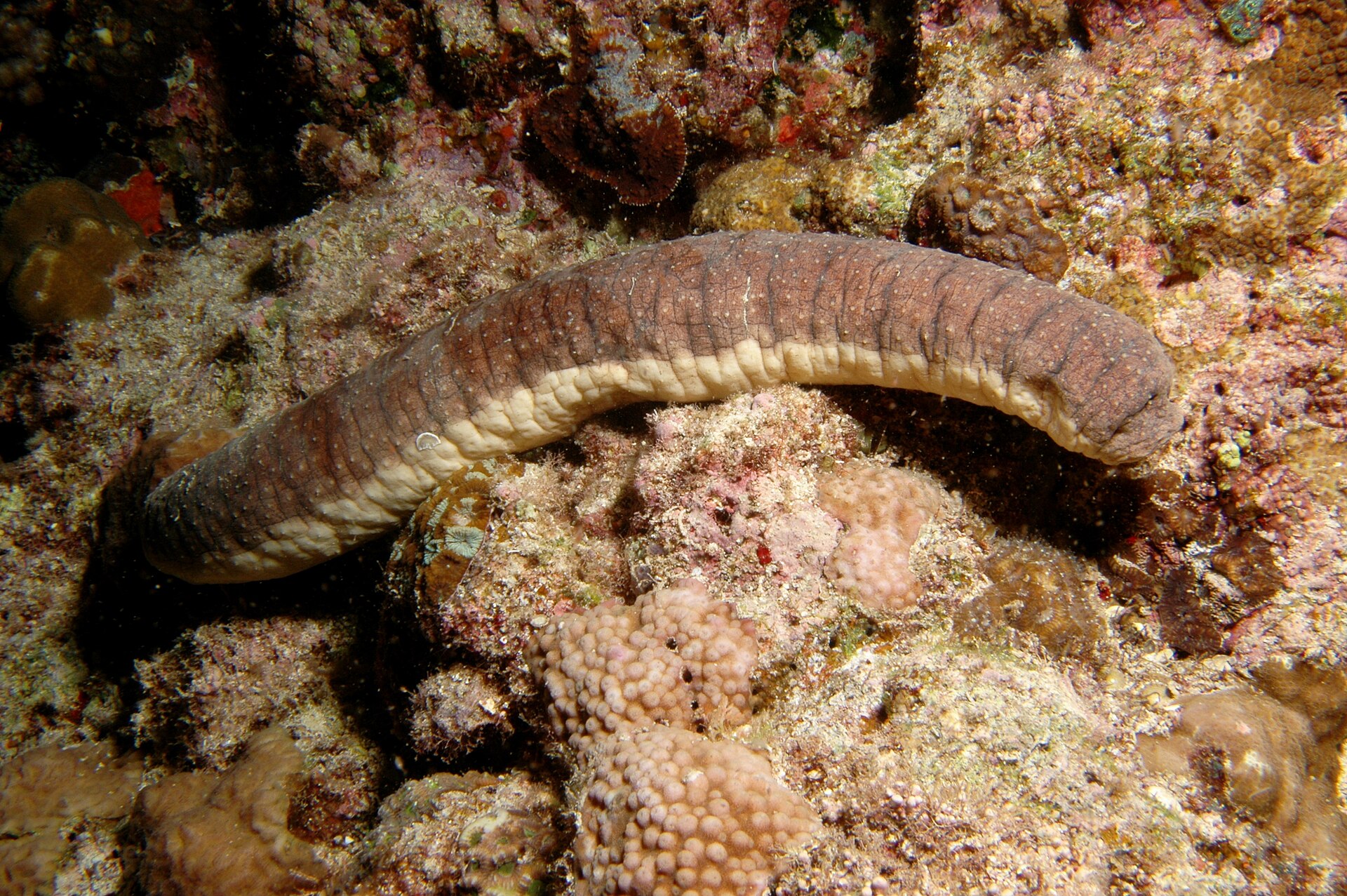 Pinkfish0%
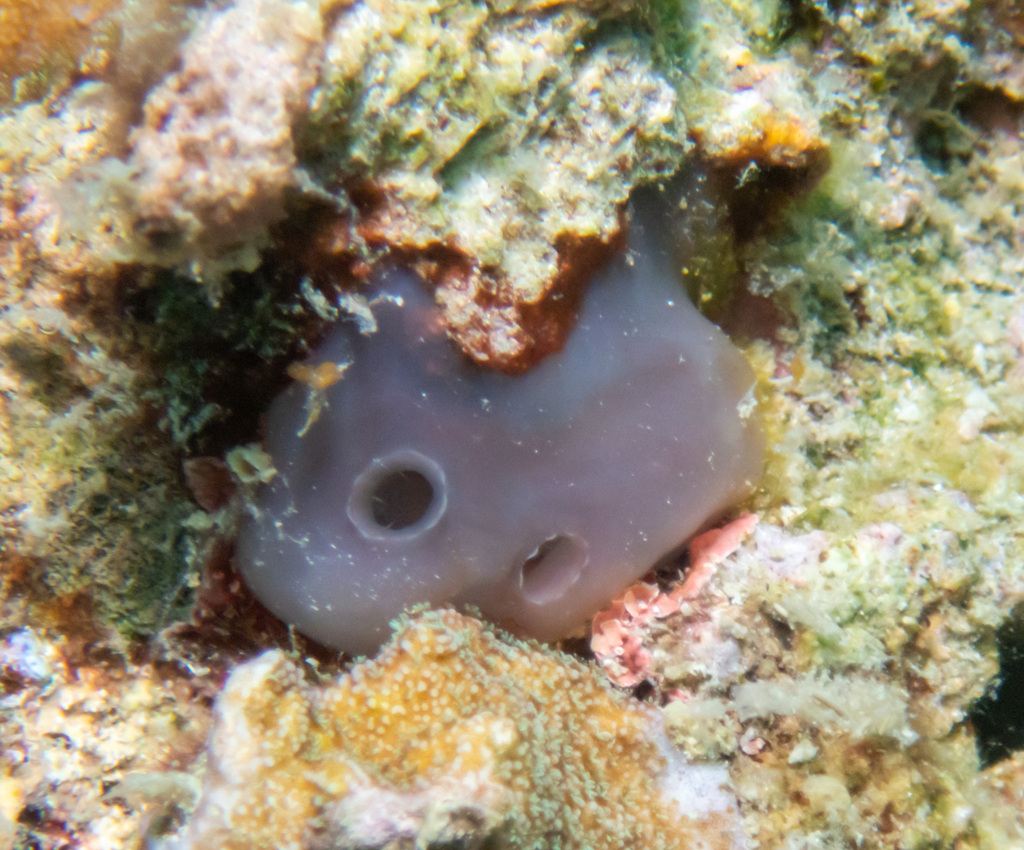 Phallusia arabica0%
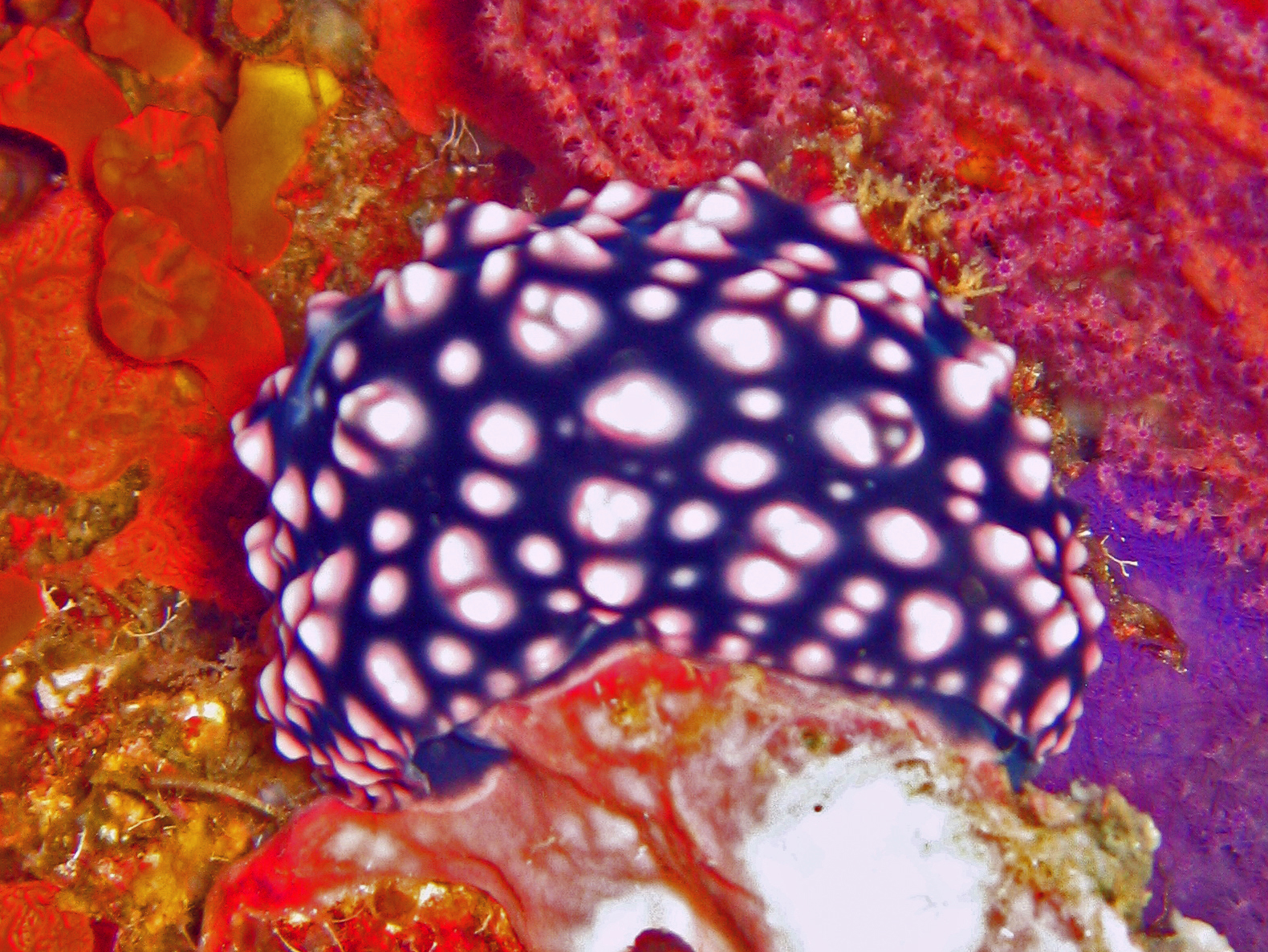 Phyllidiella nigra0%
 Freckled Hind0%
- Maiazoon orsaki0%
 Yellowtail tubelip0%
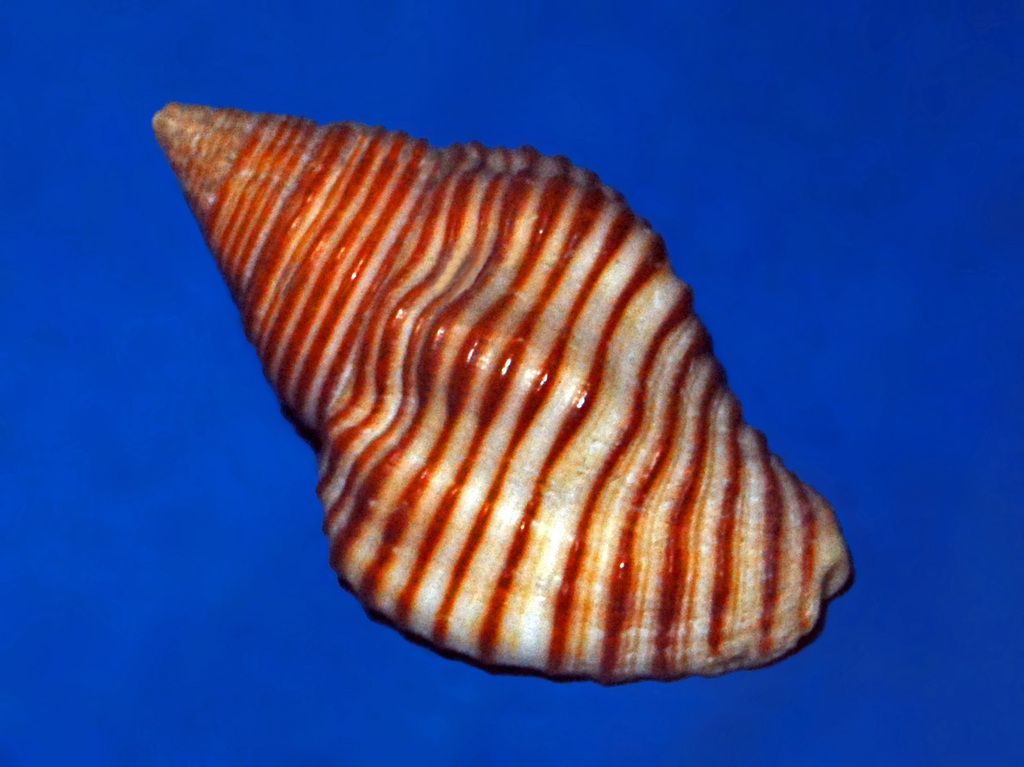 Waved goblet0%
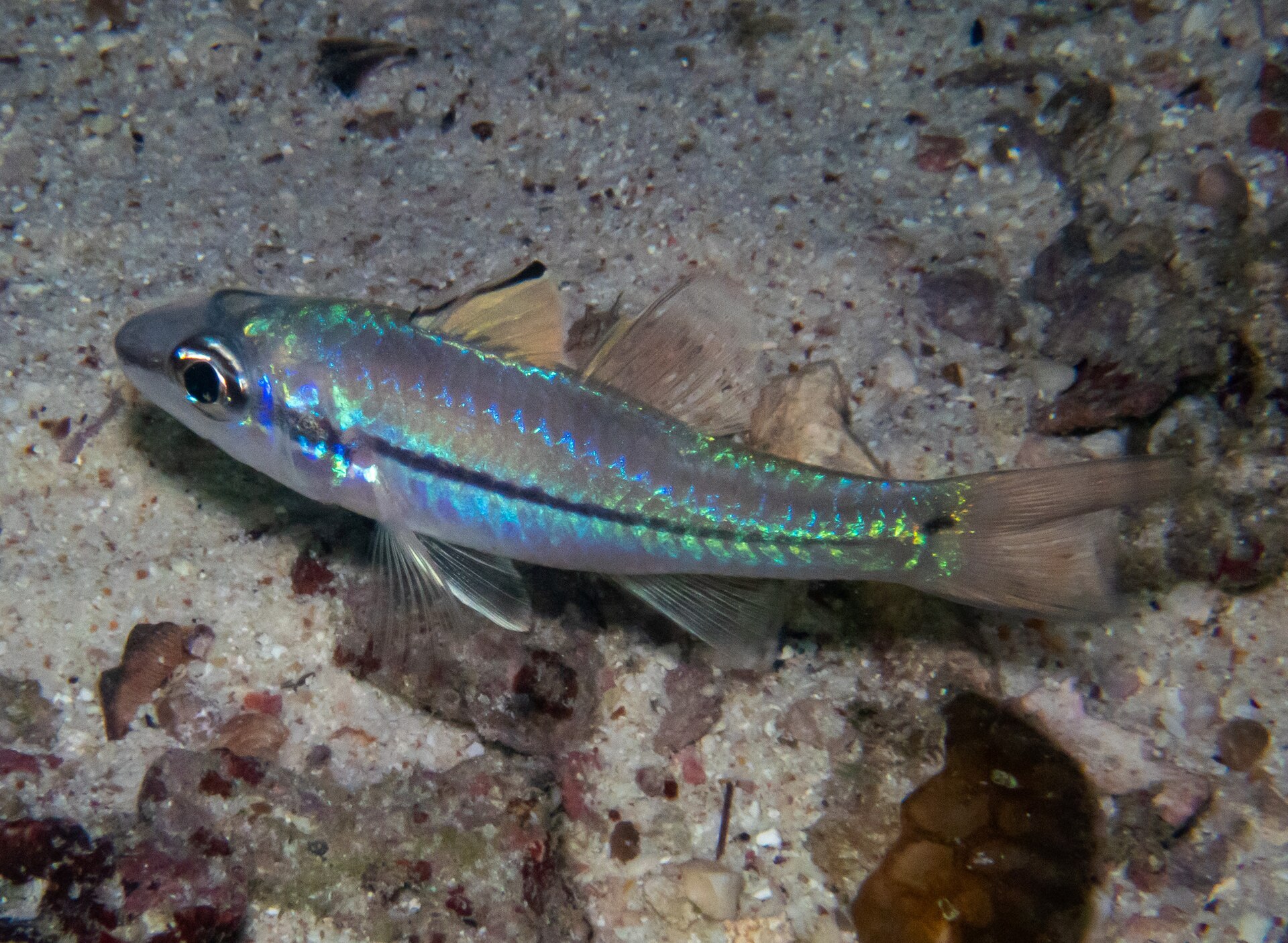 Oneline Cardinalfish0%
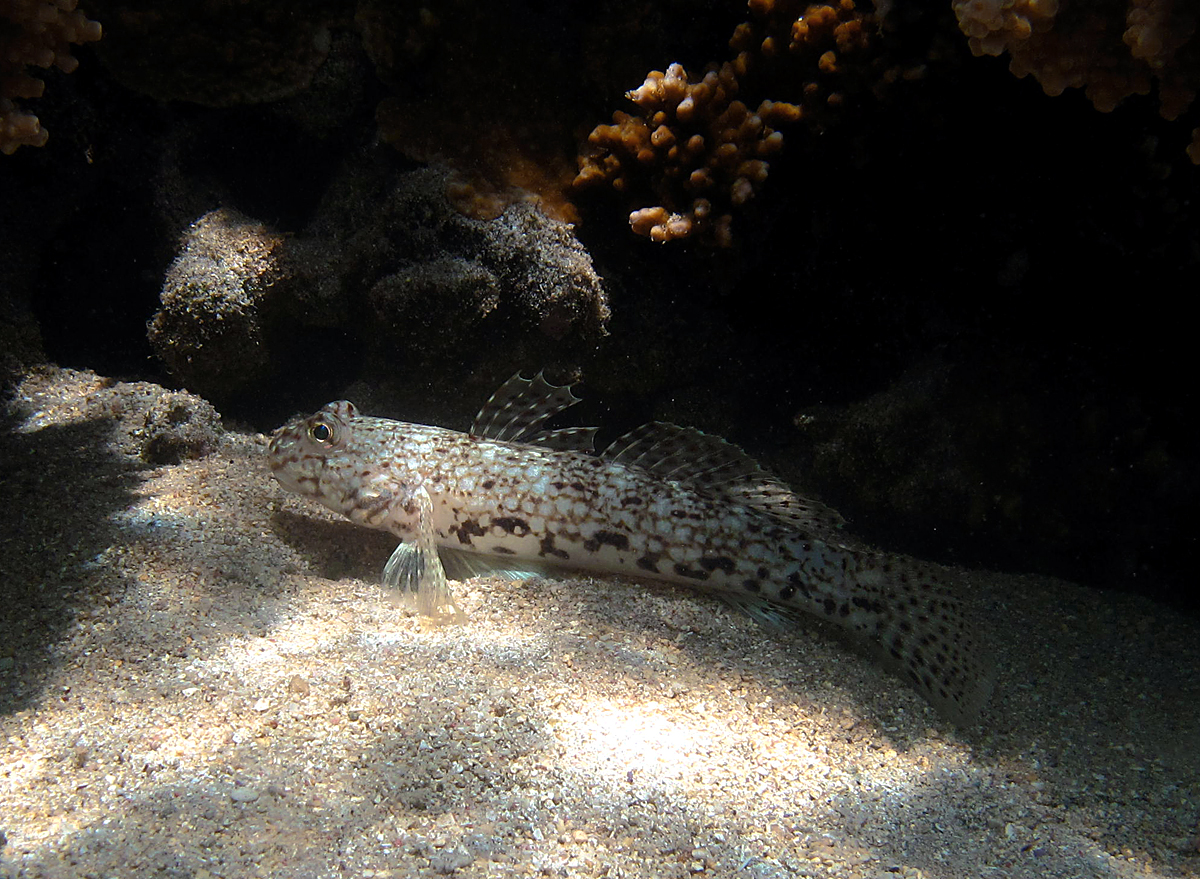 Decorated sandgoby0%
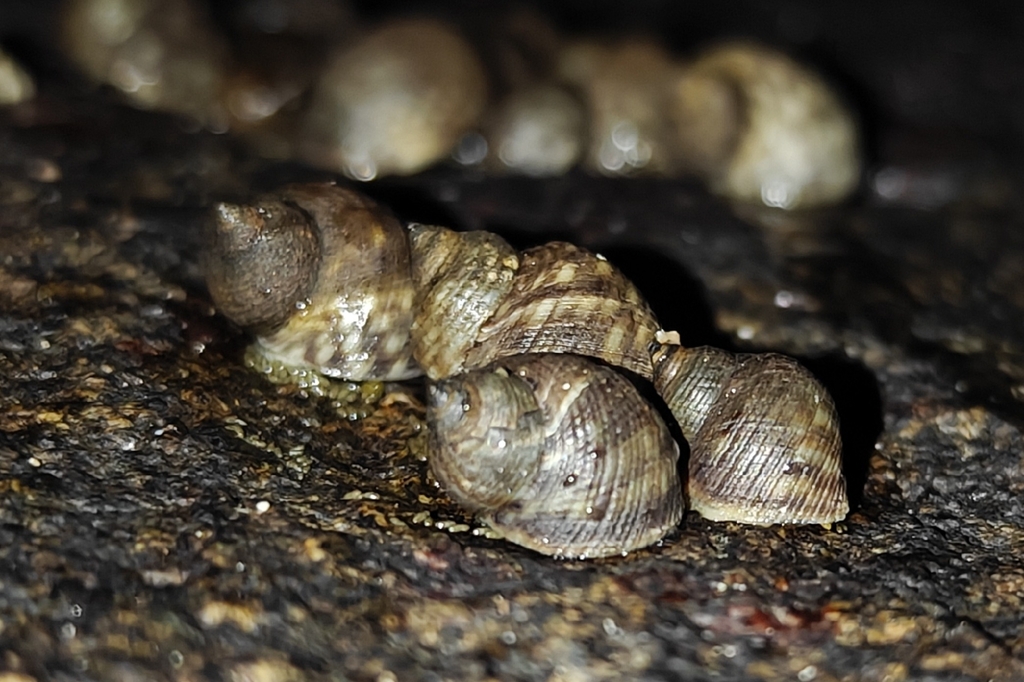 Common Granulate Periwinkle0%
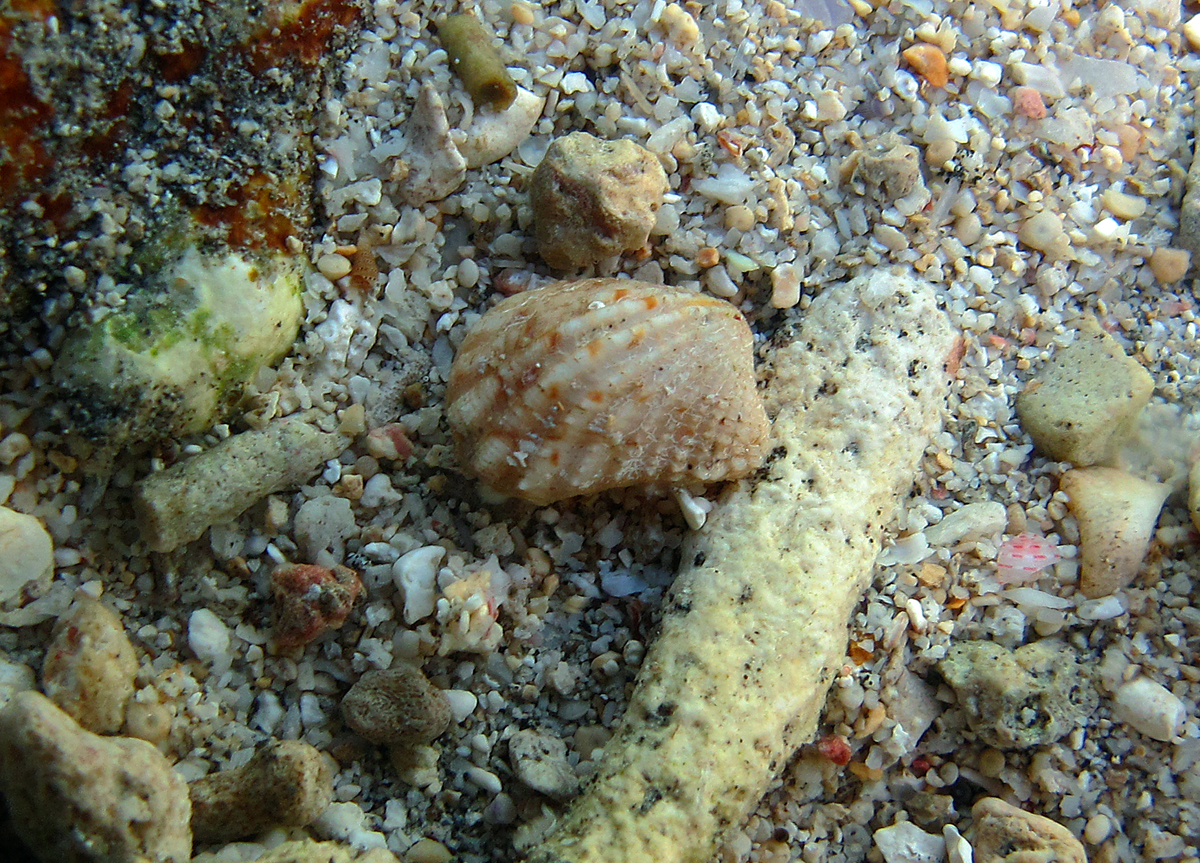 Rectangular False Cockle0%
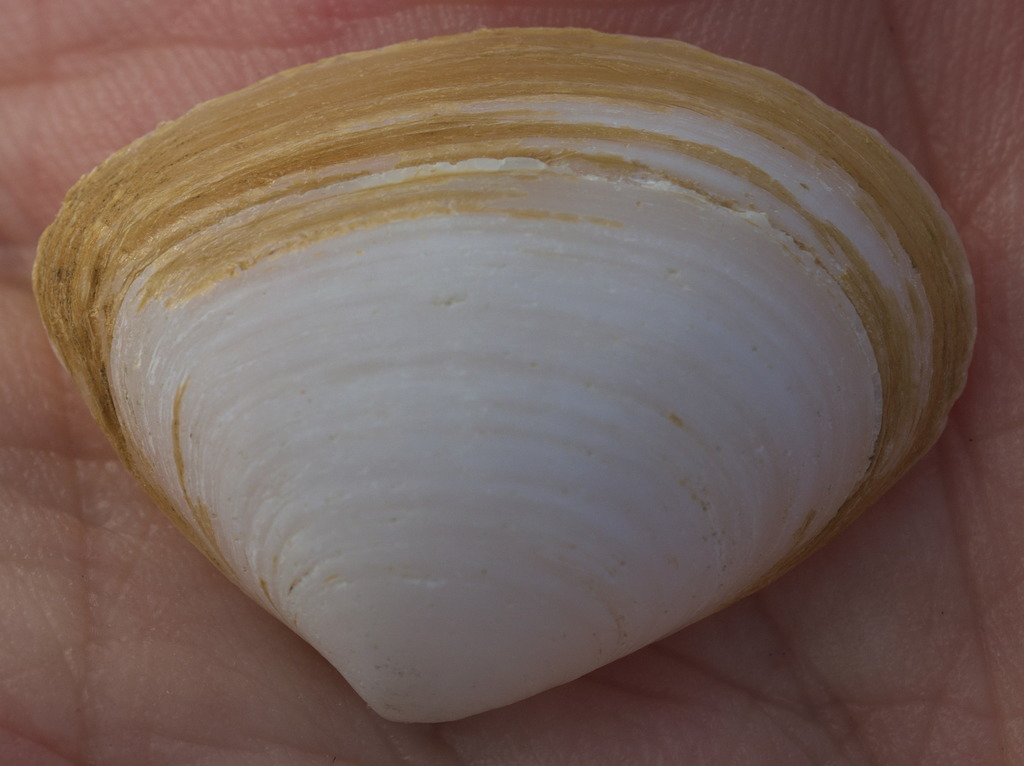 Striated Little Trough Shell0%
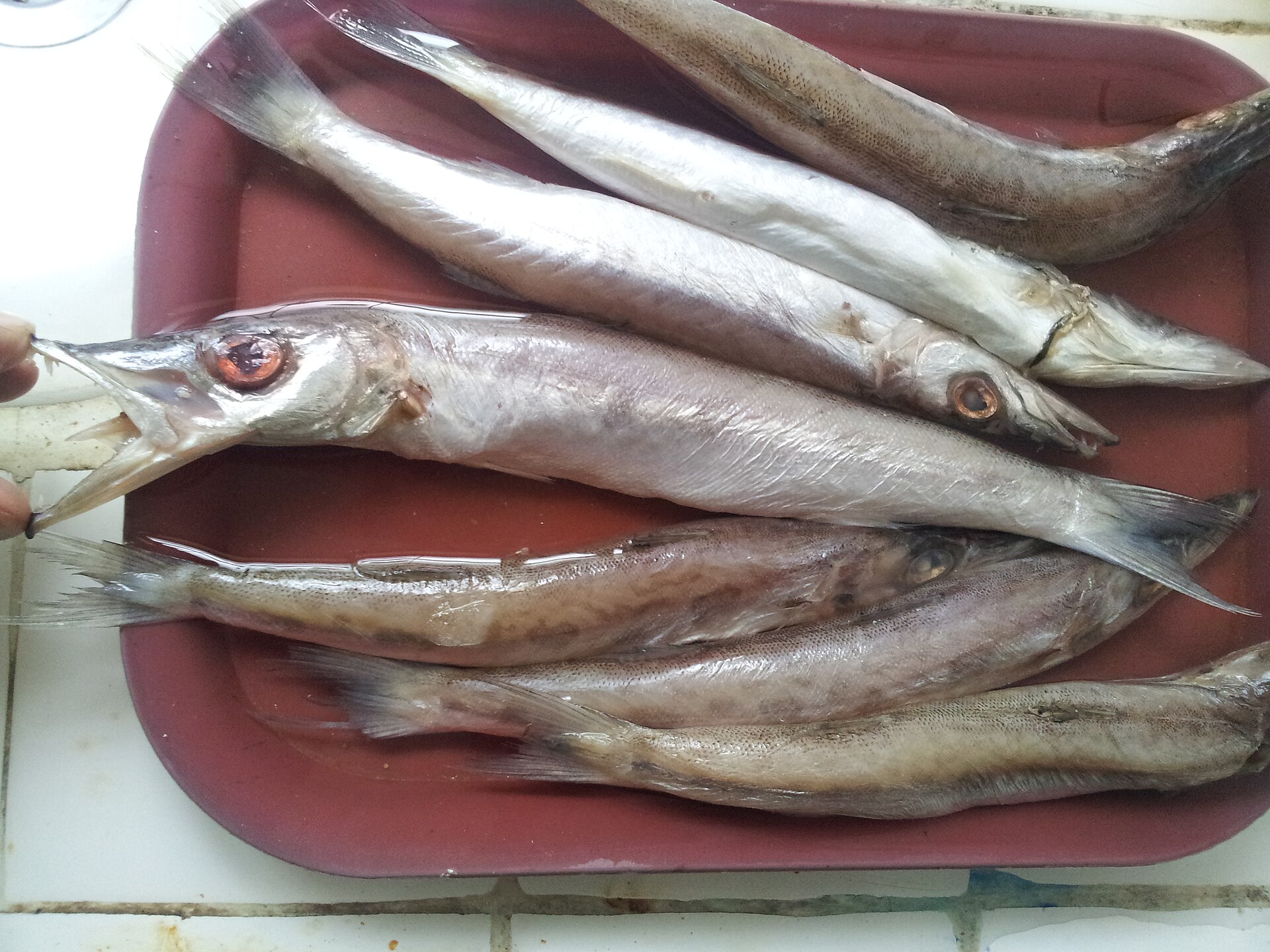 Pickhandle barracuda0%
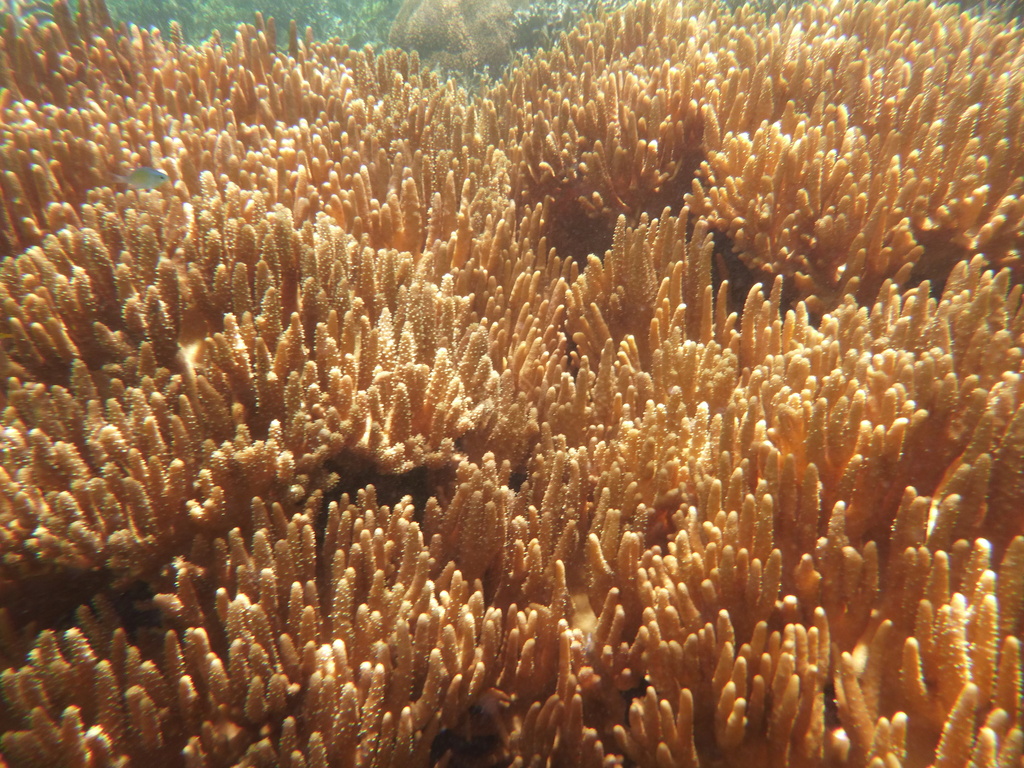 Lobophytum sarcophytoides0%
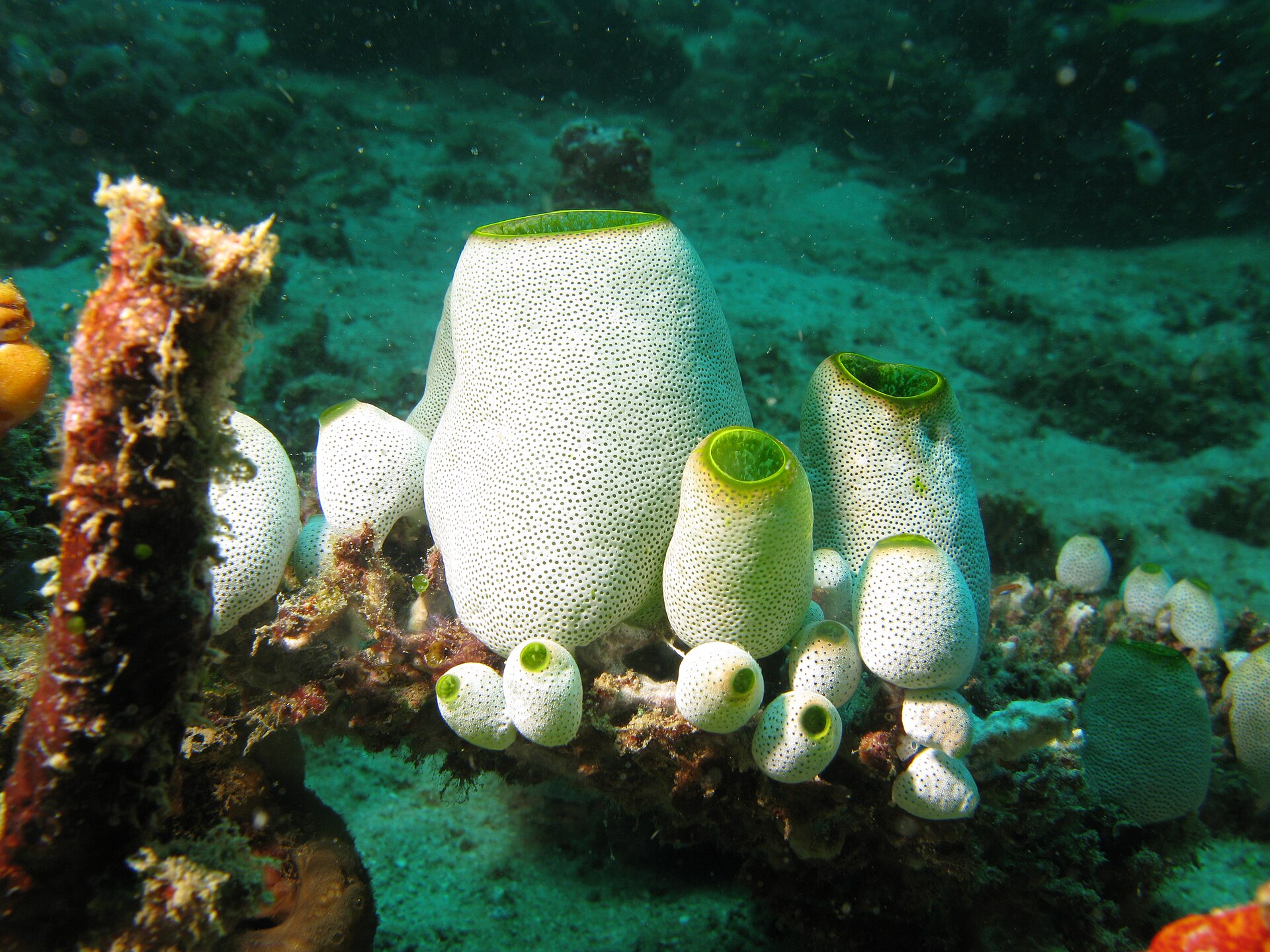 Green barrel sea squirt0%
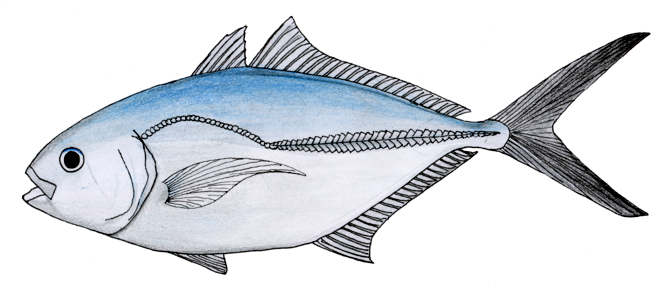 Herring scad0%
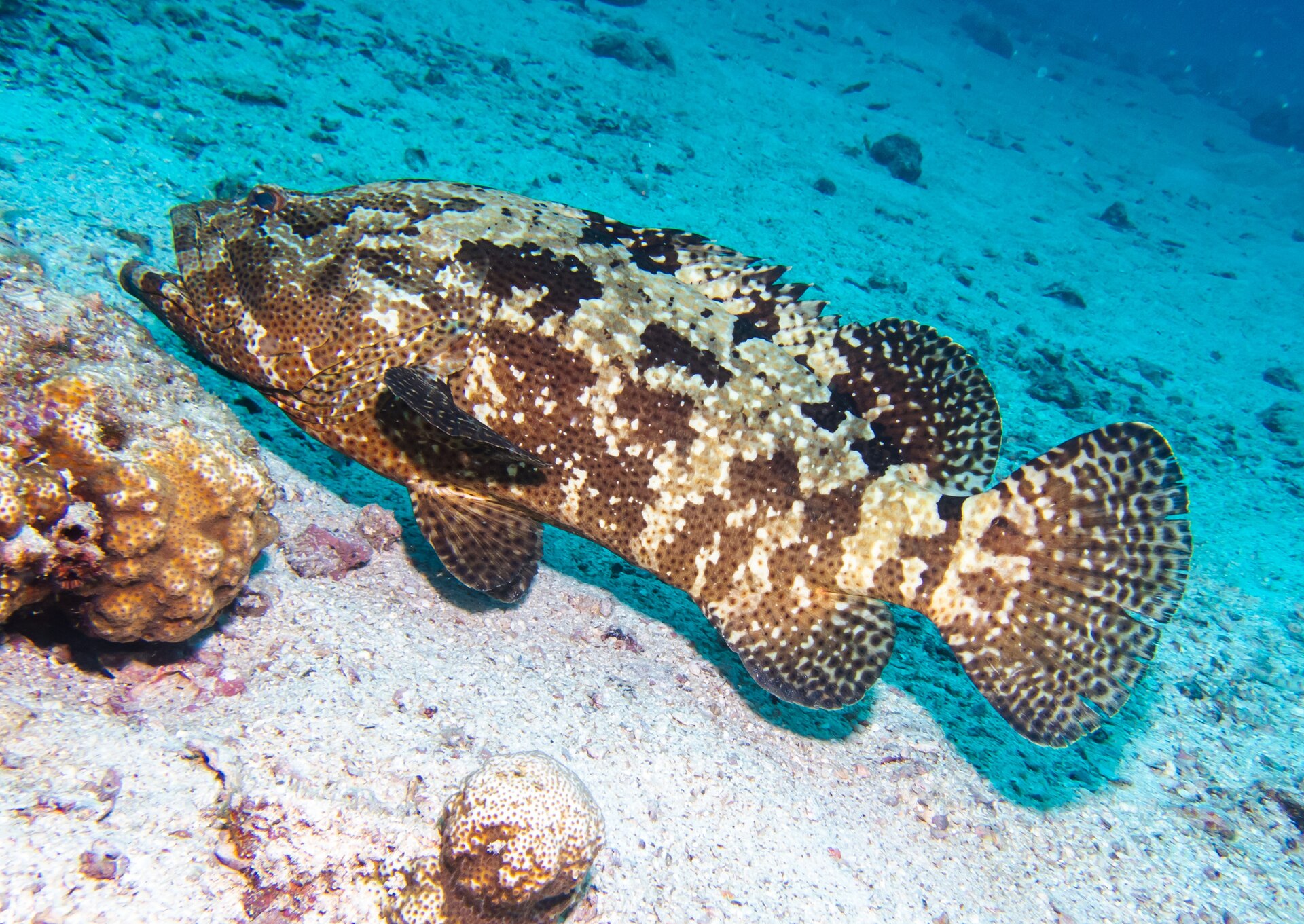 Tiger Grouper0%
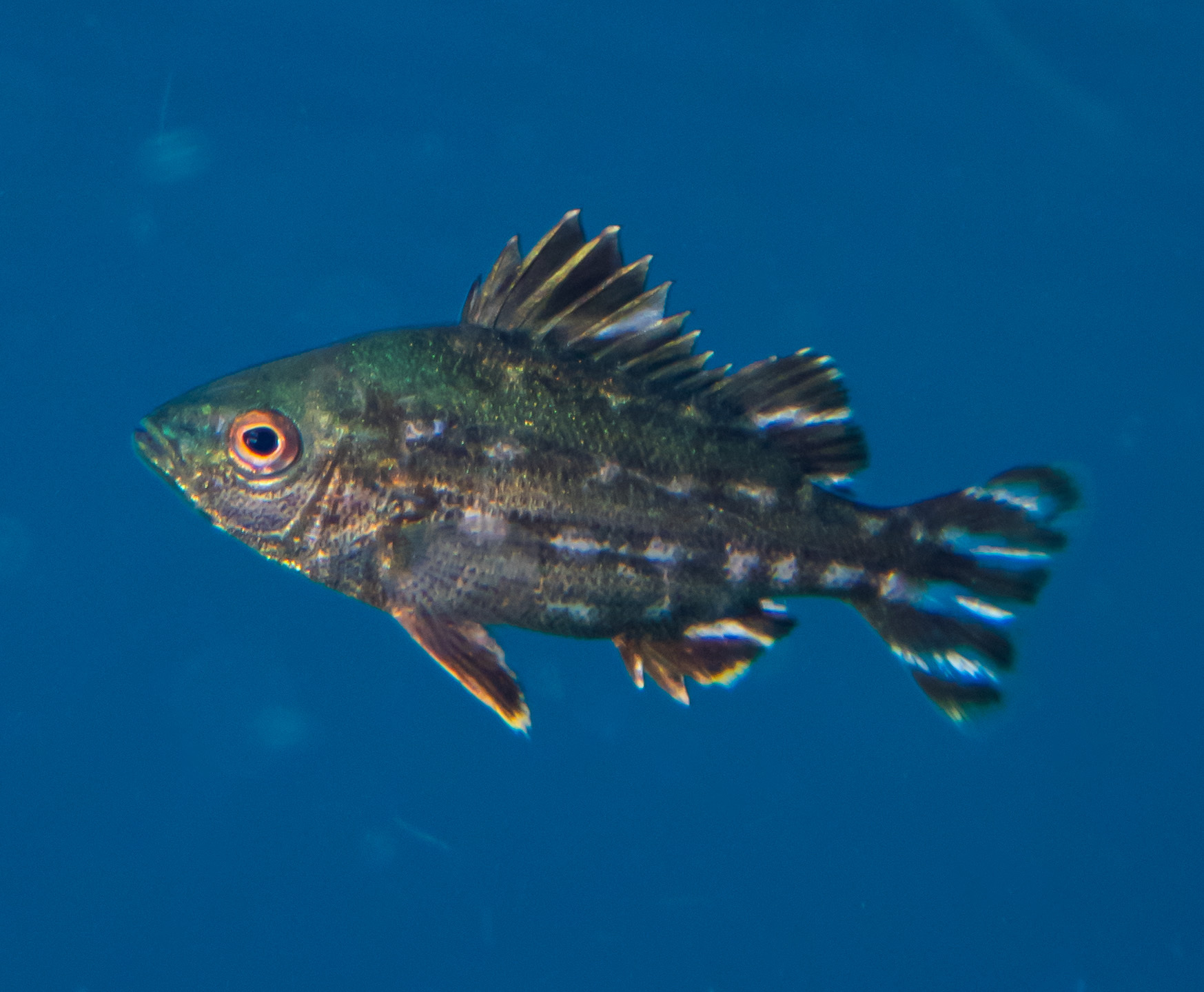 Largescaled Terapon0%
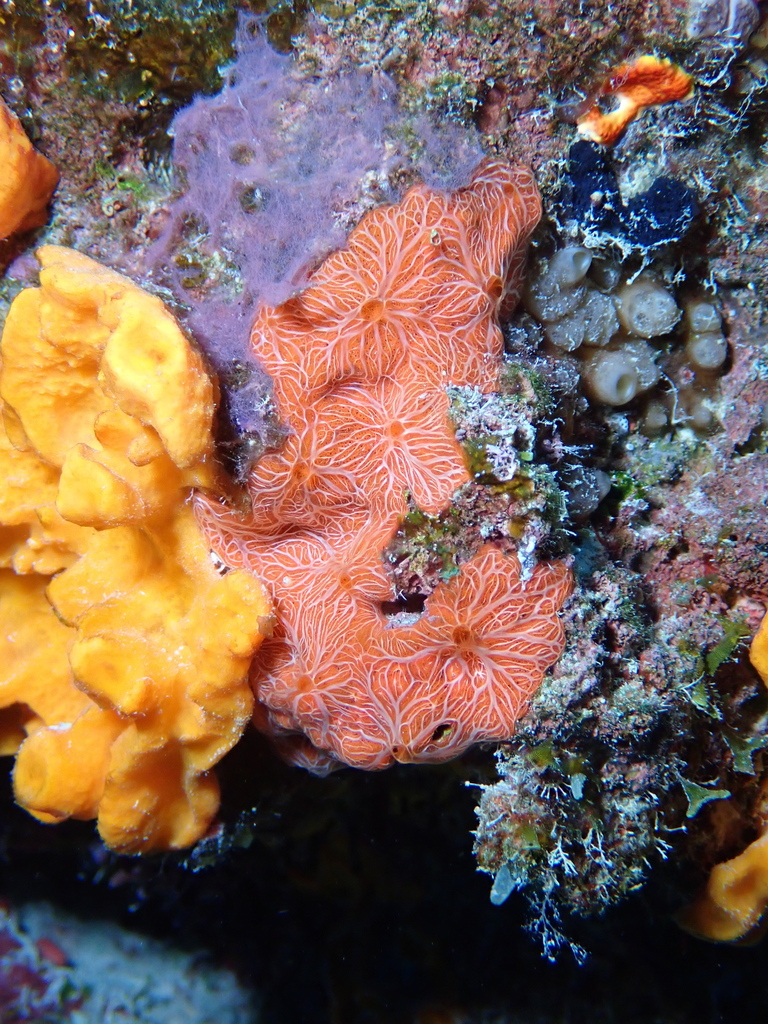 Clathria mima0%
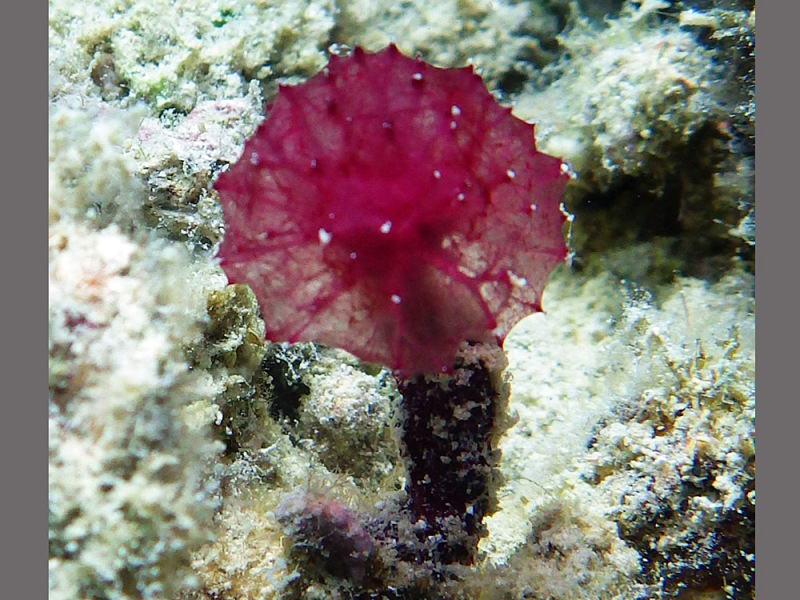 Puffball sponge0%
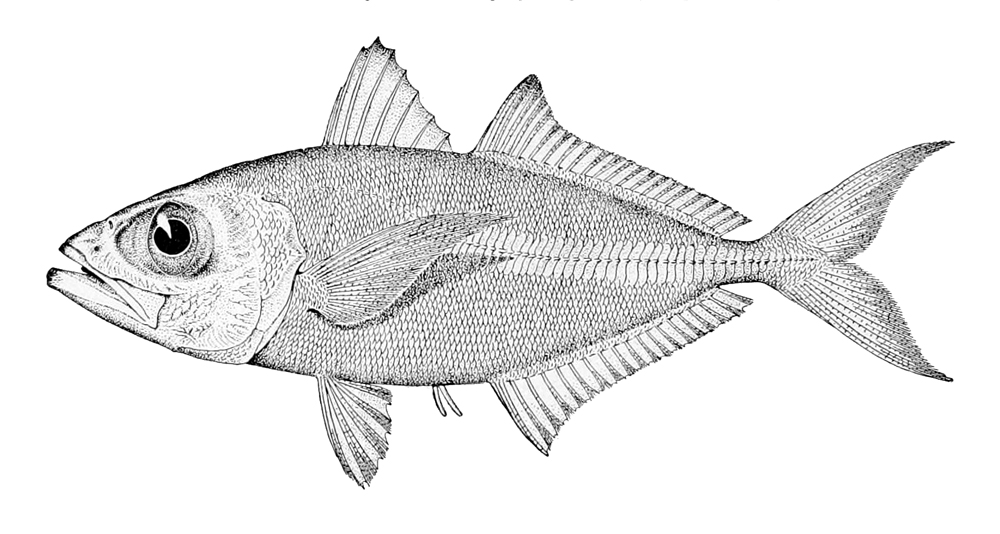 Oxeye Scad0%
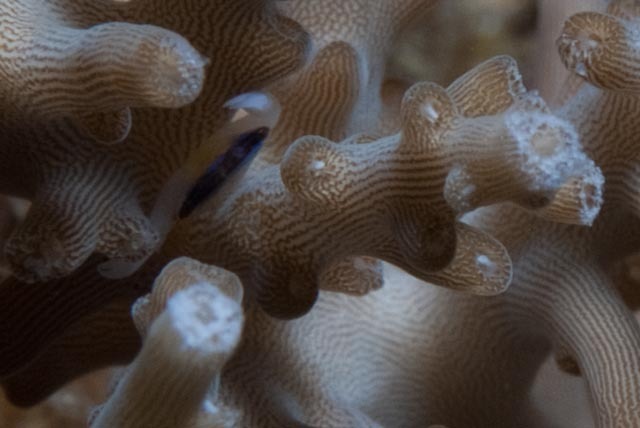 Bandit coral crab0%
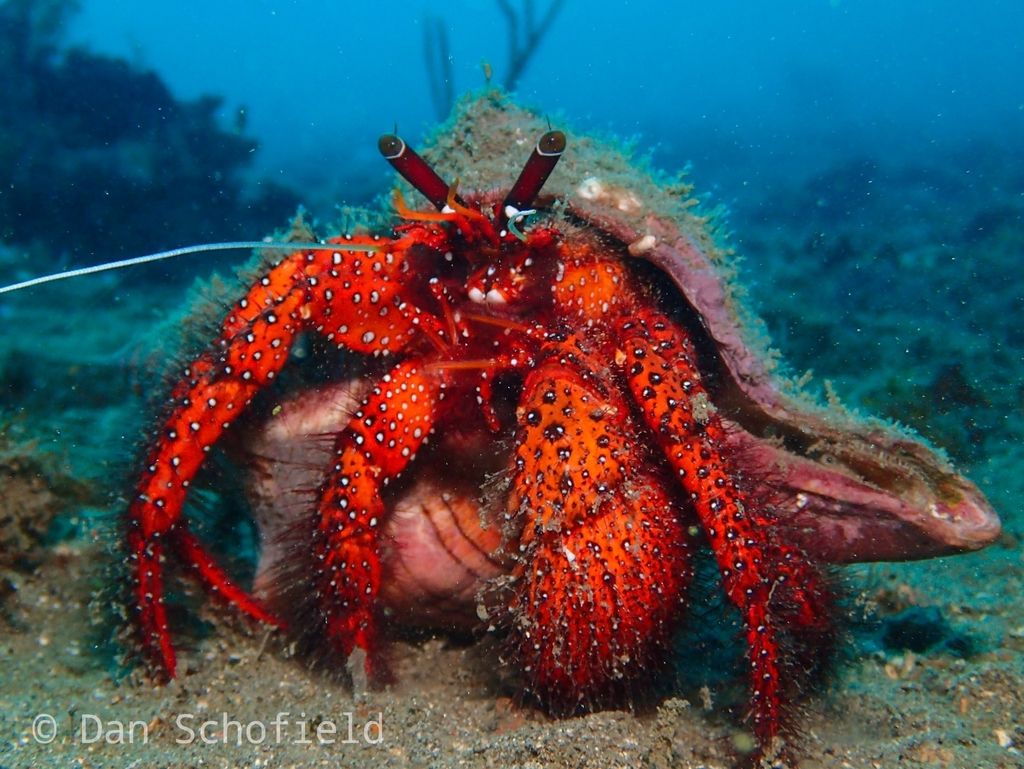 White-spotted hermit crab0%
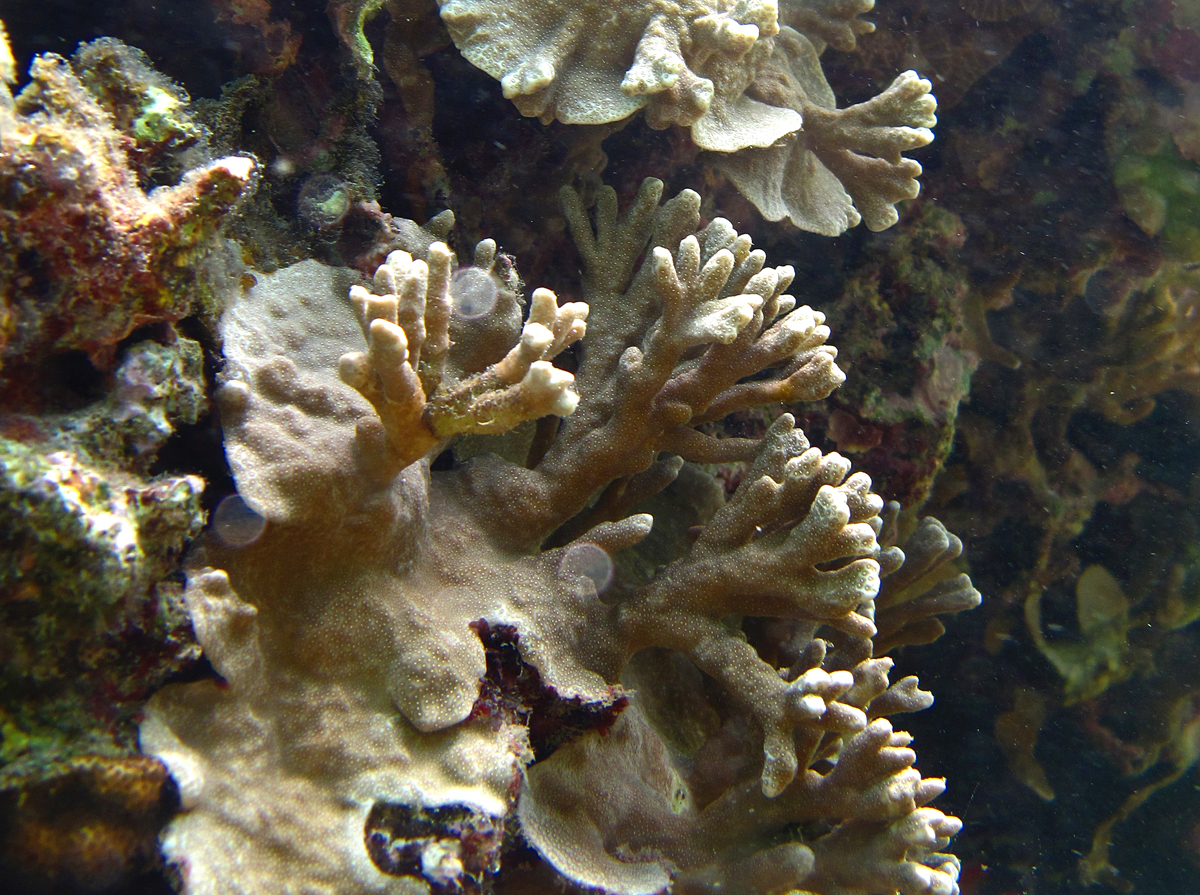 Plate & Pillar Coral0%
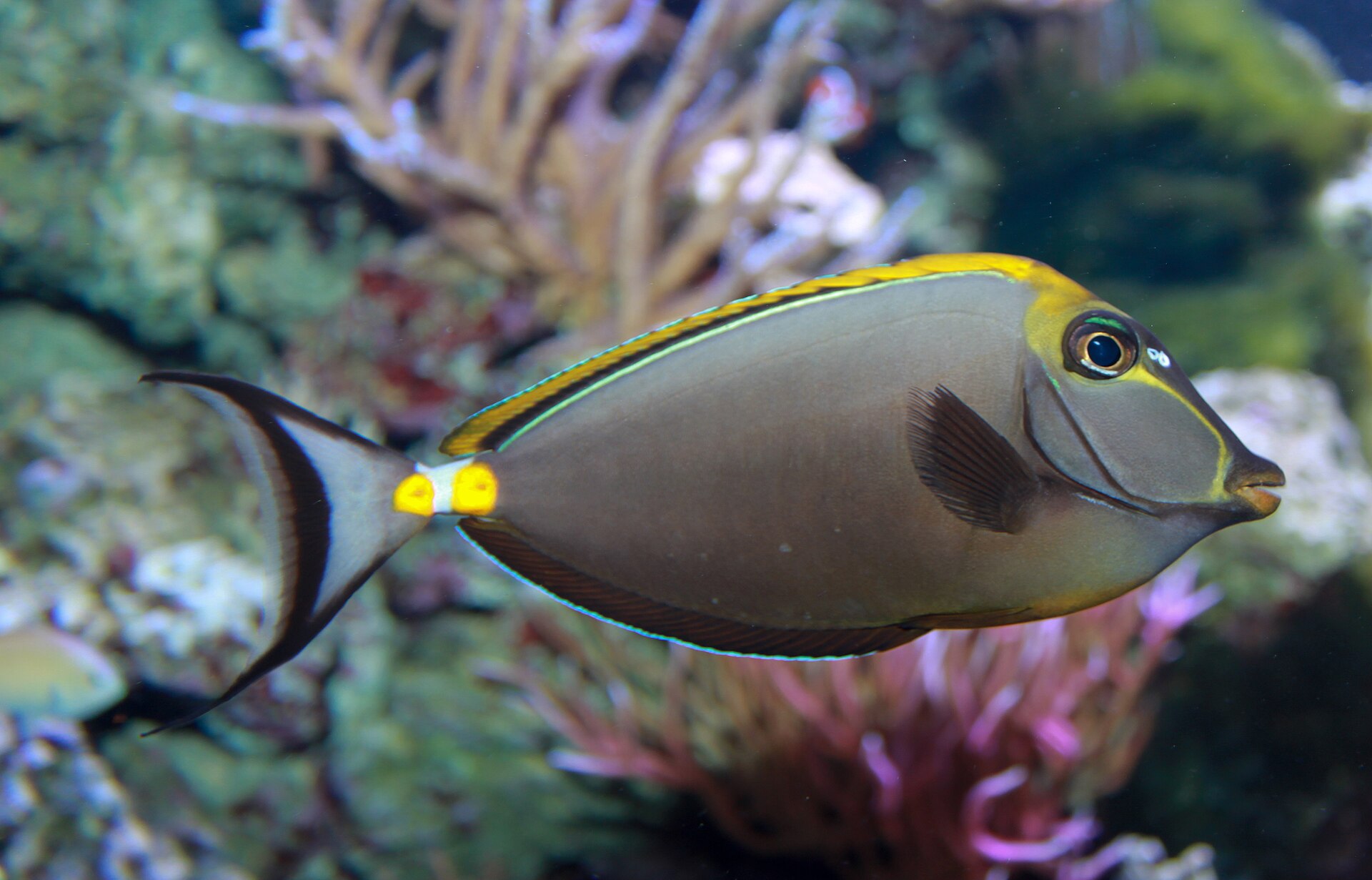 Striped-faced Unicornfish0%
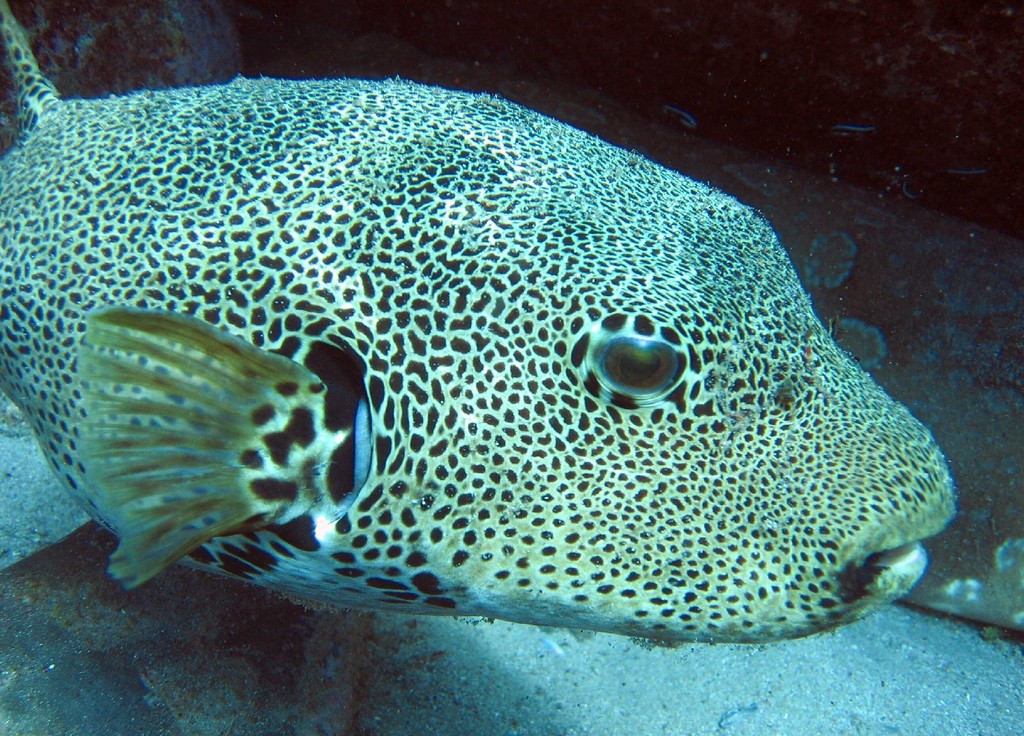 Stellate Puffer0%
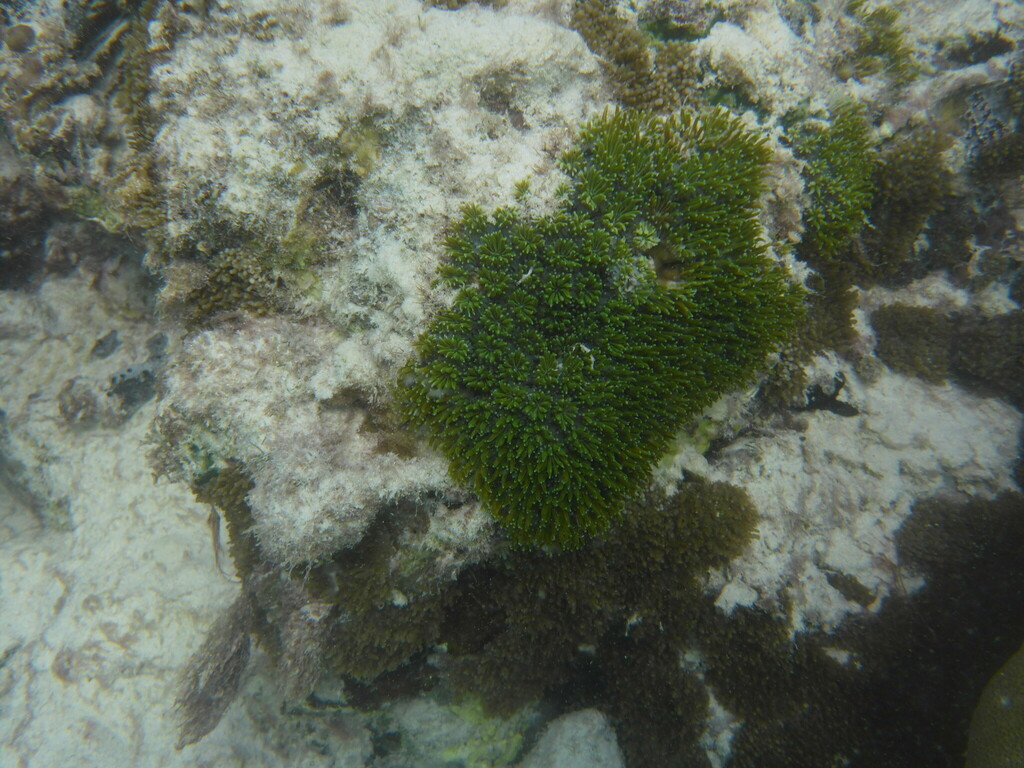 Fluorescence grass coral0%
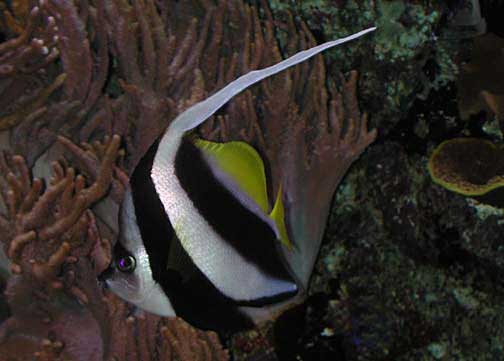 Schooling Coachman0%
 Onespot Demoiselle0%
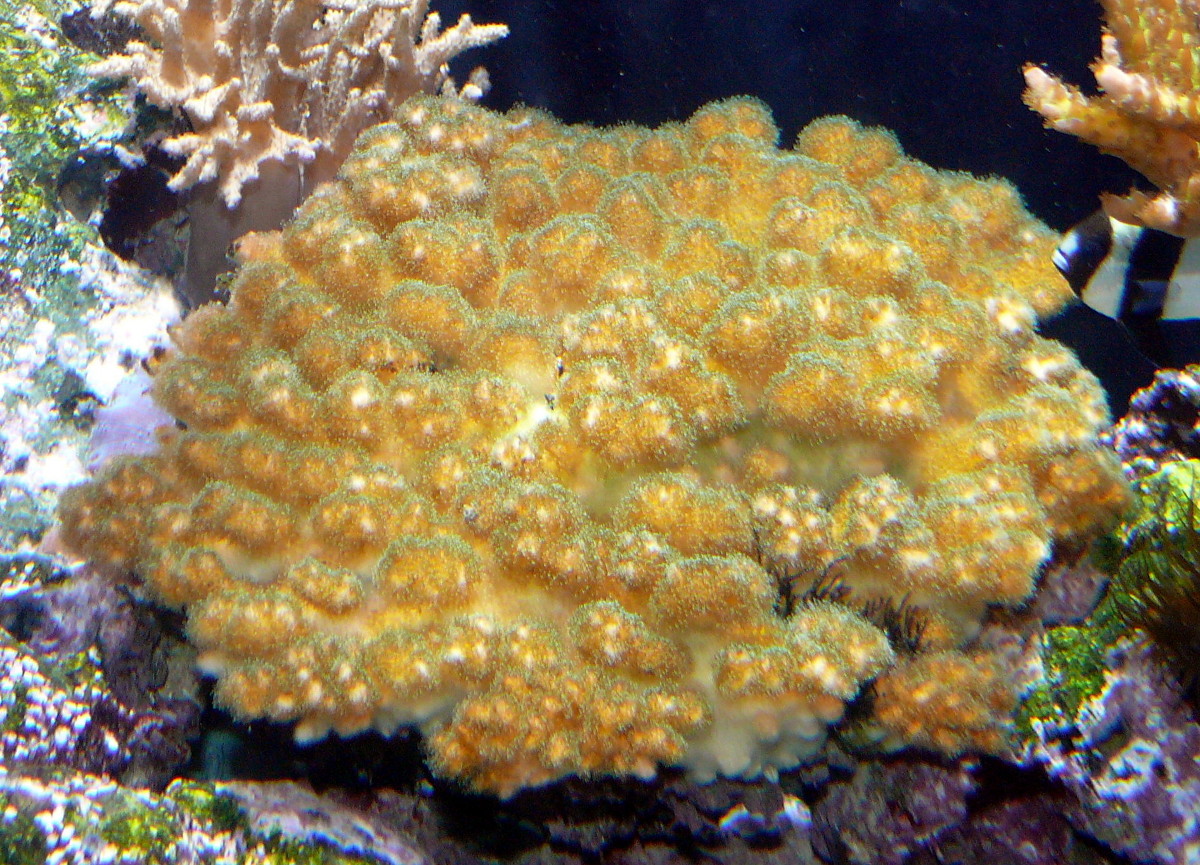 Cauliflower Coral0%
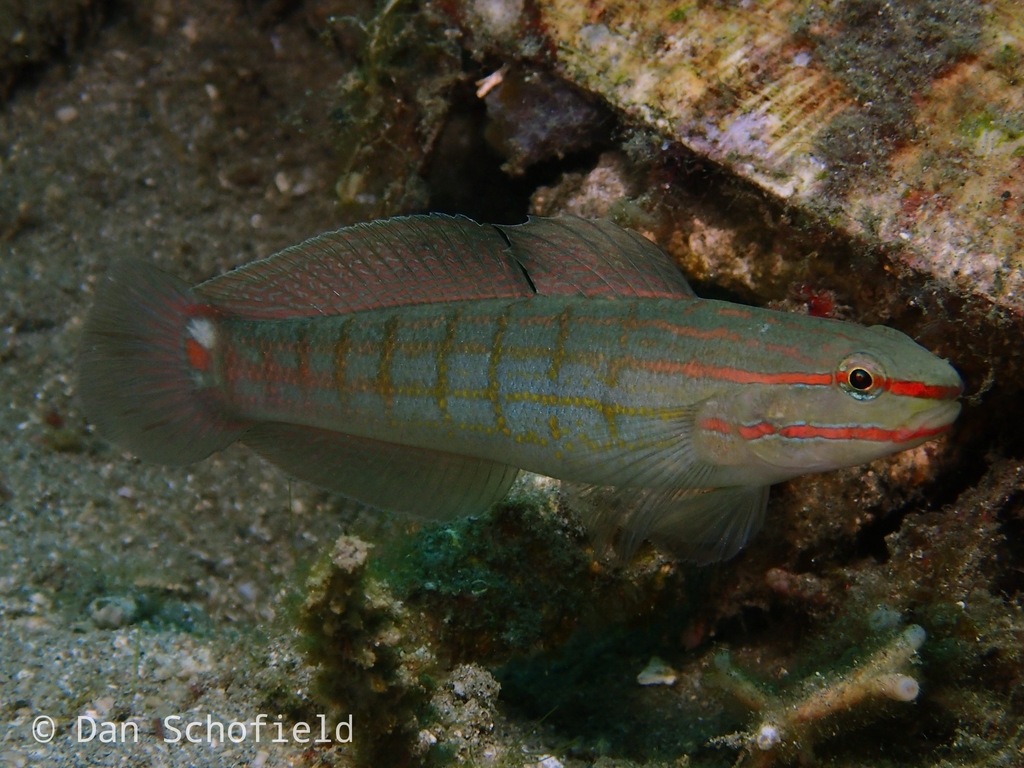 Crosshatch goby0%
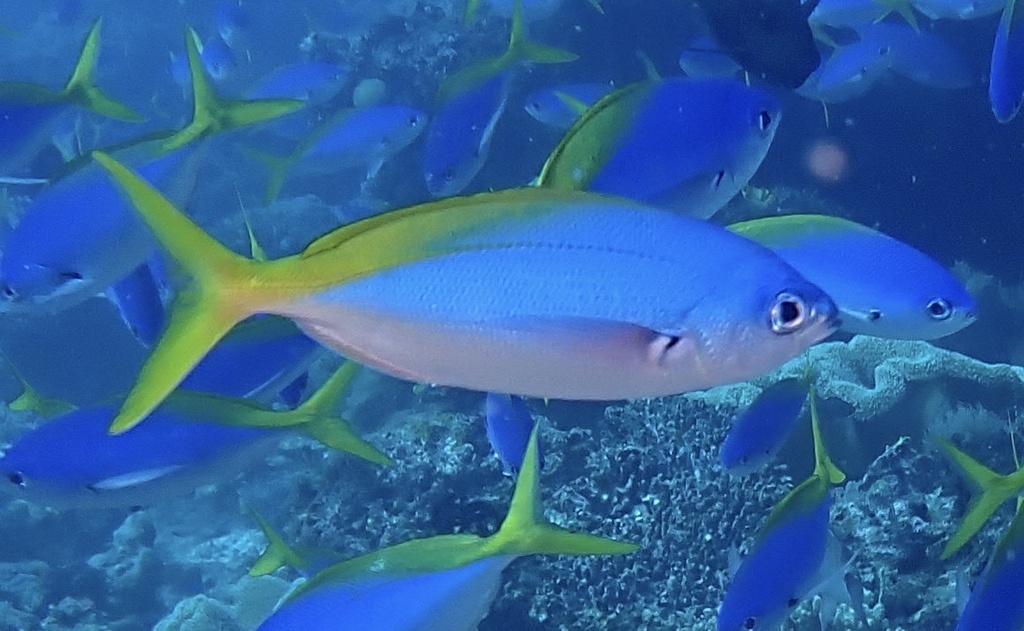 Yellow-tail fusilier0%
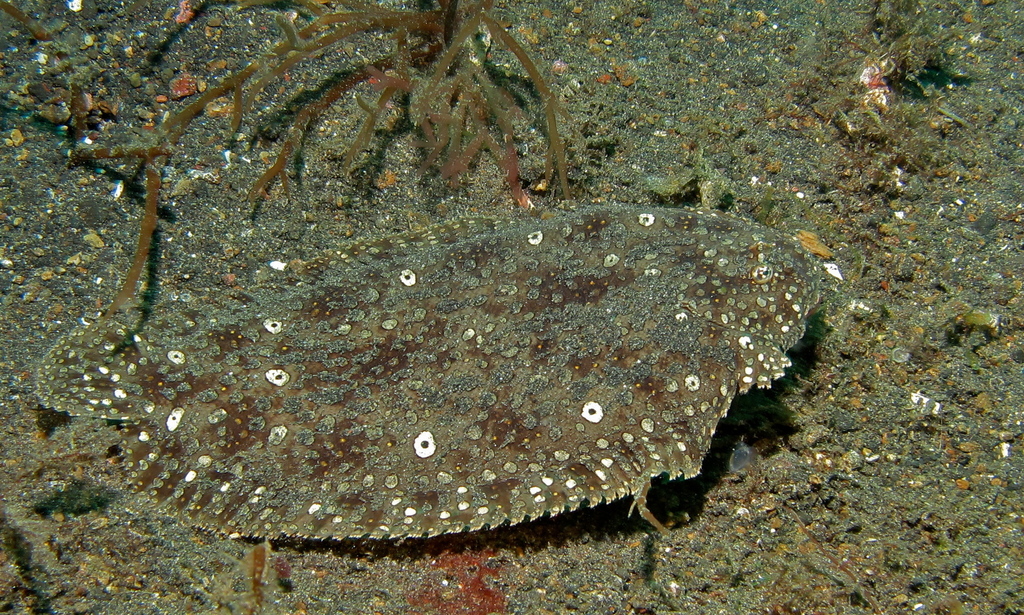 Peacock Sole0%
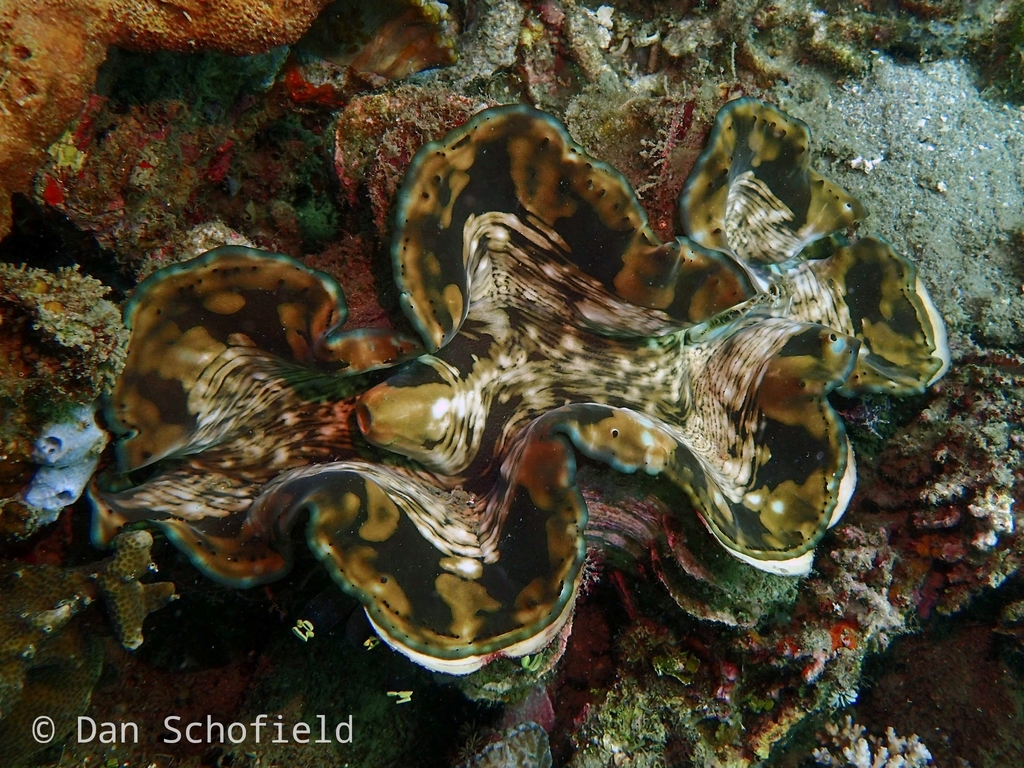 Scaly Clam0%
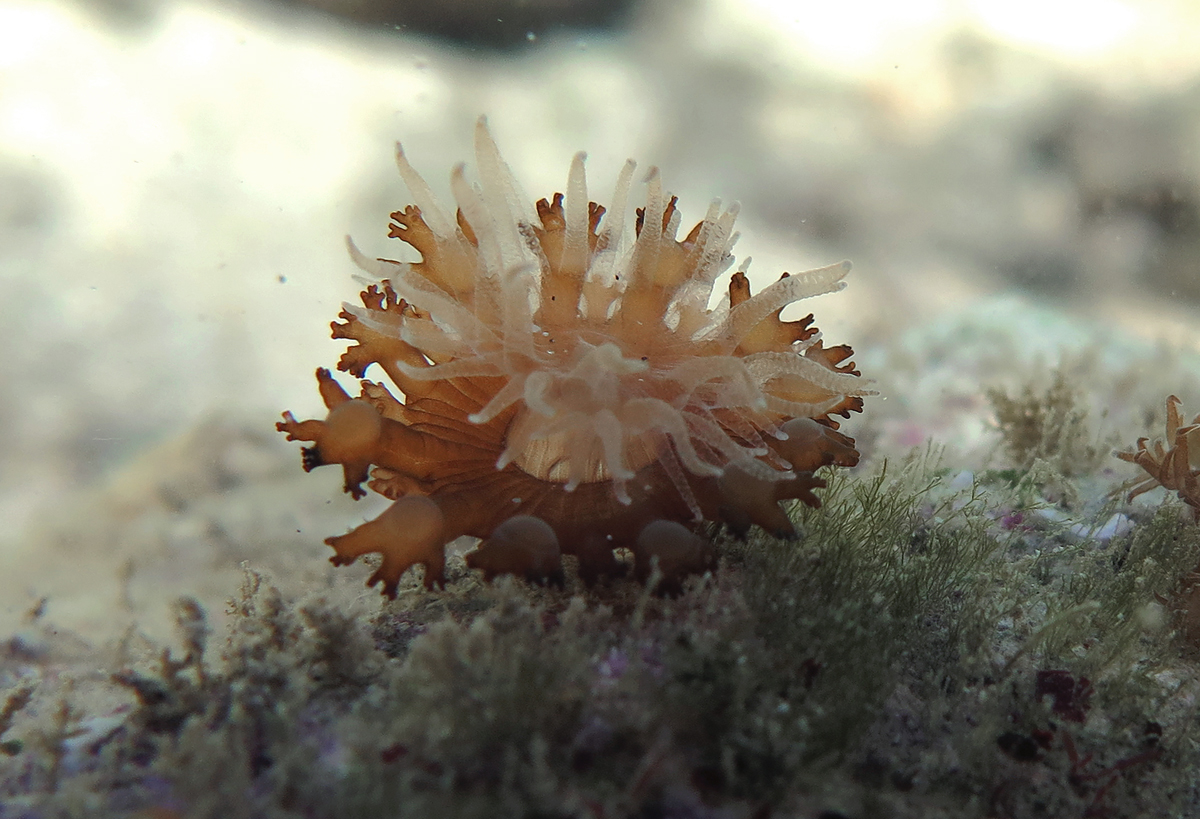 Prolific anemone0%
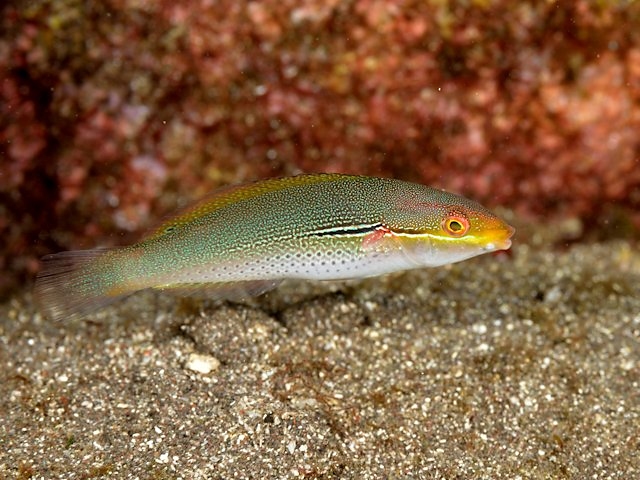 One-line rainbowfish0%
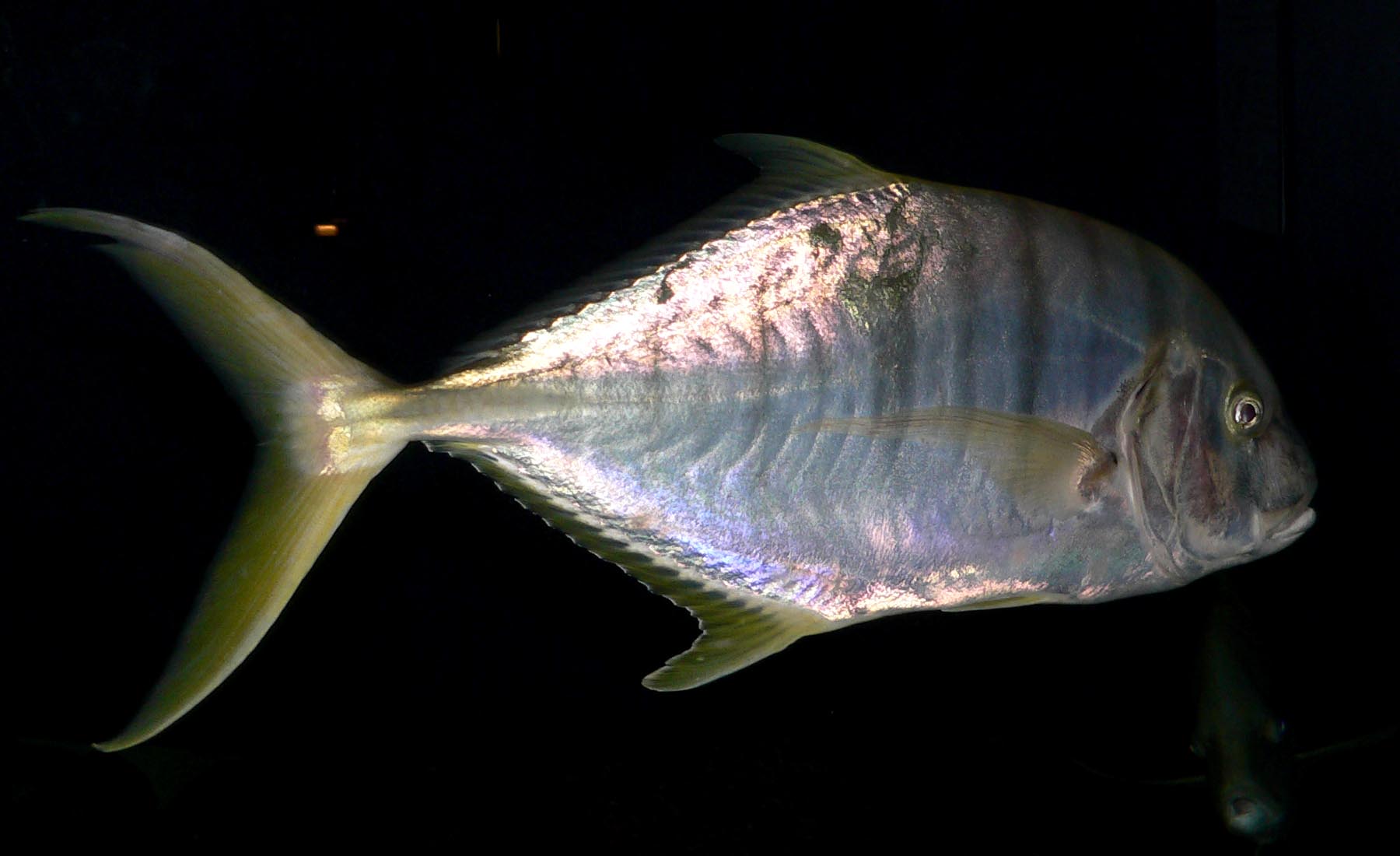 Golden trevally0%
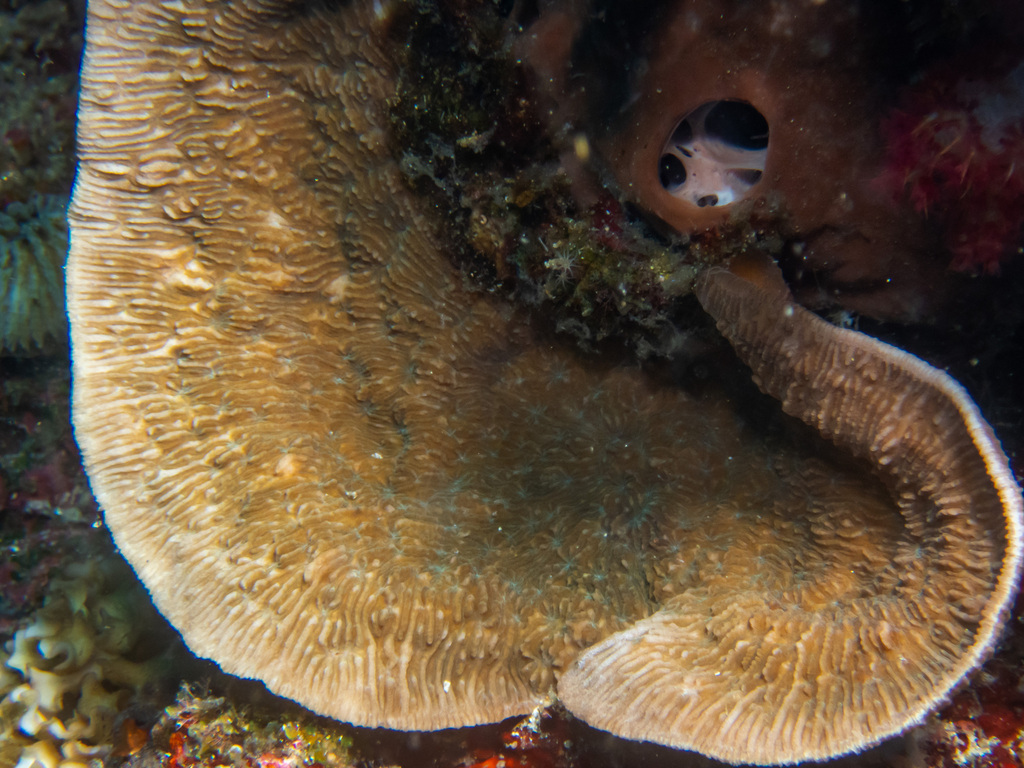 Bracket coral0%
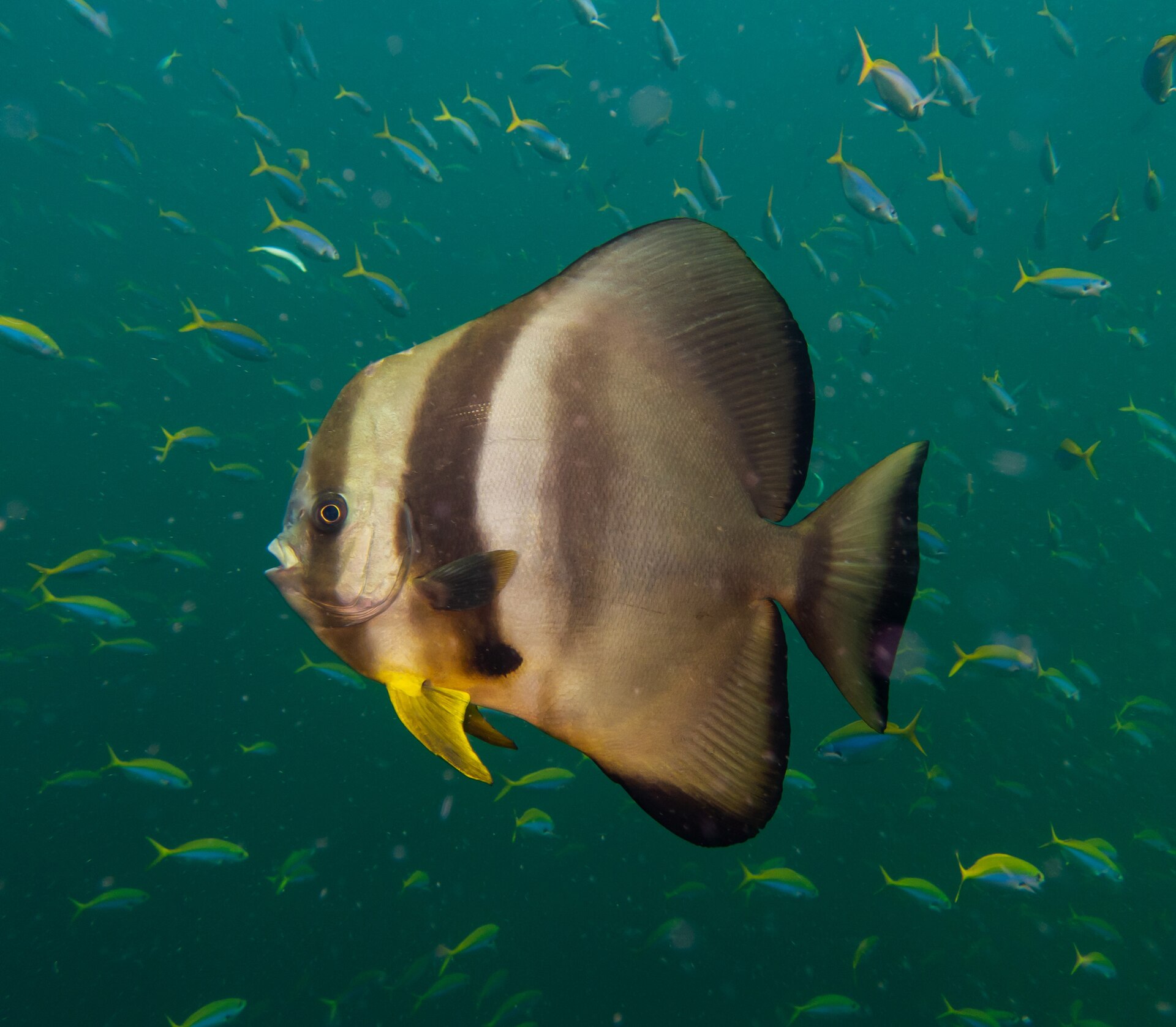 Longfin Batfish0%
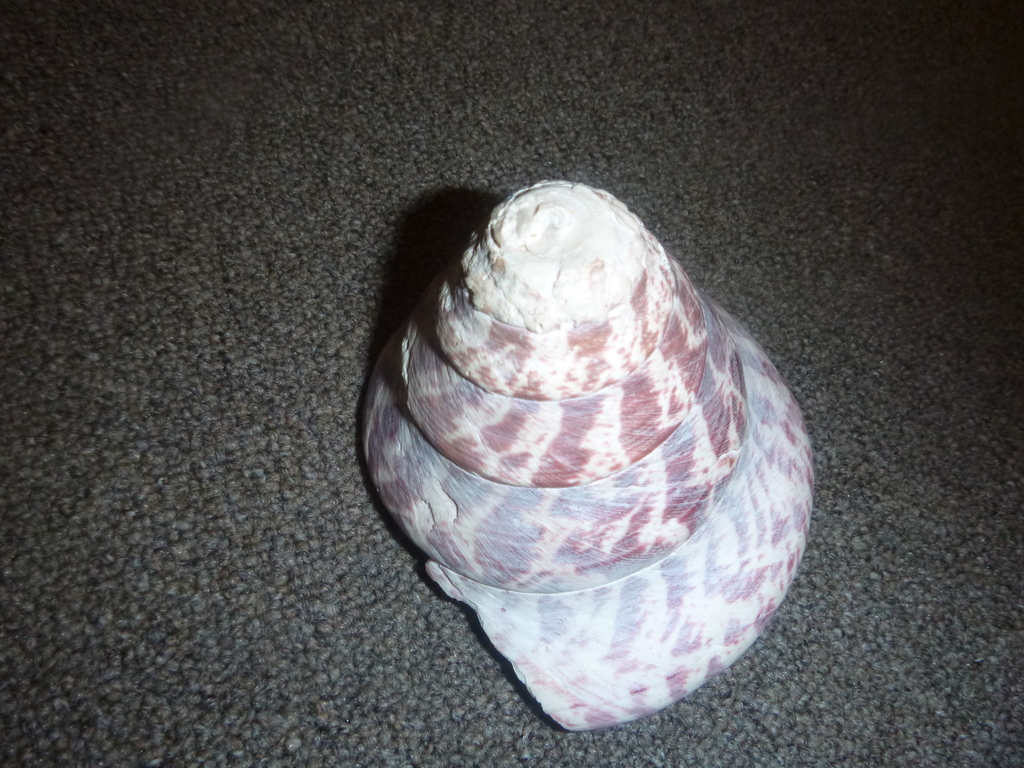 Commercial top shell0%
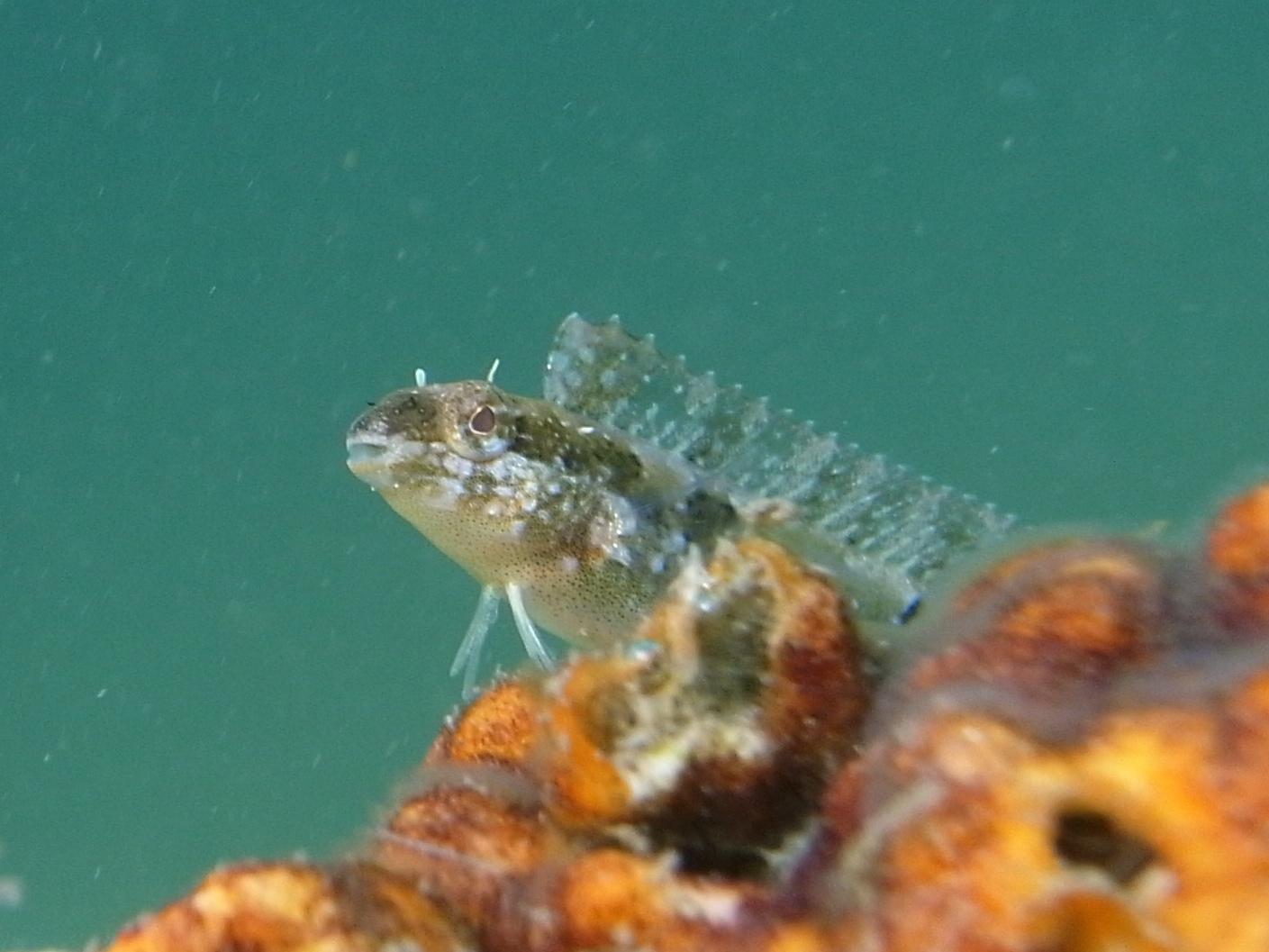 Short-headed Blenny0%
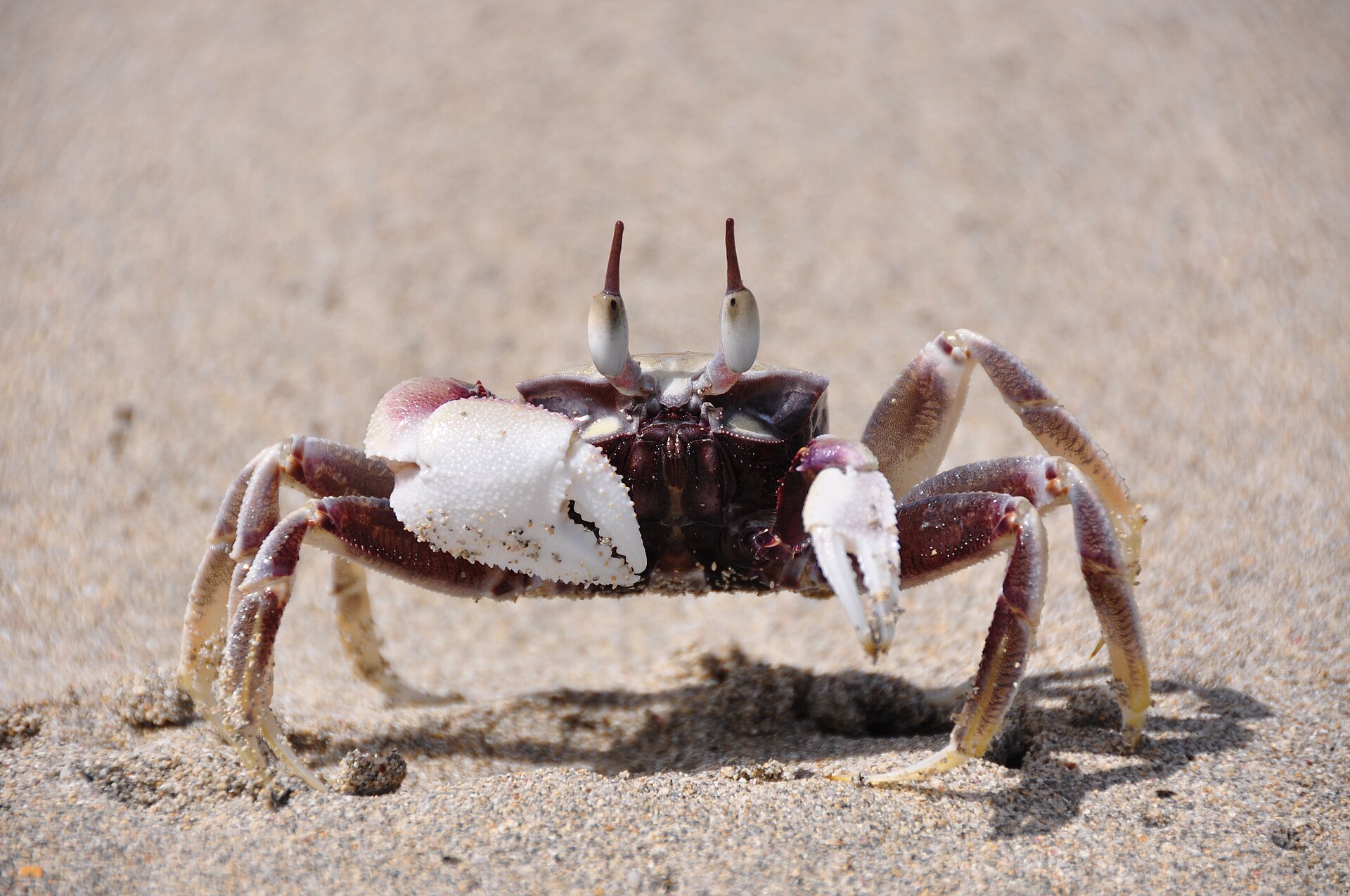 Horned Ghost Crab0%
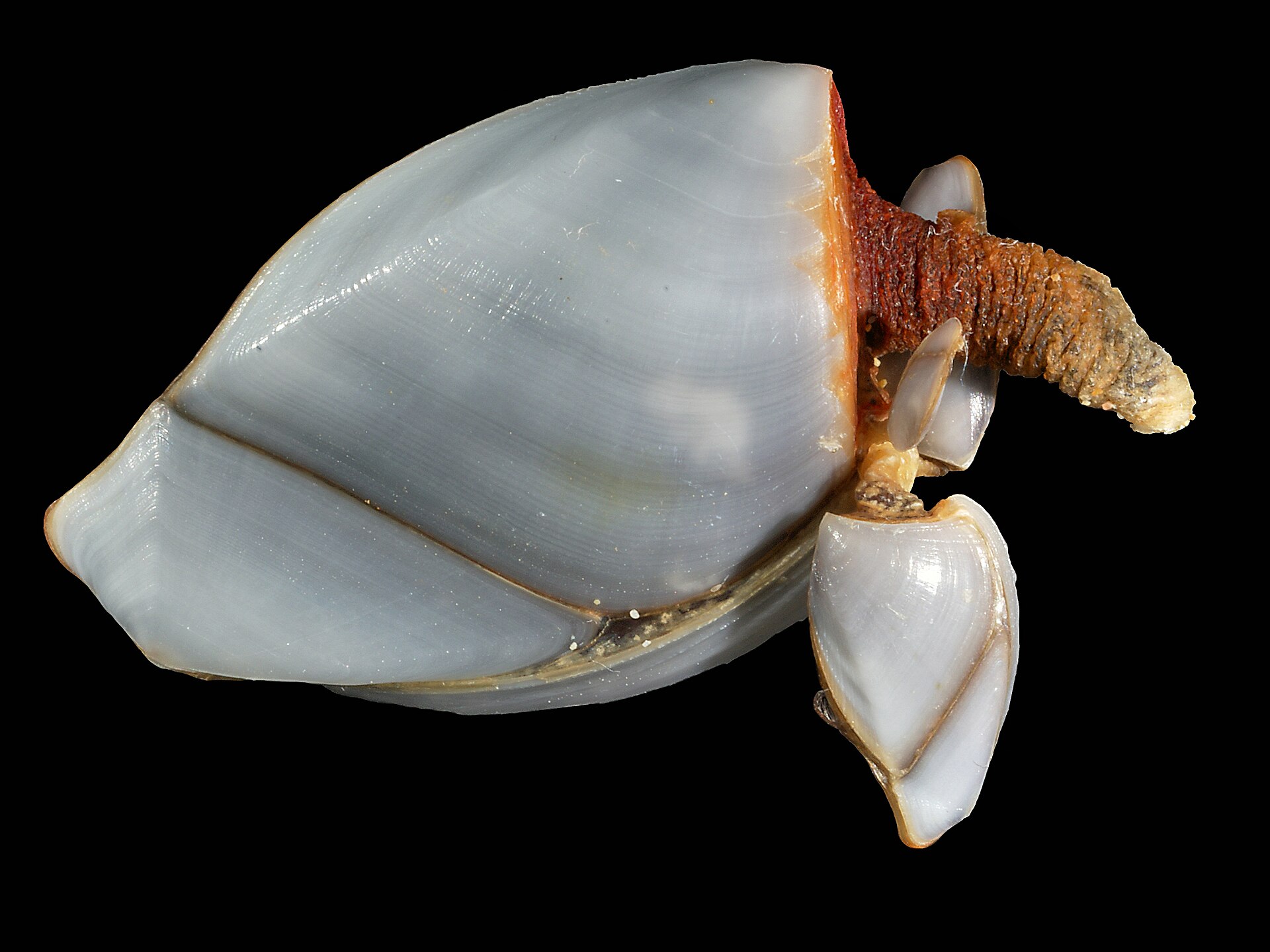 Goose Barnacle0%
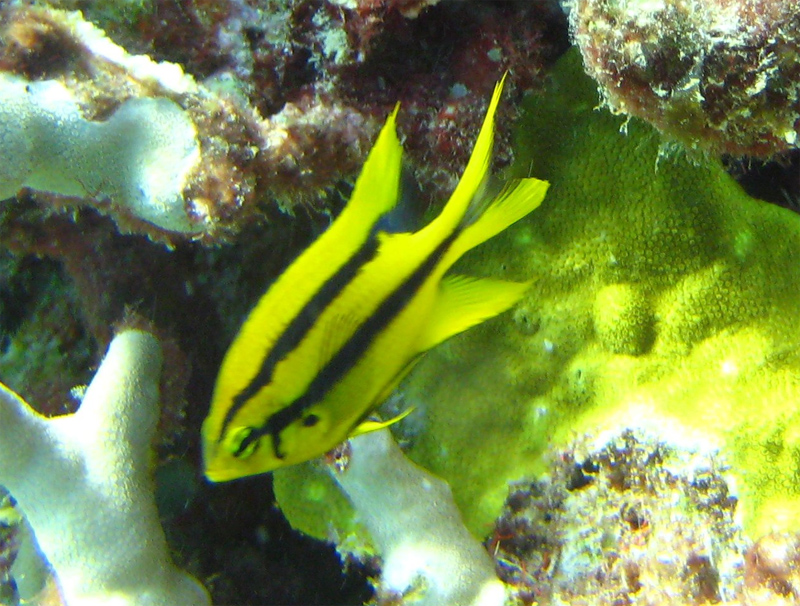 Indo-Pacific Yellowtail Damsel0%
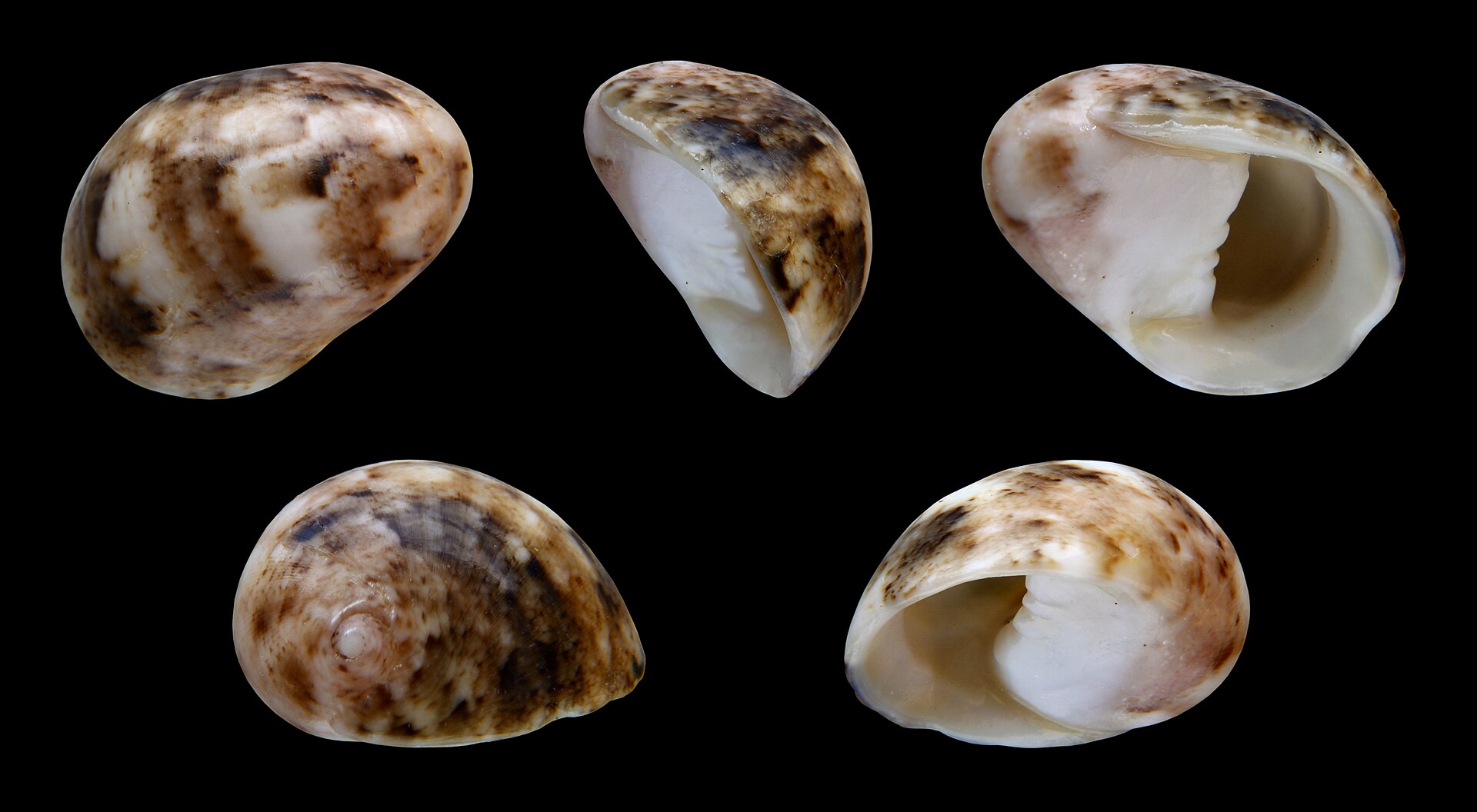 Polished Nerite0%
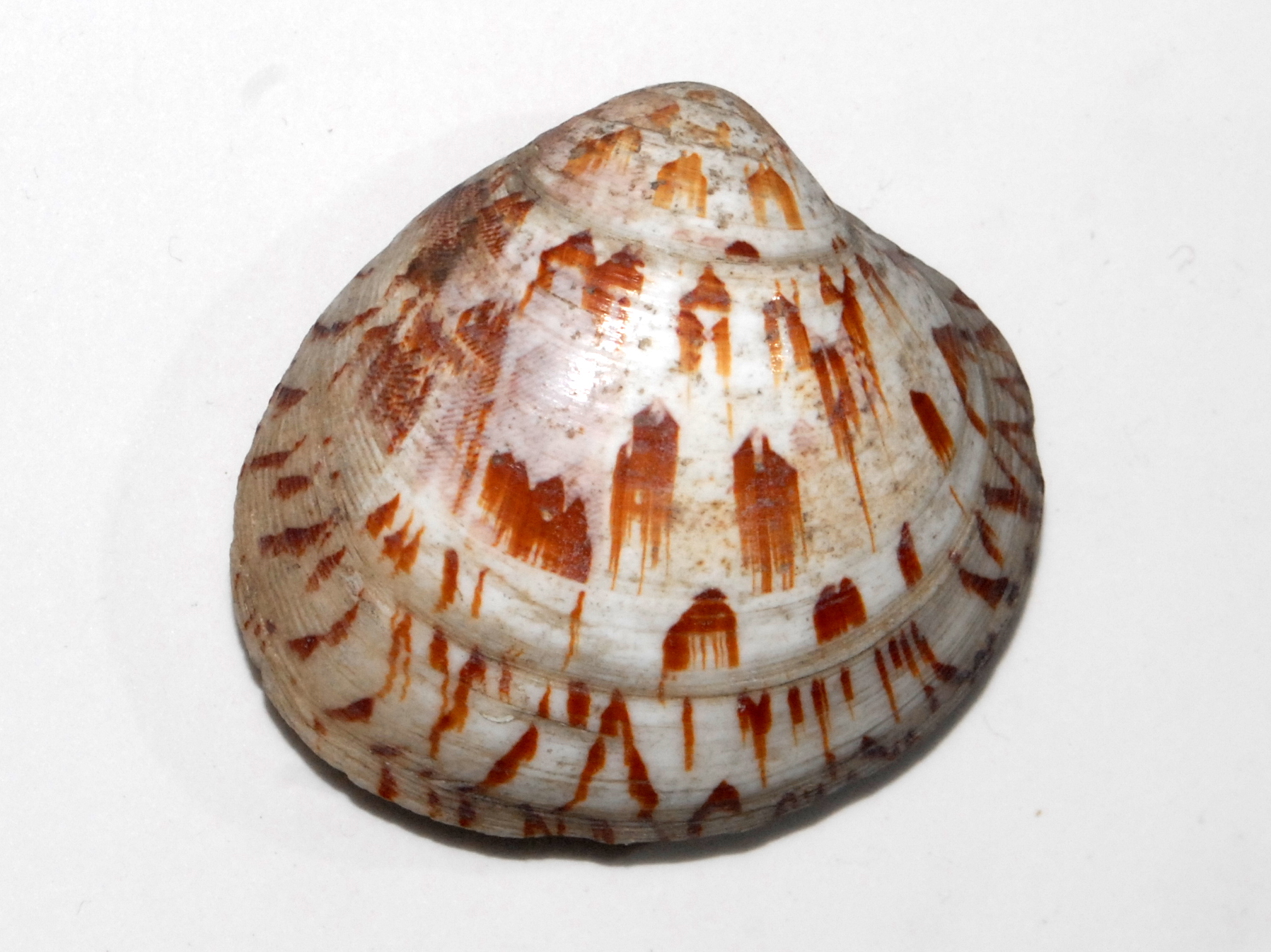 Tent Venus0%
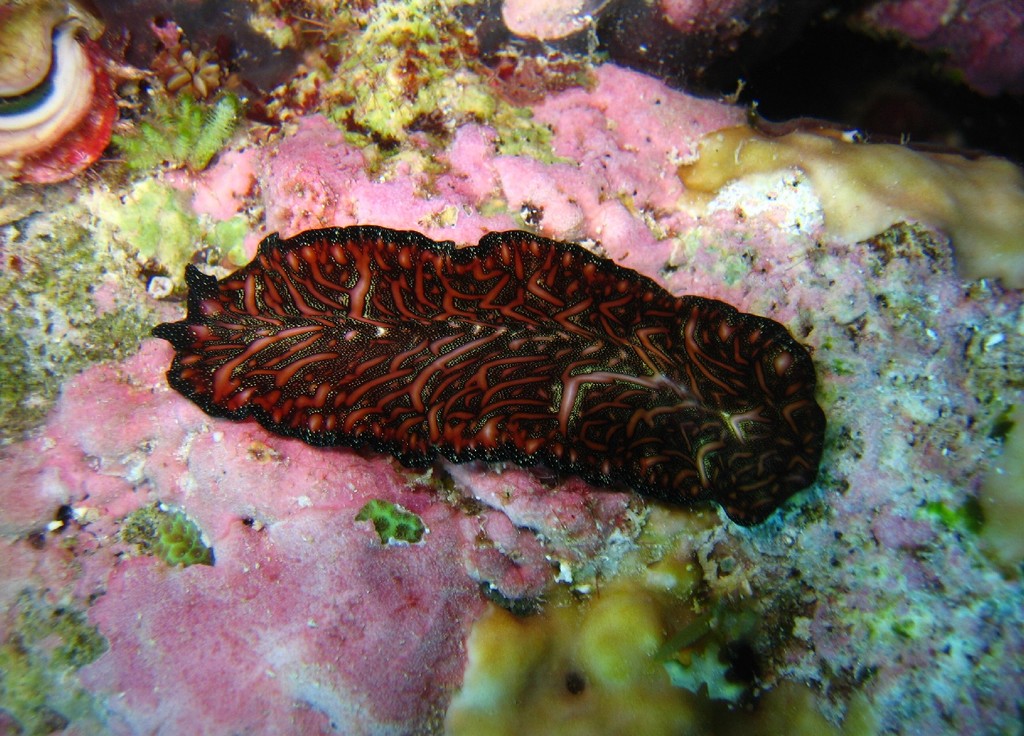 Persian Carpet Flatworm0%
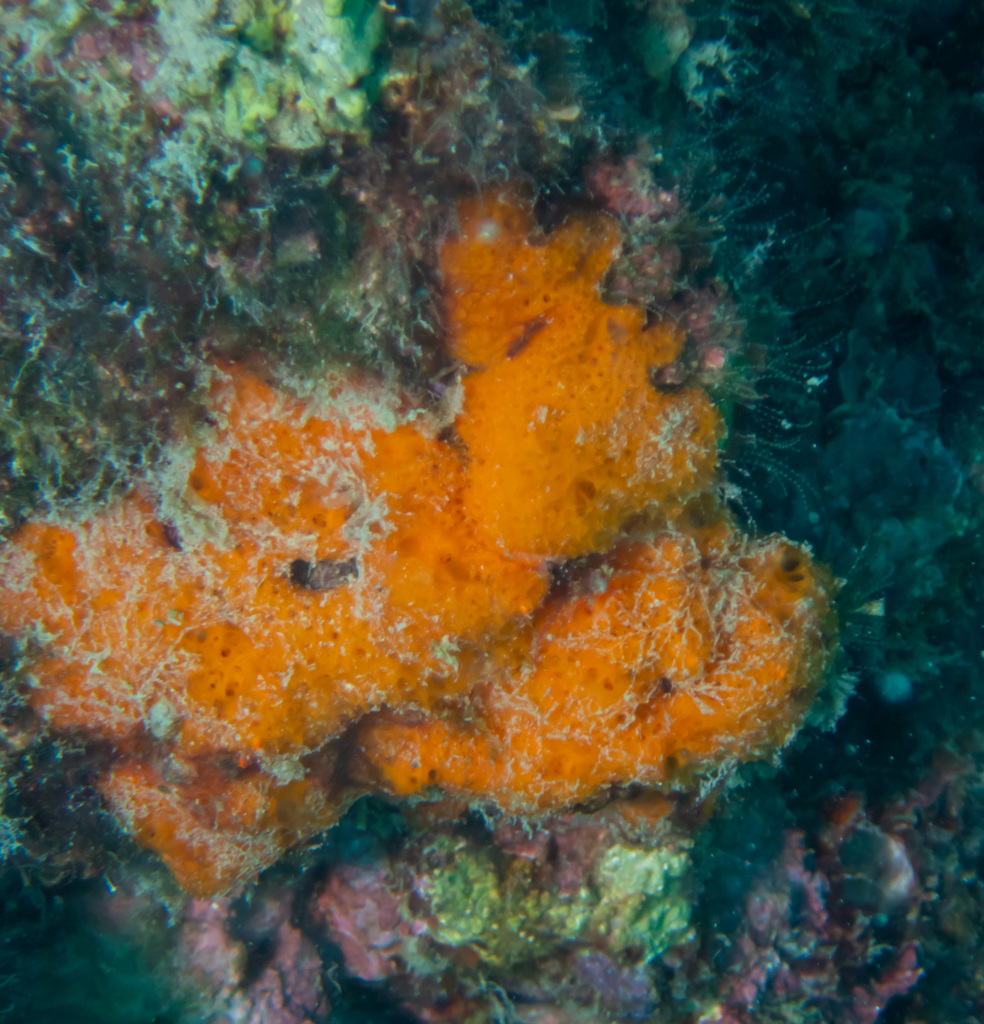 Scopalina hapalia0%
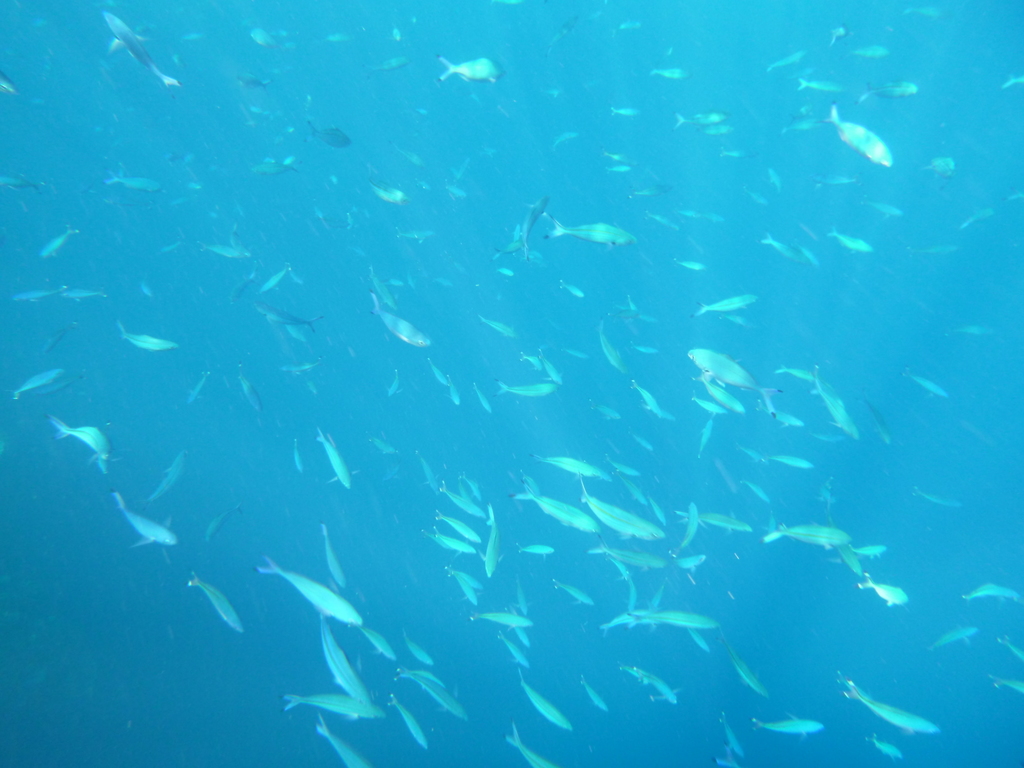 Yellowband Fusilier0%
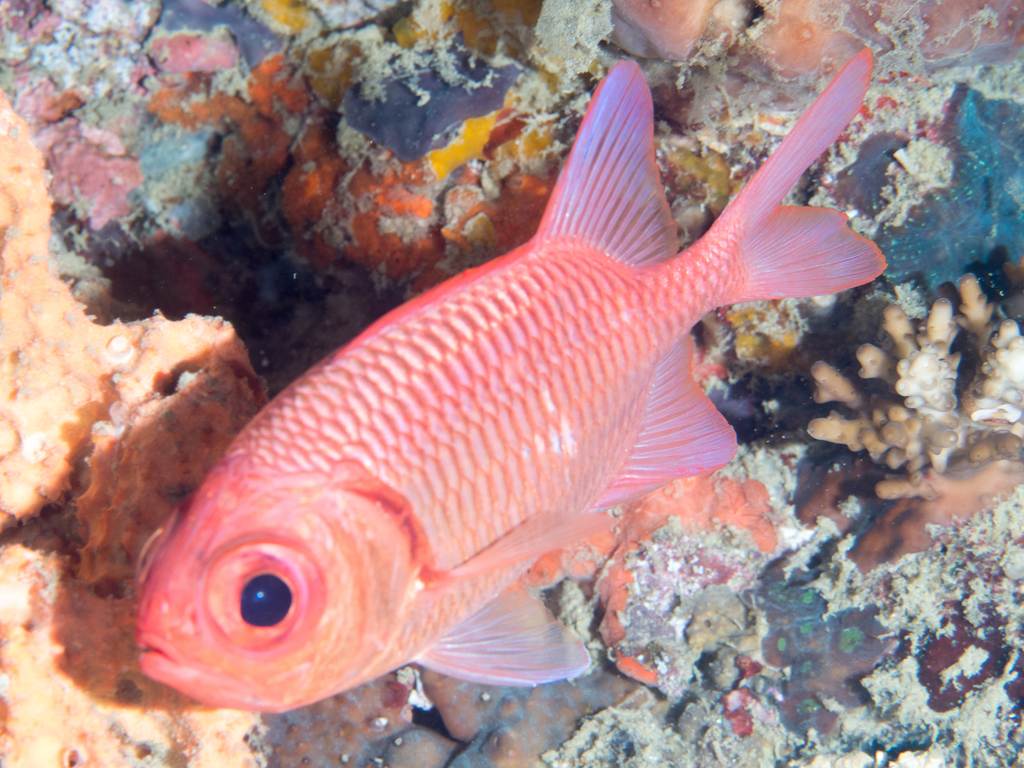 Red-fin Squirrelfish0%
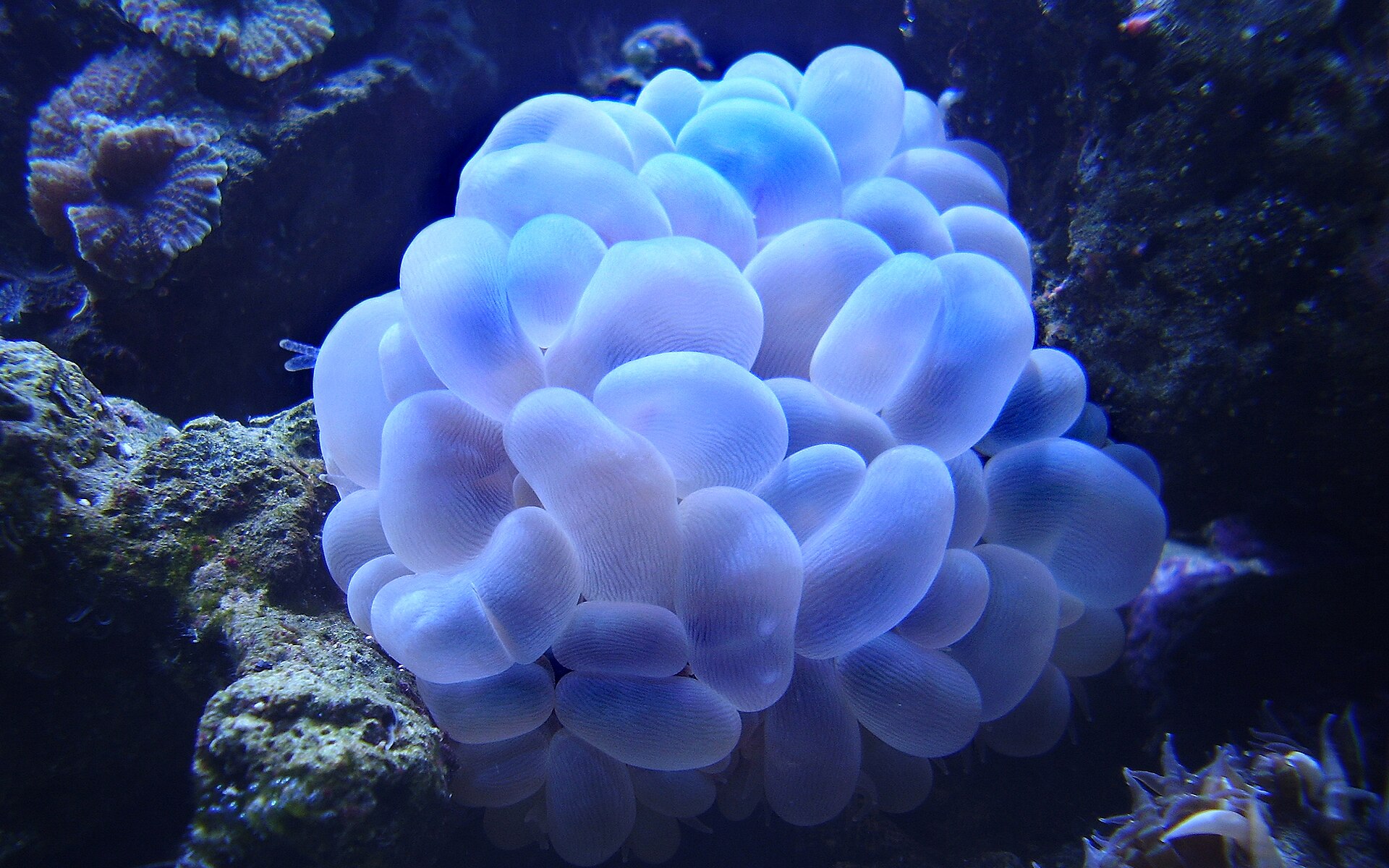 Bubble coral0%
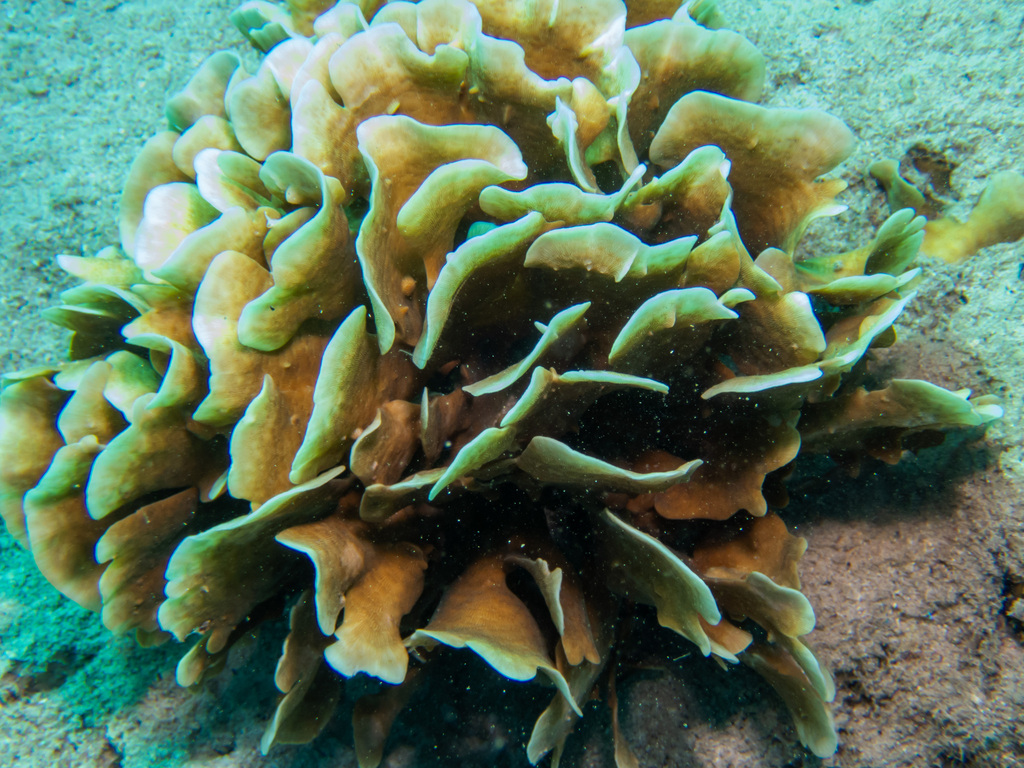 Cactus coral0%
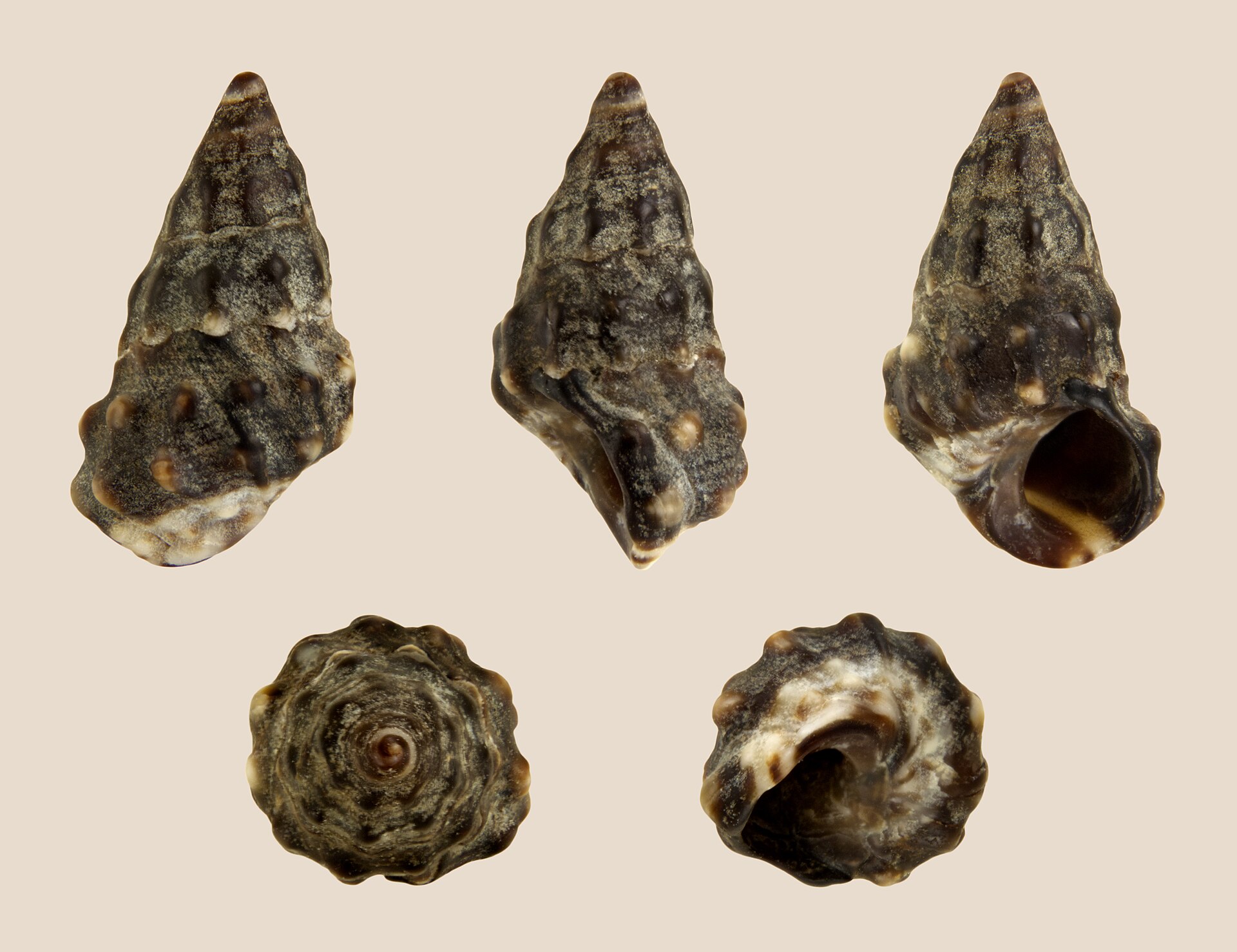 Malacca echinolittorina0%
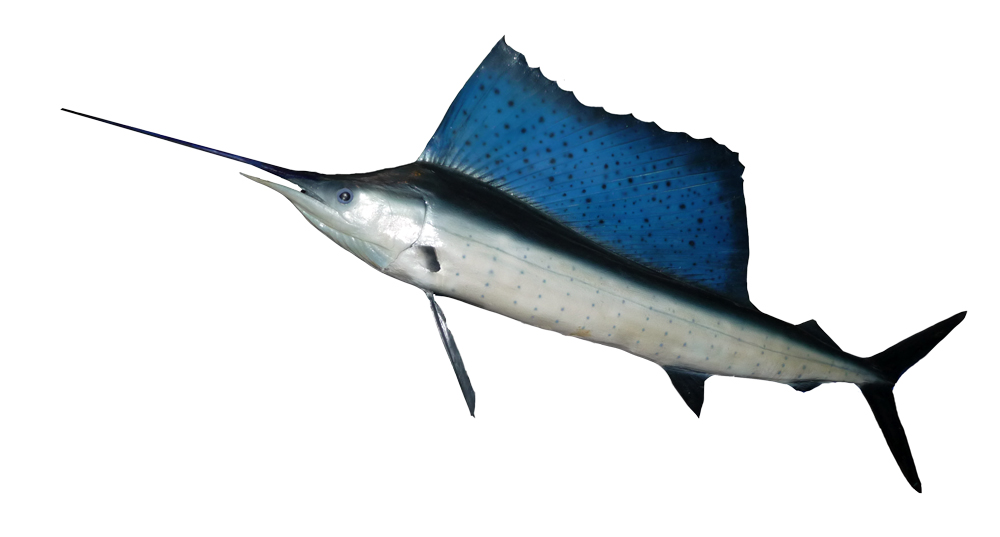 Indo-Pacific sailfish0%
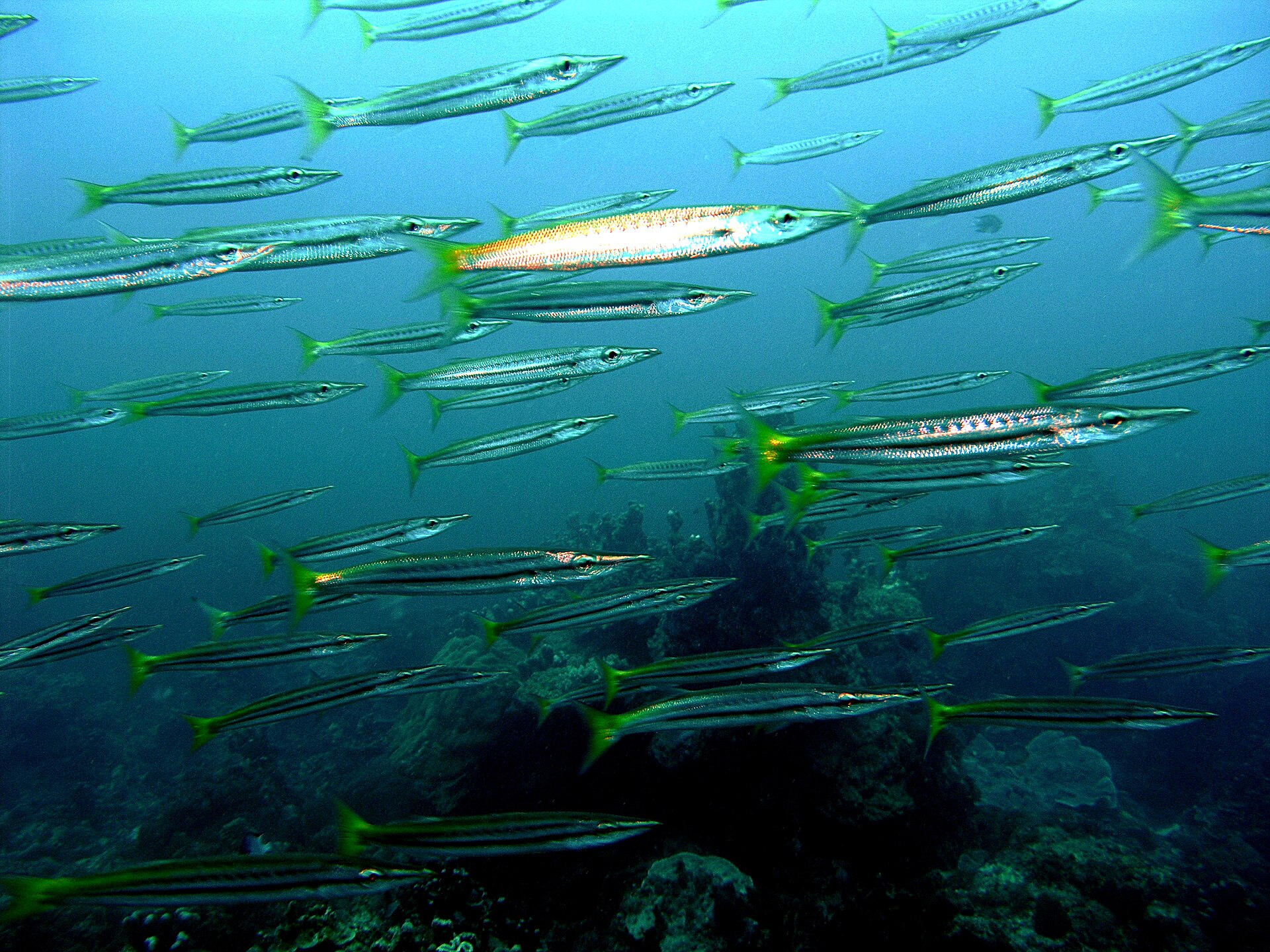 Yellowtail barracuda0%
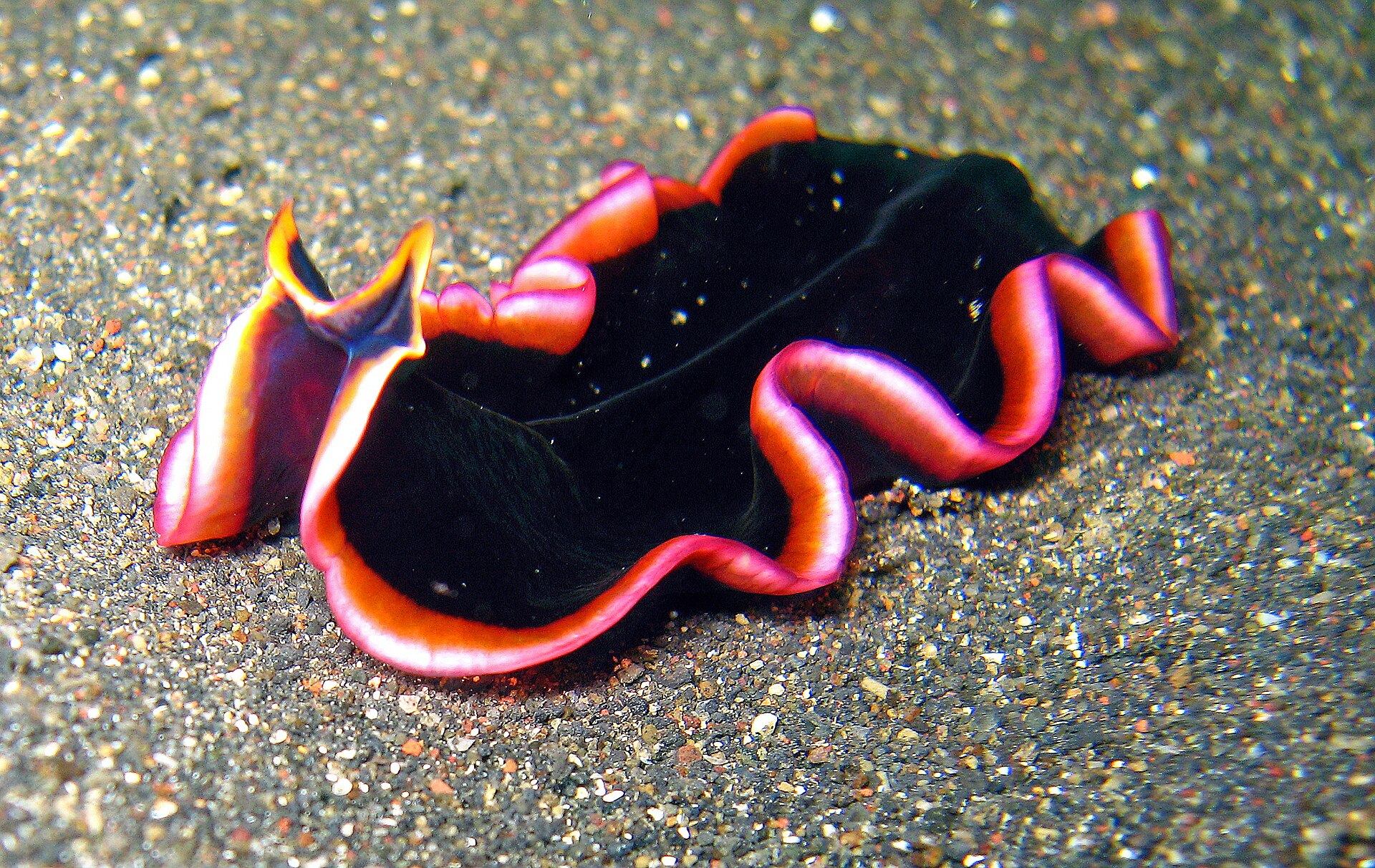 Hancock's flatworm0%
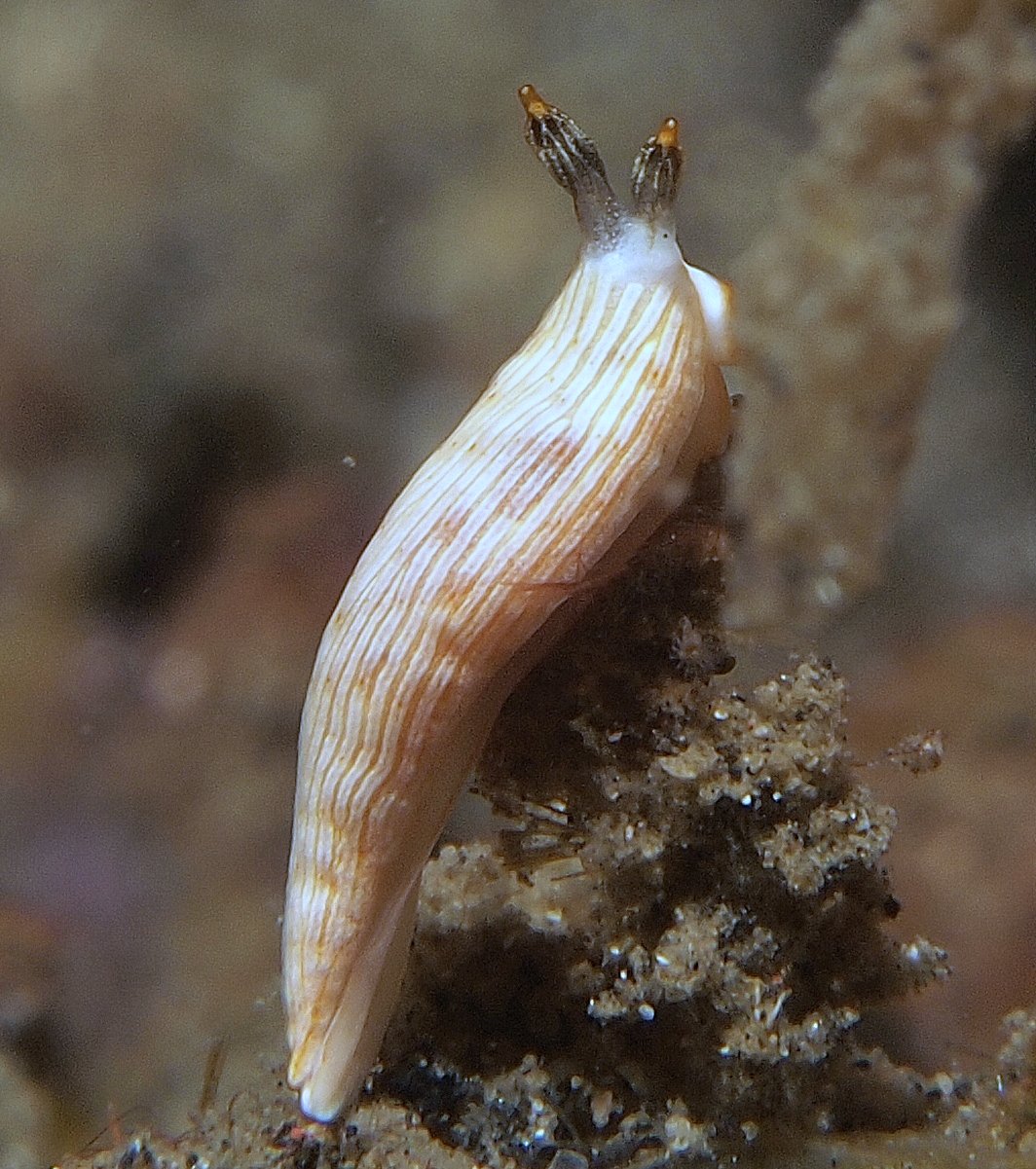 Dermatobranchus albus0%
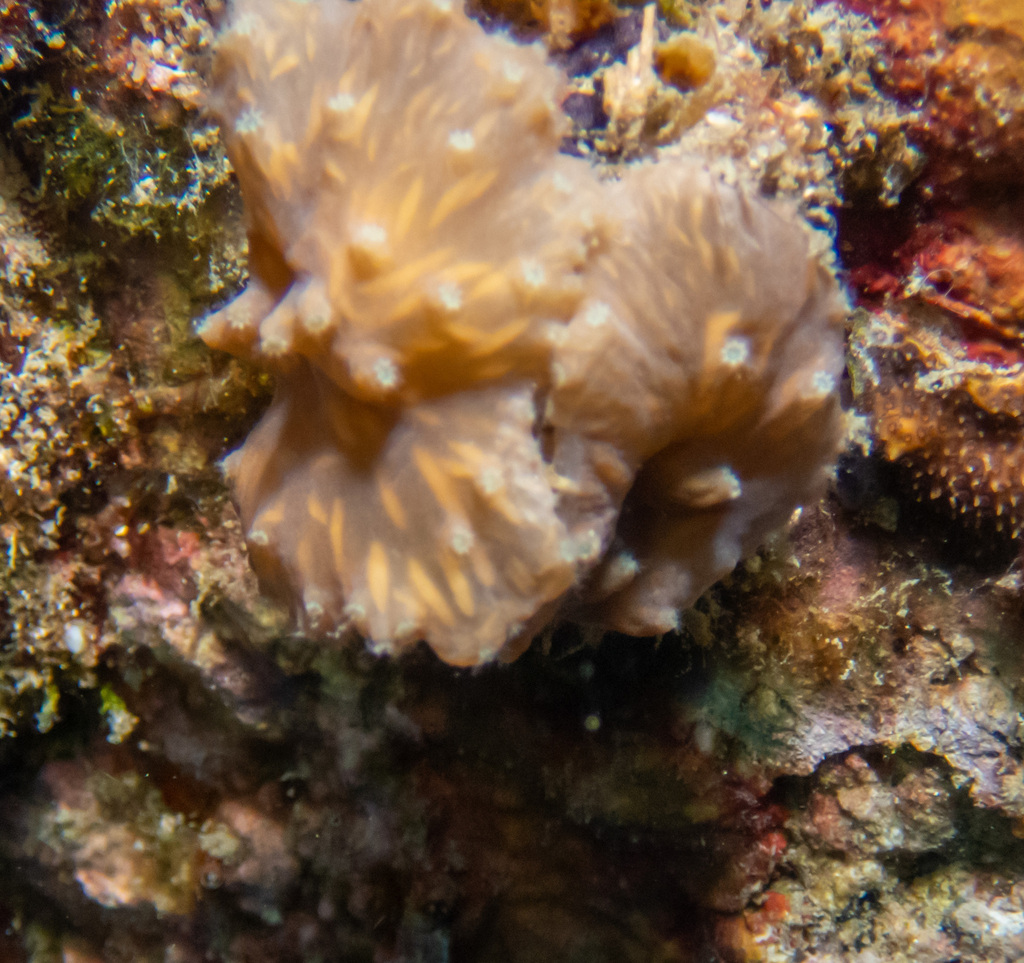 Cabbage leather-coral0%
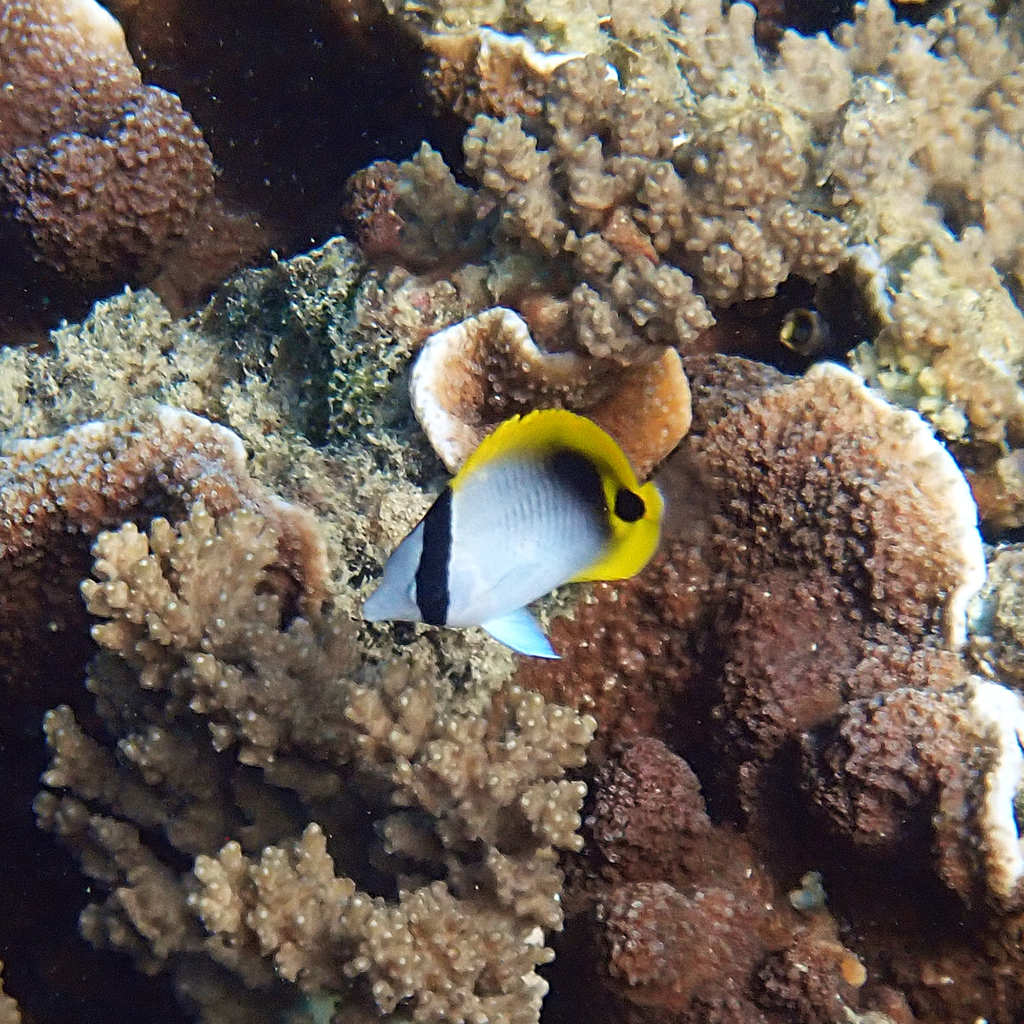 Lined Butterflyfish0%
- Stegastes obreptus0%
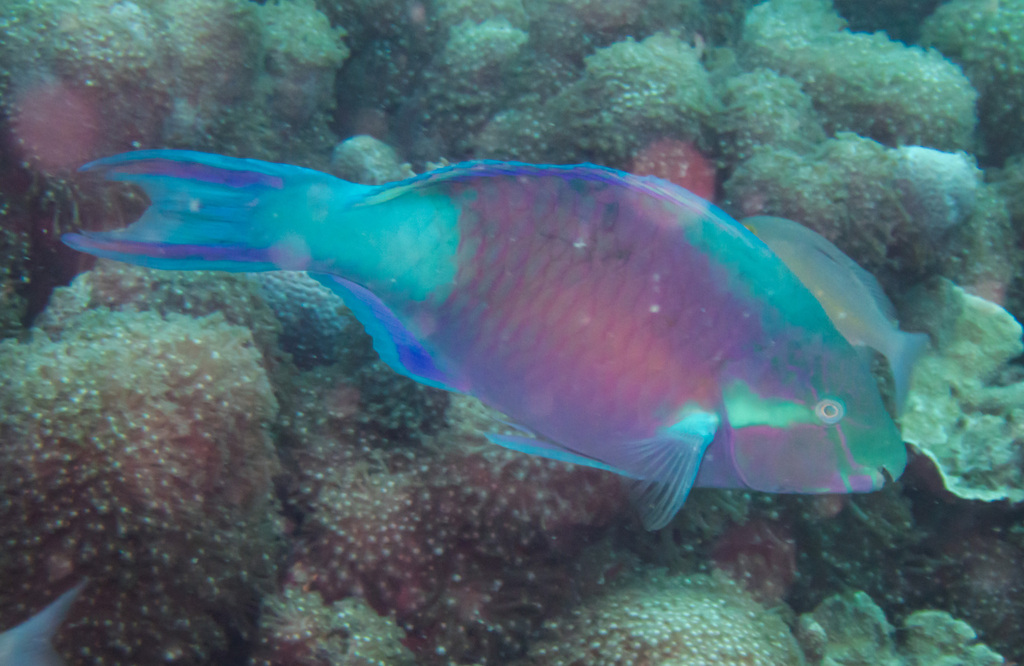 Yellow-tail Parrotfish0%
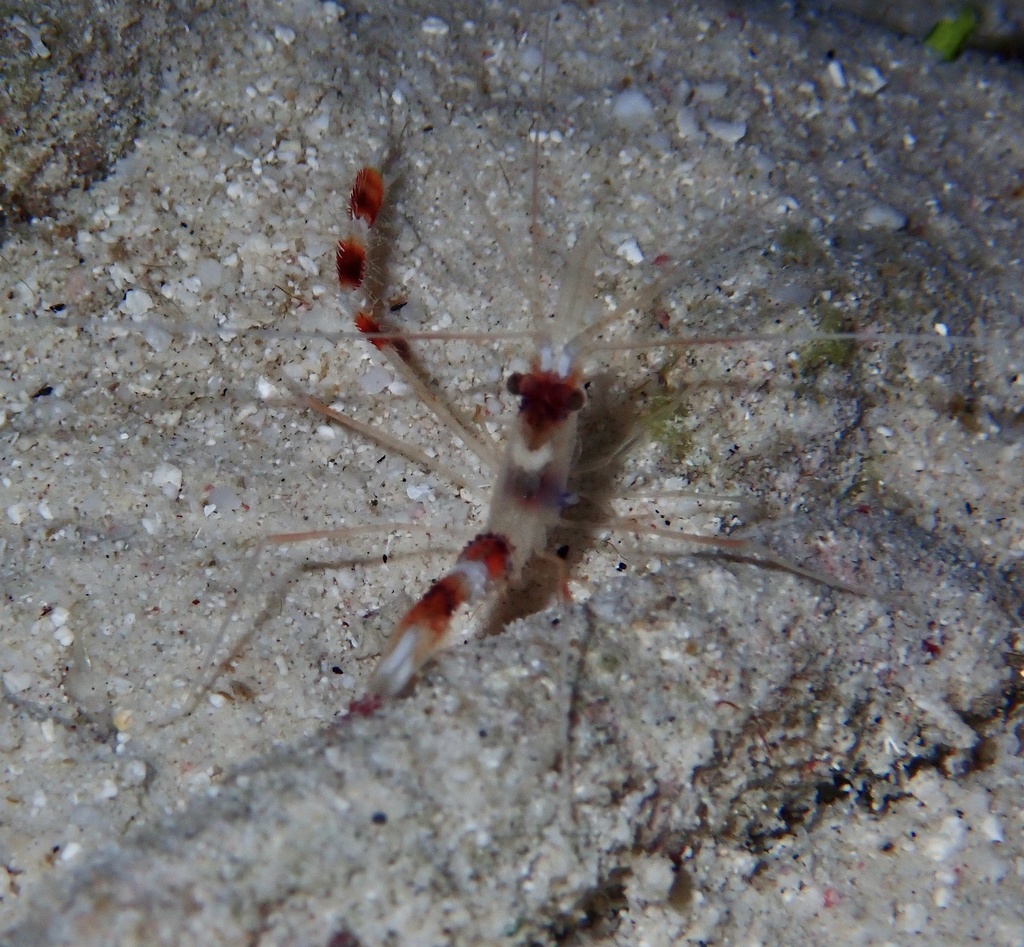 Banded coral shrimp0%
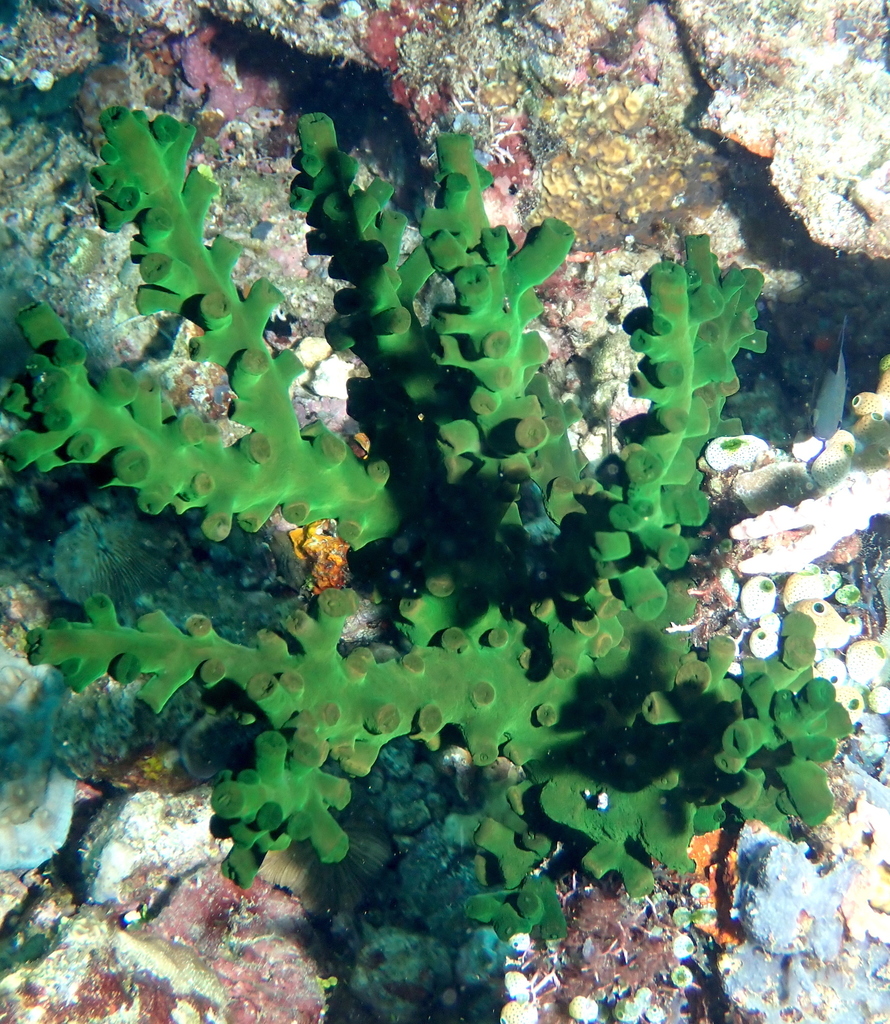 Black Sun Coral0%
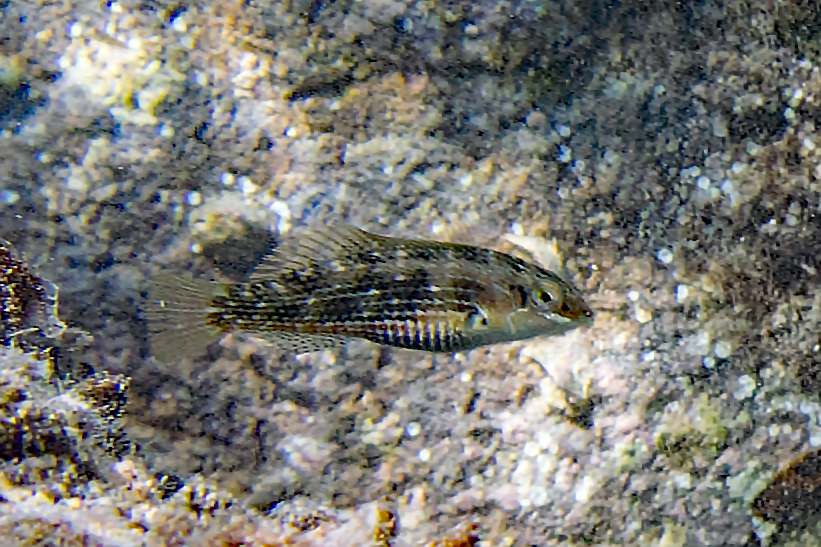 Circle-cheek Wrasse0%
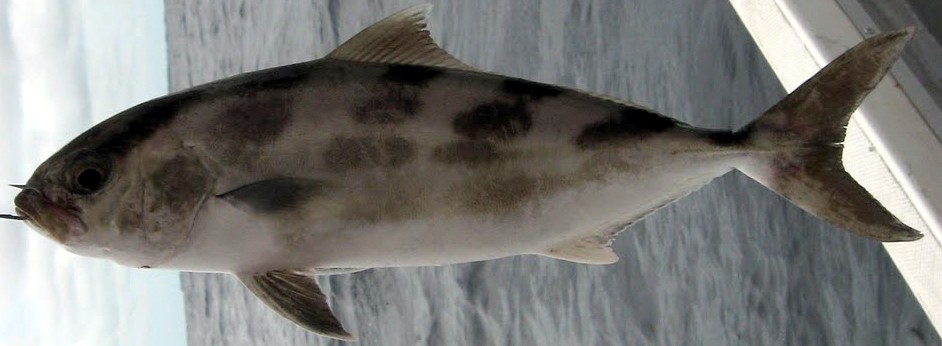 Blackbanded Amberjack0%
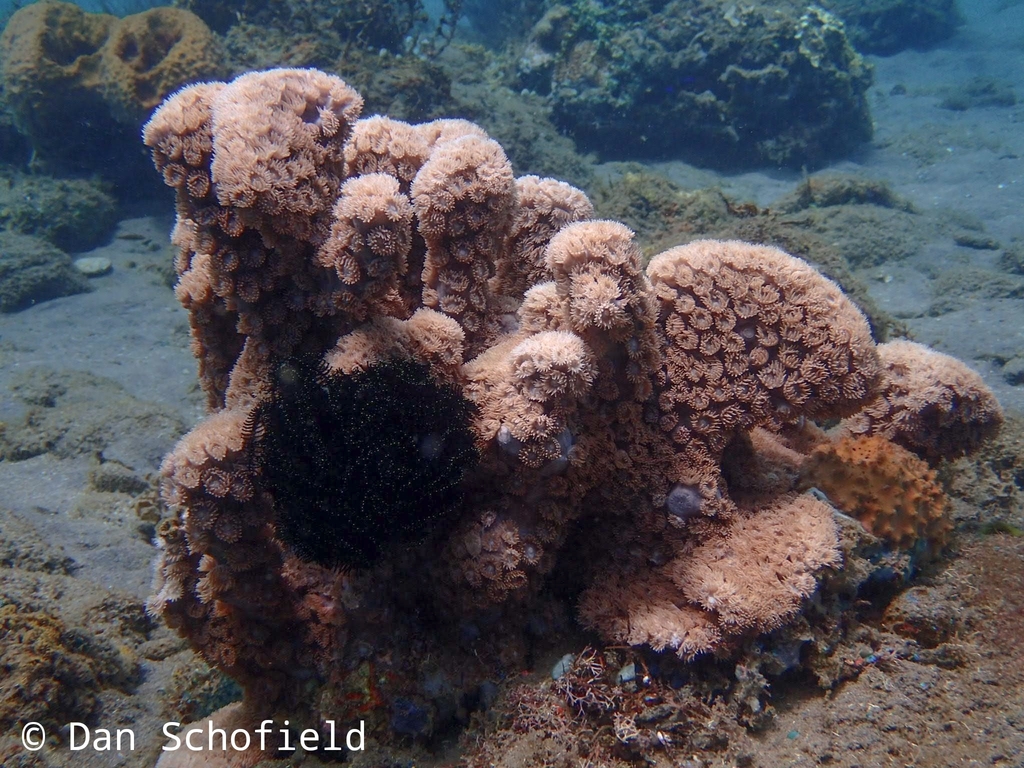 Pagoda Coral0%
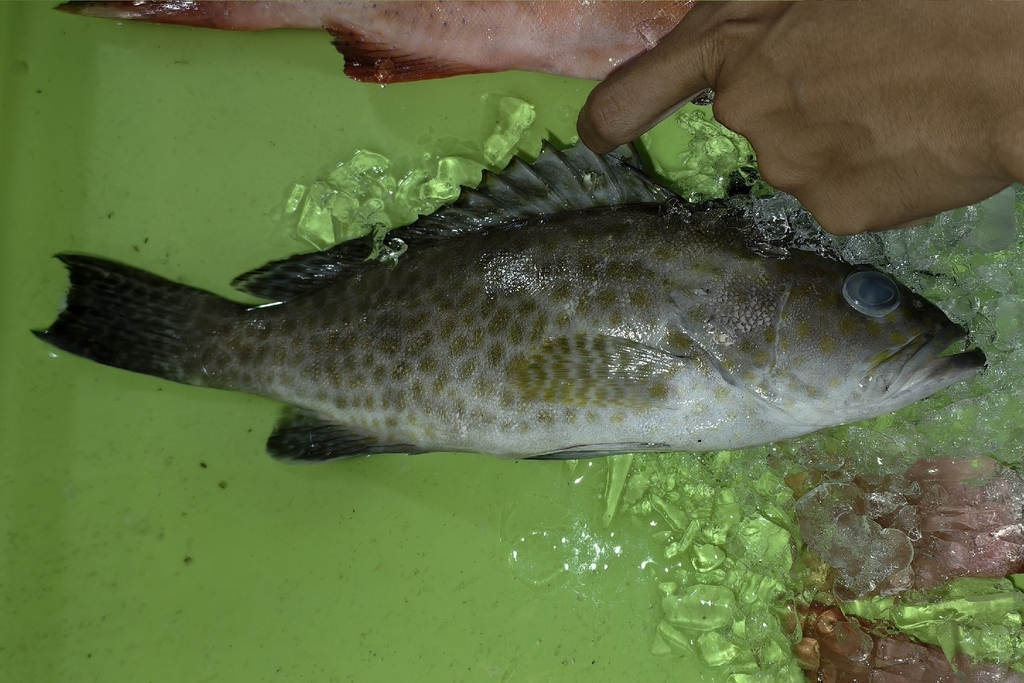 Yellow-spotted Rockcod0%
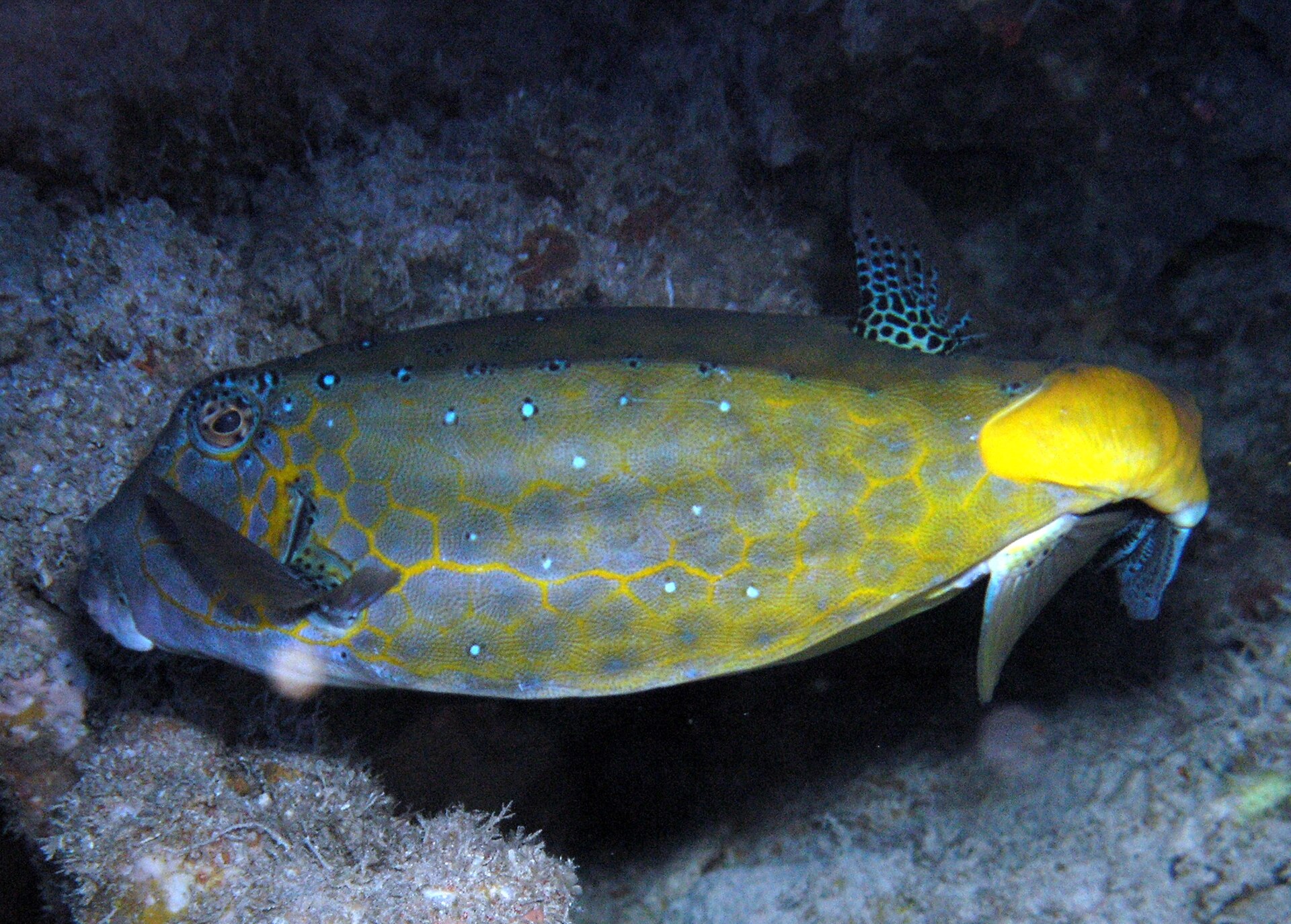 Ostracion cubicus0%
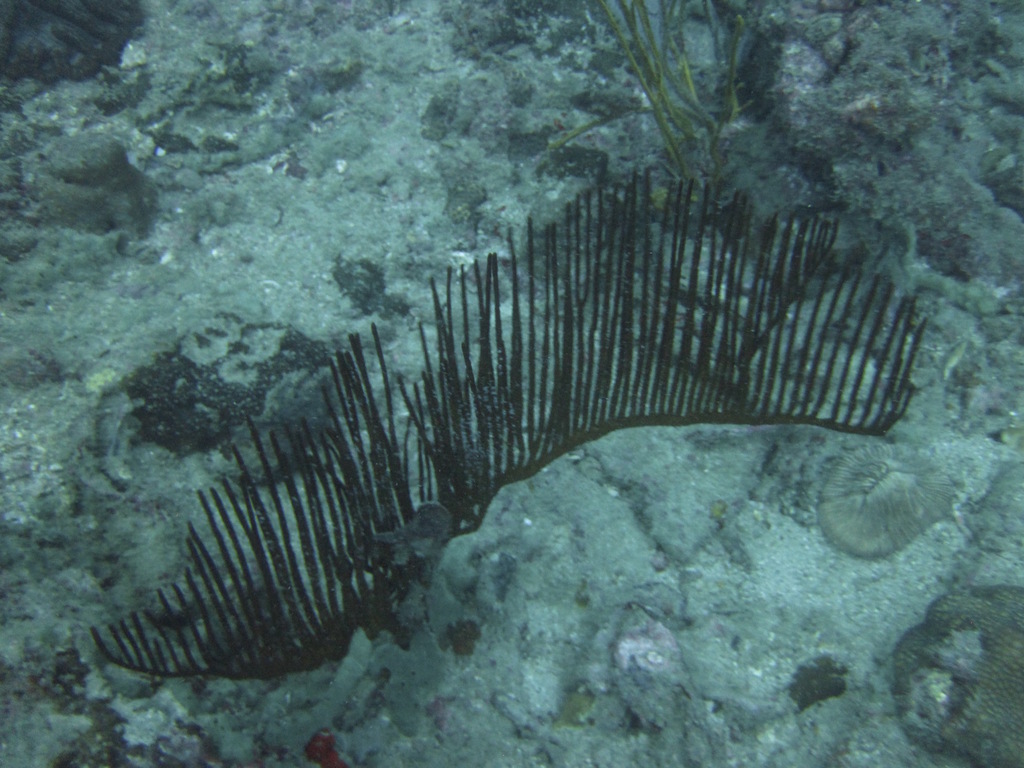 Lyre gorgonian0%
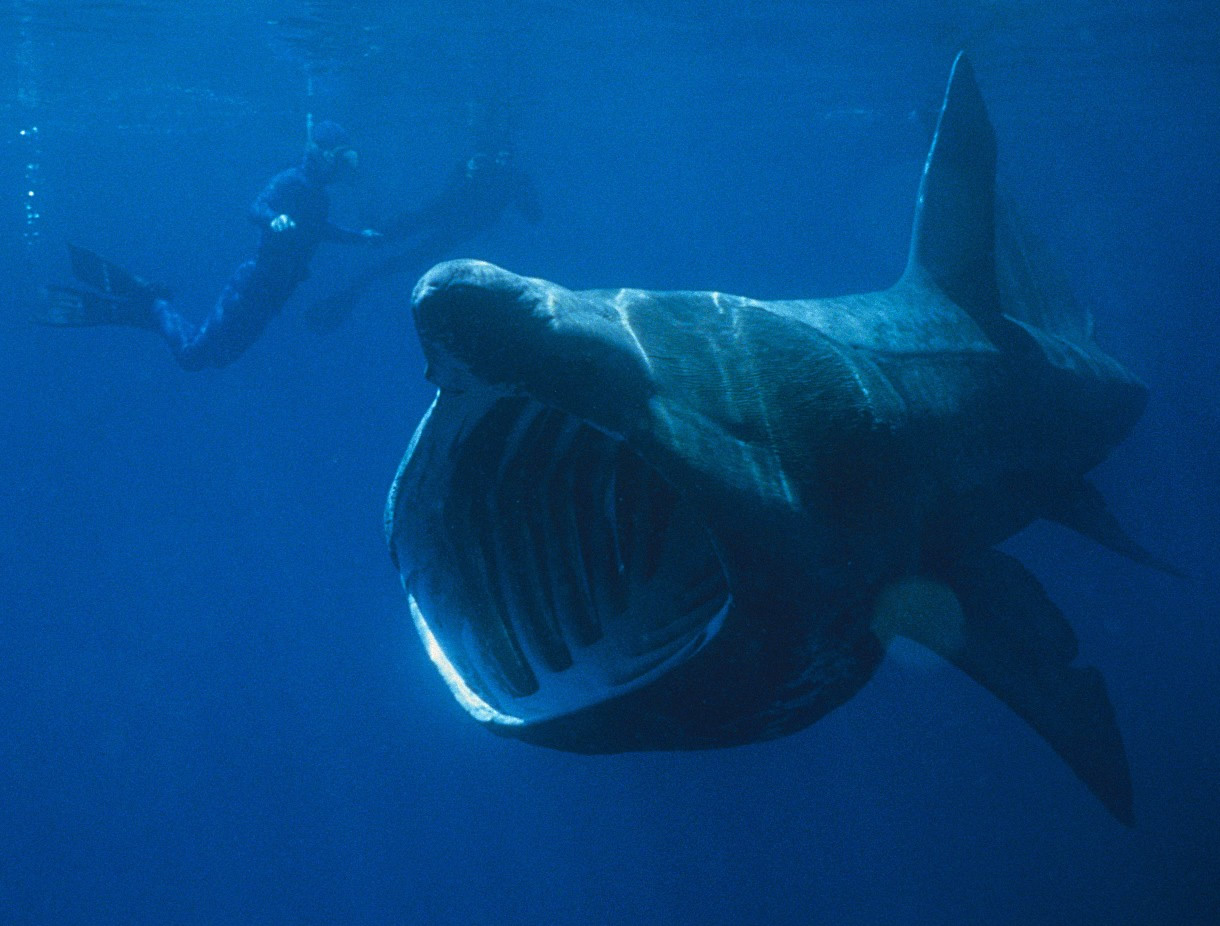 Basking Shark0%
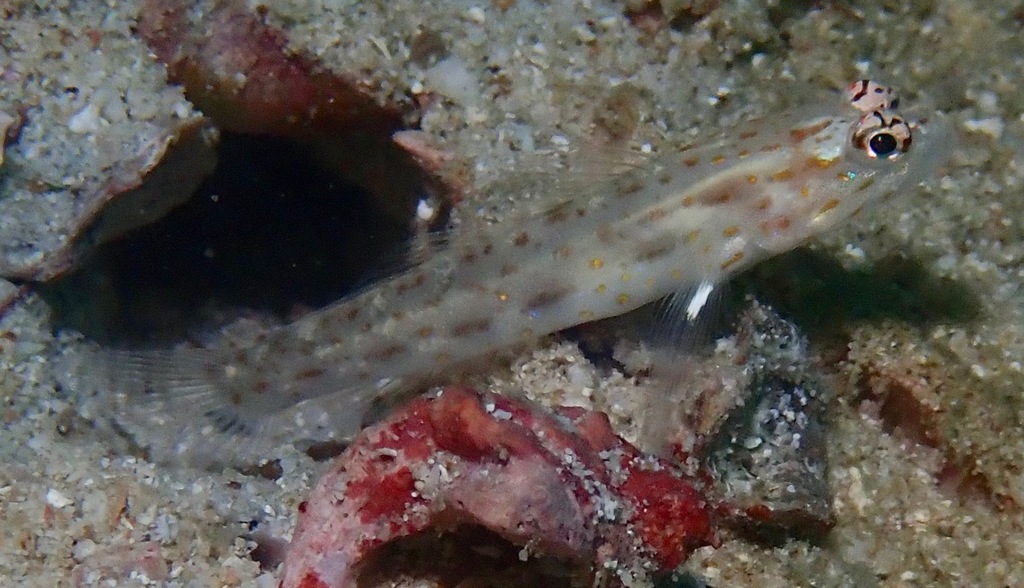 Goldspeckled shrimpgoby0%
 Blubberlip0%
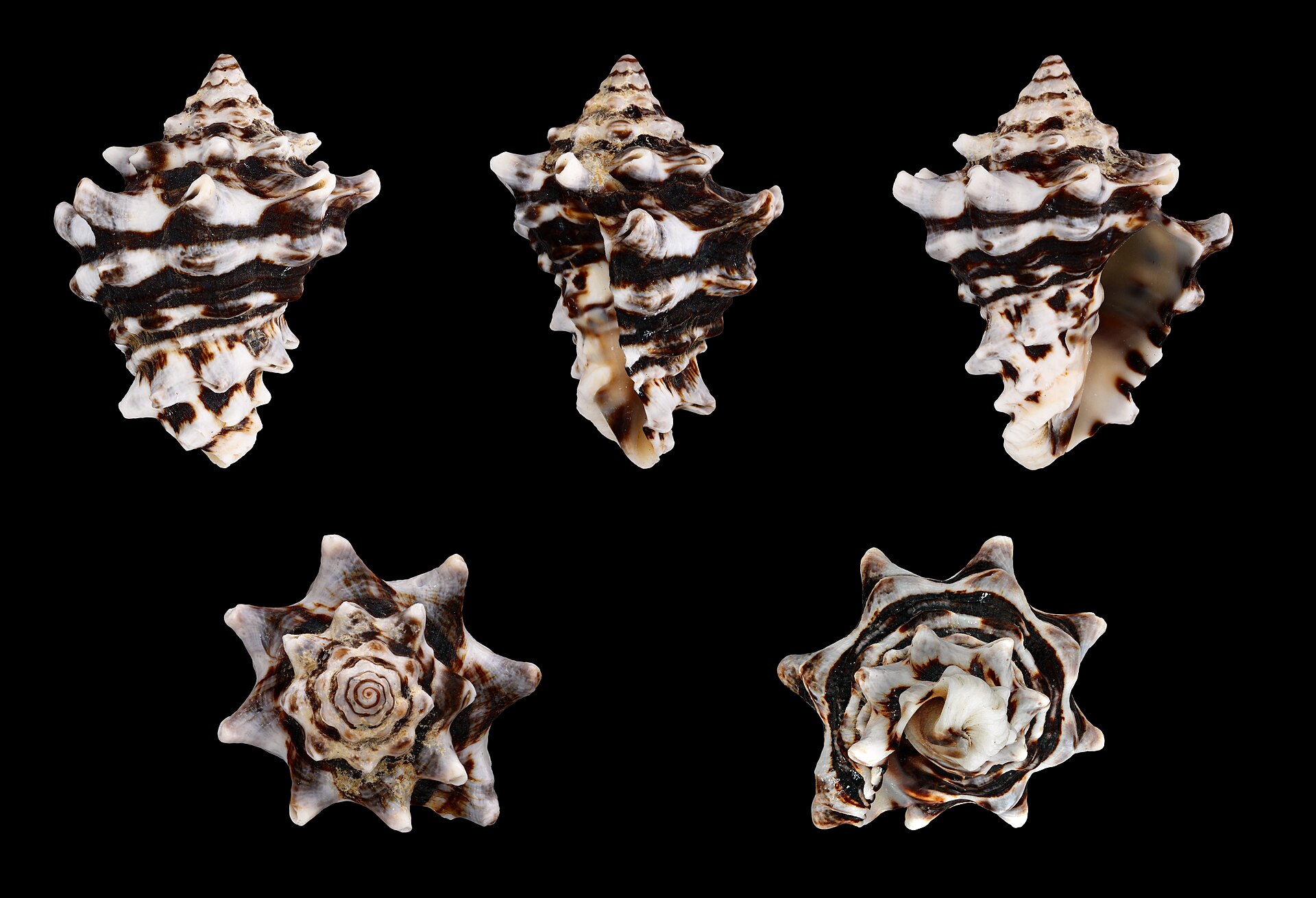 Common pacific vase0%
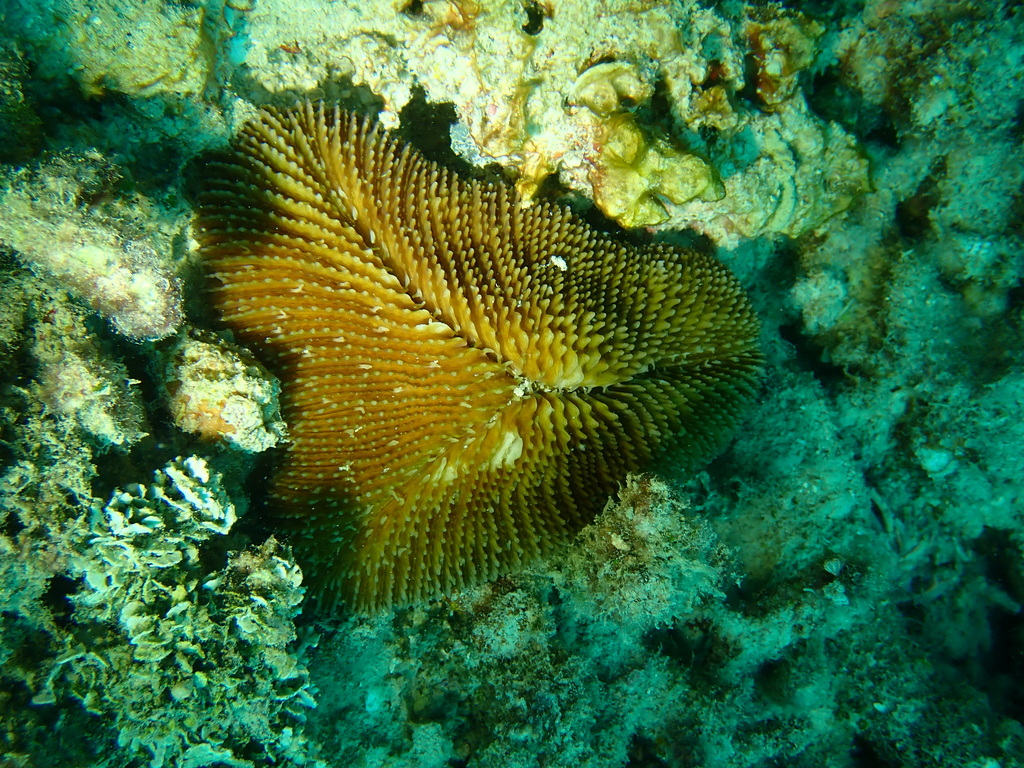 Ctenactis echinata0%
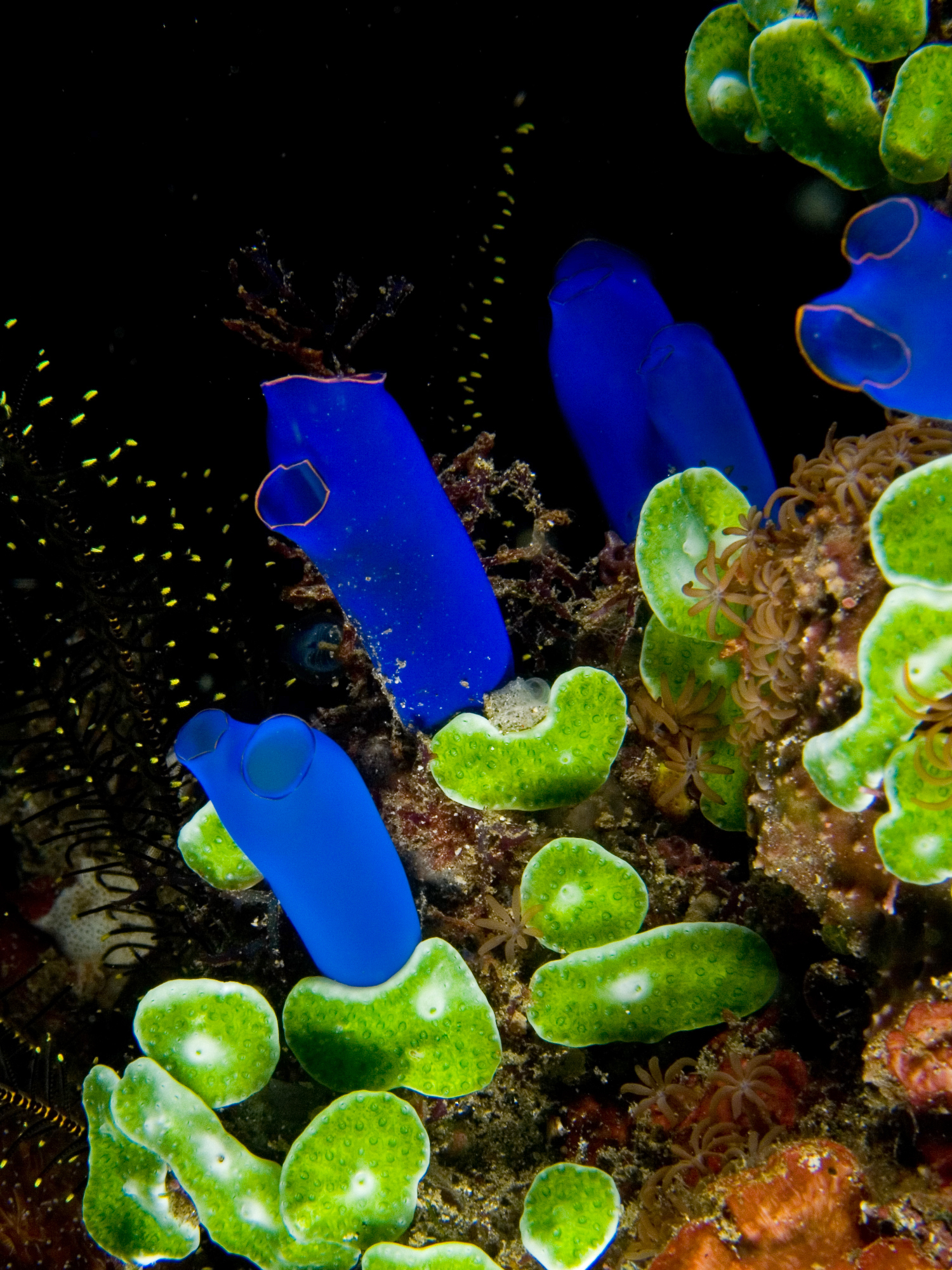 Diplosoma virens0%
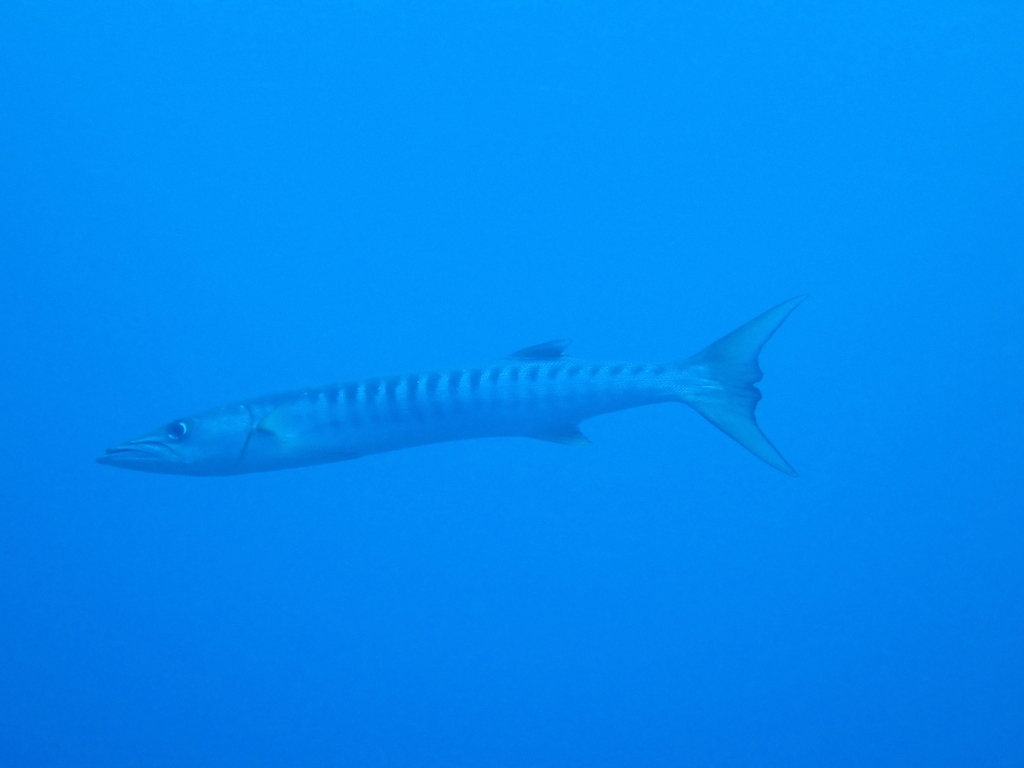 Blackfin barracuda0%
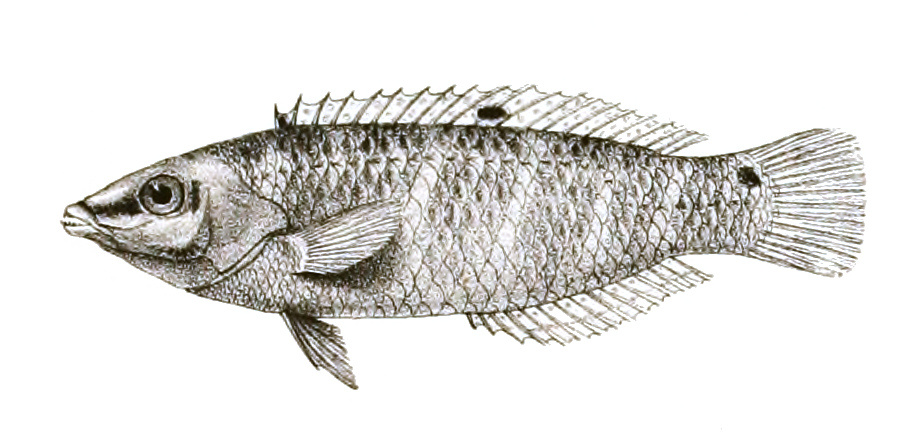 Argus wrasse0%
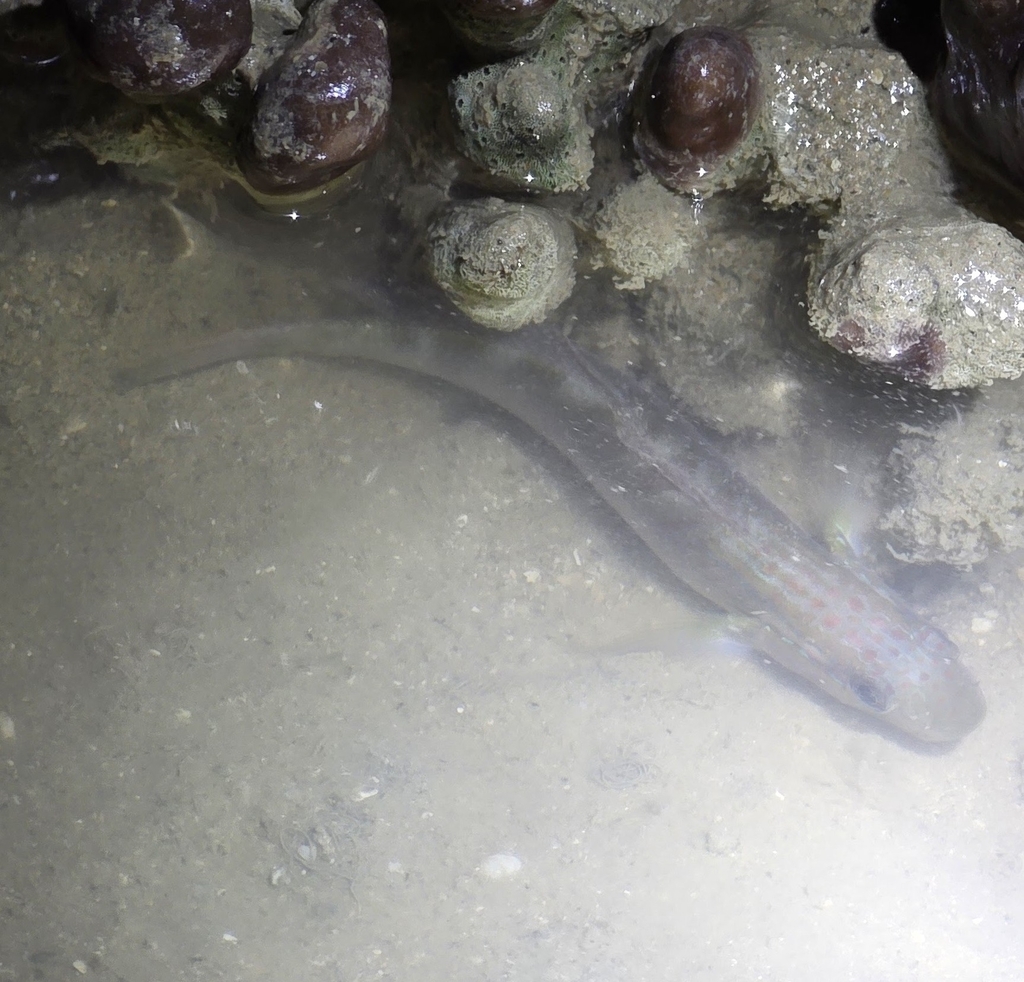 Freckled goby0%
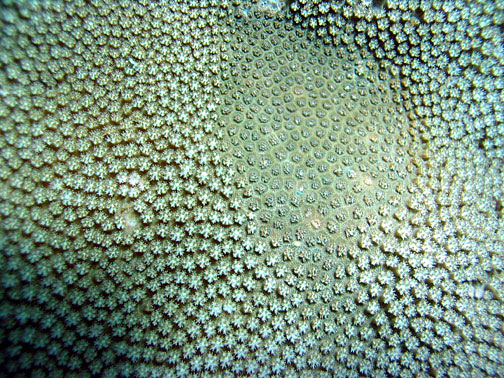 Goniopora fruticosa0%
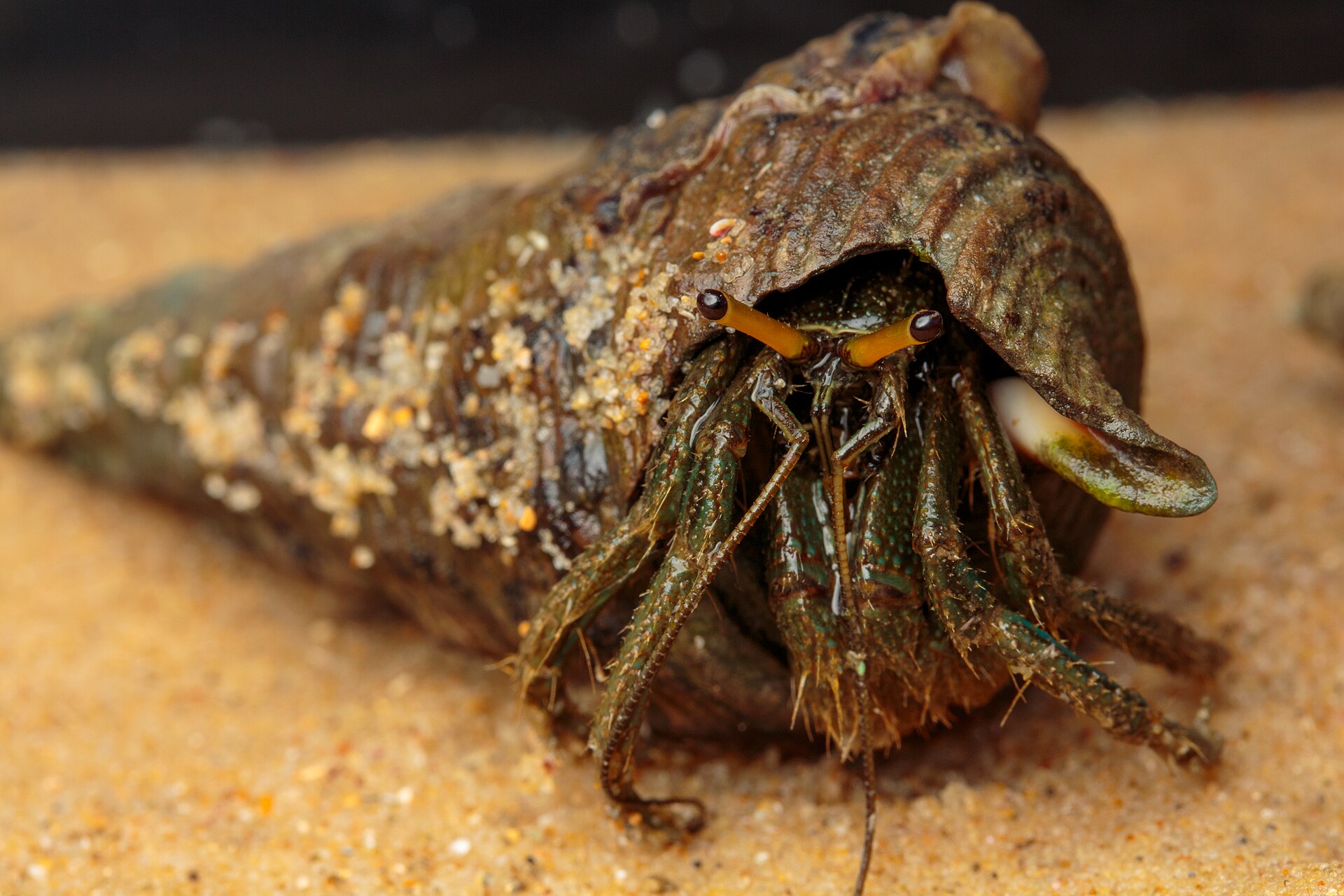 Long-legged hermit crab0%
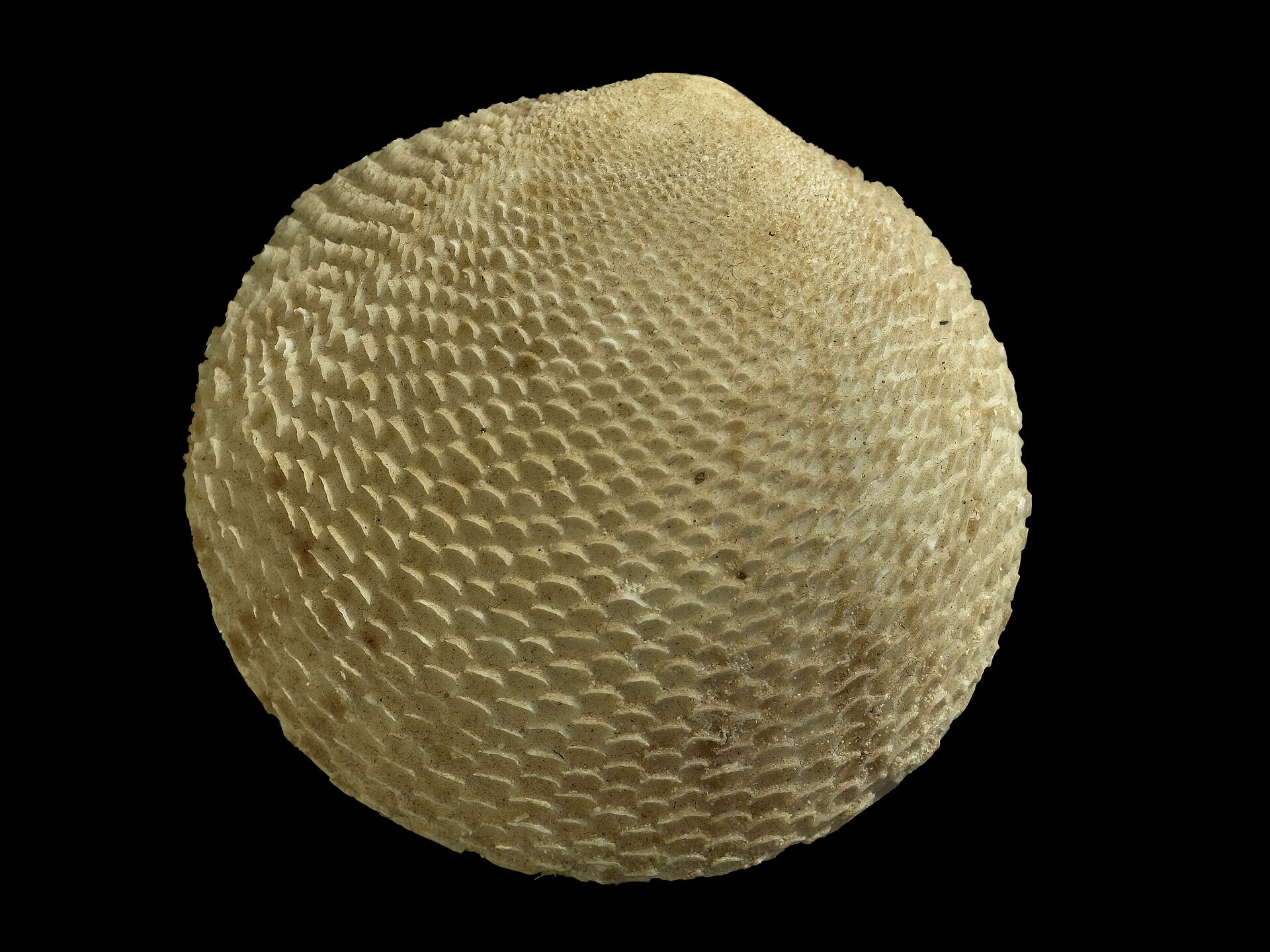 Rasp tellin0%
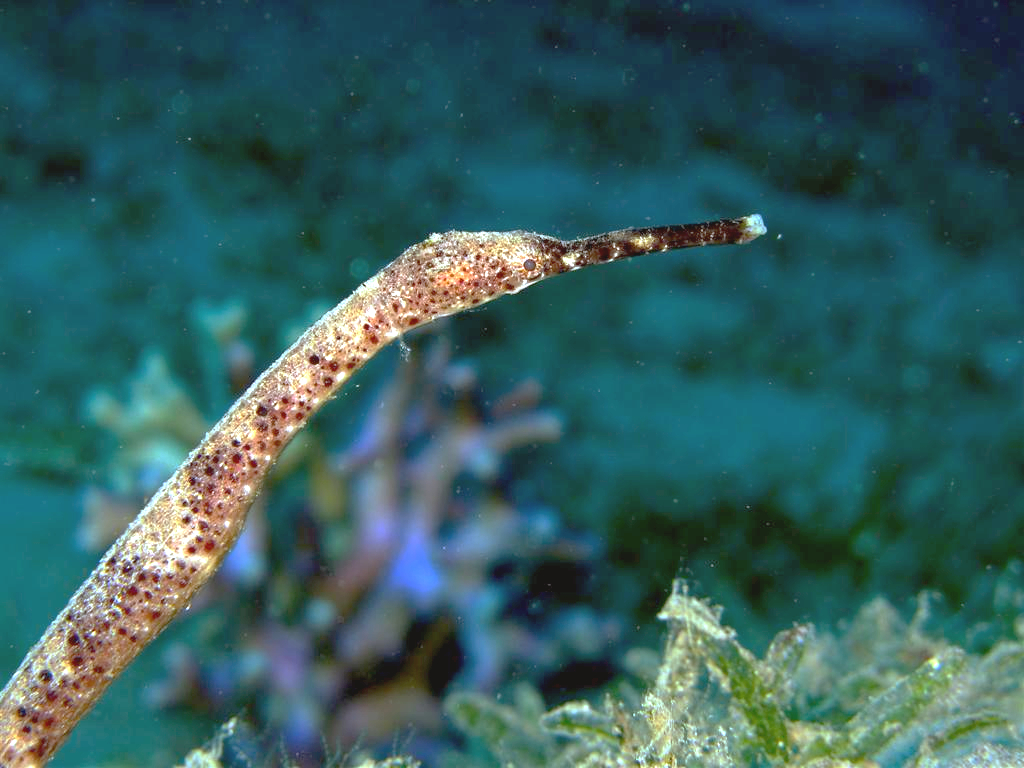 Bend stick pipefish0%
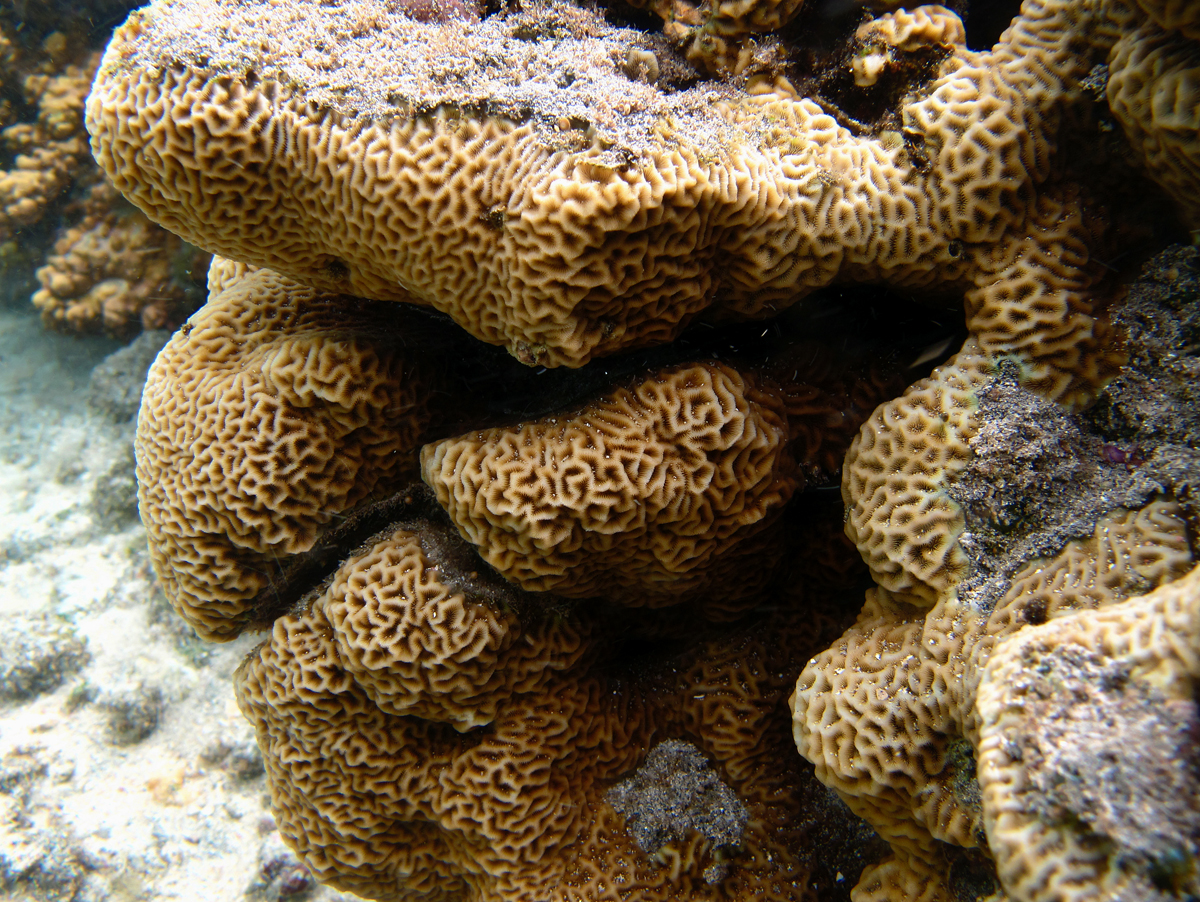 Corrugated coral0%
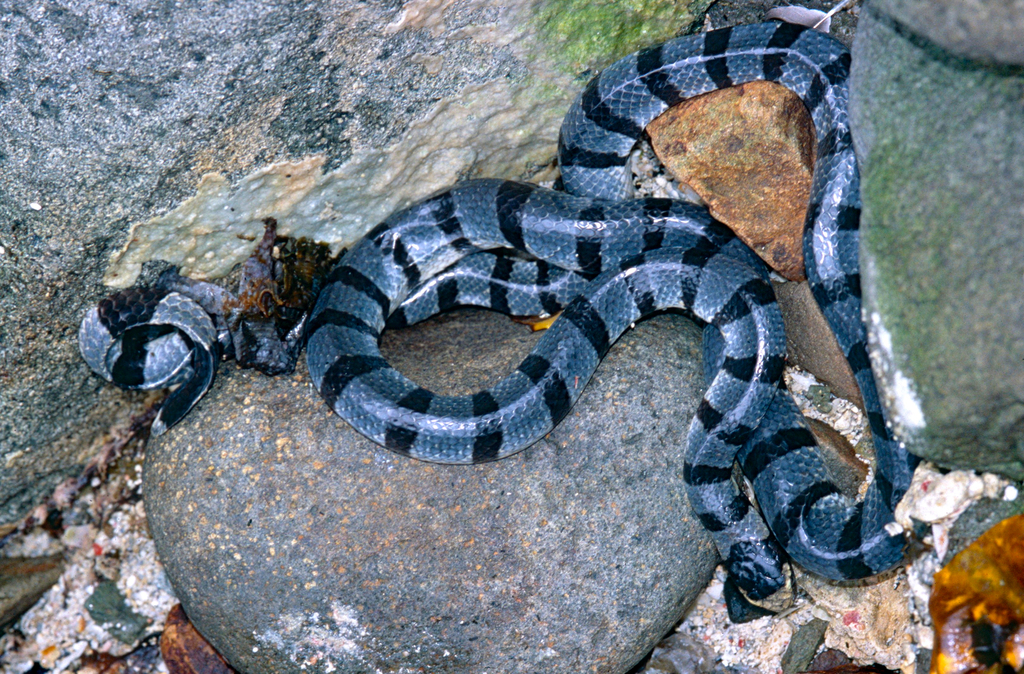 Yellow-lipped Sea Krait0%
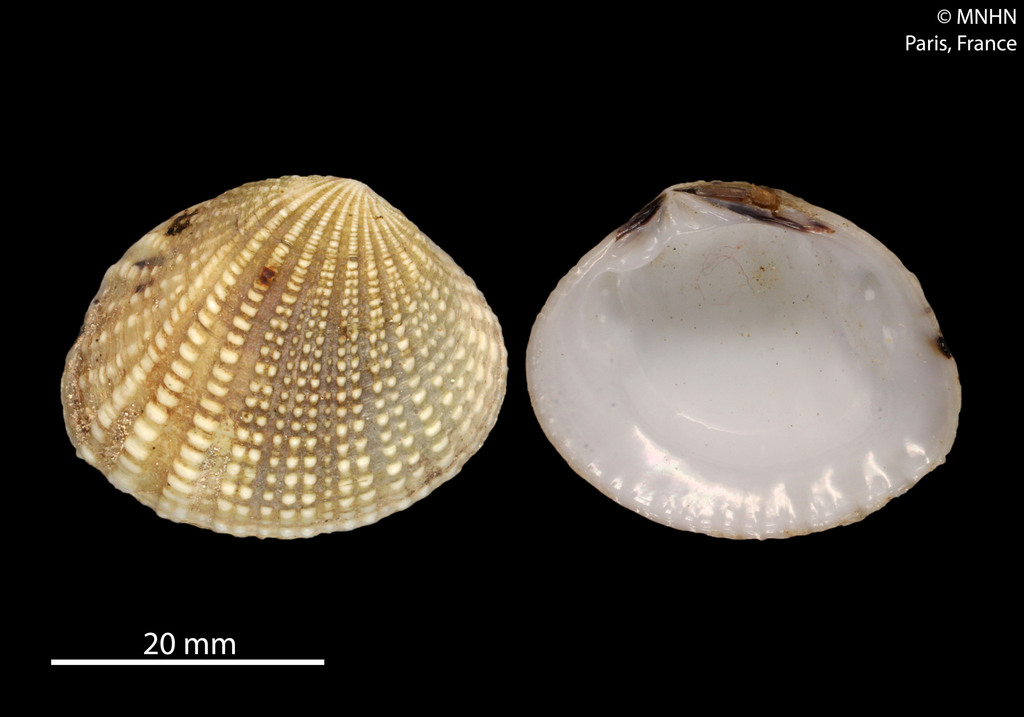 Swollen circe0%
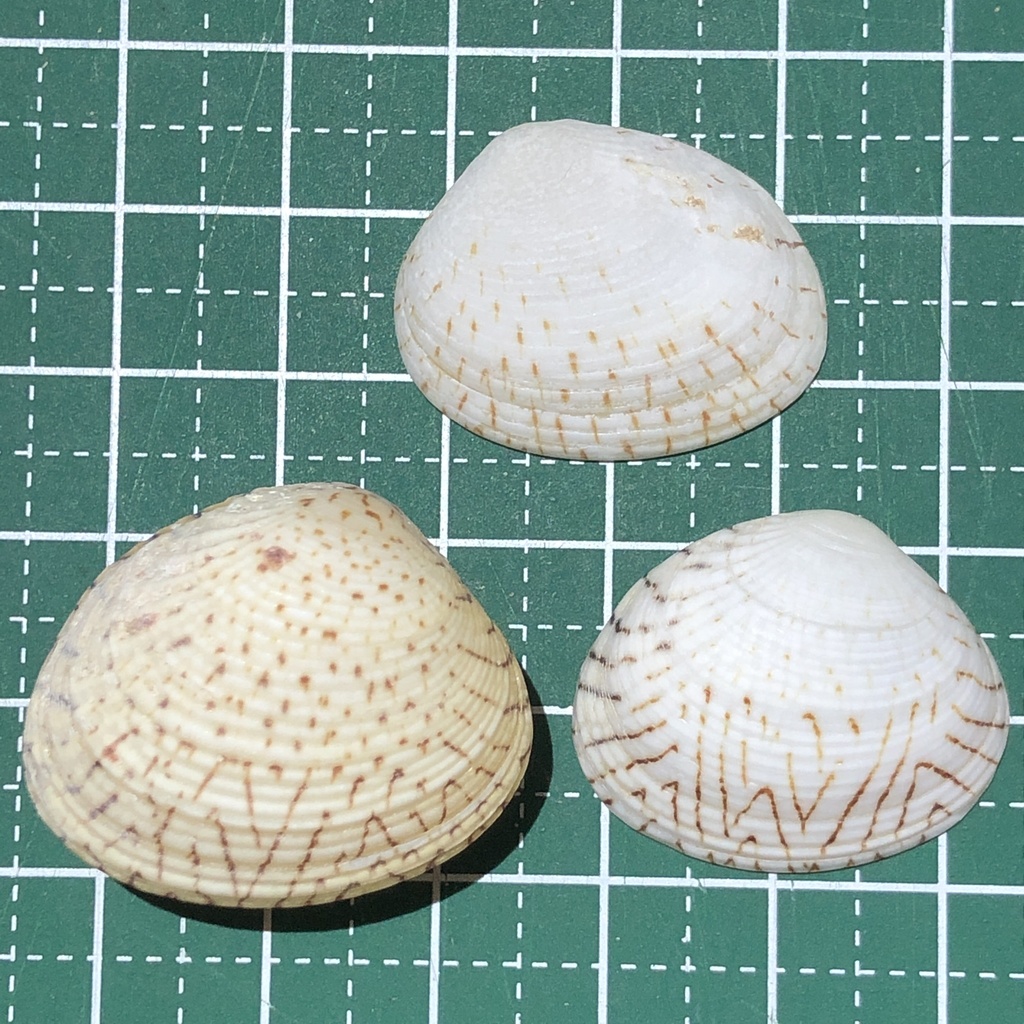 Transverse Circe0%
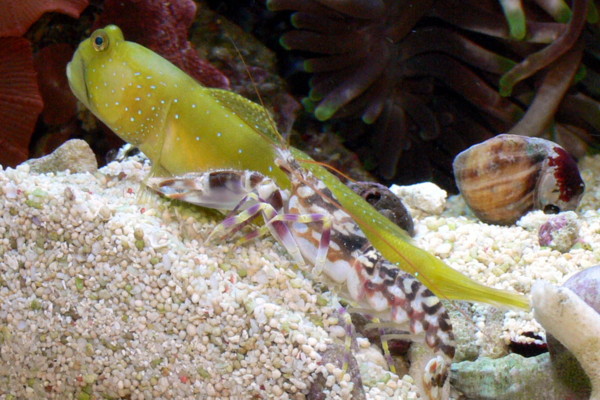 Tiger snapping shrimp0%
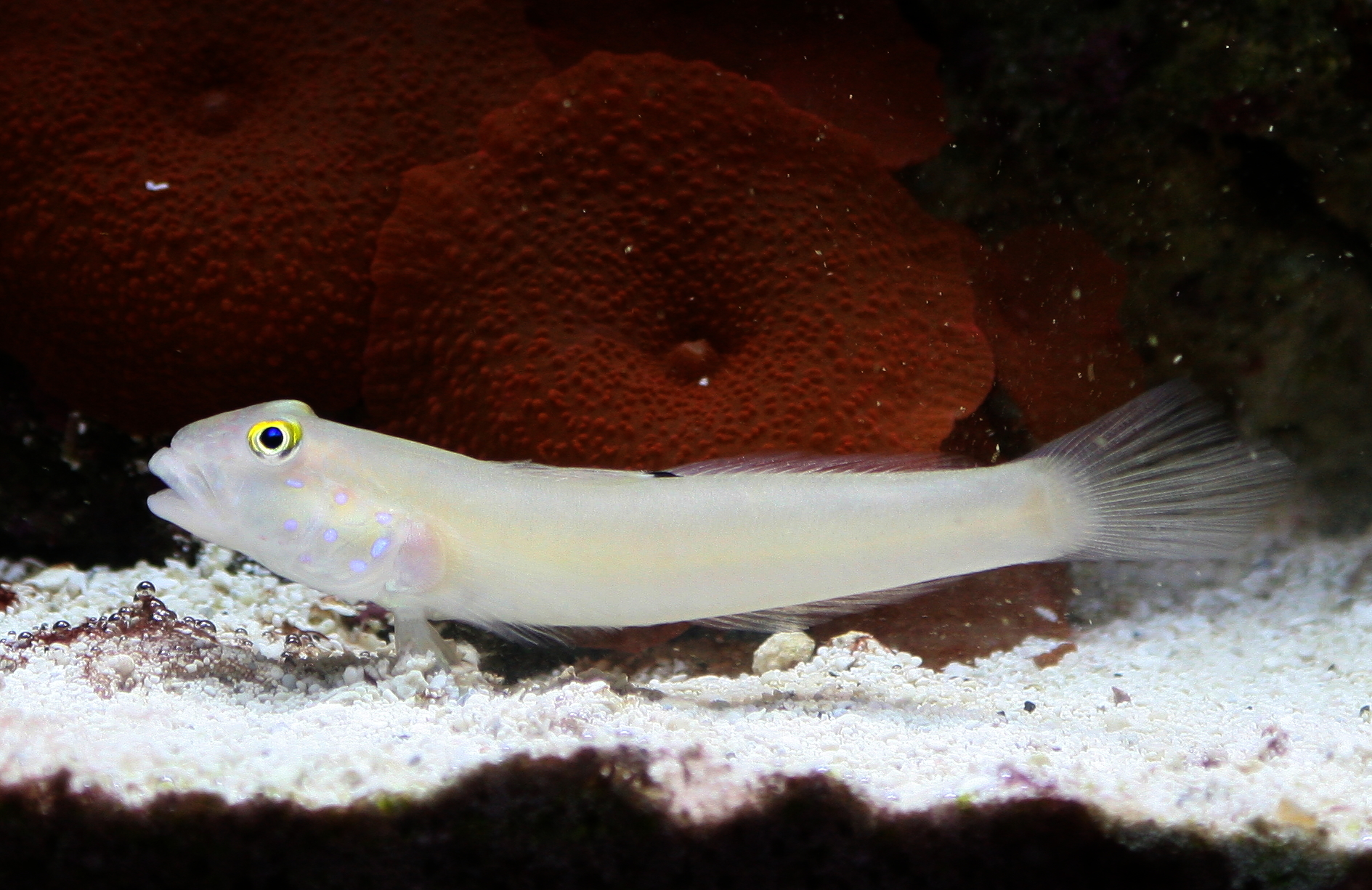 Sixspot Glidergoby0%
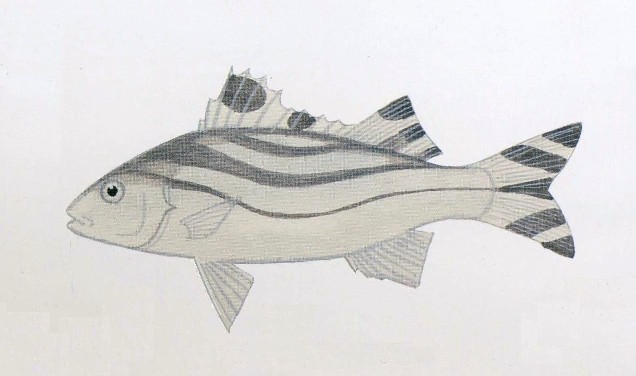 Tiger perch0%
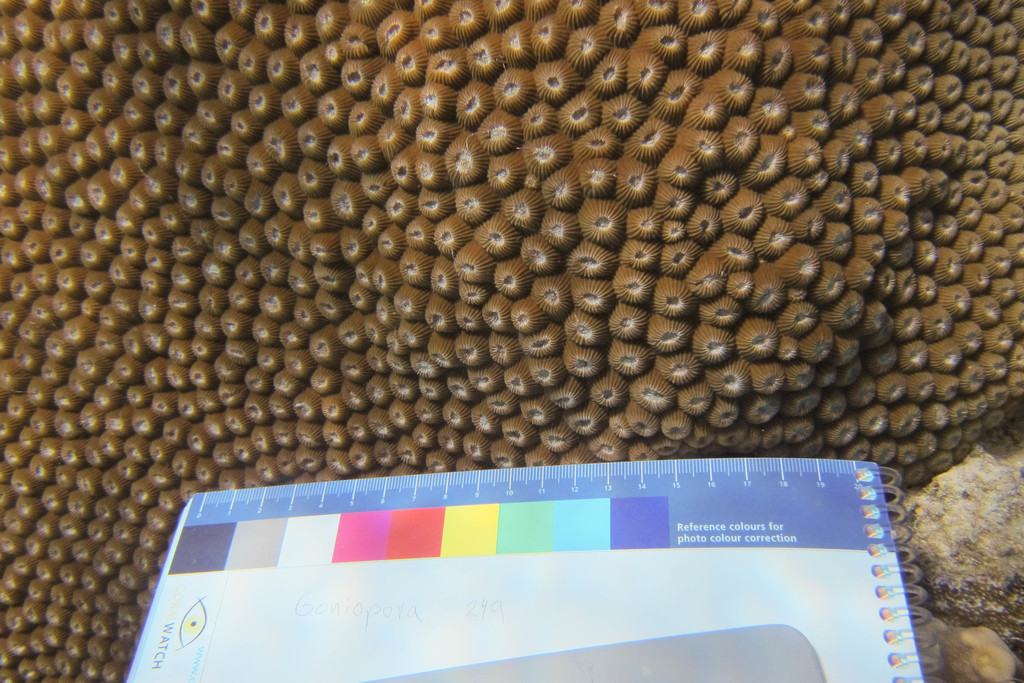 Honeycomb coral0%
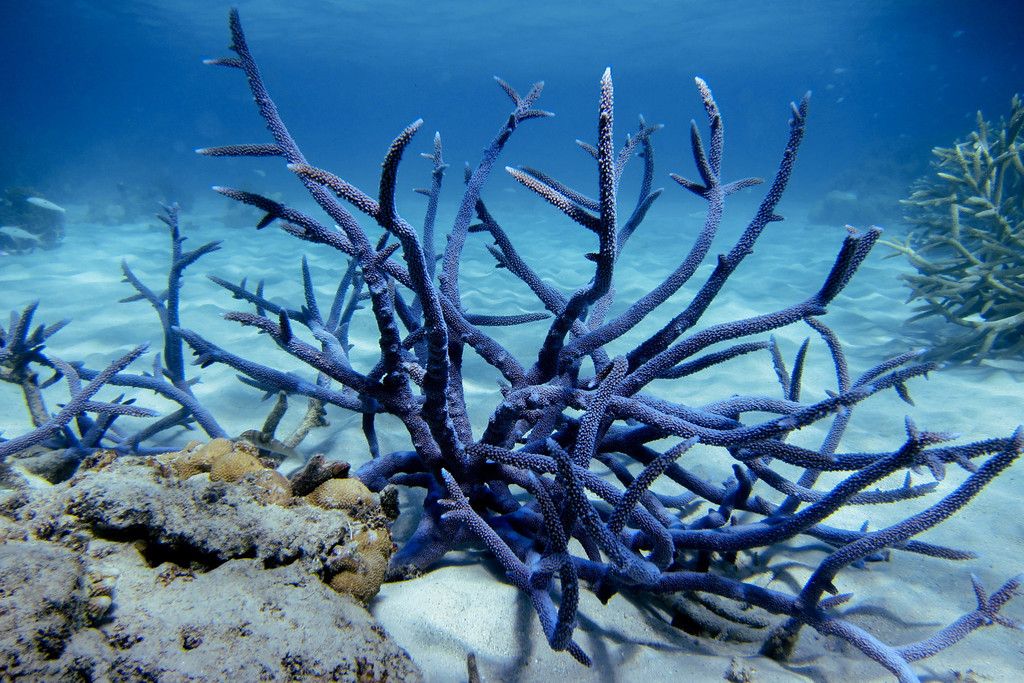 Brown Staghorn Coral0%
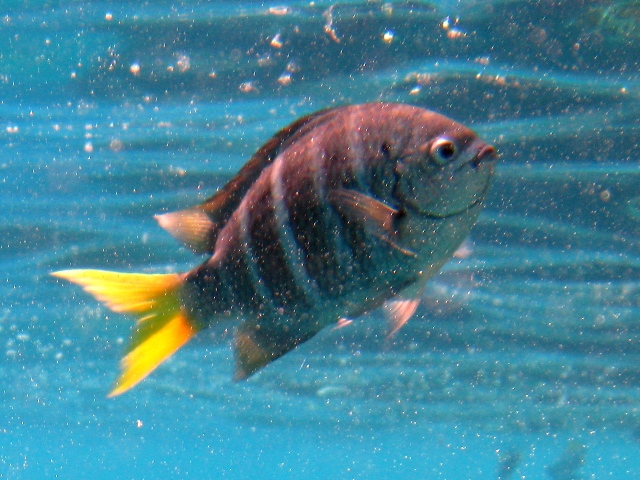 Yellowtail Sergeant0%
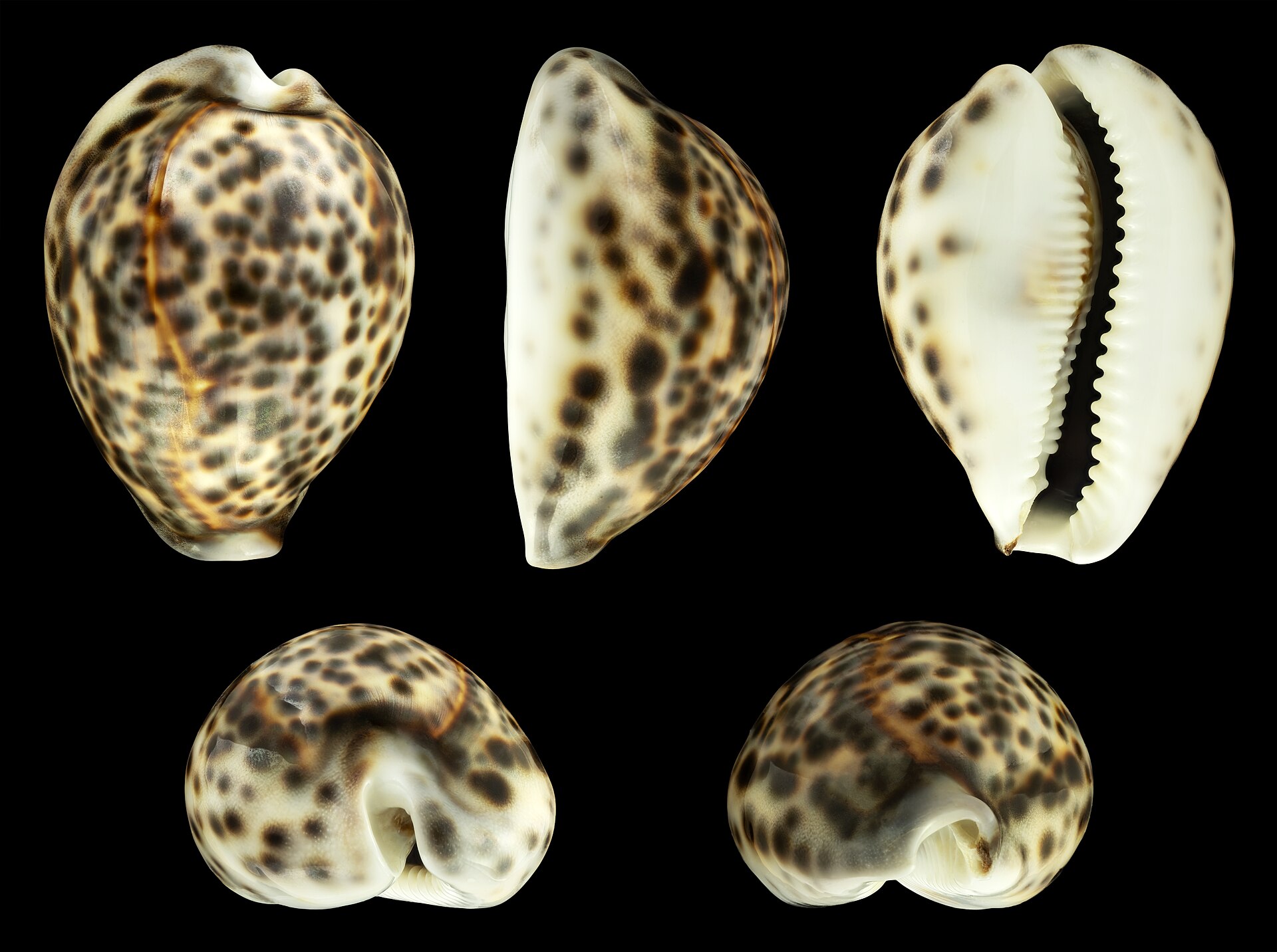 Tiger cowrie0%
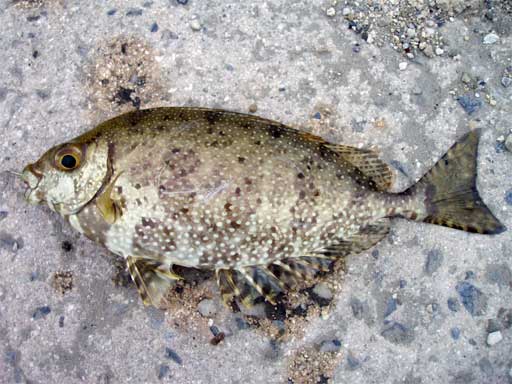 Dusky Rabbitfish0%
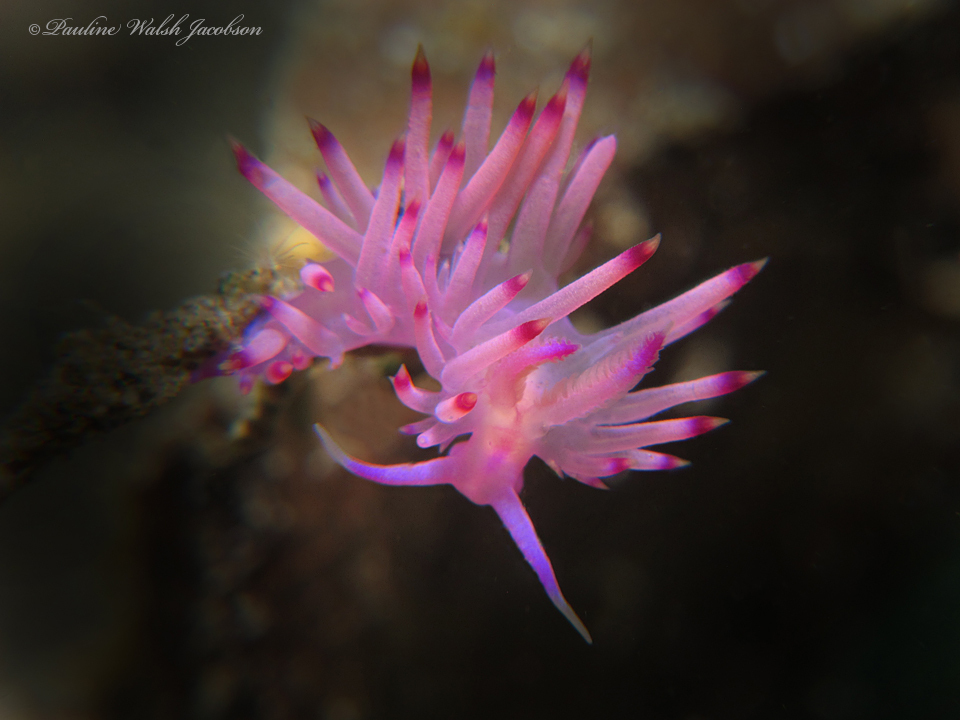 Coryphellina aurora0%
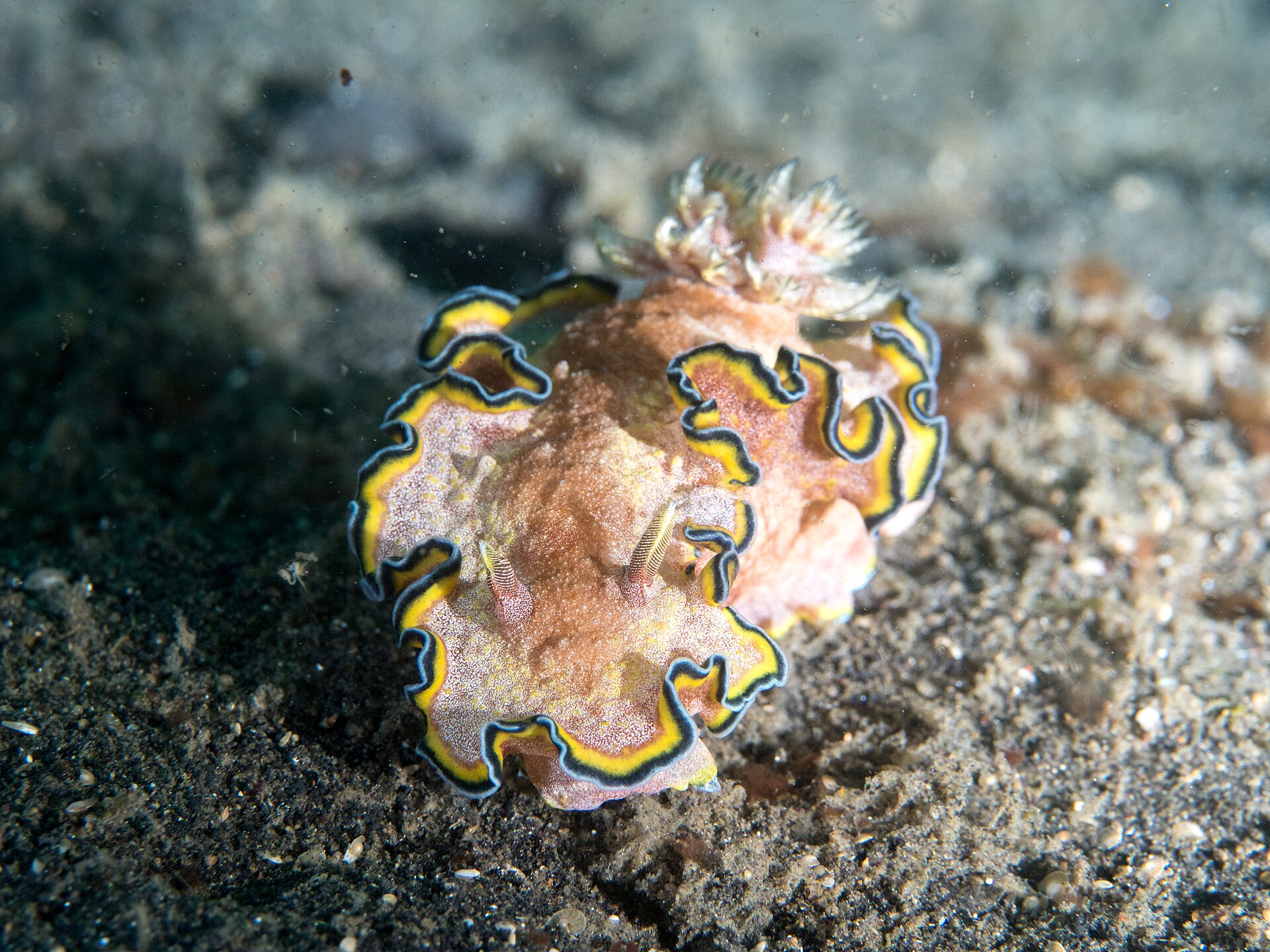 Girdled Glossodoris0%
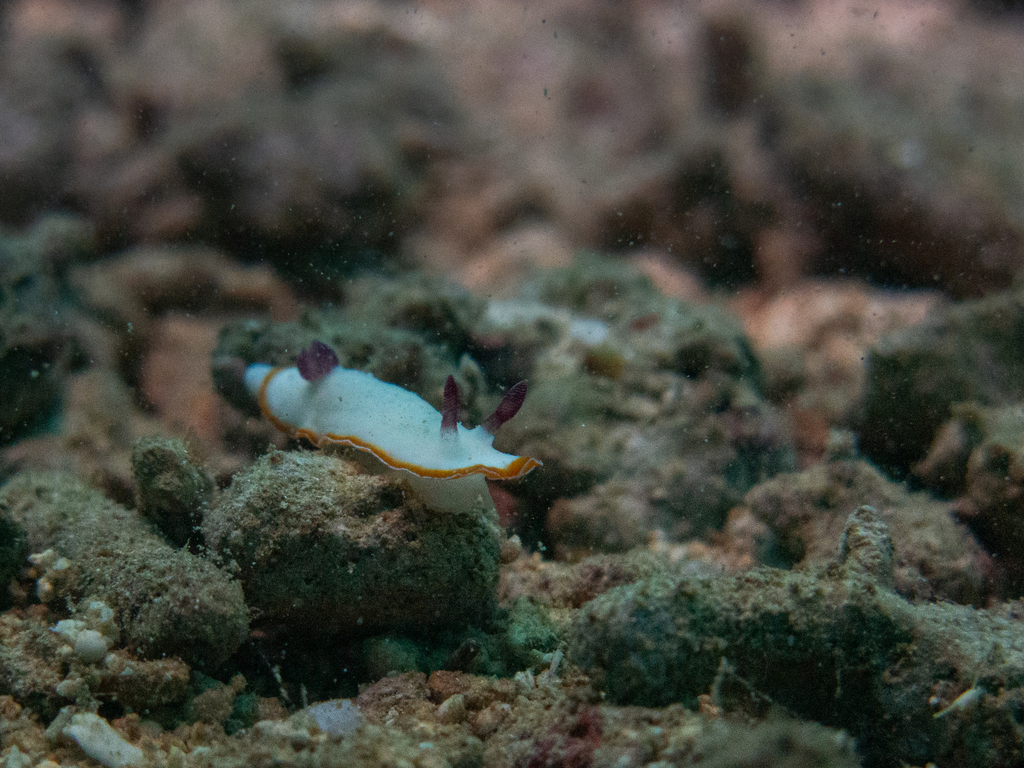 Goniobranchus sinensis0%
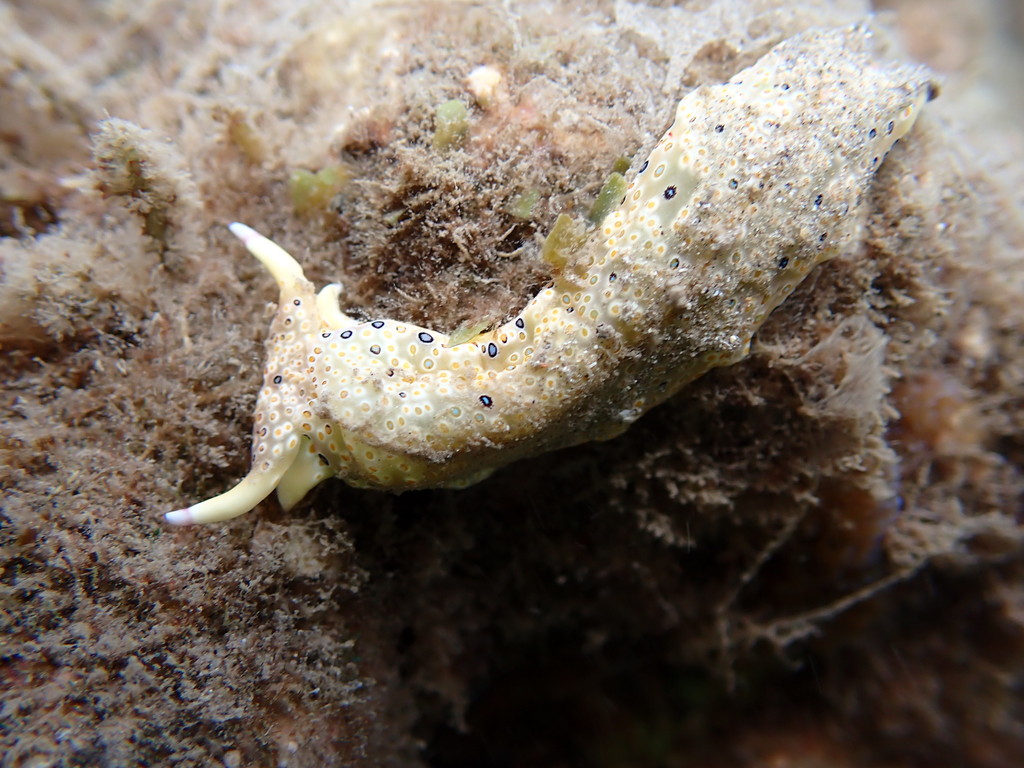 Ringed Sap-sucking Slug0%
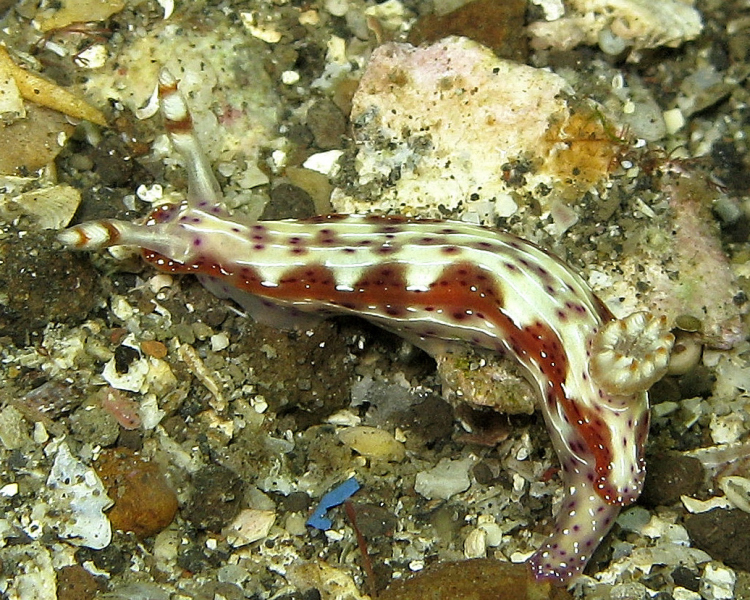 Spotted Hypselodoris0%
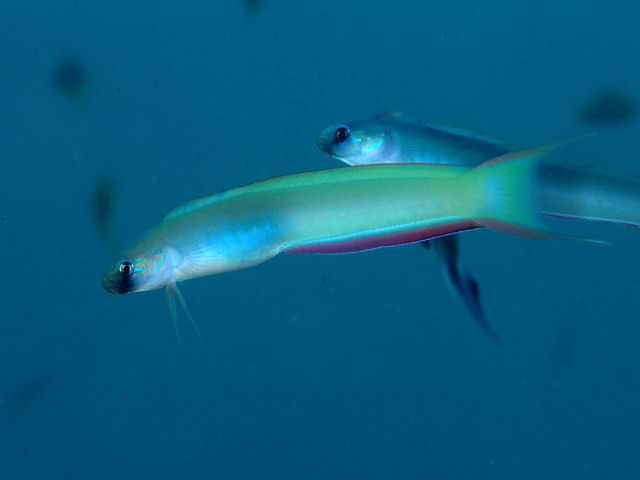 Monofin dartfish0%
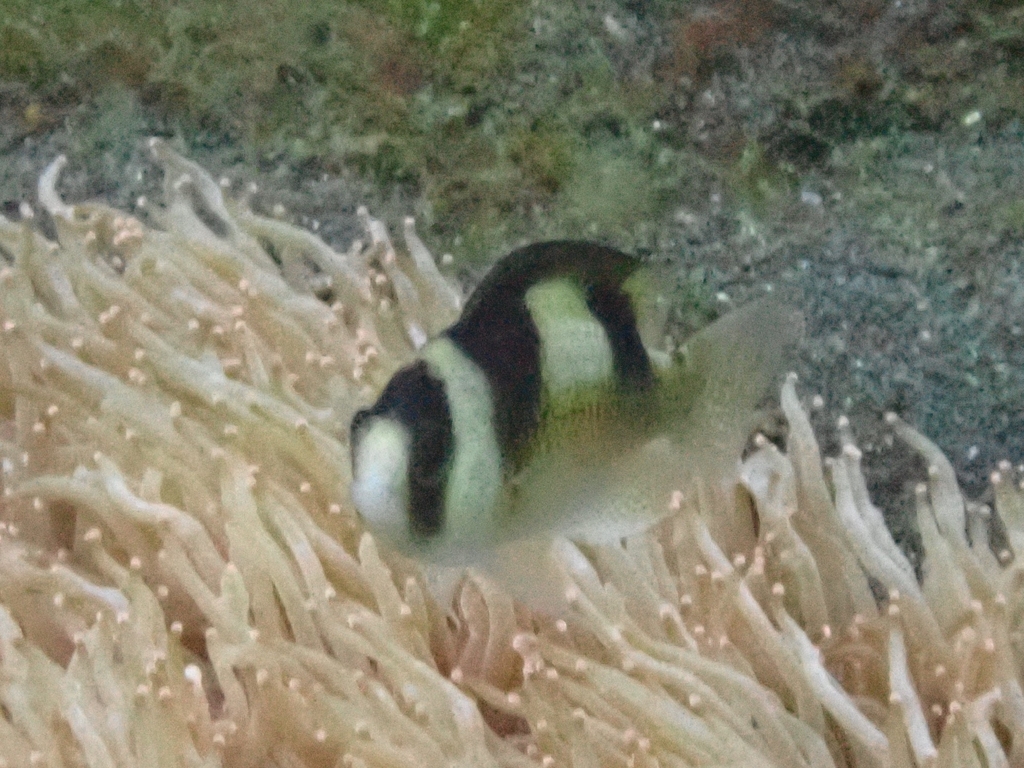 Blackbanded damsel0%
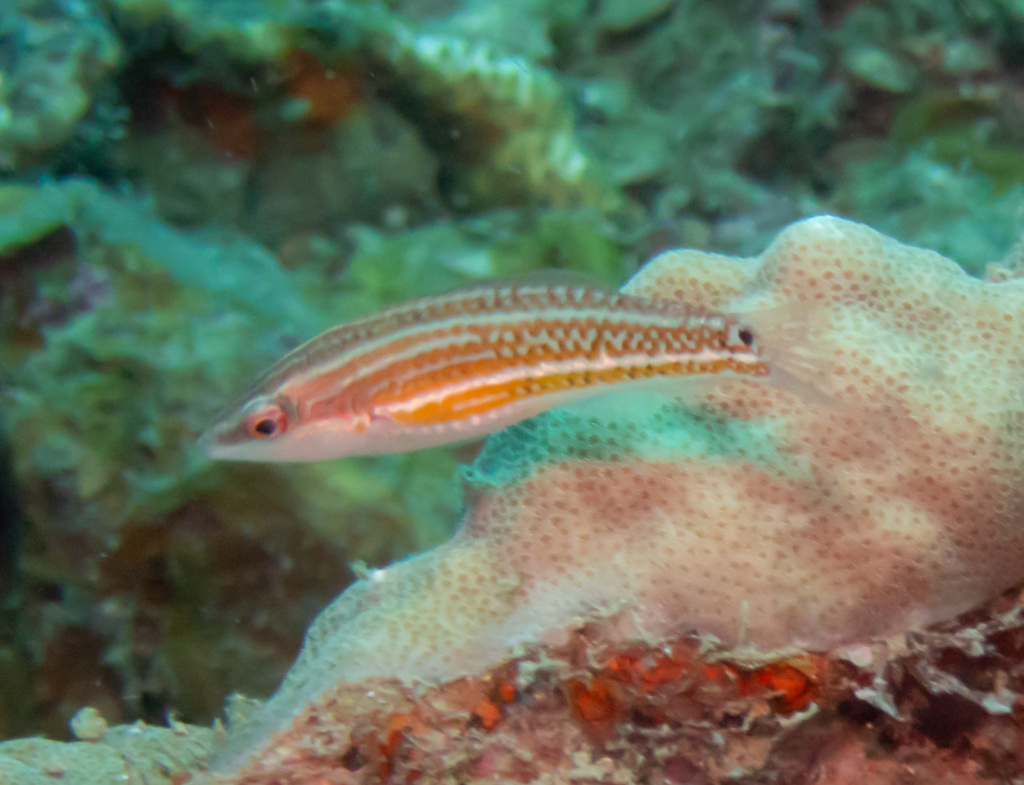 Erdmann's wrasse0%
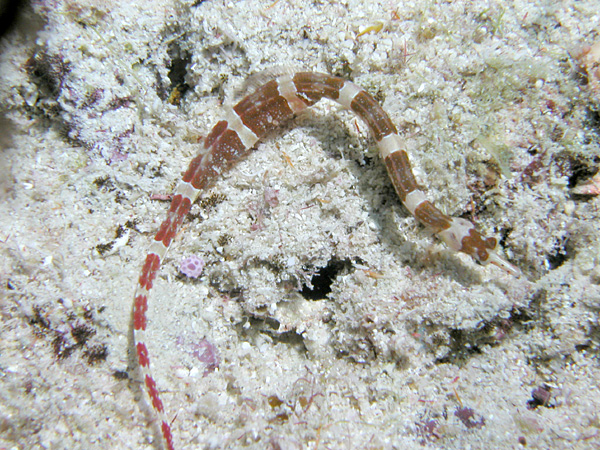 Redbanded Pipefish0%
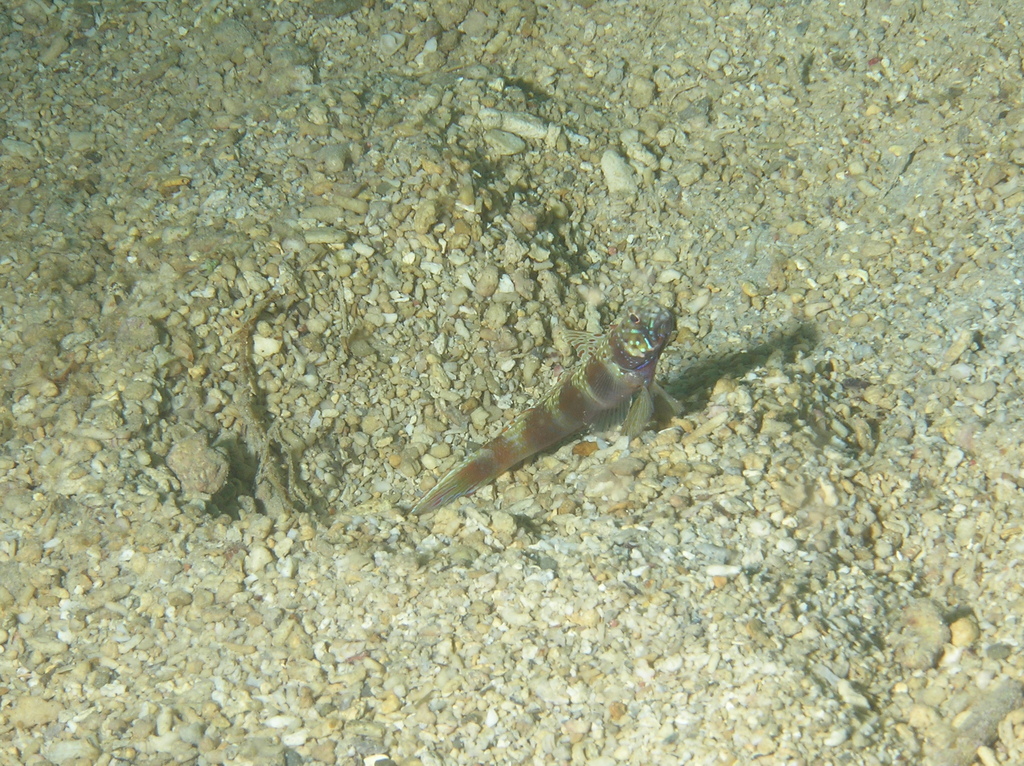 Wide band shrimpgoby0%
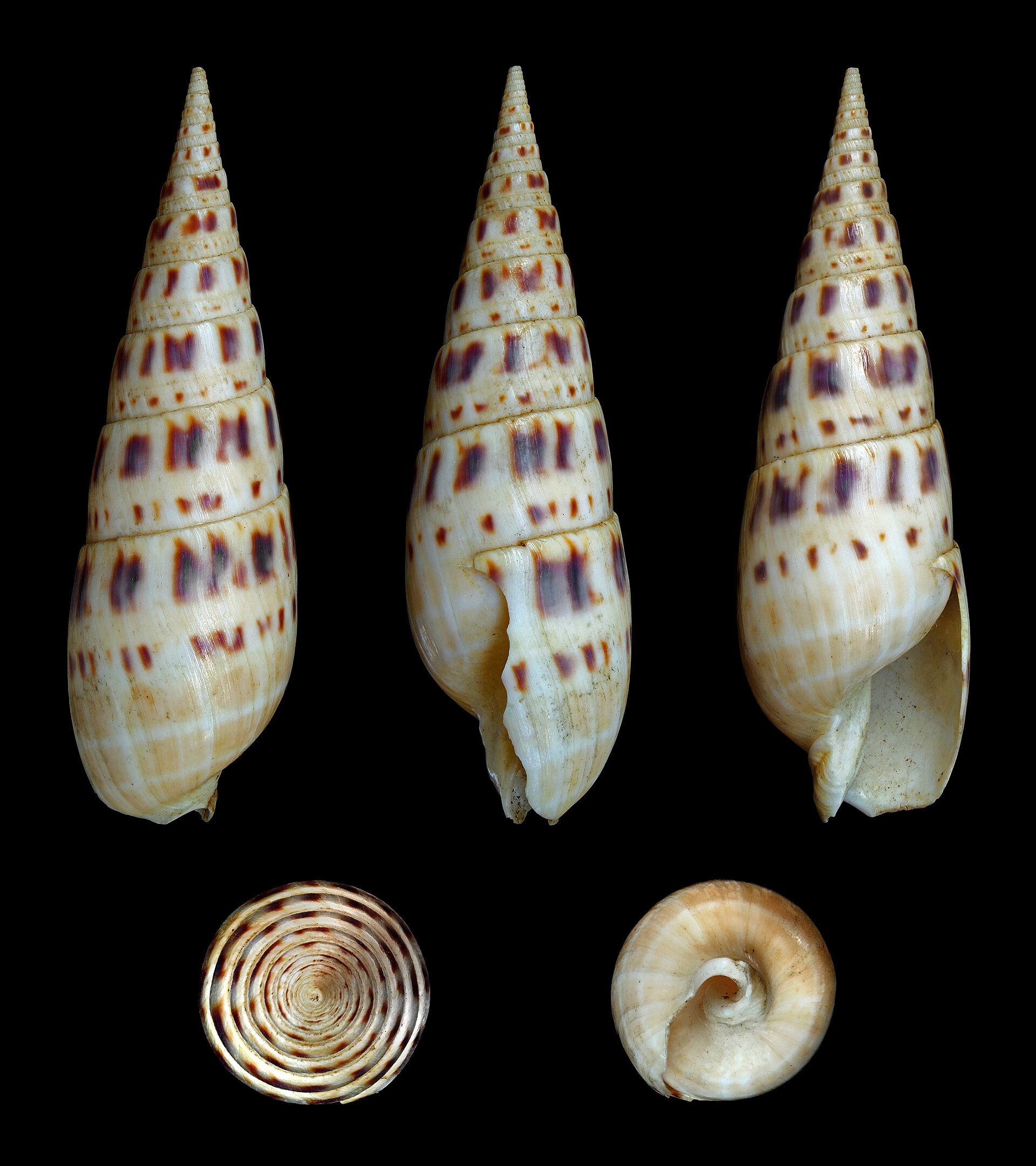 Big auger0%
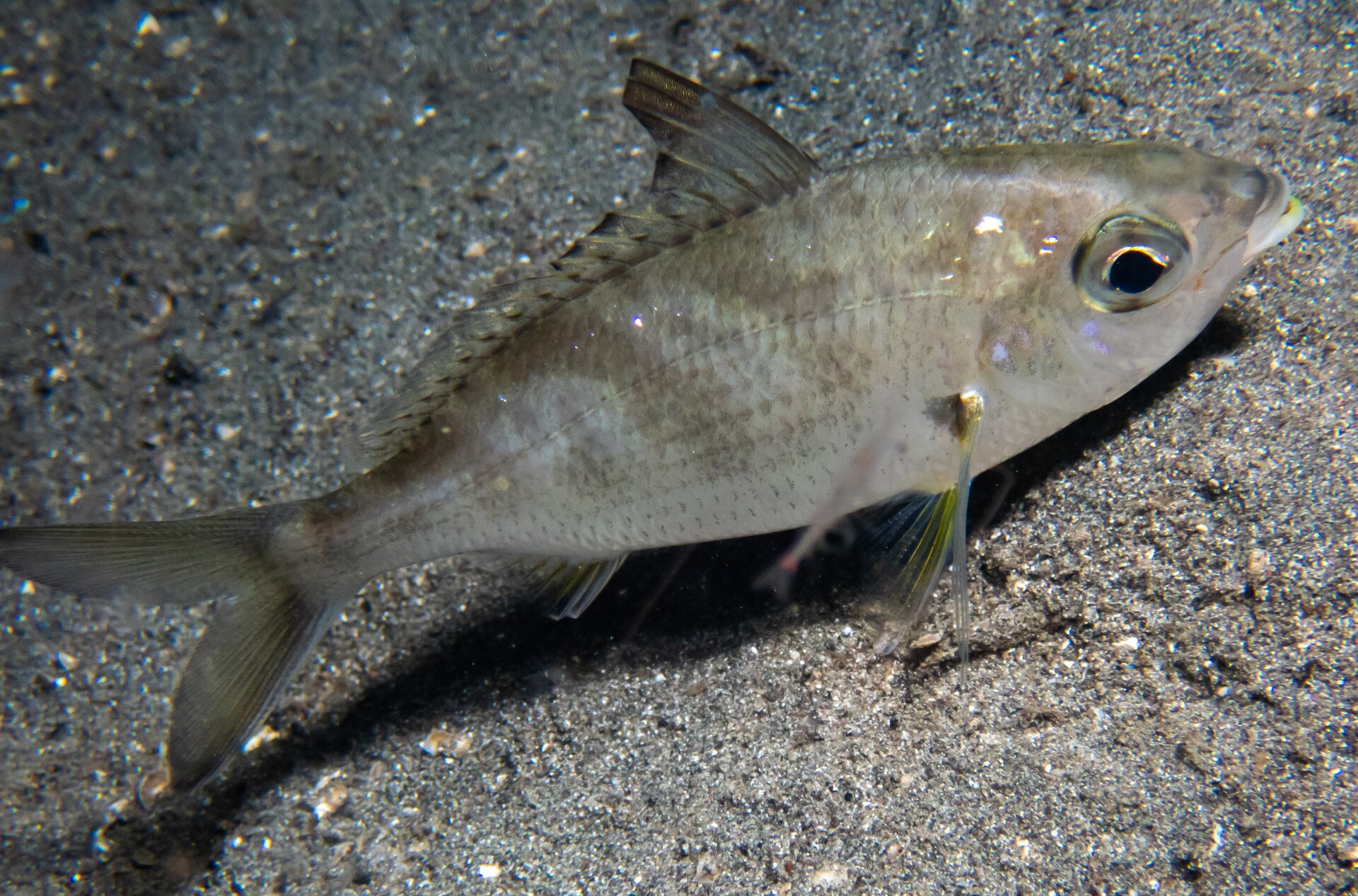 Singapore Silver-biddy0%
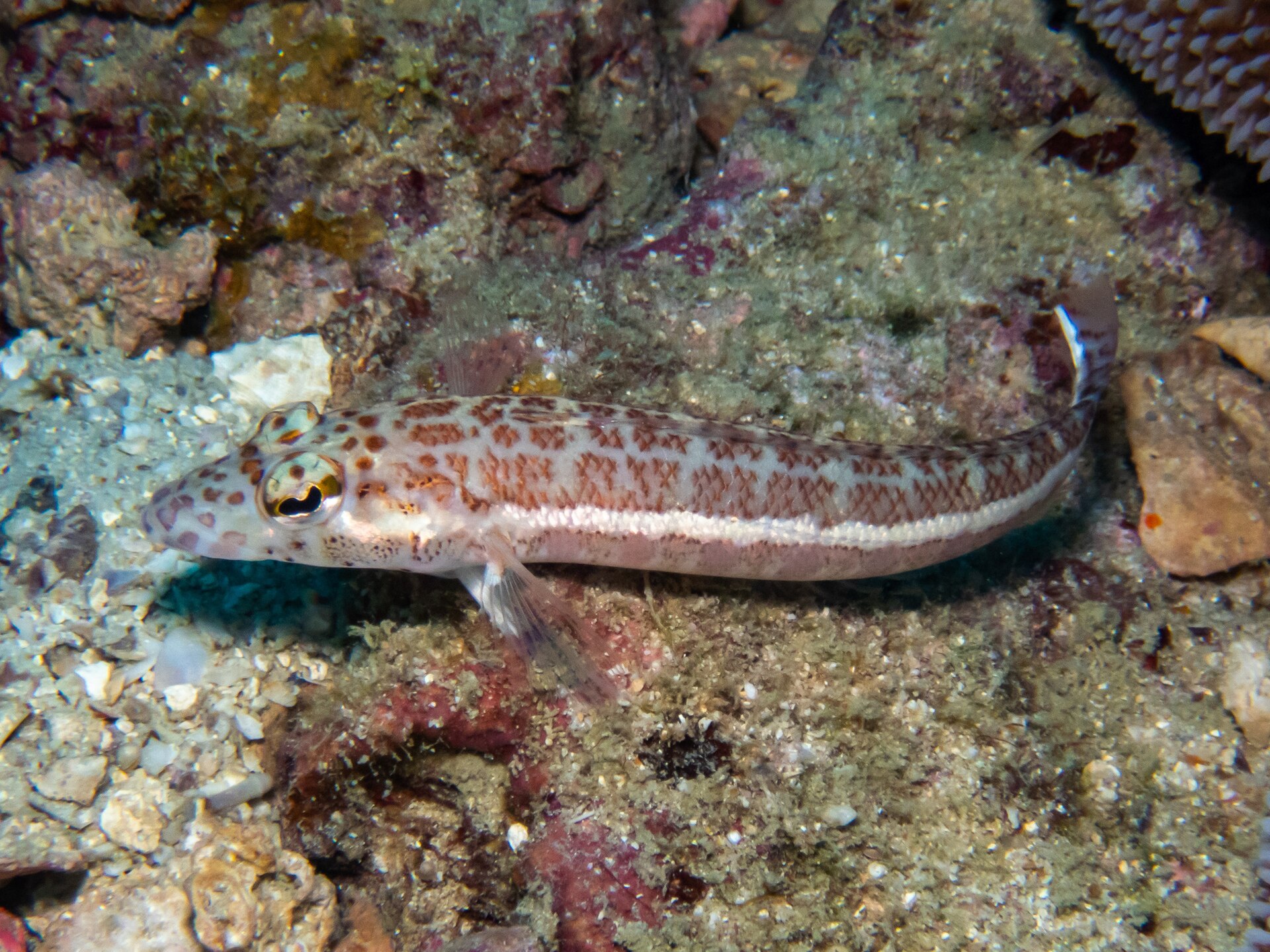 Yellowbar Sandperch0%
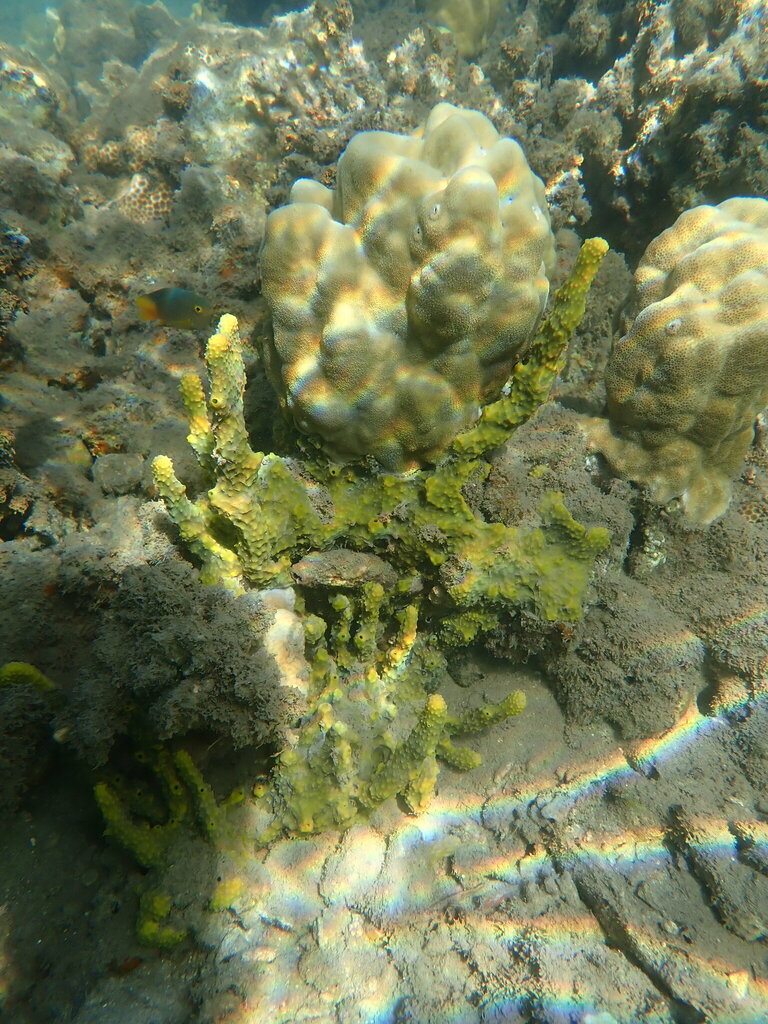 Pseudoceratina purpurea0%
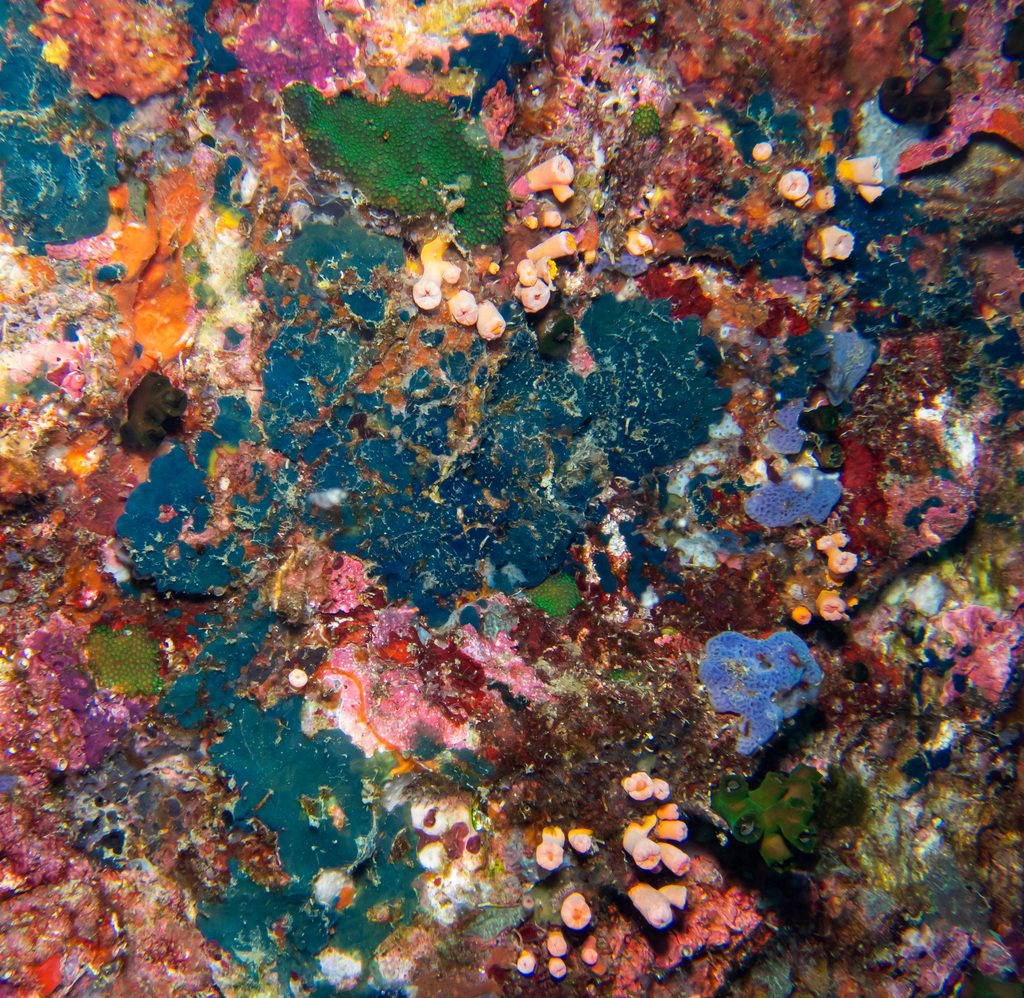 Terpios granulosus0%
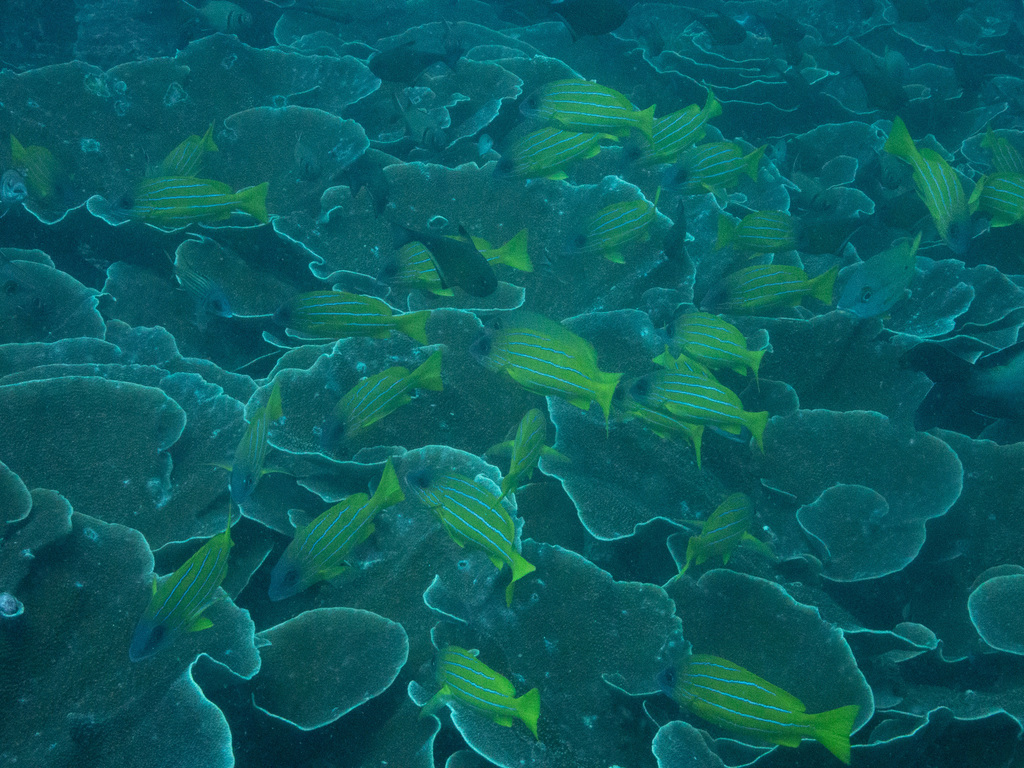 Fiveline snapper0%
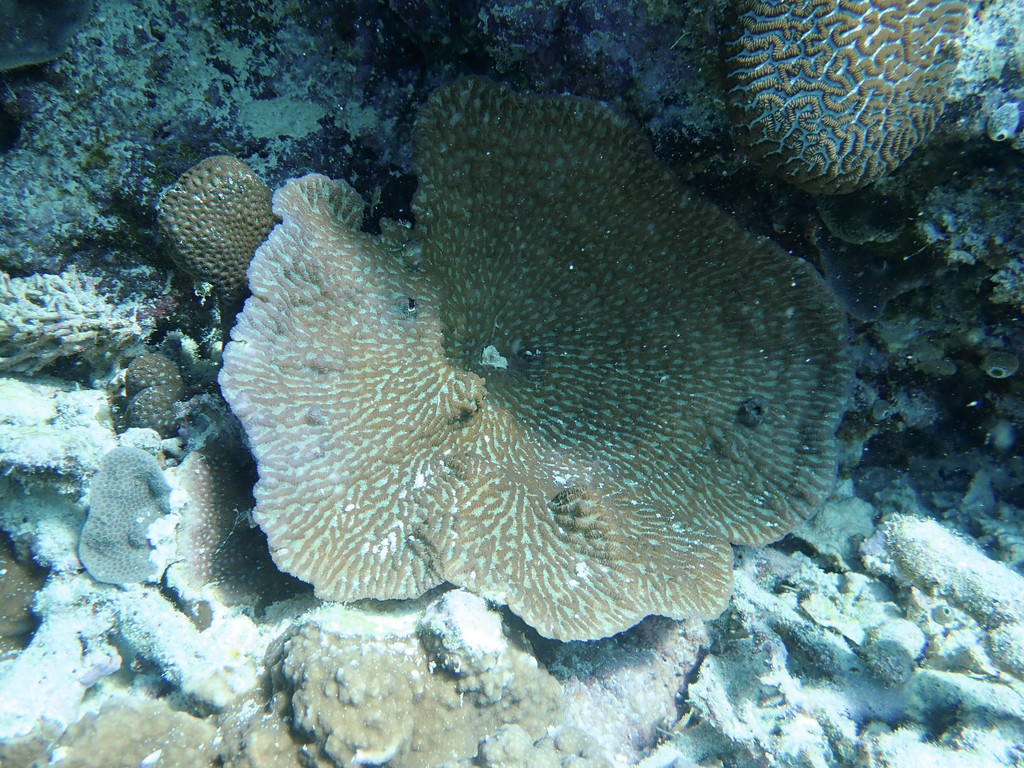 Merulina ampliata0%
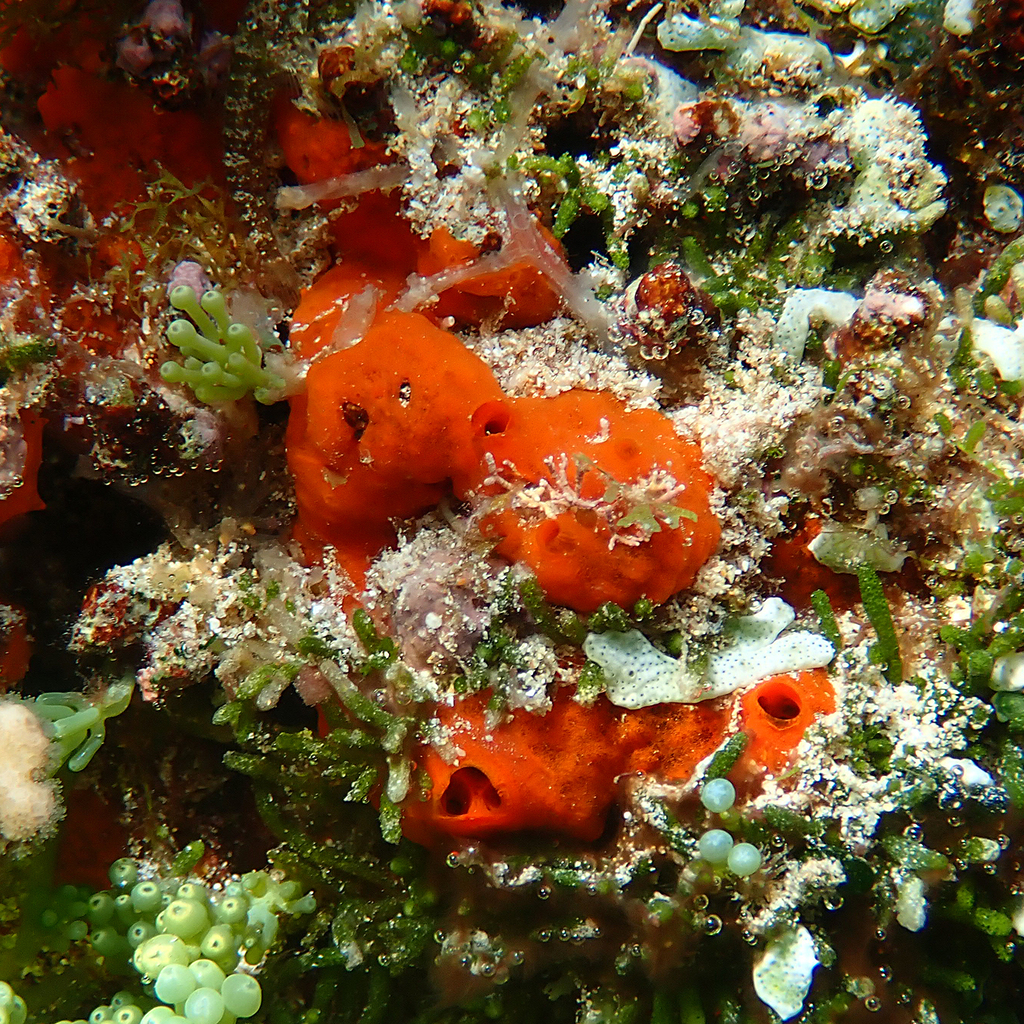 Mycale grandis0%
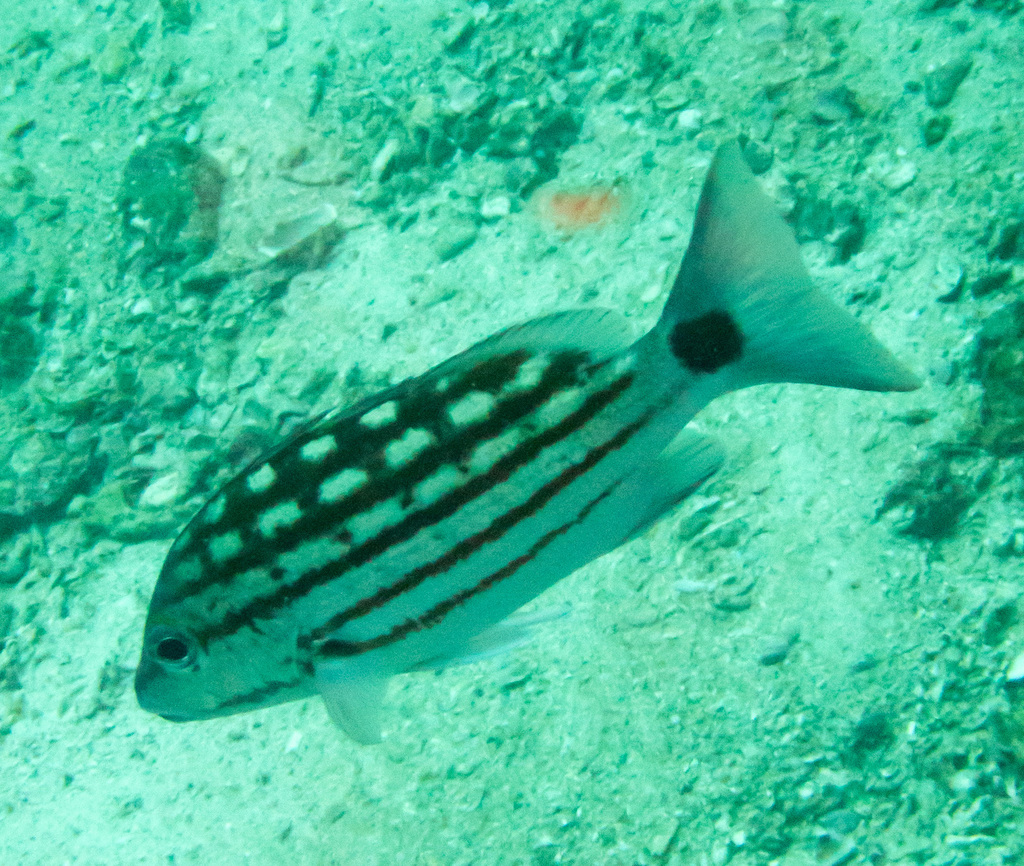 Crossbanded Snapper0%
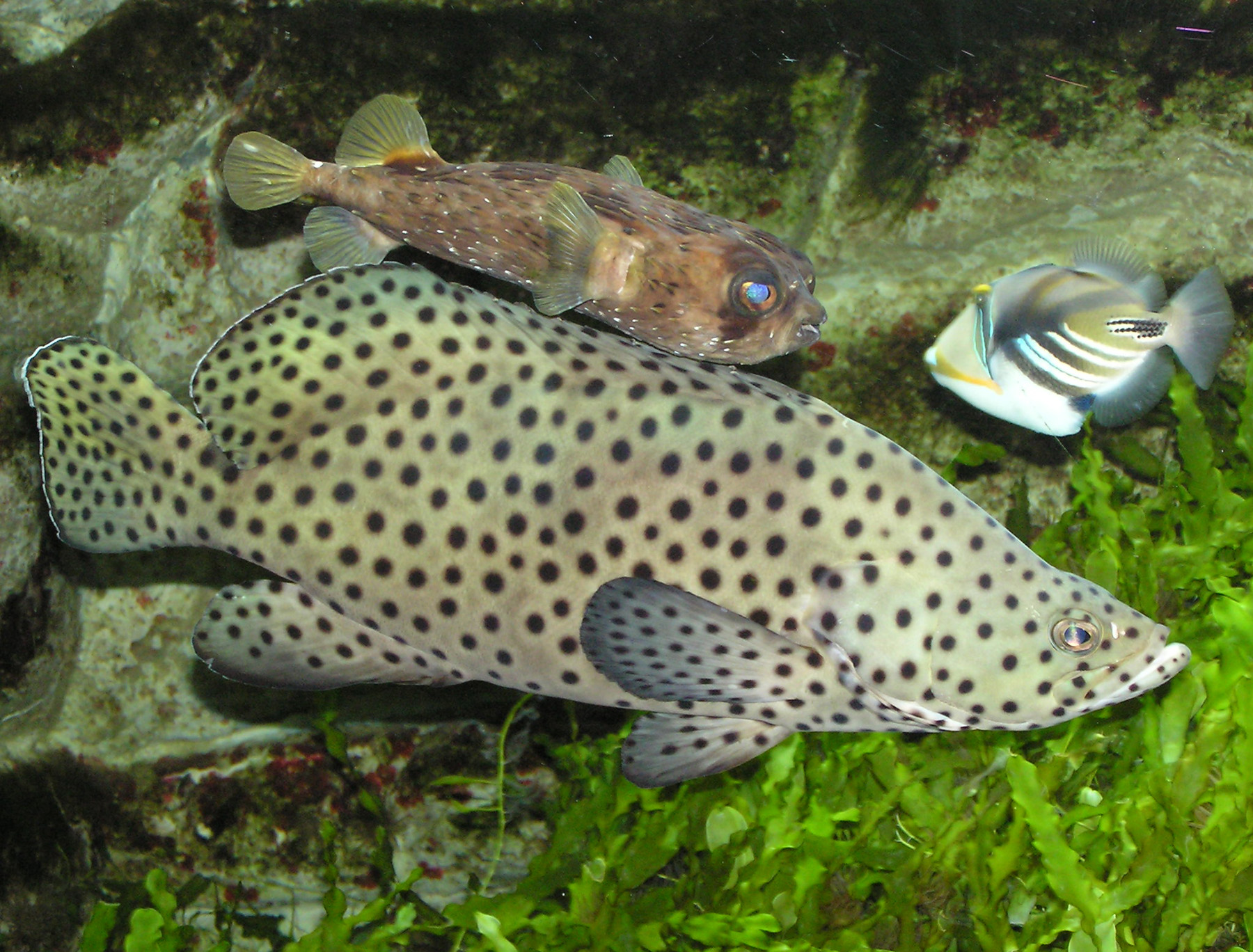 Humpback grouper0%
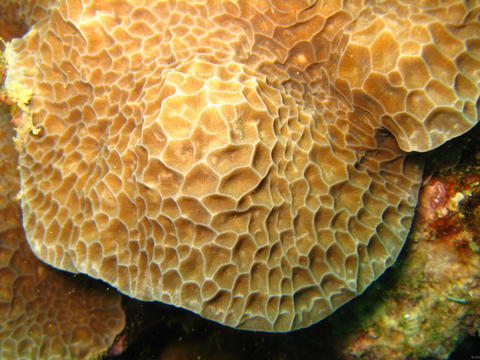 Honeycomb coral0%
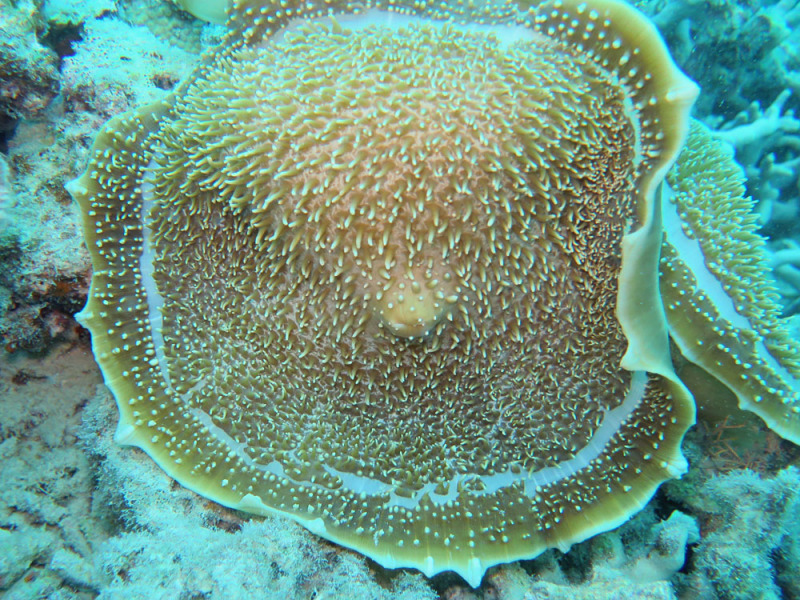 Elephant ear anemone0%
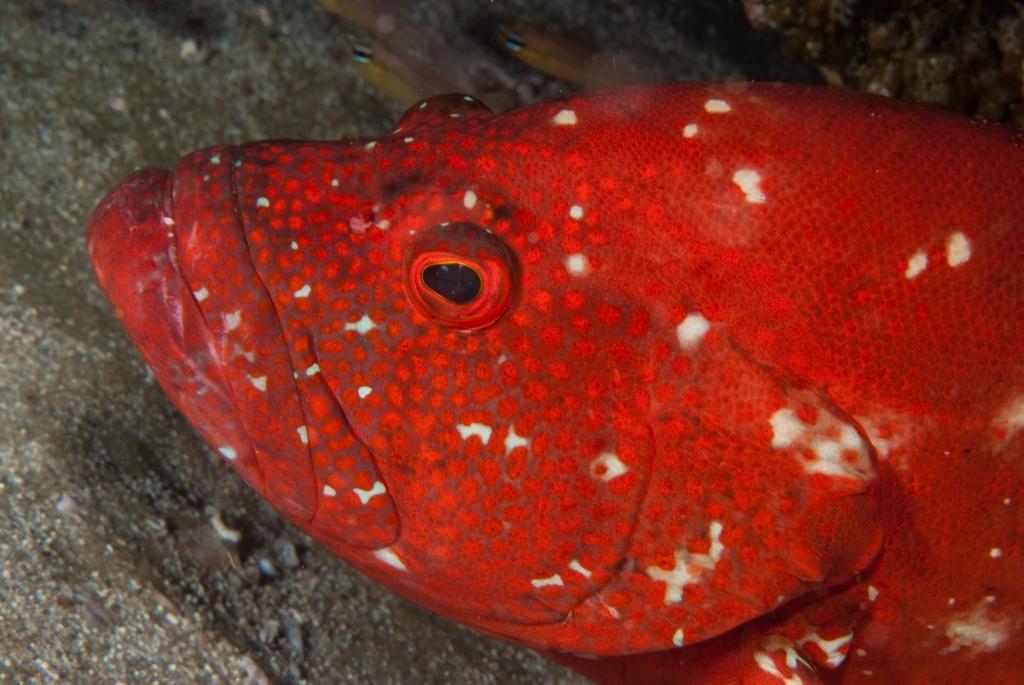 Vieille Ananas0%
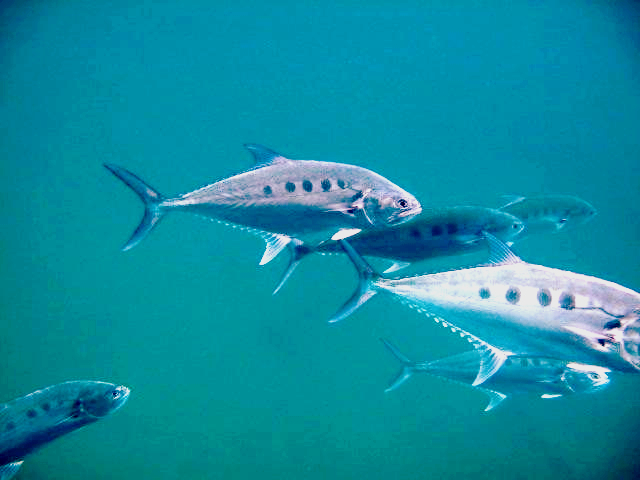 Giant queenfish0%
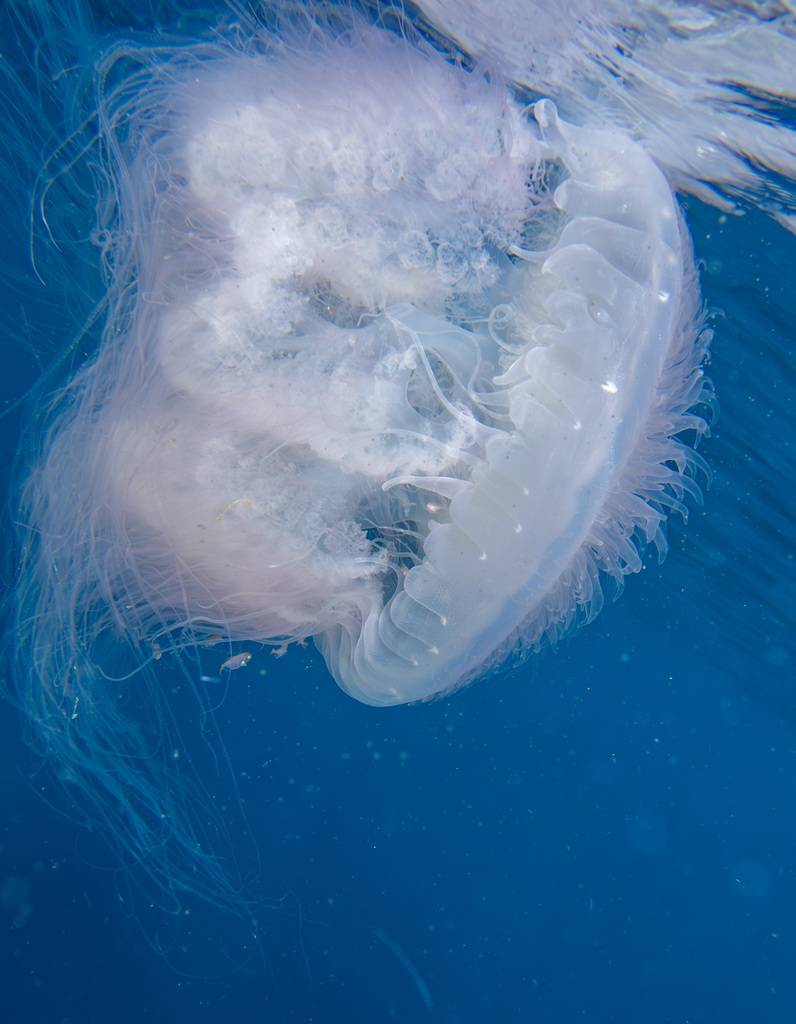 Lobonema smithii0%
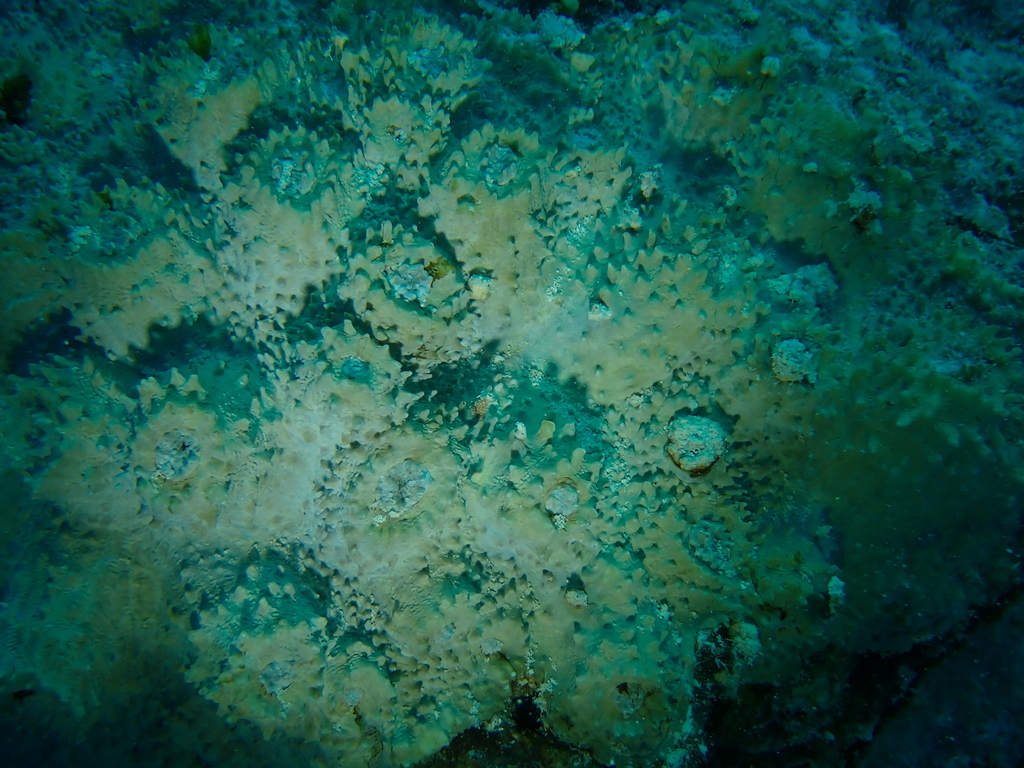 Flat lettuce coral0%
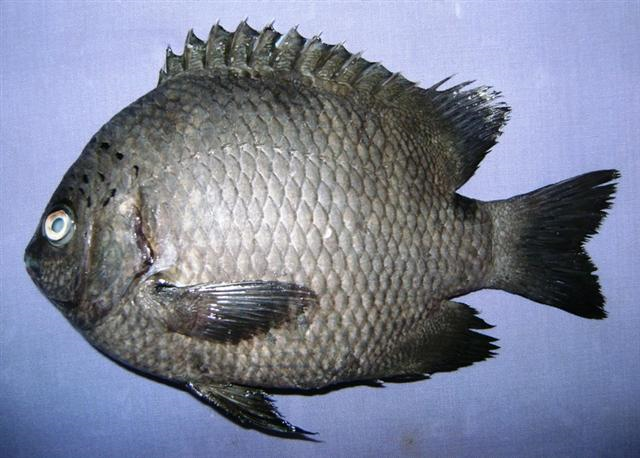 Threespot damsel0%
 Darktail snapper0%
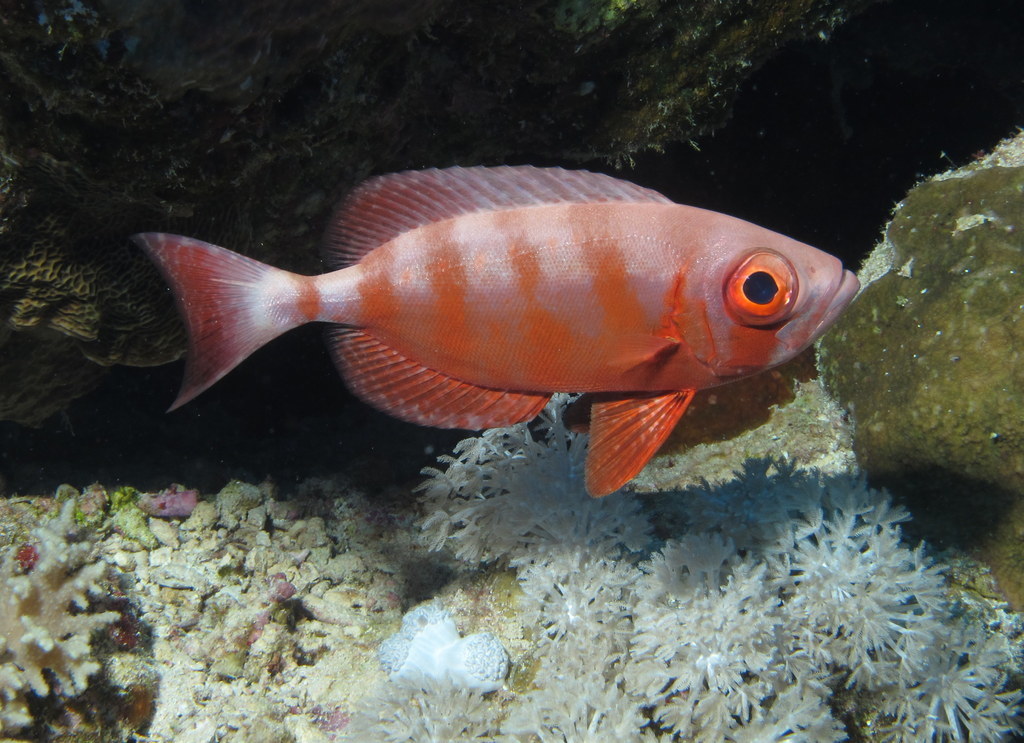 Moontail bullseye0%
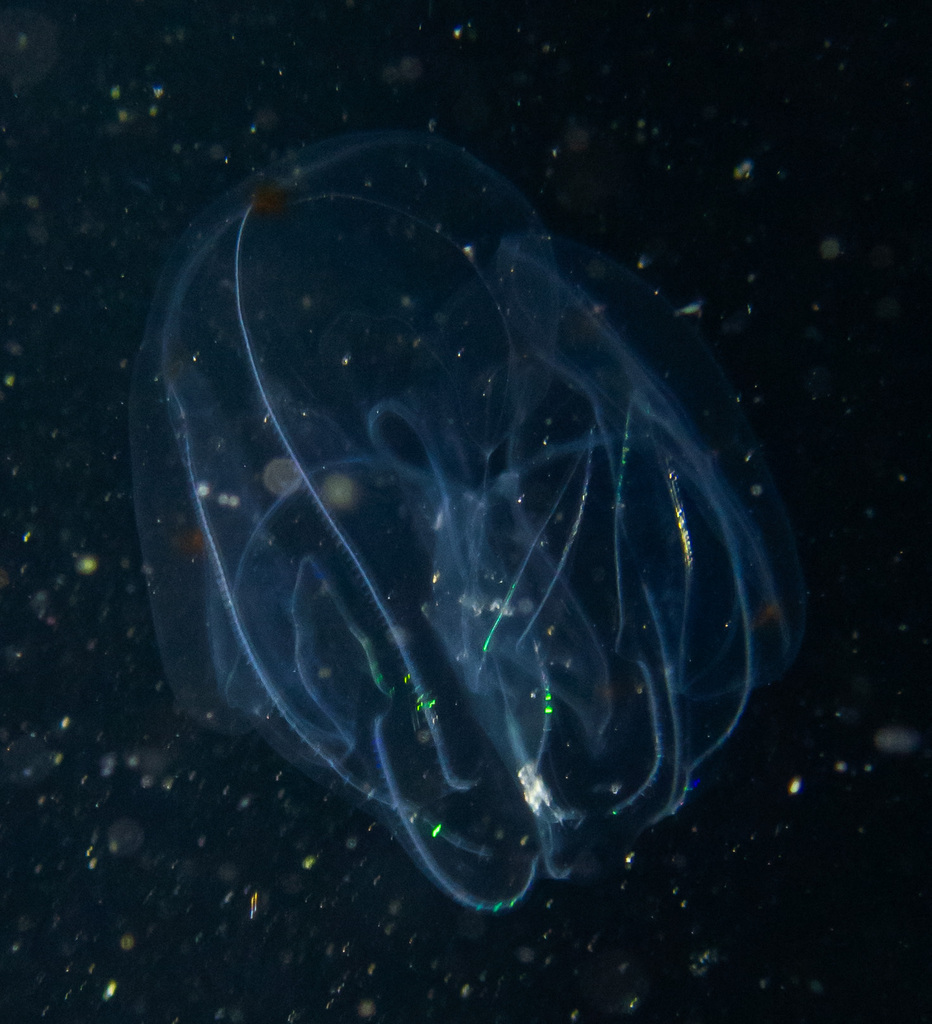 Bolinopsis rubripunctata0%
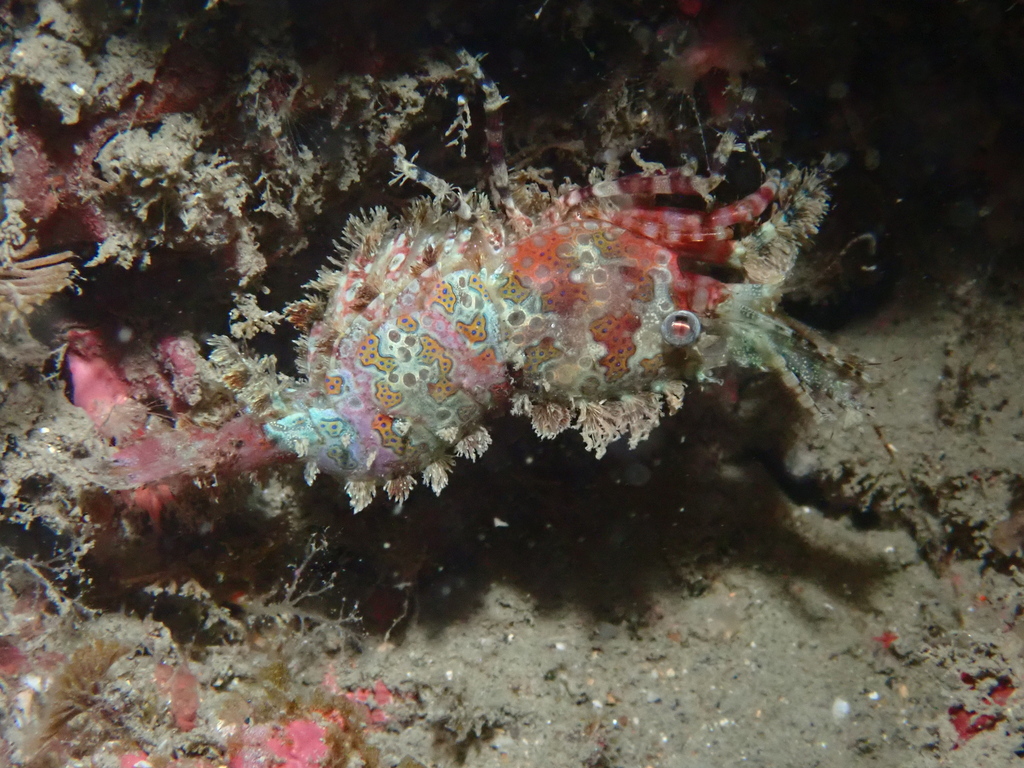 Marbled shrimp0%
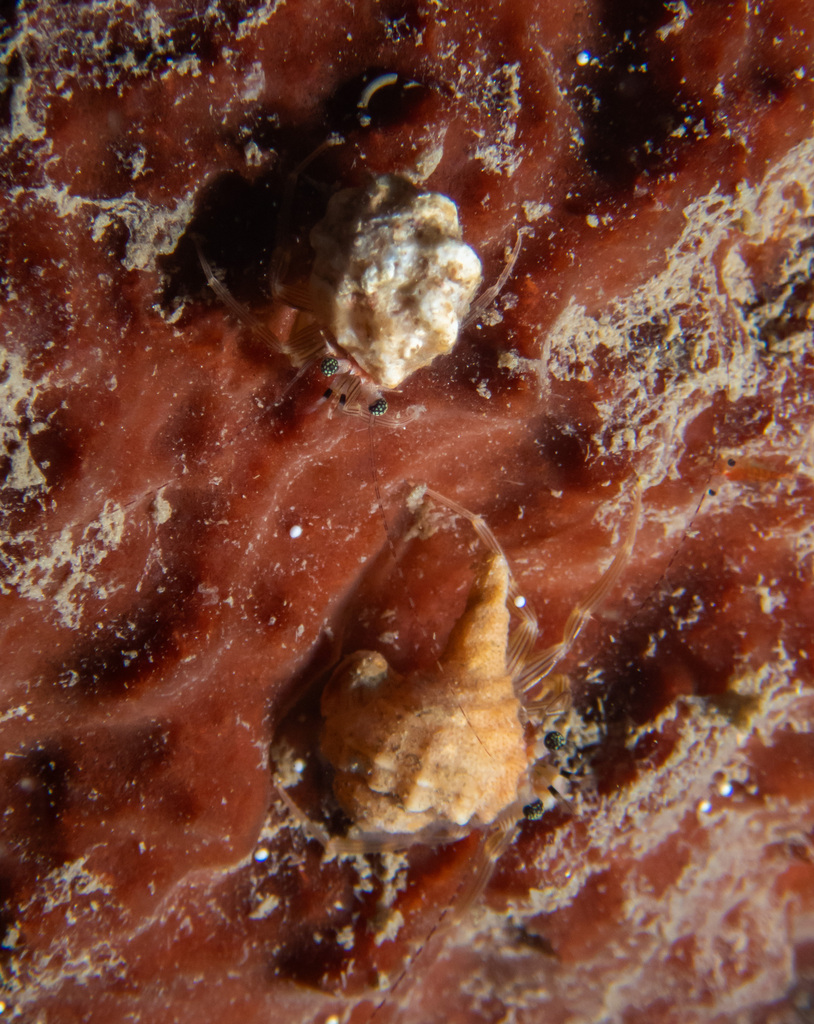 Pagurixus rubrovittatus0%
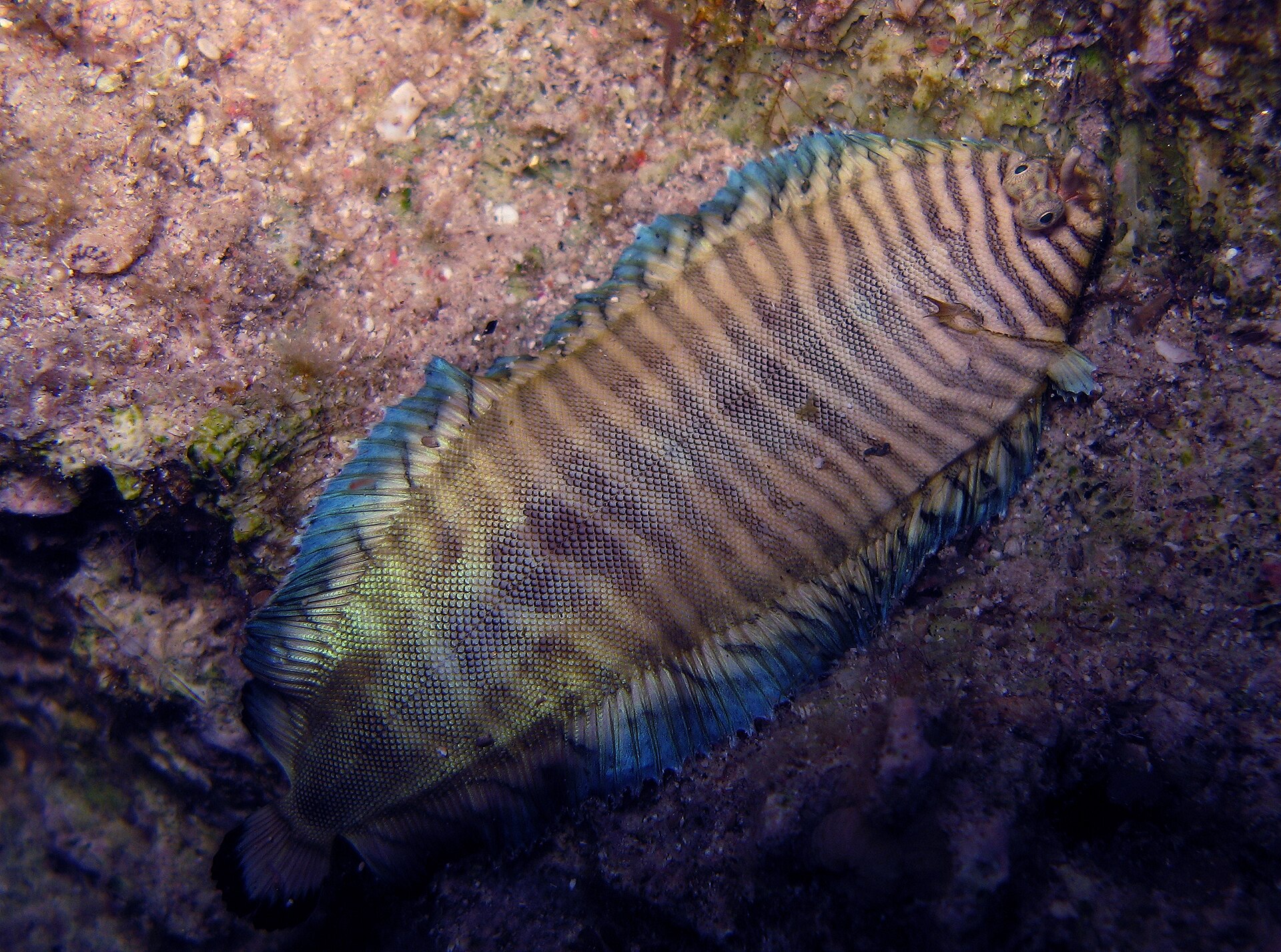 Tiger sole0%
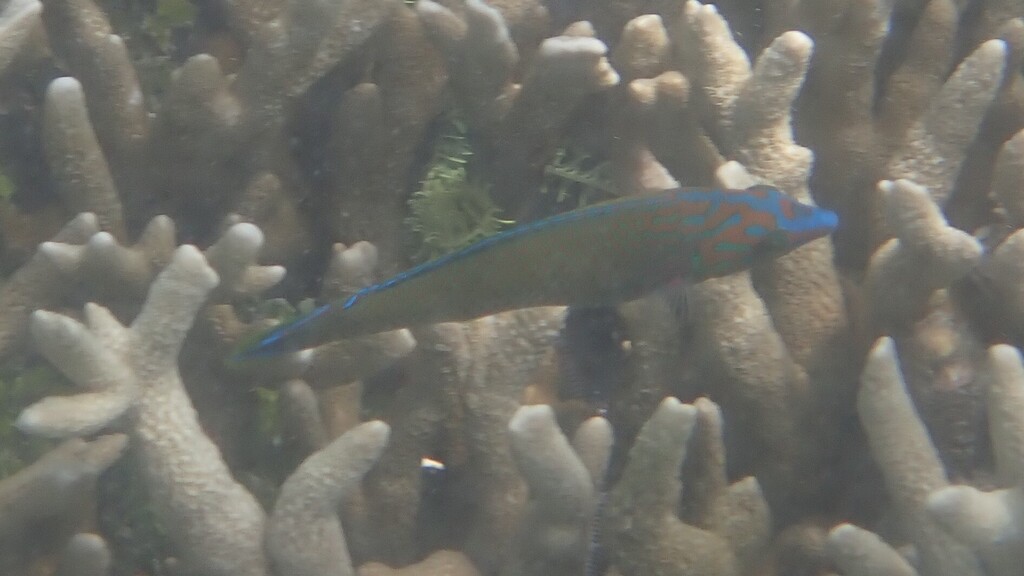 Chain-lined wrasse0%
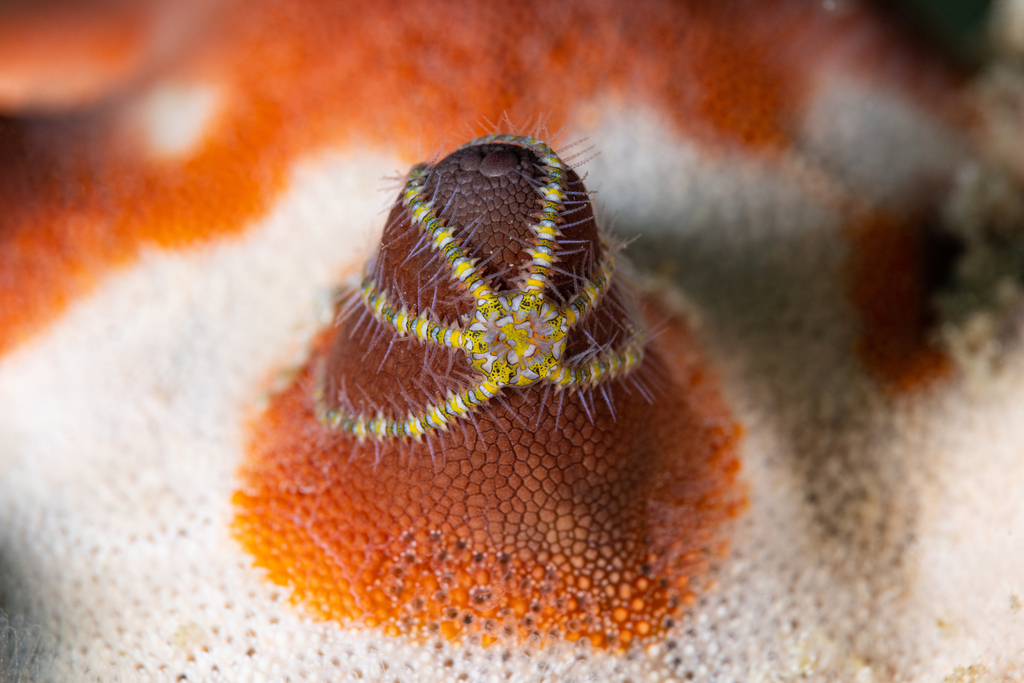 Commensal Brittle Star0%
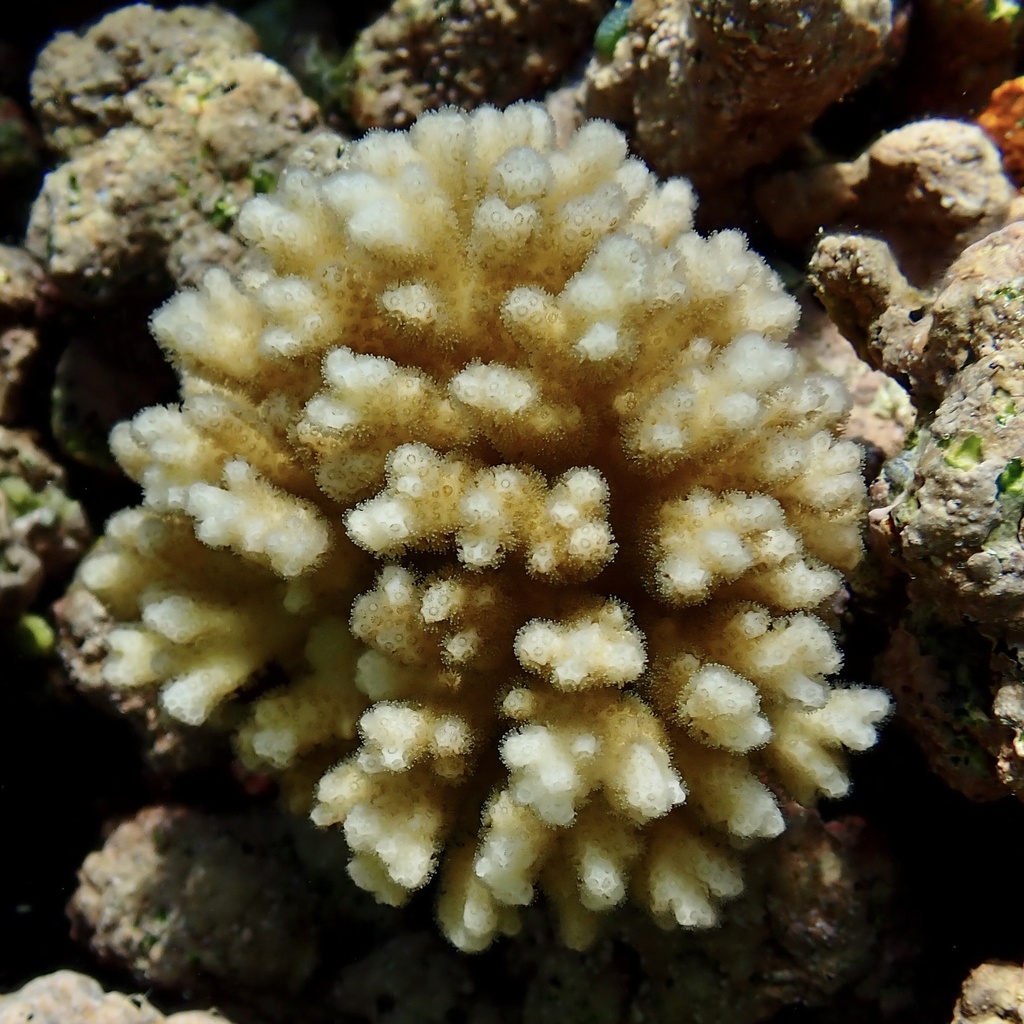 Pocillopora acuta0%
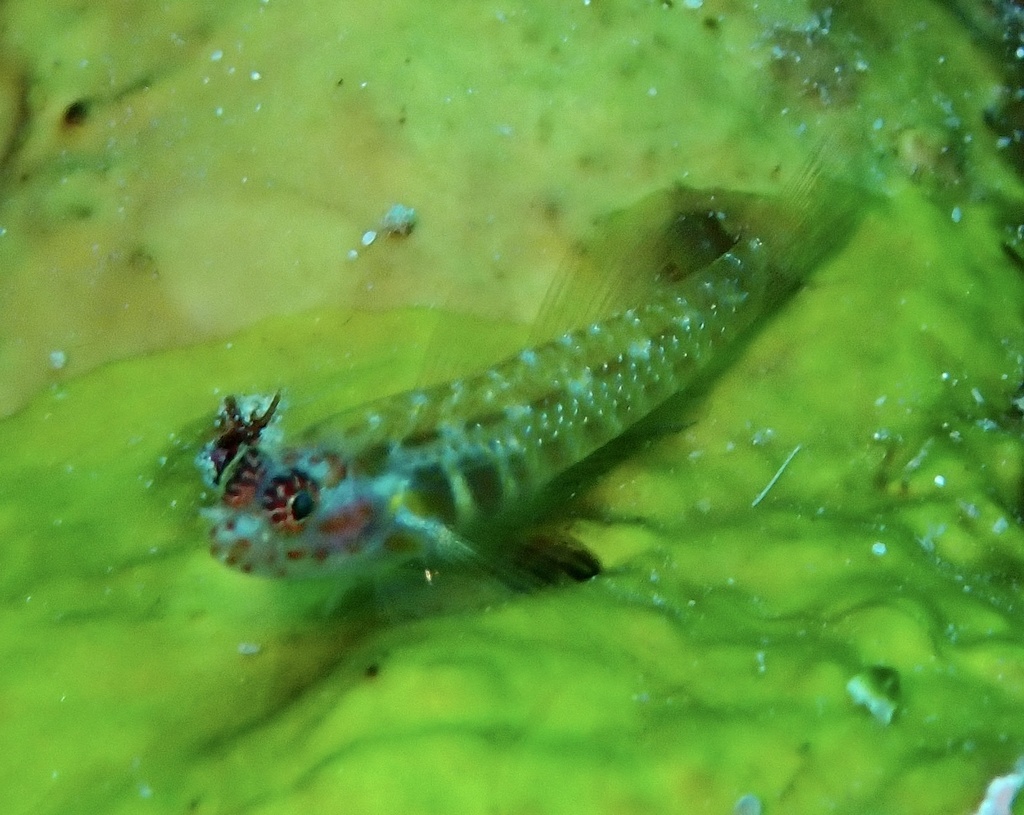 Eviota pictifacies0%
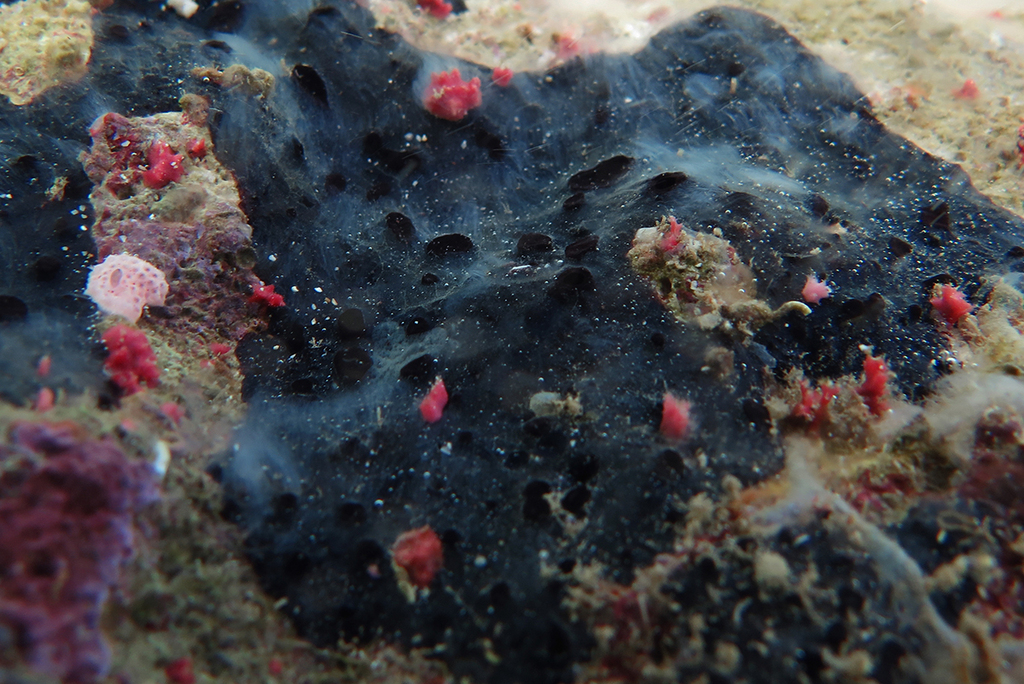 Iotrochota baculifera0%
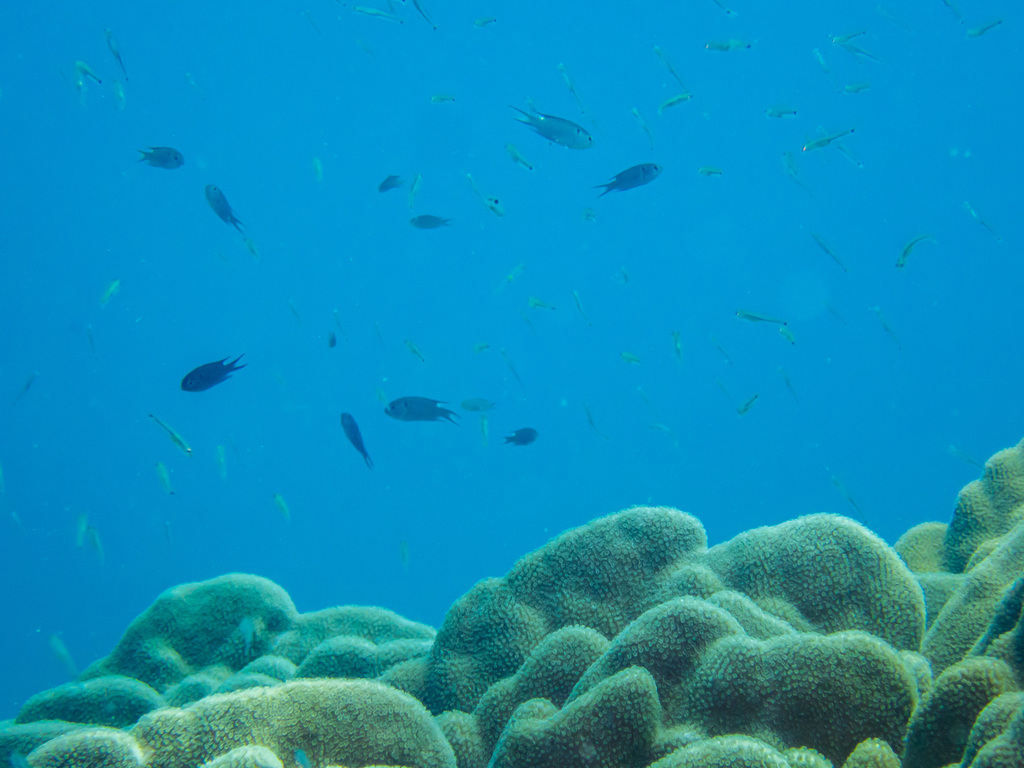 Philippine dartfish0%
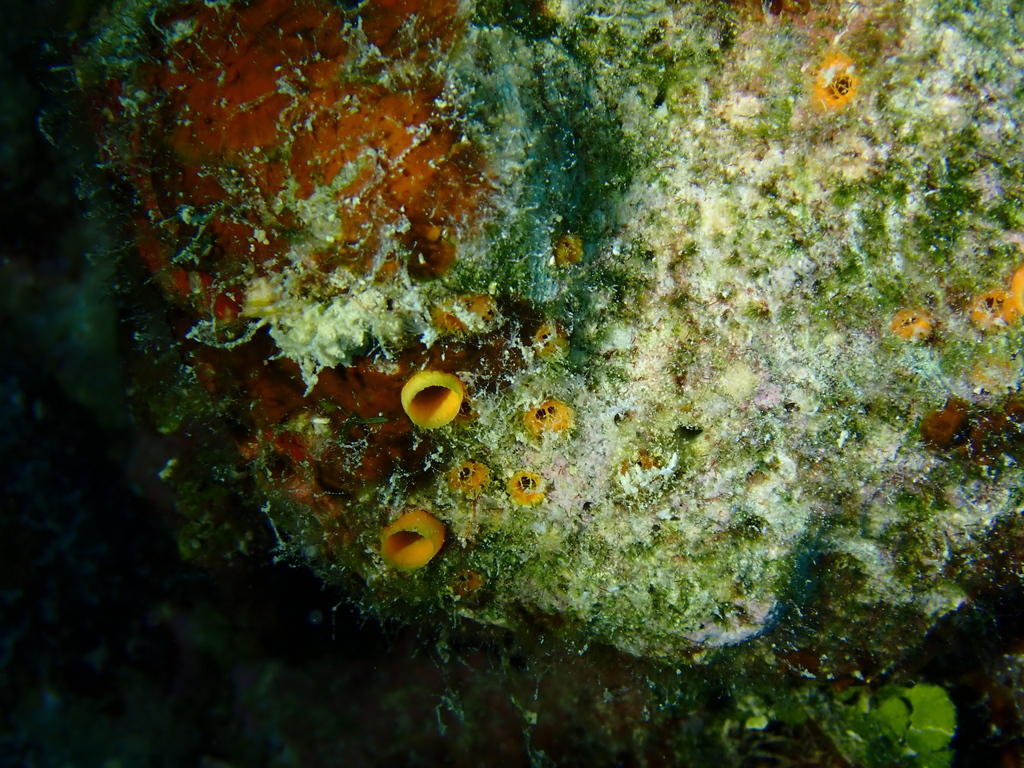 Spheciospongia peleia0%
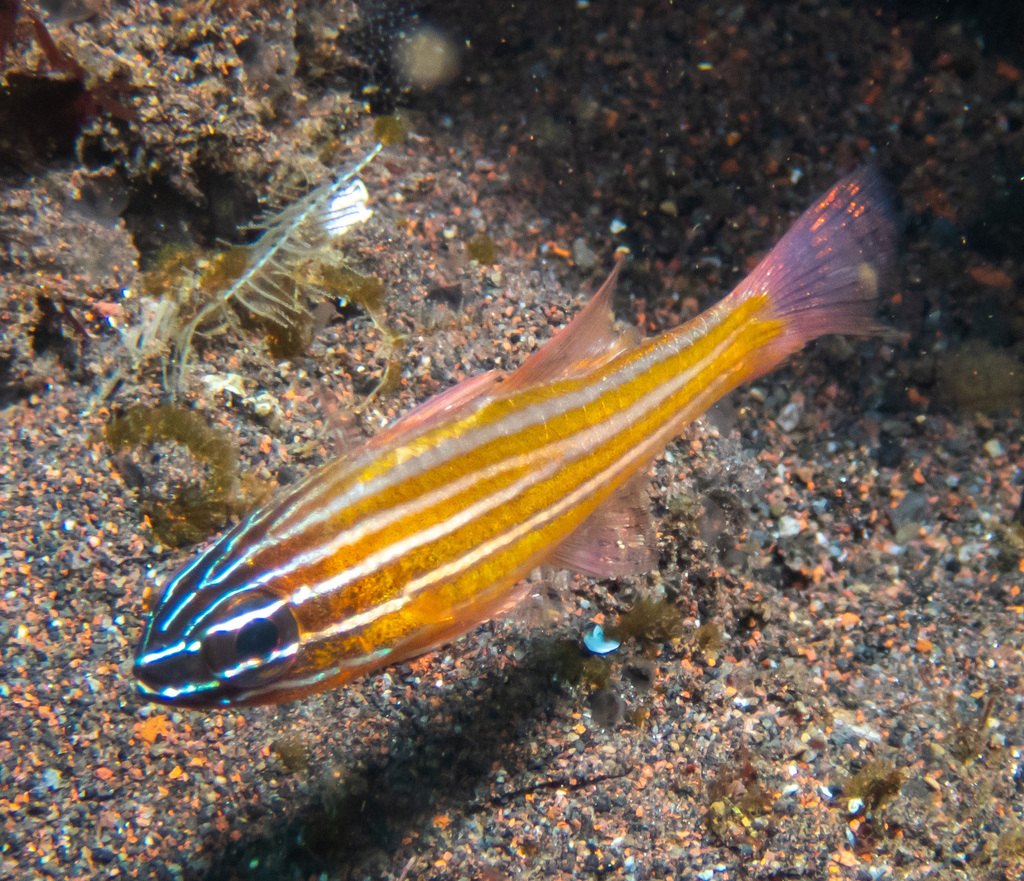 Wassinki cardinalfish0%
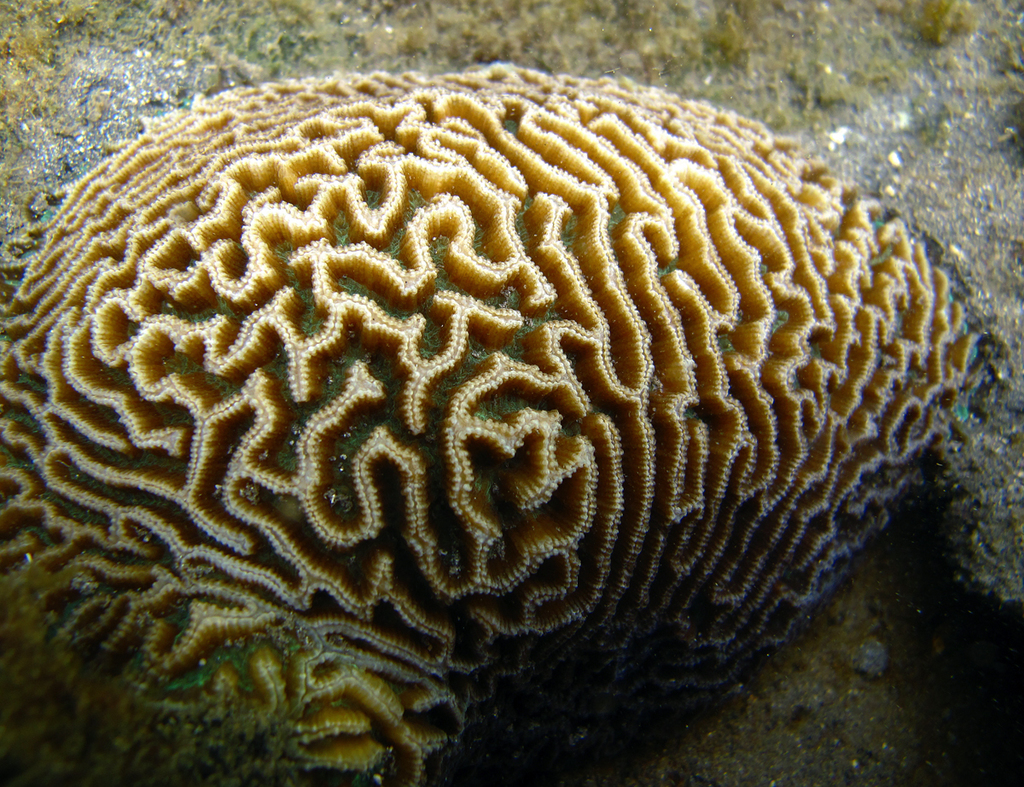 Brain Coral0%
- Clathria aceratoobtusa0%
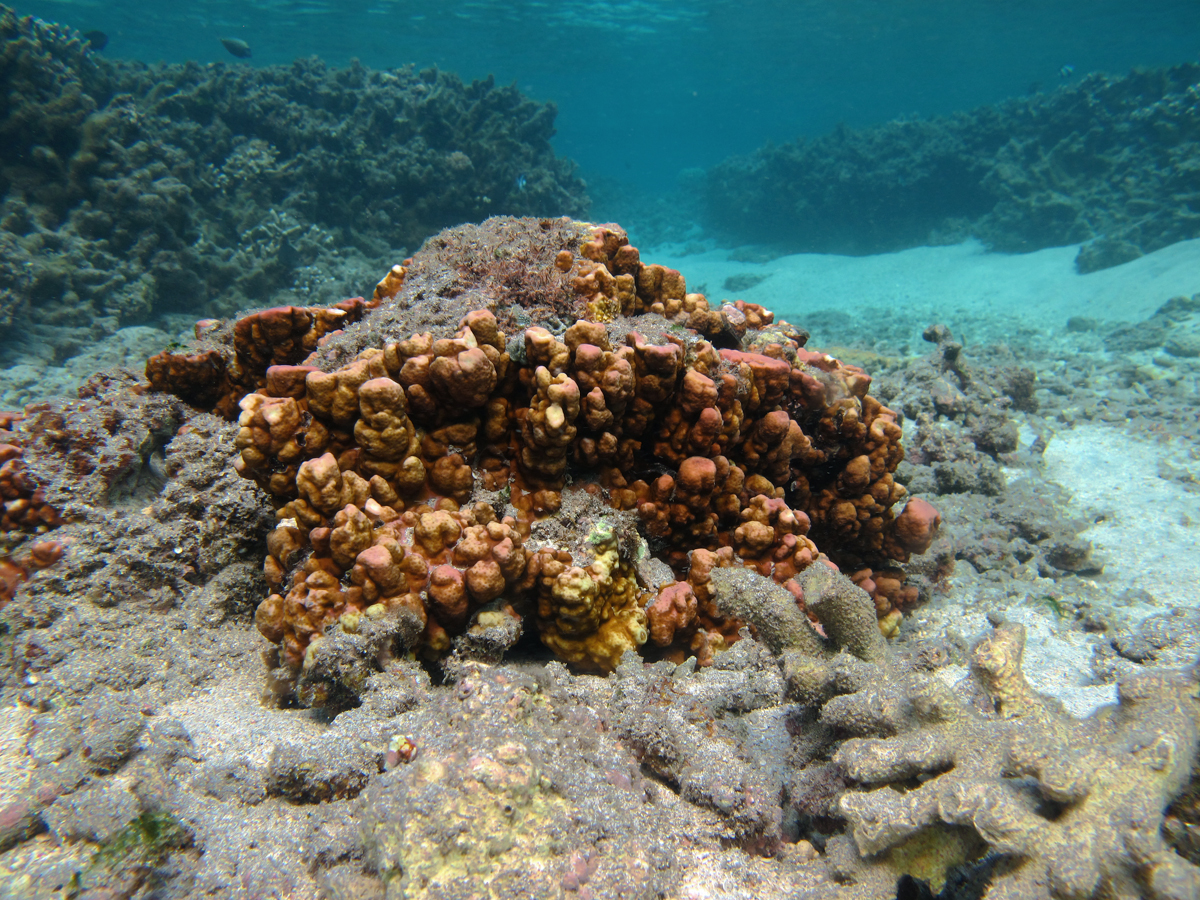 Millepora exaesa0%
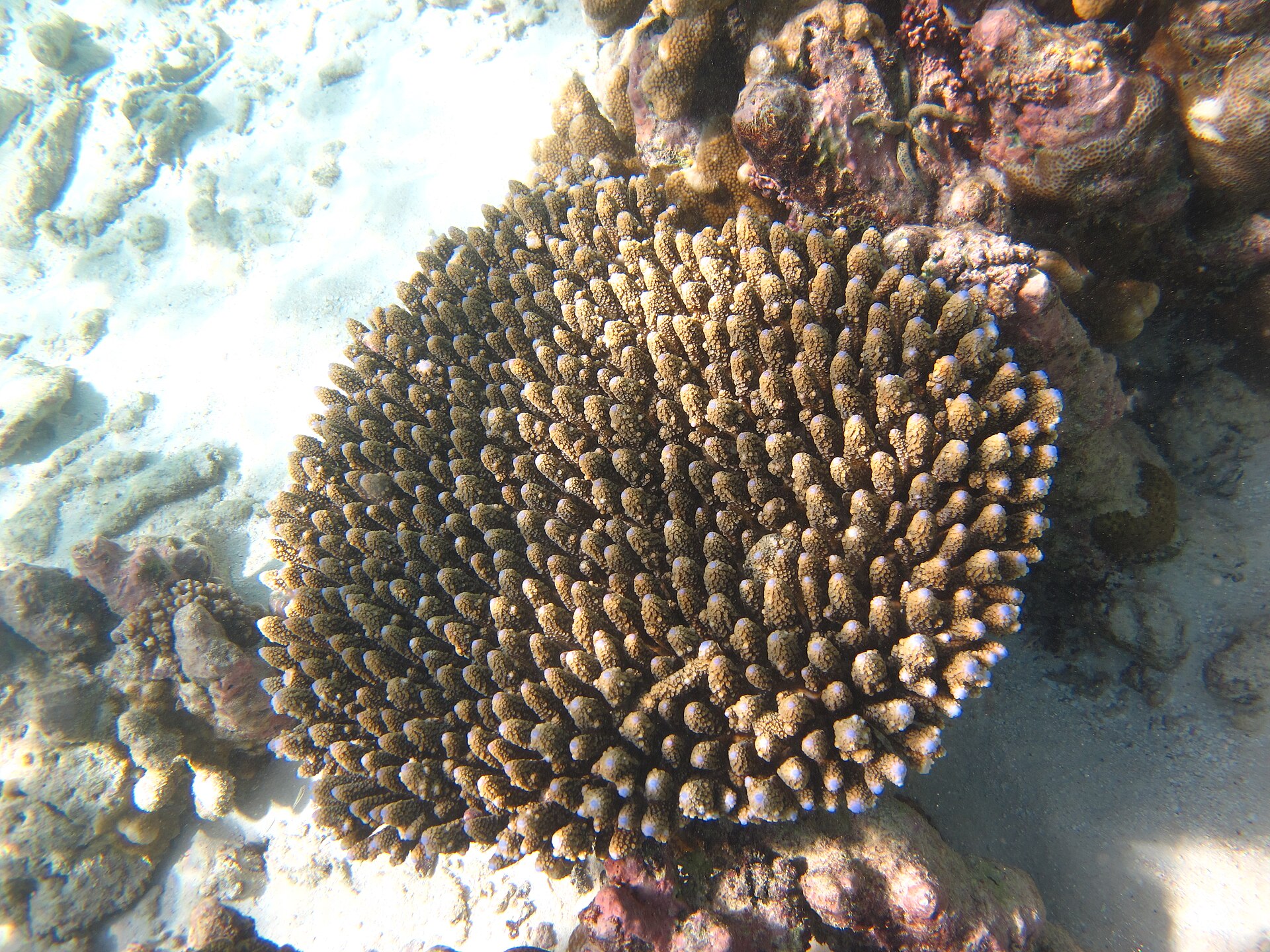 Acropora digitifera0%
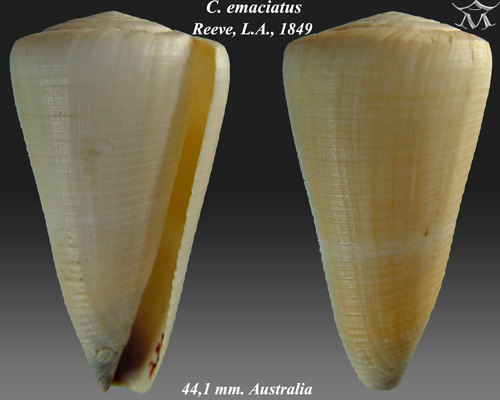 False Virgin Cone0%
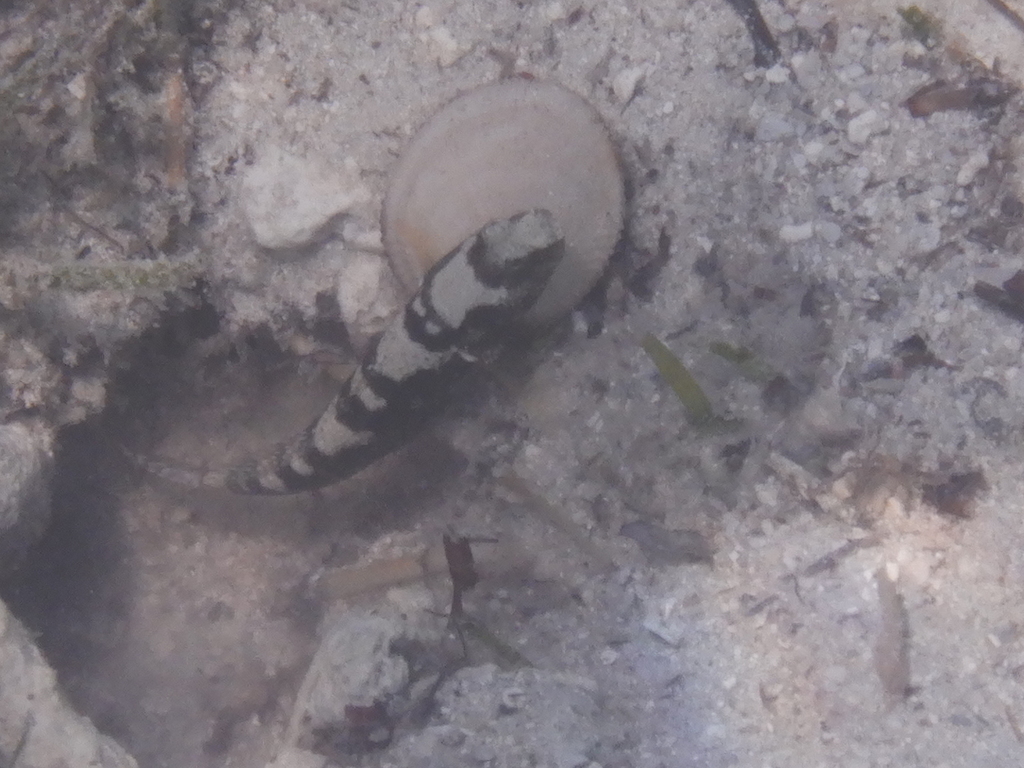 Maude's shrimpgoby0%
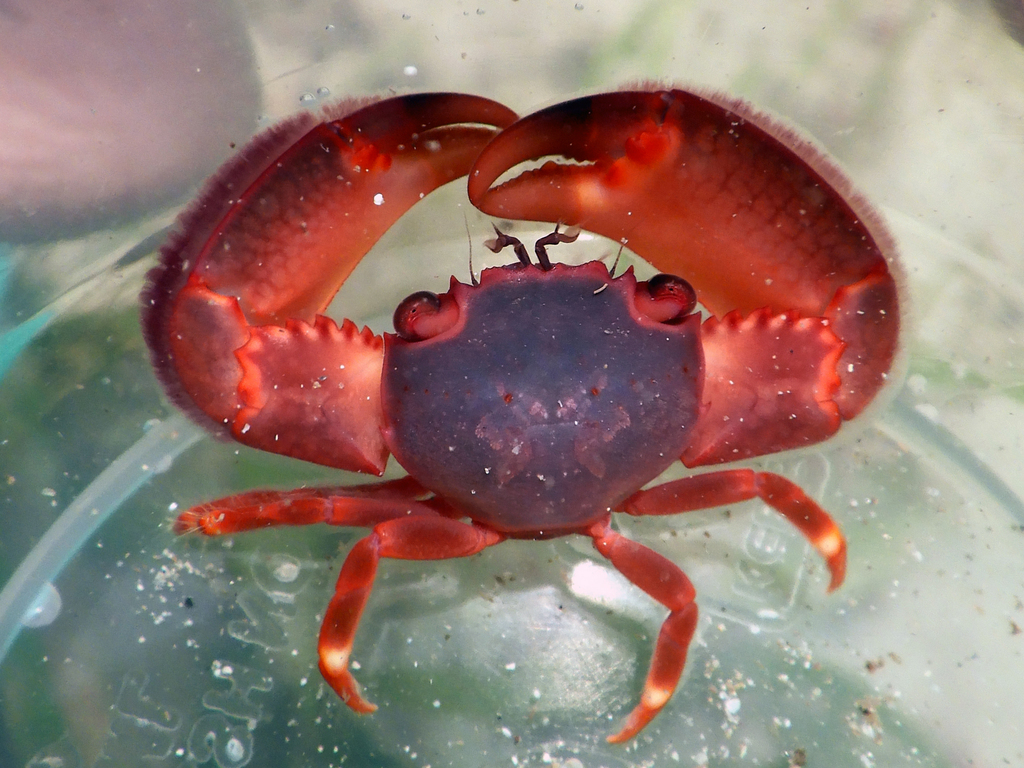 Red-dotted guard crab0%
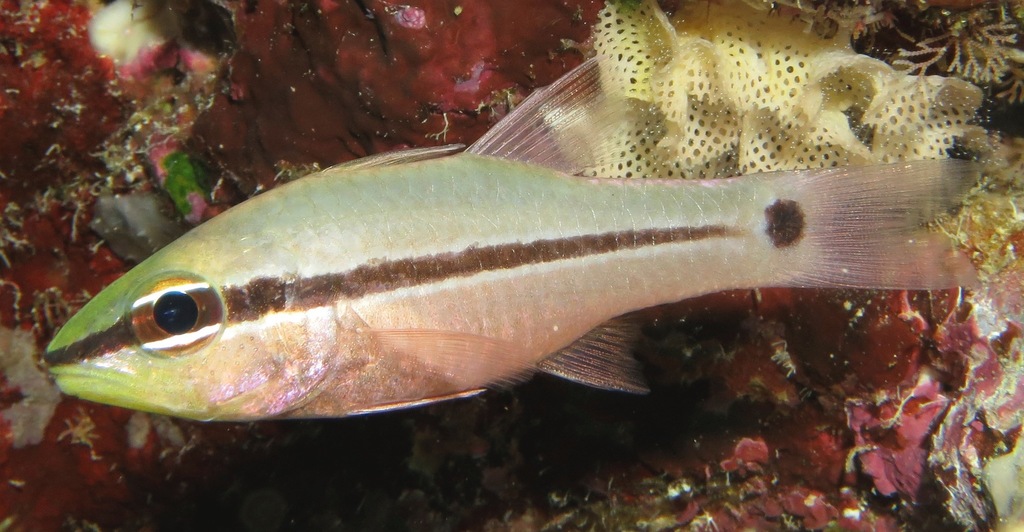 Spurcheek cardinalfish0%
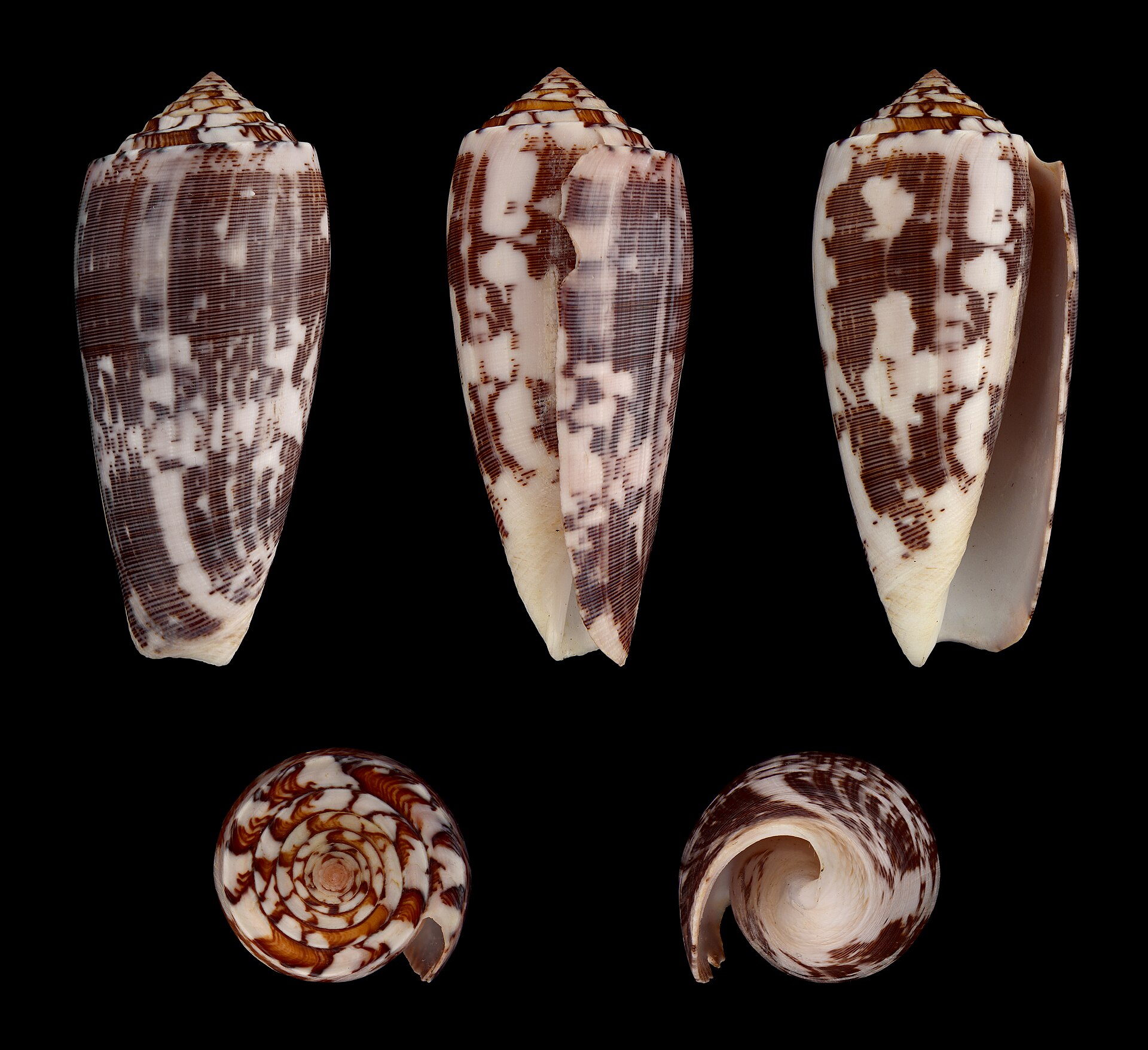 Striated cone0%
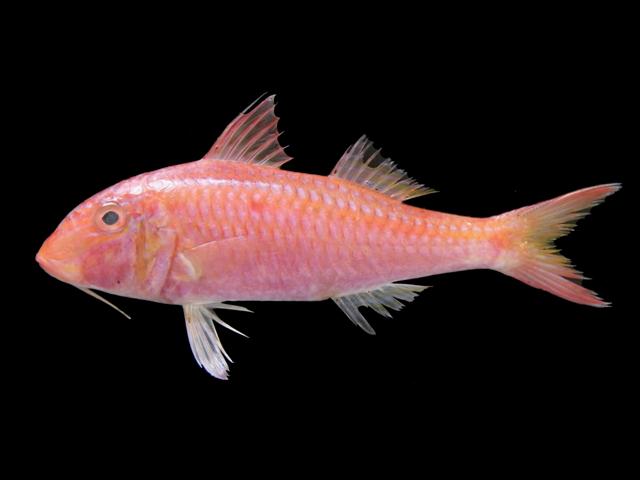 Cinnabar goatfish0%
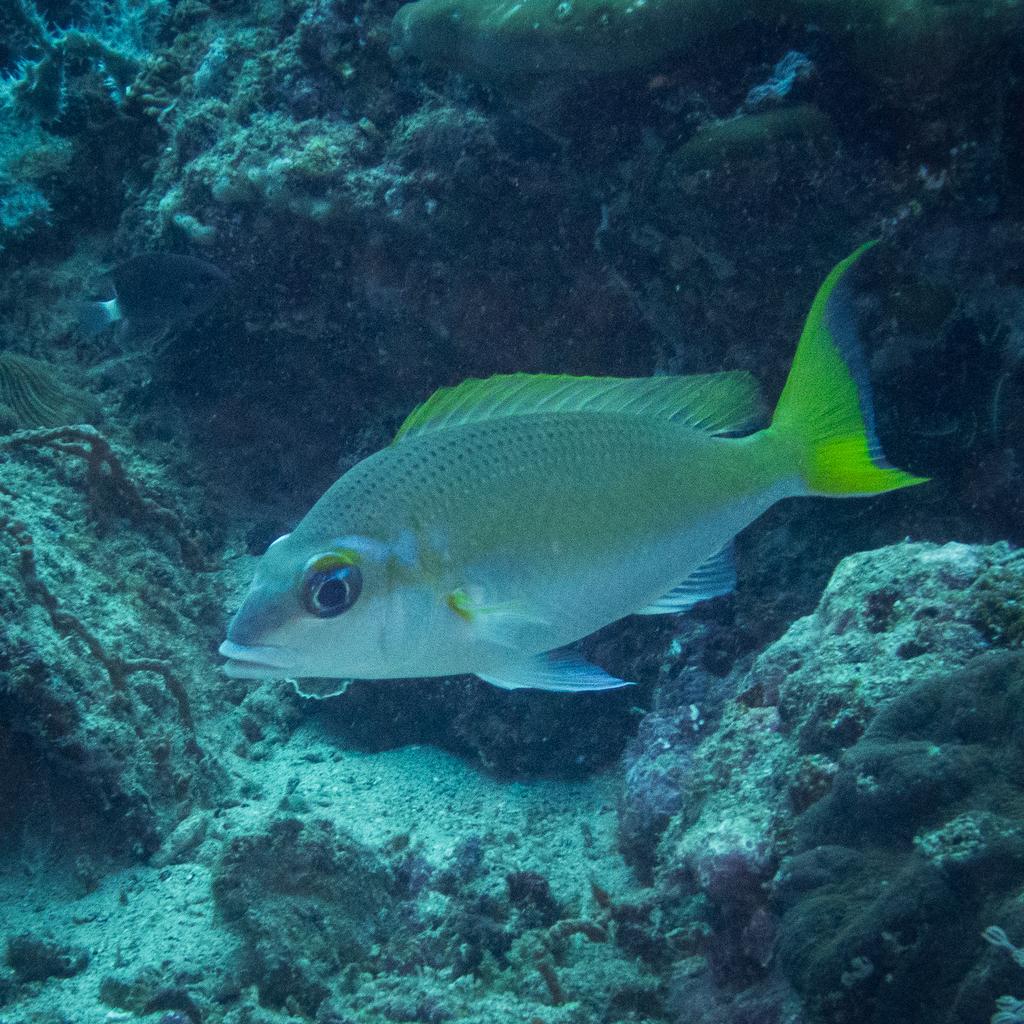 Pale Monocle Bream0%
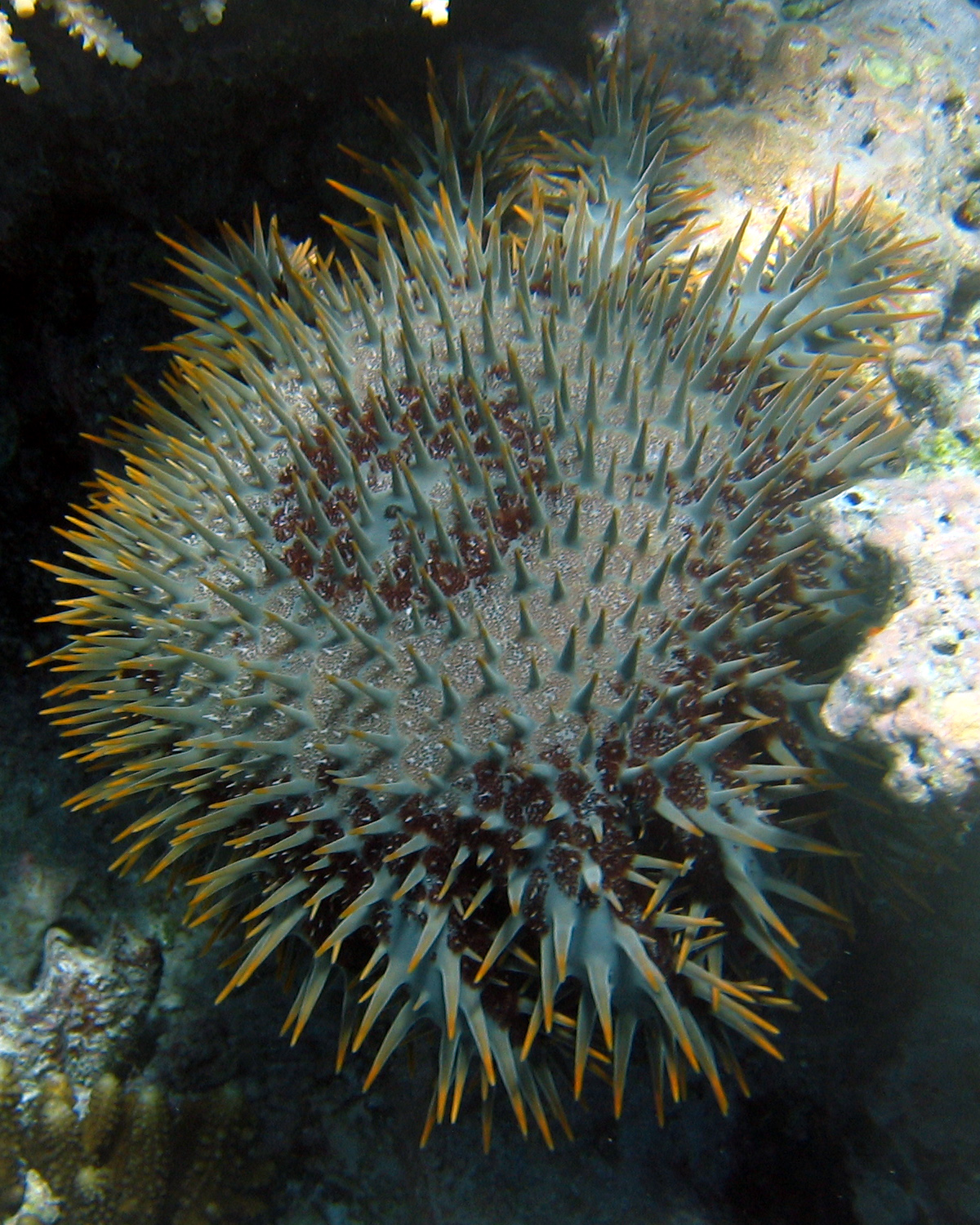 Pacific ocean crown-of-thorns0%
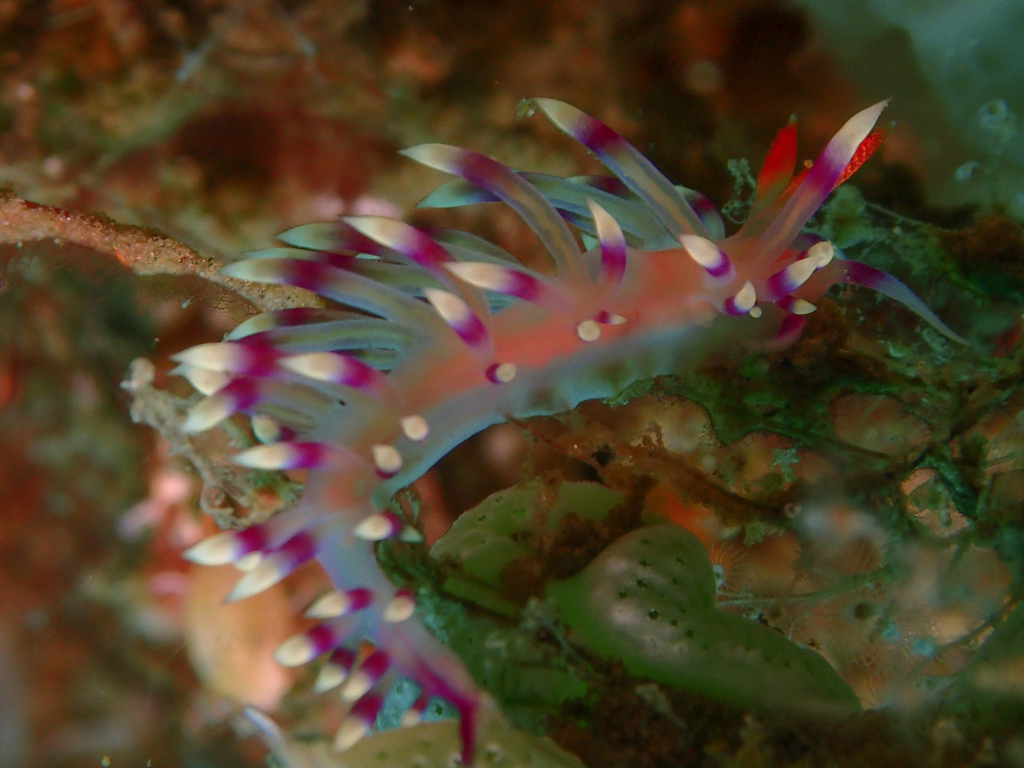 Desirable Flabellina0%
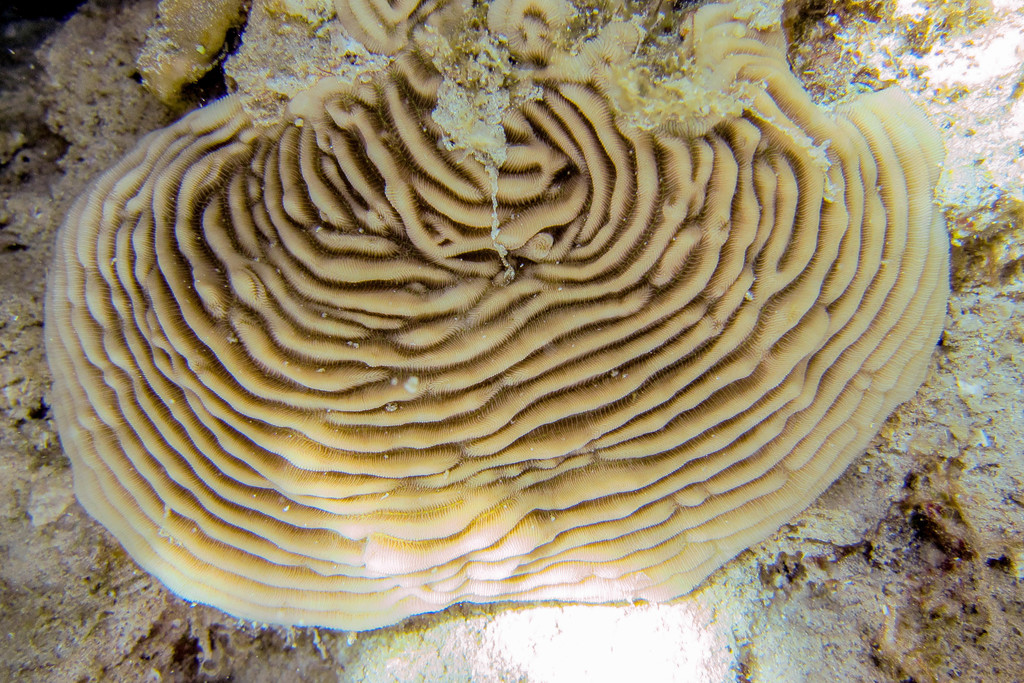 Serpent coral0%
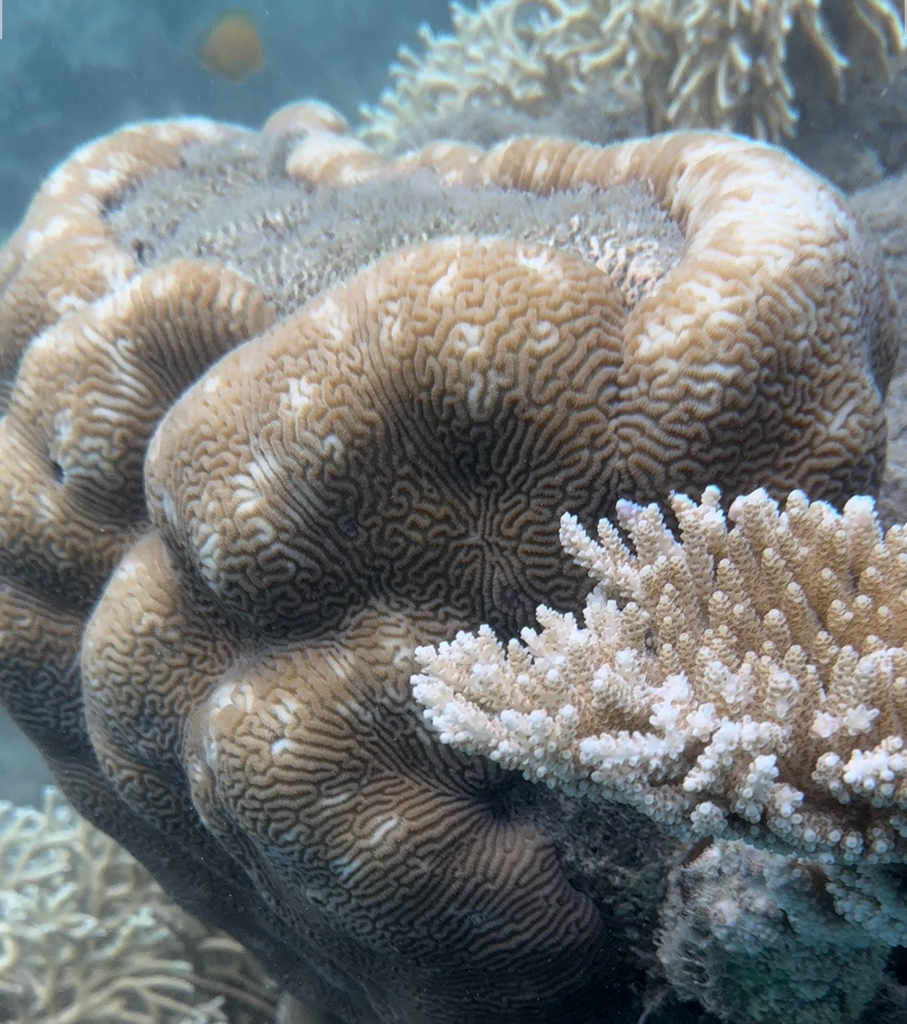 Closed brain coral0%
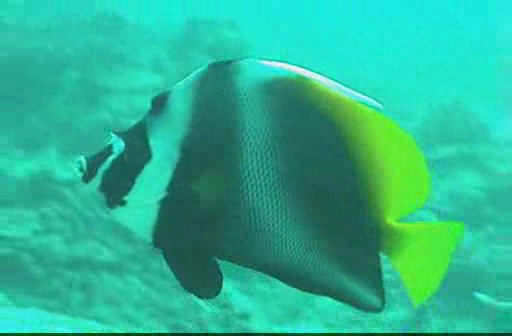 Singular bannerfish0%
- Sclerophytum pocilloporaeforme0%
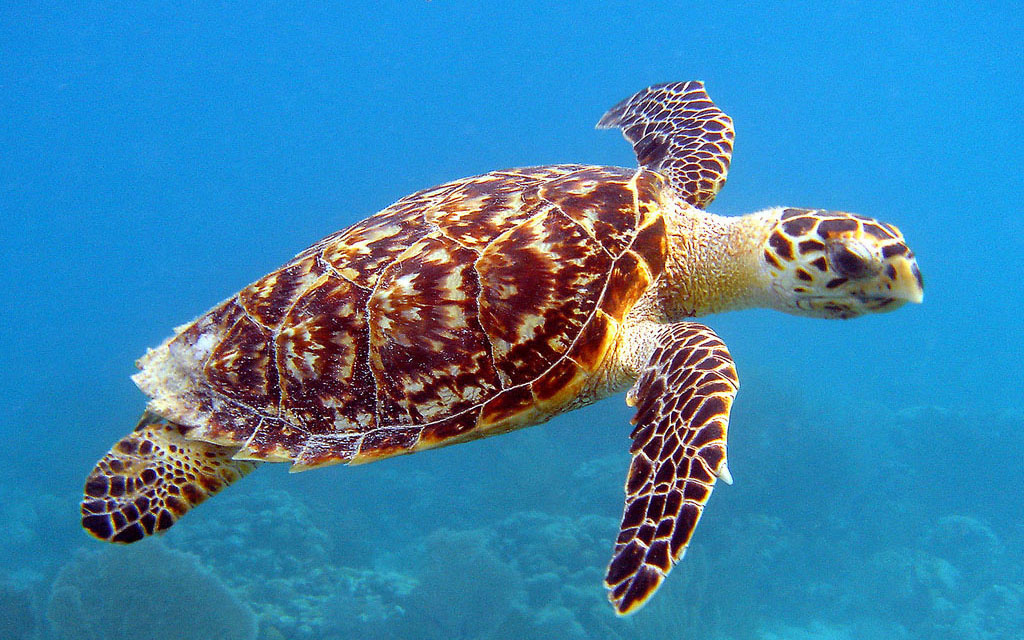 Hawksbill Sea Turtle0%
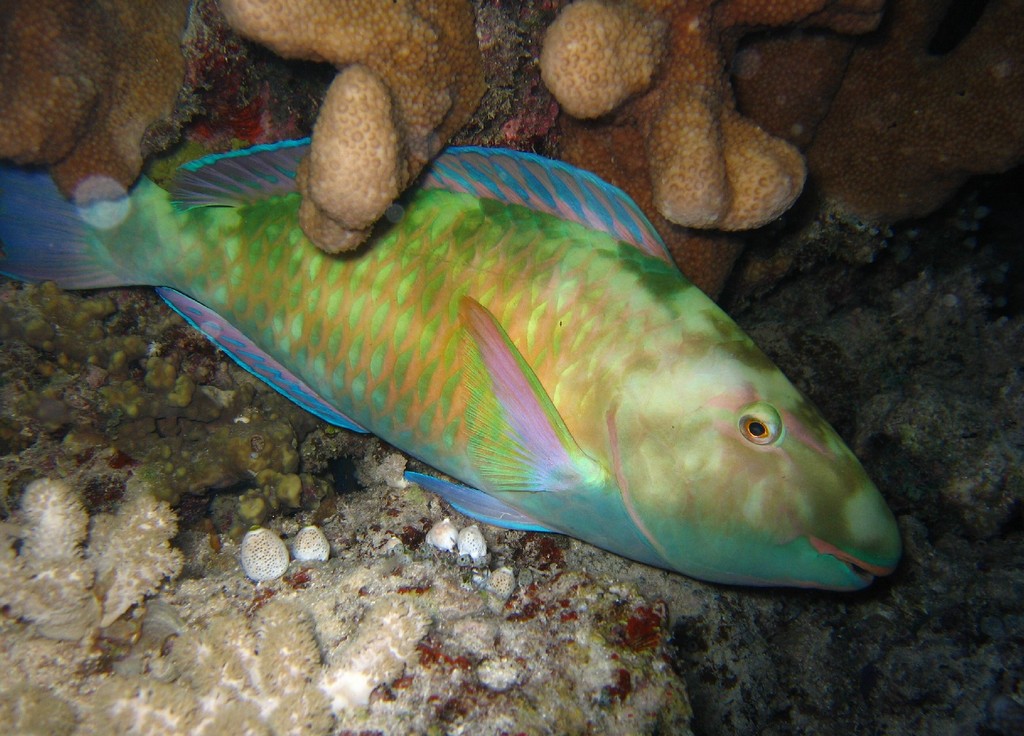 Pacific longnose parrotfish0%
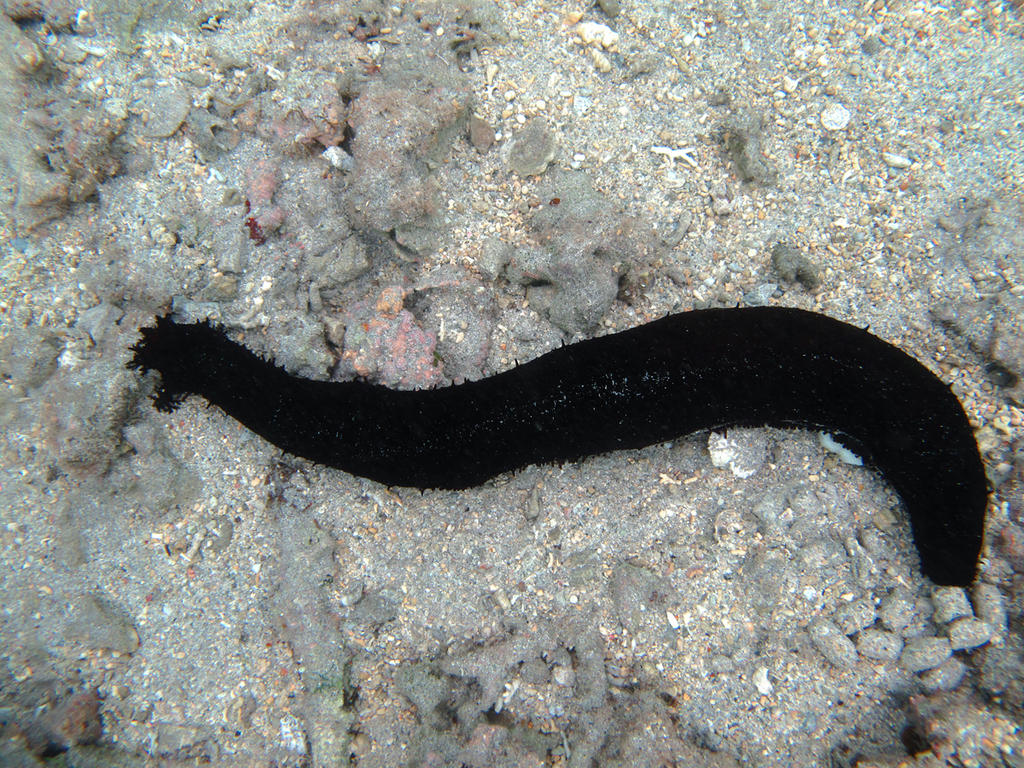 White Thread Fish0%
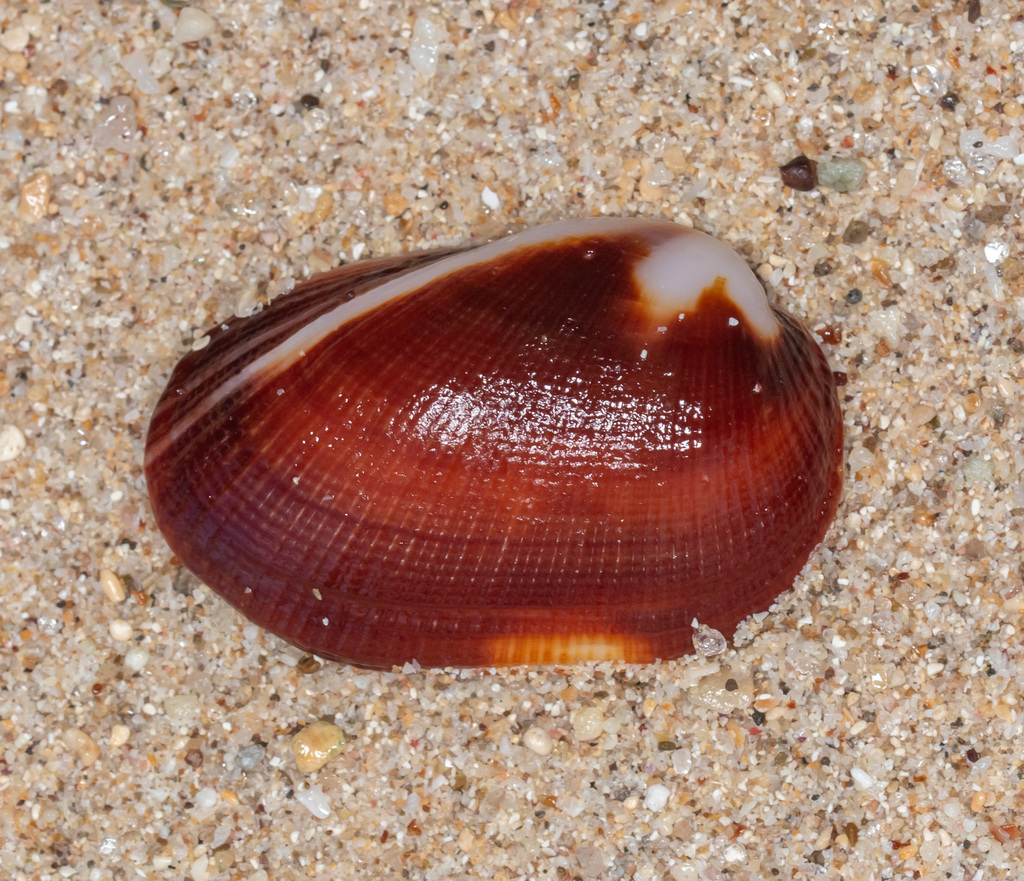 Almond Ark0%
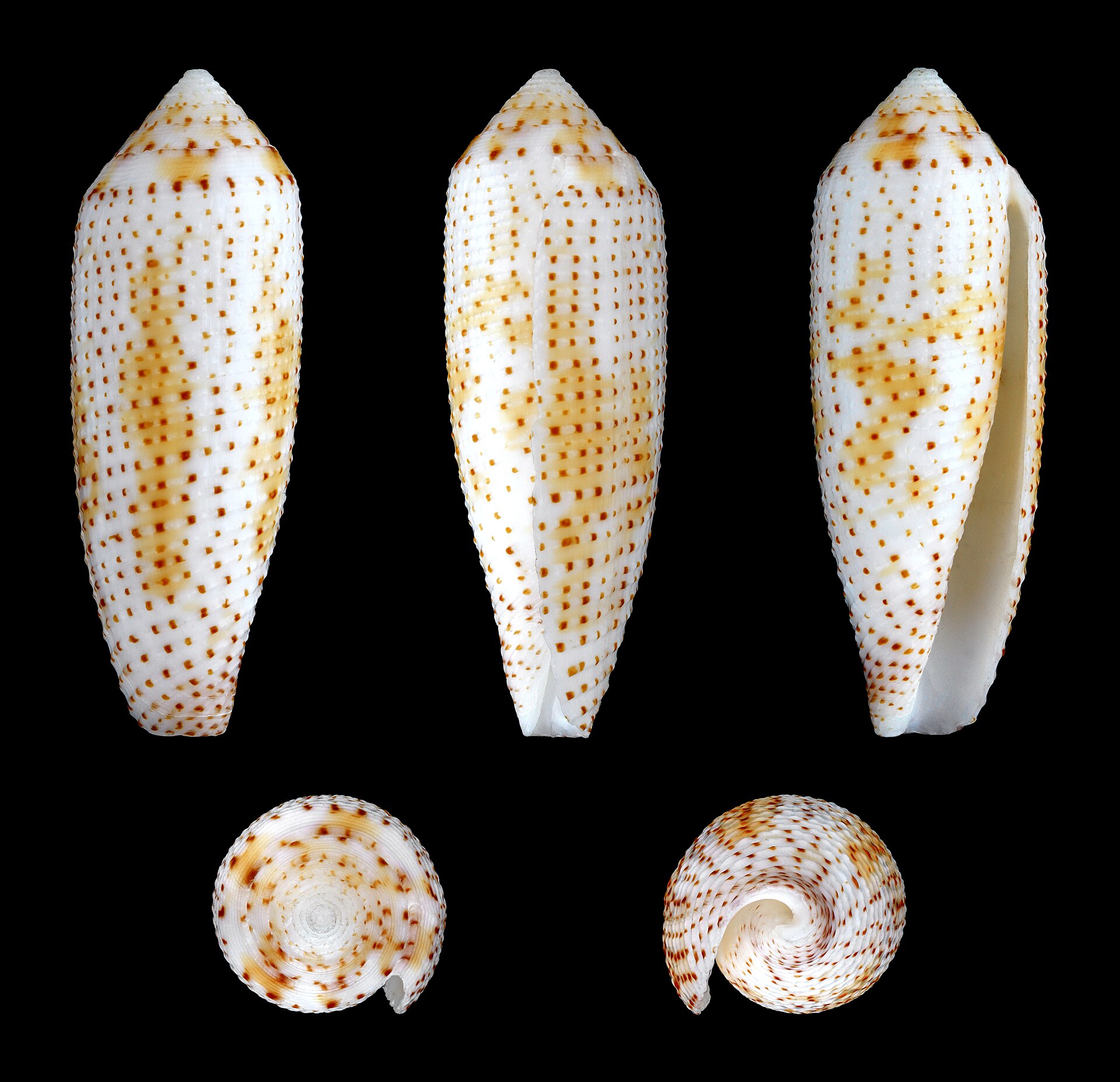 Conus nussatella0%
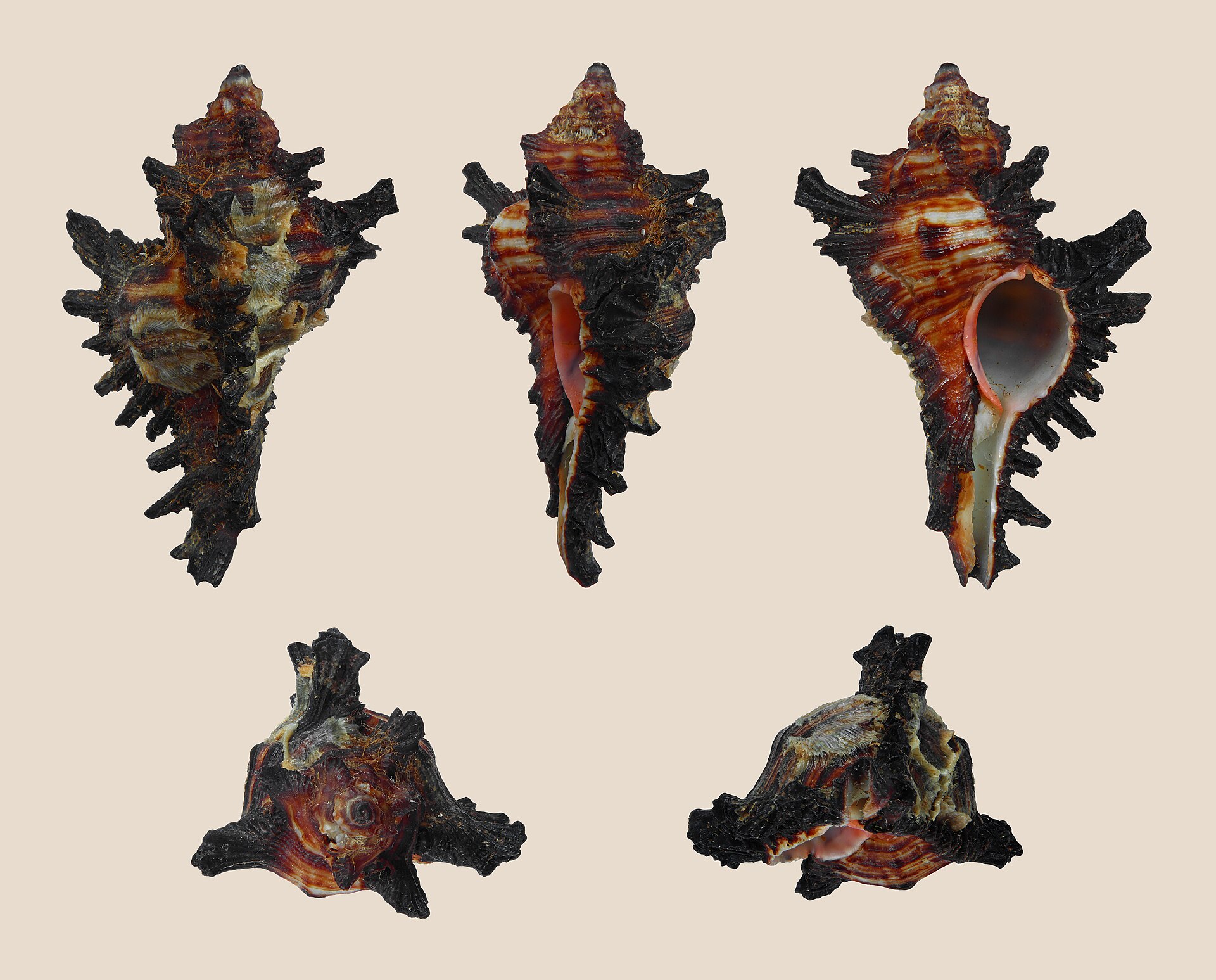 The Burnt Murex0%
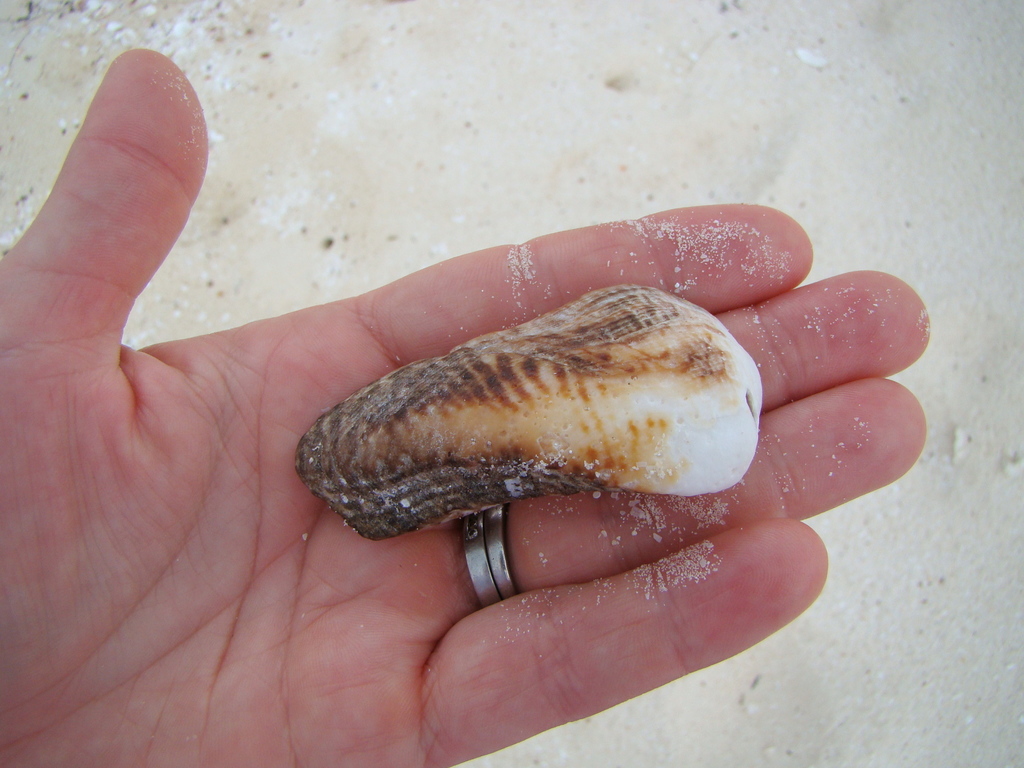 Truncated Ark0%
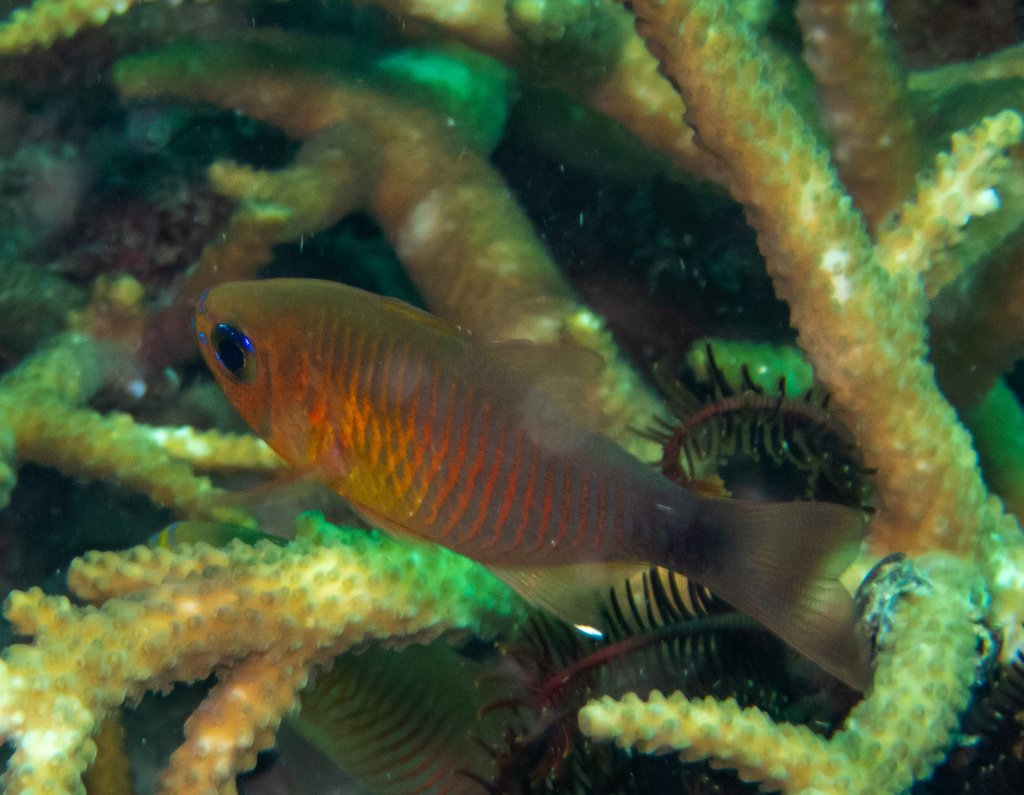 Duskytail cardinalfish0%
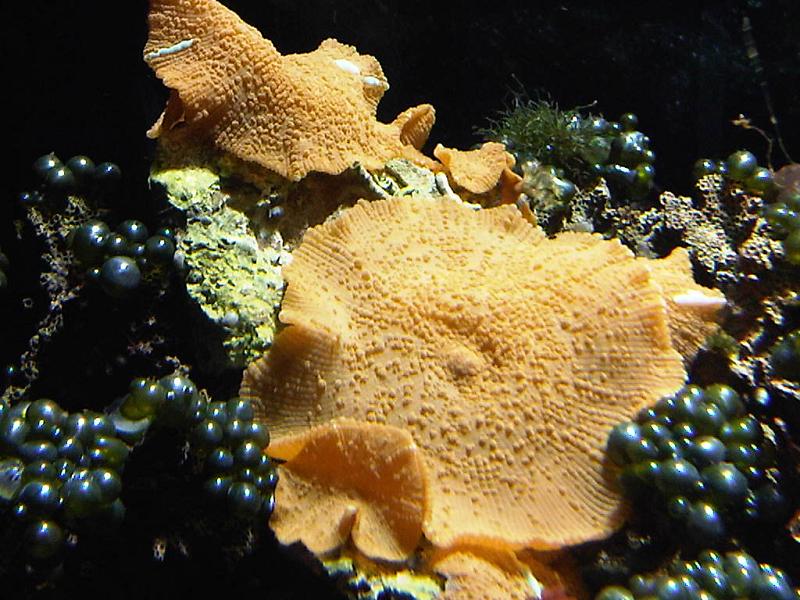 Discosoma nummiforme0%
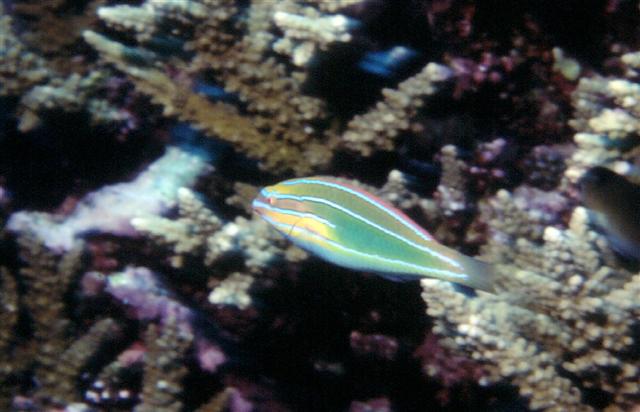 Three-lined Wrasse0%
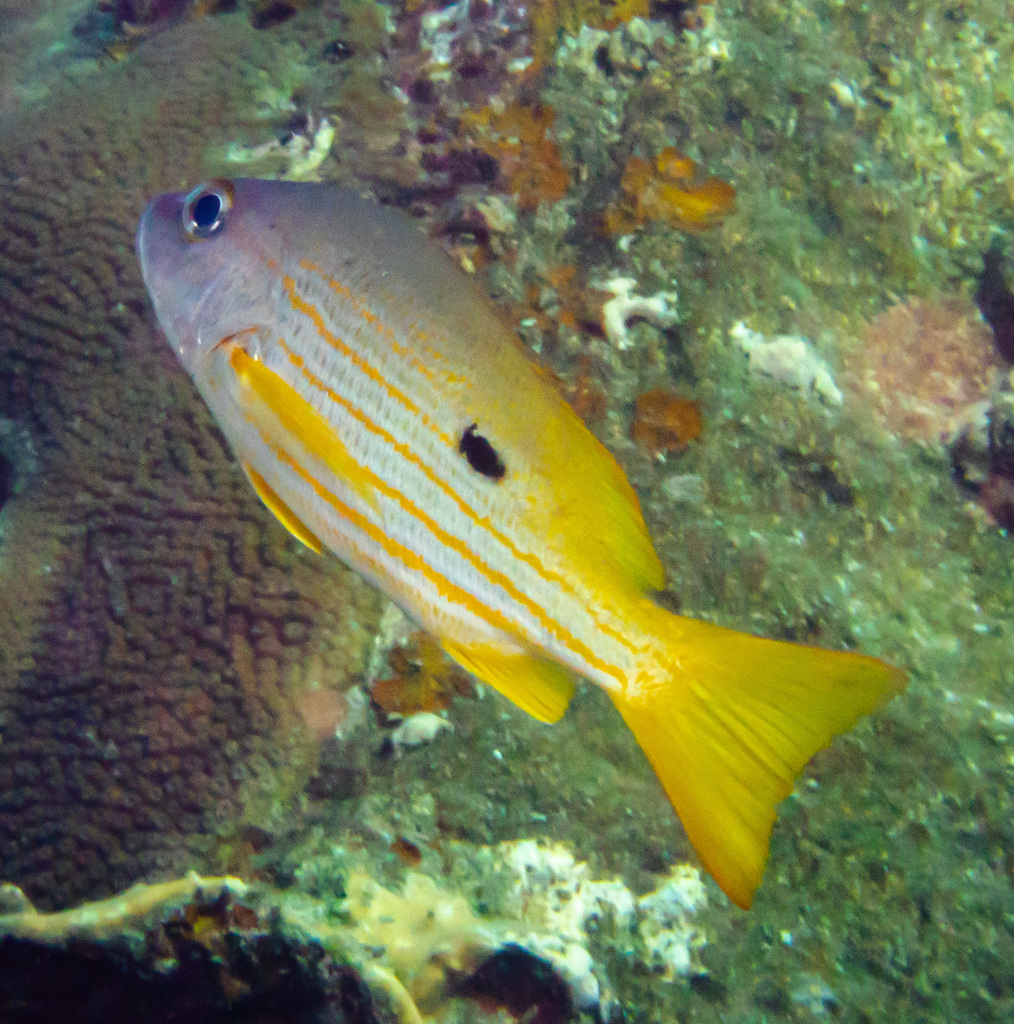 Blackspot snapper0%
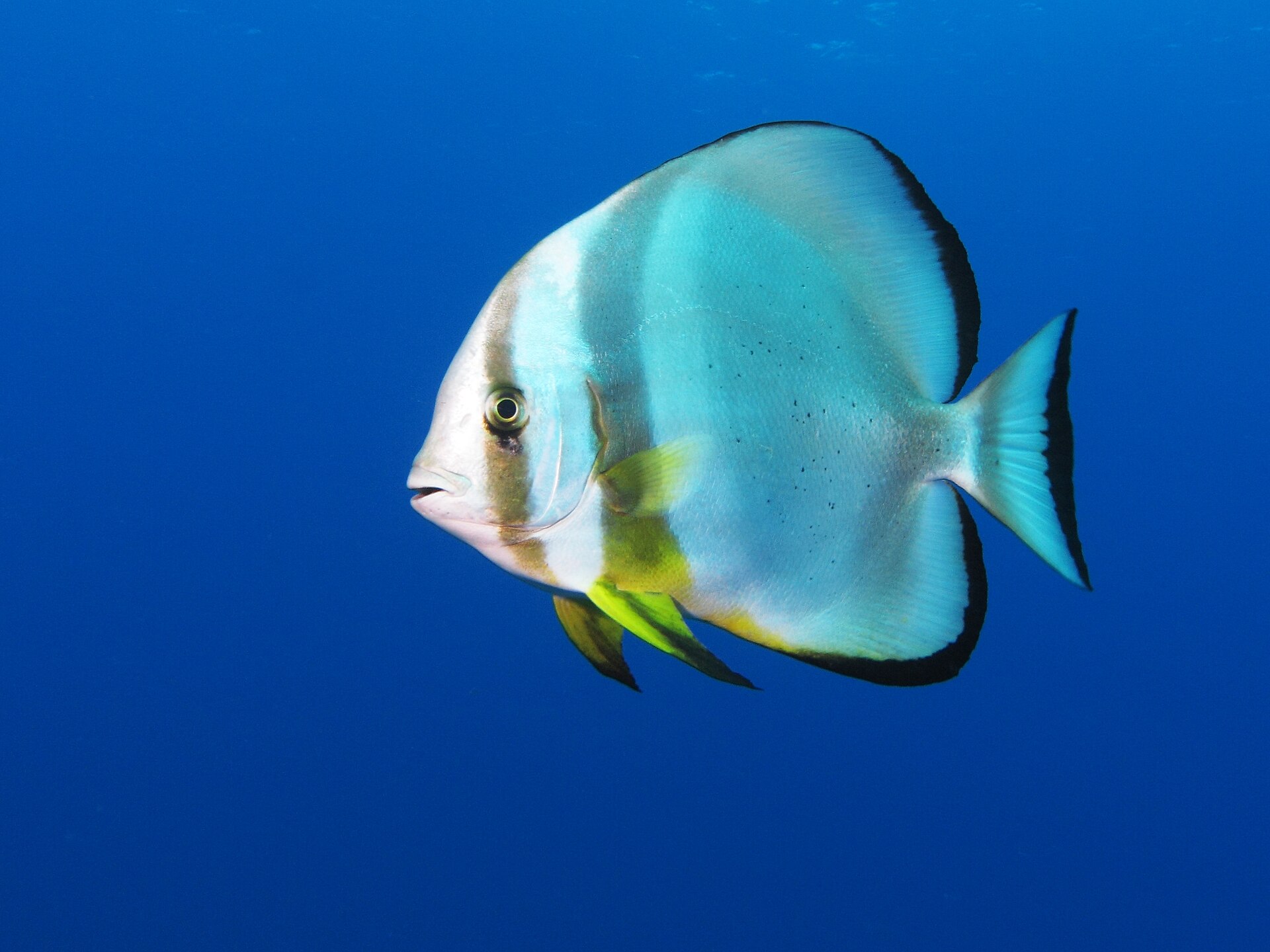 Orbicular batfish0%
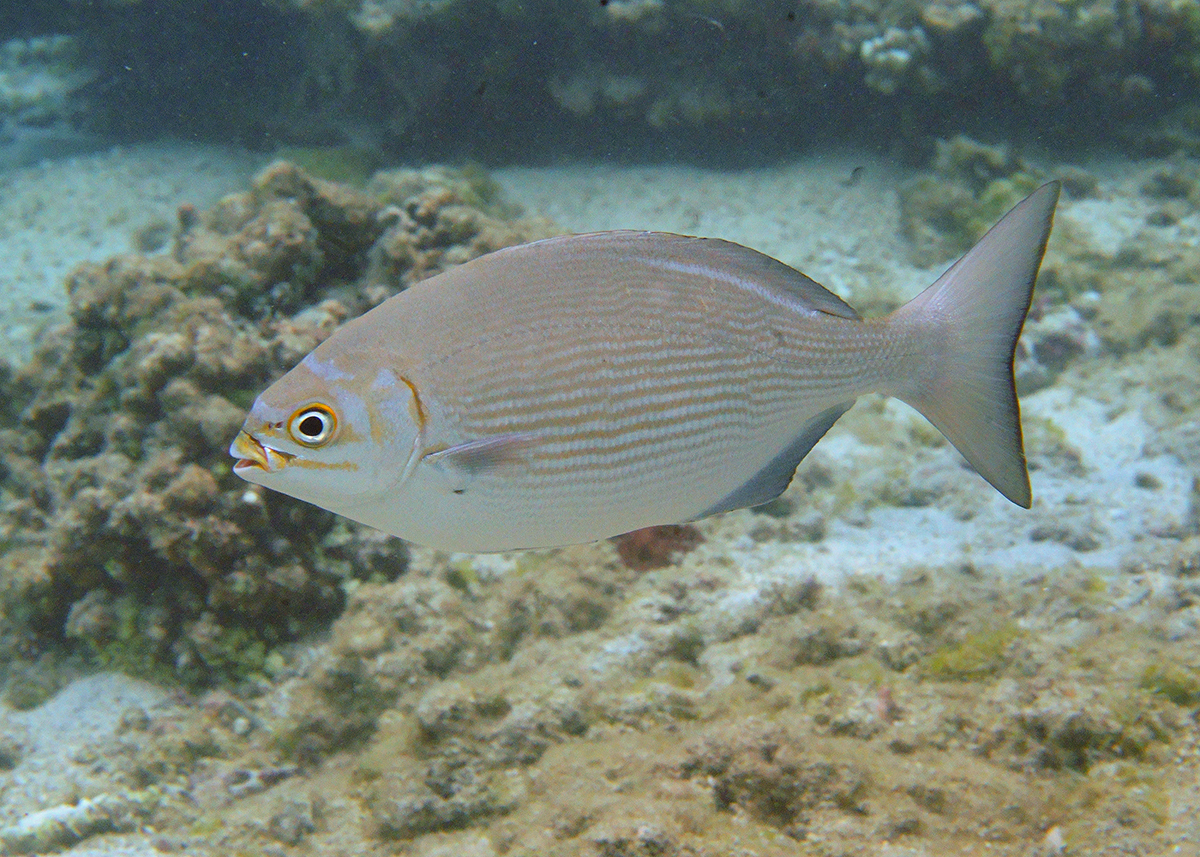 Yellow Chub0%
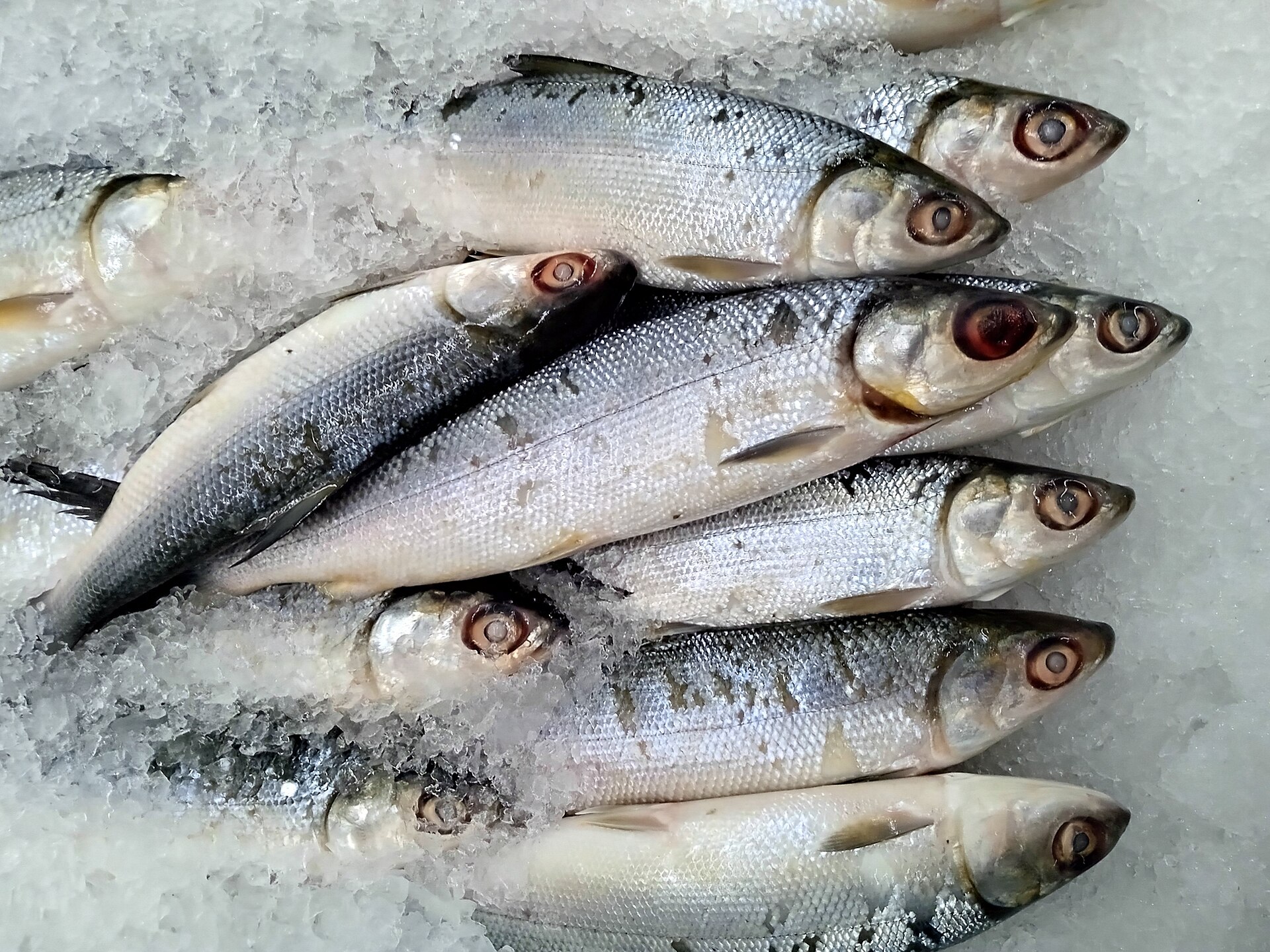 Milkfish0%
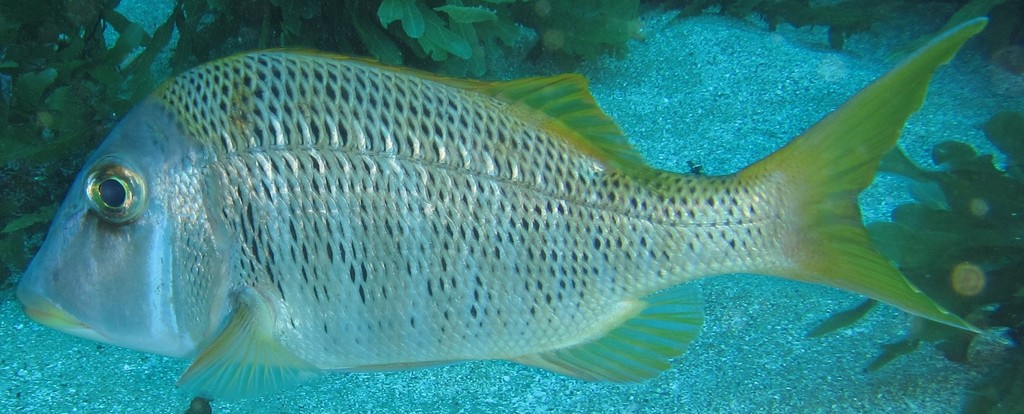 Yellowfin Emperor0%
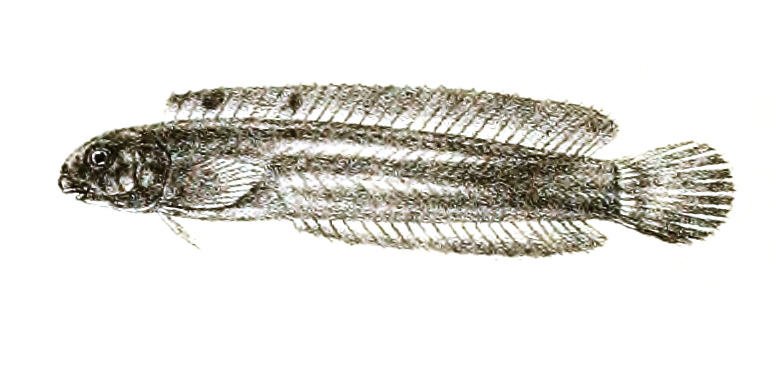 Haptogenys bipunctata0%
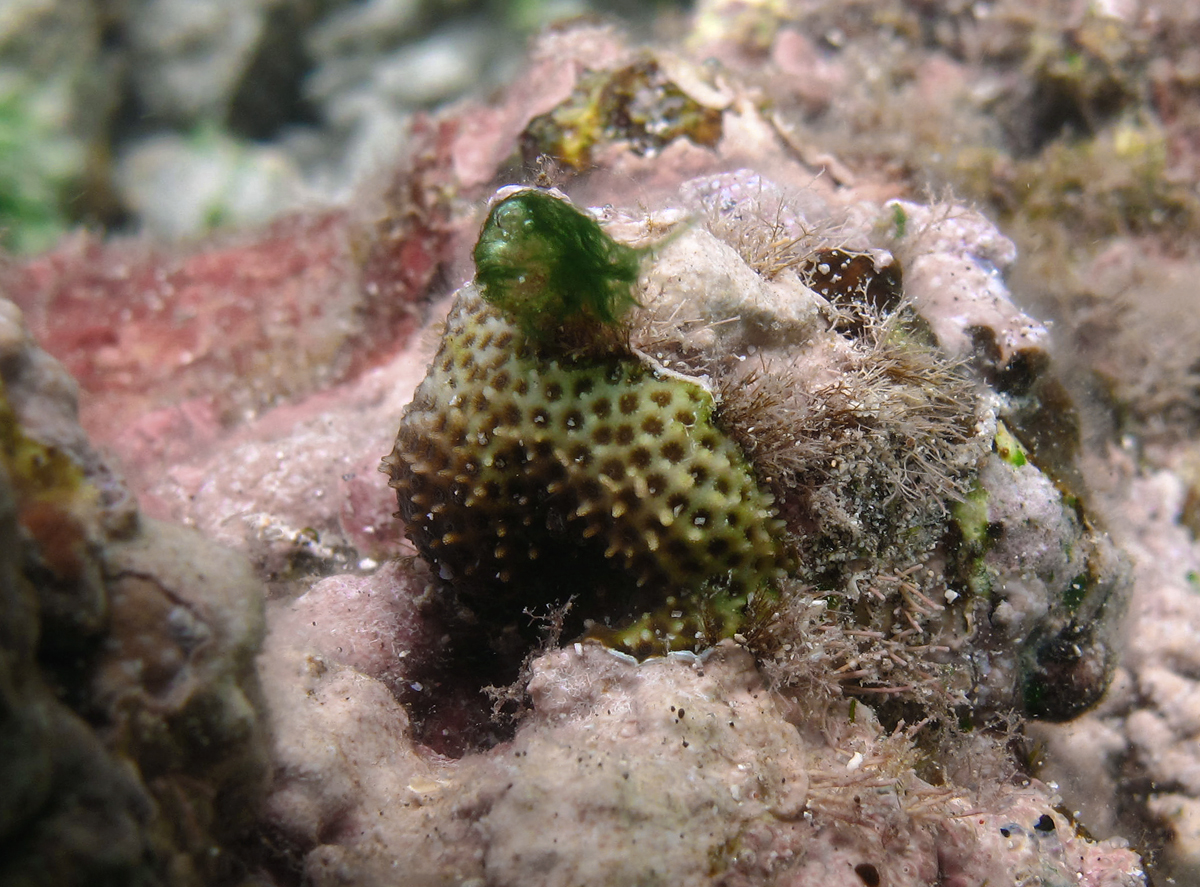 Thorn coral0%
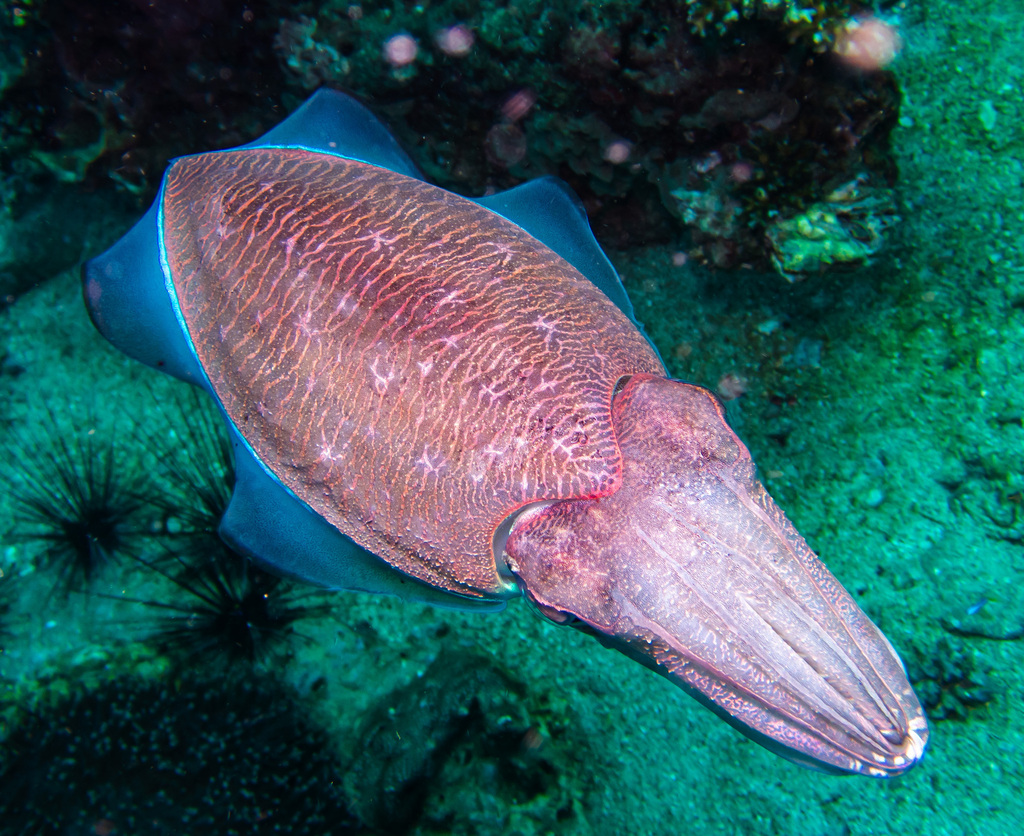 Pharaoh Cuttlefish0%
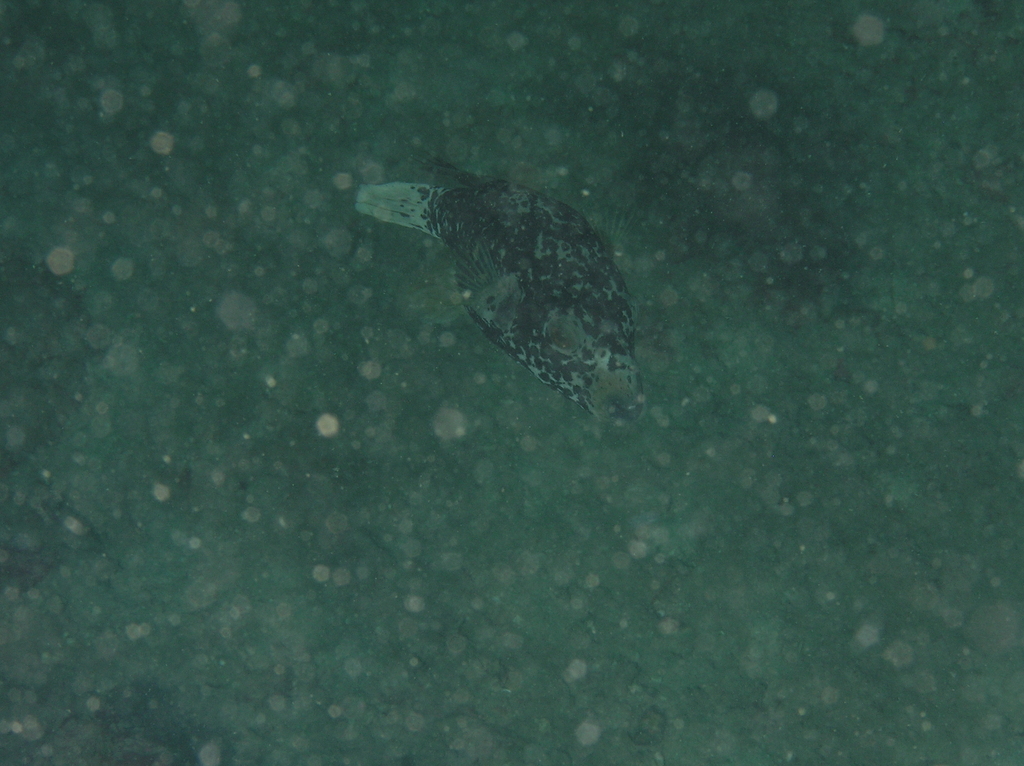 Puffer Fish0%
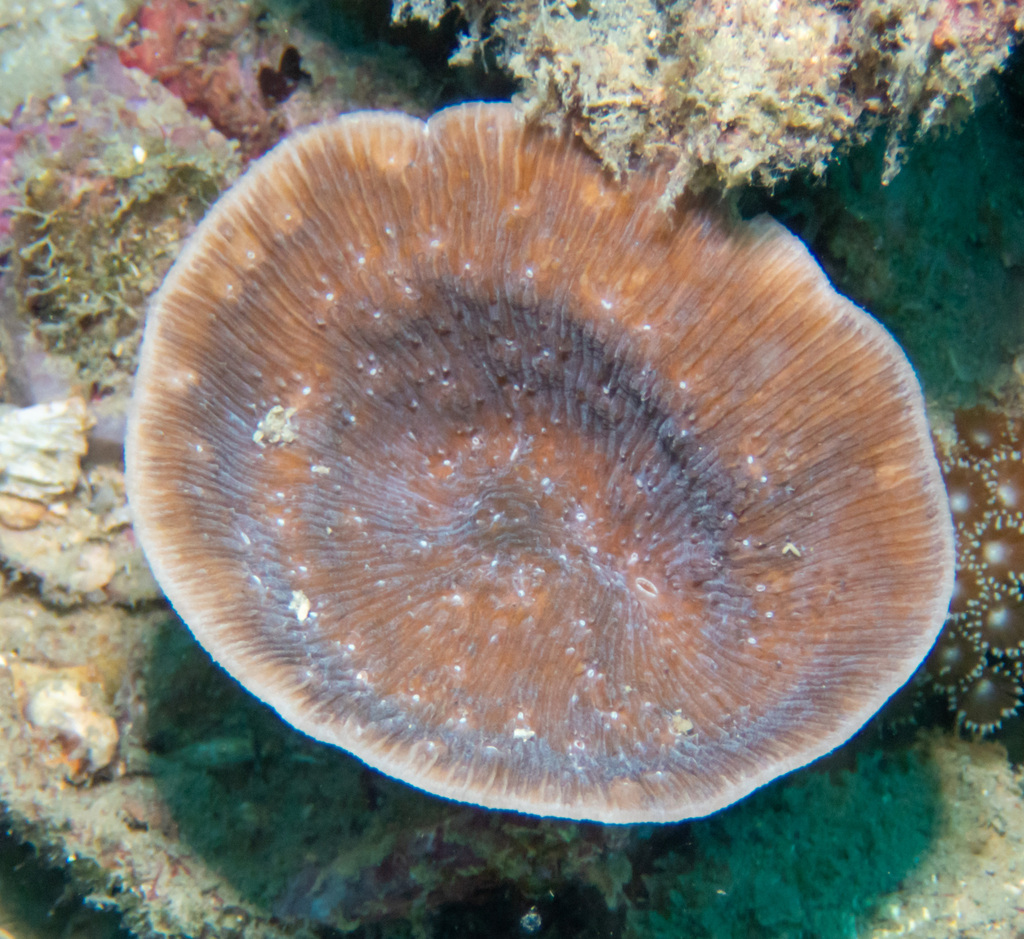 Lithophyllon coral0%
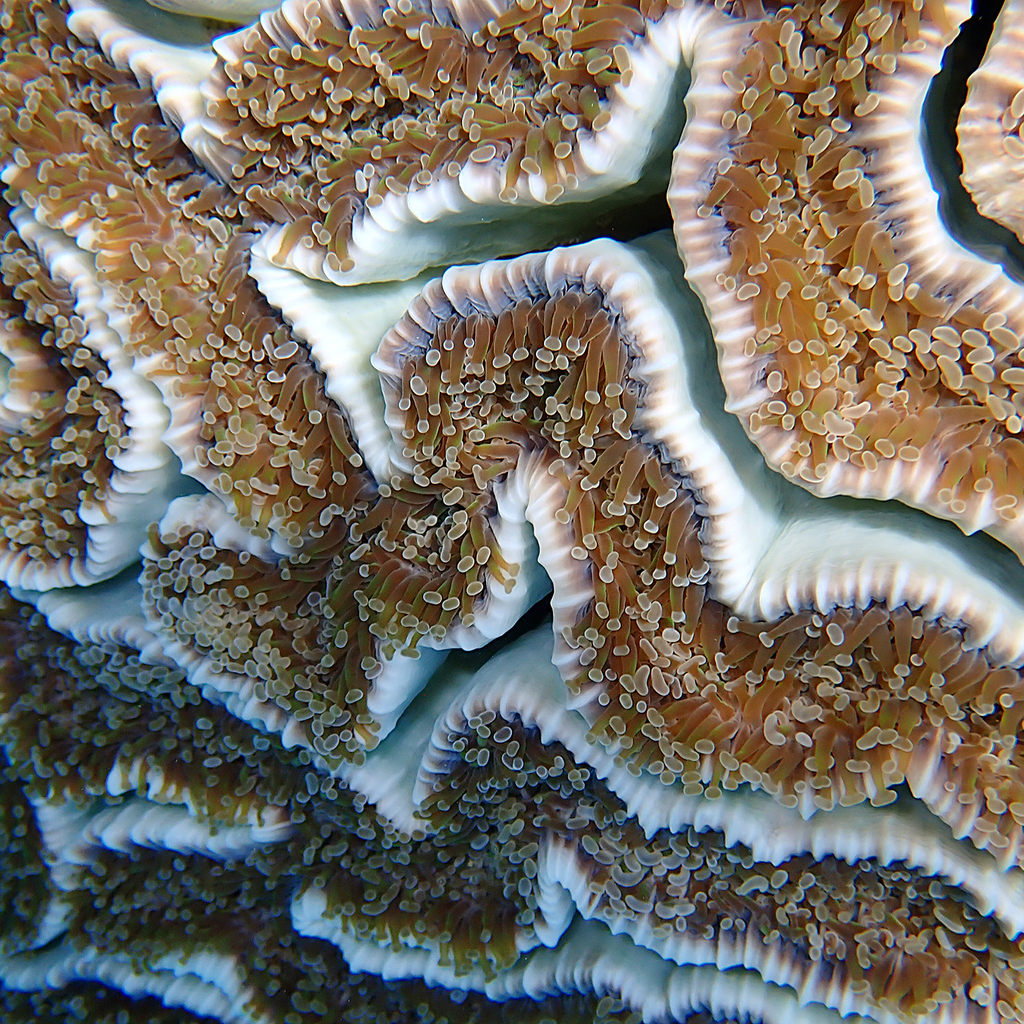 Hammer coral0%
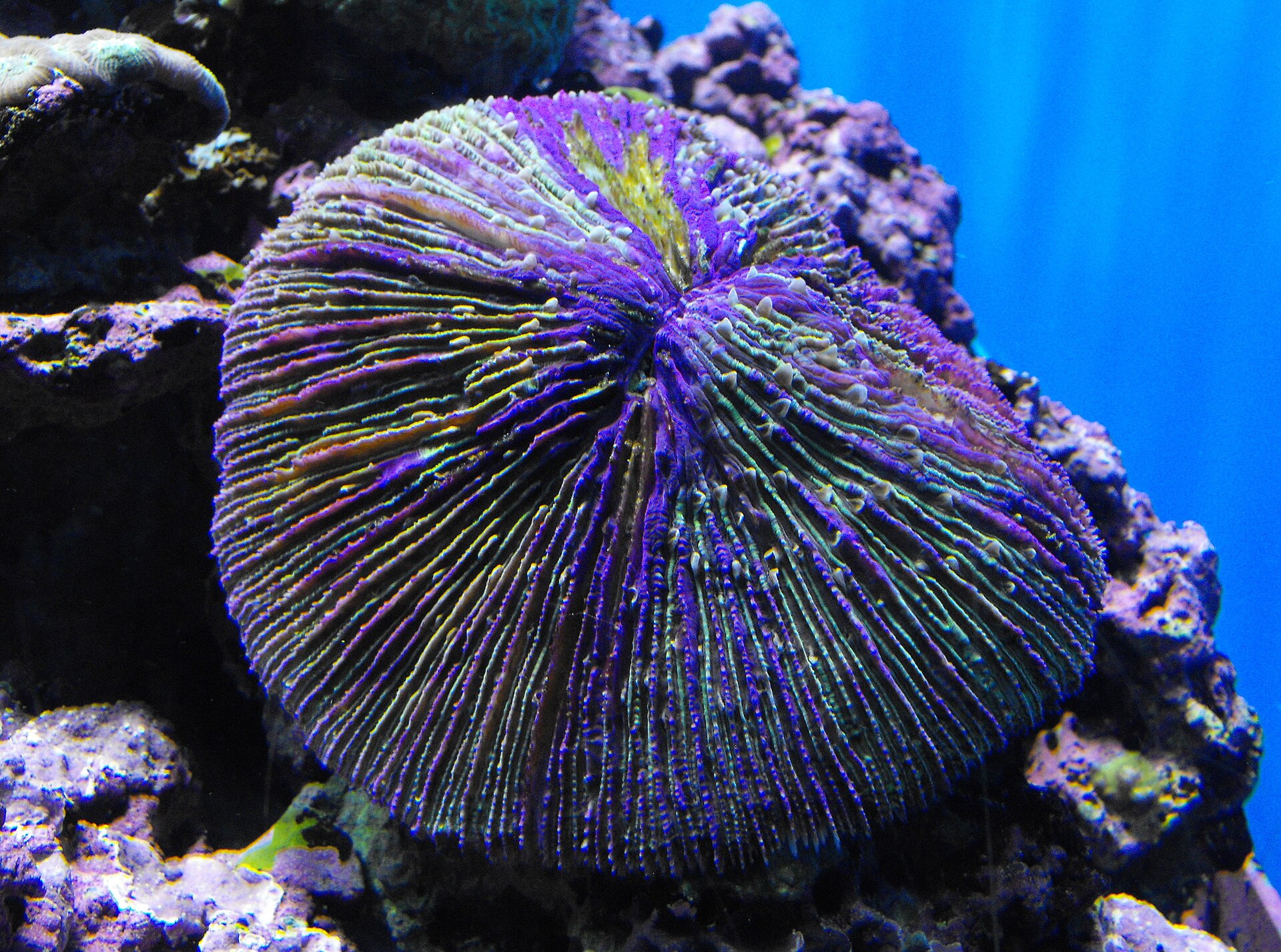 Common mushroom coral0%
Peak season: April, May.
Turn every dive into ocean science
The ocean covers 70% of the planet but is the least-recorded place on Earth. Scientists can't be on every reef. Divers are.
- Free to join
- Works with your dive computer
- You log itWhat you saw, from your dive computer file or by hand.
- We check itPinned to the dive site and matched to a scientific name.
- Scientists can use itKept with its date, depth and place, in the format the big open species databases like GBIF use.
What scientists need, and how you help
- More places
Most ocean records come from a few coasts. Log every dive, even quiet sites.
- What wasn't there
Full dive logs show when a species goes missing. Log every animal, not just the highlights.
- Same reefs, every year
Change only shows up over years. Keep logging your home reef.
- Names they can trust
Lookalike species trip up records. Tag animals and add a photo.