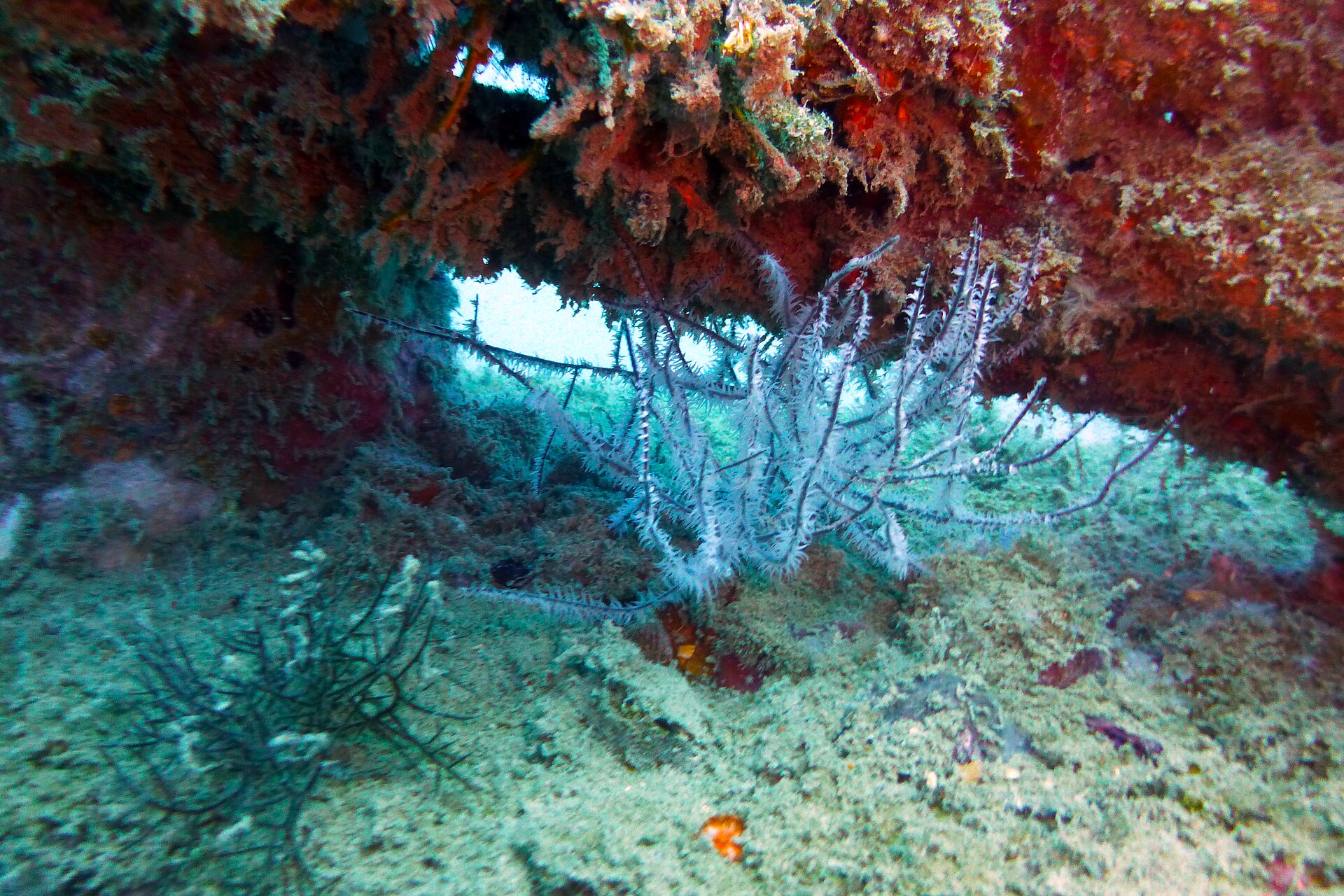
 Photo: Amada44, via Wikimedia Commons, CC BY SA 3.0
1. Koh Nang Yuan
Koh TaoSeen on 6% of dives in April
Gastropoda · Marine life
Bistolida ursellus
Best monthly chance of seeing it per dive, at the best site in each destination.
Chances are the share of dives on which it was seen, in the best month.
Photo: Amada44, via Wikimedia Commons, CC BY SA 3.0Seen on 6% of dives in April
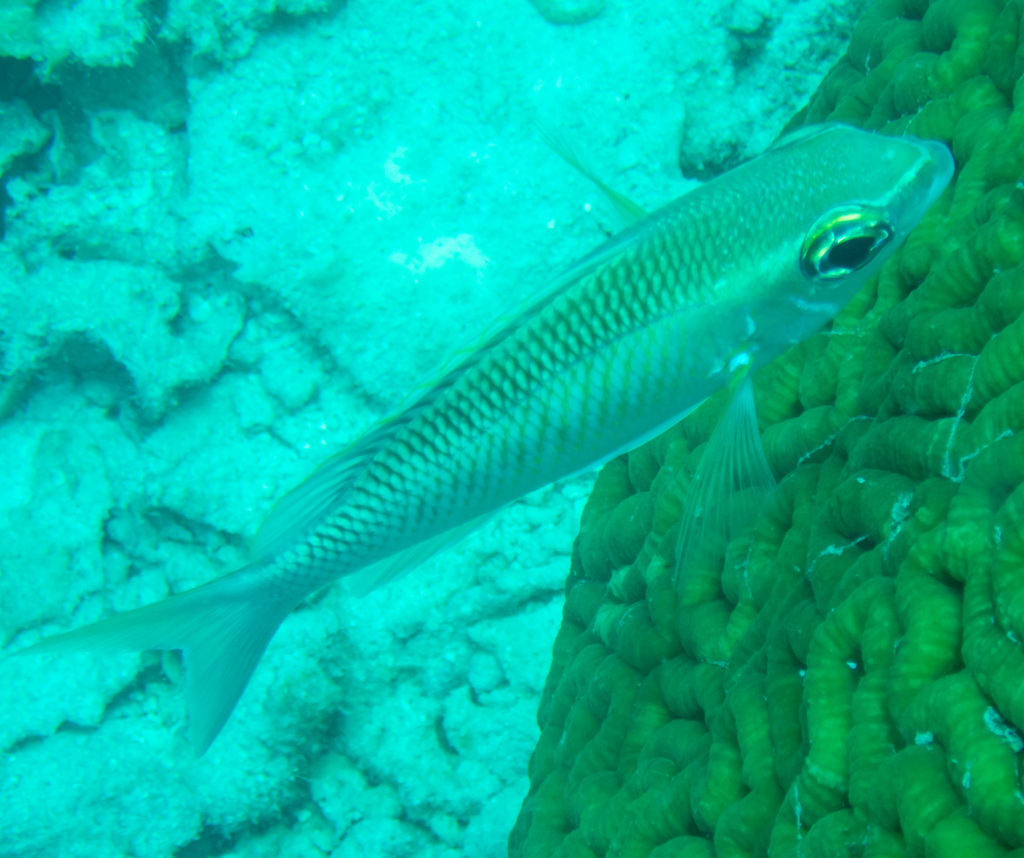 Photo: (c) portioid, some rights reserved (CC BY), via iNaturalist, CC BY
Seen on 6% of dives in April
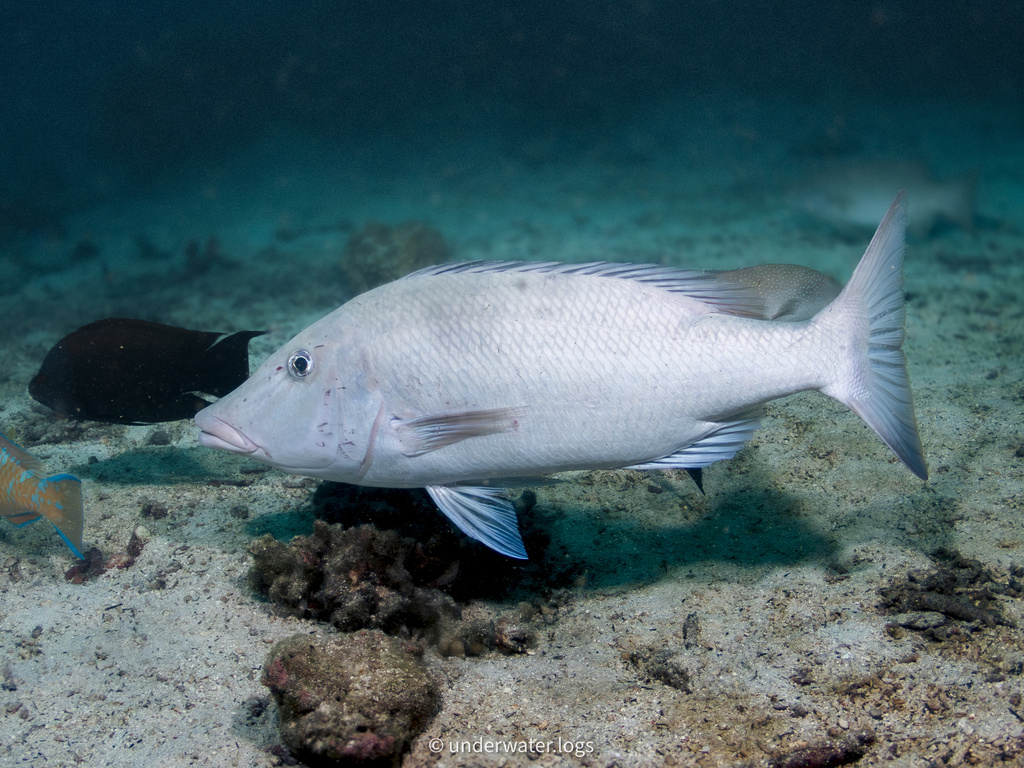 Photo: (c) ig: underwater.logs, some rights reserved (CC BY), via iNaturalist, CC BY
Seen on 3% of dives in April
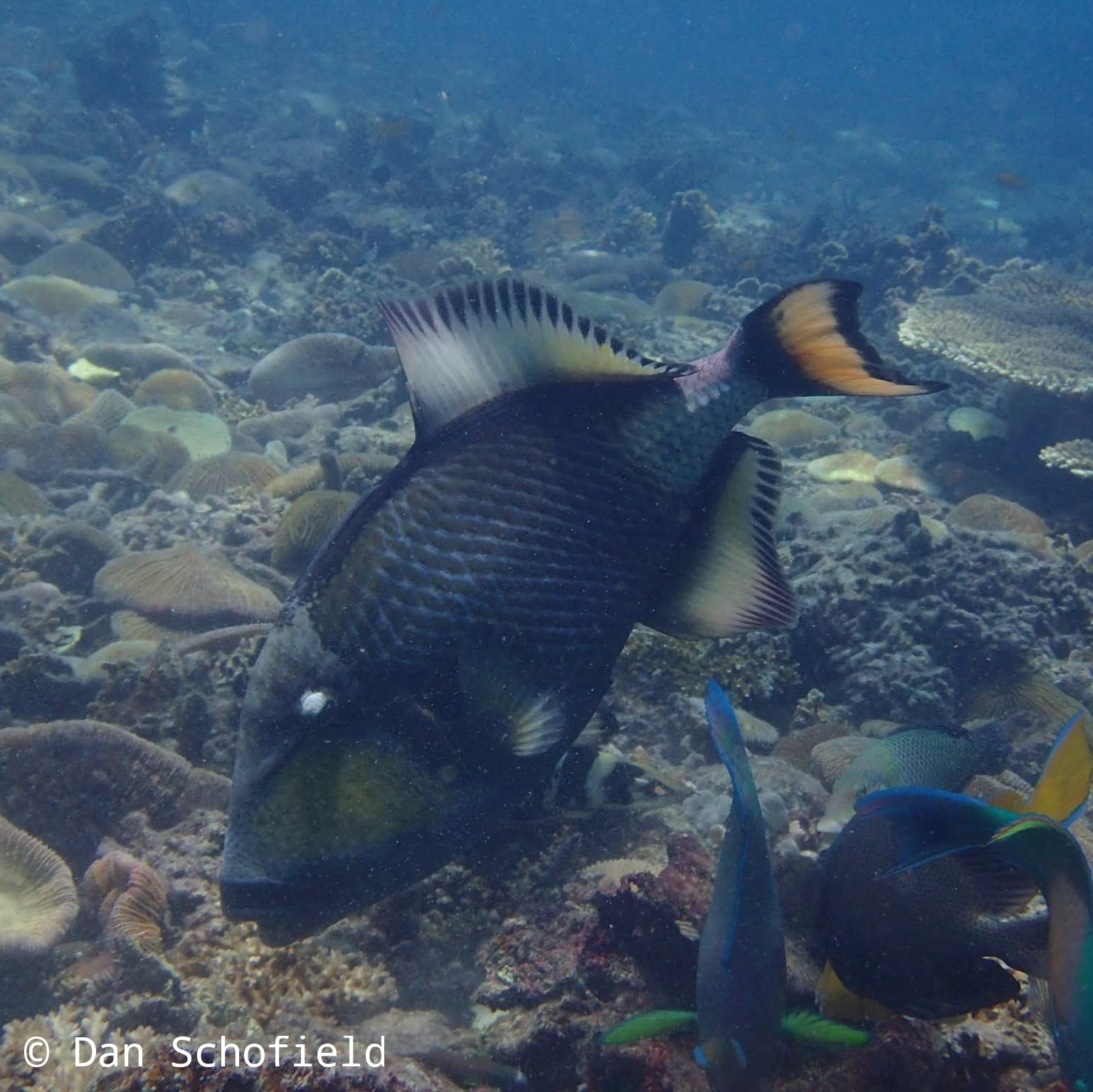 Photo: (c) Dan Schofield, some rights reserved (CC BY), via Wikimedia Commons, CC BY 4.0
Seen on 3% of dives in April
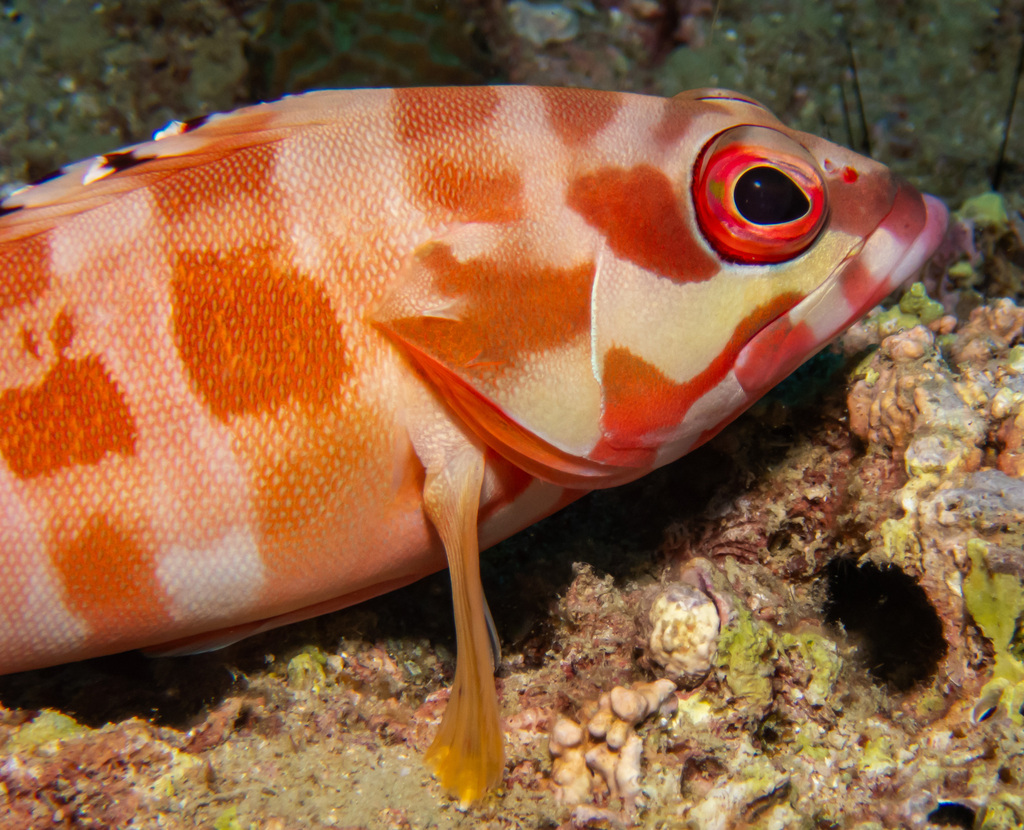 Photo: (c) portioid, some rights reserved (CC BY), via iNaturalist, CC BY
Seen on 2% of dives in April
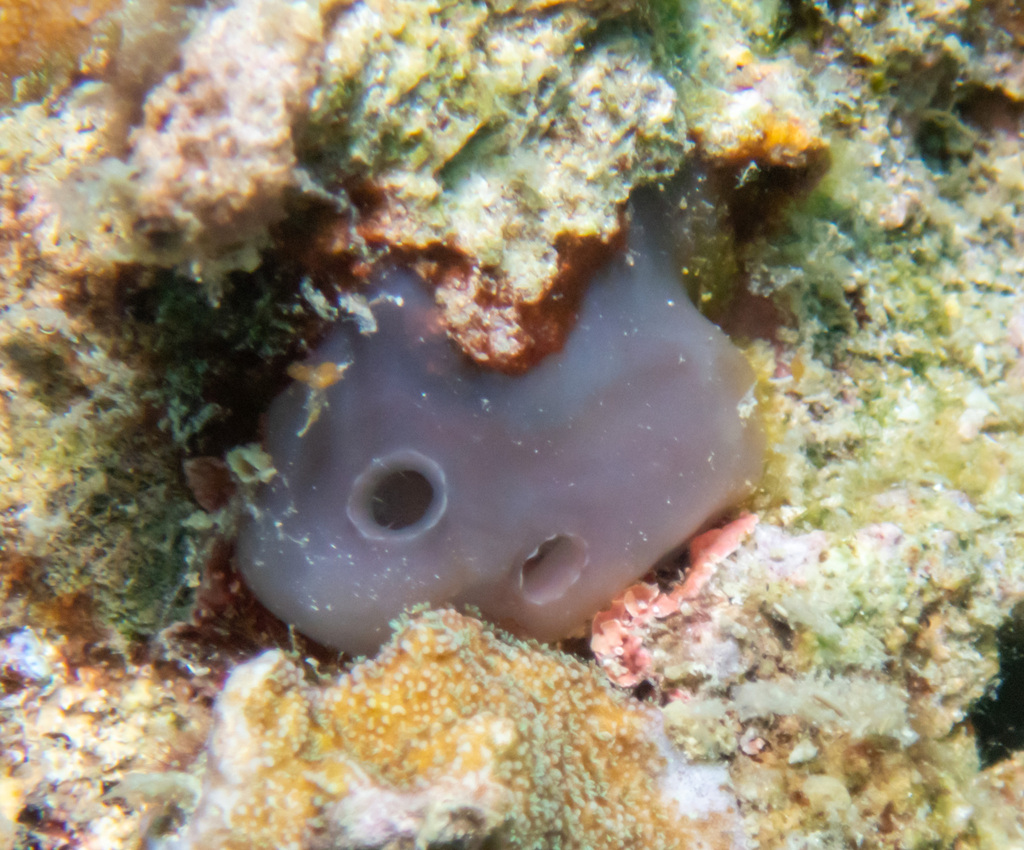 Photo: (c) portioid, some rights reserved (CC BY), via iNaturalist, CC BY
Seen on 1% of dives in April
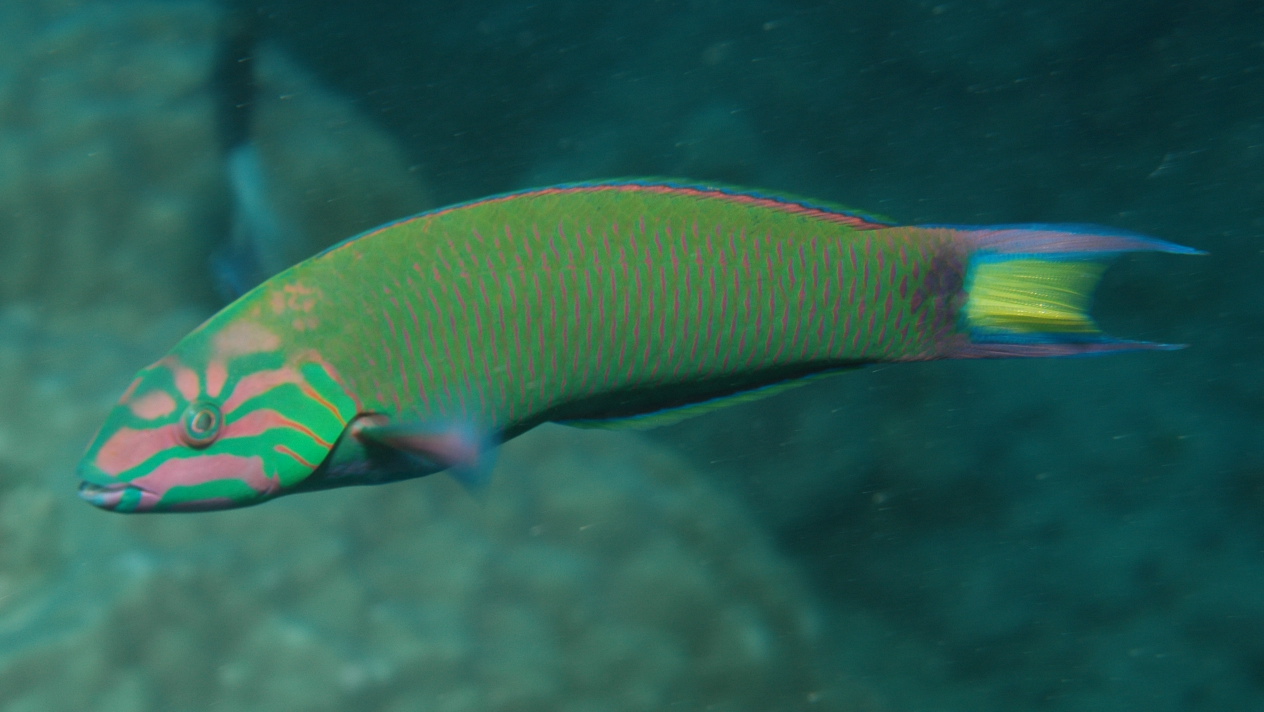 Seen here: Moon wrassePhoto: Leonard Low from Australia, via Wikimedia Commons, CC BY 2.0 · not taken at this site
Seen on 1% of dives in April
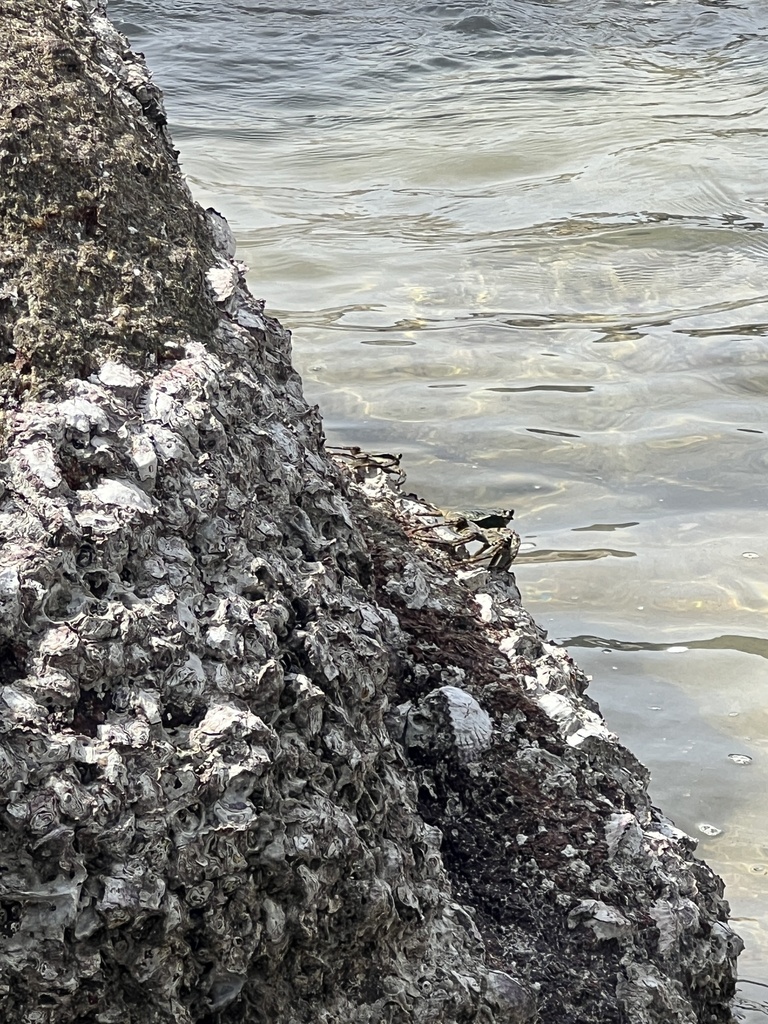 Photo: (c) Kat Lim, some rights reserved (CC BY), via iNaturalist, CC BY
Seen on 1% of dives in April
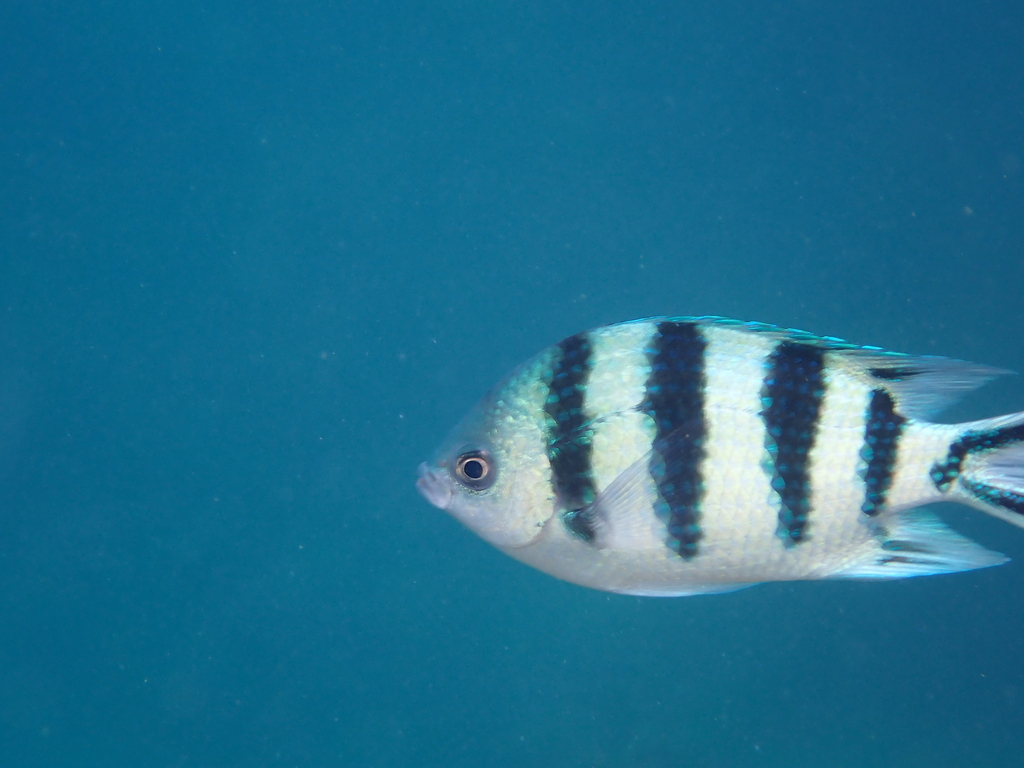 Photo: (c) Shane Austin, some rights reserved (CC BY), via iNaturalist, CC BY
Seen on 1% of dives in April
The ocean covers 70% of the planet but is the least-recorded place on Earth. Scientists can't be on every reef. Divers are.
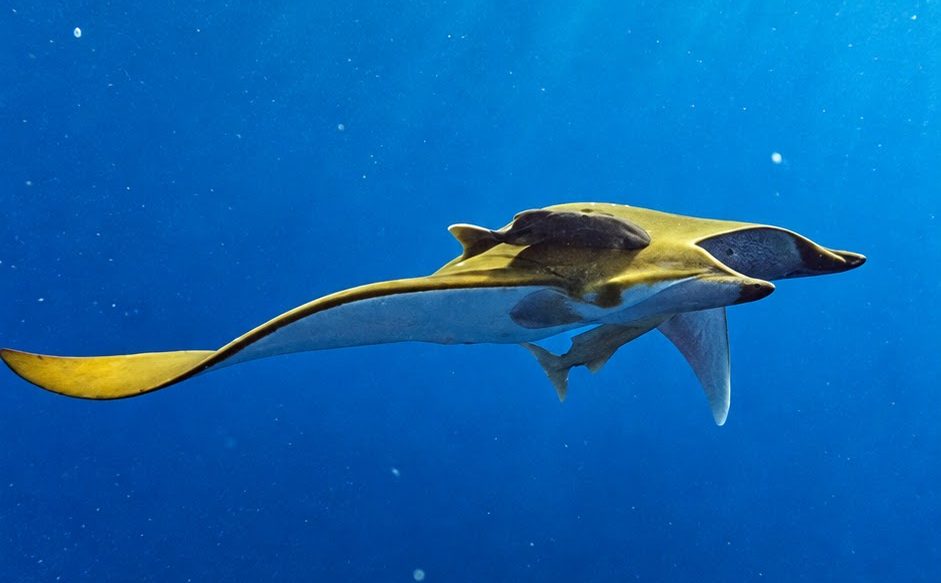
Most ocean records come from a few coasts. Log every dive, even quiet sites.
Full dive logs show when a species goes missing. Log every animal, not just the highlights.
Change only shows up over years. Keep logging your home reef.
Lookalike species trip up records. Tag animals and add a photo.