Marine life

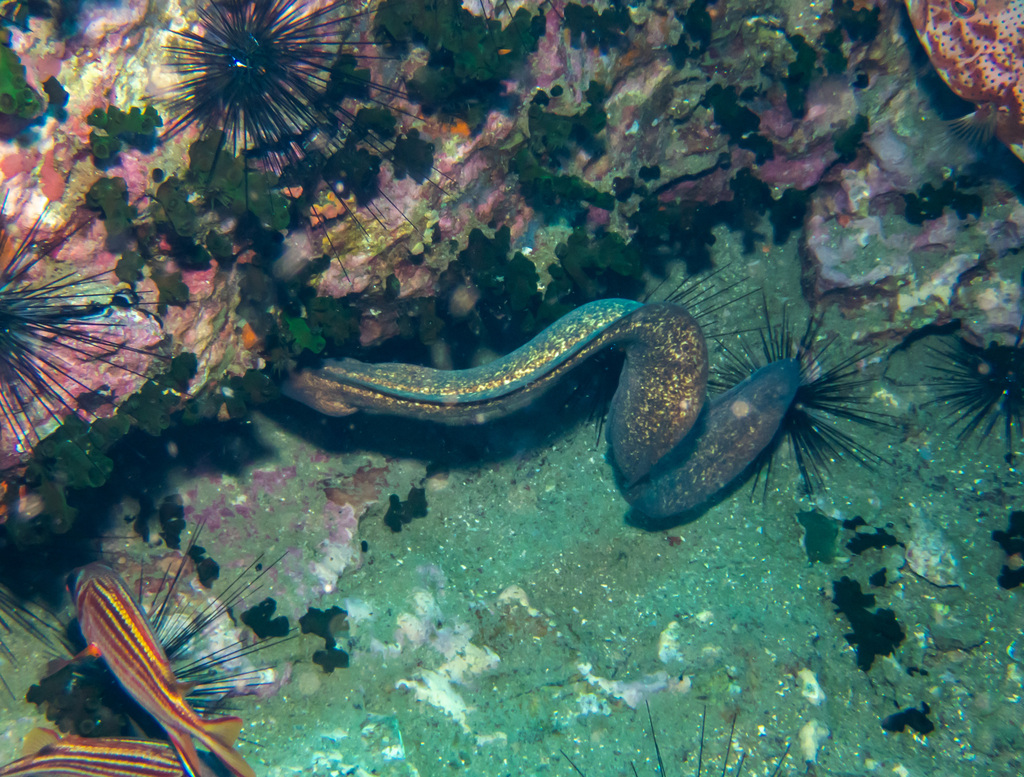
Where to see Giant moray

Gymnothorax javanicus

Dive sites
11
Destinations
2
By destination

Giant moray, destination by destination.

Best monthly chance of seeing it per dive, at the best site in each destination.

Best sites

The best dive sites to see it.

Chances are the share of dives on which it was seen, in the best month.

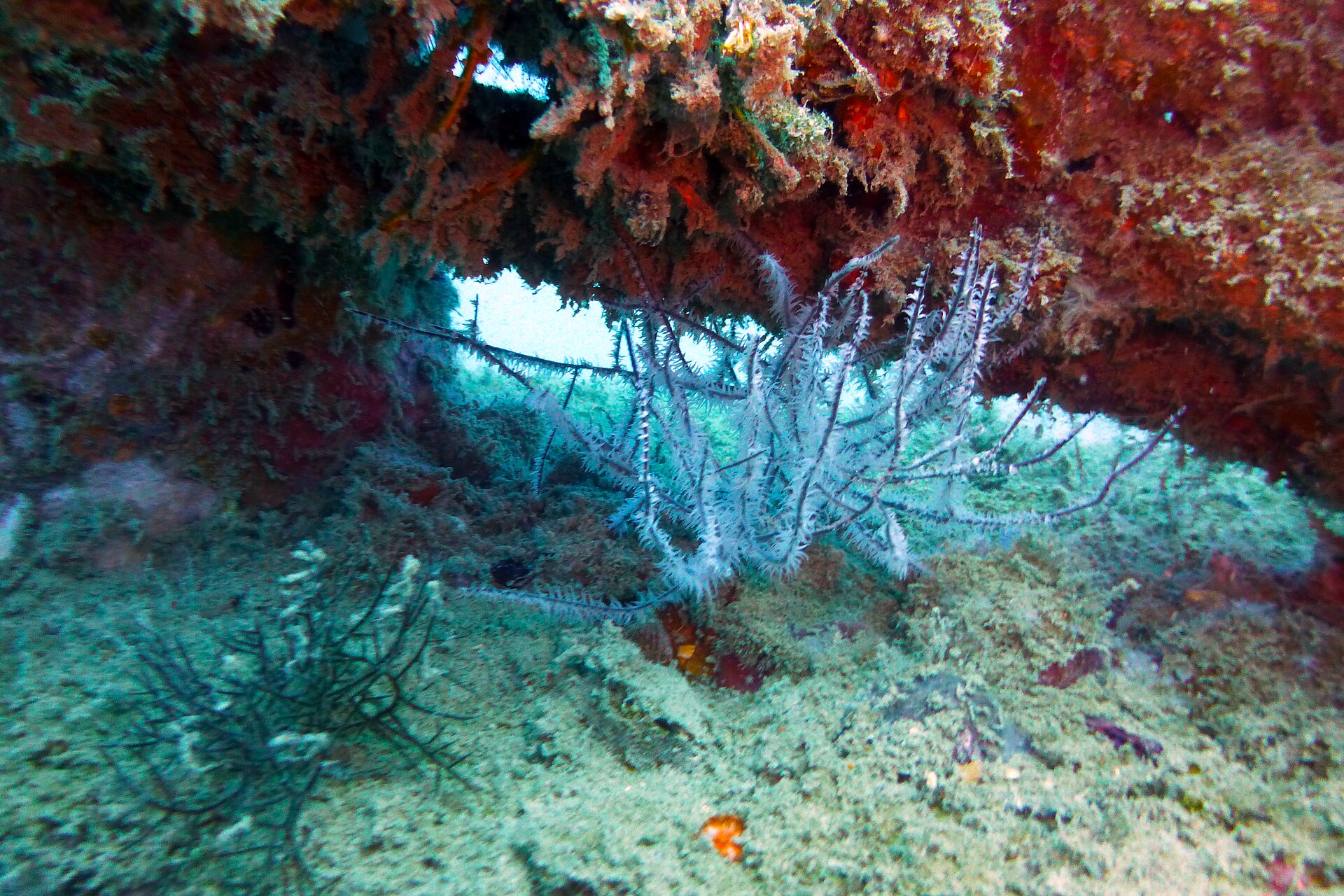
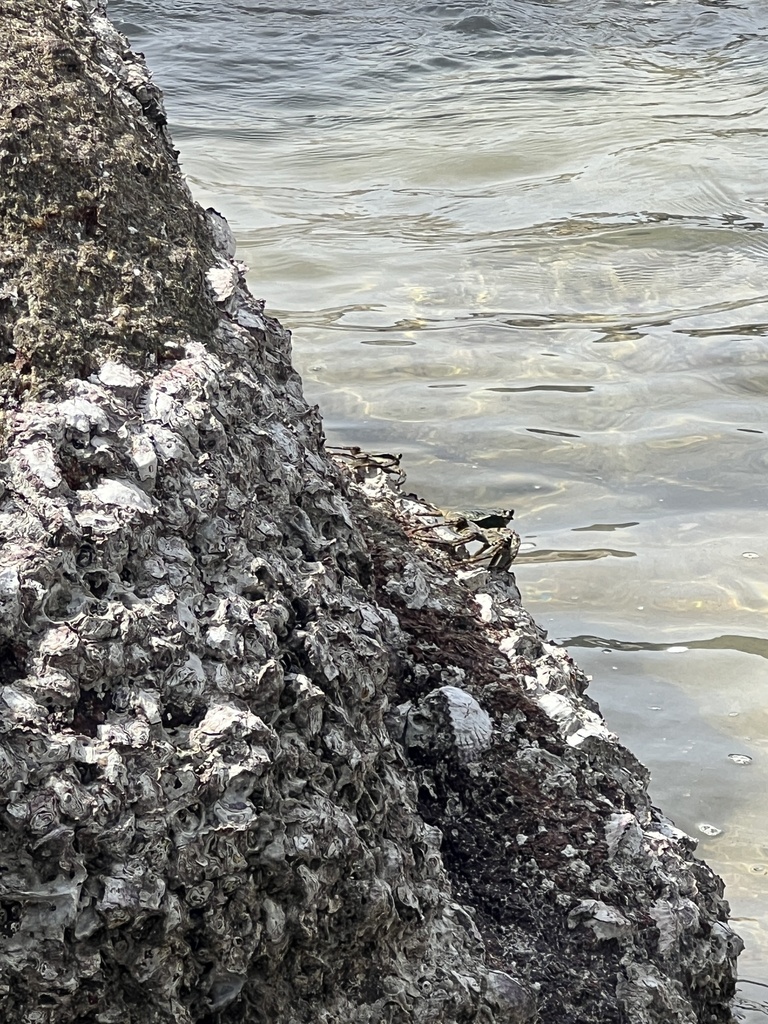
  1. White-eyed Moray near Chumpon PinnaclePhoto: (c) portioid, some rights reserved (CC BY), via iNaturalist, CC BY
    Advanced Open Water12-45 mAbove your levelLevel not known: check before you book

    Seen on 16% of dives in March

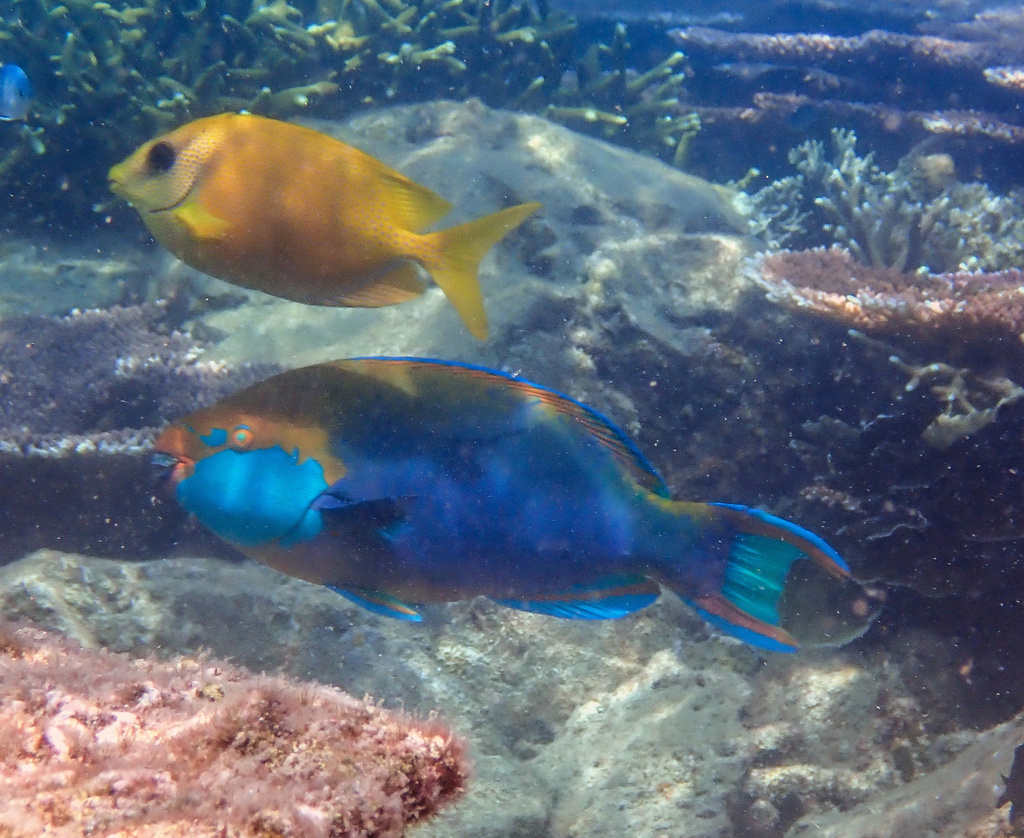
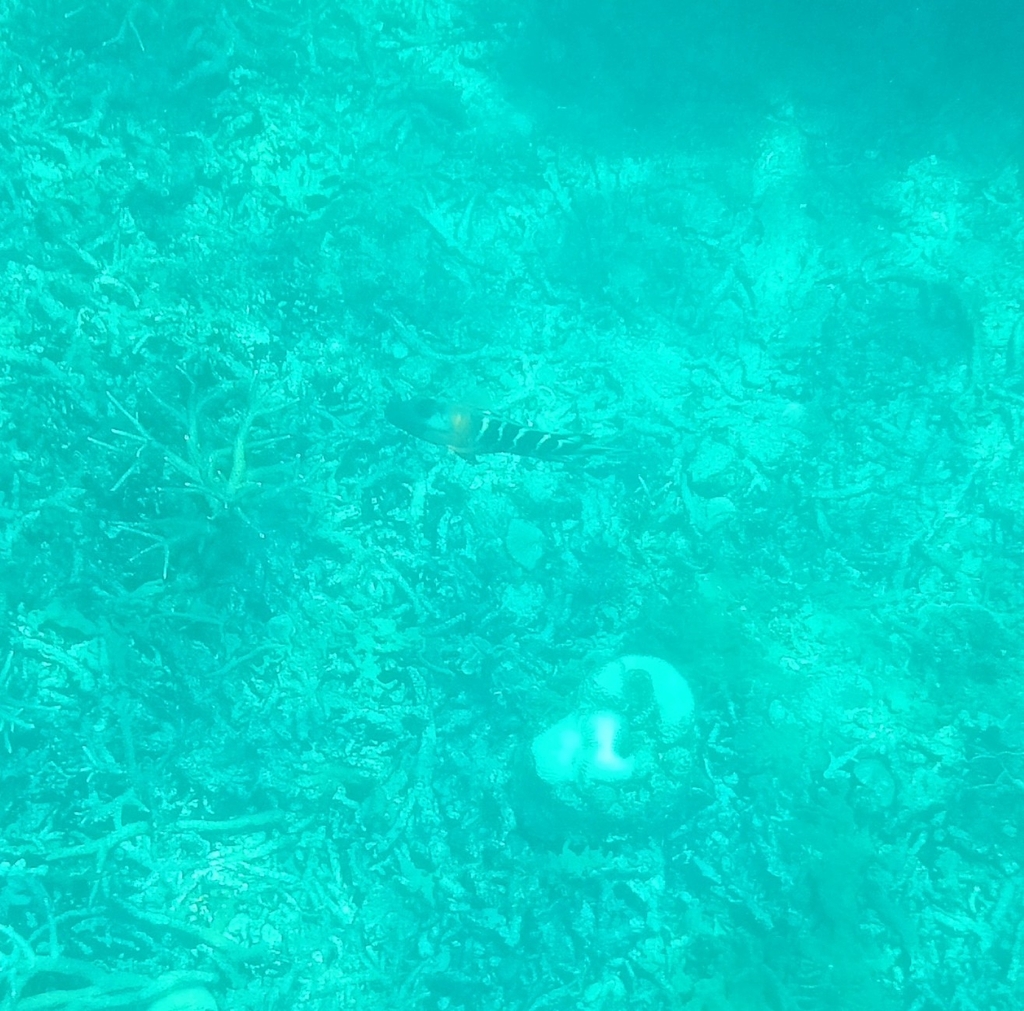
  2. Greencheek Parrotfish near Seringgih IslandPhoto: (c) Sébastien Jungo, some rights reserved (CC BY), via iNaturalist, CC BY

    2. Seringgih Island

    Perhentian Islands
    Advanced Open Waterto 24 mCoralWallAbove your levelLevel not known: check before you book

    Seen on 11% of dives in April

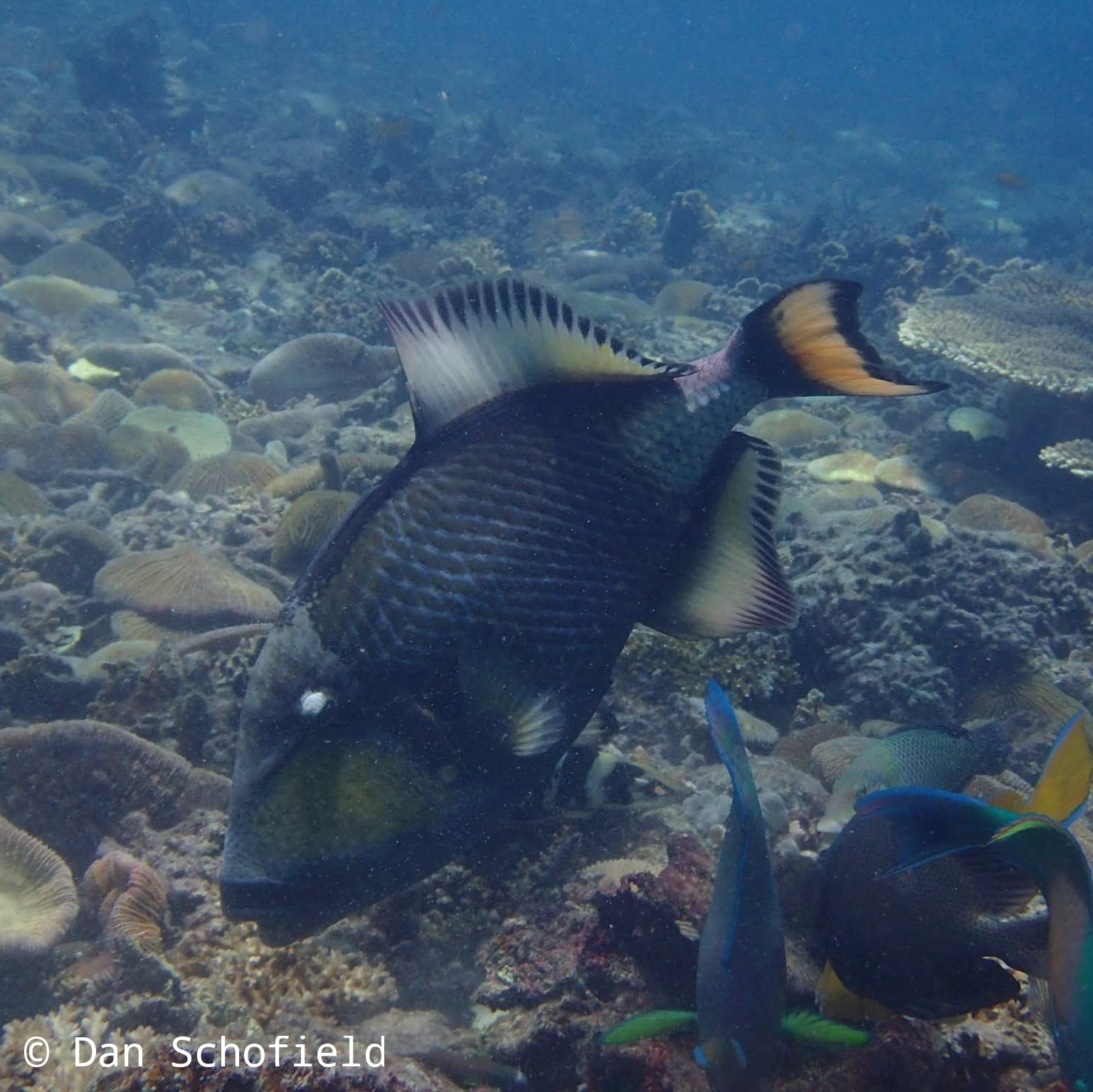
  3. Titan Triggerfish imported from iNaturalist photo 51505047 on 2 November 2024 near TwinsPhoto: (c) Dan Schofield, some rights reserved (CC BY), via Wikimedia Commons, CC BY 4.0

    3. Twins

    Koh Tao
    Beginner5-25 mCoralAbove your levelLevel not known: check before you book

    Seen on 6% of dives in February

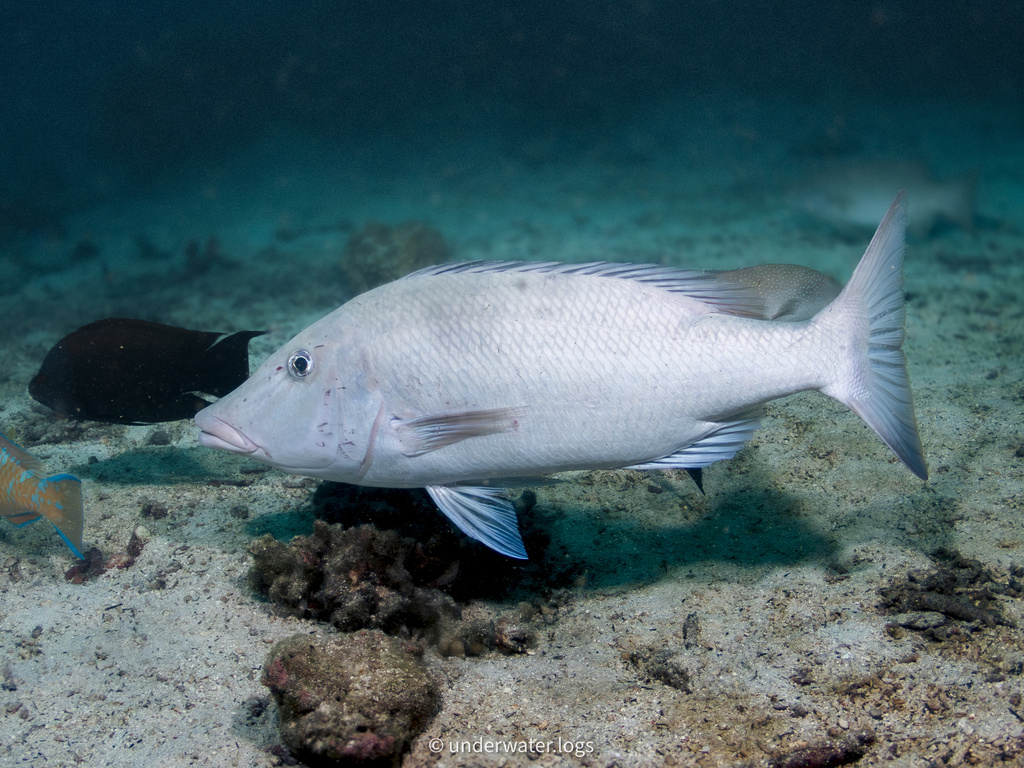
  4. Smalltooth Emperor near No NamePhoto: (c) ig: underwater.logs, some rights reserved (CC BY), via iNaturalist, CC BY

    4. No Name

    Koh Tao
    Advanced Open Water11-30 mWreckAbove your levelLevel not known: check before you book

    Seen on 6% of dives in February

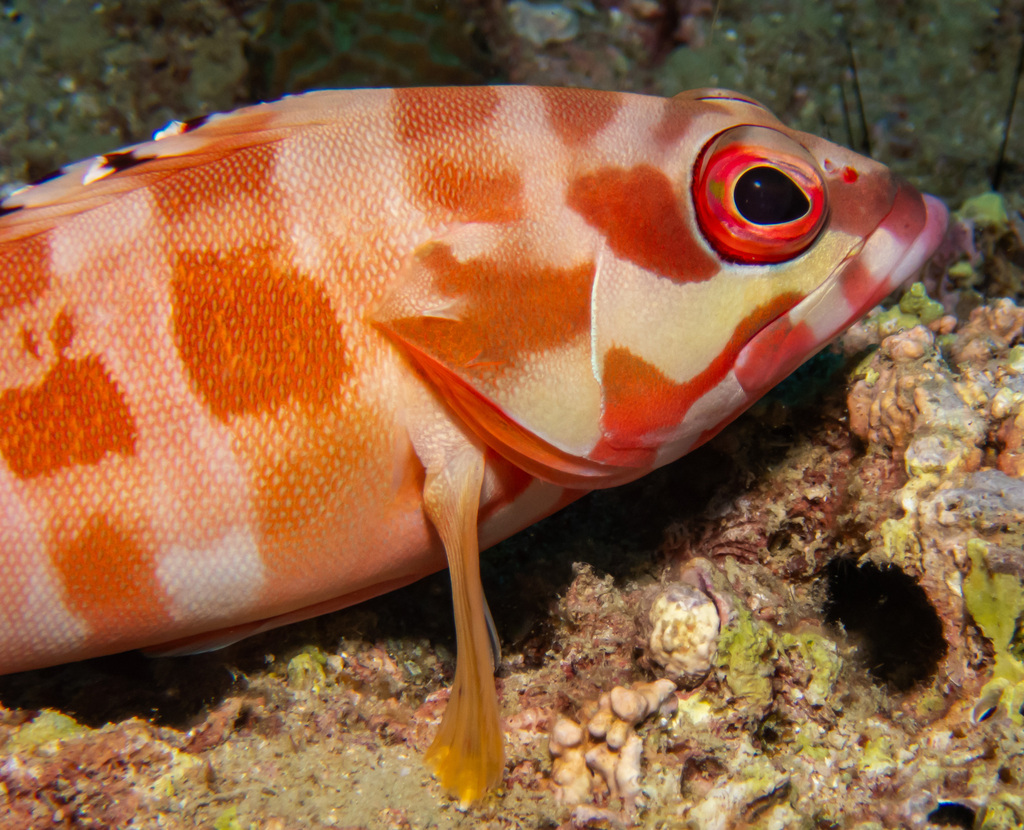
  5. Blacktip Grouper near Green RockPhoto: (c) portioid, some rights reserved (CC BY), via iNaturalist, CC BY
    Open Water4-32 mCave and cavernCoralAbove your levelLevel not known: check before you book

    Seen on 5% of dives in February

  6. Diving Ko Tao, Thailand 1124 near Koh Nang YuanPhoto: Amada44, via Wikimedia Commons, CC BY SA 3.0
    Level not yet knownAbove your levelLevel not known: check before you book

    Seen on 4% of dives in February

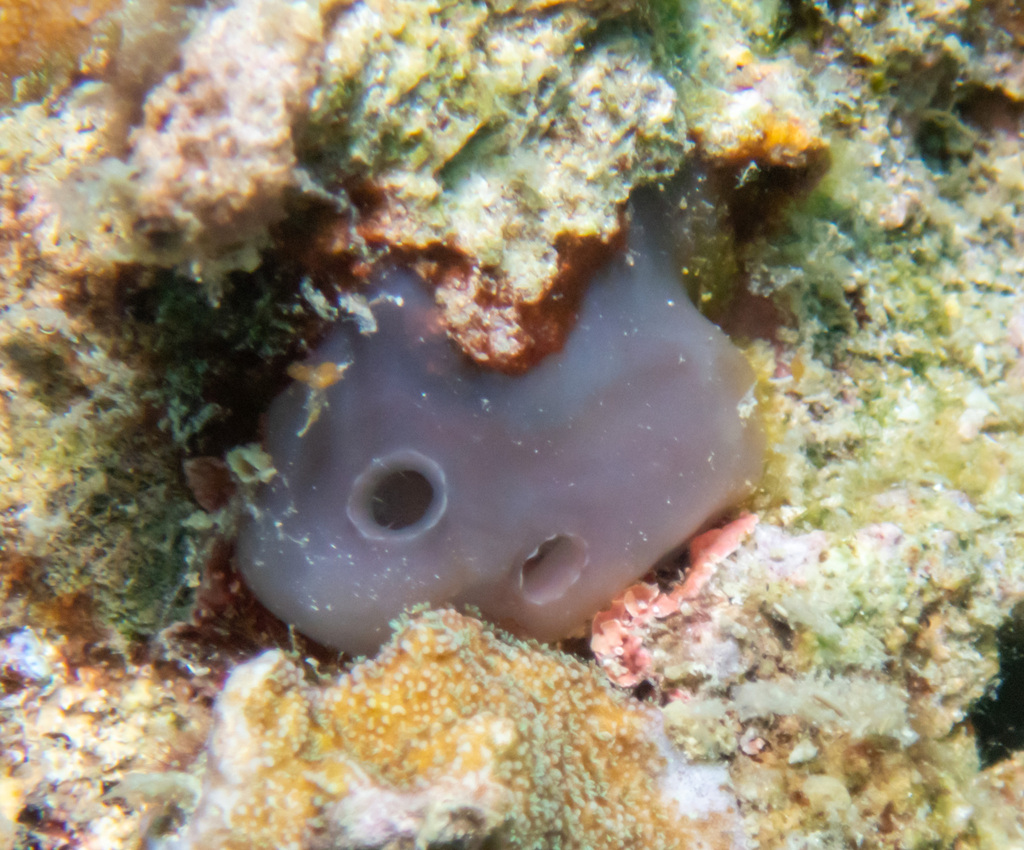
  7. Phallusia arabica near White RockPhoto: (c) portioid, some rights reserved (CC BY), via iNaturalist, CC BY
    Open Water2-26 mBig animalsCoralAbove your levelLevel not known: check before you book

    Seen on 3% of dives in February

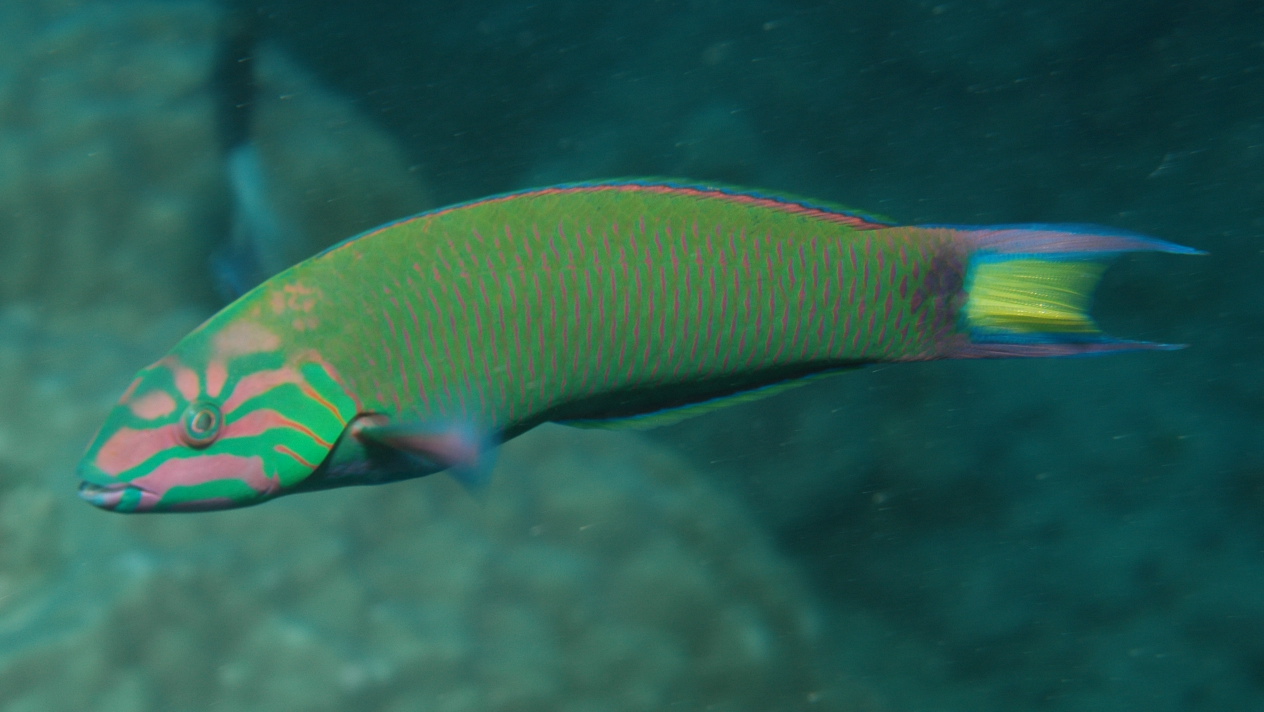
  8. Moon wrasse, seen at HTMS Sattakut (photo taken elsewhere)Seen here: Moon wrassePhoto: Leonard Low from Australia, via Wikimedia Commons, CC BY 2.0 · not taken at this site
    Advanced Open Water18-31 mWreckAbove your levelLevel not known: check before you book

    Seen on 3% of dives in February

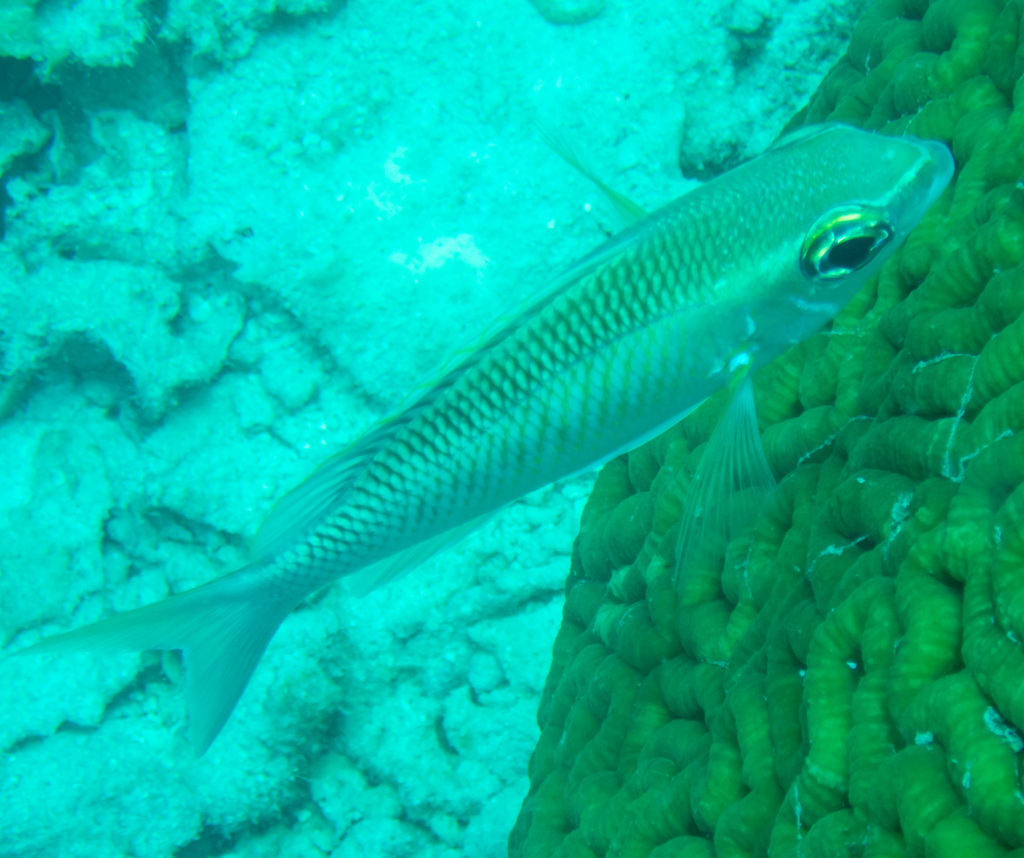
  9. Pearly Monocle Bream near Japanese GardensPhoto: (c) portioid, some rights reserved (CC BY), via iNaturalist, CC BY
    Beginner2-18 mCoralAbove your levelLevel not known: check before you book

    Seen on 3% of dives in February

  10. Mottled Lightfoot Crab near Junkyard ReefPhoto: (c) Kat Lim, some rights reserved (CC BY), via iNaturalist, CC BY
    Beginner7-12 mMacroAbove your levelLevel not known: check before you book

    Seen on 2% of dives in February

  11. Redbreast Maori Wrasse near Lighthouse PinnaclePhoto: (c) Gonzalo Ganda Álvarez, some rights reserved (CC BY), via iNaturalist, CC BY
    Beginner5-18 mWallAbove your levelLevel not known: check before you book

    Seen on 1% of dives in February

Citizen science

Turn every dive into ocean science

The ocean covers 70% of the planet but is the least-recorded place on Earth. Scientists can't be on every reef. Divers are.
  • Free to join
  • Works with your dive computer
What happens to one sighting
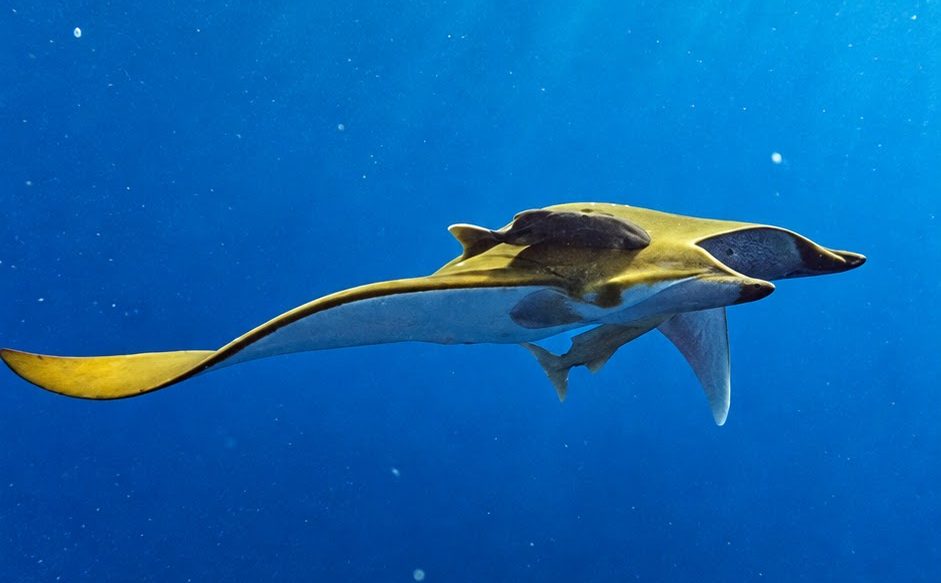
A mobula ray swimming in open blue water, a remora on its back
Mobula rayMobula sp.15 m · Princess Alice Bank, Azores
  1. You log itWhat you saw, from your dive computer file or by hand.
  2. We check itPinned to the dive site and matched to a scientific name.
  3. Scientists can use itKept with its date, depth and place, in the format the big open species databases like GBIF use.

What scientists need, and how you help

  • More places

    Most ocean records come from a few coasts. Log every dive, even quiet sites.

  • What wasn't there

    Full dive logs show when a species goes missing. Log every animal, not just the highlights.

  • Same reefs, every year

    Change only shows up over years. Keep logging your home reef.

  • Names they can trust

    Lookalike species trip up records. Tag animals and add a photo.